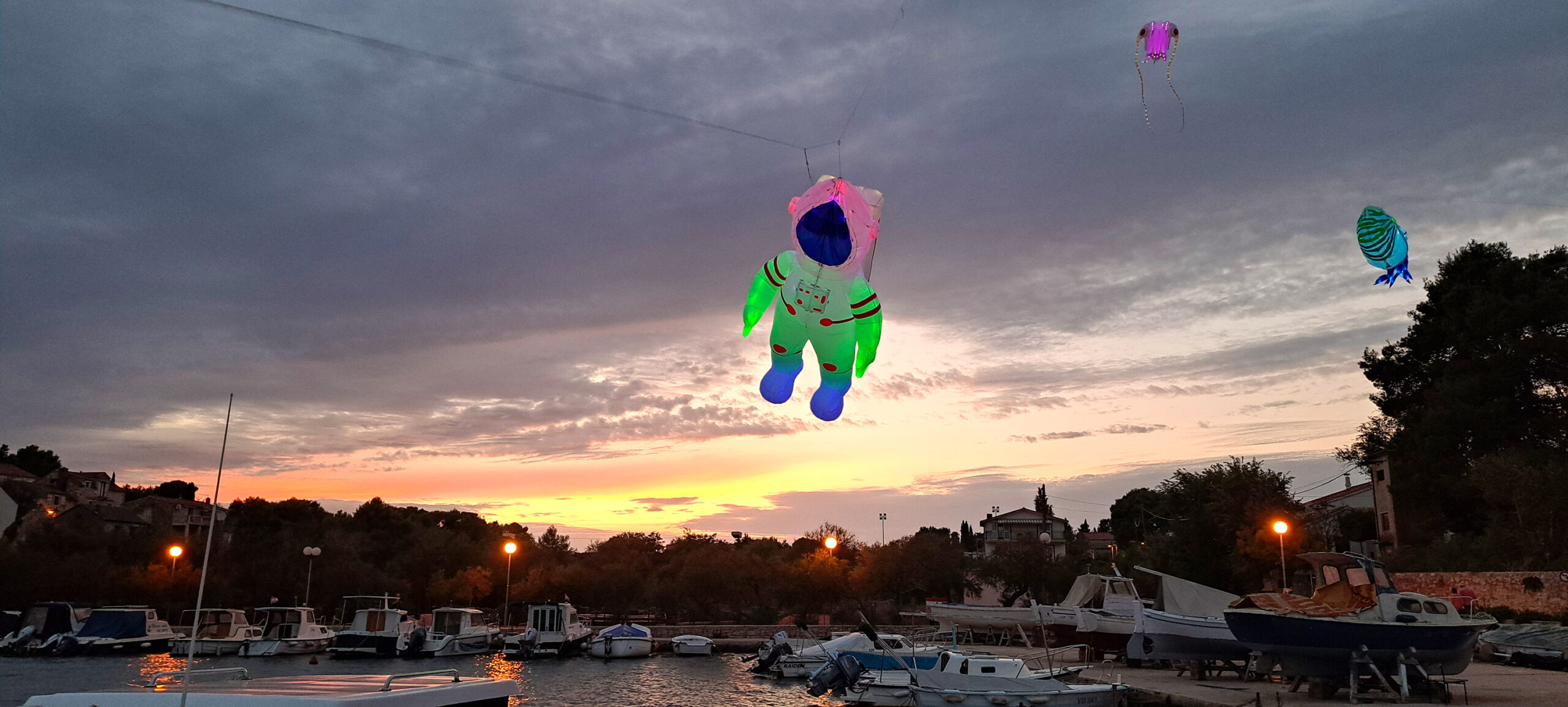
Touch me … make me real.
– Croatian poet, 20th century
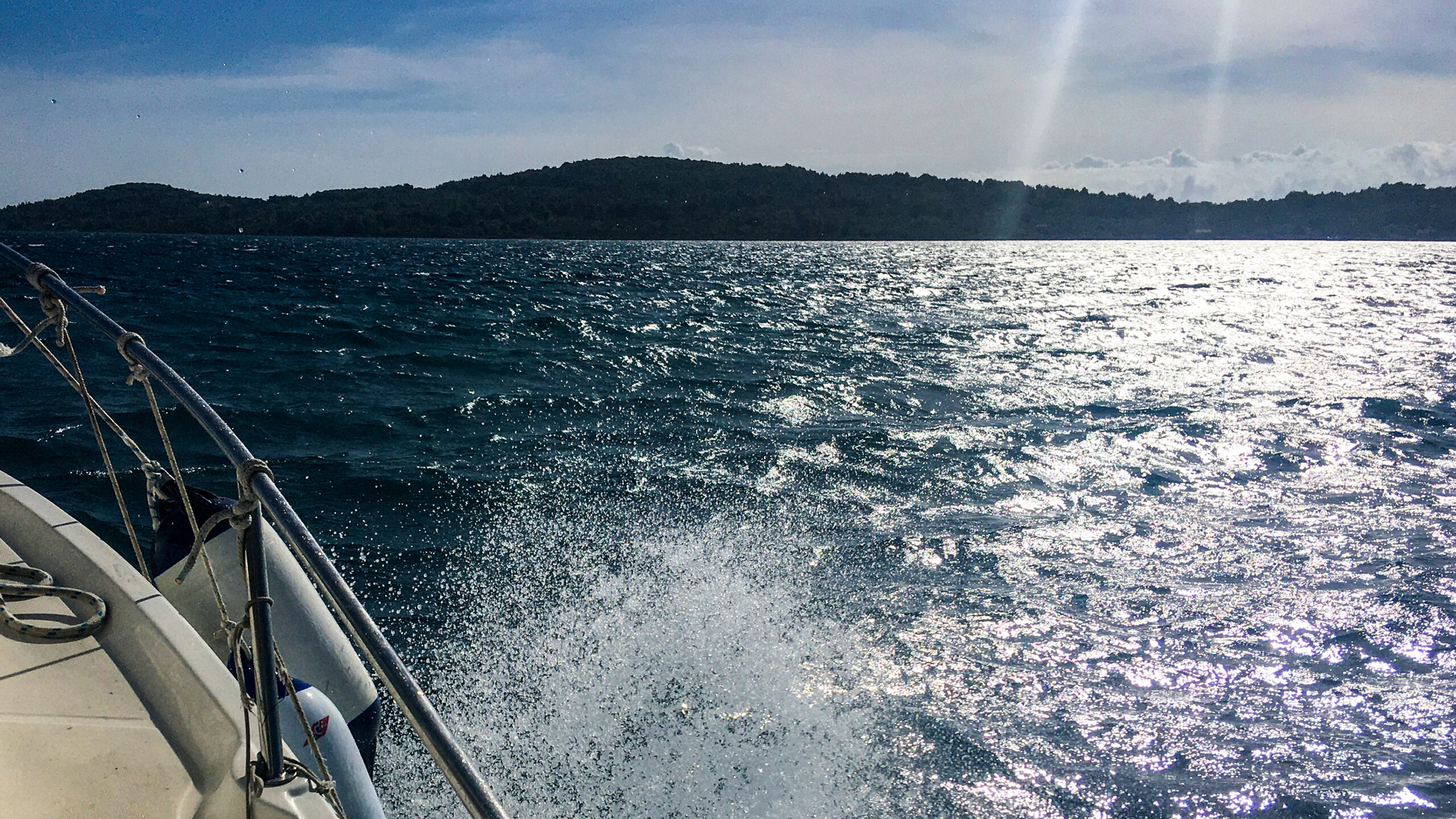
For most of the year, the island of Prvić is an idea, a concept; not quite real, but not unreal either. Sure, ethereal Prvić (most probably) continues to exist even without our interference, but …
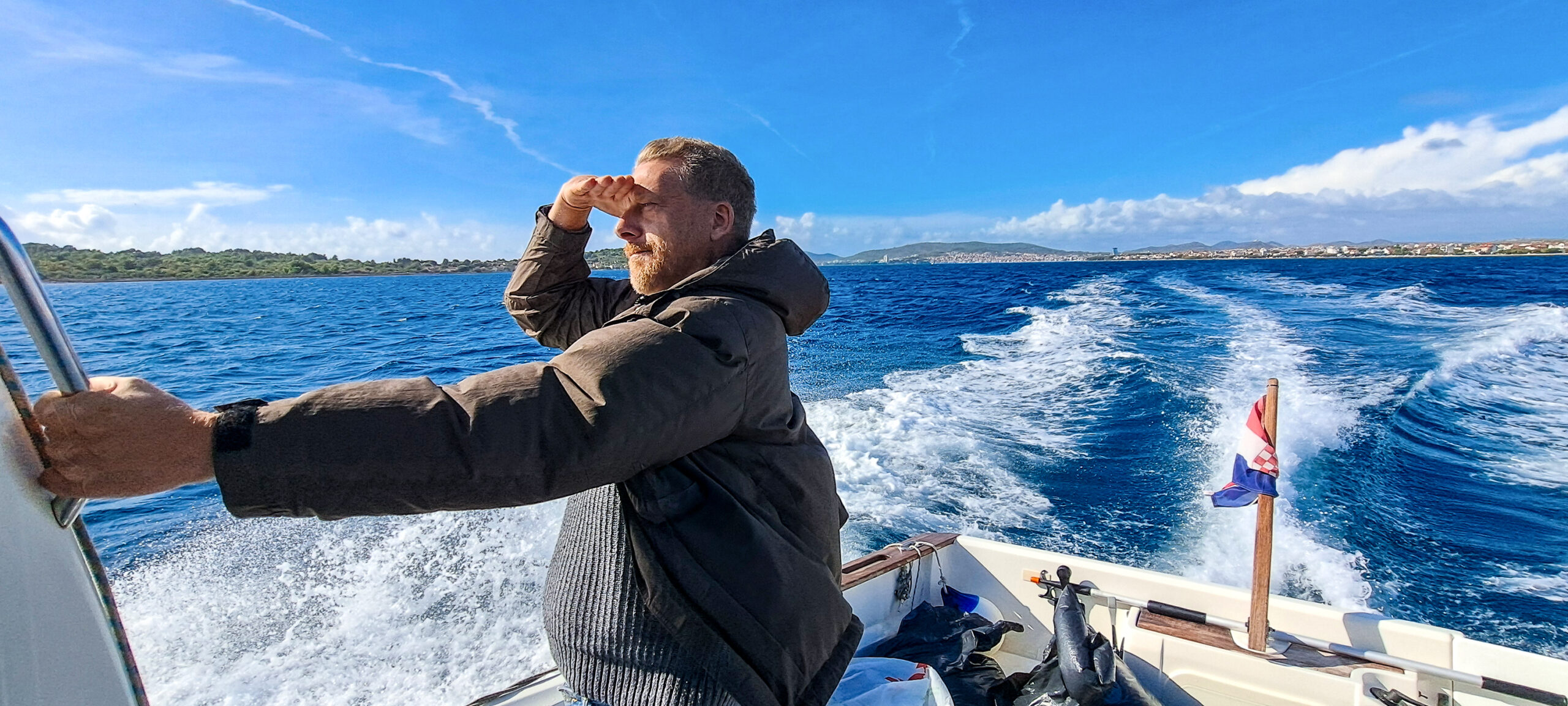
But it really becomes real when we see it.
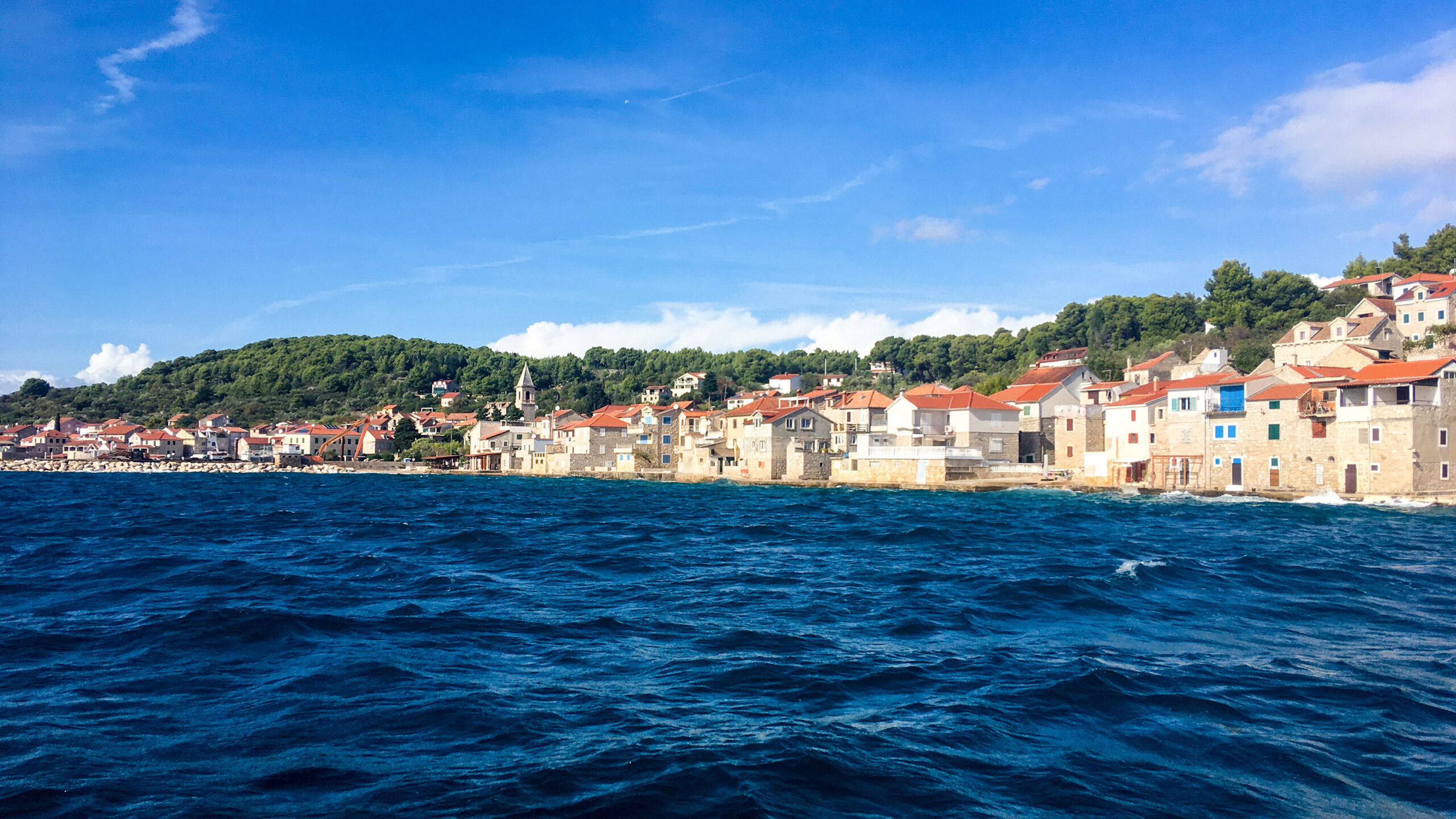
When we touch it.
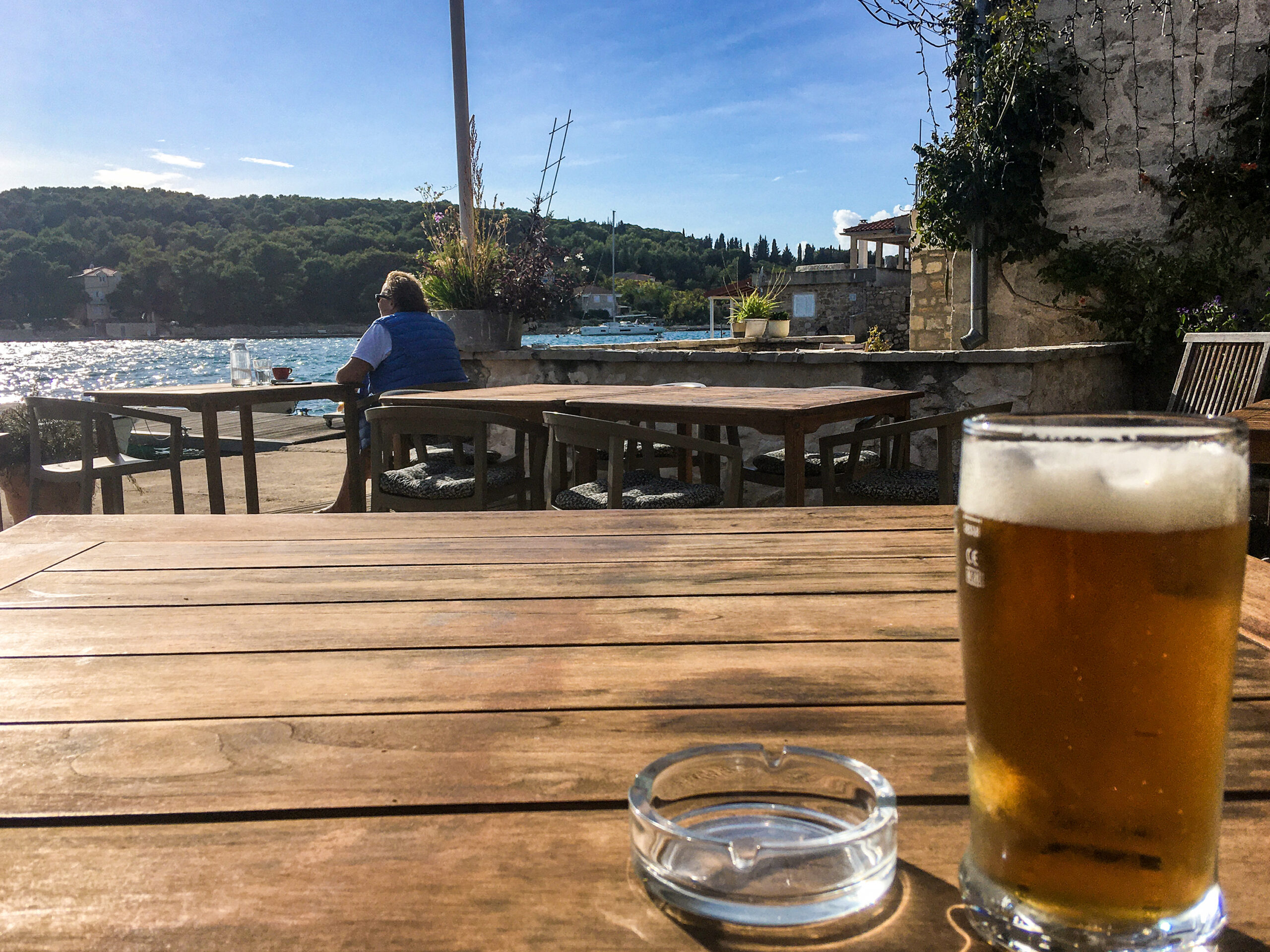
Set foot on the pier.
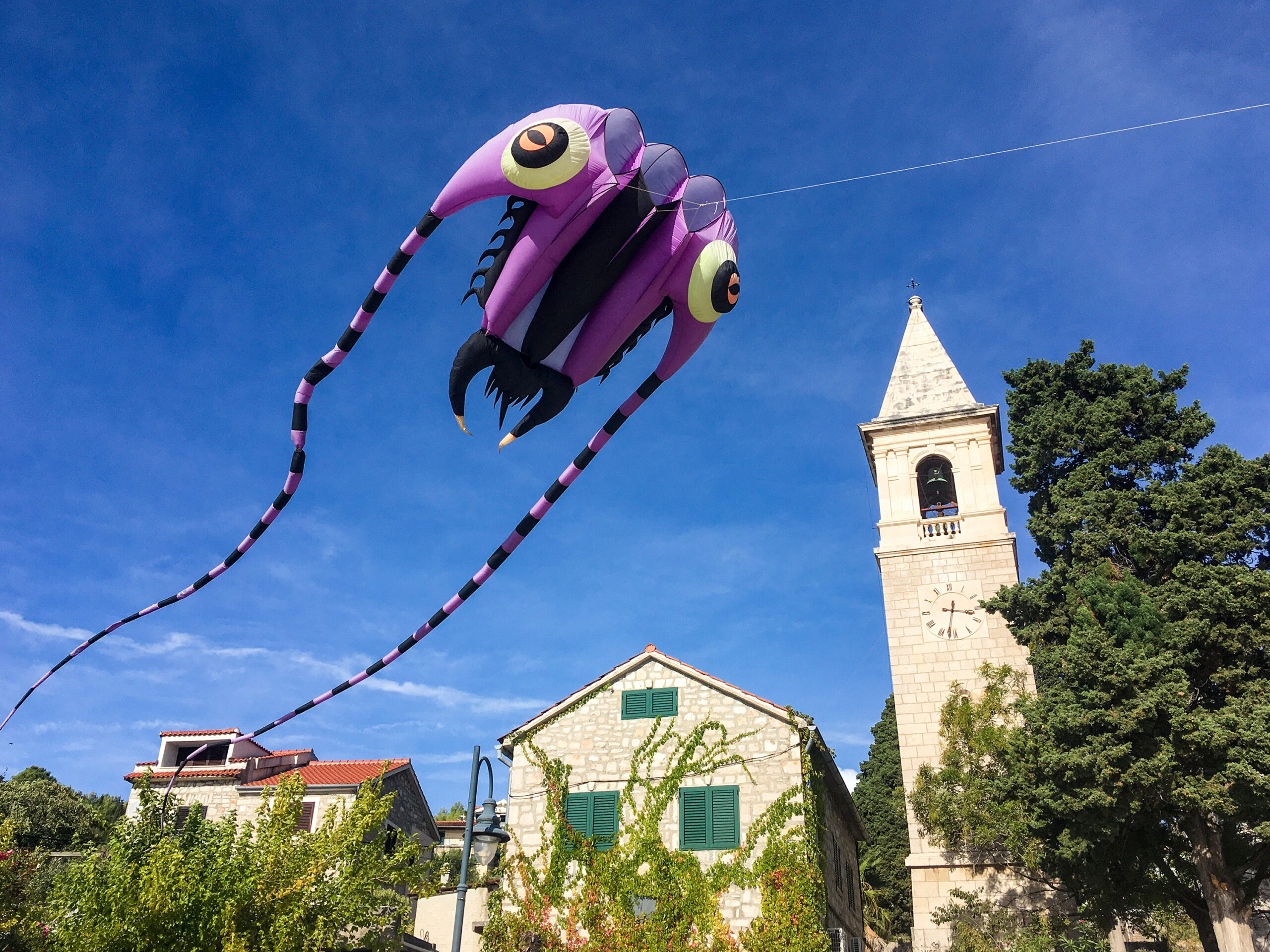
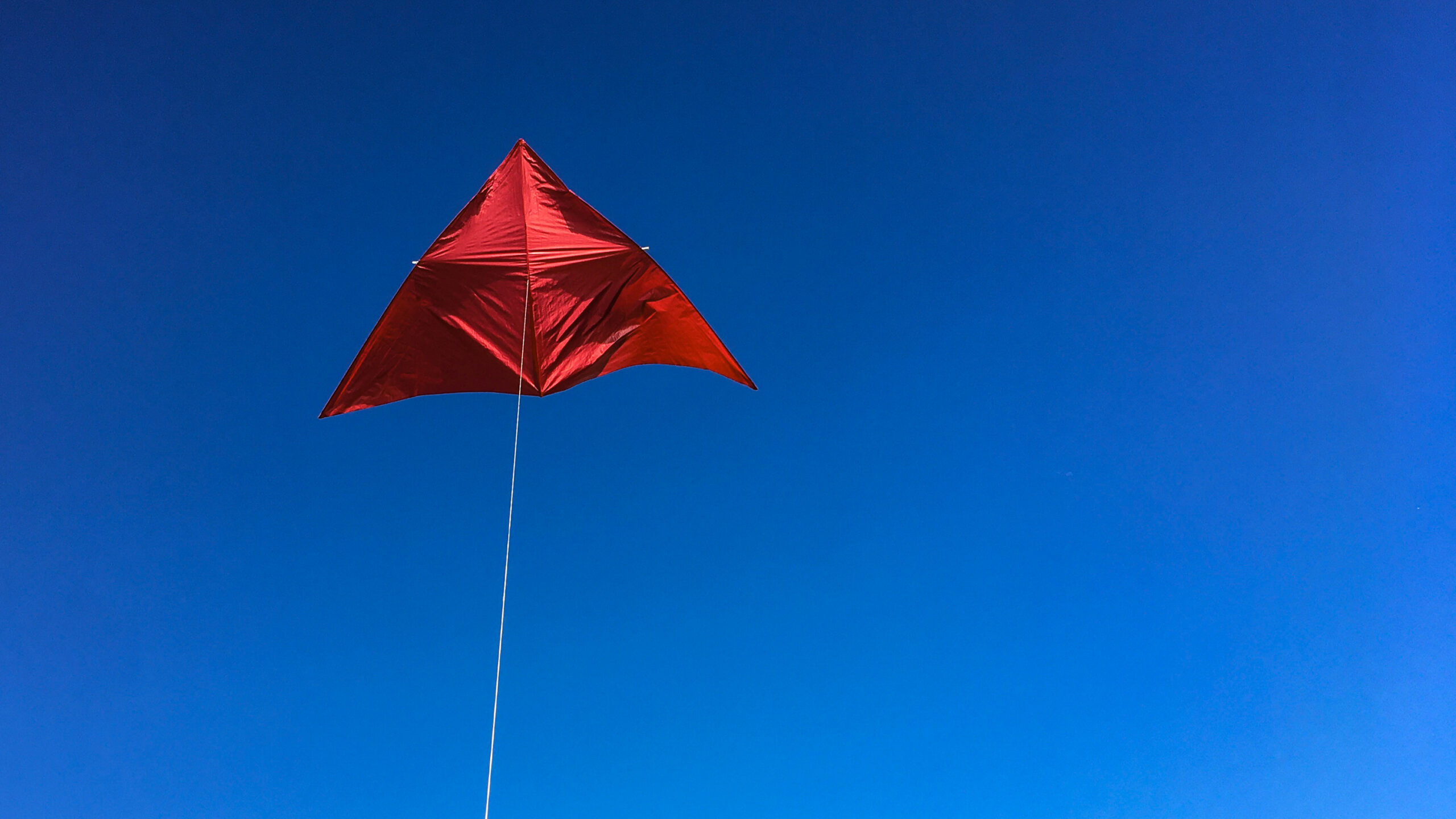
When we unfurl our kites and let them fly above it.
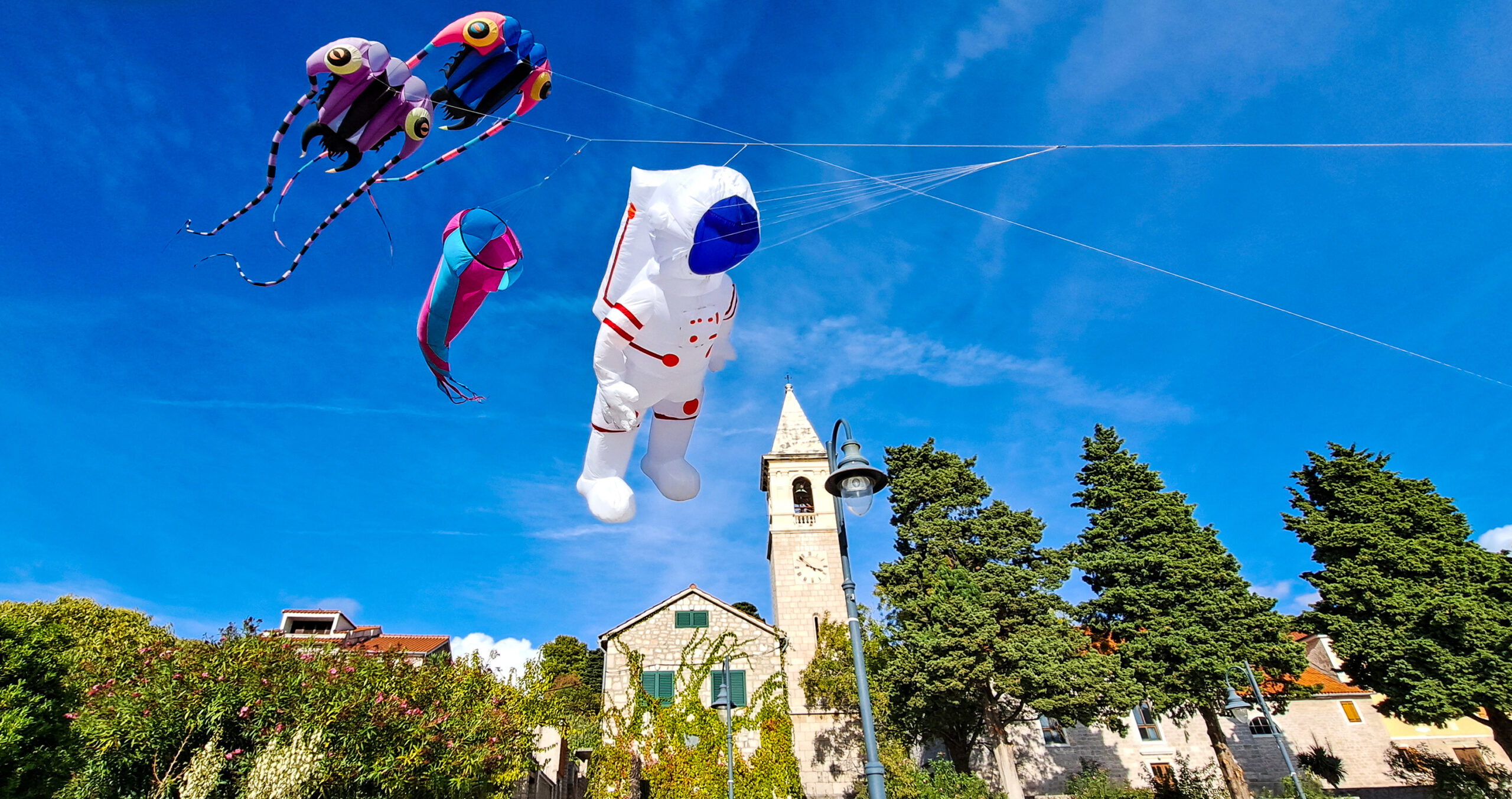
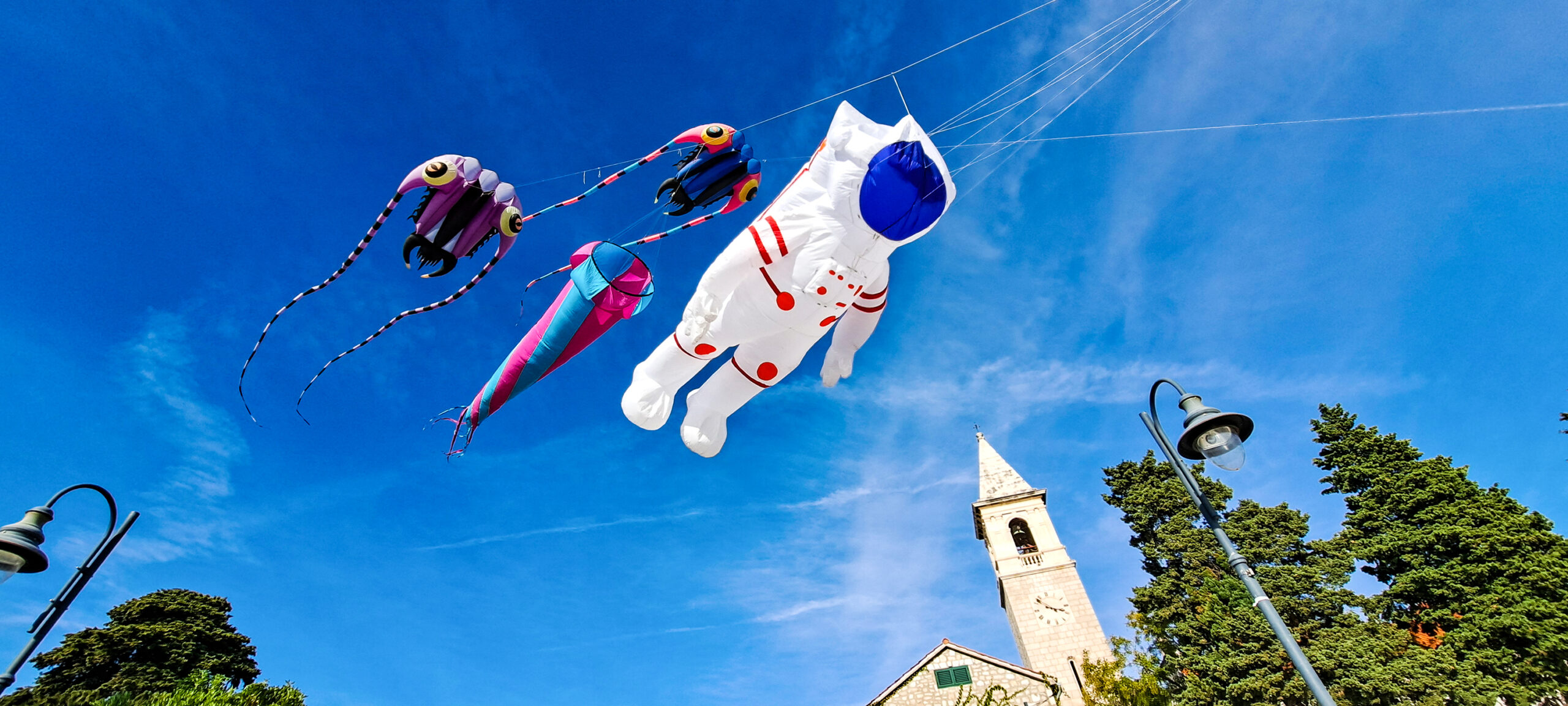
The monster above us
has power
– Croatian poet, 20th century
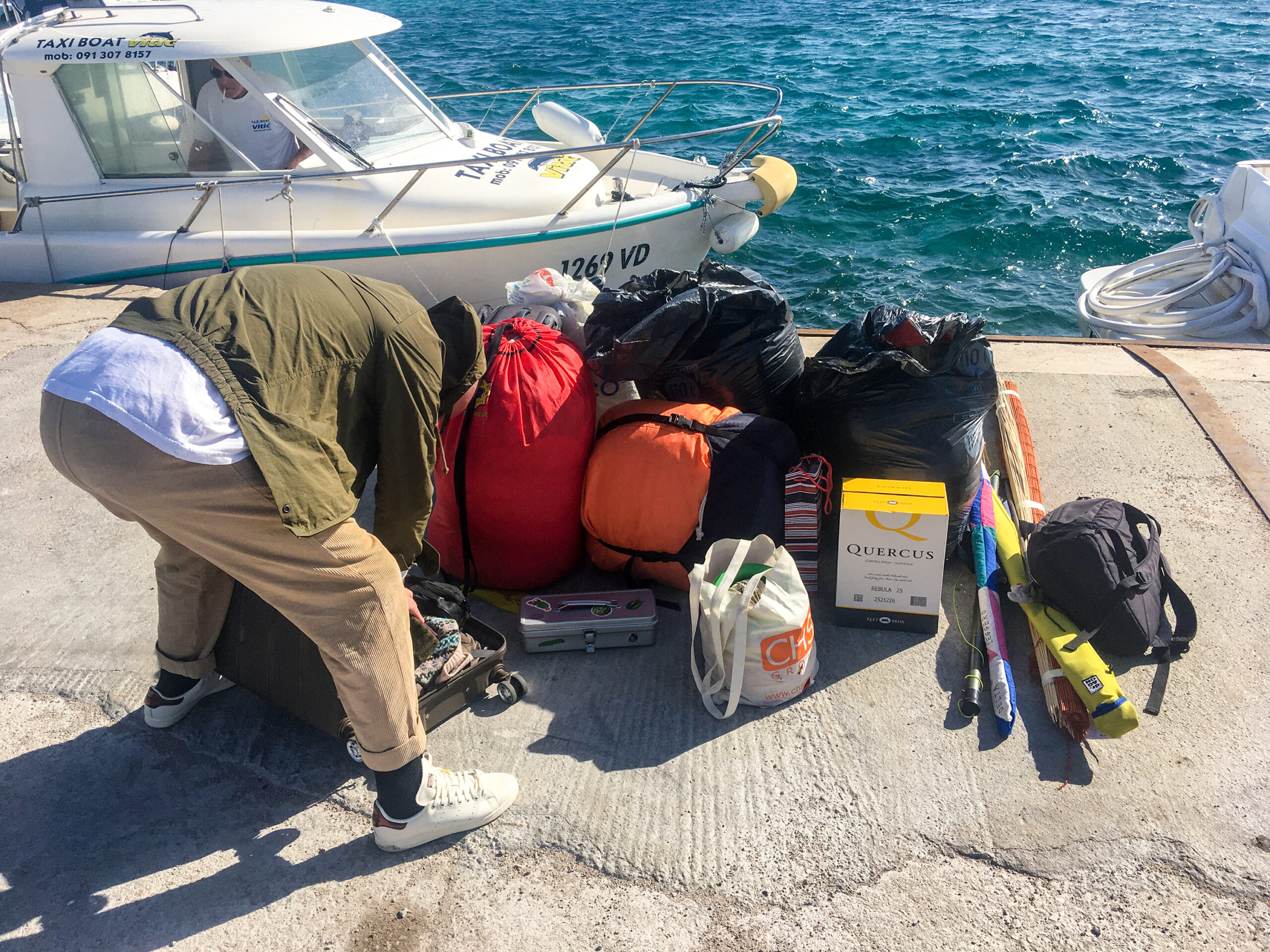
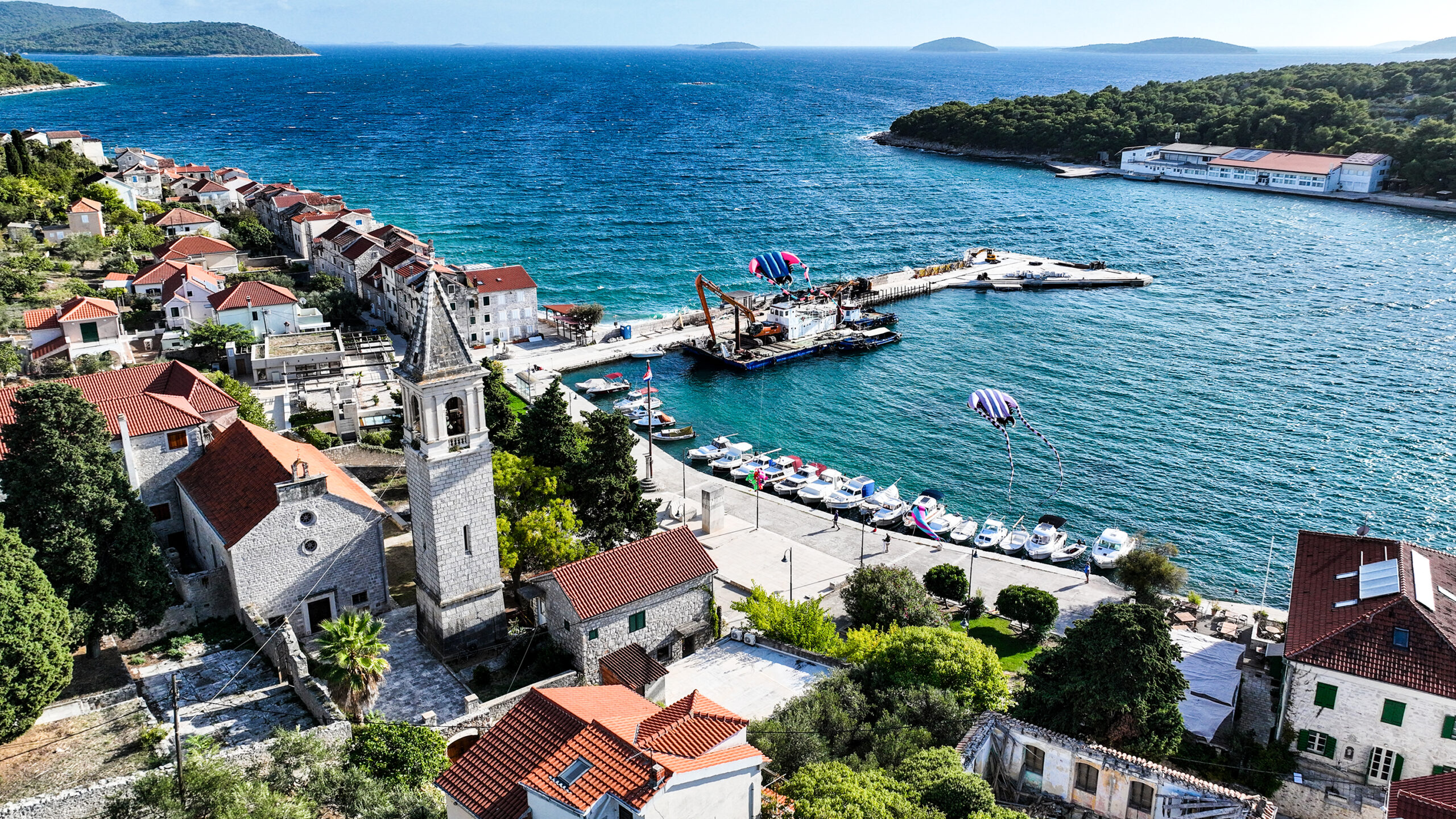
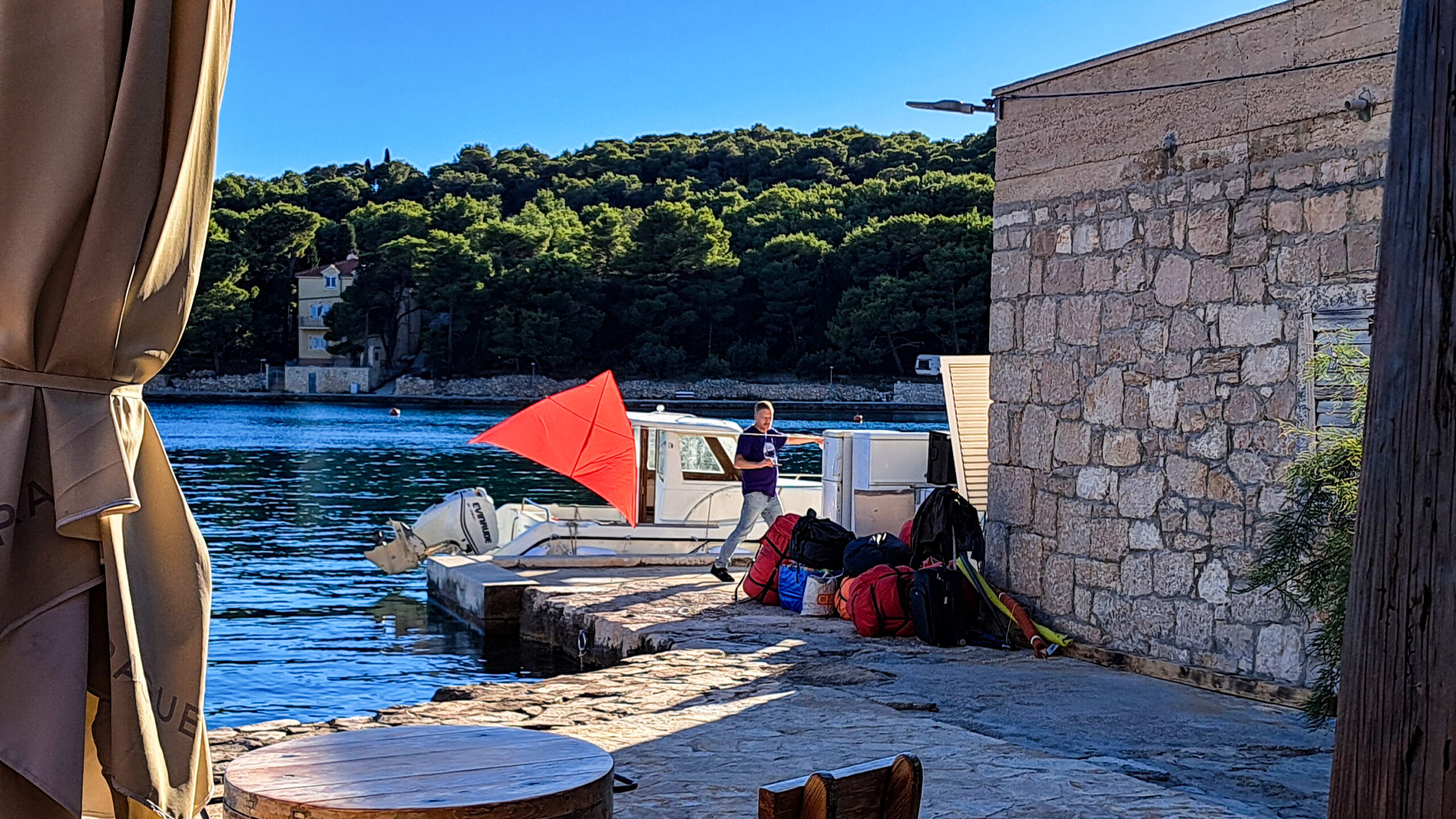
Oh, and unfurl them we did. Almost as soon as we stepped onto the terra firma of Prvić and unloaded all our stuff, we noticed something unusual.
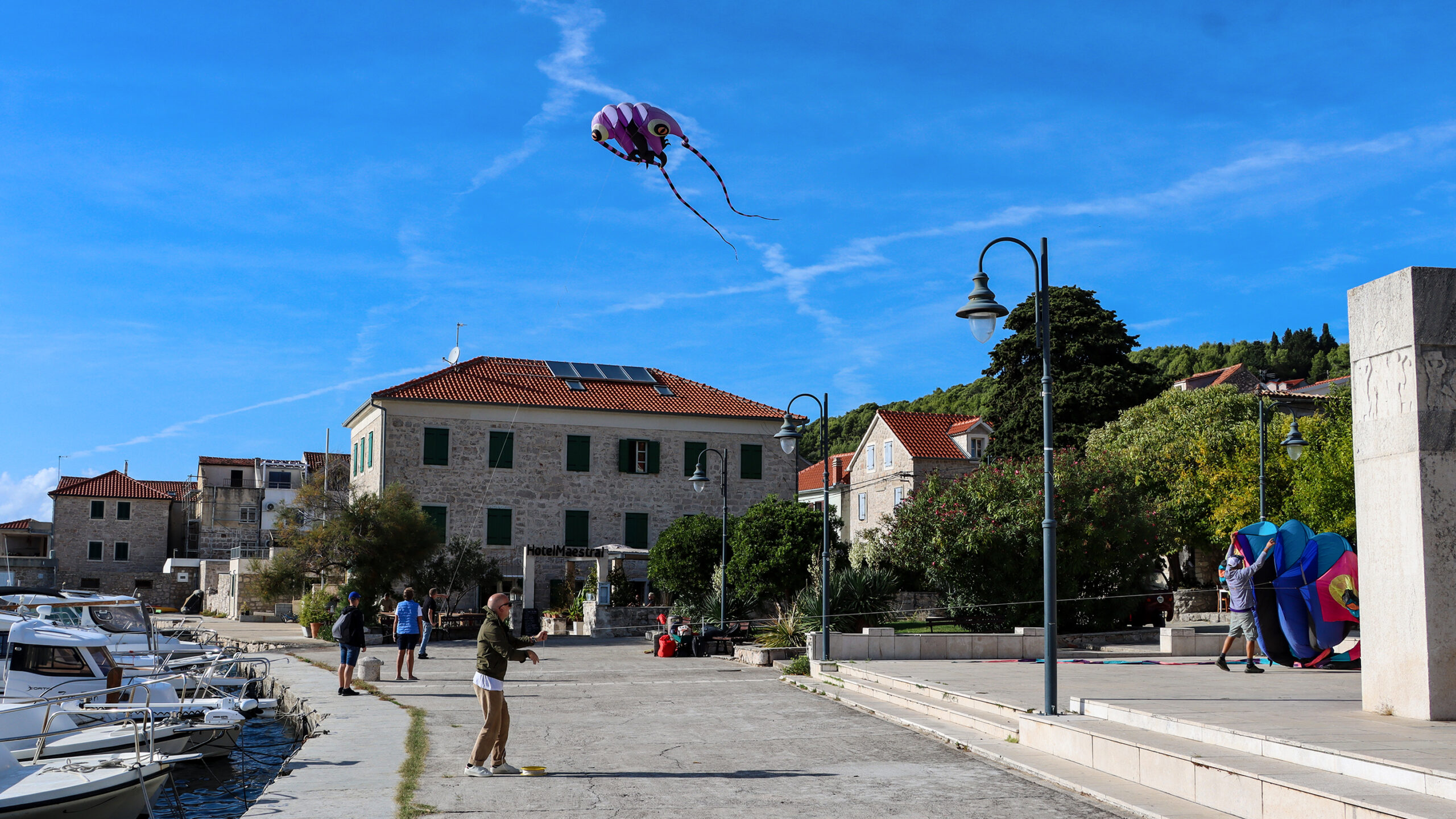
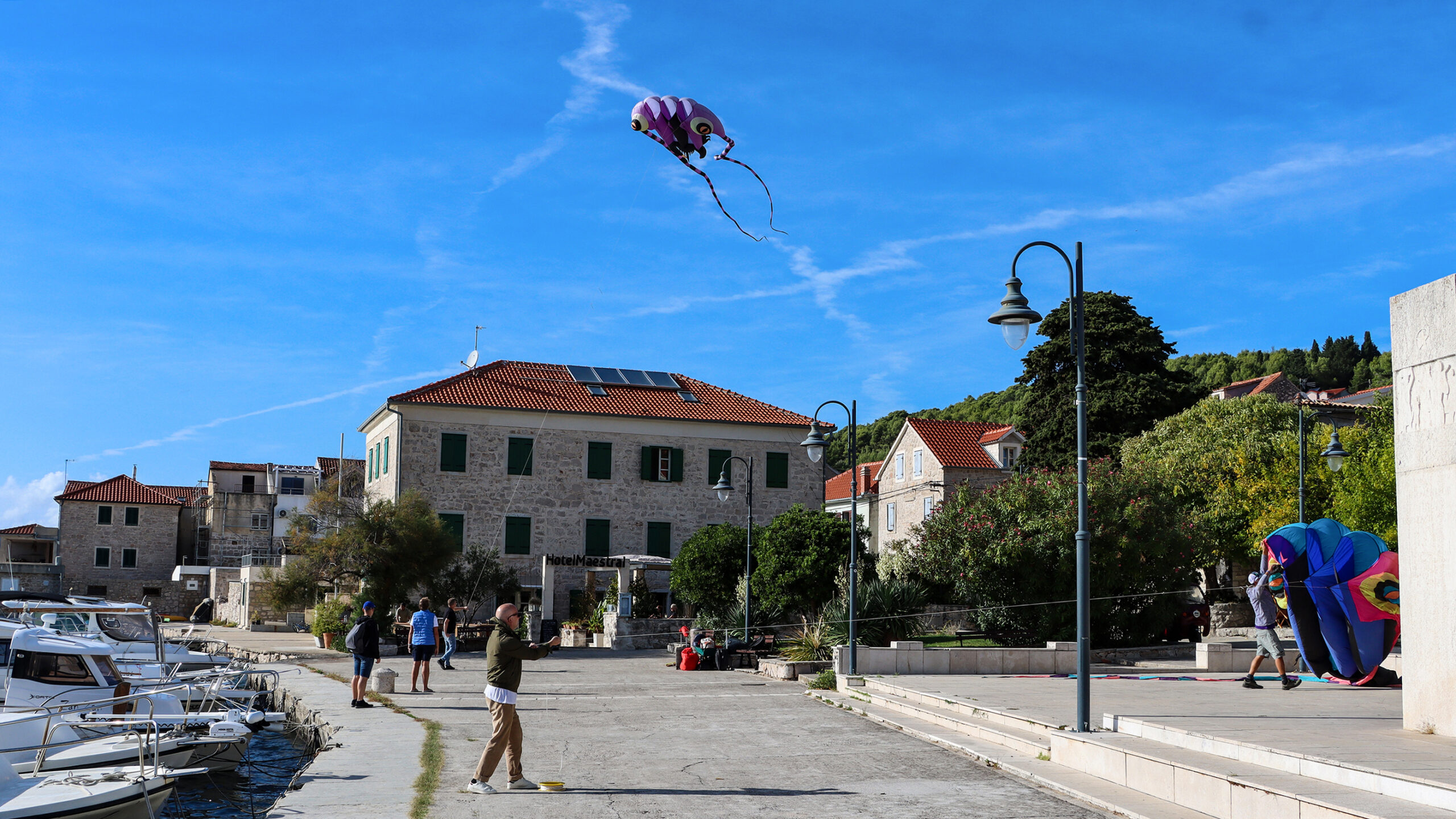
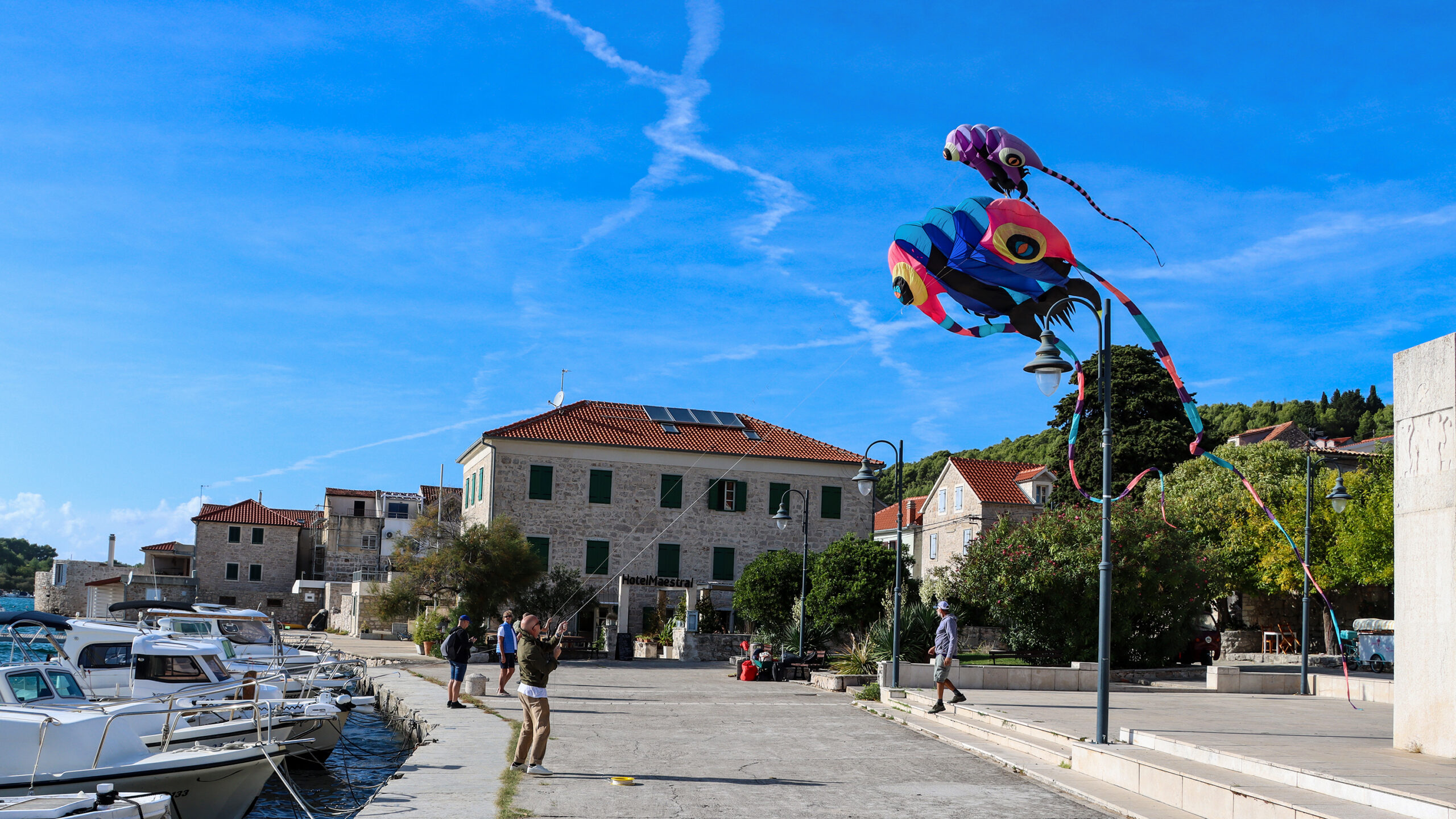
Strong wind!
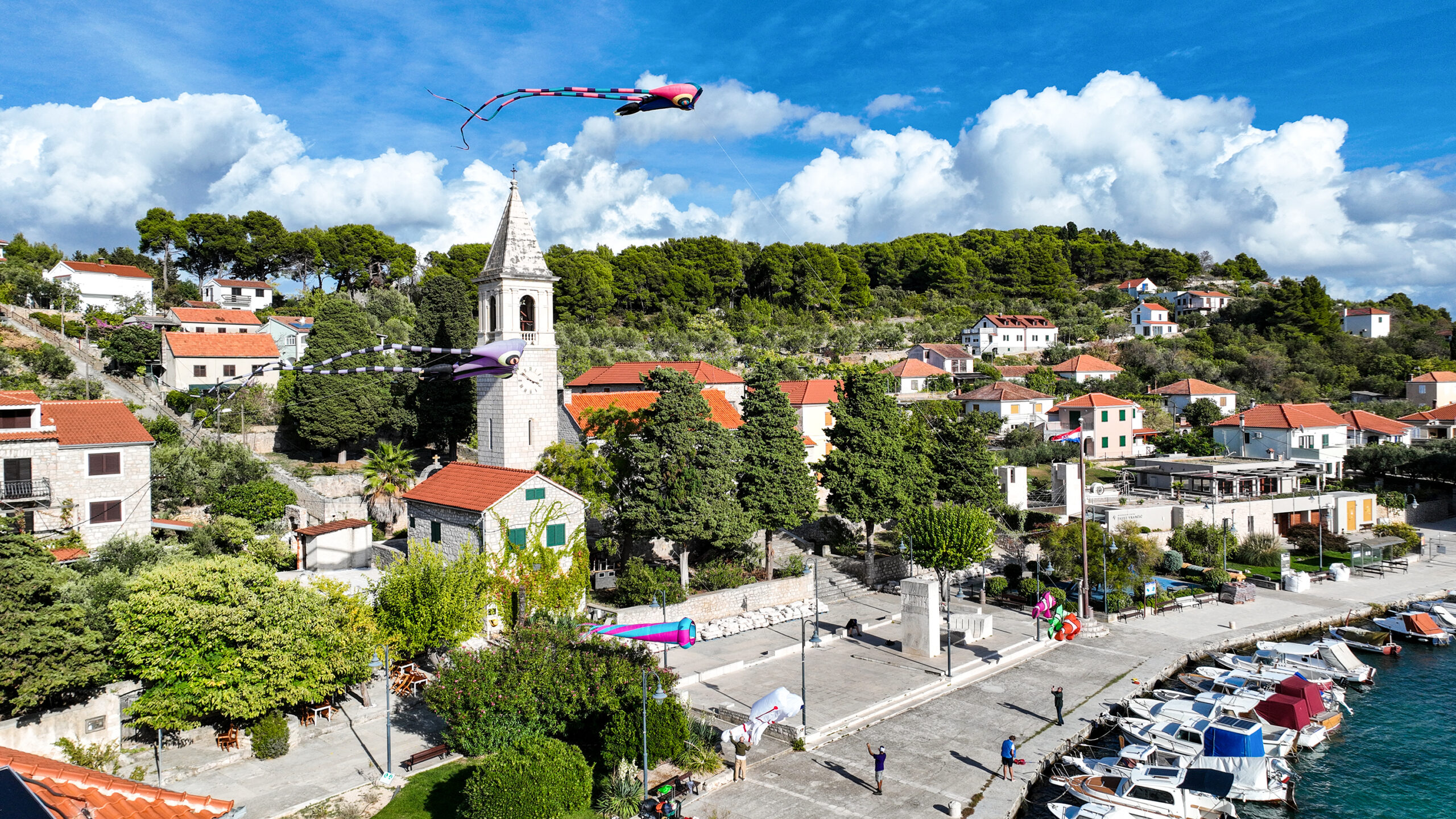
Kites out!
Tie them down!
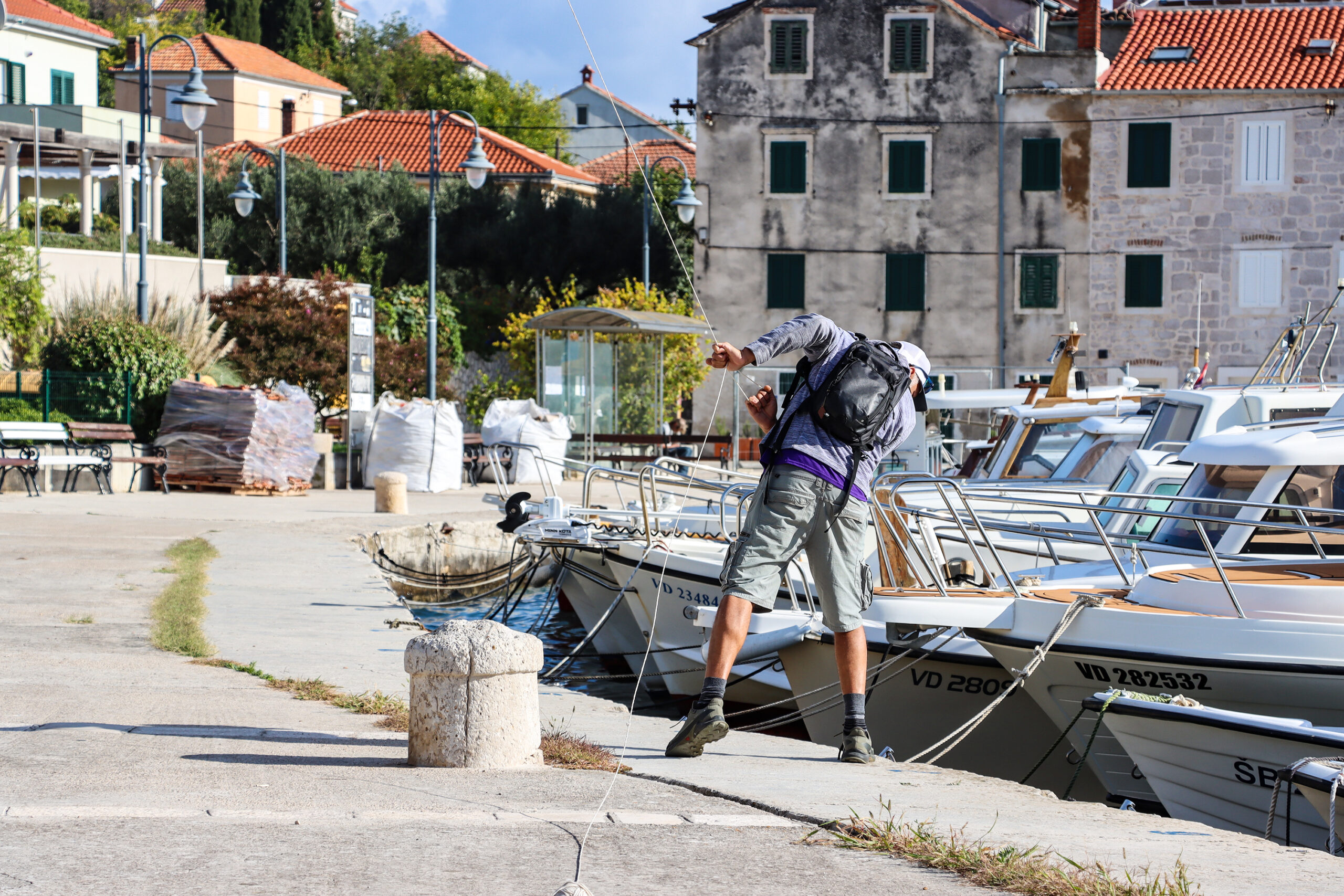
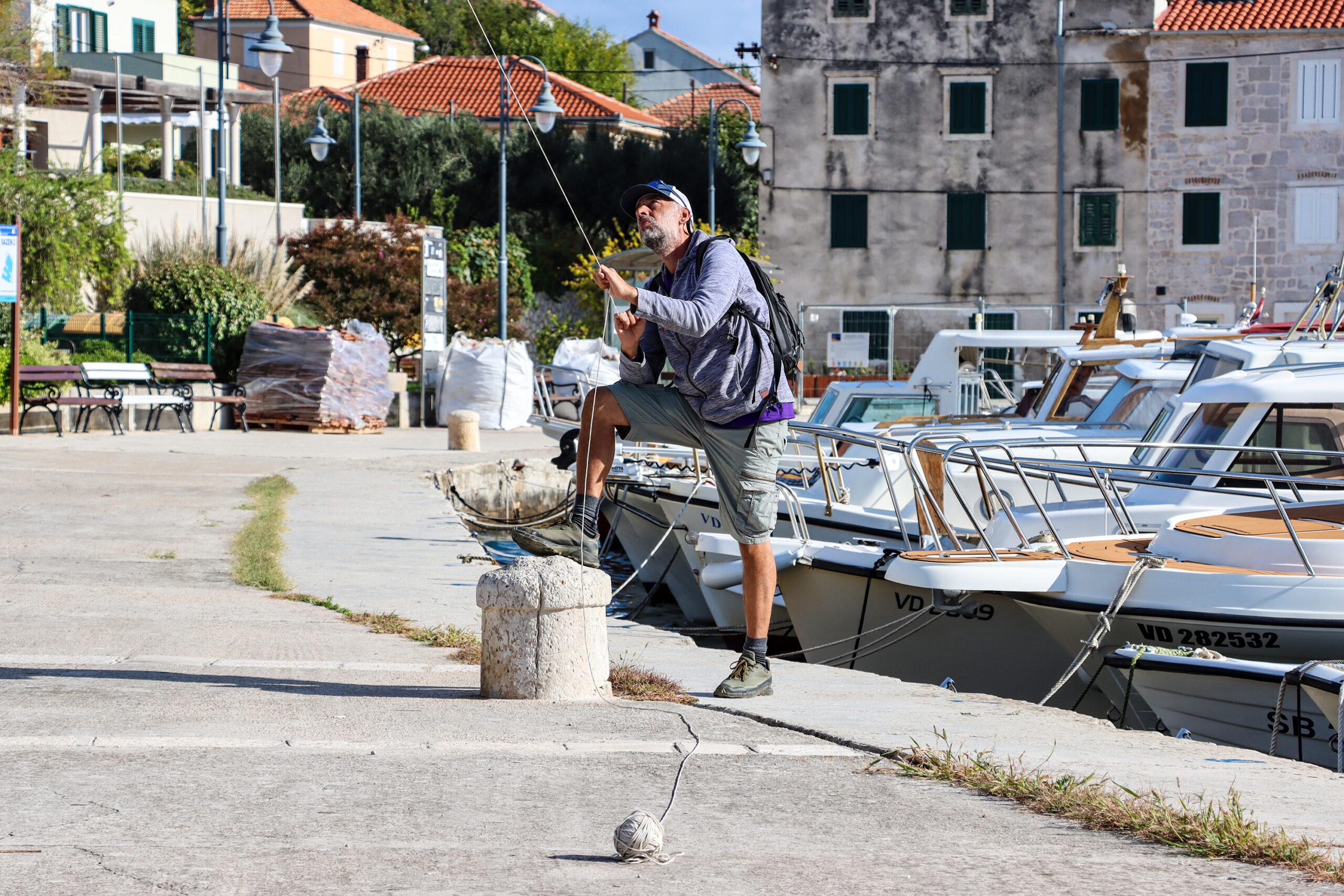
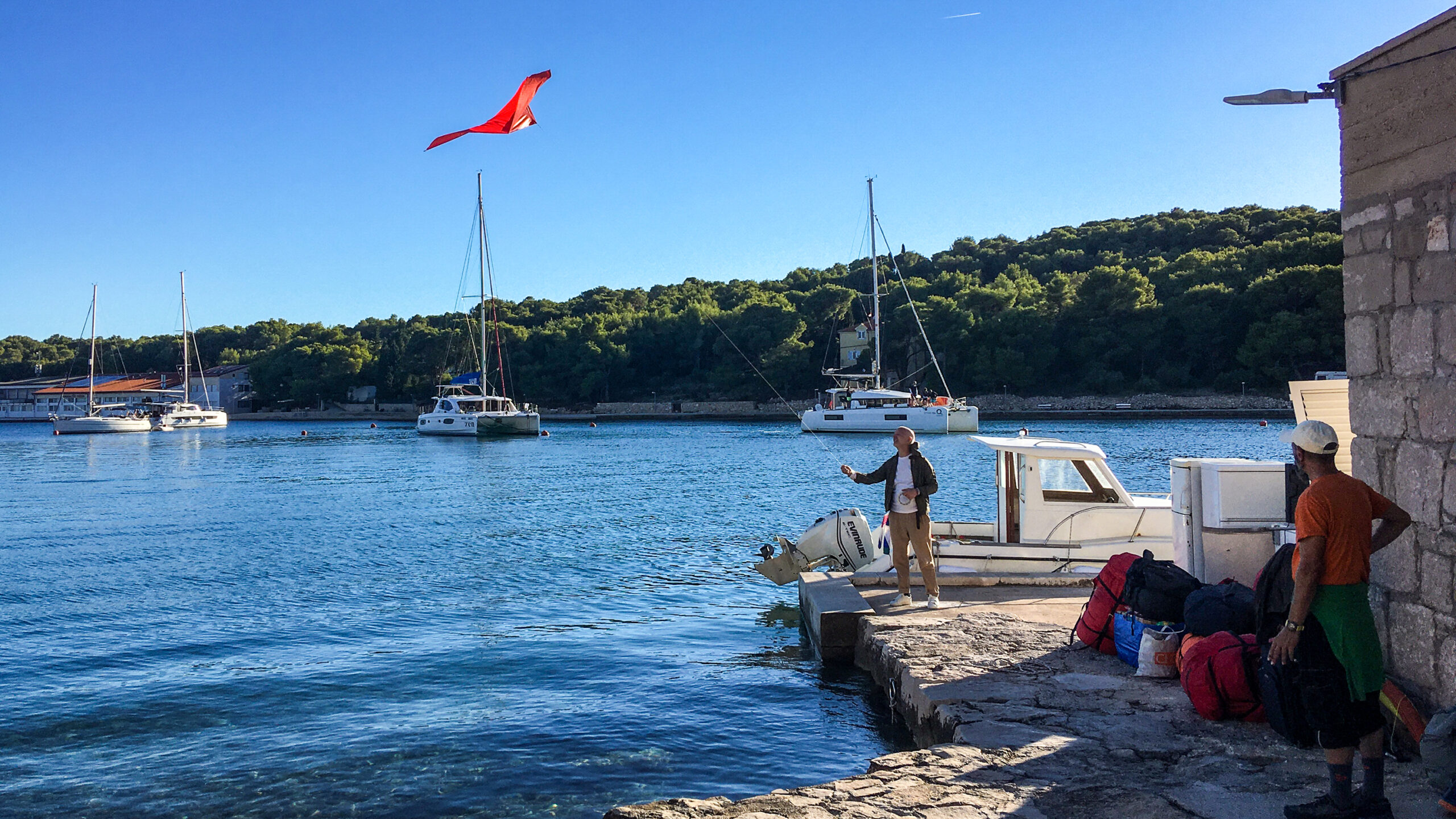
Make the monsters fly!
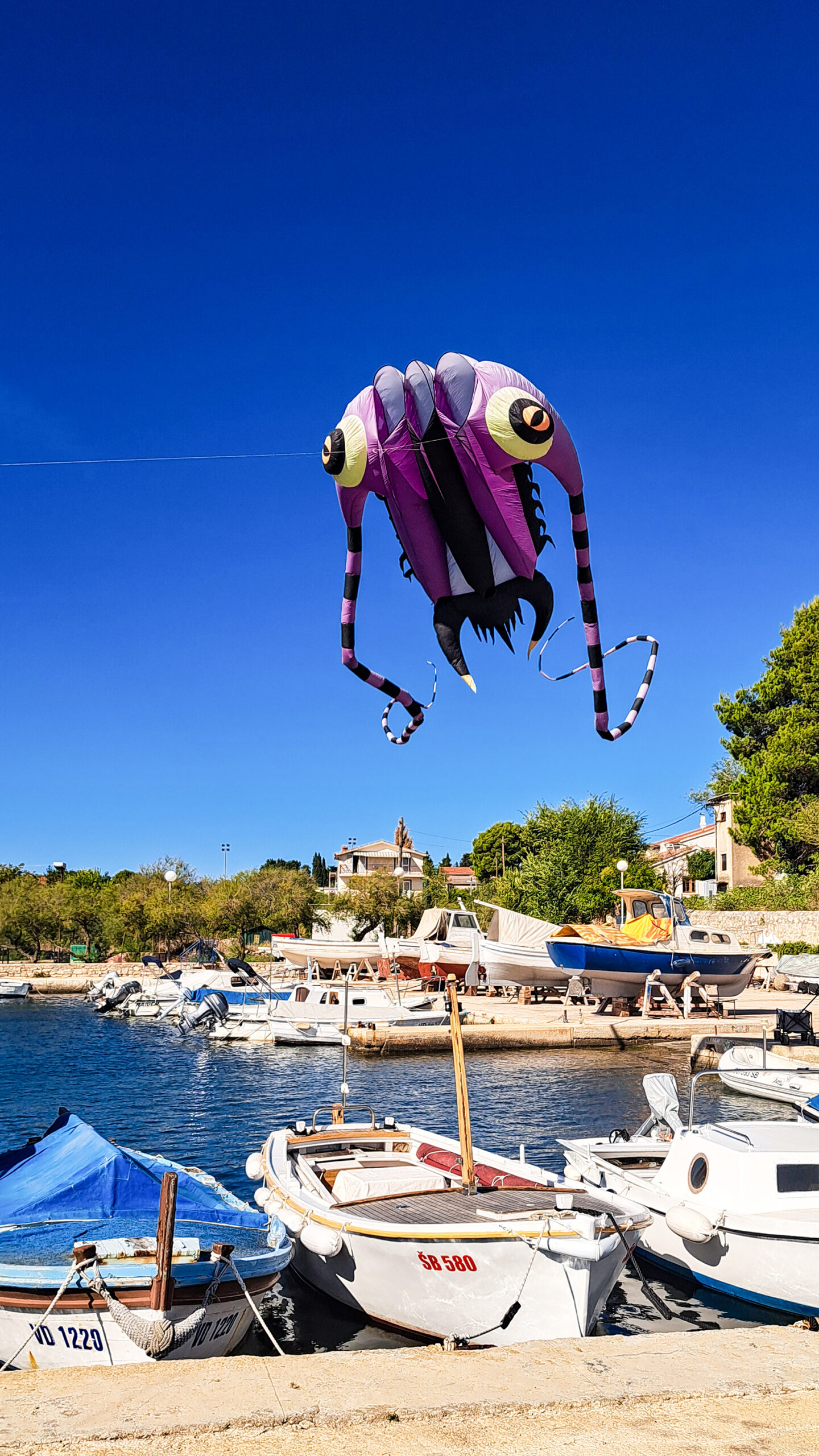
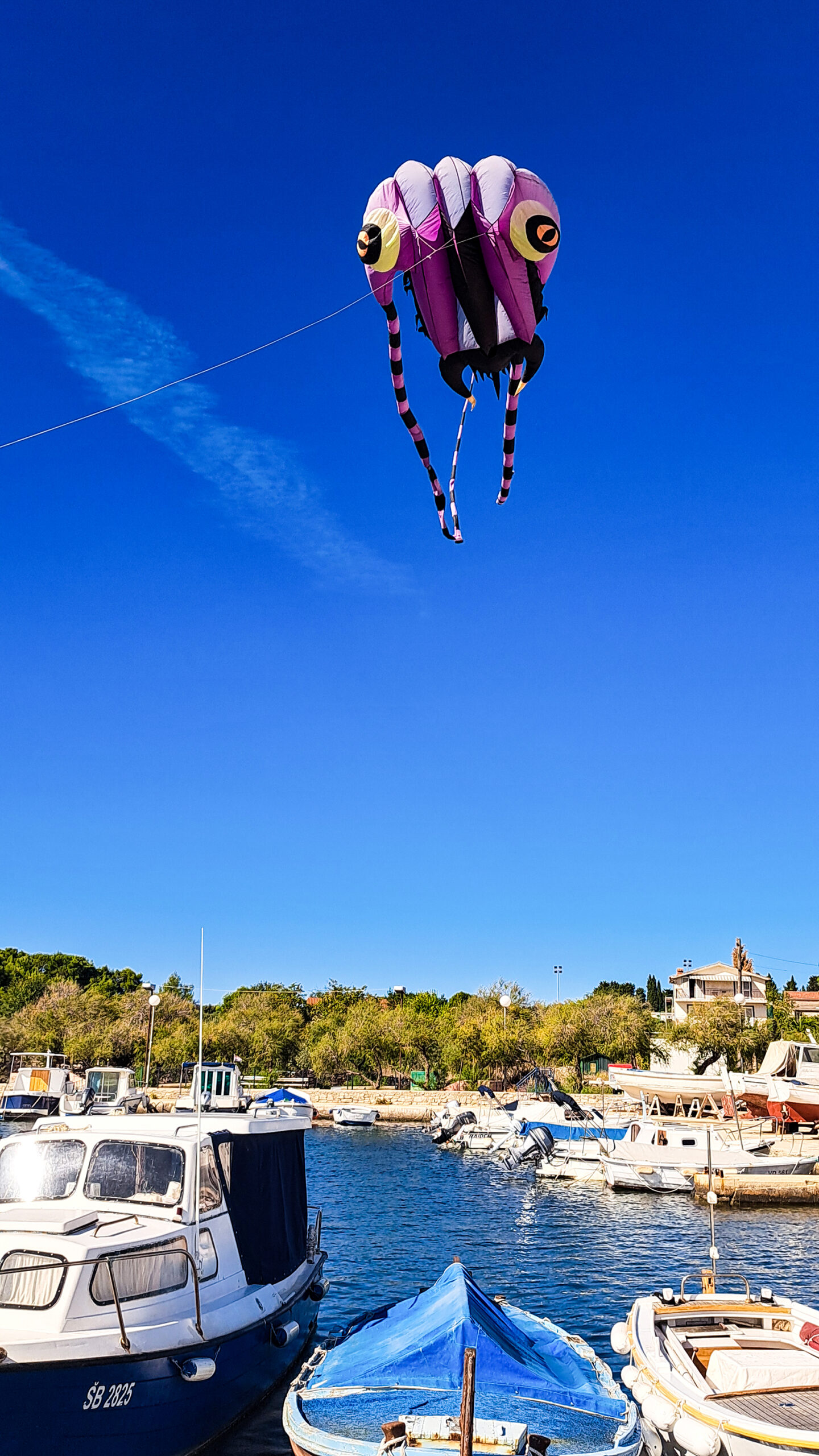
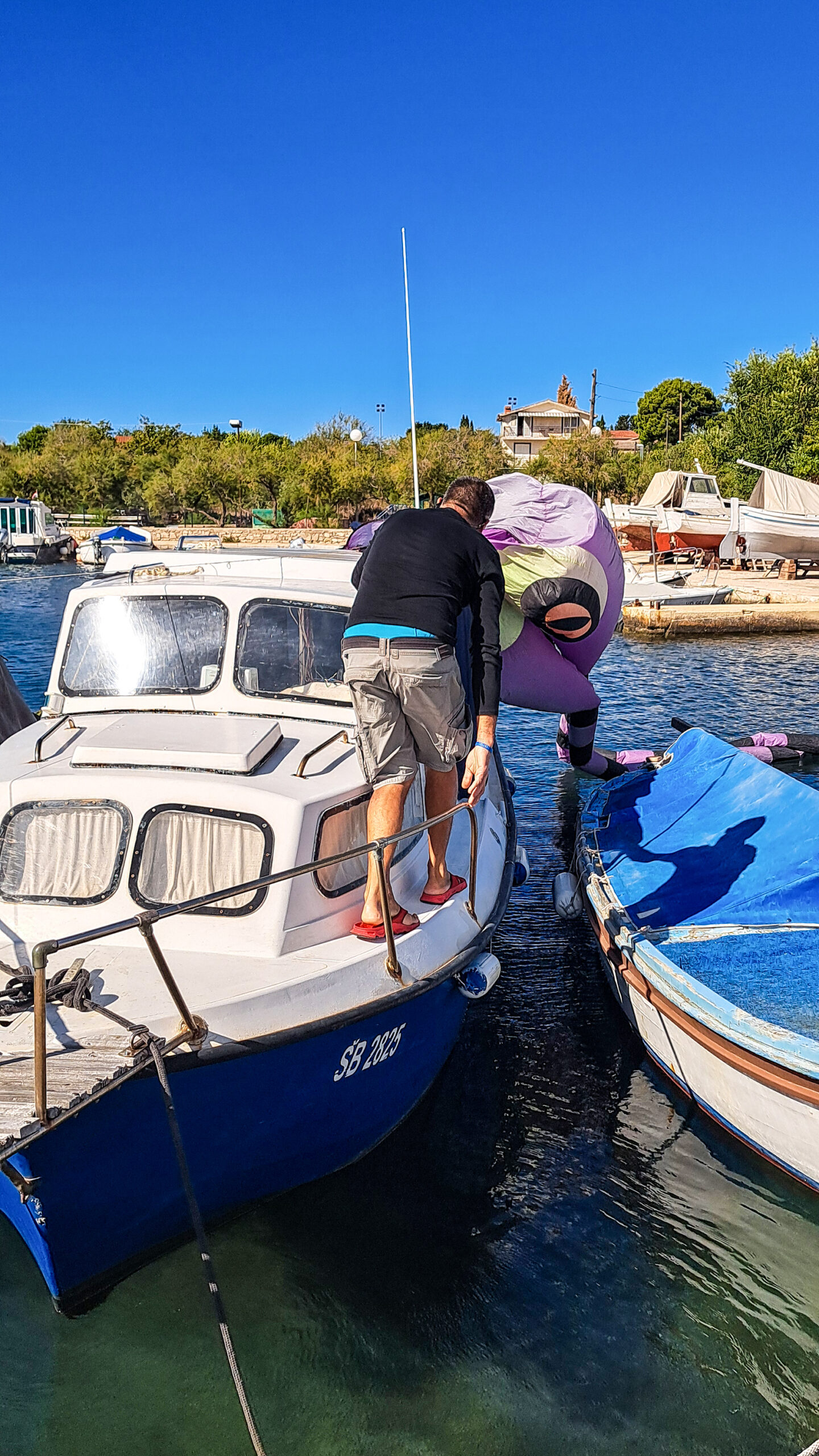
Feel the pull!
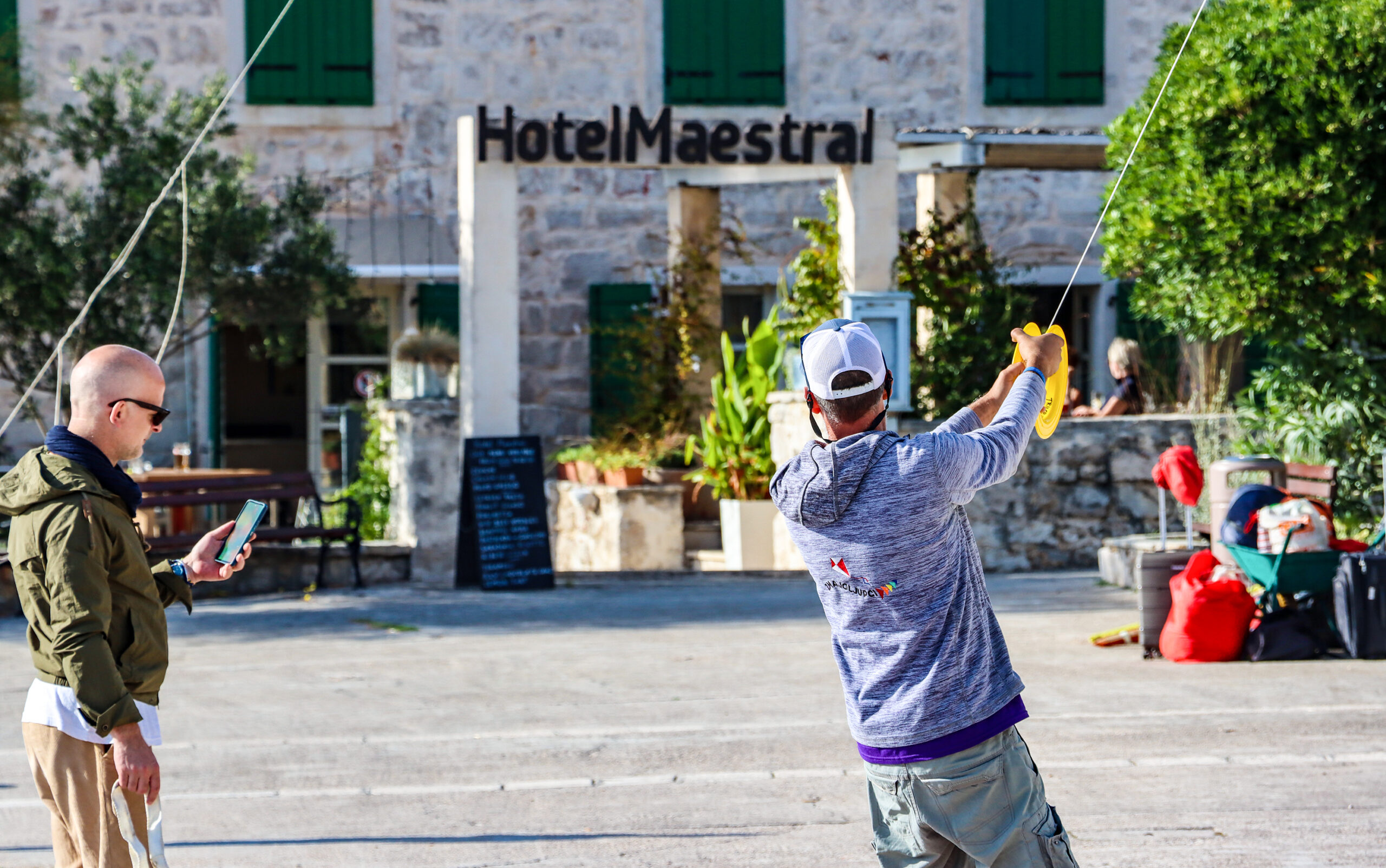
The 14th Creative Days of Faust Vrančić festival started on a high note: the sun, the wind, the kites. A perfect setting — though some people were already keen to spoil the fun, mumbling something about the jugo wind bringing the weather something something.
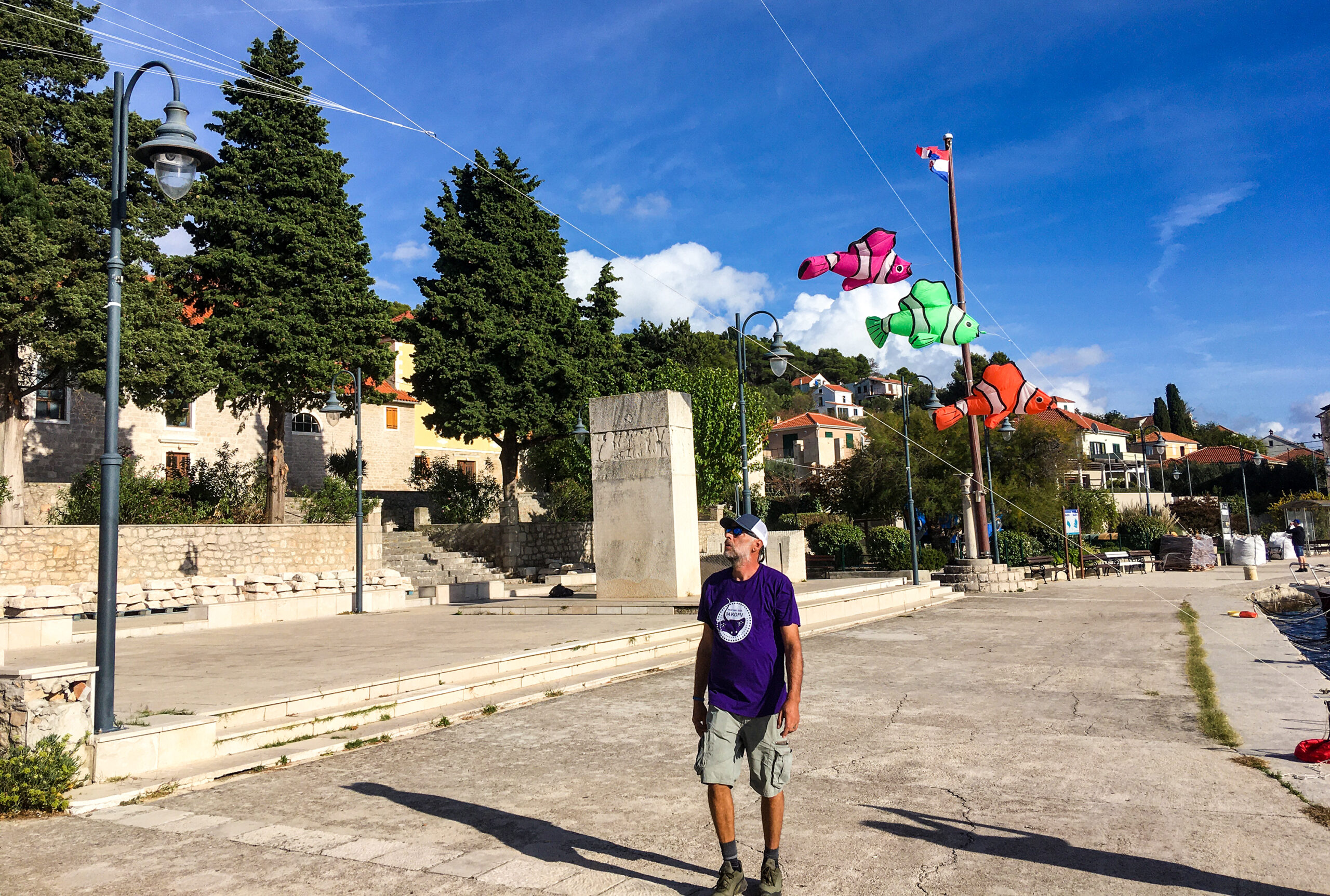
We didn’t listen, and we didn’t care.
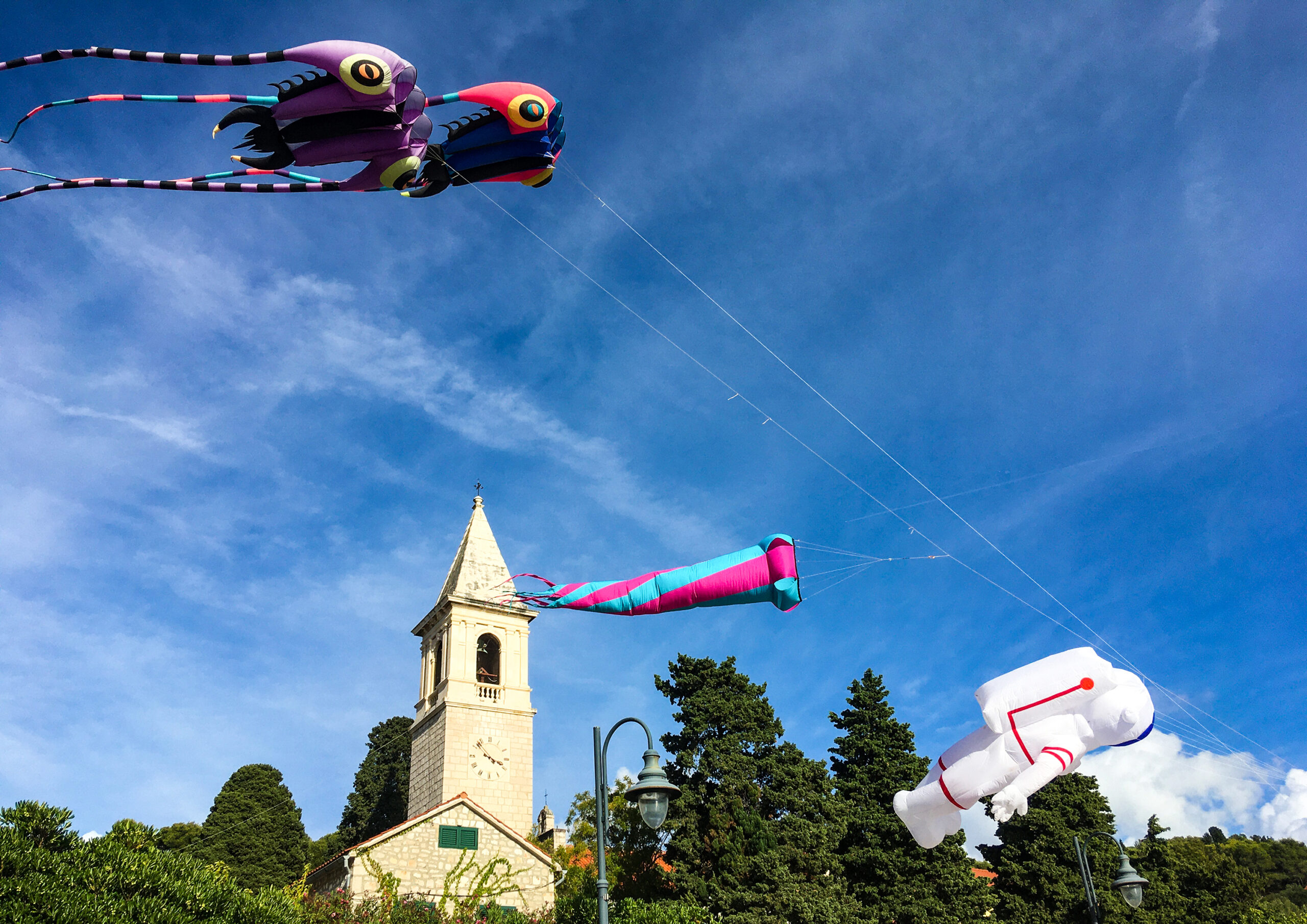
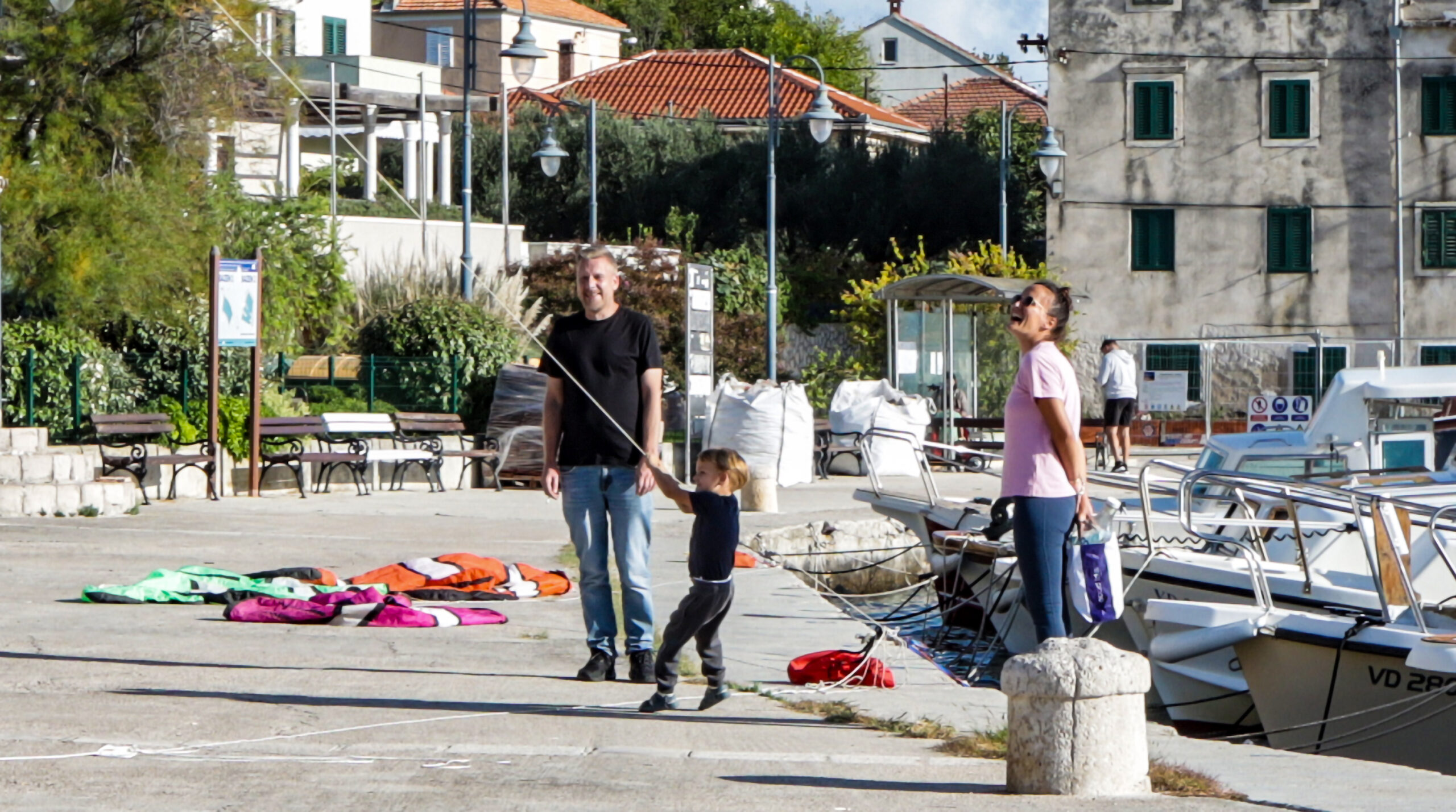
We were busy making pilots out of kids.
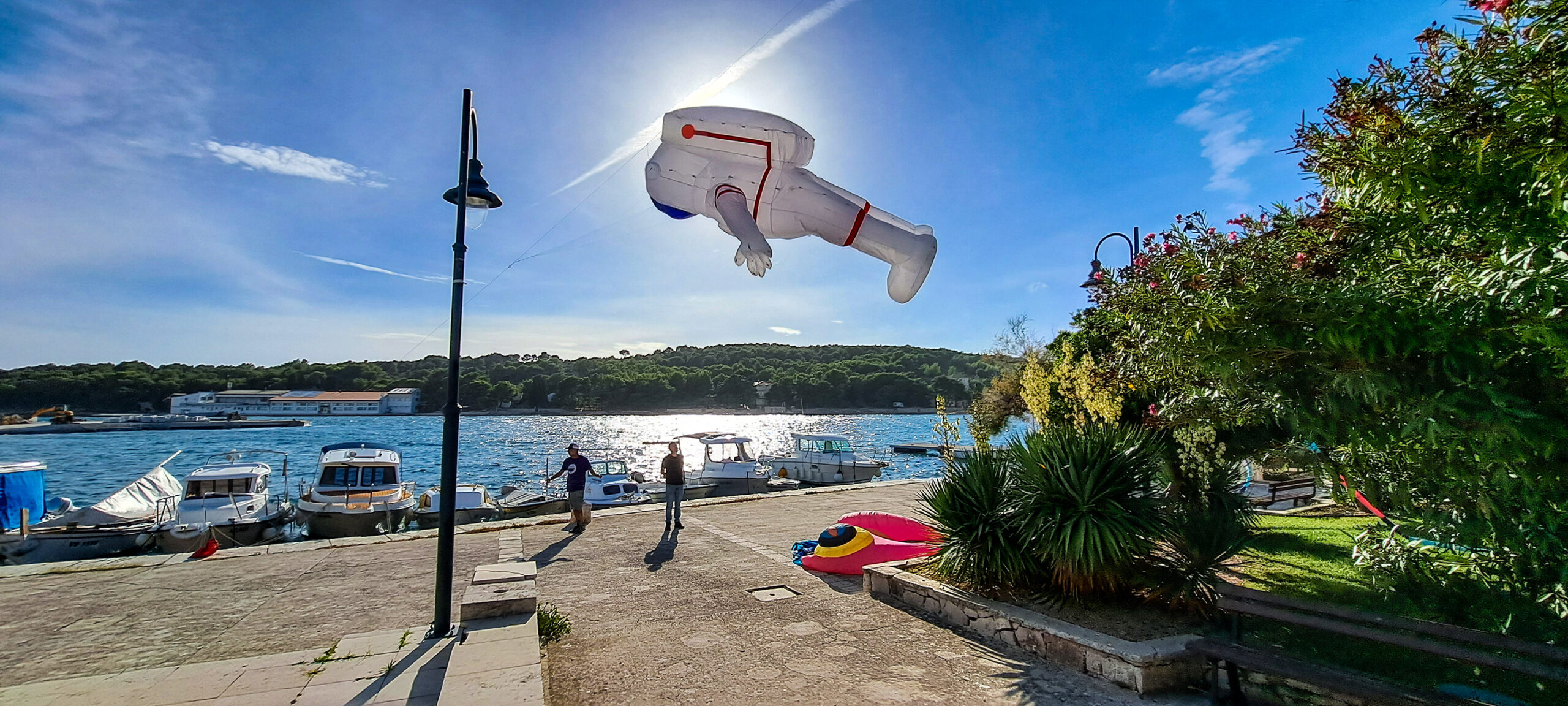
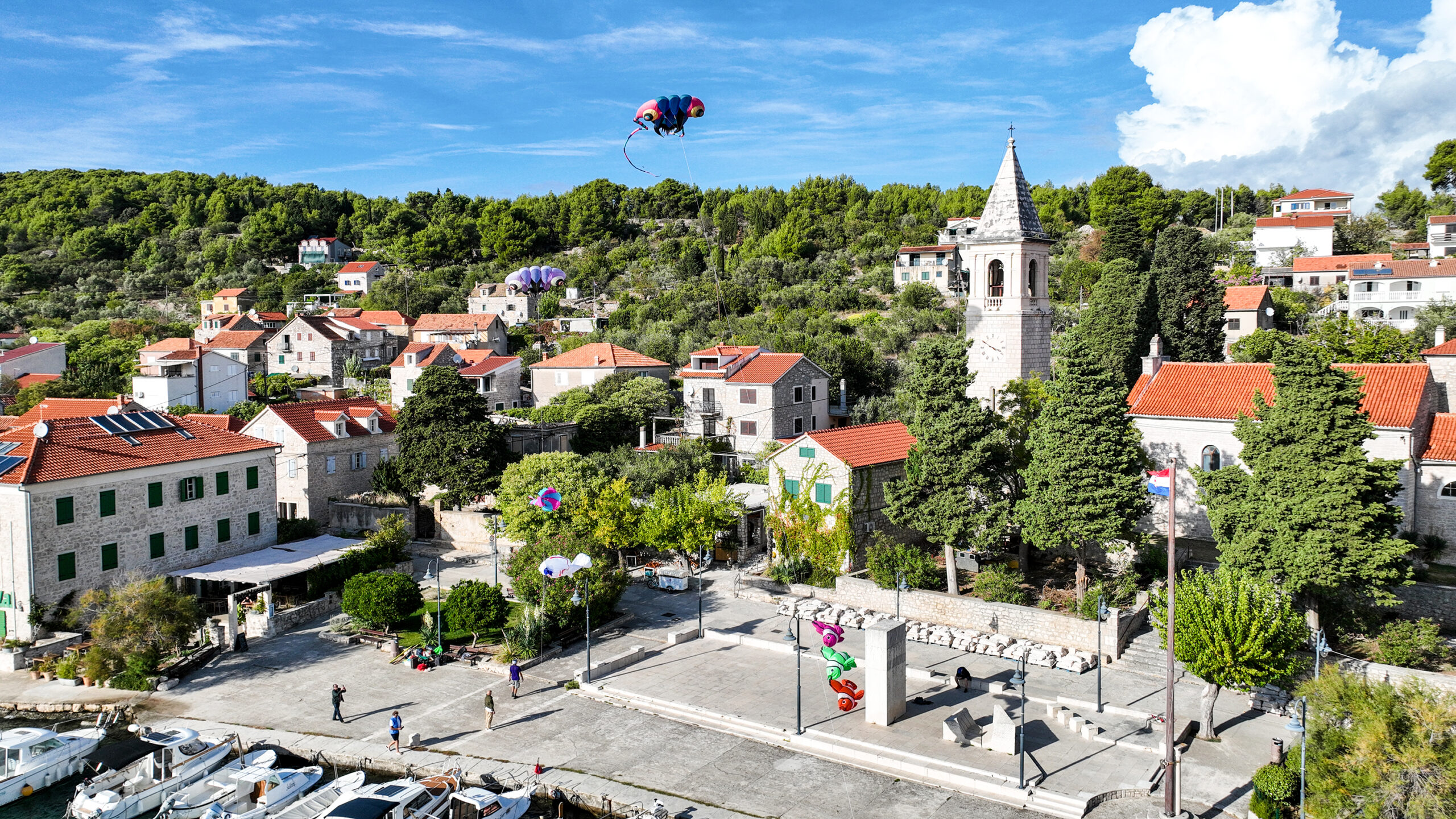
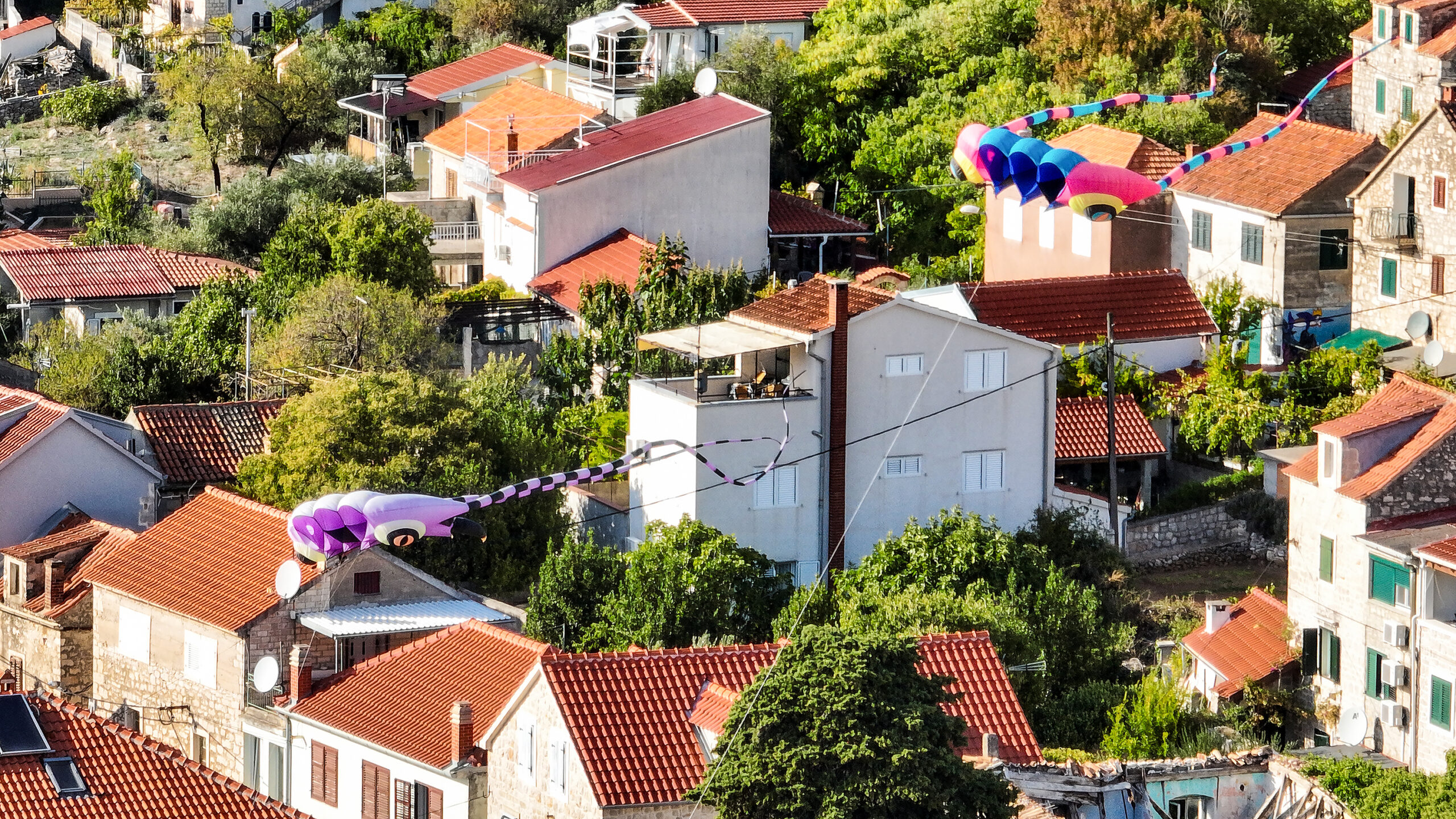
And the flying beasts took over the sky above Prvić Luka.
And when she dances with the rain
her step is light
– Croatian poet, 20th century
It was all Jadran’s fault.
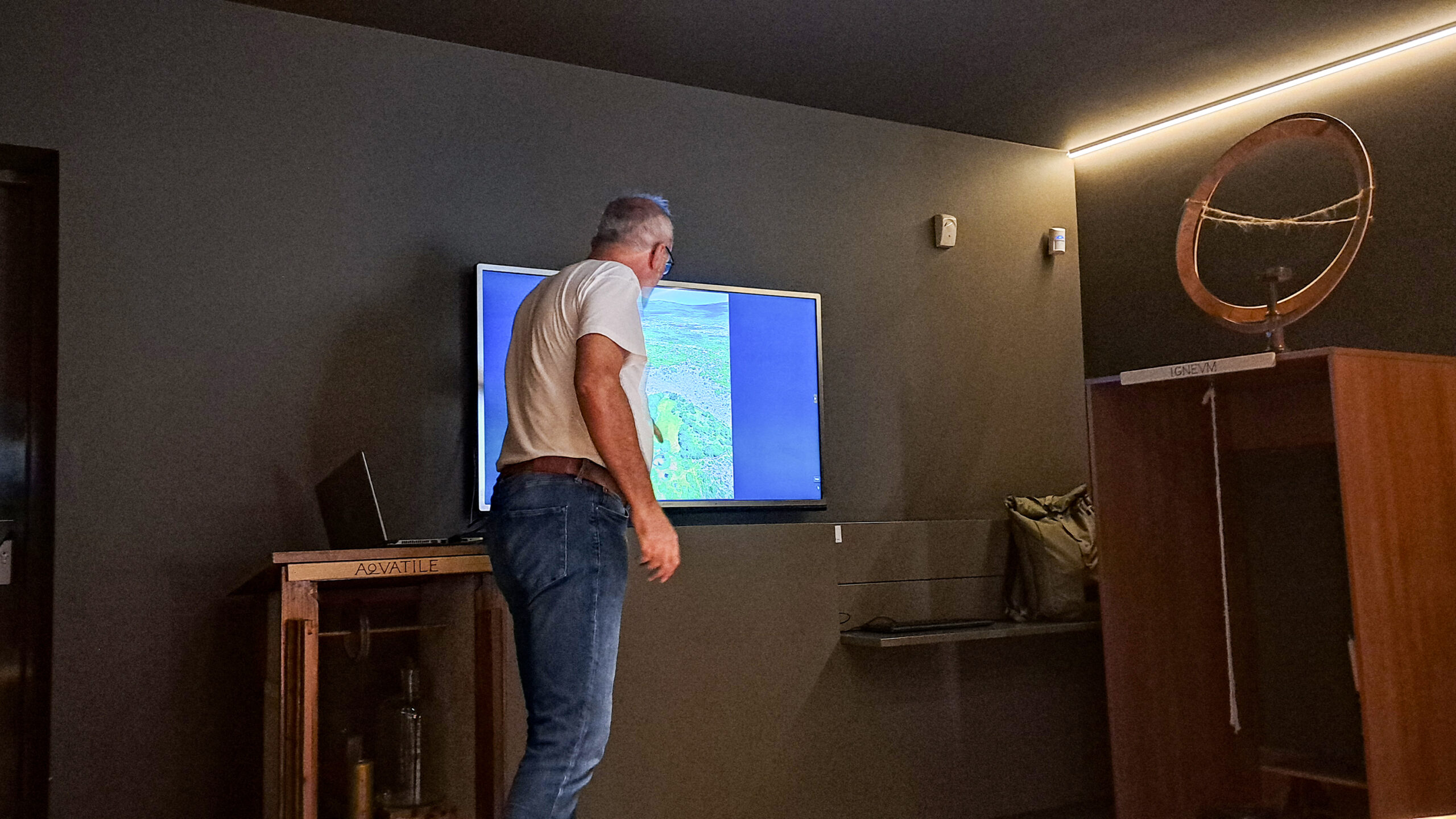
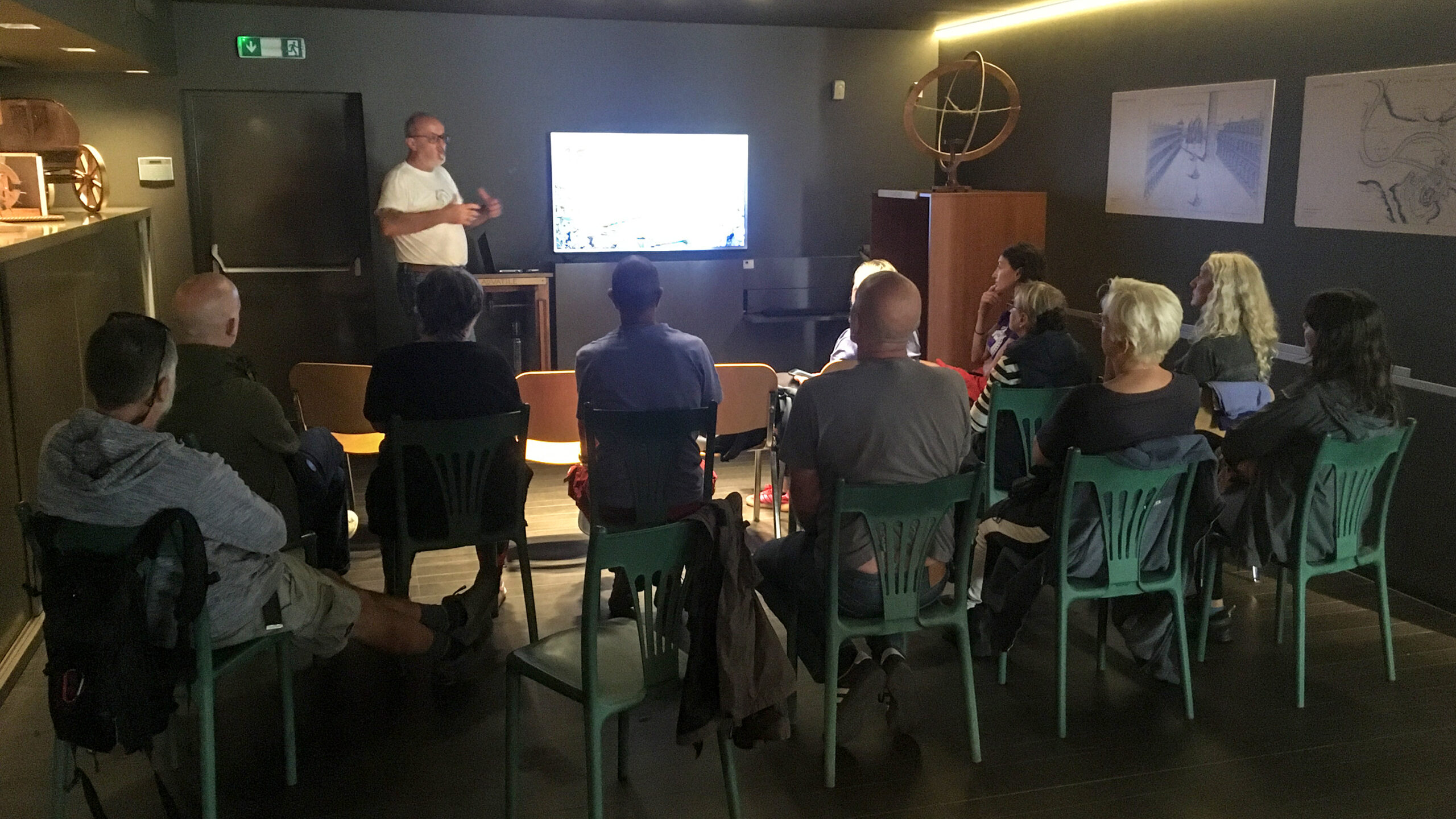
Jadran, that is, Dr Jadran Kale, a professor at the University of Zadar, gave a lecture. The lecture was about water.
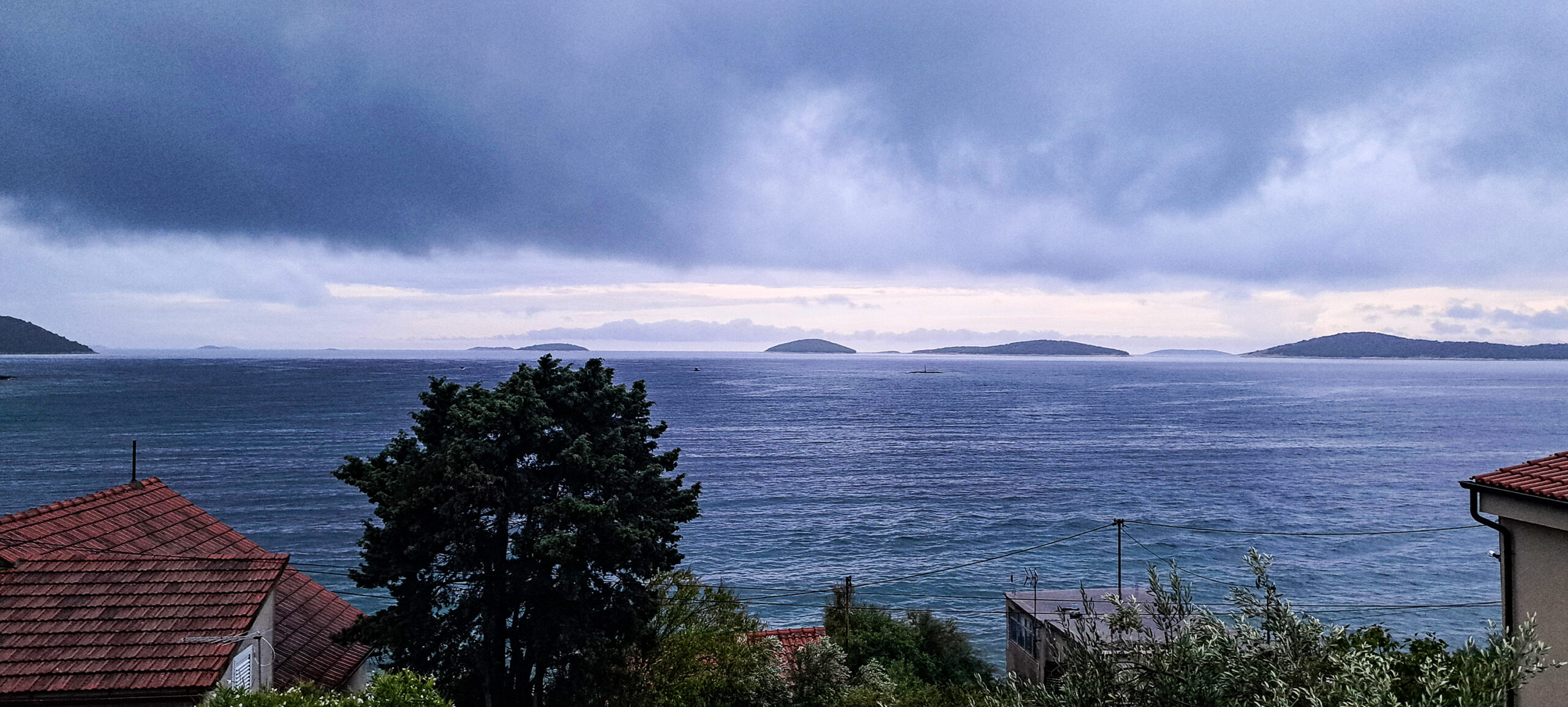
Why the hell didn’t he talk about the sun? muttered a completely soaked Žare, rushing to save the kites from the biblical downpour.
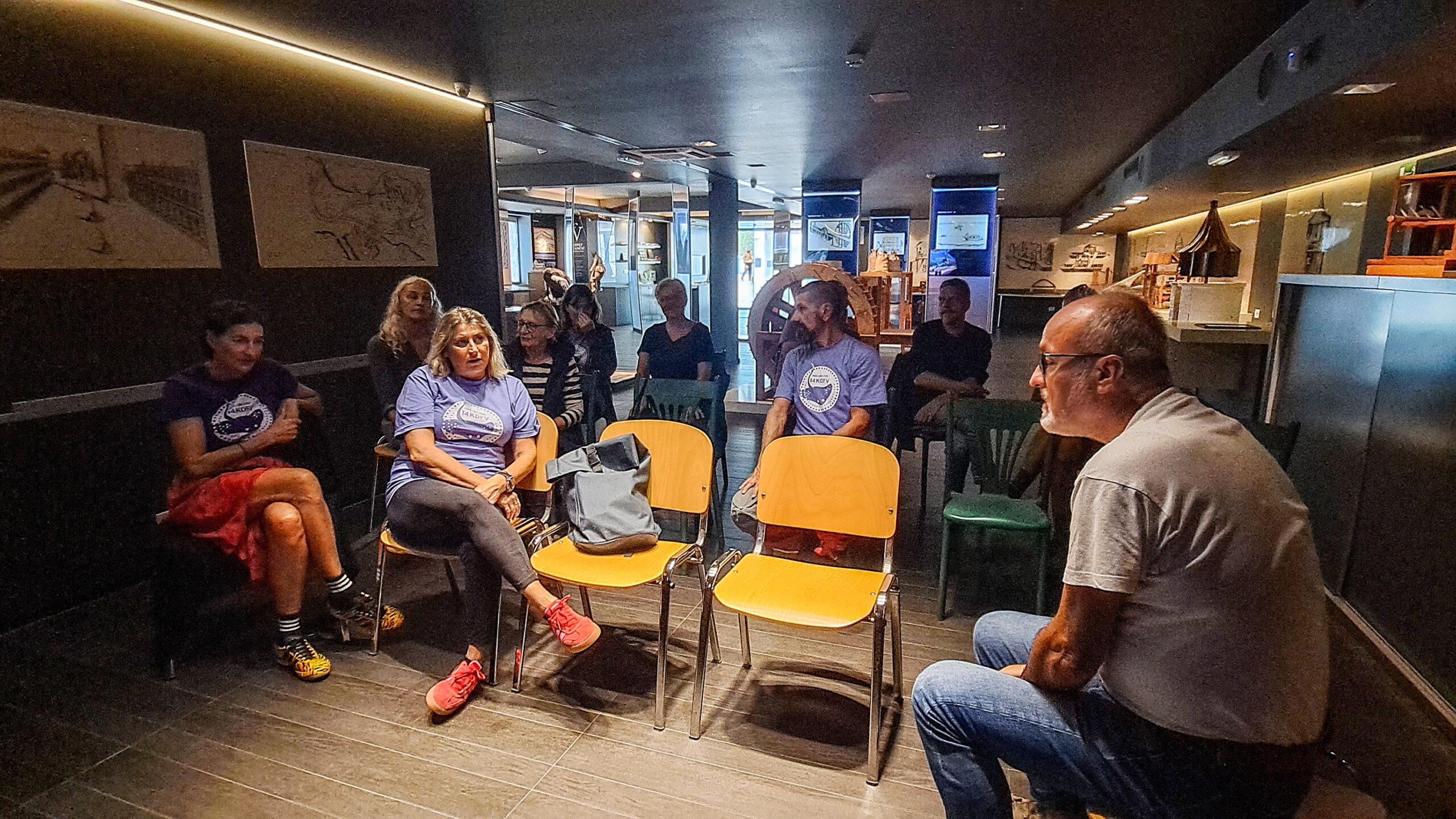
But Jadran talked about the poetry of water, the scarcest resource on the limestone islands and in the eastern Adriatic hinterland. He talked about the folk genius that, over the centuries, created intricate stone structures for collecting, storing, and distributing the precious tears of the sky. He talked about how the arguably ‘simple’ shepherds built hundreds of miles of dry-stone walls, huge cisterns, elaborate wells, domed rain collectors, and mist catchers to water the stout vines of Babić, an indigenous red grape variety that produces dark, dense, and delicious wines. It was … absorbing.
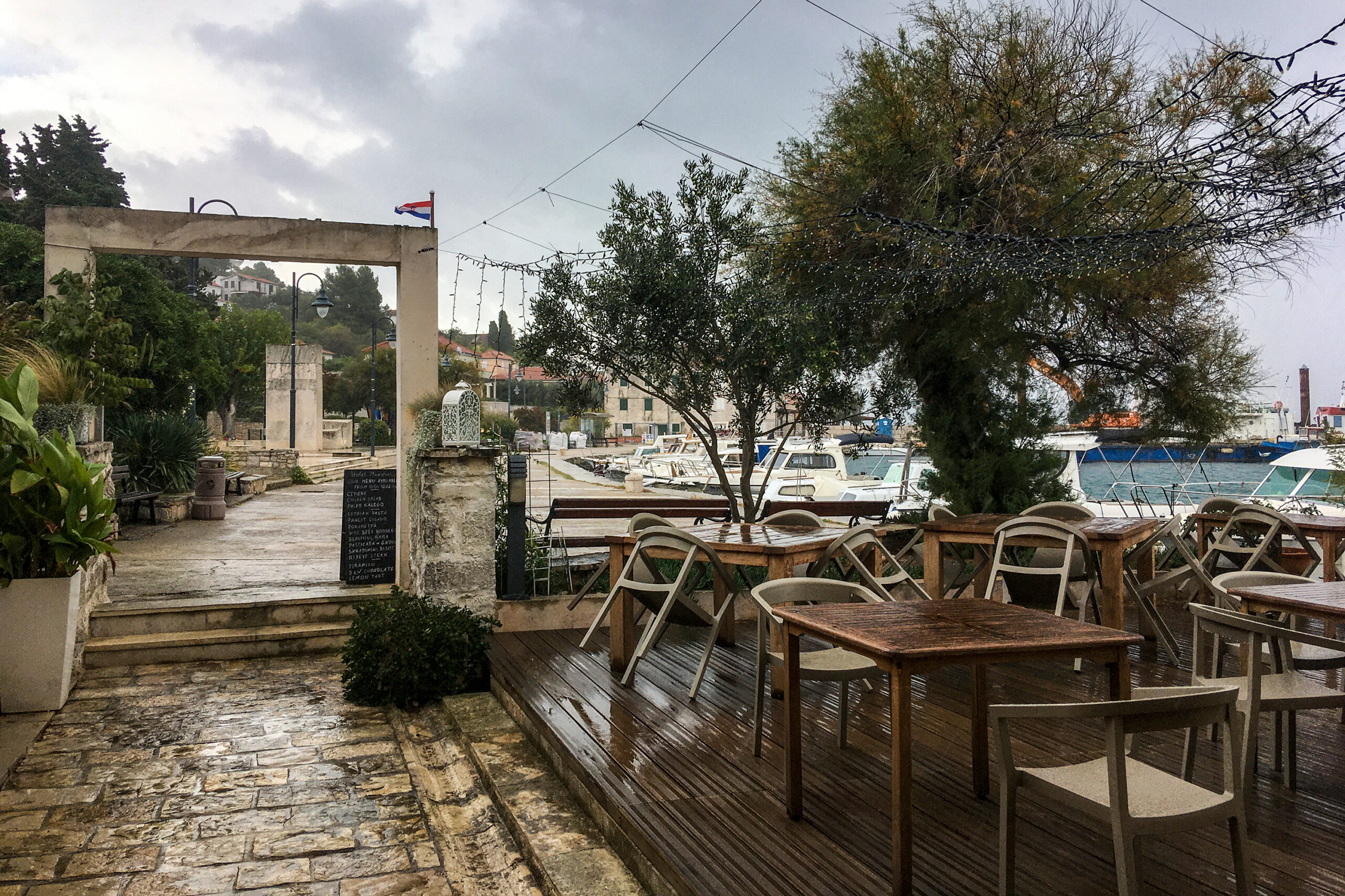
Outside, the rain was celebrating the lecture.
Most of the workshops — and, regrettably, the kite workshop for kids — had to be cancelled, and we all became prisoners of the hotel bar. But the energetic lady who manages the hotel was, yet again, indomitable:
Why don’t you fly kites?
It’s raining!
So? You could do it … for me …
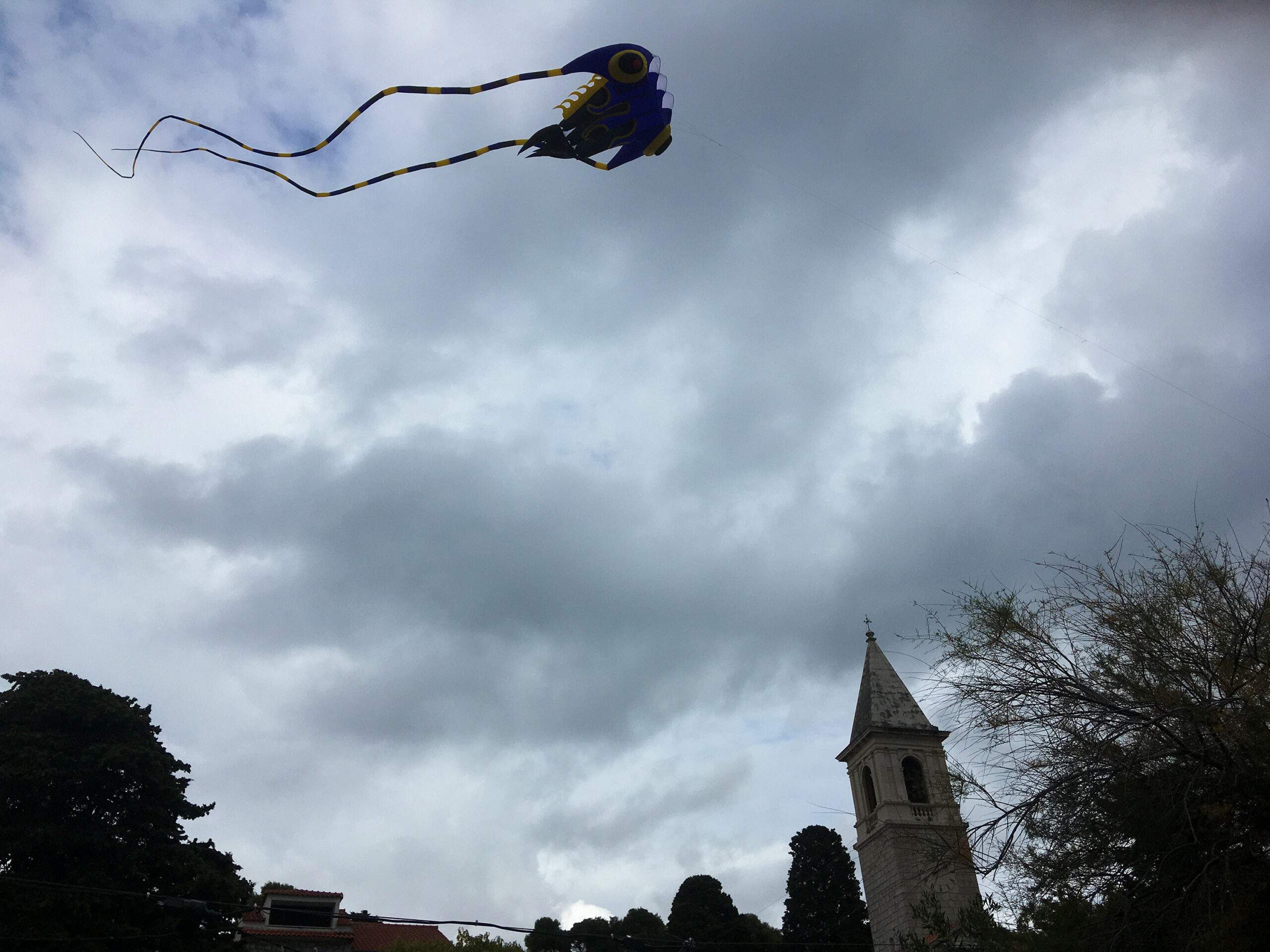
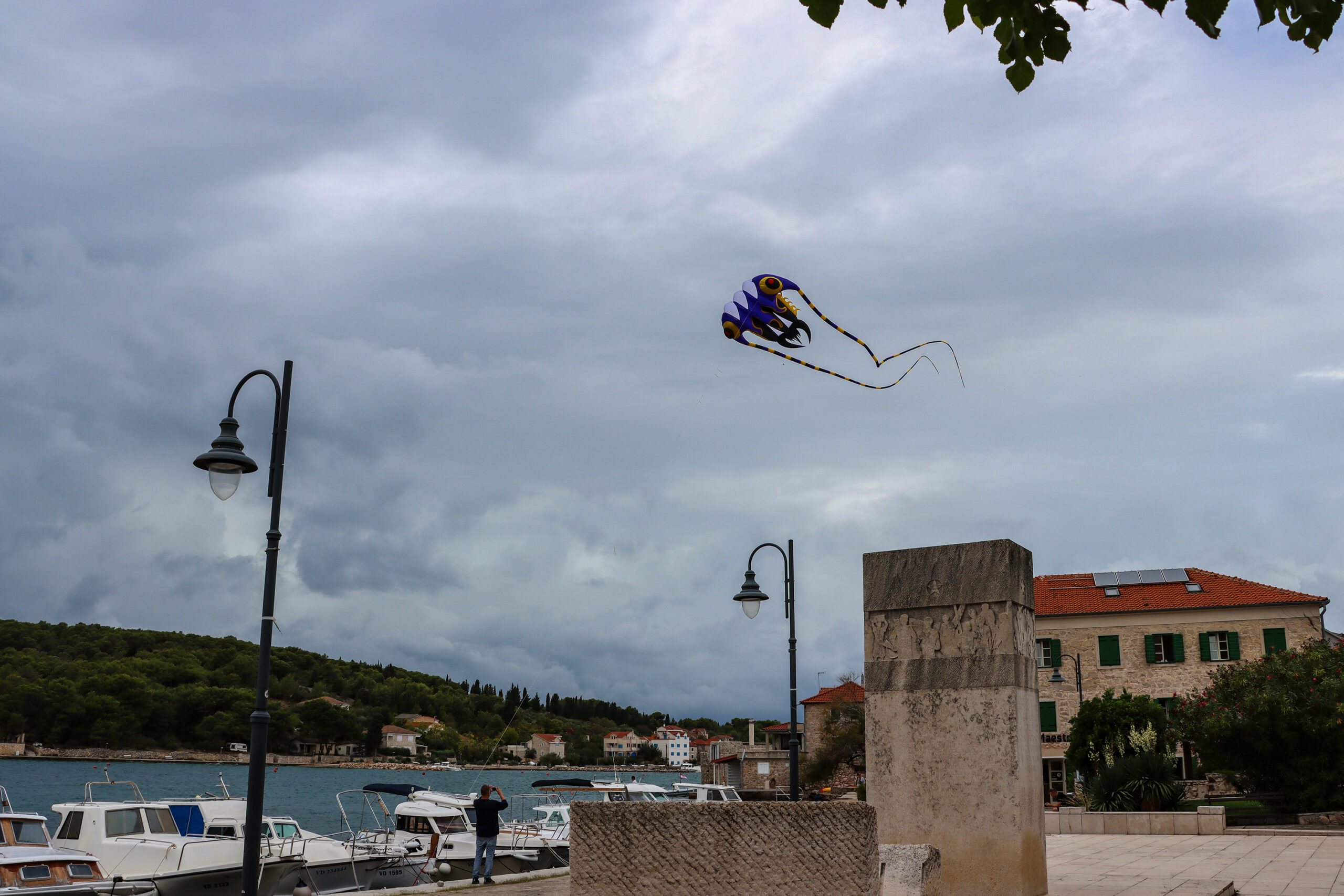
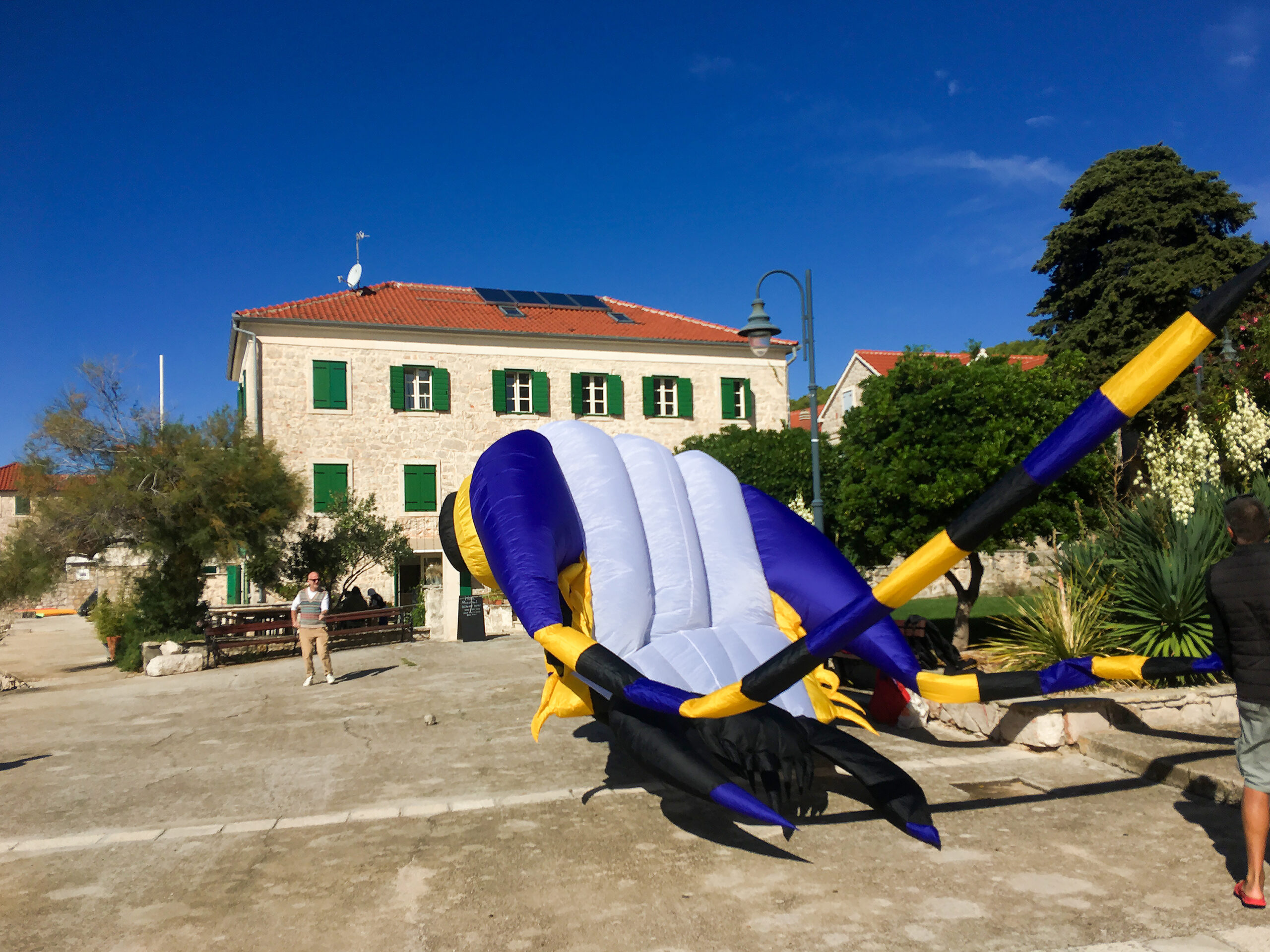
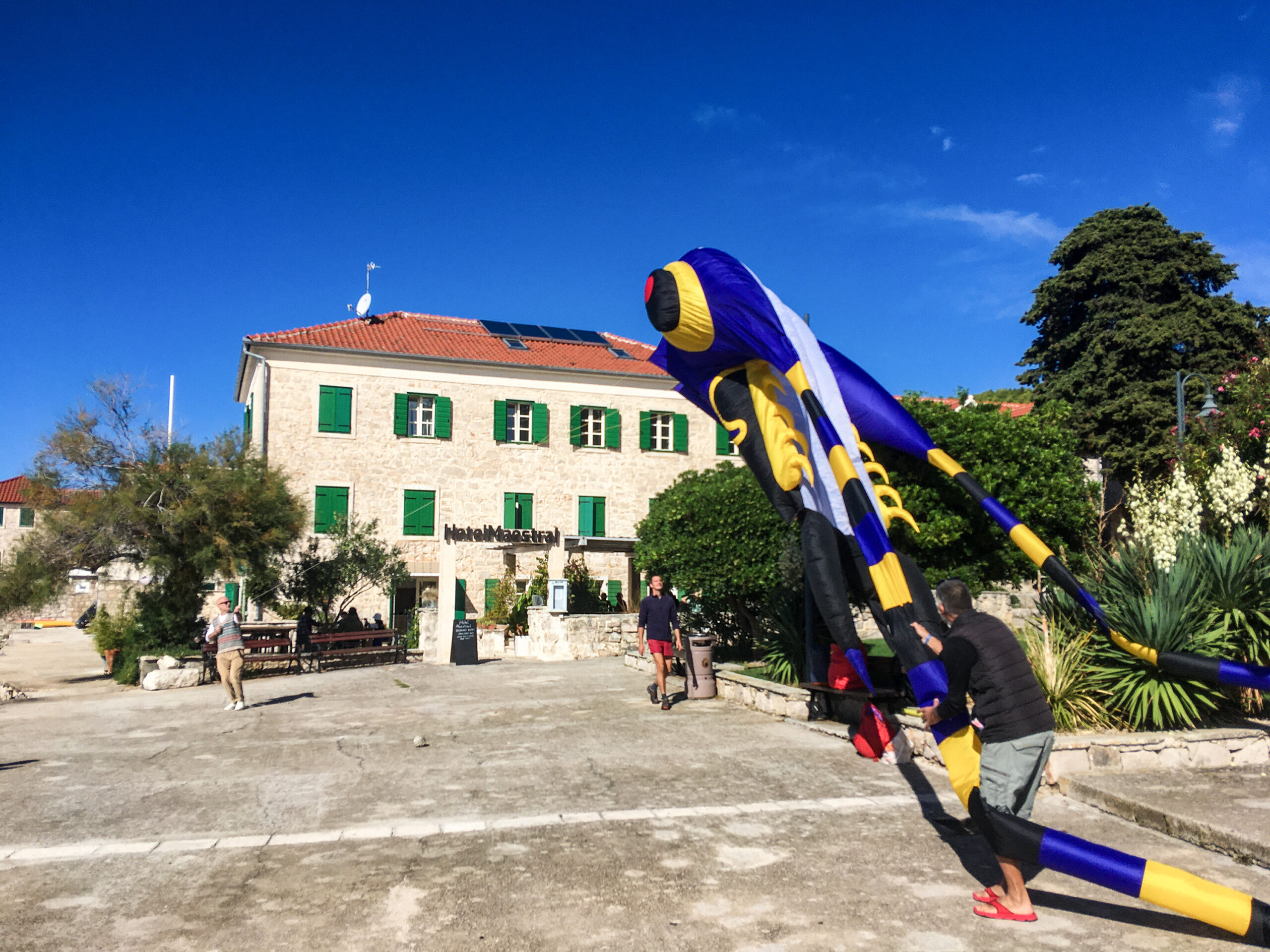
There was a brief lull in the downpour, and we rushed to fulfil the boss’s wish — but the rain clouds were being driven by the mighty jugo wind. Our new beast was threatening to swipe the main plaza of Prvić Luka clean.
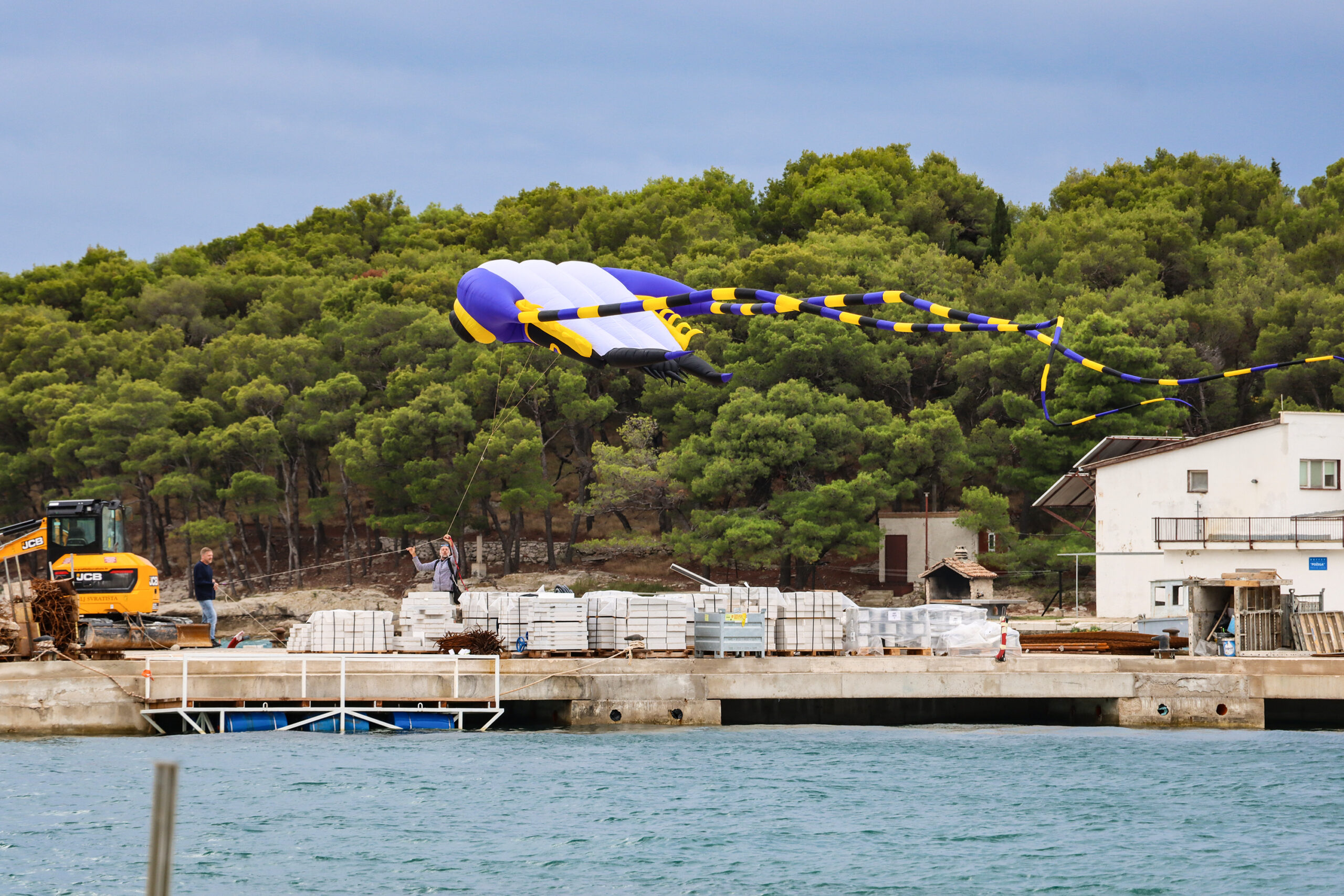
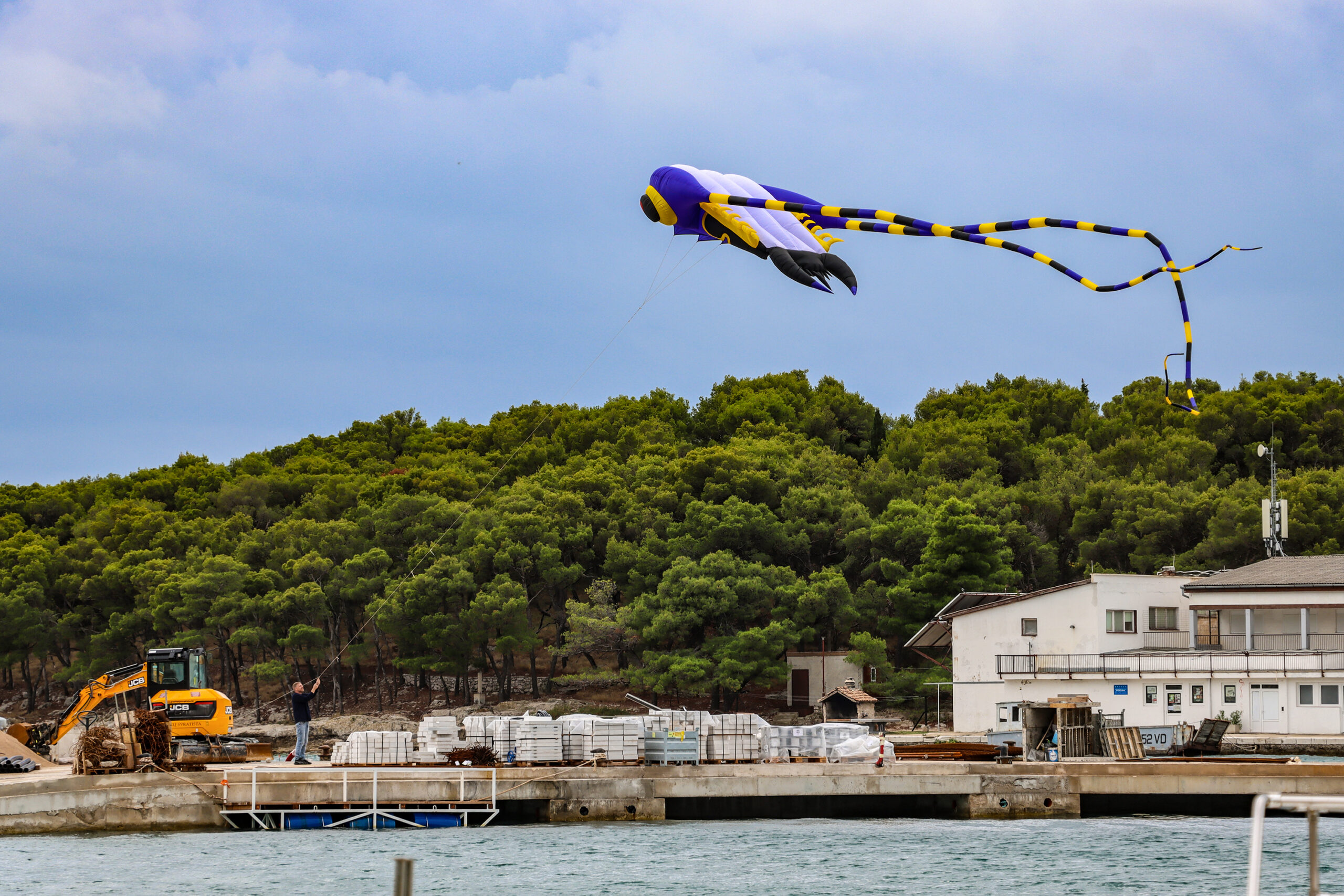
I’m holding it, you tie it down.
Ok … Žare? Žare, where did you go?
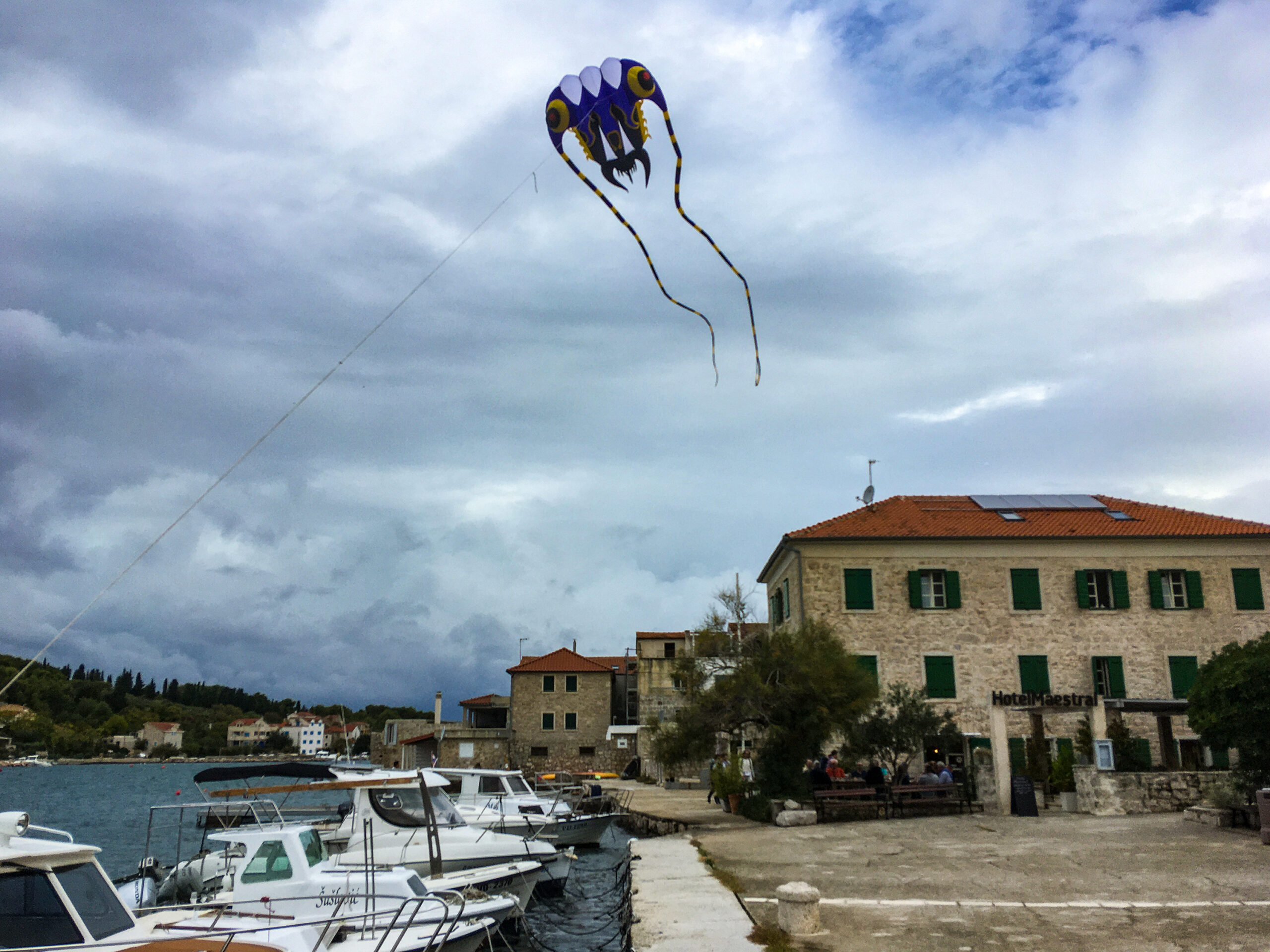
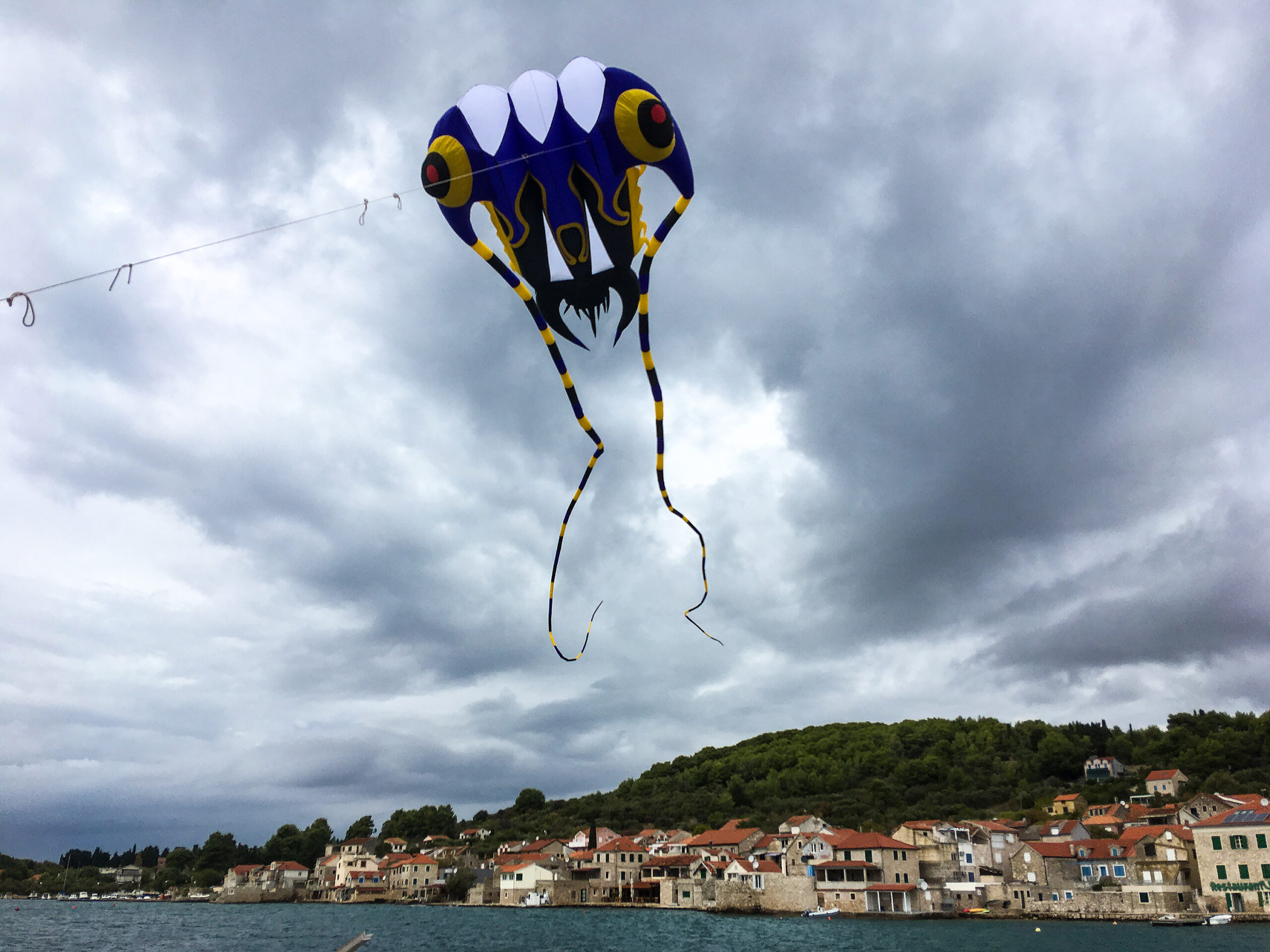
A big whoosh of jugo almost slammed Žare into the wall across the plaza. We somehow managed to tie the beast down — and were immediately faced with the rather more complicated question of how the hell we were going to bring it back down again.
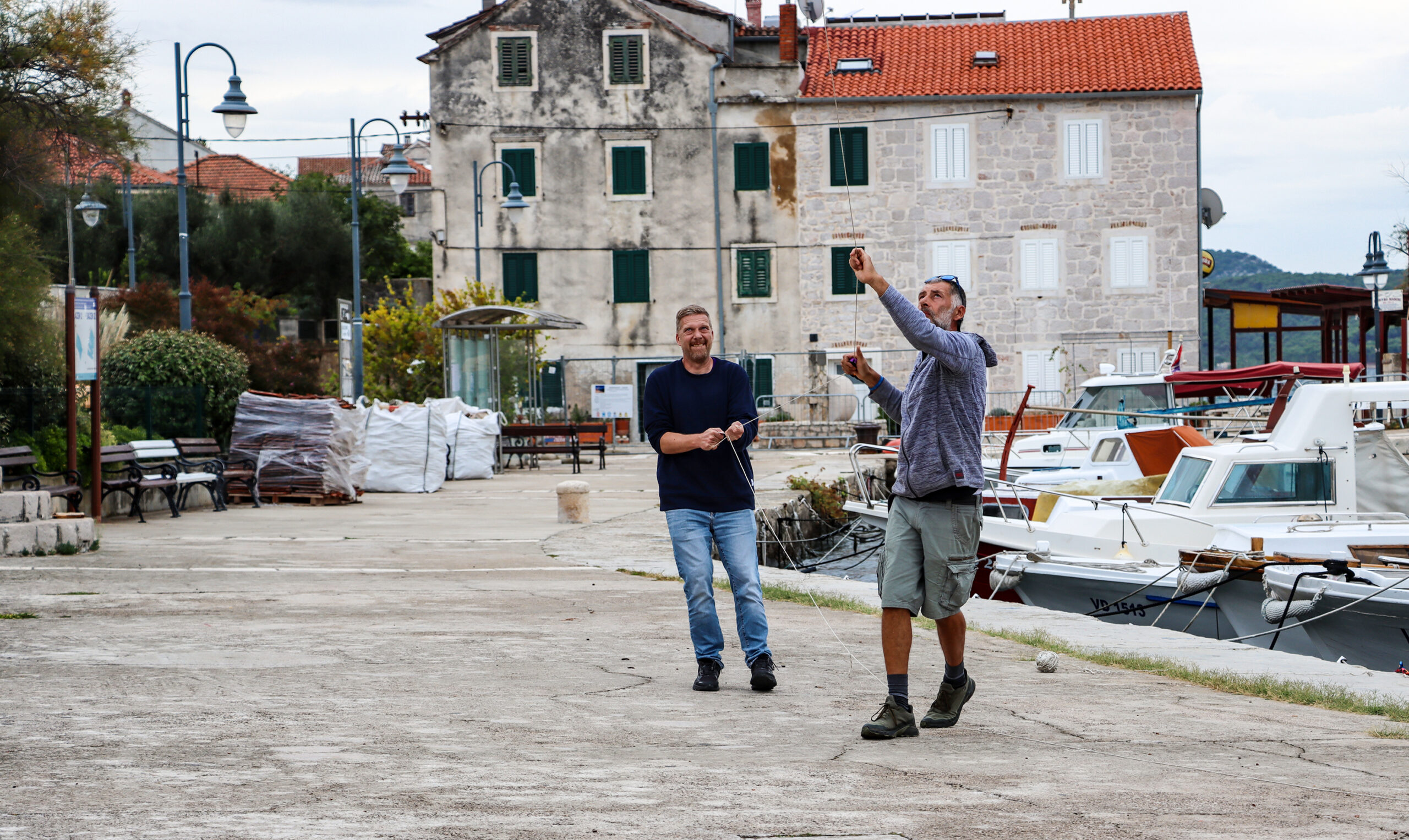
We thought about that thoroughly – with the help of another cold one.
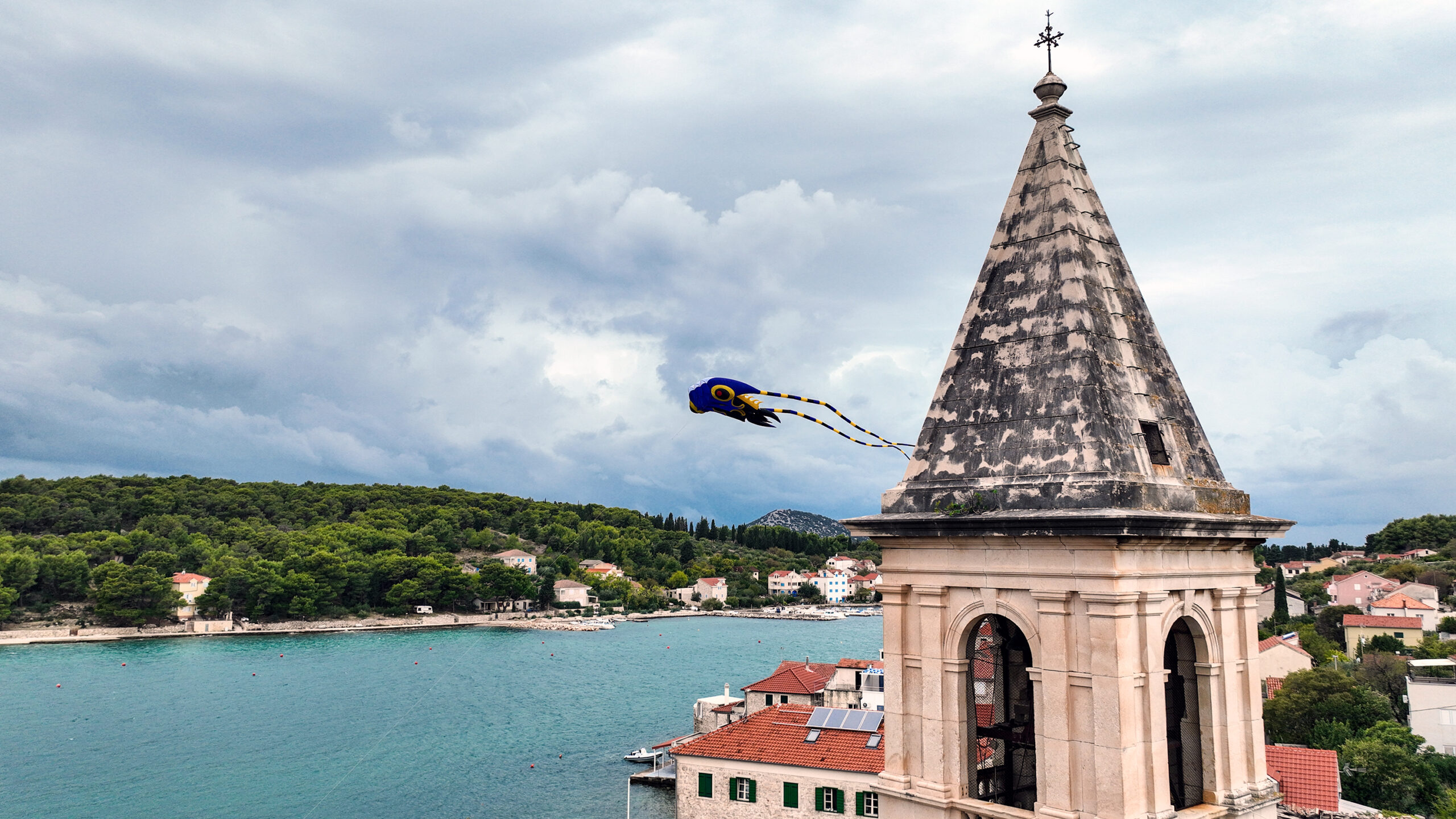
Beyond reason is where my shadow lies …
– Croatian poet, 20th century

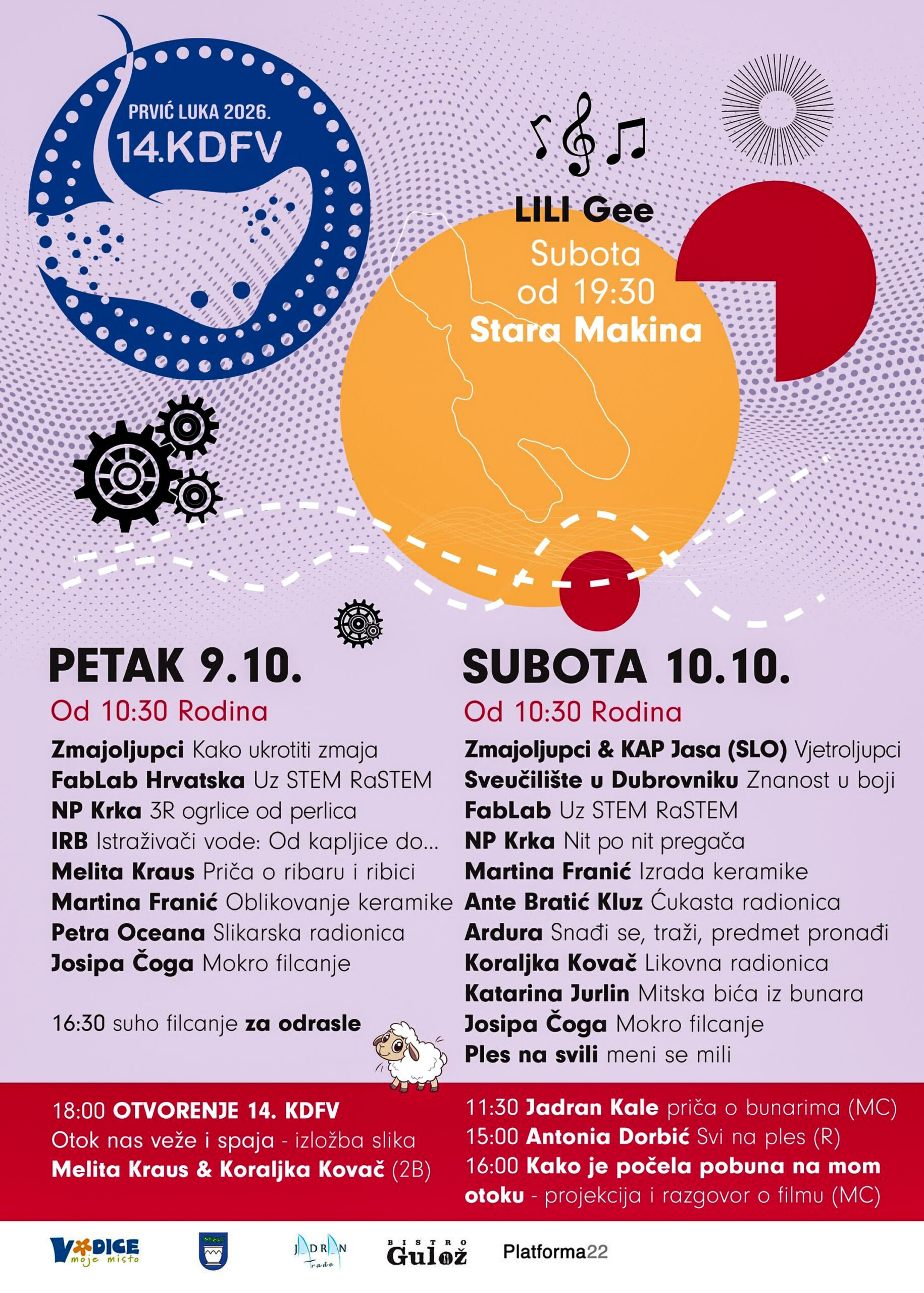
Prvić, an island destined to drown in the ocean of sameness, was rescued, reborn by a group of people who took up the flag of its most famous inhabitant — Faust Vrančić, Renaissance man, linguist, poet, inventor, and polymath — and created a festival that draws us, like moths to a flame, to this small island near Šibenik every October.

The Creative Days of Faust Vrančić festival is basically a mutiny, a rebellion against the dark forces of mass tourism and the inevitable heat death of an island that used to happen every autumn. Against the idea that a place is only alive when the sun is out, the restaurants are full, and the summer crowds are spending money.
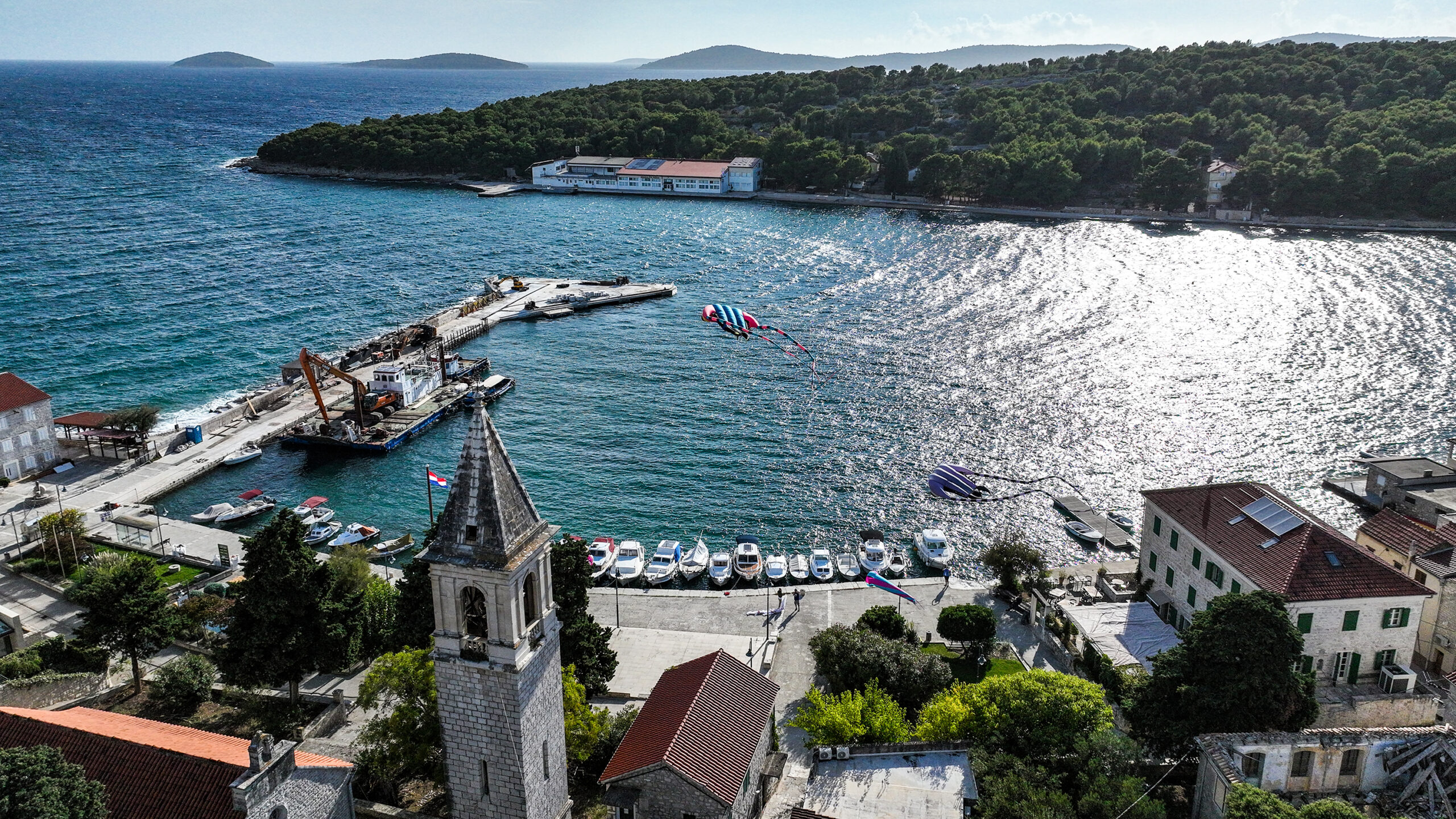
A lot of shadows cast on Prvić lie beyond reason.
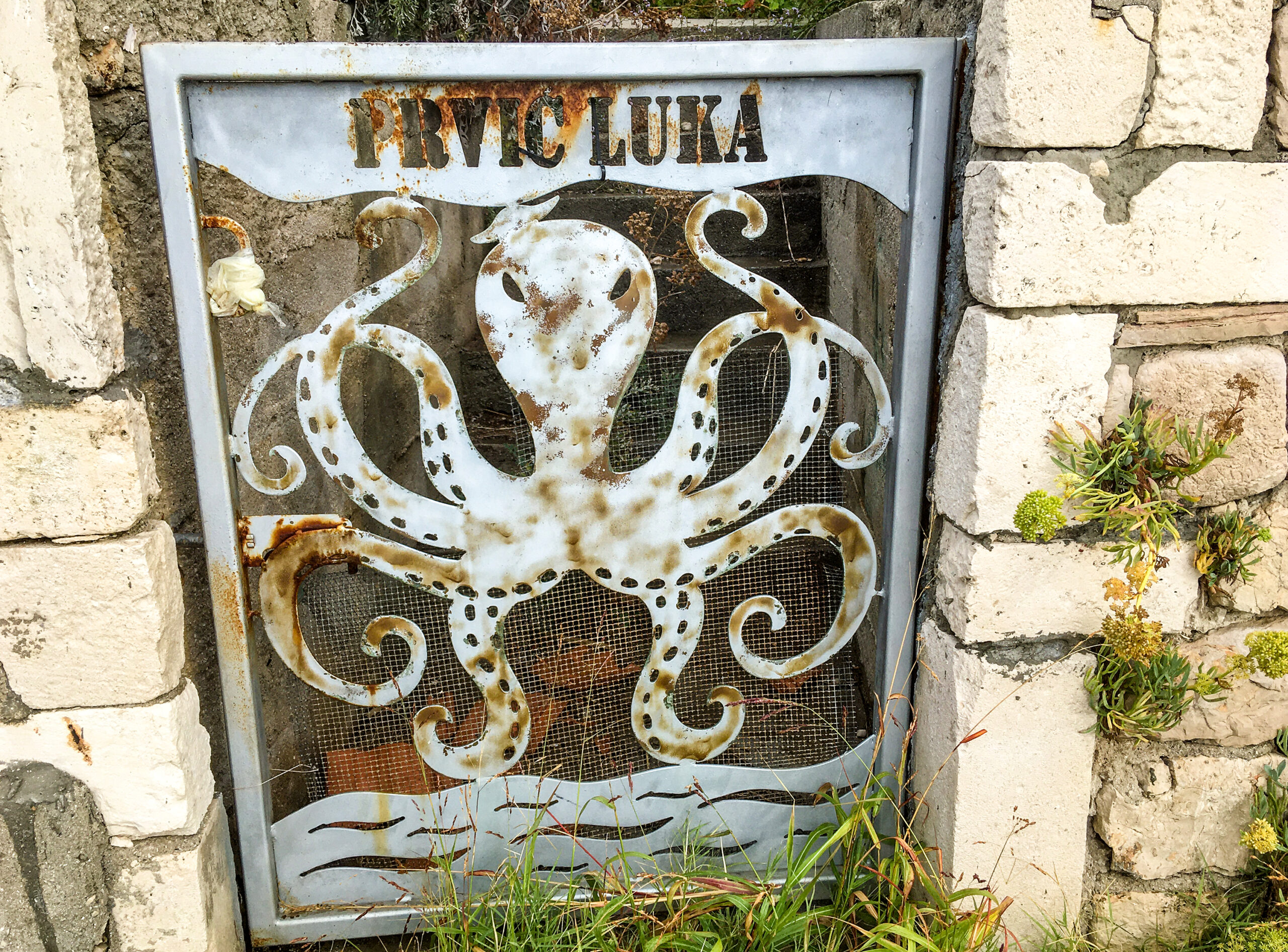
Lilia sex vernant quae de Verantia stirpe,
Impiger Alcides sevit Pallasque rigavit,
At fovet, ex alto qui conspicit omnia, Phaebus.
Faust wrote this poem, and while its subversive nature might be a little hard to see now, it must have been rather disruptive and rebellious back in the day. The poem is a parody of a famous passage from the Holy Book: in his letter to the Corinthians, Paul wrote, I planted the seed, Apollos watered it, but God has been making it grow.
Faust disposed of God himself and made fun of the name of an early Greek-Jewish Christian, Apollos, to firmly establish his family within the Renaissance reading of Ancient Greece: six lilies grow from the stem of Vrančić (the family coat of arms bore six lilies); Alcides (that is, Hercules!) planted them, Pallas Athena watered them, and all-seeing Phoebus Apollo up there makes them grow.
Pride, fun, and Ancient Greek mythology took place of the sombre, unimaginative, boring litanies. Renaissance FTW!
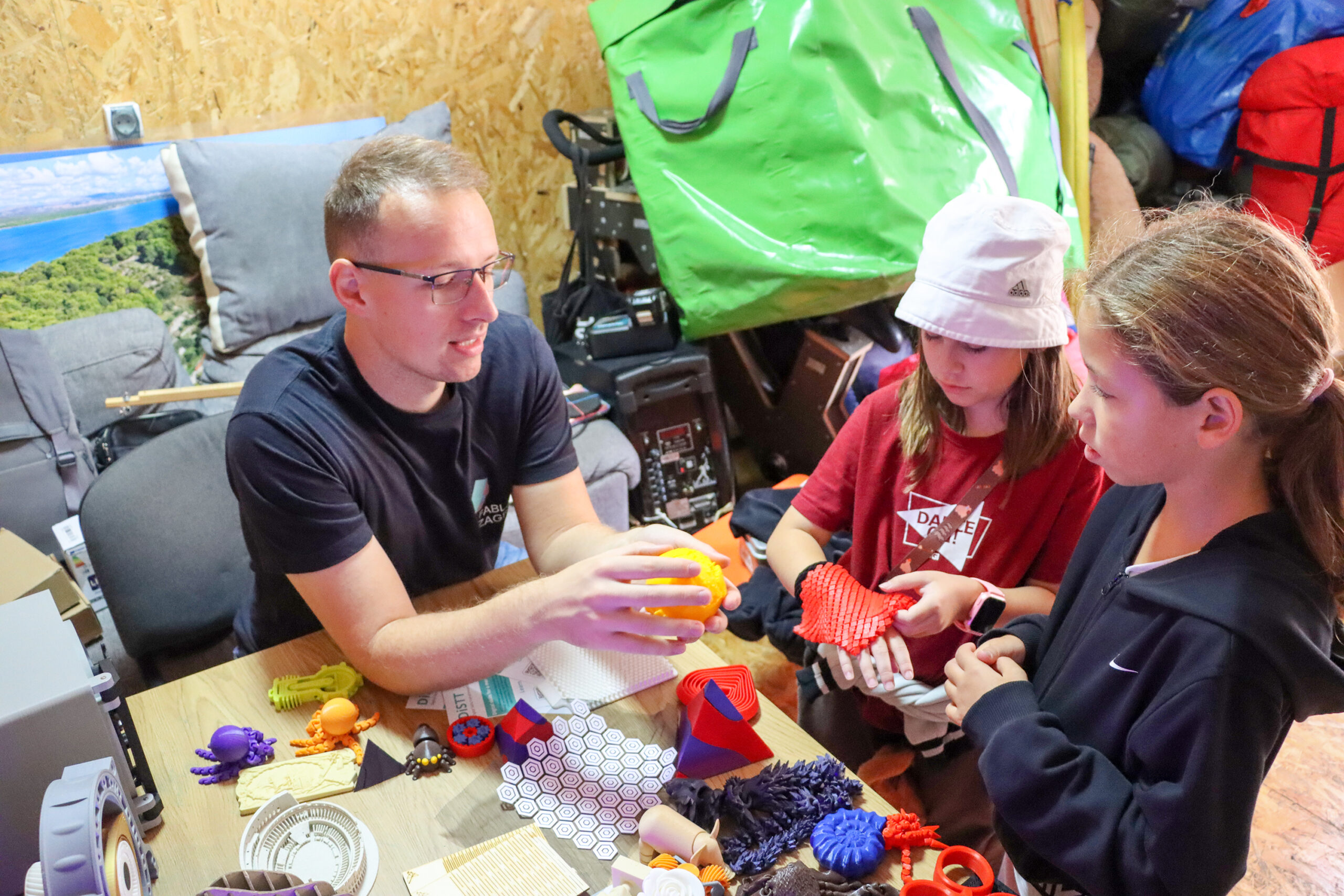
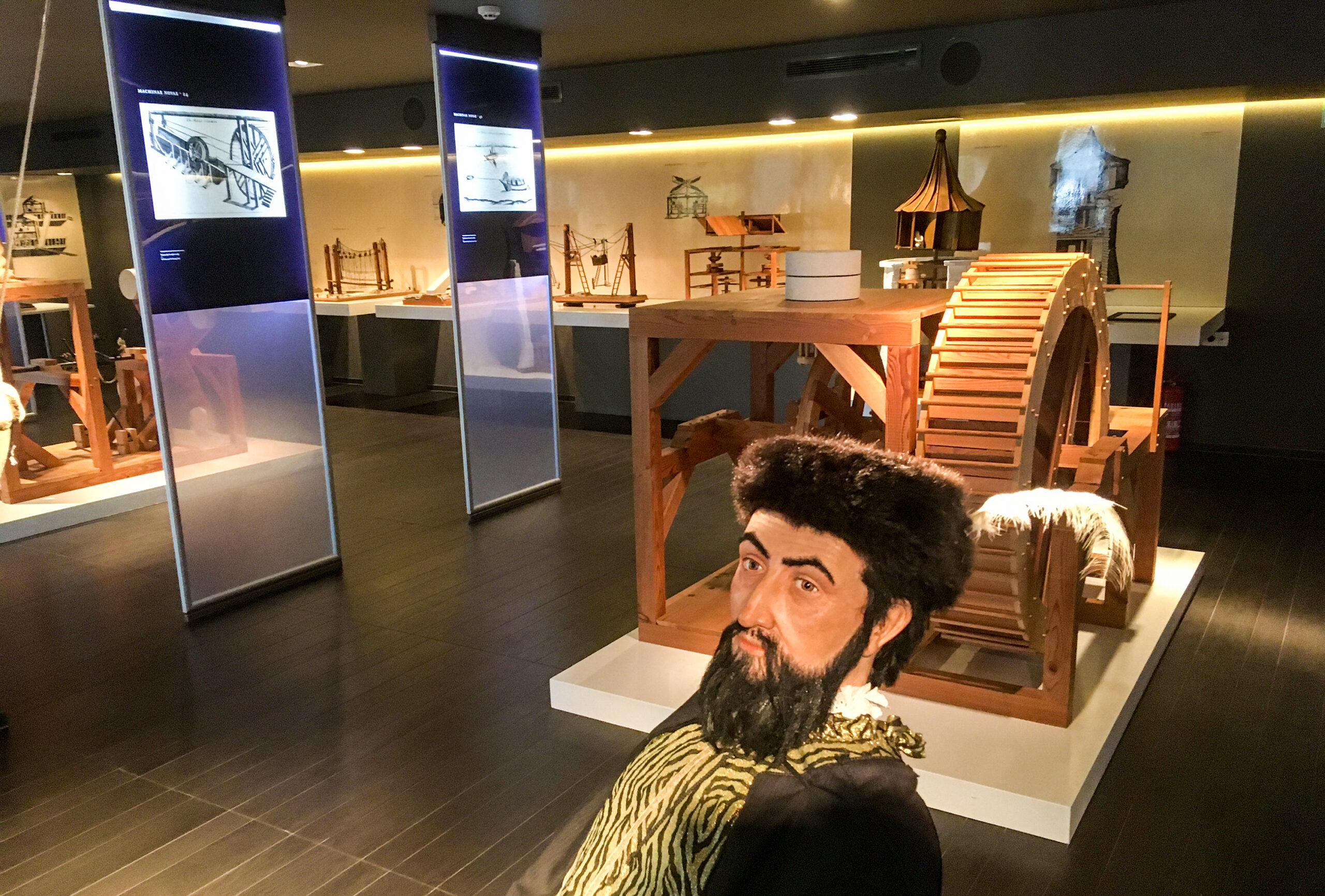
It worked: four centuries after Faust and his shenanigans, kids come to the island, and a wild metalhead kidnaps them and makes them make little wooden Owls of Athena. And later they construct machinae novae with the guys from FabLab …
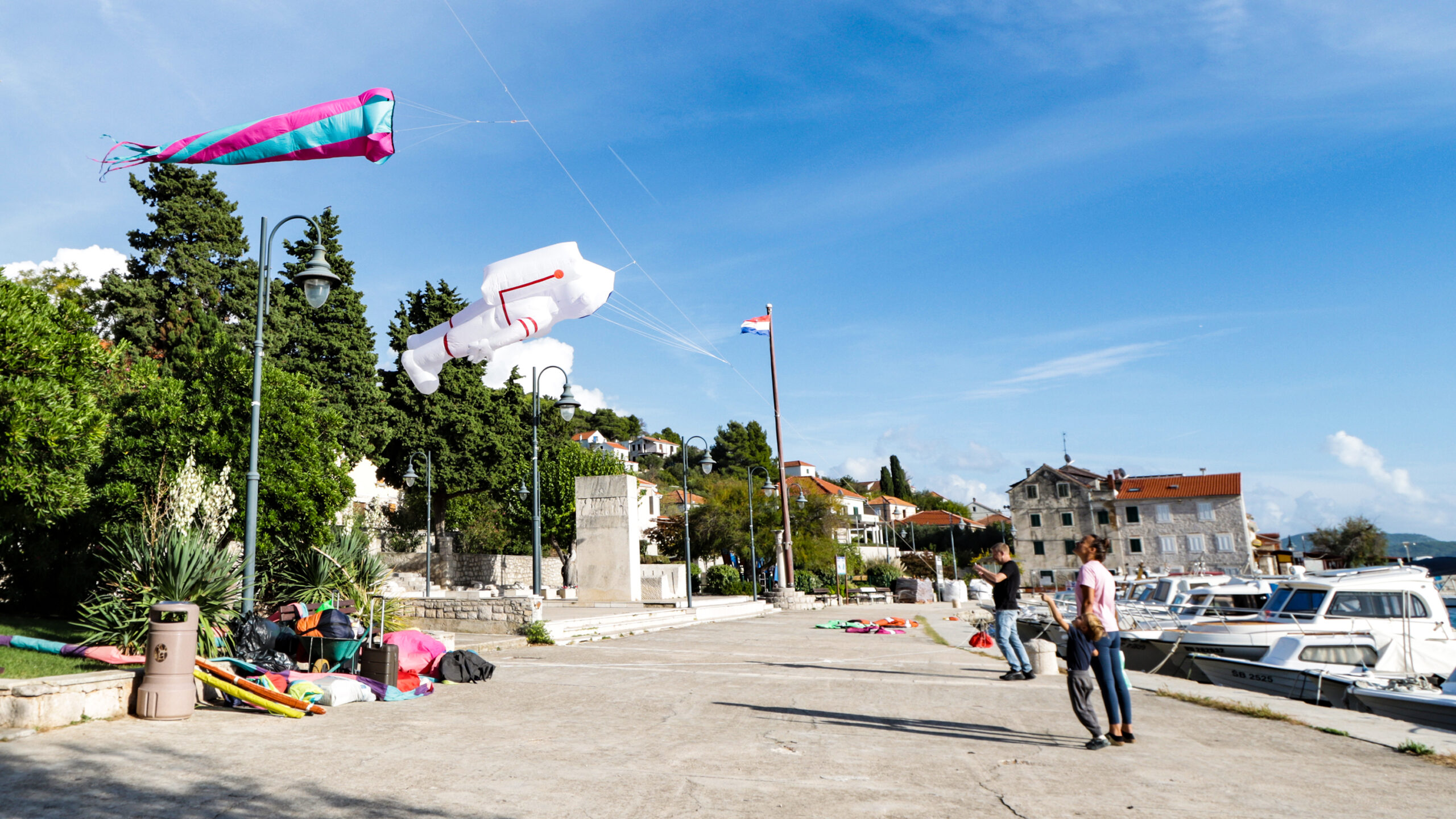
… and kites fly above them, making everyone happy.
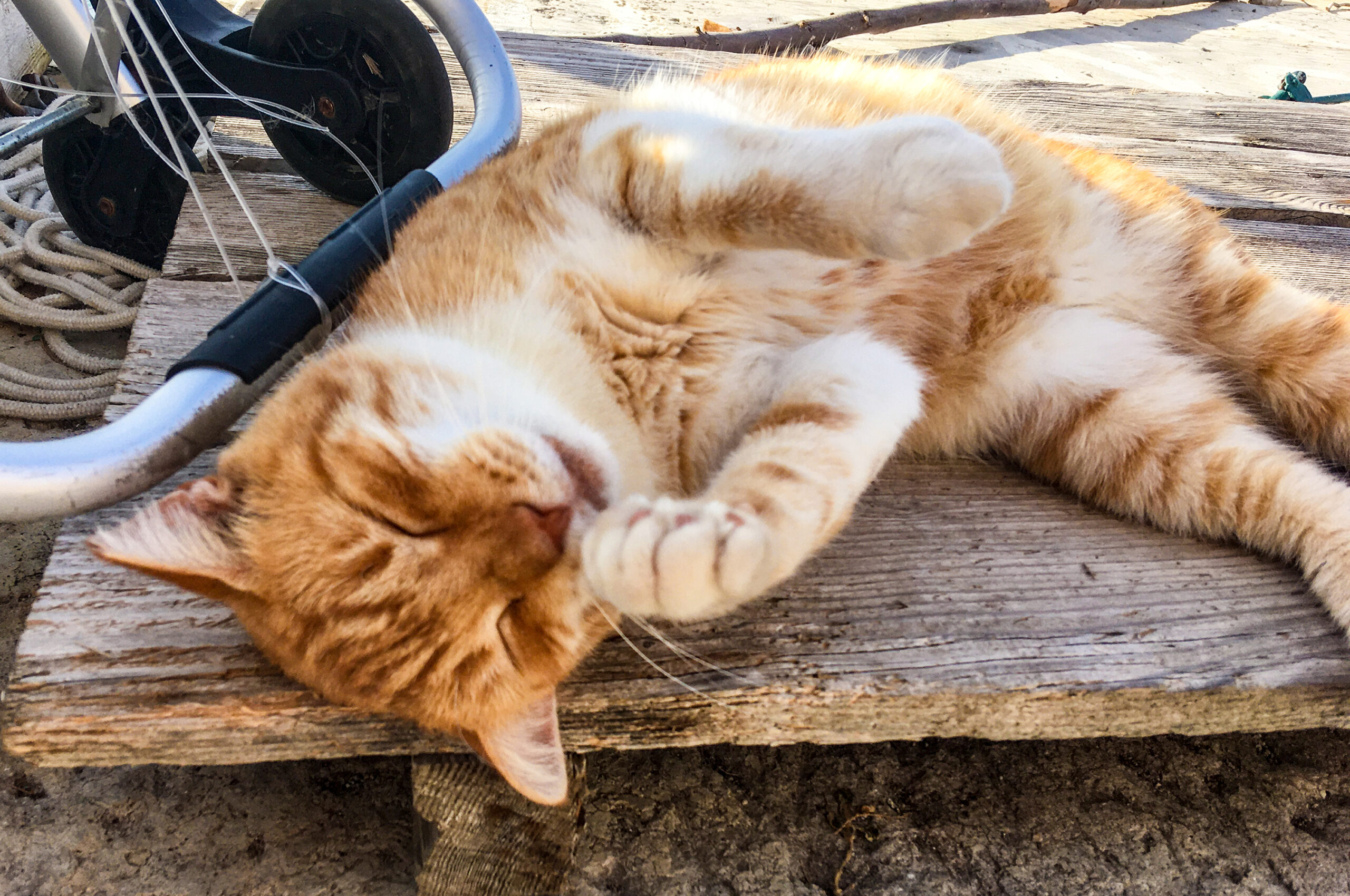
The kids laugh, and dance, and learn, and create.
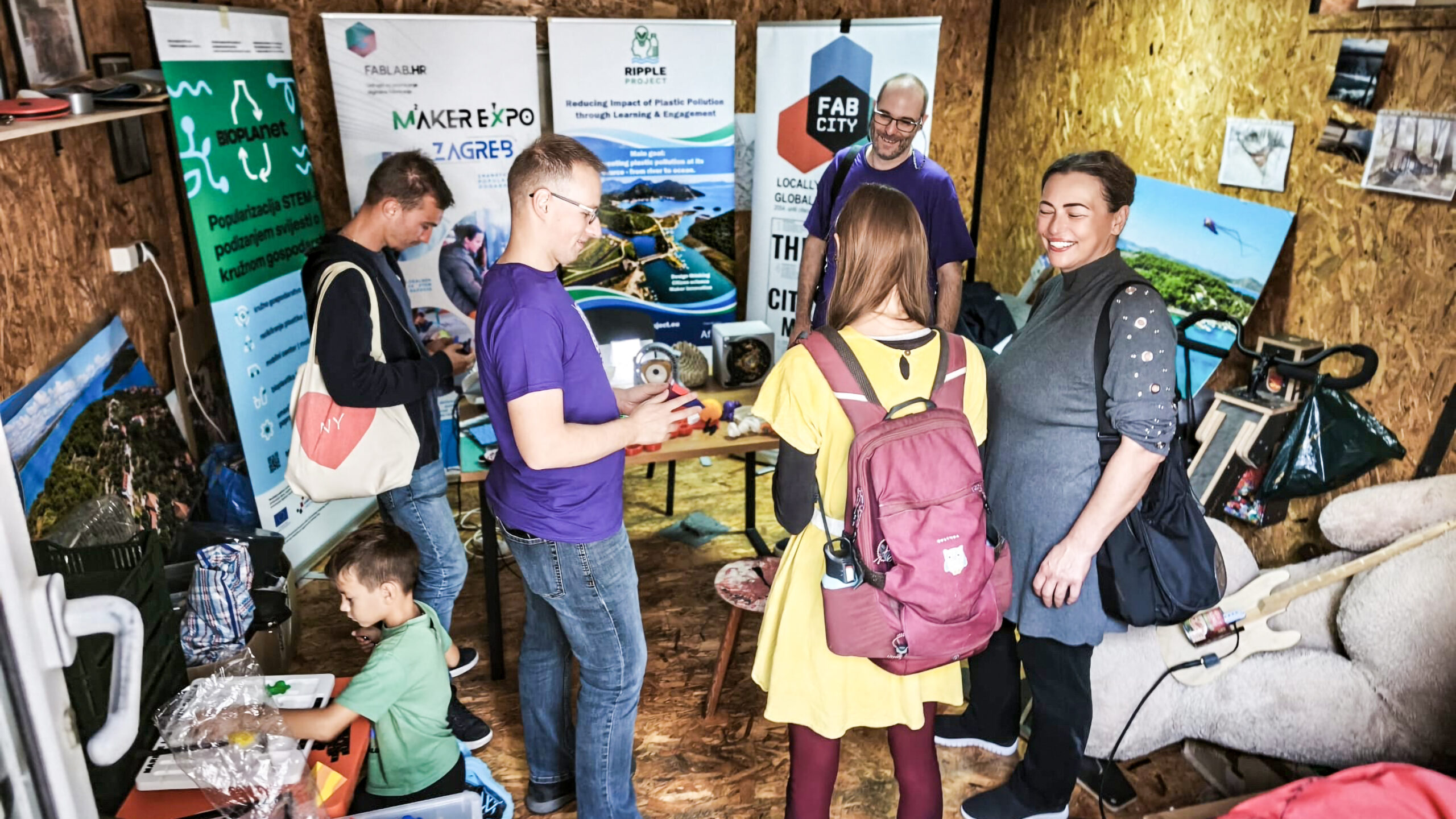
What else is there?
As long as the fantastic fire burns
I am free
– Croatian poet, 20th century
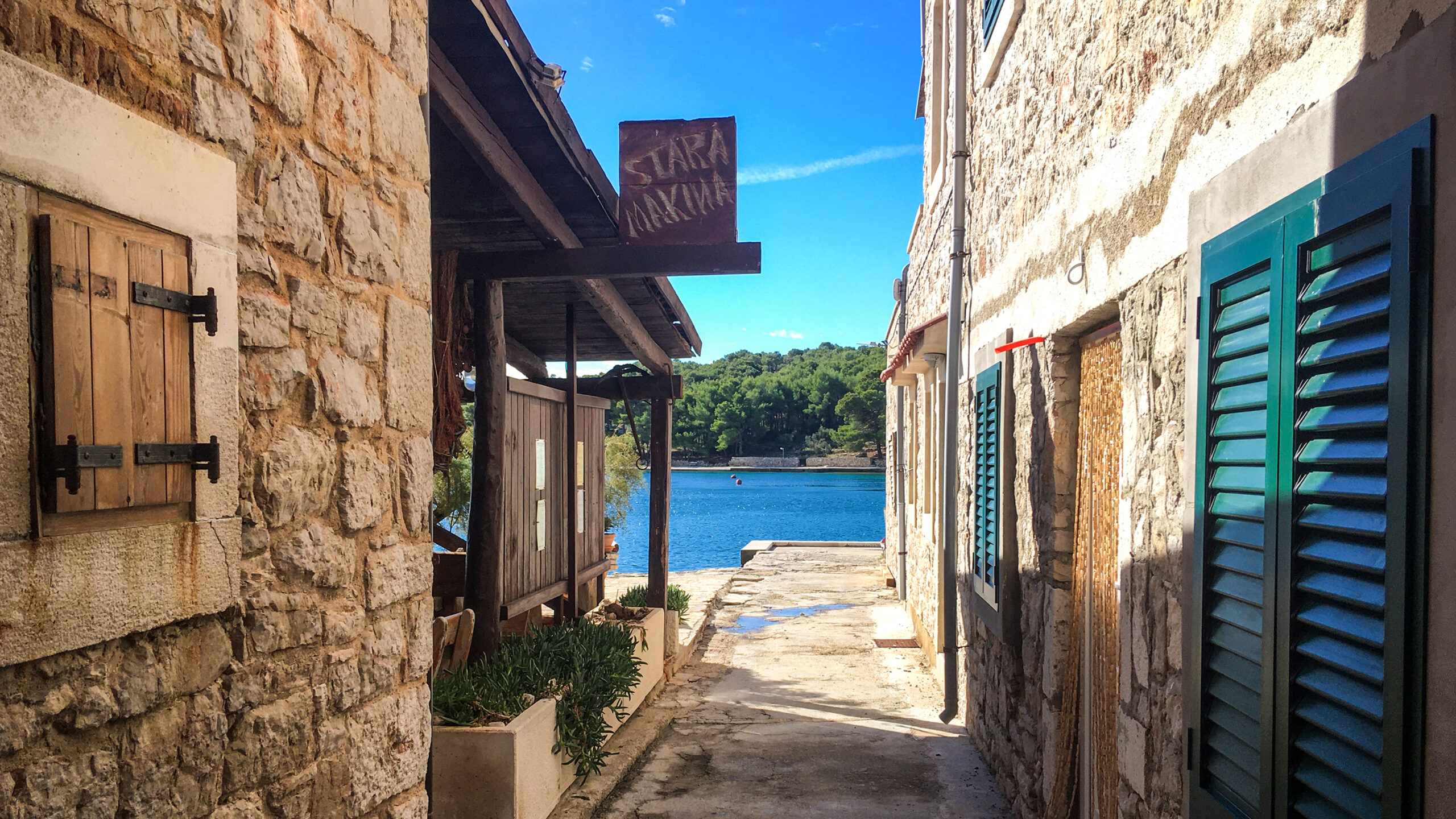
What happens on Prvić doesn’t stay on Prvić. Prvić — an island of stone — is fluid; it spills over, fills the cracks and pores, and goes everywhere. You carry it home on your skin, in your clothes, in the curious collection of sounds and images that refuses to leave your head.
Prvić resonates. Not only with music — though there was music.
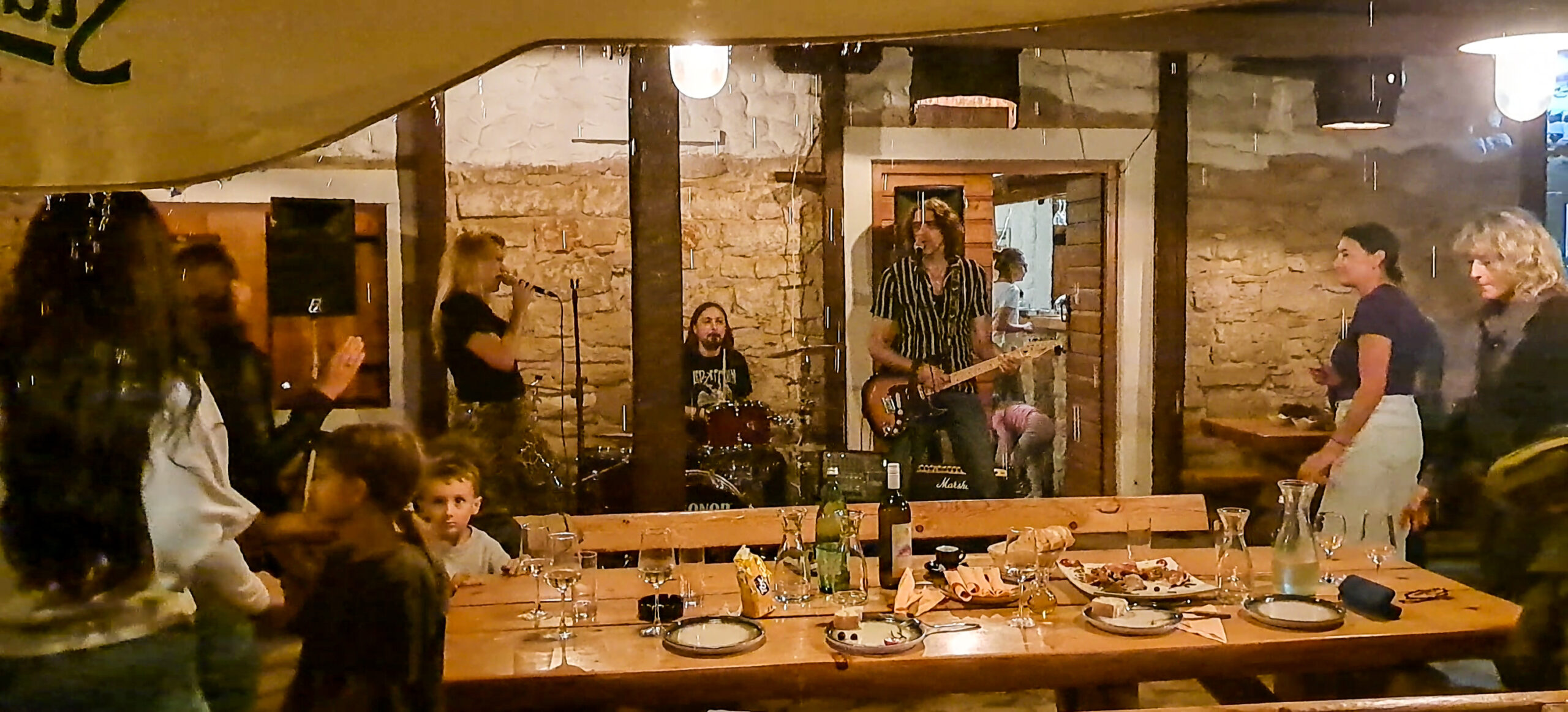
The fantastic Lili Gee band came to the island again and delivered the most unhinged set, inspired by the untimely, if somehow long-expected, death of Goran Bare.
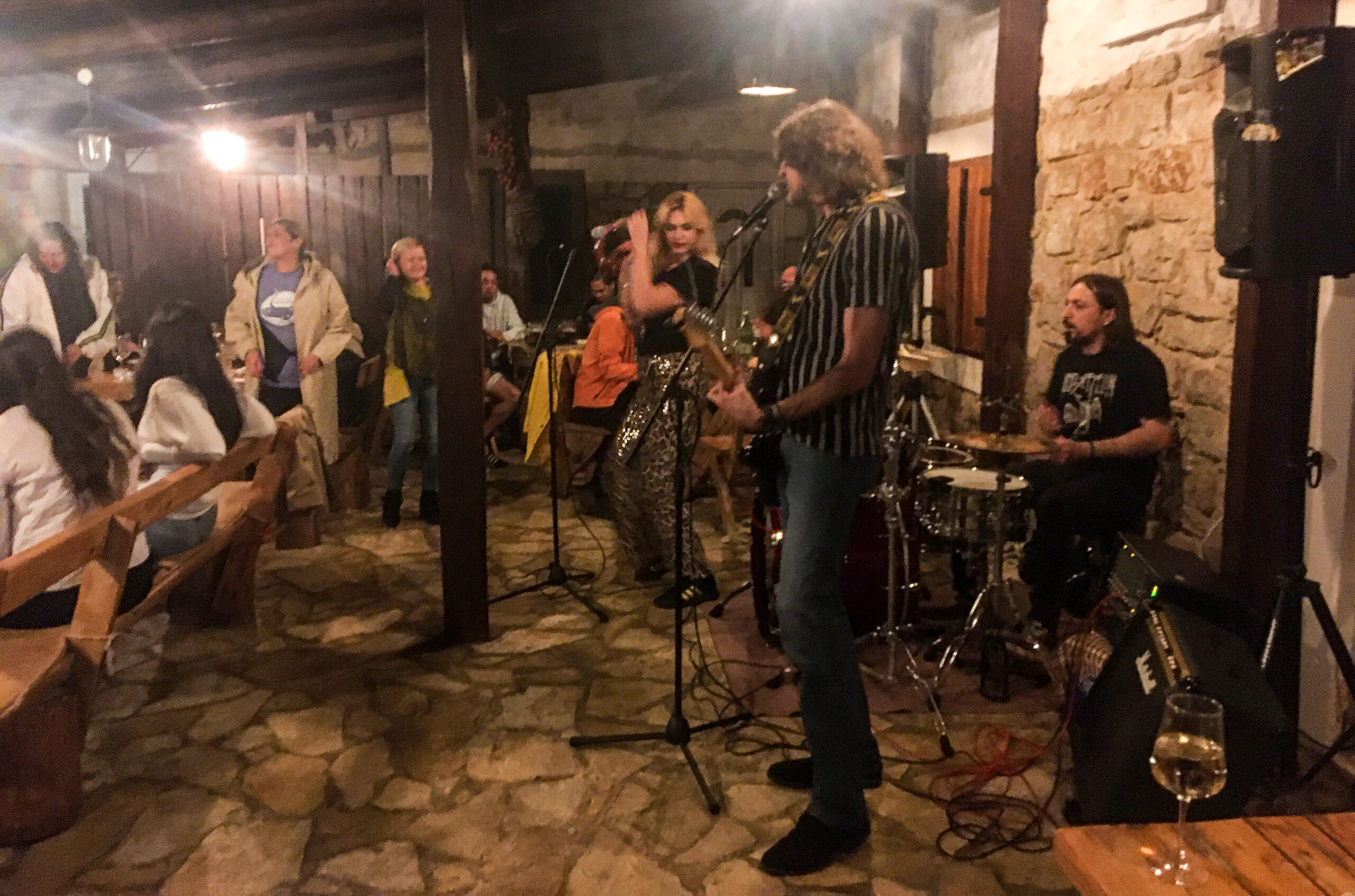
The concert at Stara Makina started at eight. The rain started at nine, and we were once again prisoners of the bar. Leaving was impossible, so Lili Gee had to play until the rain stopped. And it did — at midnight.
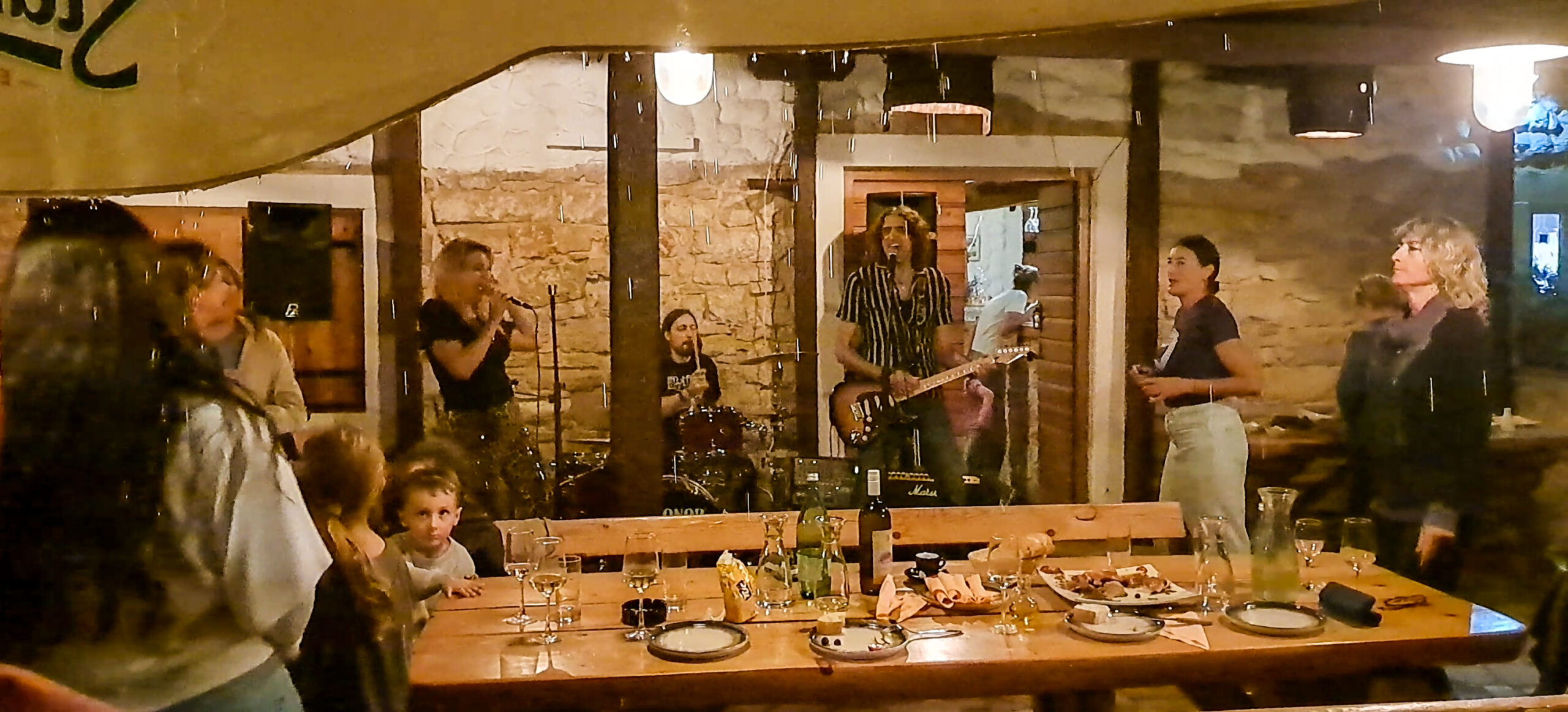
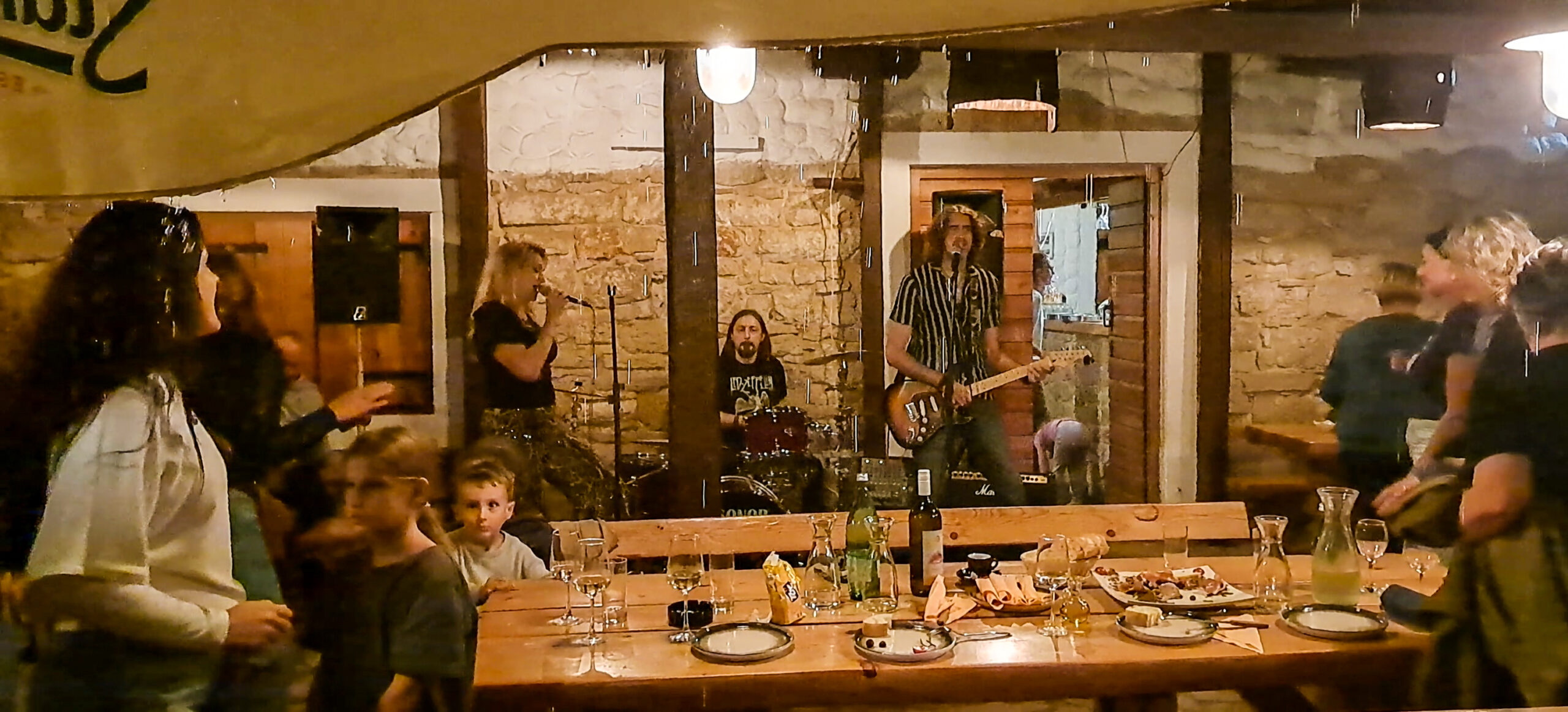
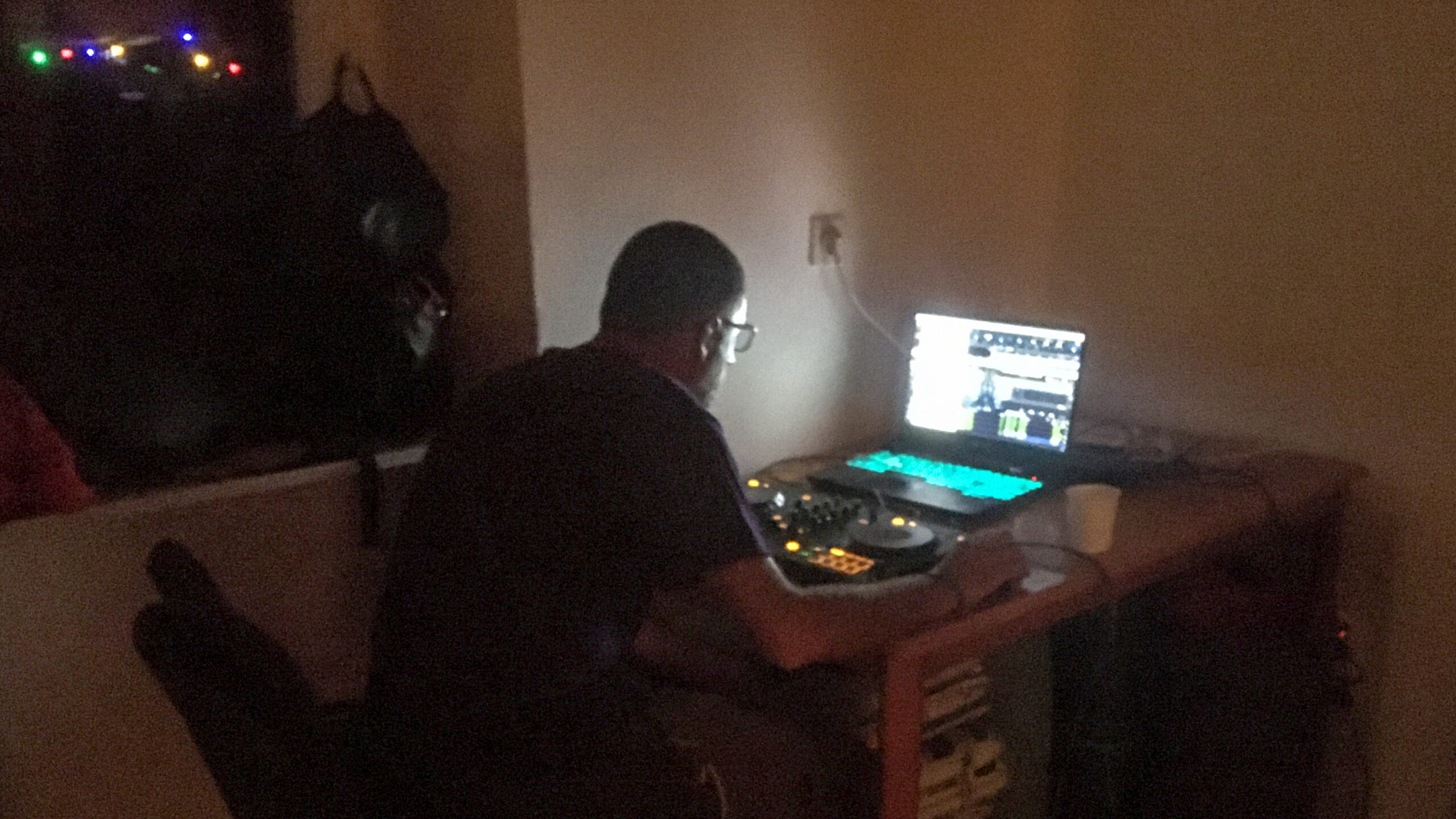
Then Žare transformed into DJ Shepherd and led us like sheep into seriously threatening the structural integrity of the Dva bunara house.
And after that, we had an after-after on the terrace of our apartment.
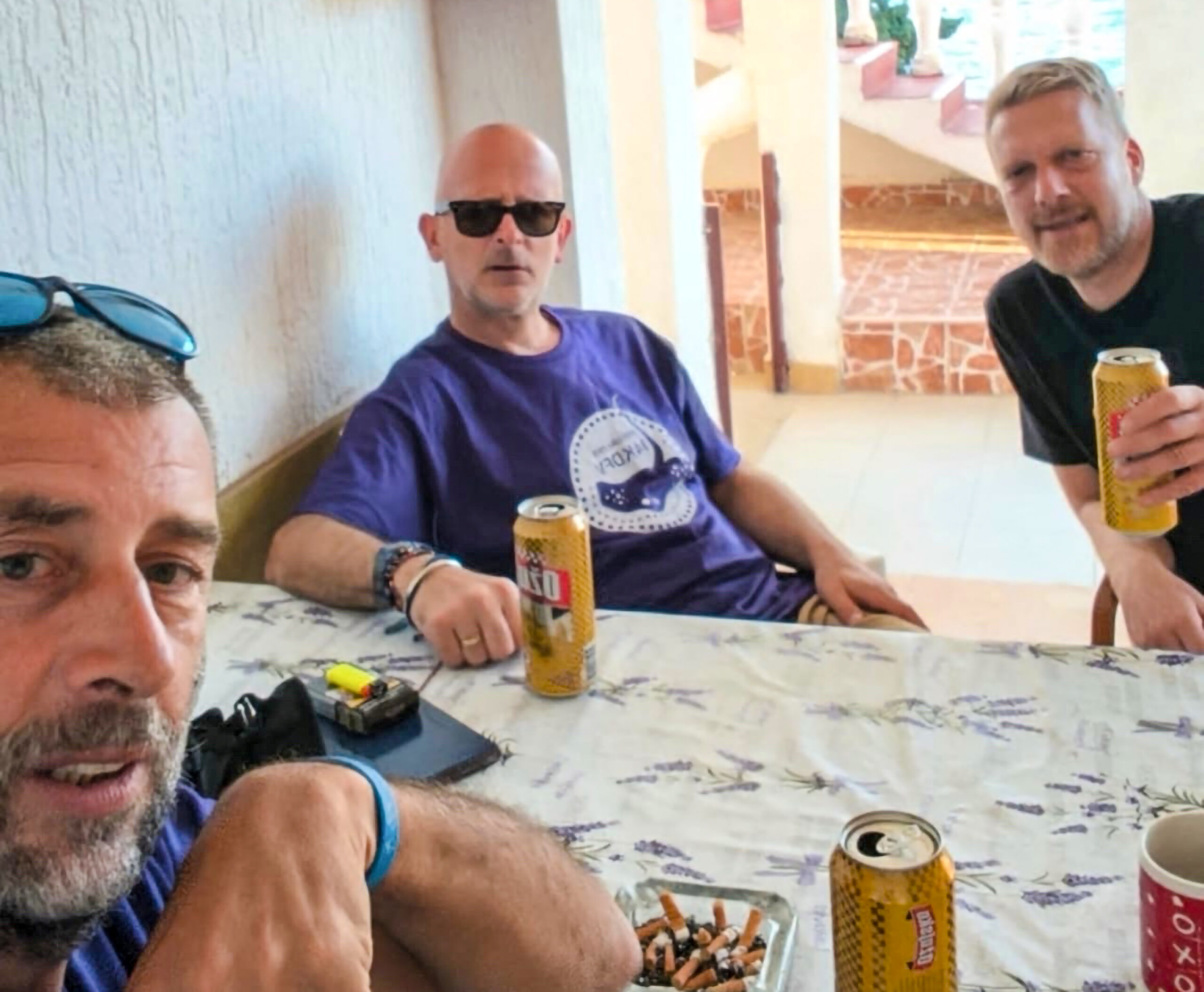
To welcome the long-absent sun.
The sun that was awoken from its celestial slumber by a guy who, naked to his waist, was running around screaming: “Di je after!? Di je after …!!??”
Call me
Call me into the night
Out of the darkness
Let us make a day
– Croatian poet, 20th century
But before the sun, there was night …
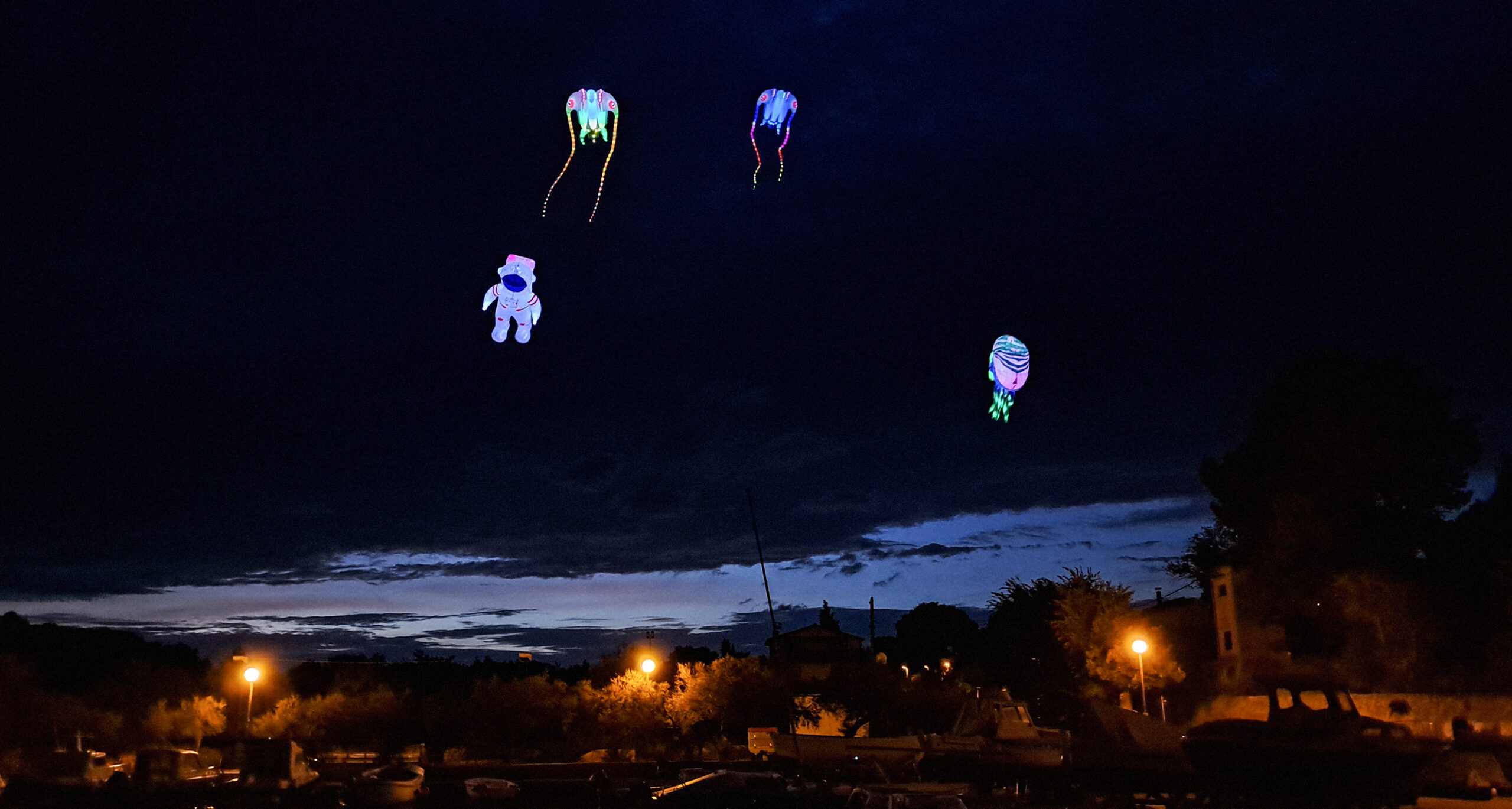
October on Prvić is not exactly famous for its wind, and we have usually had quite a few problems making our aerial show worthy of the island. But this time, the mighty jugo — the very same one that brought the rain on the second day — was dominating the skies, and somehow everything was flying without much fuss. Even more remarkably, the wind did not want to go to sleep!
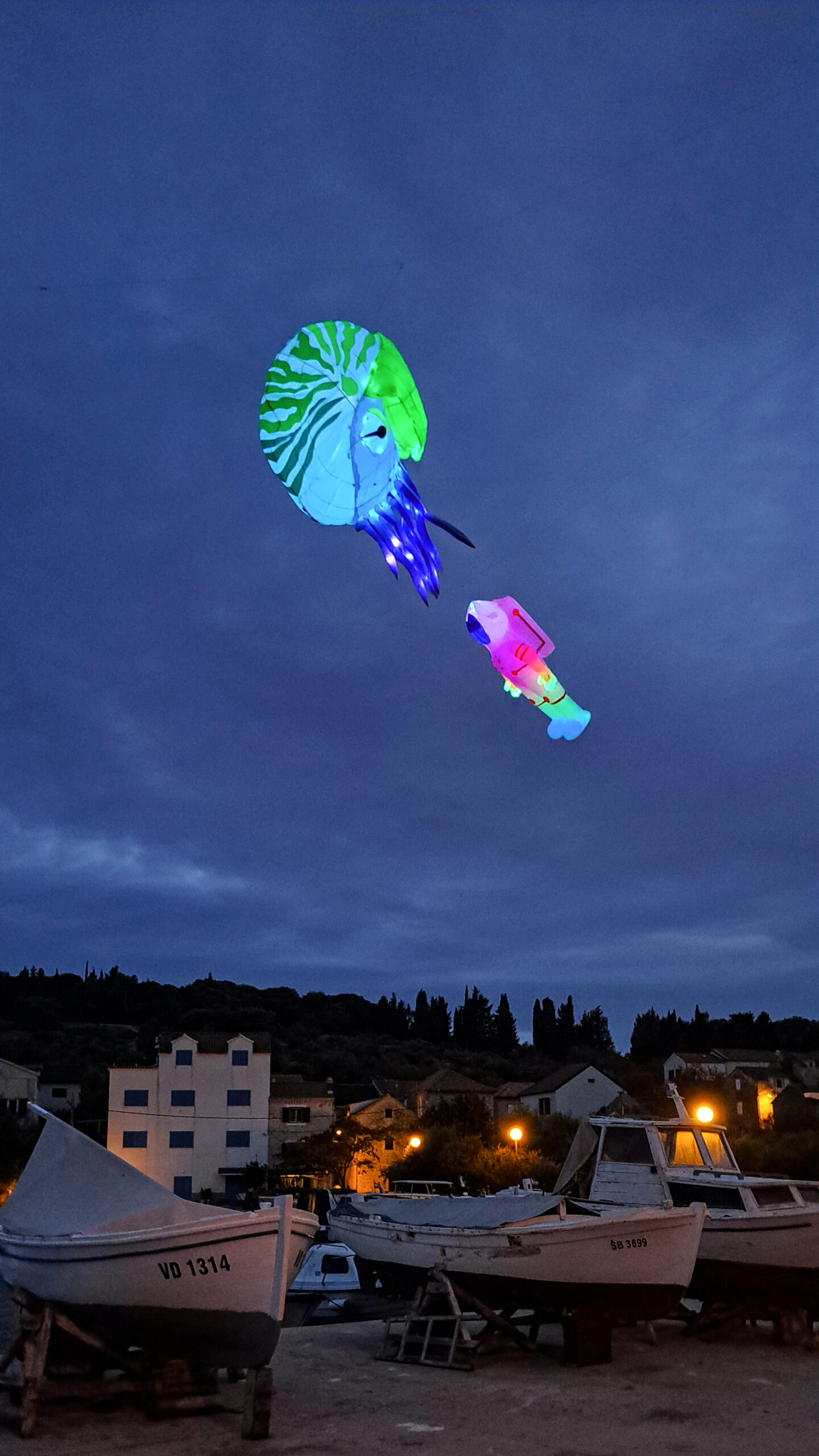
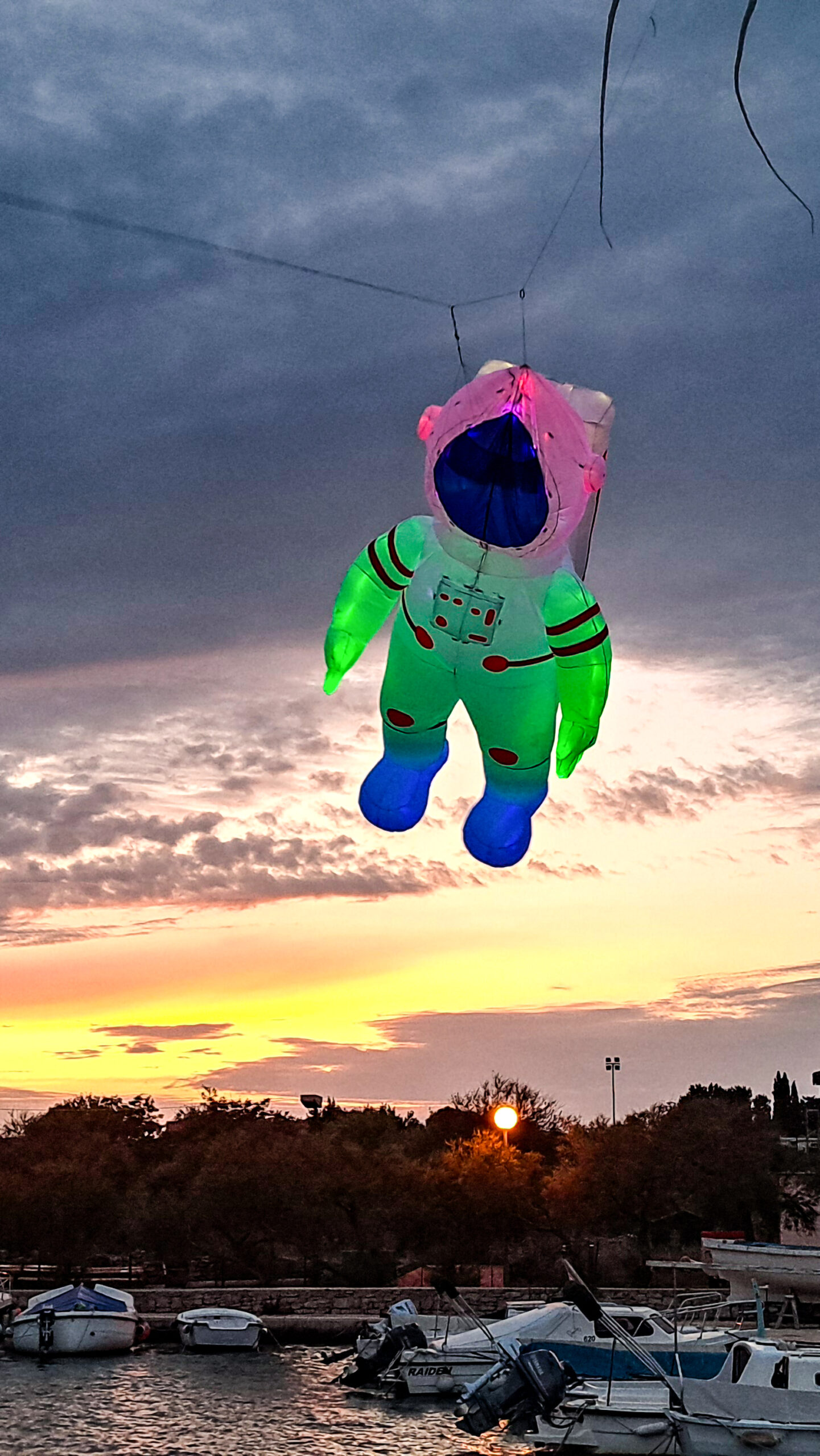
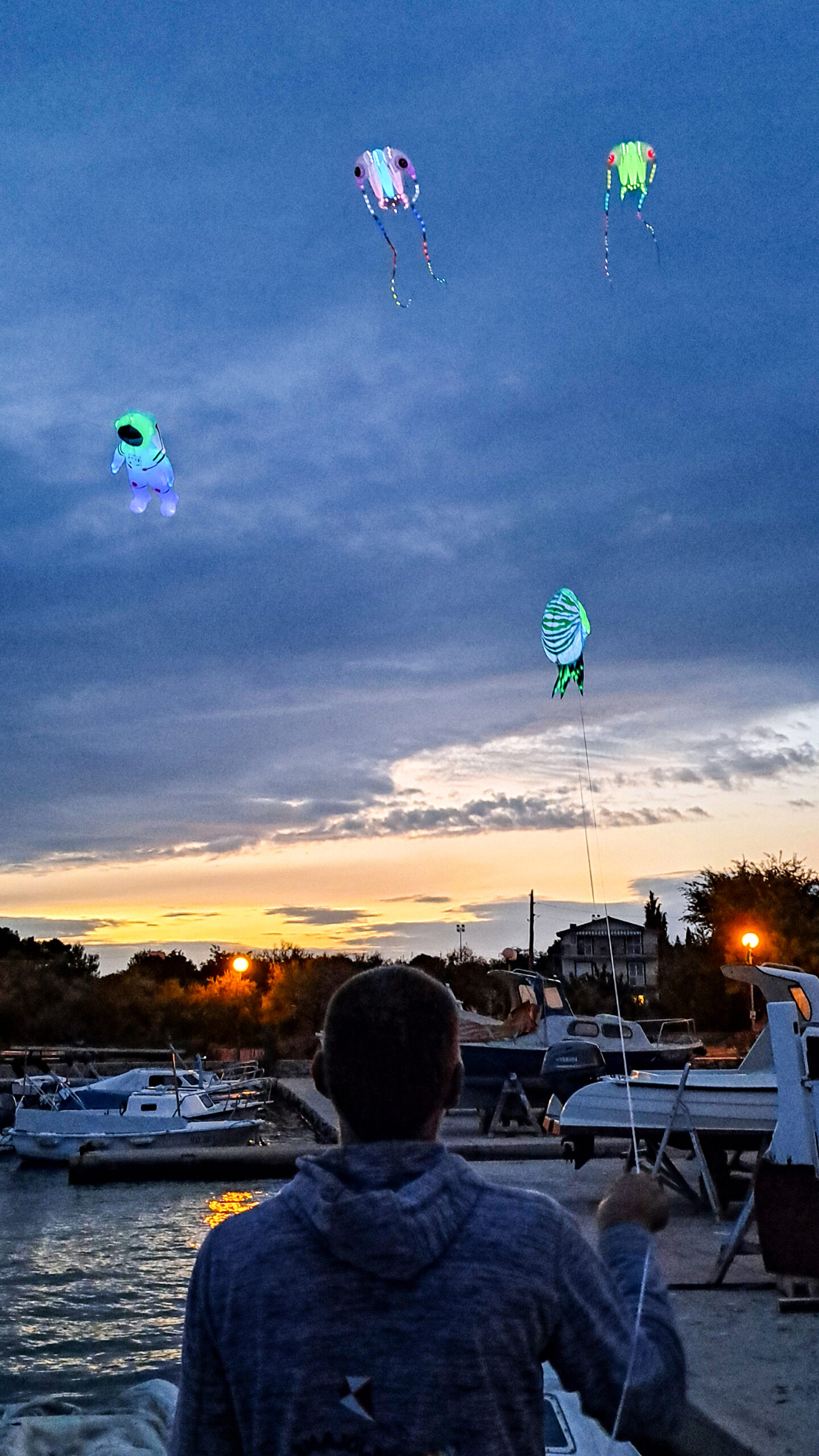
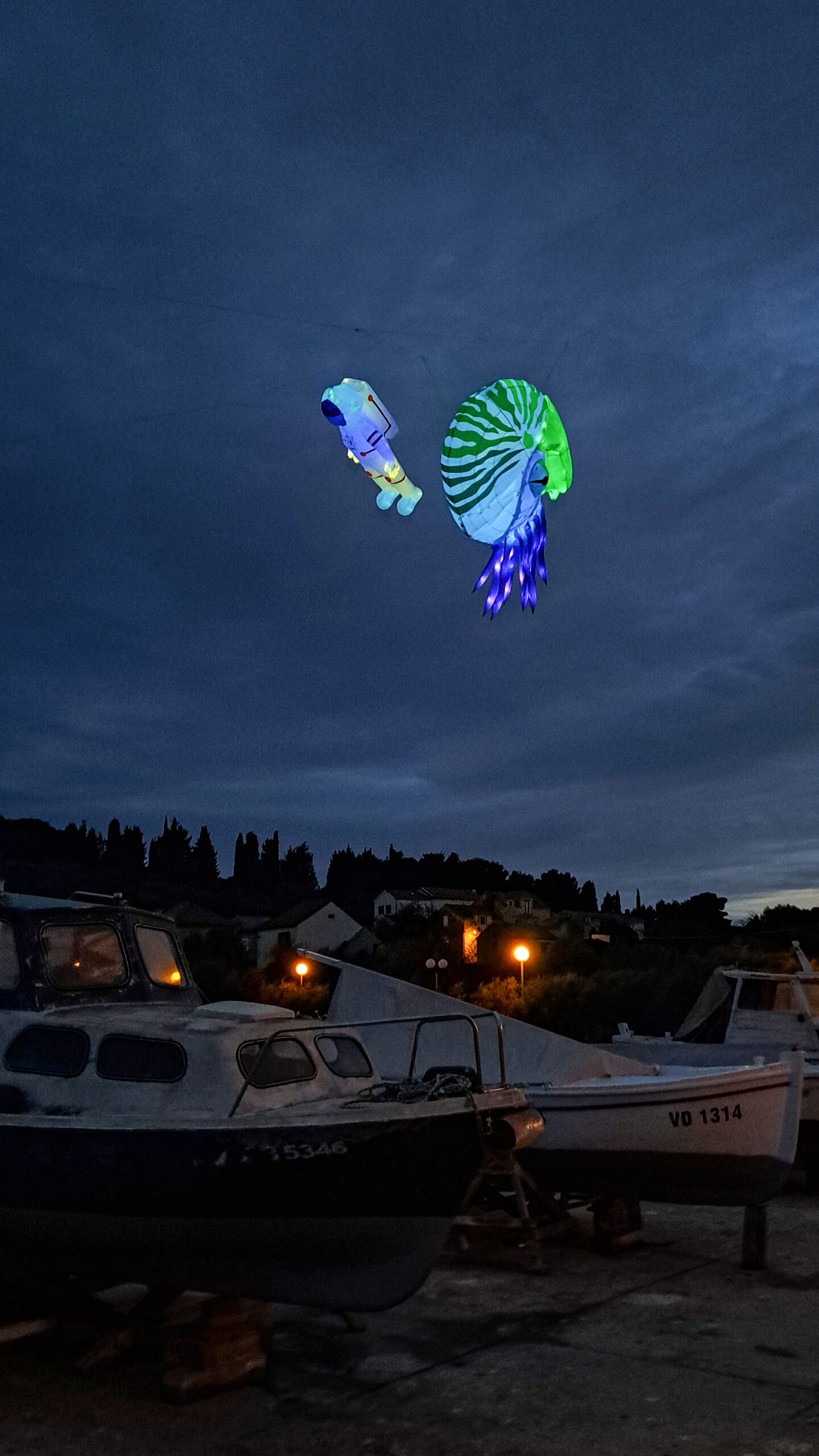
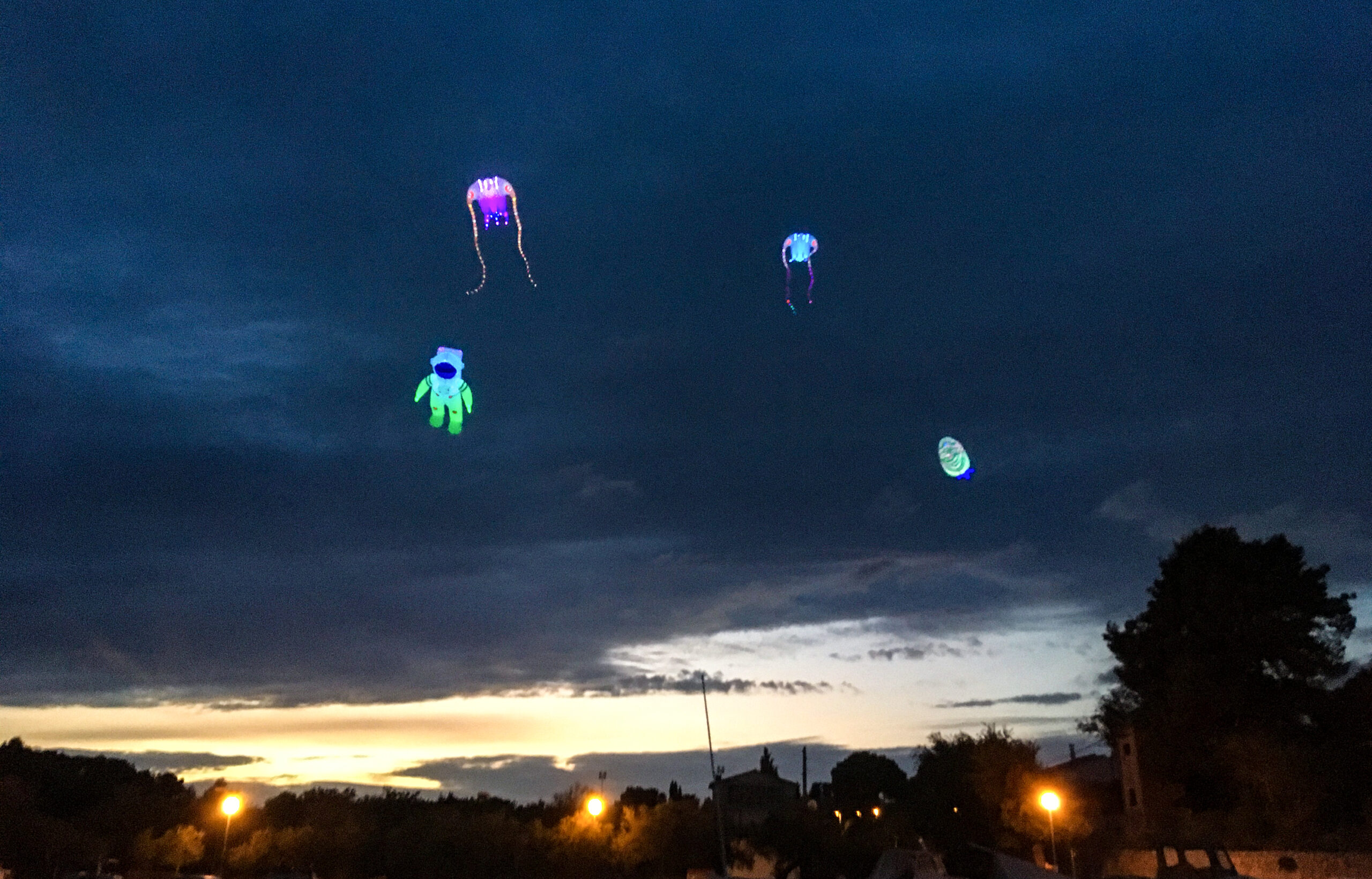
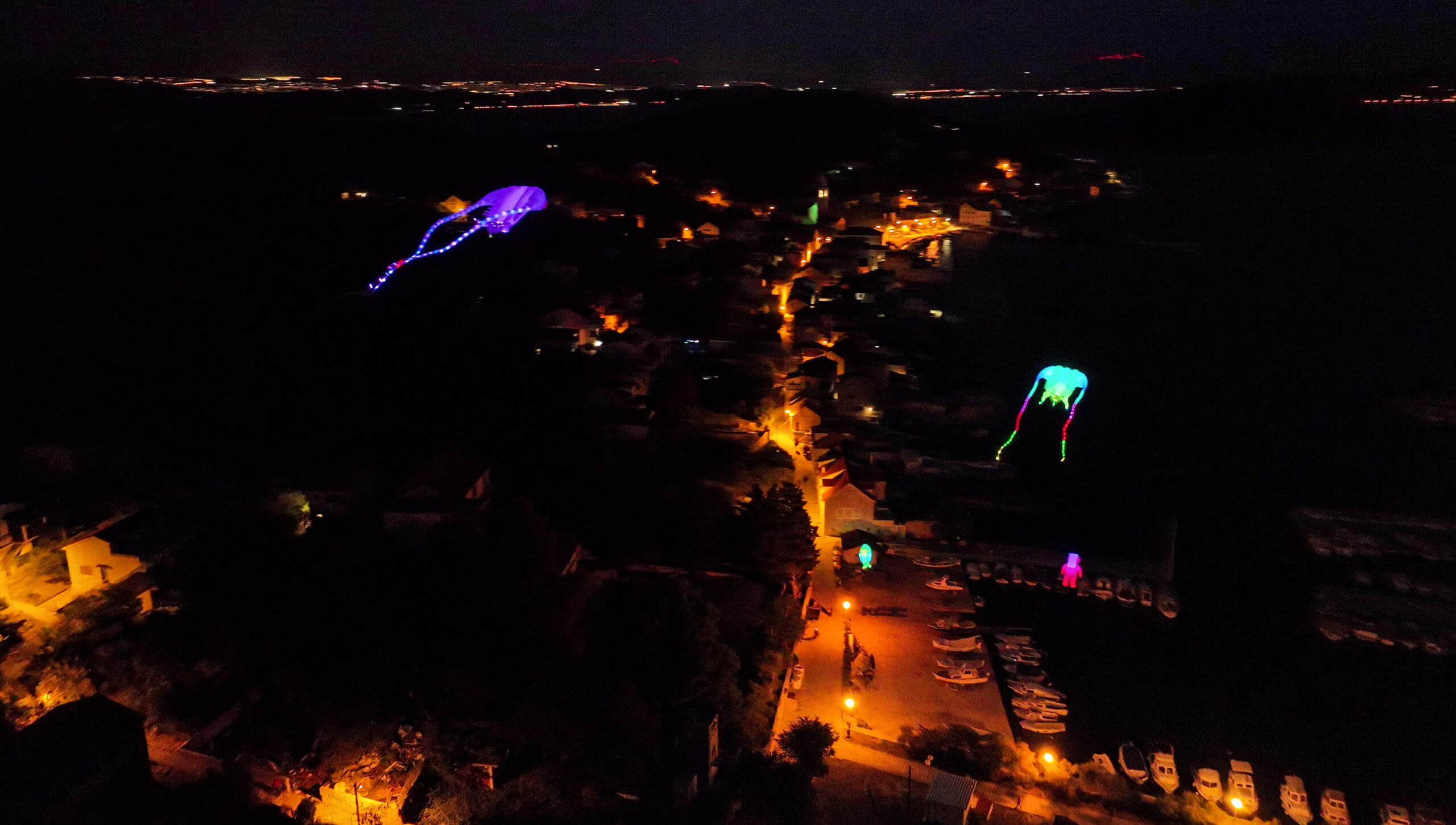
We were ready for that: we had our LED kites prepared.
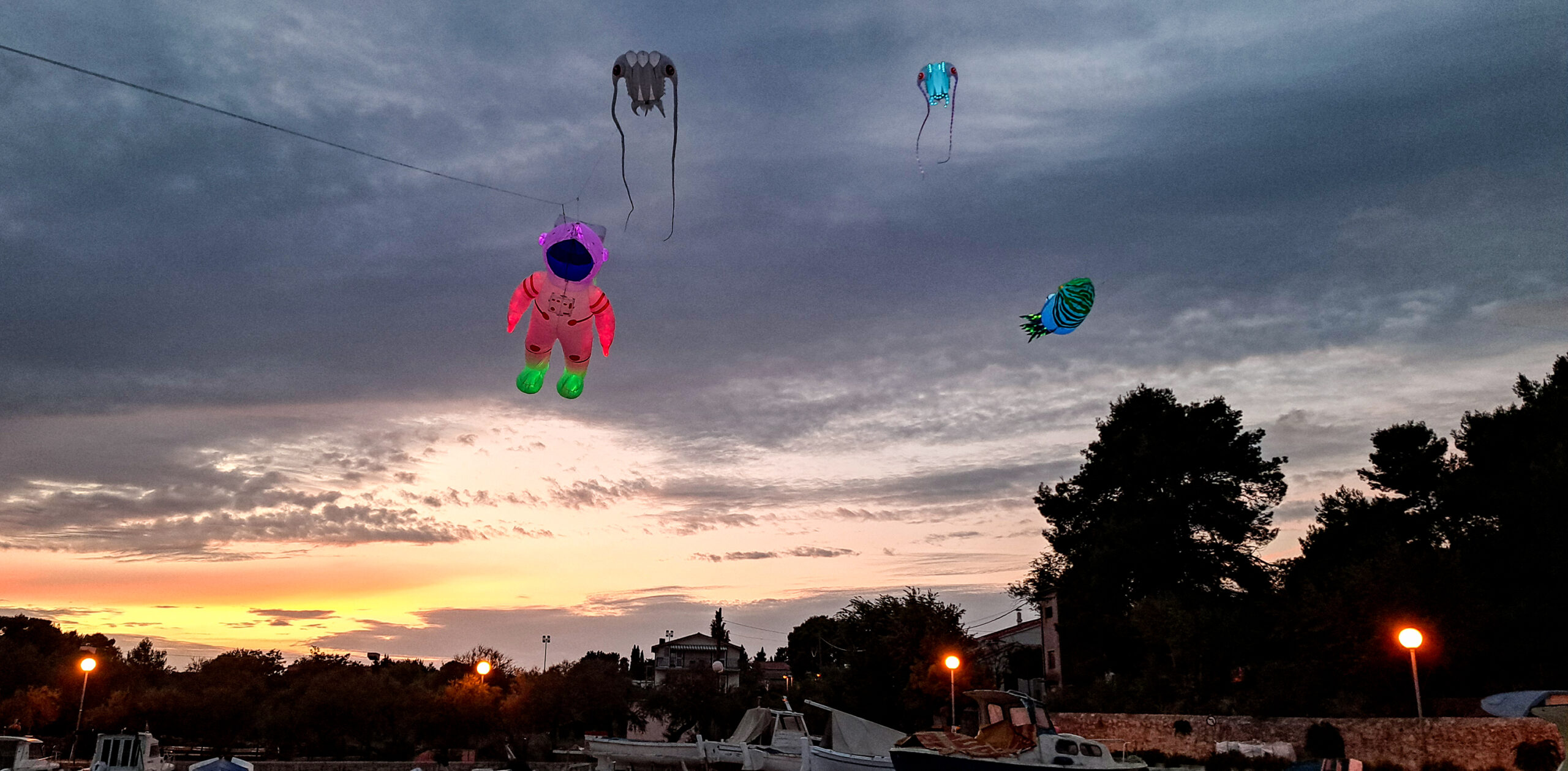
And we light up the night!
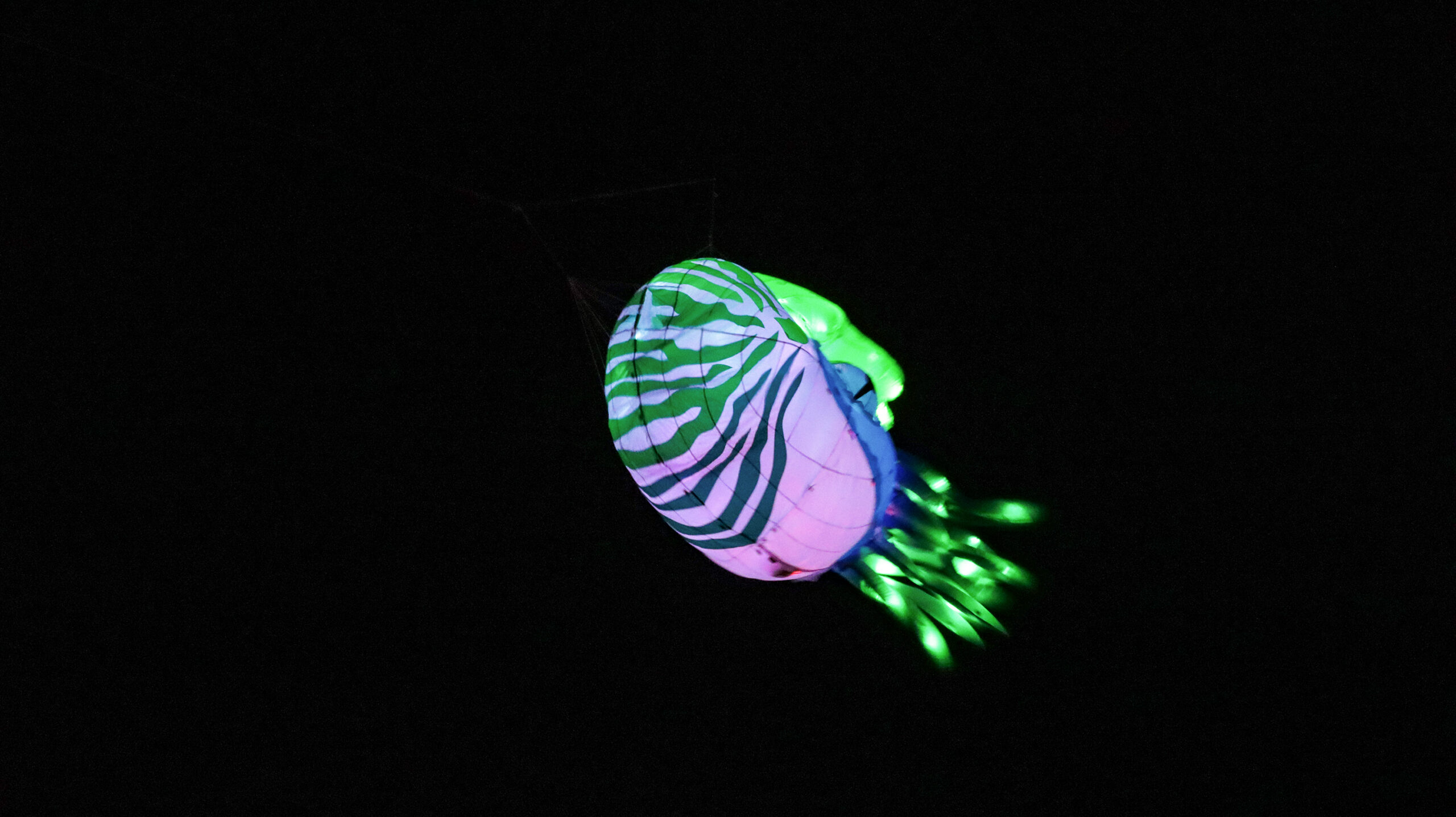
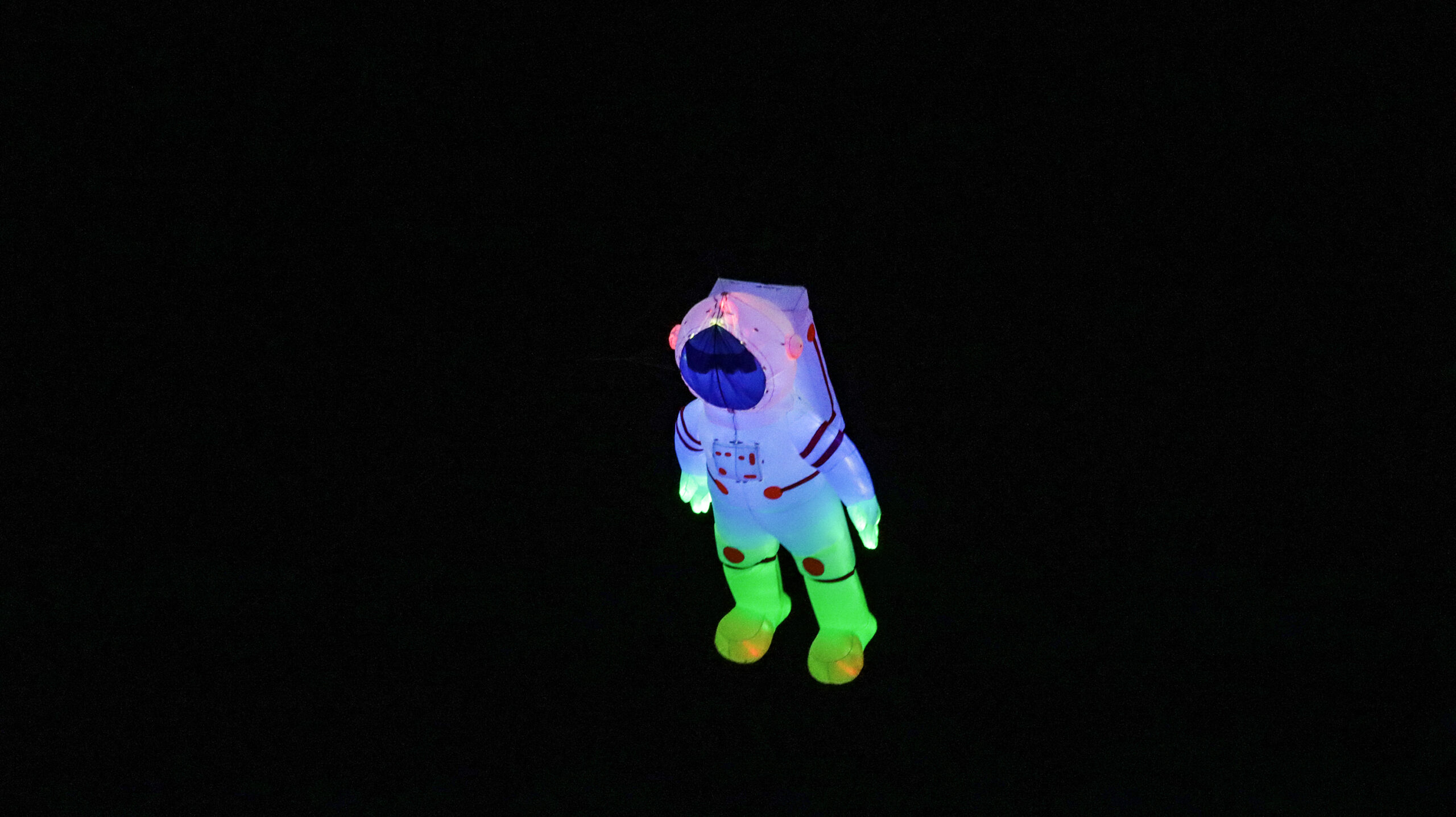
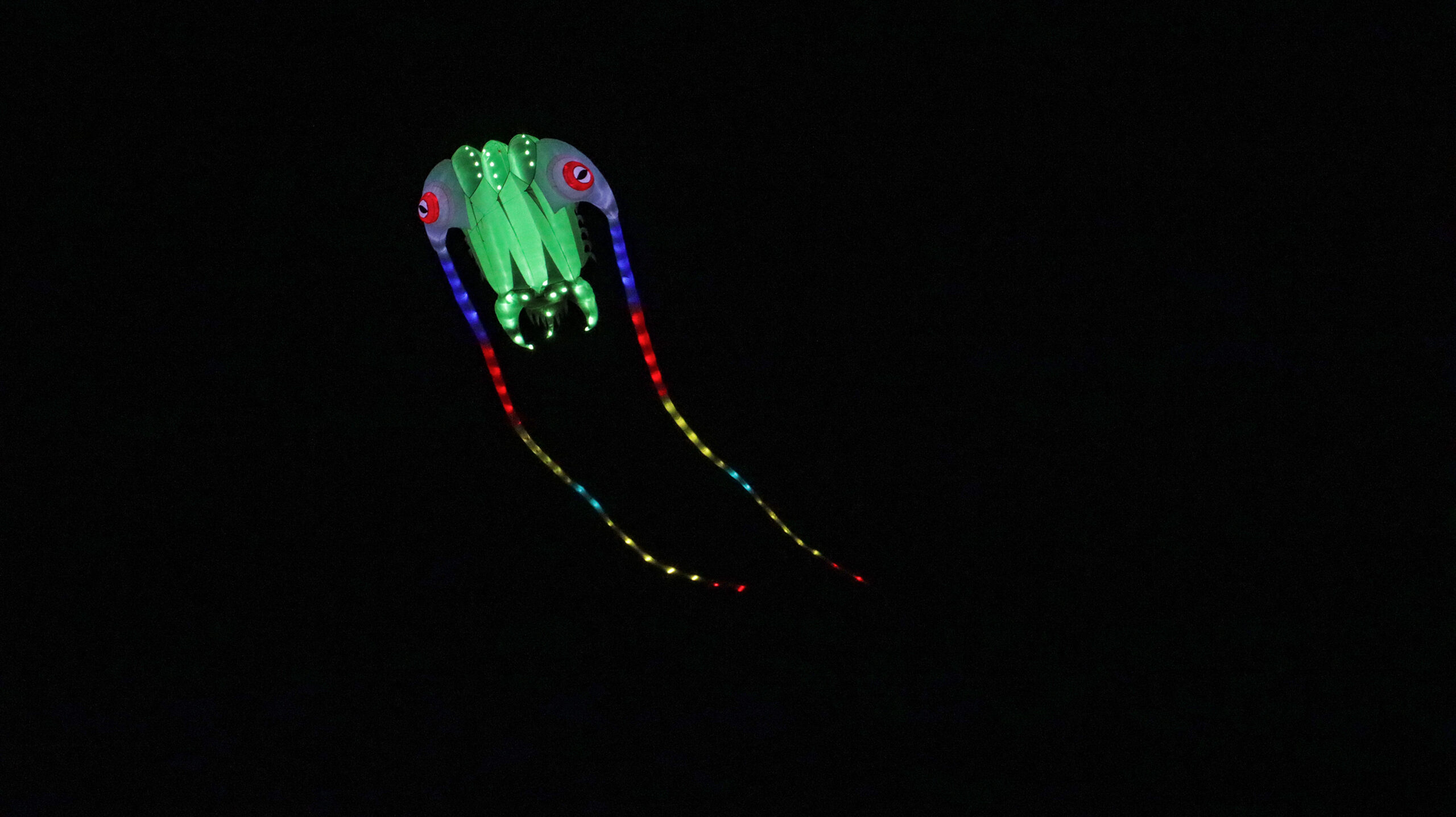
Night flying, with kites blinking in every colour imaginable, is an astonishing sight if you are not a kite flyer accustomed to them. So the good people of Prvić Luka came out one by one, shyly approaching the UFOs in the sky.
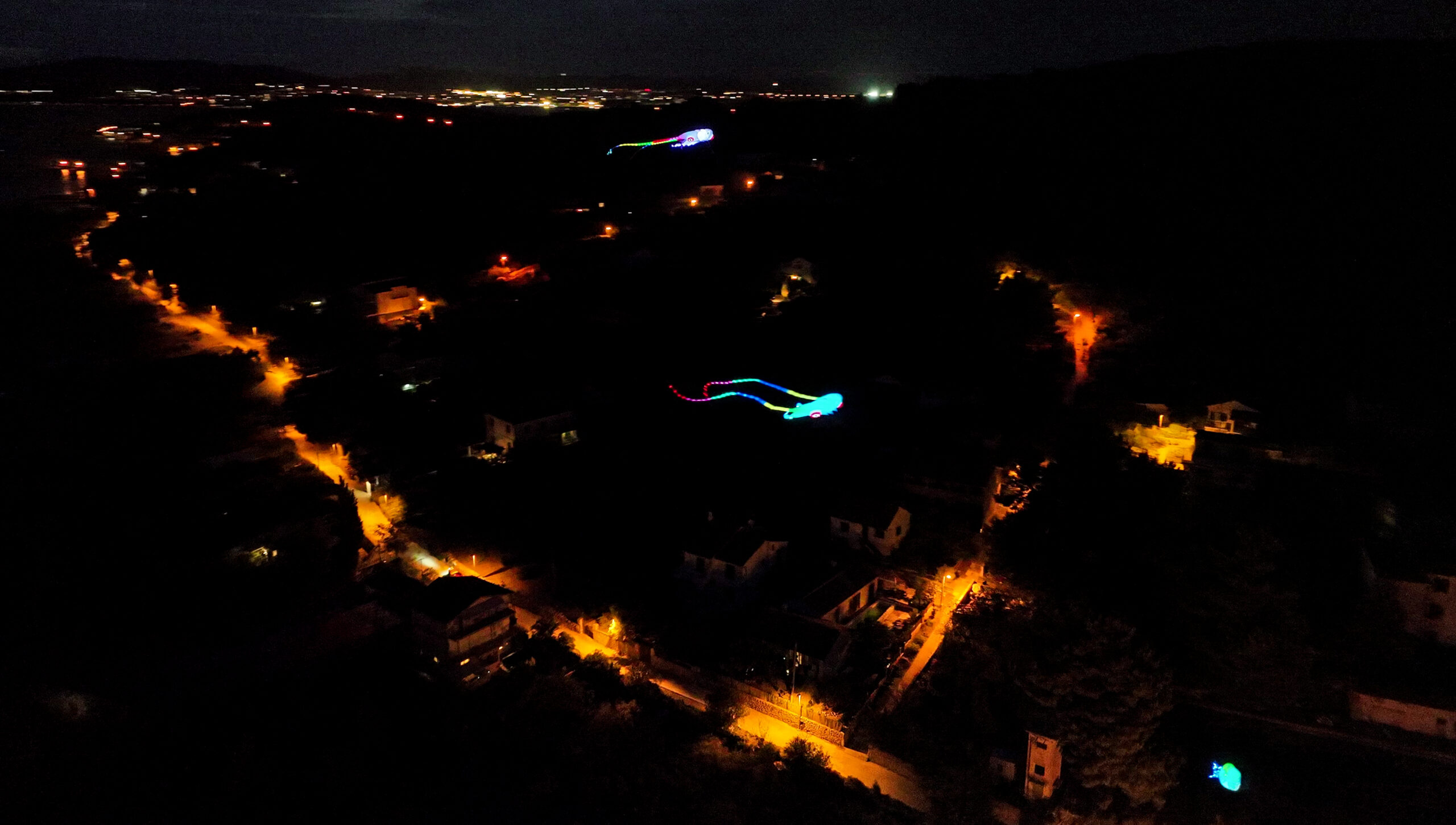
Hey, kid, come and hold the line — you will be a night pilot!
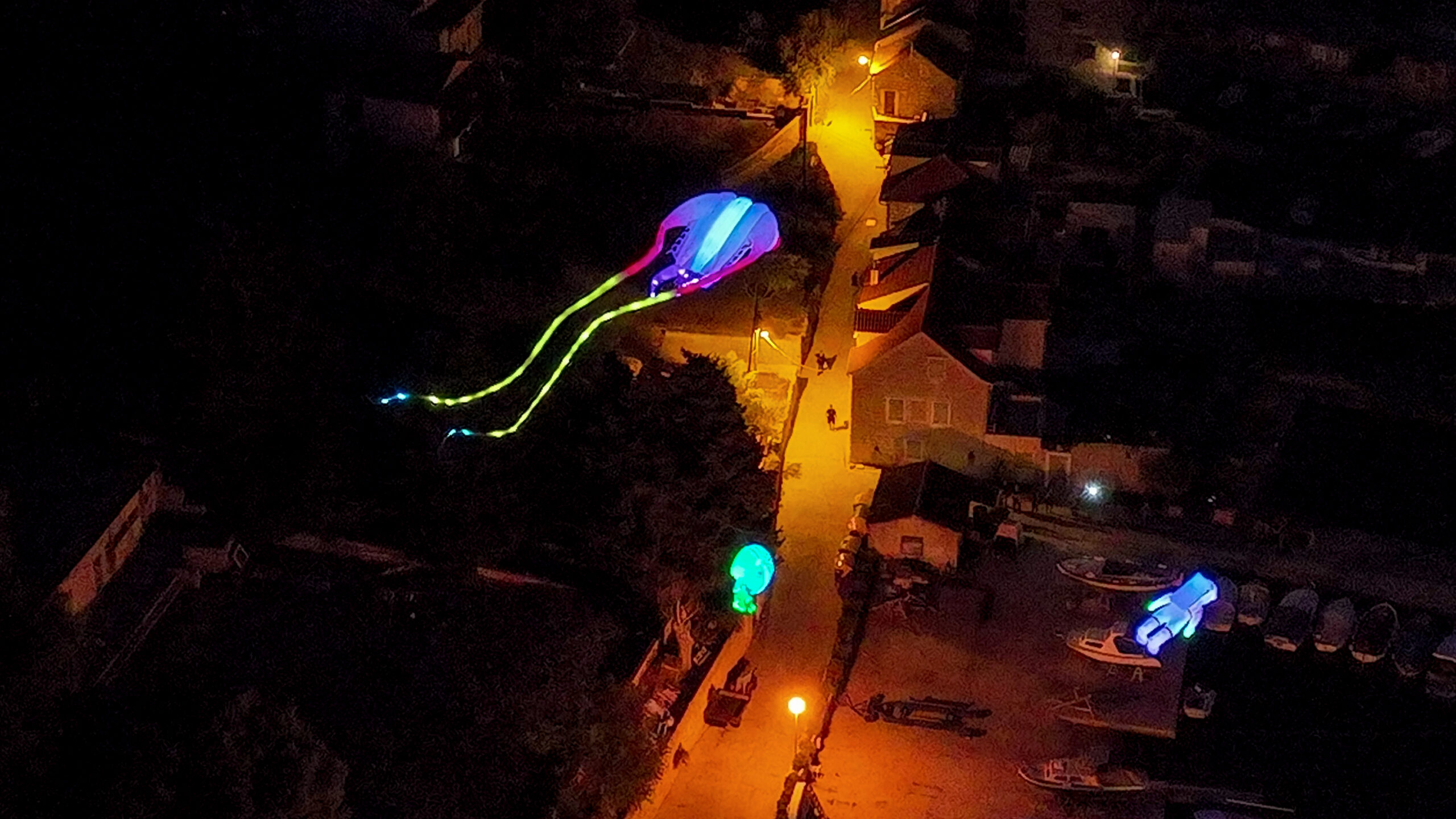
And the kids took the lines, and they became pilots, and their eyes shone as brightly as the kites high above them. For a little while, the sky belonged to them, and the night was just another thing to play with.
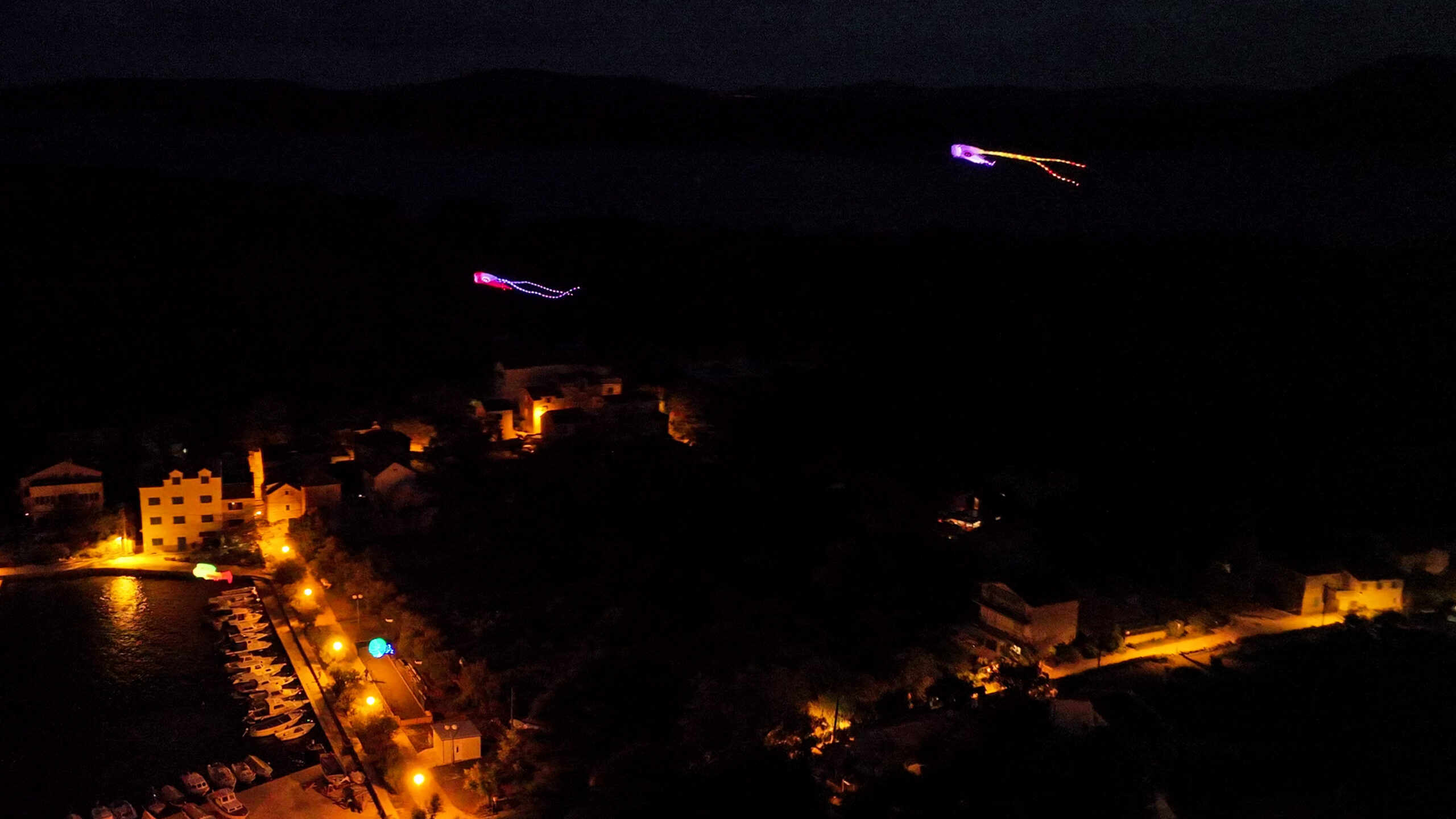
It’s hard to take good photographs of LED kites at night, especially with a phone, but luckily two masters of STEM were at the festival: Edmond and Richard of FabLab Croatia.
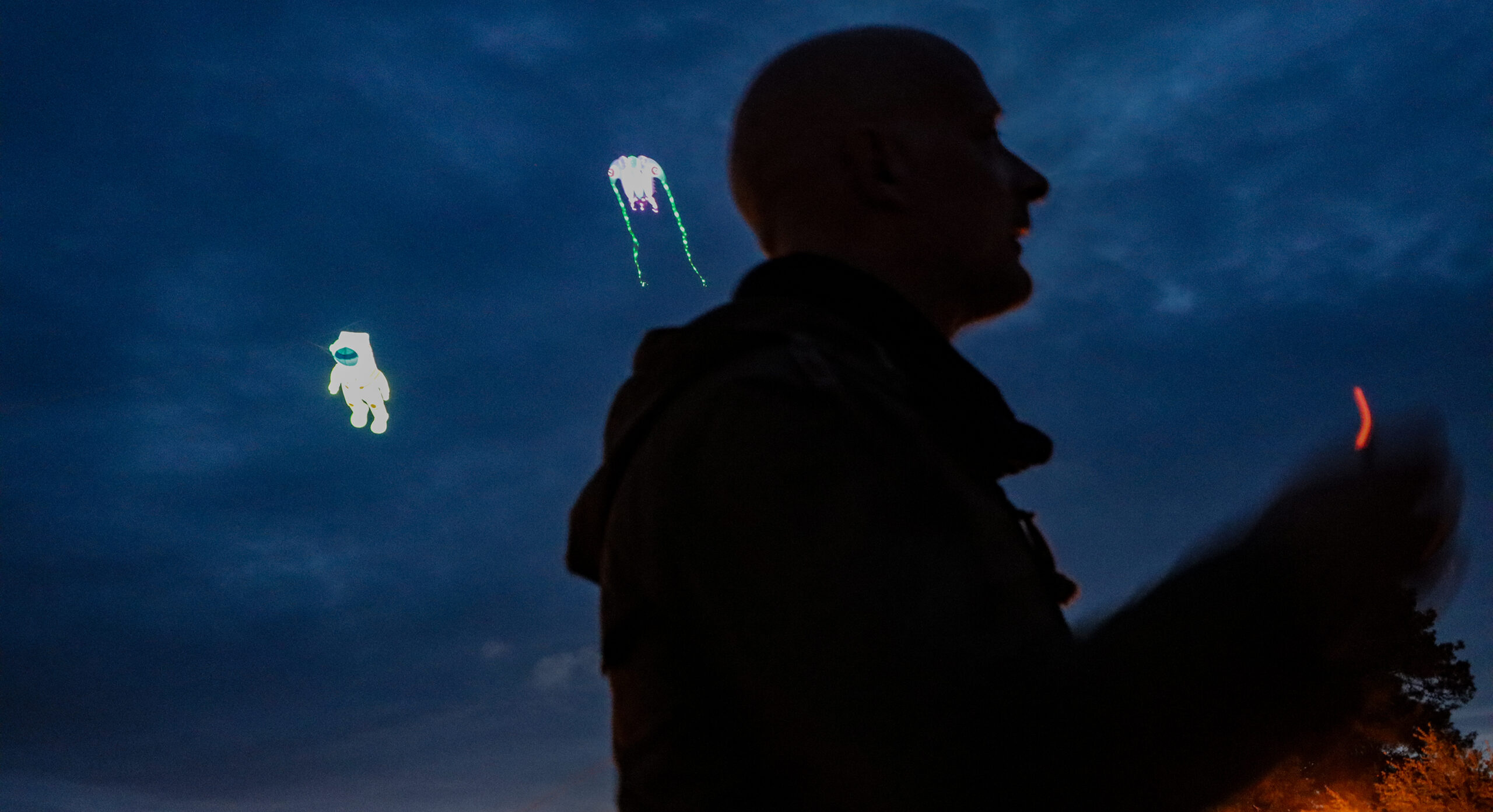
Richard had a heavy-duty camera with him ….
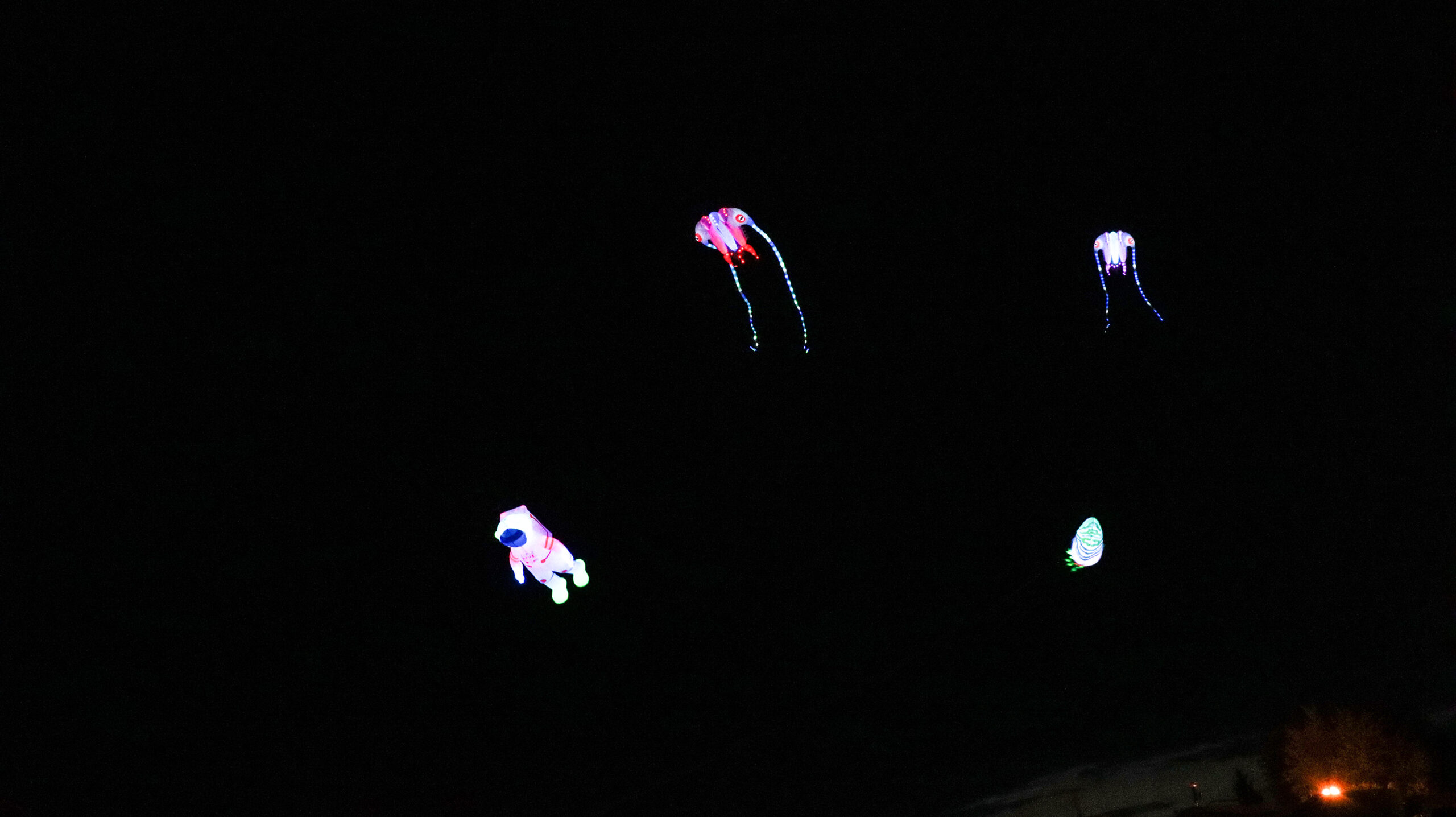
And Edi had a drone (click play, it’s mesmerising!) …
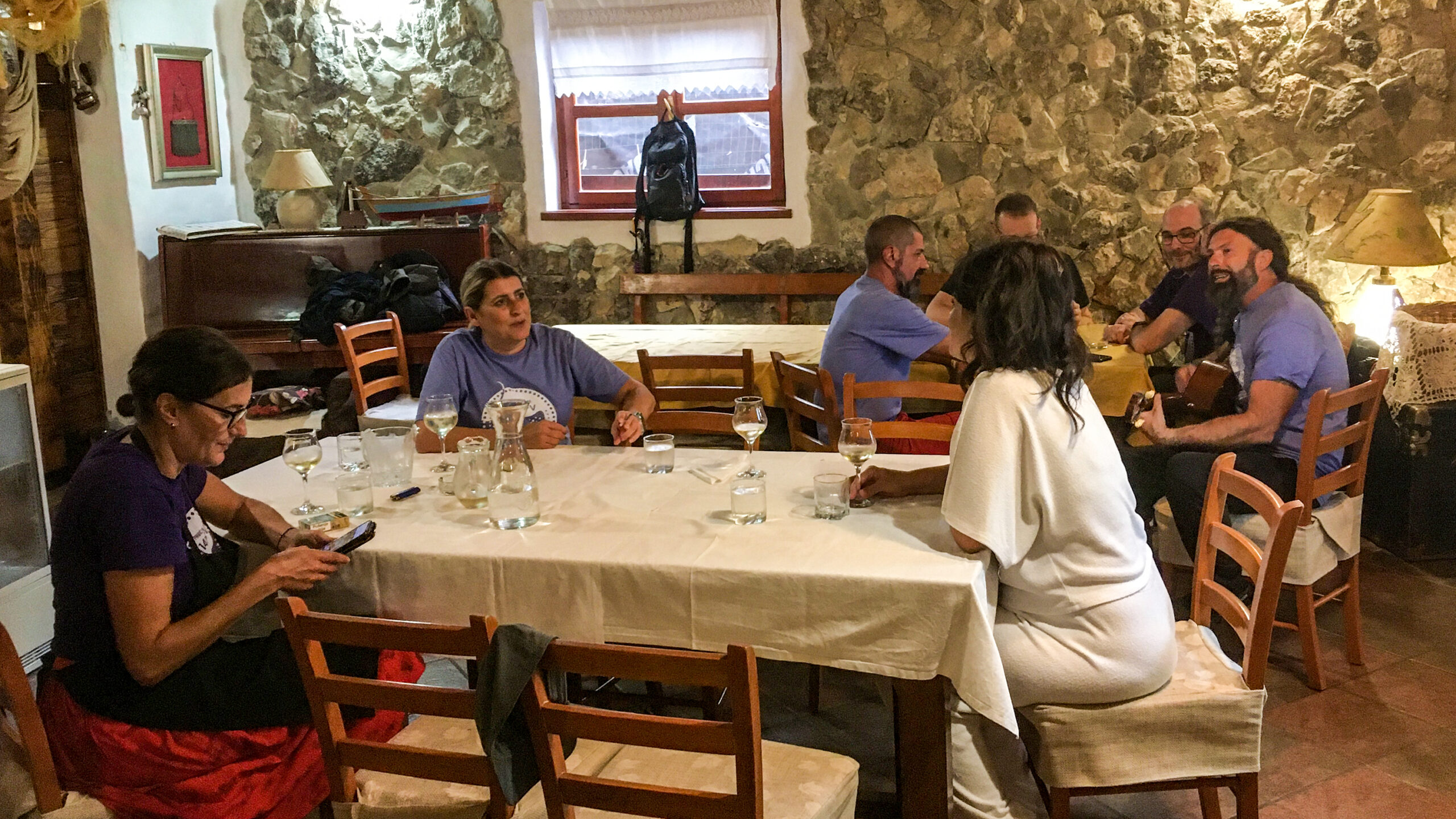
And then we had dinner. Antonia and her crew at konoba Stari Nanini prepared a feast for the gods. And the gods — and goddesses! — led by Ante, sang their hearts out.
Ex alto, omnia
– Croatian poet, 16th century
Sunday burst onto the scene, bright and warm, welcoming the tired party animals with the sort of innocent (and annoying) cheerfulness that only a day after a night like ours can muster.
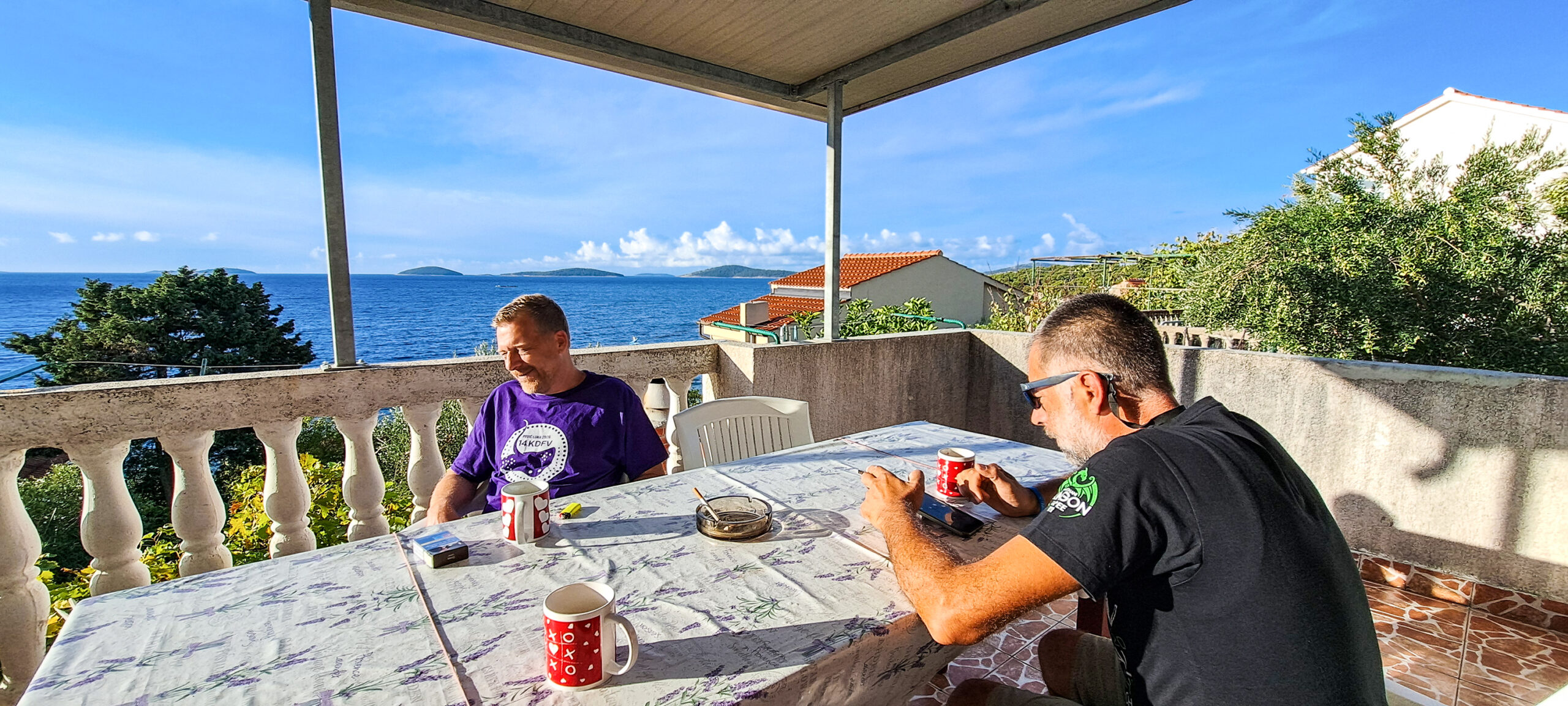
Jugo gave way to bora, and since Prvić Luka is well sheltered from this northern breeze, not a leaf moved in the town. The lady of the hotel was, of course, not impressed.
Why don’t you fly kites?
There is no wind!
So? You could do it anyway … for me …
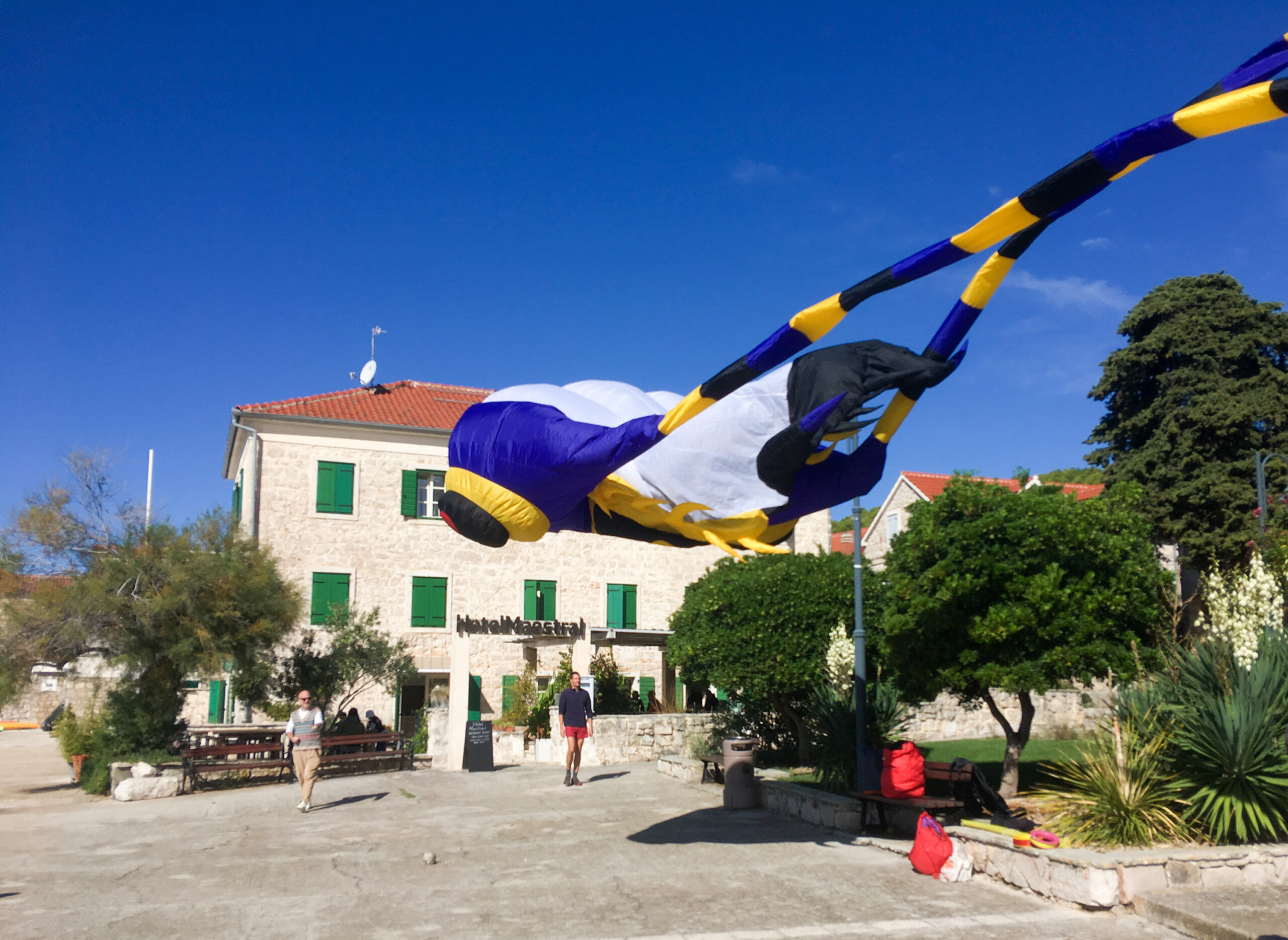
We tried.
We failed.
We admitted defeat — and, in any case, our tired, hungover bodies were dreaming of some hearty food. Say, pasta e fagioli, or perhaps some sausages with sauerkraut. Or something like this, spoons out and stuff.
Food was waiting almost at the top of the highest mountain on Prvić, the 78-metre-tall Vitković. Drenka’s parents run a glamping up there, and they invited us for a climb.
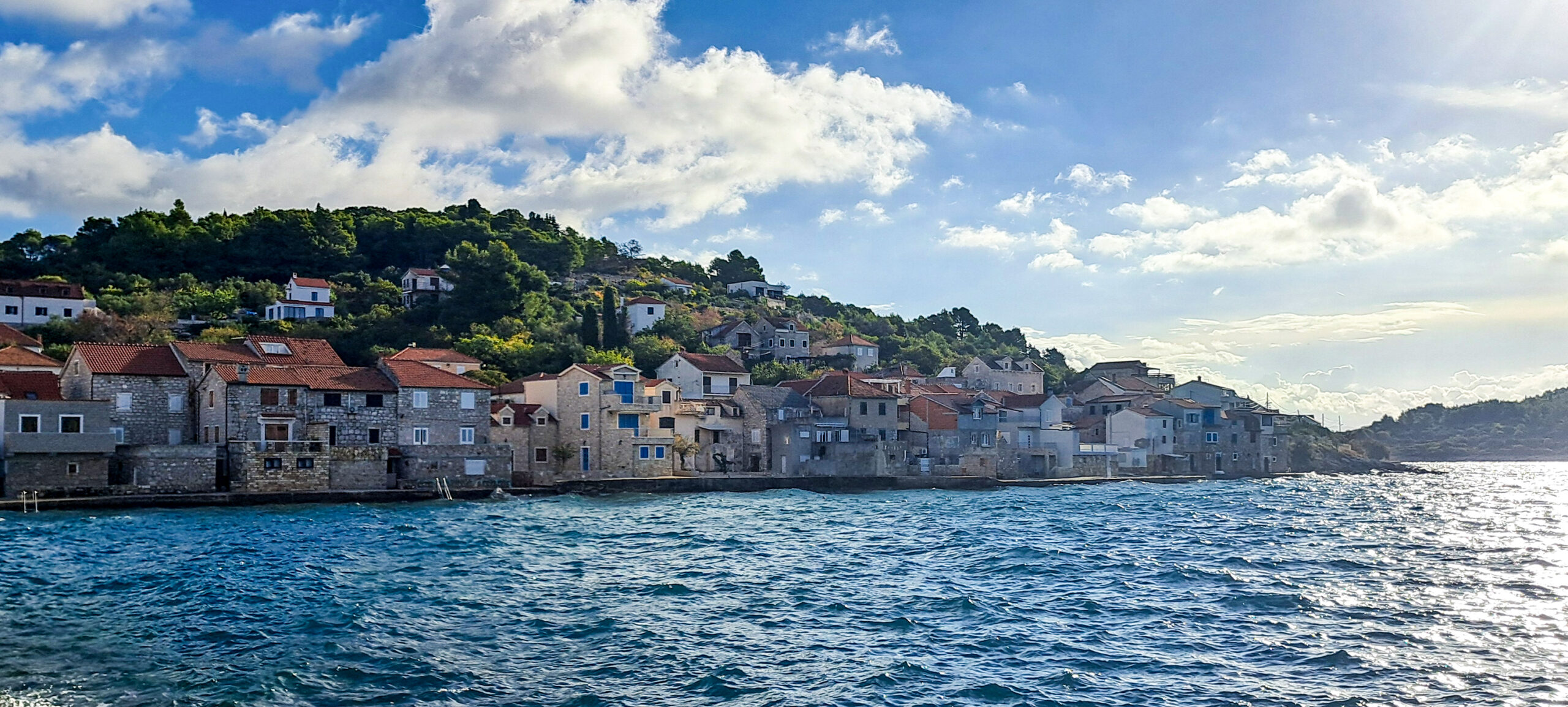
Drenka offered us almond and walnut liqueurs (she’s trying to outdo Antonia and her sublime grappa with lemon zest and fig leaves), and Mother brought out the pots.
It was pasta e fagioli, and sausages with sauerkraut.
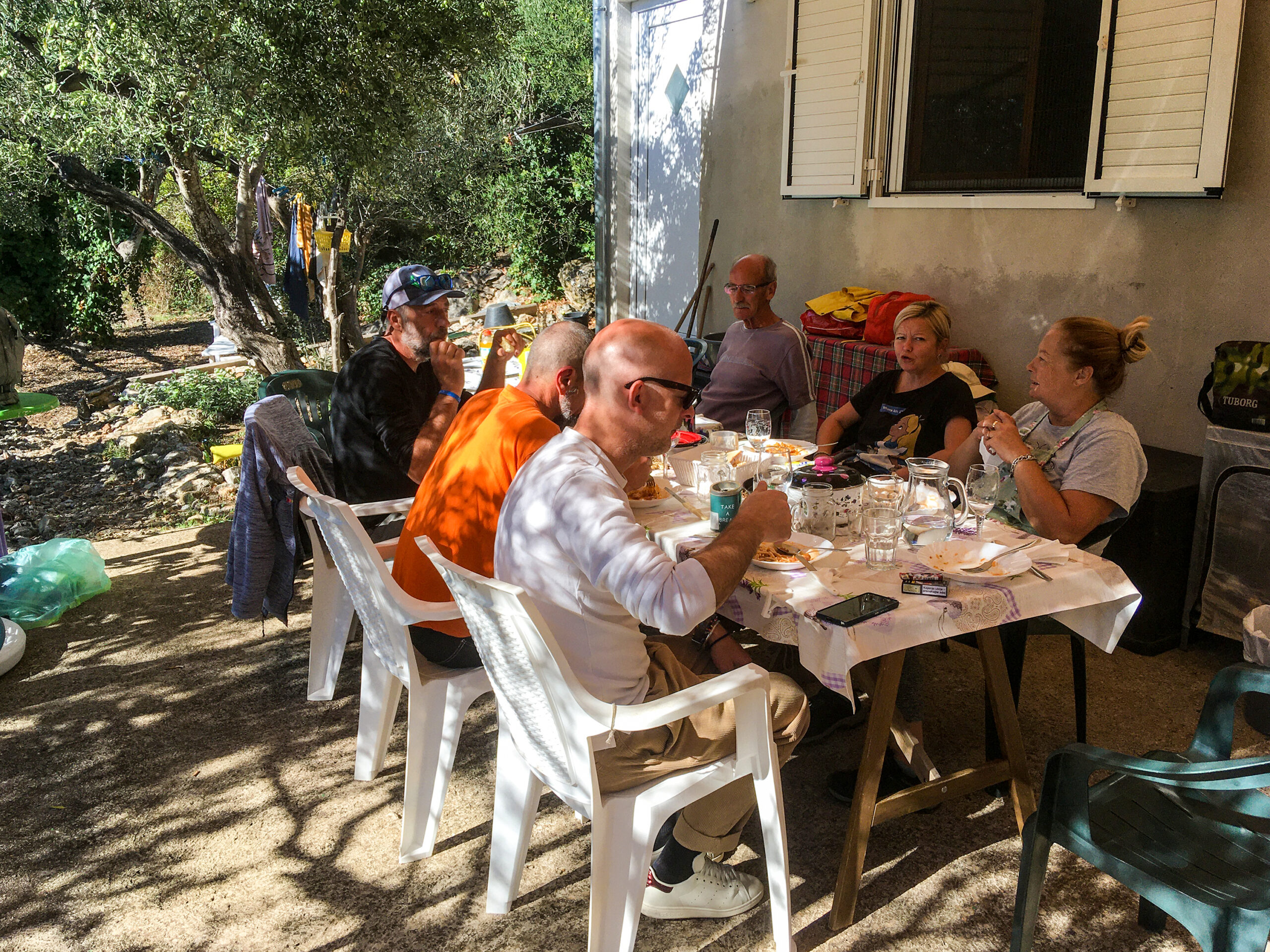
And from ex alto, we saw omnia: Prvić, the Šibenik archipelago, the Adriatic losing itself in the glitter of the sun … The whole world seemed to have been laid out below us, and for once, we had absolutely no intention of rushing anywhere.
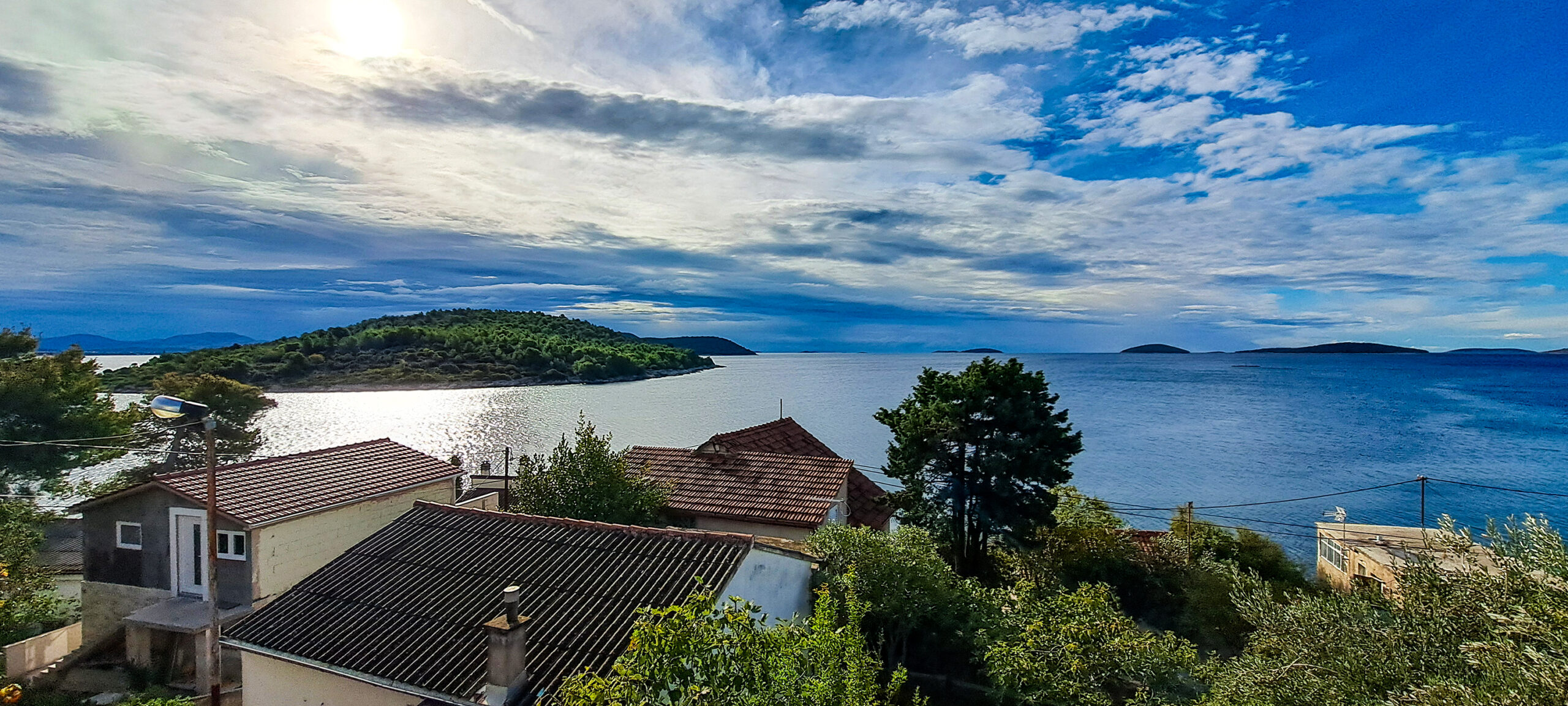
Except …
It’s time …
it’s time to go …
– Croatian poet, 20th century
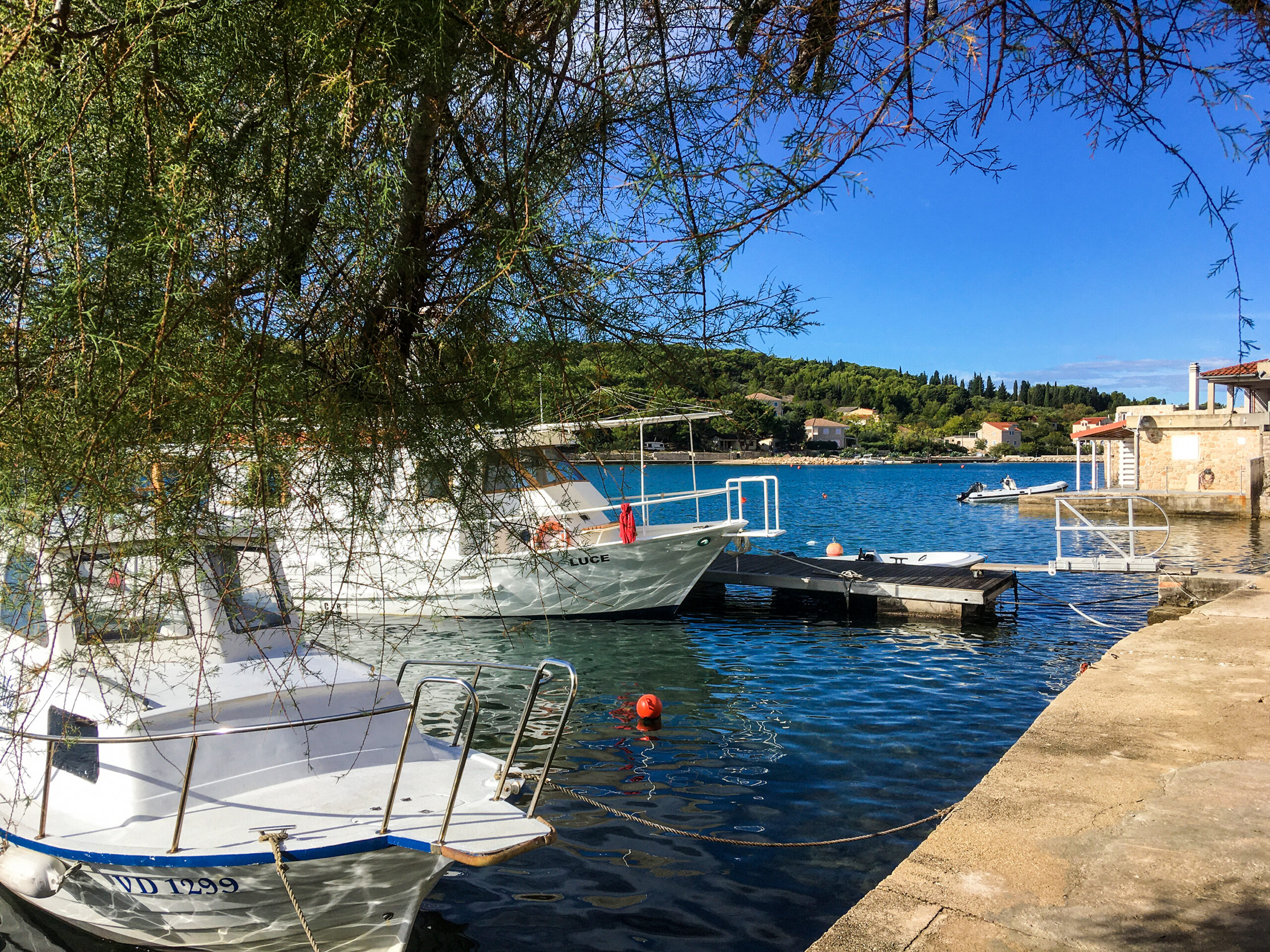
What happens on Prvić can’t stay on Prvić. It offers too much; its heart is too big, its soul too beautiful.
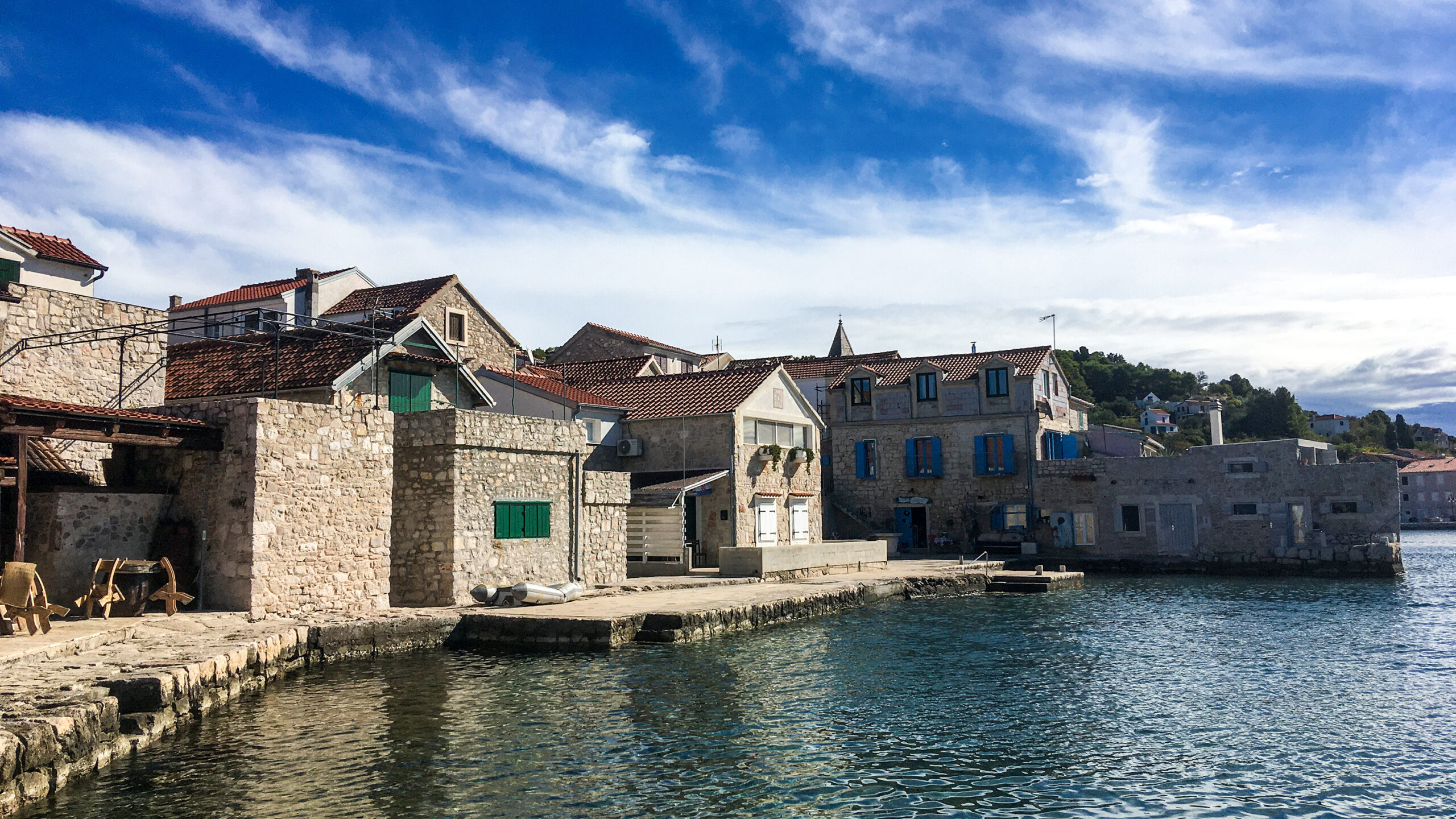
Prvić is a wind-woven tapestry of endless stories, false-domed wells, the dance of silk, a sunbeam piercing the glass of beer and turning it golden, vines with dwarfism hastily drinking the mist before the sun takes it back into the sky, little Owls of Athena hooting with children’s voices, kites making the day out of the night, music making the day out of the night.
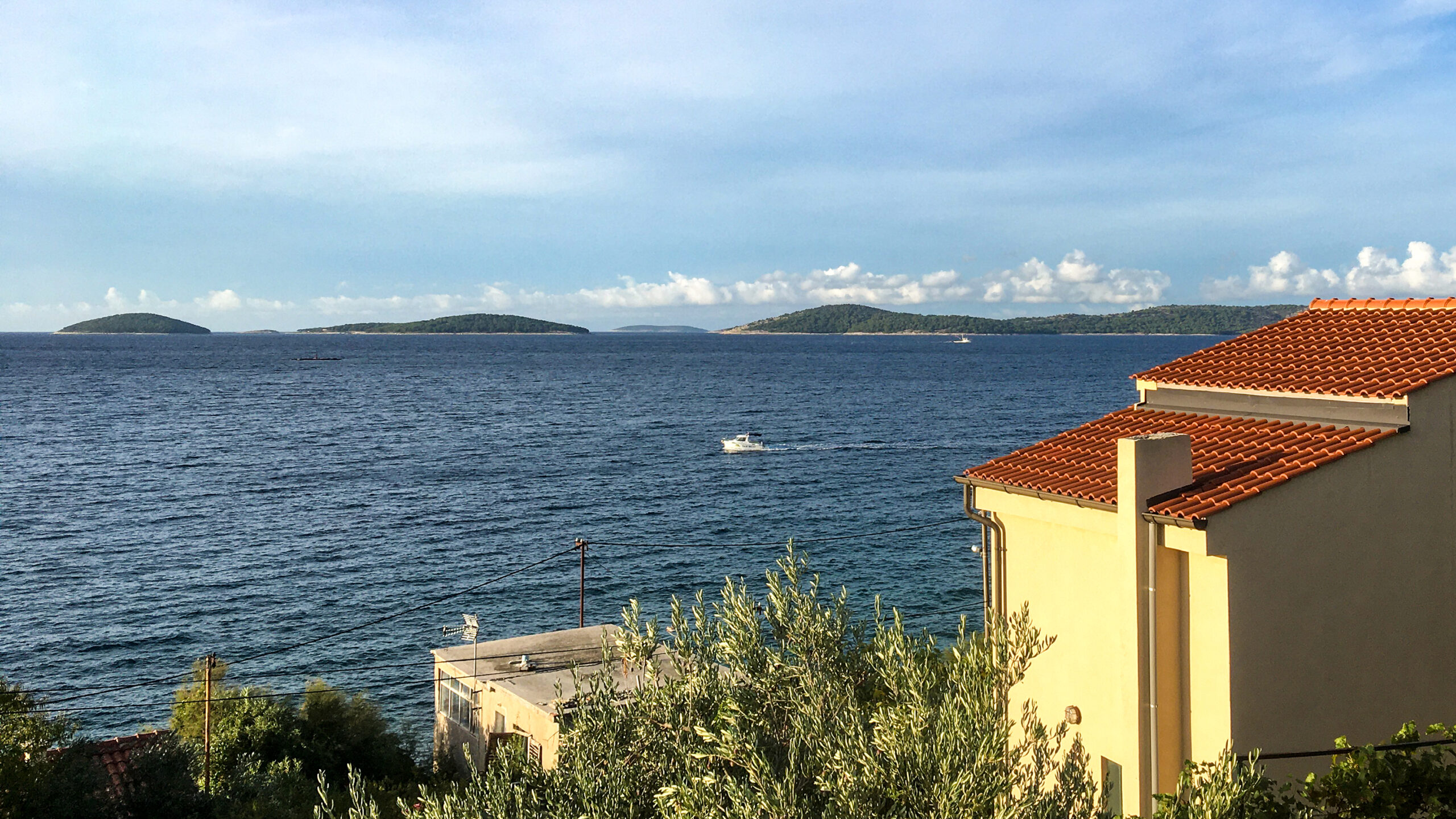
An island of rebellion, of night pilots, of fishers who are all queens and kings, catching more souls than fruits-de-mer. An island of winds: the mighty jugo; the bumbling bora, who gets angry when you, a non-sailor, make fun of it; and the mischievous maestral, who thinks it would be absolutely hilarious if a trilobite — a small animal that used to live in the sea and went extinct a long, long time ago, but is now enormous, lives in the sky, and paints smiles on children’s faces — if a trilobite were to get stuck on the spire of Our Lady of Grace.
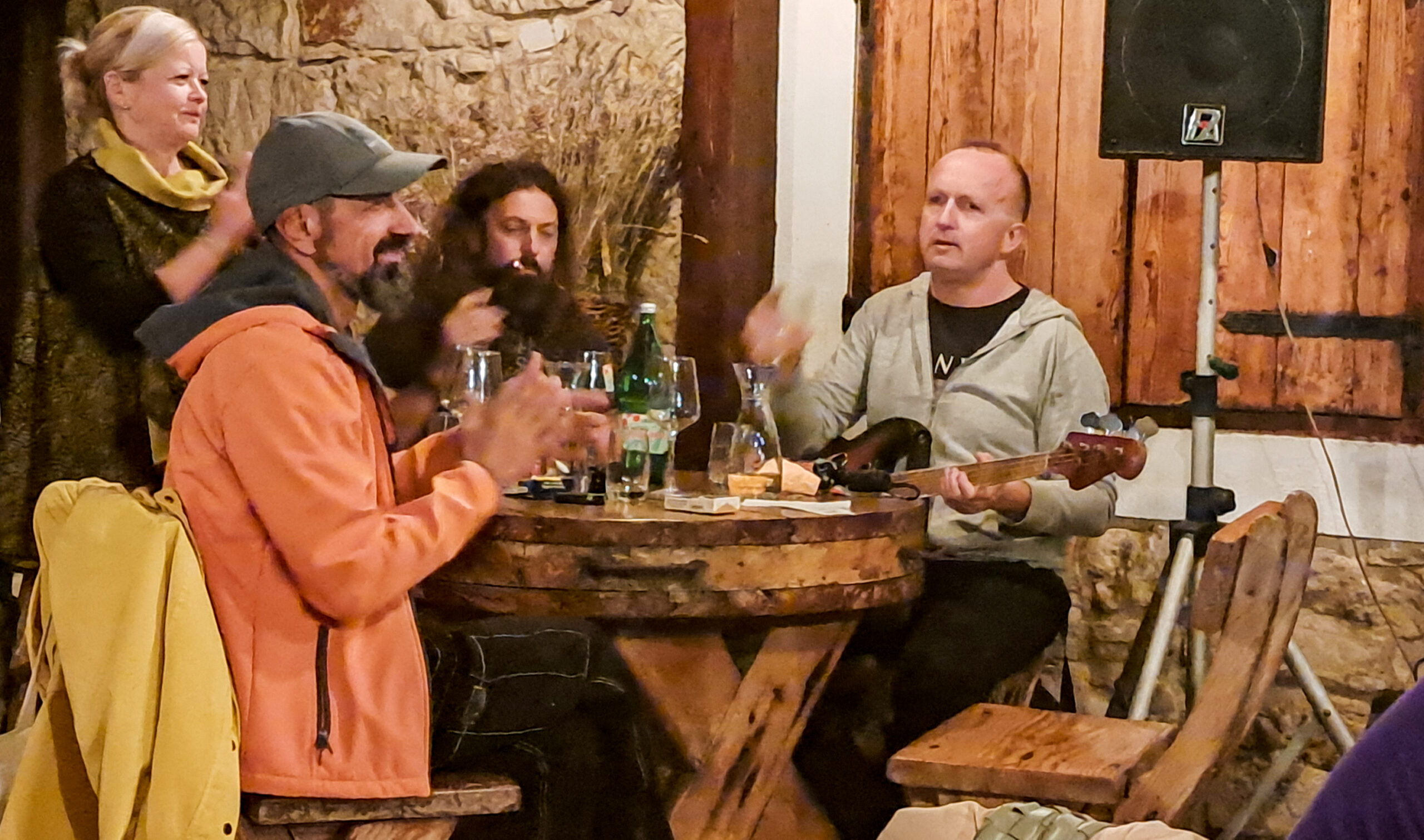
It’s poems everywhere. Poems and music: in the canopies of foreign pines, composed by birds you can see from afar and by cicadas nearby that you cannot see. Down below, you hear the sea breathe, exhaling upon the shore, while just off the pier the seated bassist firmly leads the dazed and the confused through the beautiful, piercing yells of a tormented soul.
Then, the saddest view: looking back at Prvić Luka, slowly disappearing.
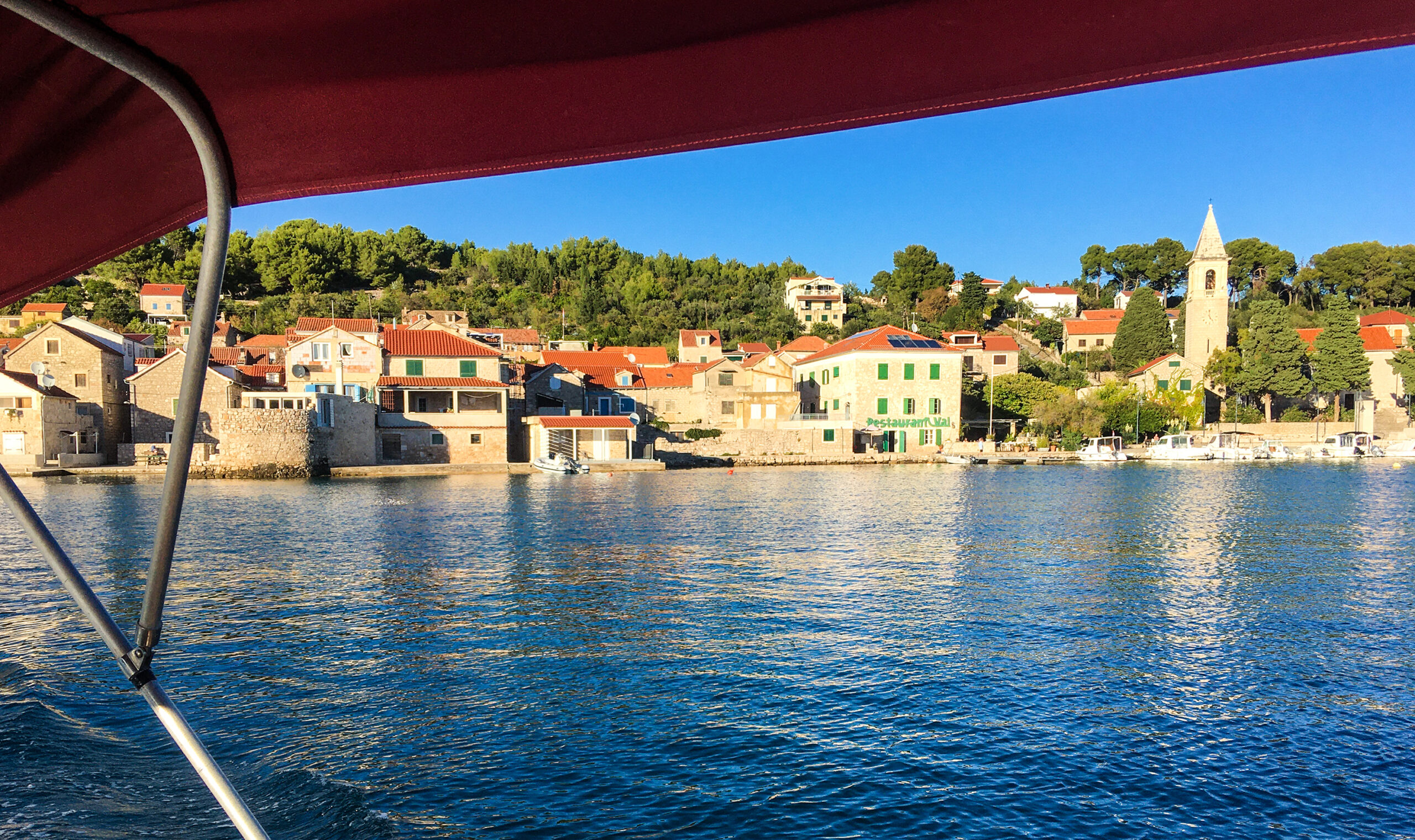
Time … time to go.
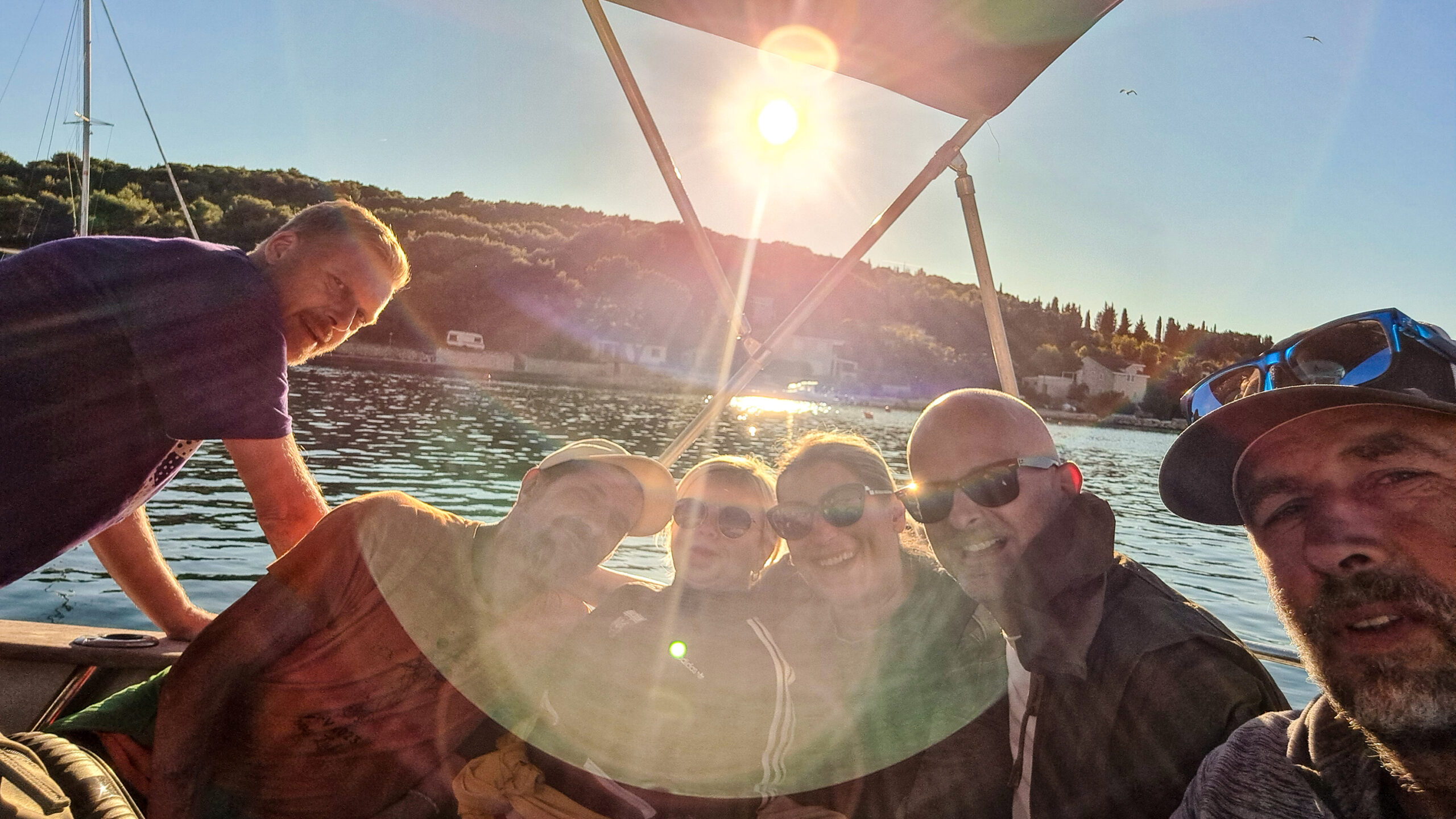
On Prvić, the summer never ends — it’s us who leave into the autumn, gently.
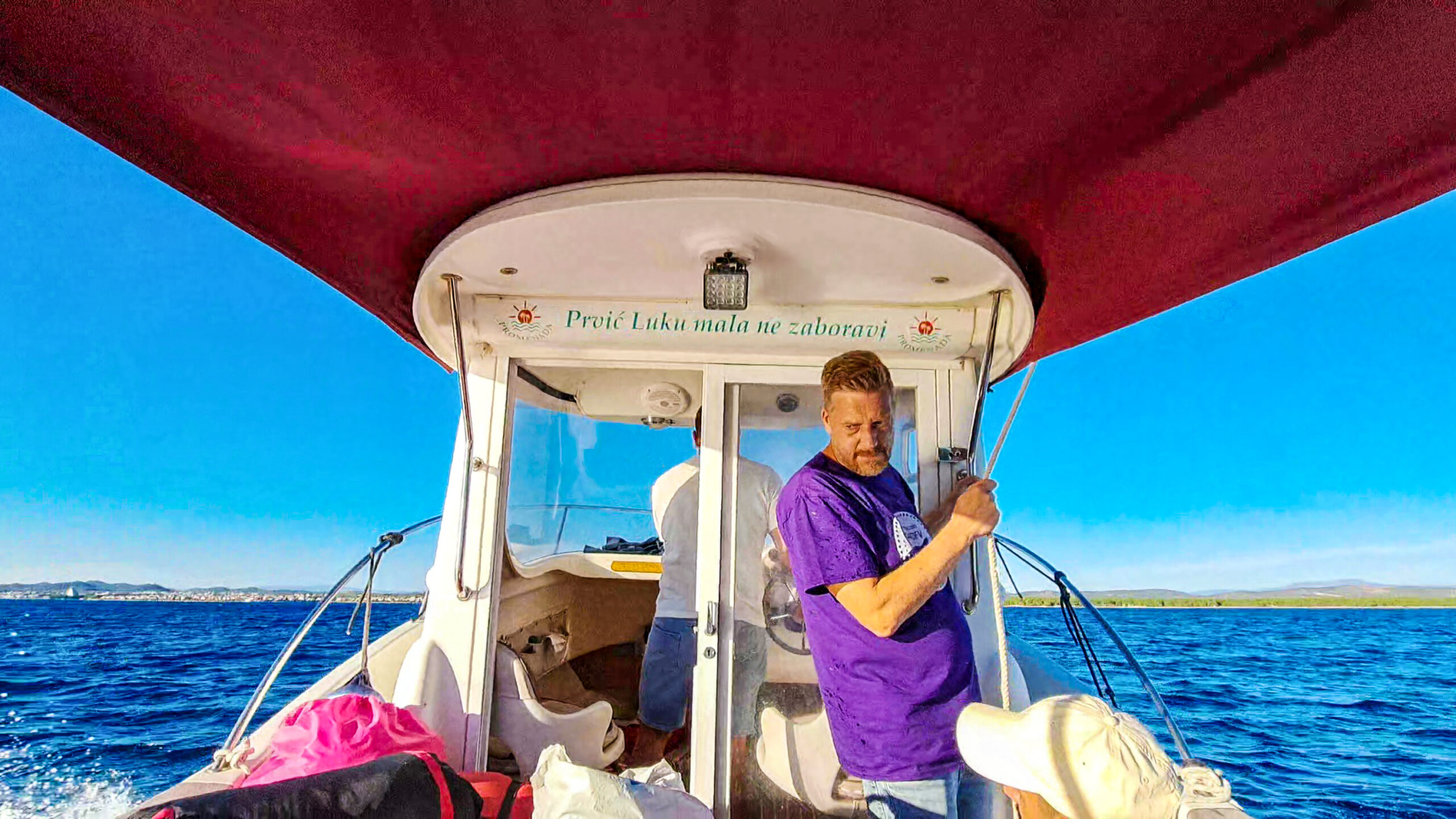
If we leave.
If …
Be proud!
– Croatian poet, 20th century
Creative Days of Faust Vrančić festival … Herculian Faust planted the seed, Palladian ladies and gents of Prvić are nurturing it—and the kites, like Phoebus Apollo, admire it all from the heights.
Only one thing bothers: it should be Creative Weeks, not days …
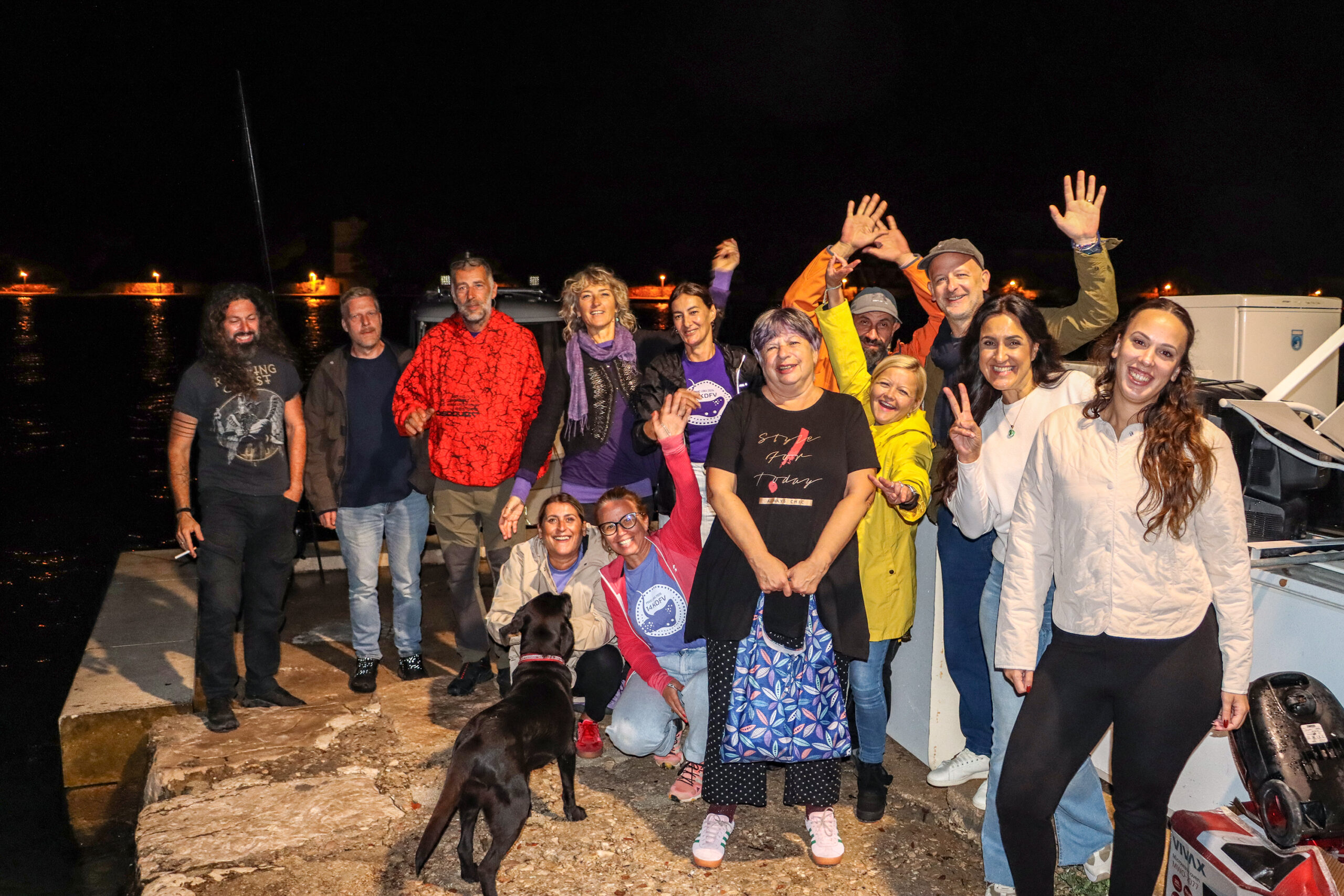
Thank you, Antonia, Drenka, Gaša, Simona, Ana, Tomo, Martina, Melita, Snježana, Petra, Josipa, Koraljka, Katarina, Gana, Toma, Jadran, Richard, Edmund, Ante, Žare …
Be proud!
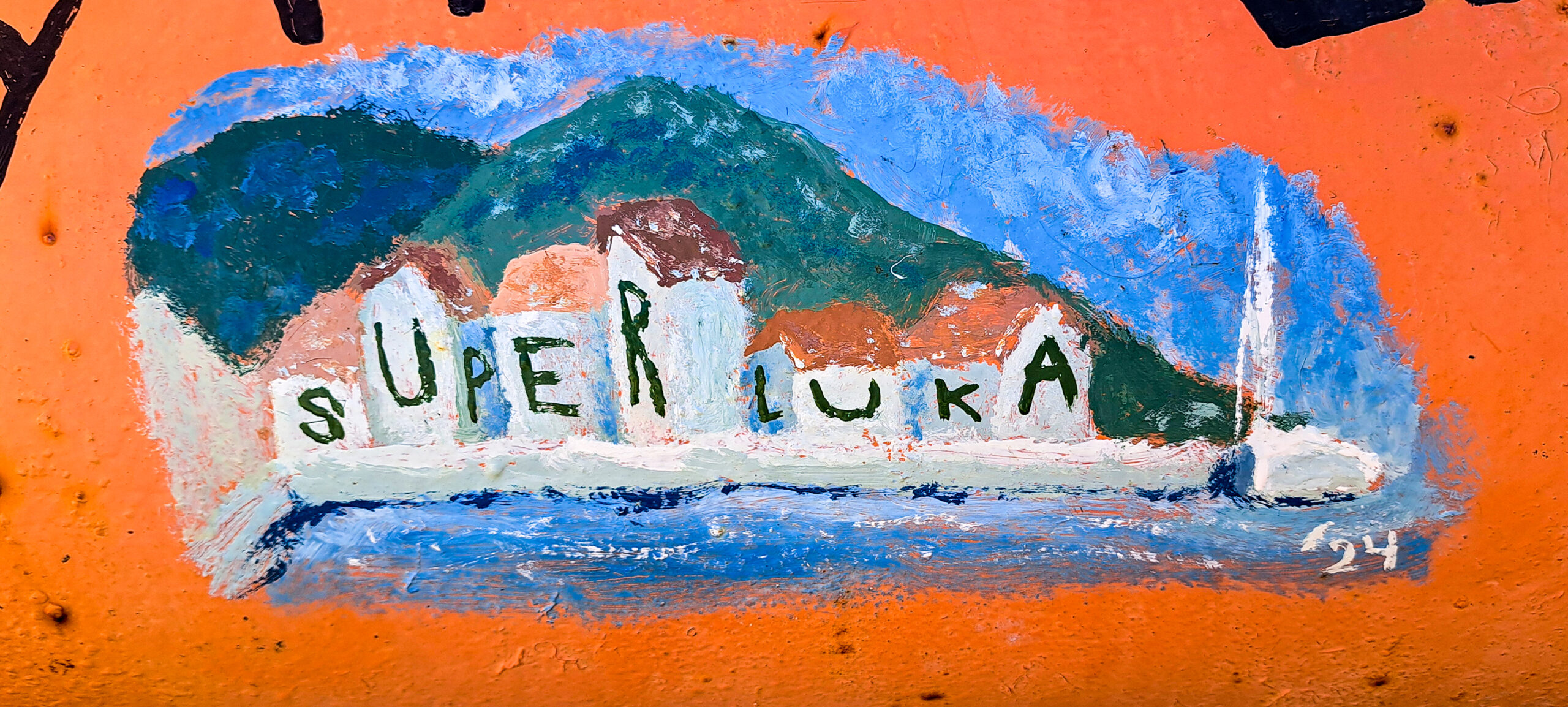
Thank you, Prvić Luka, Vodice moje misto, Jadran Trade, Bistro Gulož, and Platforma22.
And thank you, Lili Gee, Lidija, Miro, Krunoslav and Goran. Thank you, FabLab Croatia, National park Krka, Zmajoljupci – Croatian Kite Association, Otok society, Hotel Maestral, konoba Stara Makina, Mini camp Perla, and konoba Stari Nanini.
Be proud!
For what you did is nothing short of amazing.