Relinquo vos liberos ab utroque homine
– Saint Marinus
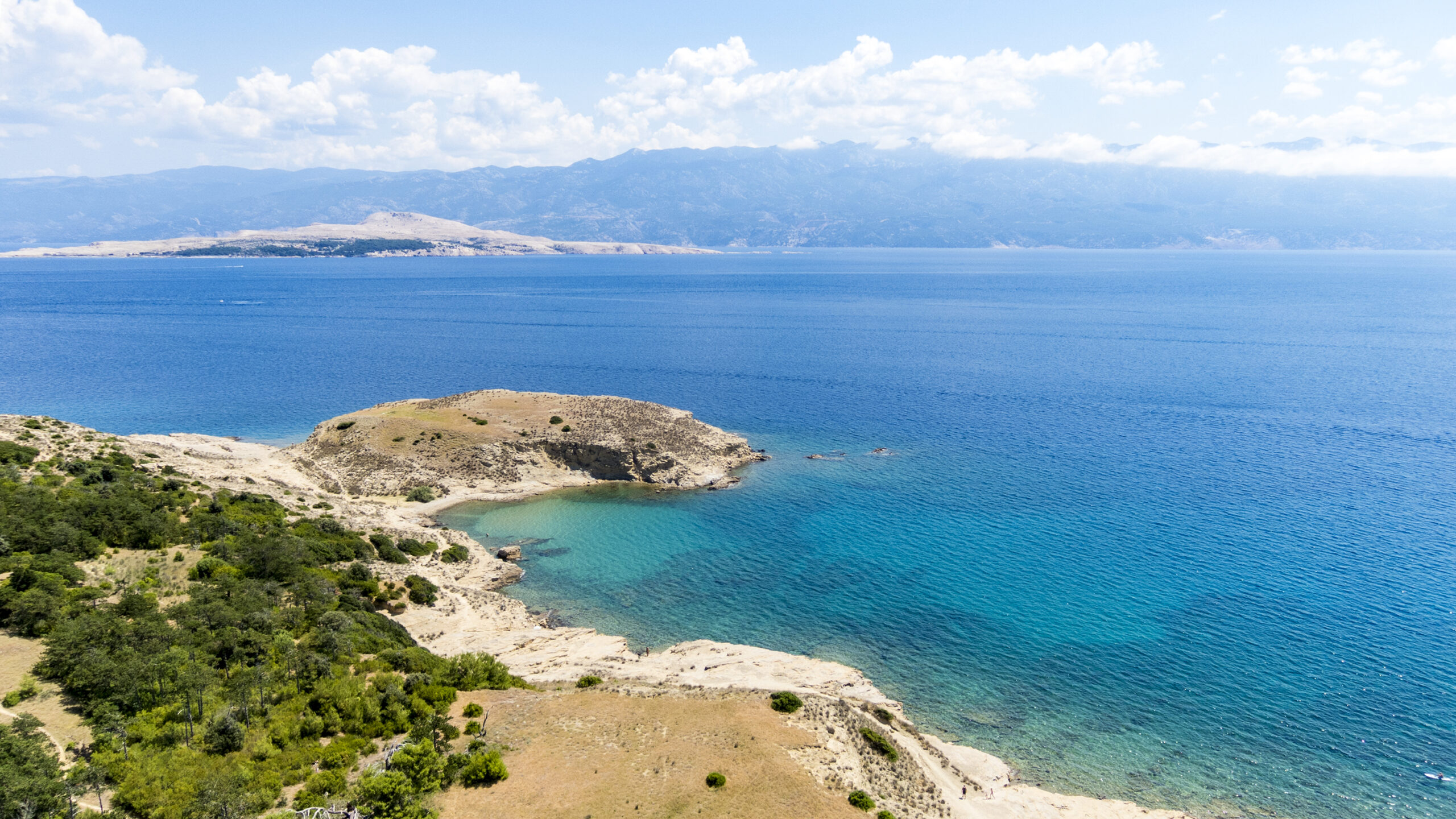
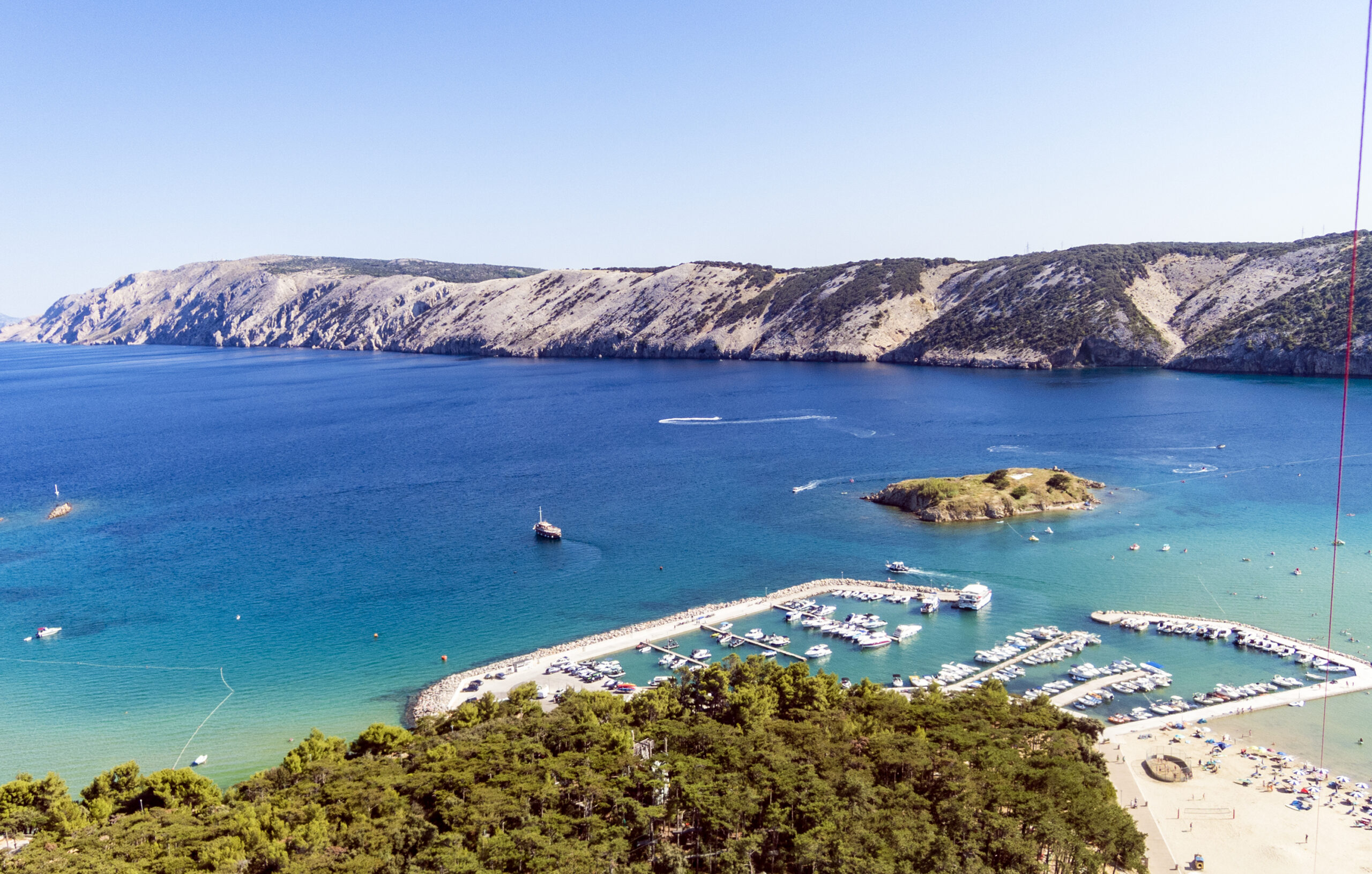
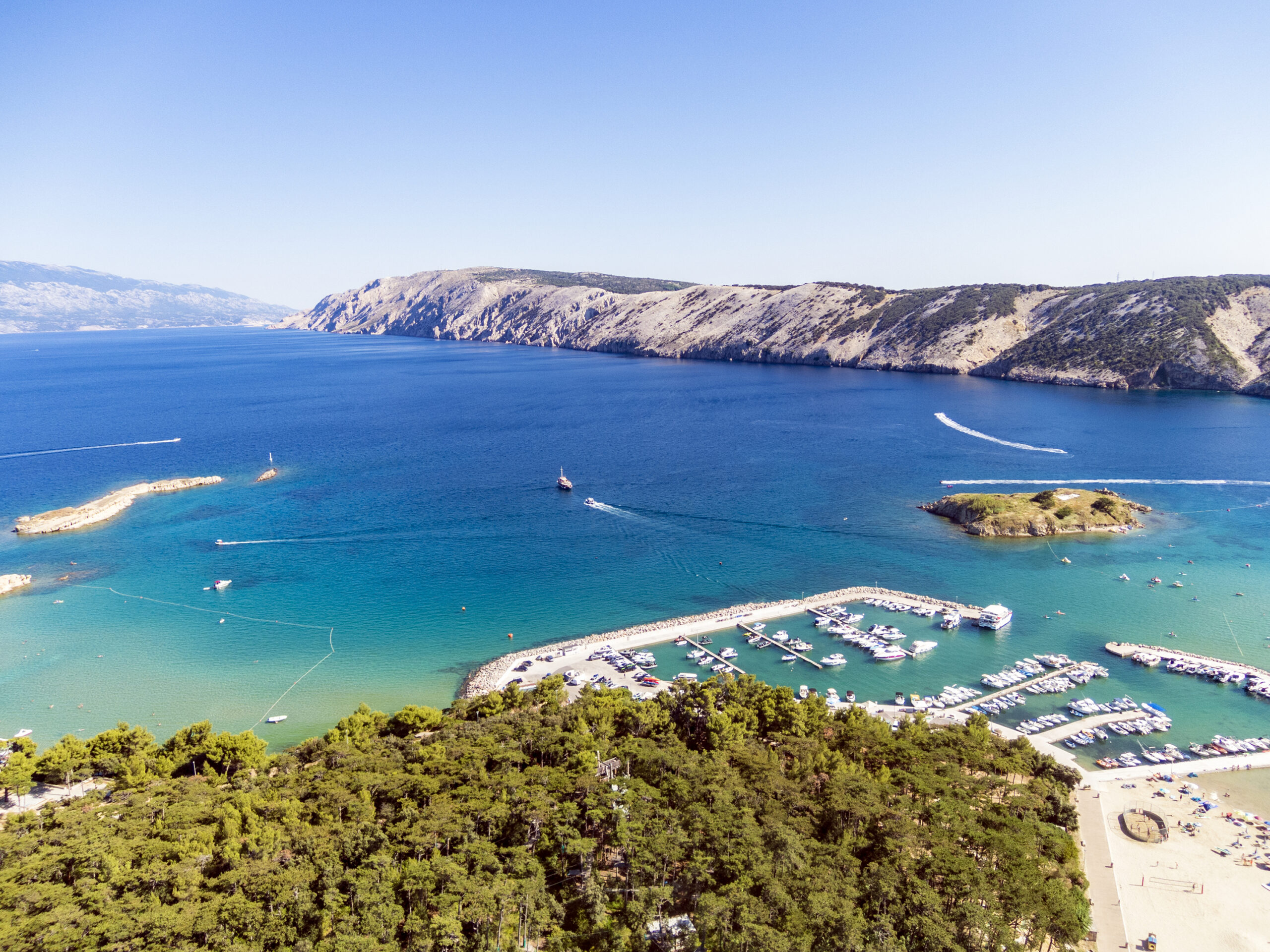
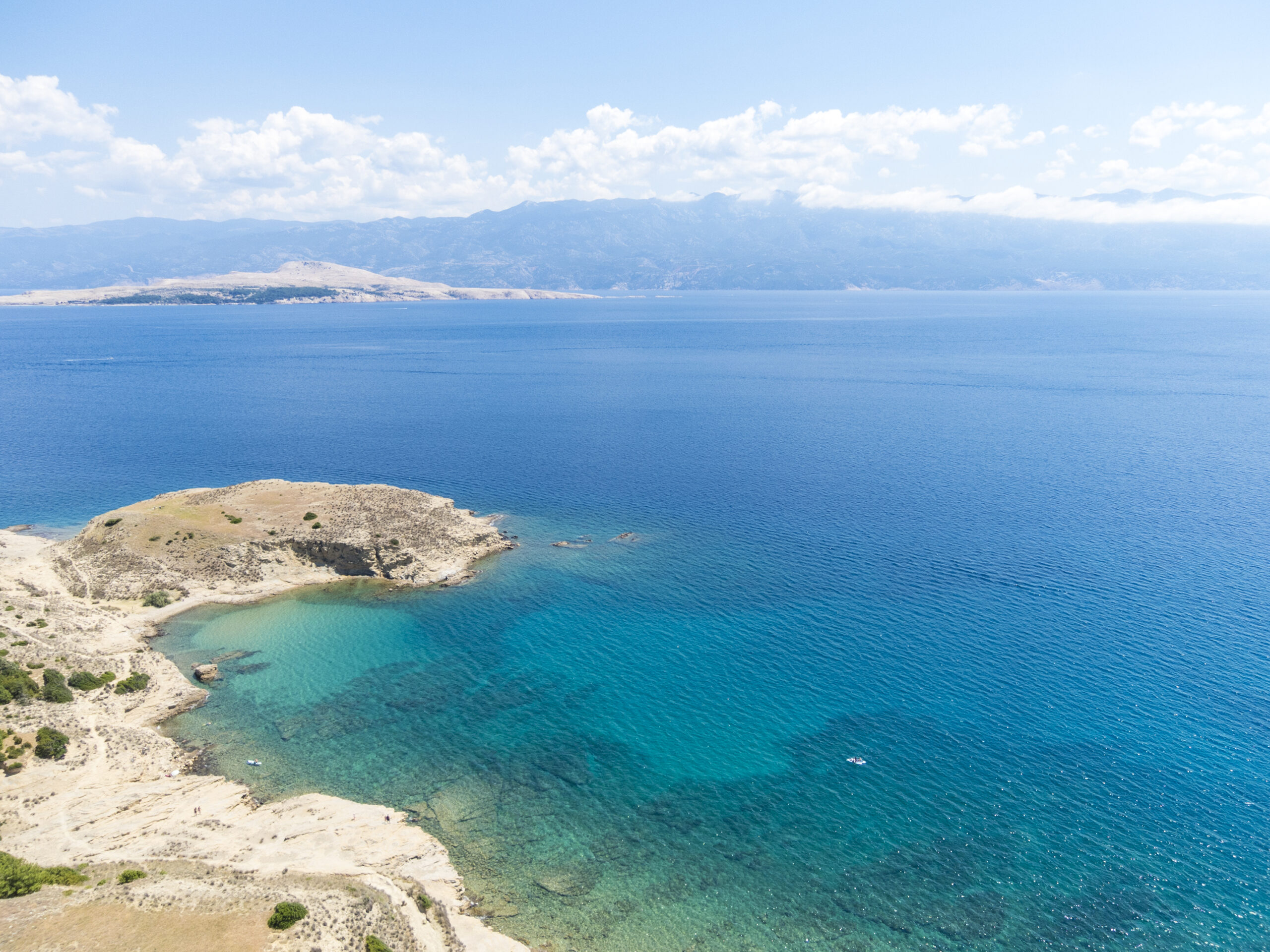
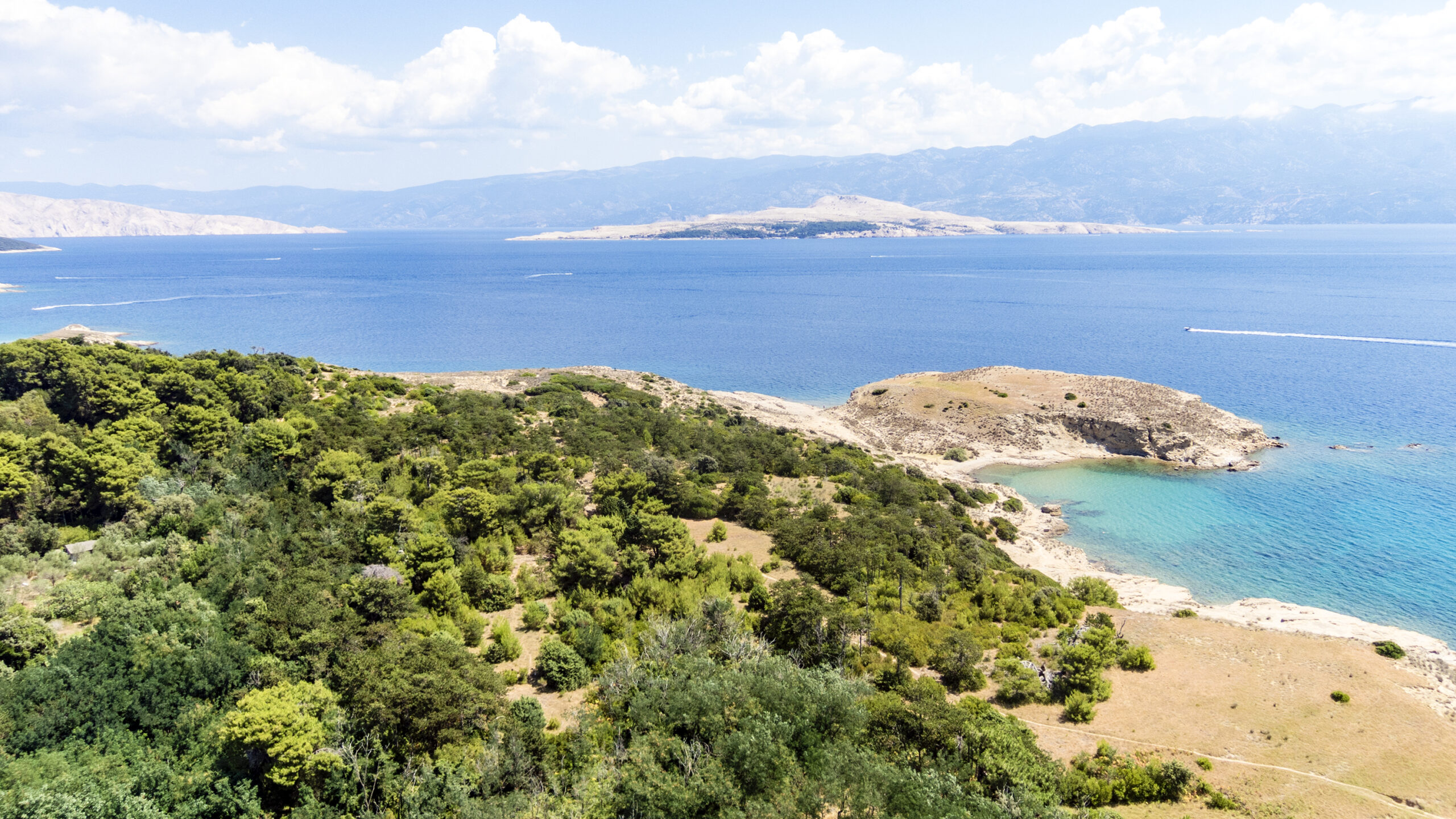
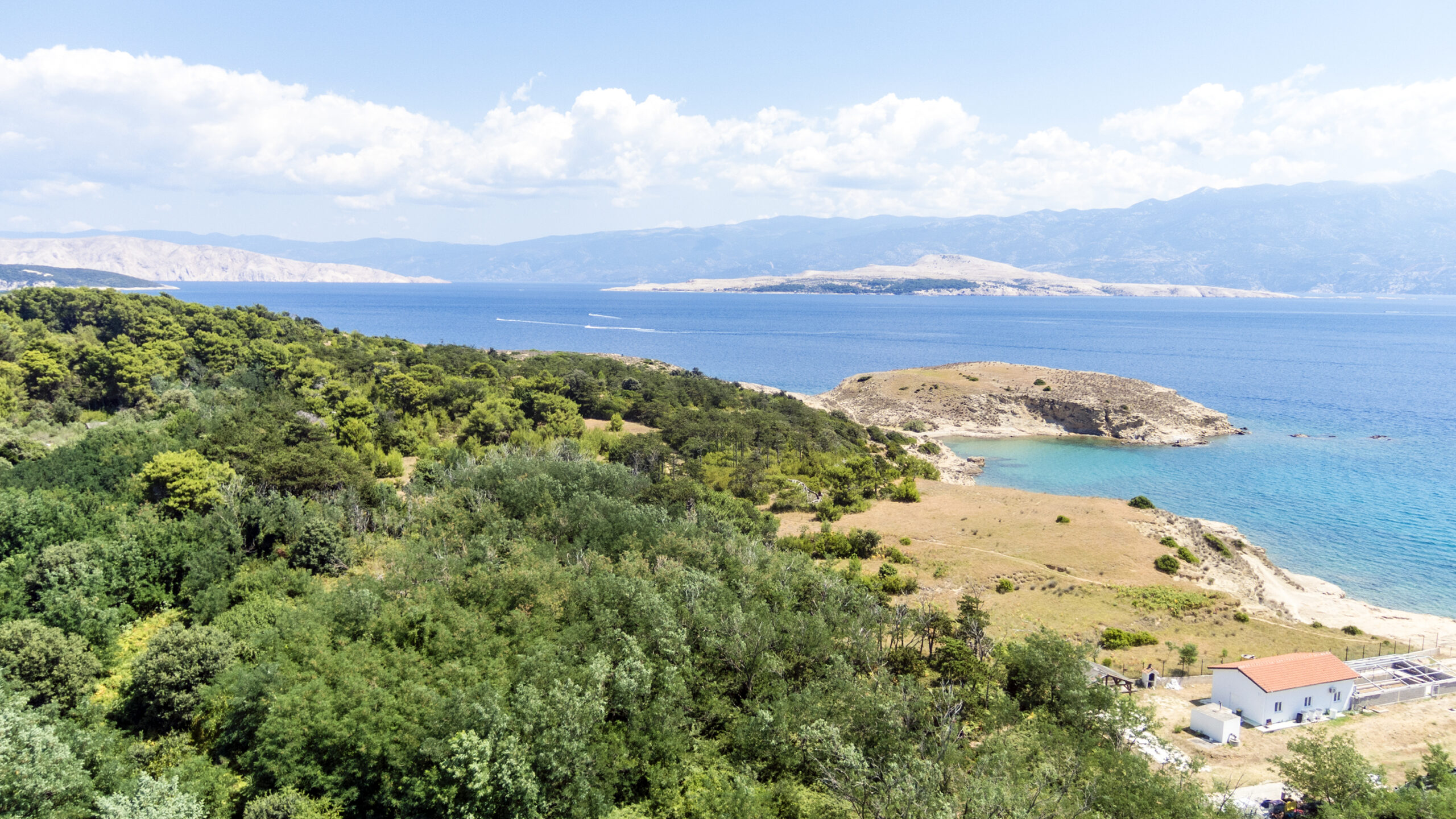
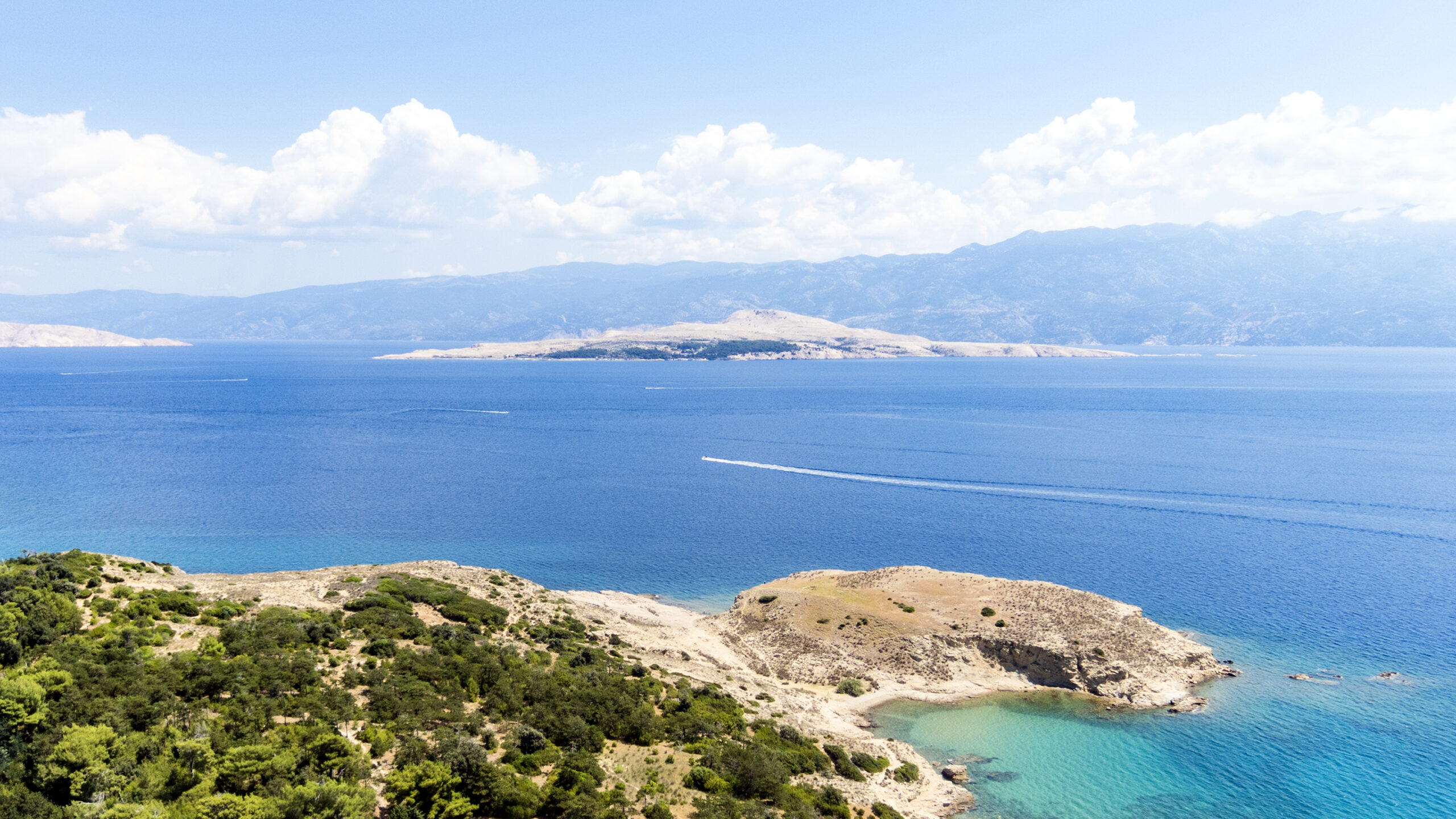
Land versus sea. Barren limestone versus fertile flysch. Forest versus stone. History versus bliss. Saints versus fiends. Light versus darkness. A locus of opposites jutting out into the Kvarner Bay in the northeastern Adriatic, a two-faced island. It almost touches the mainland, lying barely a nautical mile from the imposing Velebit mountain, and stretches deep into the Kvarner, its ridges rising more than 400 metres high and running from the southeast to the northeast. The ninth largest island in the Adriatic.
Mentorides of Pseudo-Scylax. Arba to the Liburnians, Greeks and Romans. Rab to the Croats.
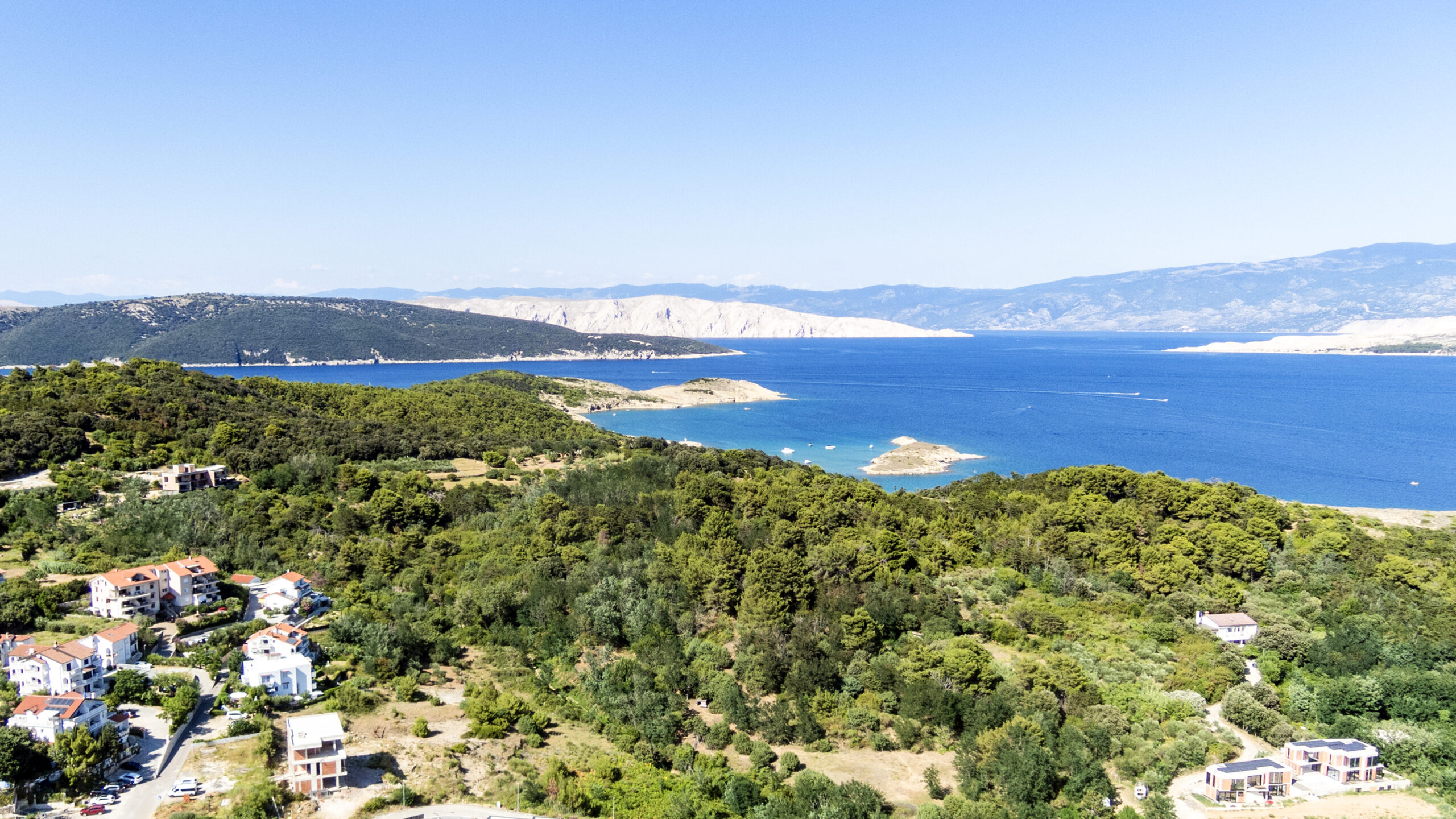
Arba, the ancient name of the island now known as Rab, is a Liburnian Iron Age word signifying a place that is dark, shadowy, secluded and overgrown; and Rab still remains remarkably true to that ancient name. More than 40% of the island is still covered in holy oak forest, surpassed among the Adriatic islands only by Mljet.
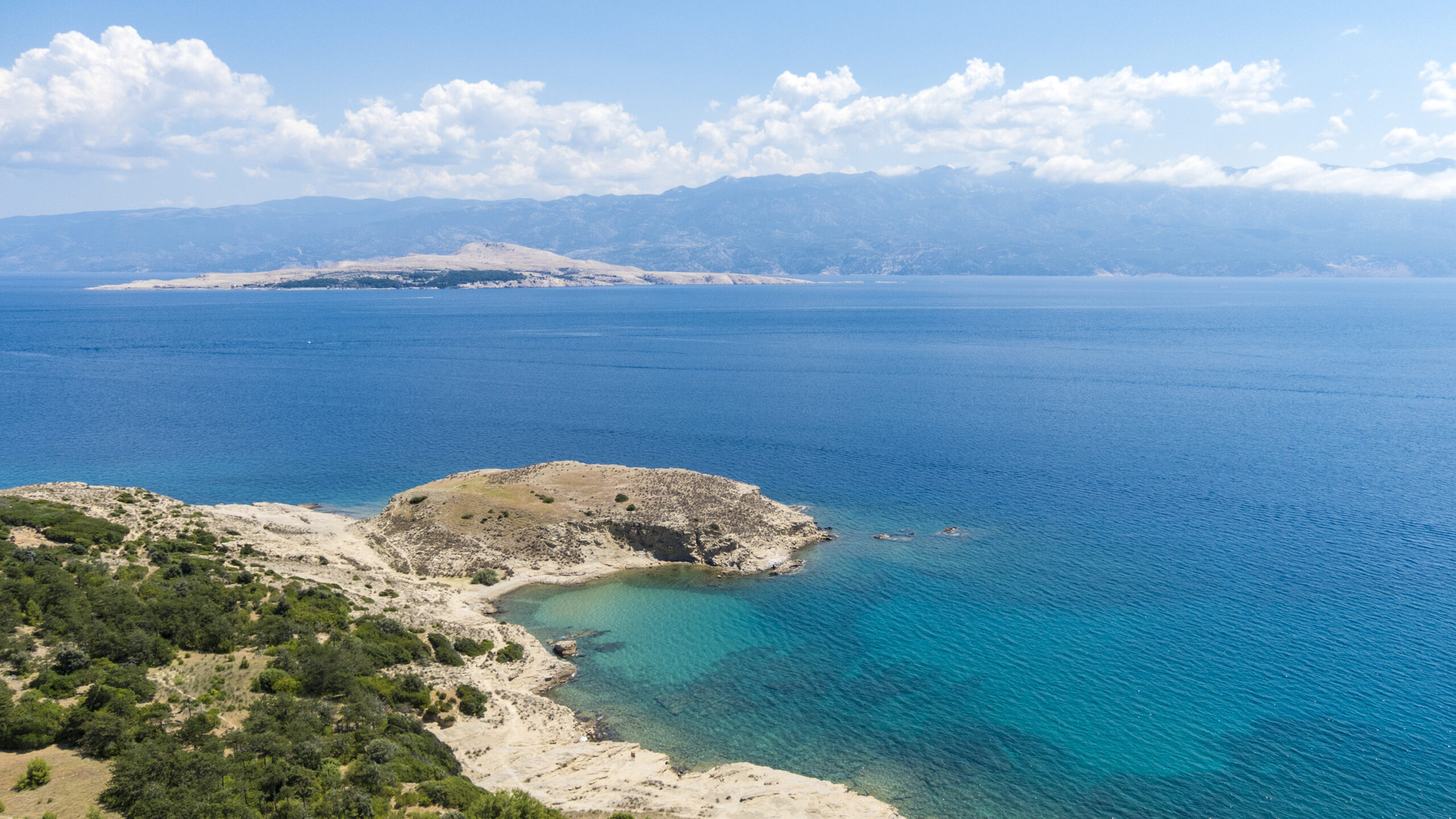
Which is almost unbelievable, given the usual scorched white, almost lunar faces of most of the eastern Adriatic islands.
Always resisting, Rab. Resisting the Greeks, who had to decisively defeat the Liburnian fleet before laying claim to it. Resisting the Romans, the Slavs, the Venetians, the Italians …
Each of them left a scar upon the island. Old crumbling walls that are now almost impossible to date: Greek? Roman? Illyrian? Long-forgotten sacred places, and never-forgotten places of pain and fear. Scars and stains. And saints.
A man of the sea, Marinus, a stonemason from Arba. Sea versus stone. He travelled to Ariminum in search of work, and perhaps also to flee the Diocletianic persecutions, since Arba lay far too close to the imperial palace at Salona. There he was ordained a deacon by Gaudentius, and there he met a woman.
A woman crossing paths with a future saint can only be saintly – or insane. For Marinus and his many hagiographers (there were many) the meeting was a bit sketchy, so the stories tell this insane woman baselessly claimed the stonemason was her estranged husband (that is, after some fun he left her in search of more fun), and to escape these unfounded accusations he had to retreat up to the Mount of the Titan to live there as a pious hermit (that is, he fled from the enraged family of the unfortunate woman and was hiding up there).
The odd refugee stonemason, a deacon living in the wilderness of the mountain, was essentially a voluntary Homo sacer, one who could be killed but not sacrificed. Yet although the words barely changed, time gradually transformed their meaning. A sacer in the third century AD was still someone set apart from the community, one who had abandoned society and had in turn been abandoned by it, but the term was becoming steadily less associated with a curse and increasingly with holiness. Sacer morphed into sacred.
So Marinus became a saint. He was gifted the mountain upon which he lived and prayed, first in solitude, later surrounded by a growing proto-monastic community of disciples and followers. The Titan quietly receded into history, and the mountain assumed the name of the stonemason from Rab:
San Marino.
Just before he died, Saint Marinus uttered the famous words Relinquo vos liberos ab utroque homine: I deliver you free from both men. The Emperor and the Pope. Ever since, San Marino has remained a constitutional republic – its roots springing from the bright, dark island in the Kvarner Bay.
Rab, always resisting. Burnings of heretics. Cloak-and-dagger murders. The dungeons of Castel Sant’Angelo, where the whirlwind life of another troubled, brilliant man from Rab came to an end.
Markantun, Marcus Antonius de Dominis, a scion of the powerful Dominis family of Rab, was credited by Isaac Newton himself with discovering the true nature of the rainbow. He was also the first to explain the ebb and flow of the tides as the combined effect of the gravitational pull of the Moon and the Sun.
He was also the Archbishop of Split who quarrelled with Rome, fled the Inquisition to England, wrote a scathing attack on the Catholic Church, De Republicâ Ecclesiasticâ contra Primatum Papæ, quarrelled with his English protectors as well (he was reputedly fat, irascible, pretentious and astonishingly avaricious), fled back to Rome, and wrote a scathing attack on the Church of England, Sui Reditus ex Anglia Consilium.
But irascible, pretentious and quarrelsome as he undoubtedly was, even the most patient people eventually grew weary of his endless escapades. Markantun was declared a relapsed heretic pending trial and was thrown into the depths of the papal dungeons in Castel Sant’Angelo, where he died in September 1624, most probably murdered.
Yet the Inquisition did not stop there. A couple of months after his death, judgement was pronounced over his corpse. Markantun’s heresy was declared manifest, his body was removed from its coffin, dragged through the streets of Rome and publicly burned in the Campo de’ Fiori together with his books.
A man from Rab, resisting everything and everyone. A soul full of opposites, contradictions and versuses. Yet also a soul that wrote In necessariis unitas, in dubiis libertas, in omnibus caritas: unity in essentials, liberty in doubt, charity in all.
Nice.
Scars and stains, and saints of Rab.
The man-made horrors of the Second World War reached Rab in the summer of 1942, when the Italians established a concentration camp near the village of Kampor.
At 18%, the annual mortality rate in the Campo di concentramento per internati civili di Guerra – Arba was higher than the average mortality rate in many of the nazi concentration camps.
And one of the most magnificent, if convoluted and occasionally downright bizarre, stories of courage and righteousness was written right there, in the heart of Rab.
Rab concentration camp was primarily used by the Italians as a tool for the ethnic cleansing of the part of Slovenia they had annexed as the Provincia di Lubiana, so the overwhelming majority of the prisoners were Slovenes.
In the late spring of 1943, however, the Italians evacuated four camps used for the internment of Jews within their occupation zone of the Independent State of Croatia and transferred the inmates to Rab, on the territory of Italy proper. This effectively halted the German and ustaša pressure to deport these Jews to the east and, in a strange twist of history, temporarily saved many of their lives. There was, of course, no humanitarian concern behind the move: the Italians merely wished to present themselves as an independent and sovereign partner within the German-Italian alliance.
Thus, some 3,000 Jews joined 6,400 Slovenes in the Rab concentration camp, the former under protective, the latter under precautionary internment. That distinction created a very unusual, perhaps even unique, situation: a concentration camp in which the Jewish prisoners were treated better than the Gentile ones.
But the tides of war were already beginning to turn. Less than three months later Italy capitulated, the guards were ordered to stand down, and the inmates were informed that they were free. But what use is freedom to almost ten thousand heavily abused, sick, emaciated and traumatised people abandoned in the middle of an island in the Kvarner?
Well, the Italian guards did not actually stand down by themselves. A clandestine political and military organisation, the Rab Brigade, had been flourishing inside the camp long before the Italian capitulation, both in the Slovene and Jewish sections. Its members maintained contacts with, and were politically aligned to, the National Liberation Army and Partisan Detachments of Yugoslavia – the Partisans.
So when the decisive moment arrived, the organised Slovenes and Jews sprang into action. They disarmed the Italian guards who had remained at their posts and seized the weapons caches. The Rab Brigade was now a real military unit: 1,750 fighters formed five battalions, one of them entirely unique: the Jewish Rab Battalion, consisting of 245 armed and determined Jews, ready to fight the Nazis!
Then a massive evacuation of the former inmates was organised by the Partisans on the mainland and carried out over the course of just a few weeks. Ships transported almost all of the liberated prisoners to the recently freed regions of Croatia, to Lika, Kordun and Banija. The Rab Brigade itself returned to Slovenia, where it joined the legendary 14th Partisan Division.
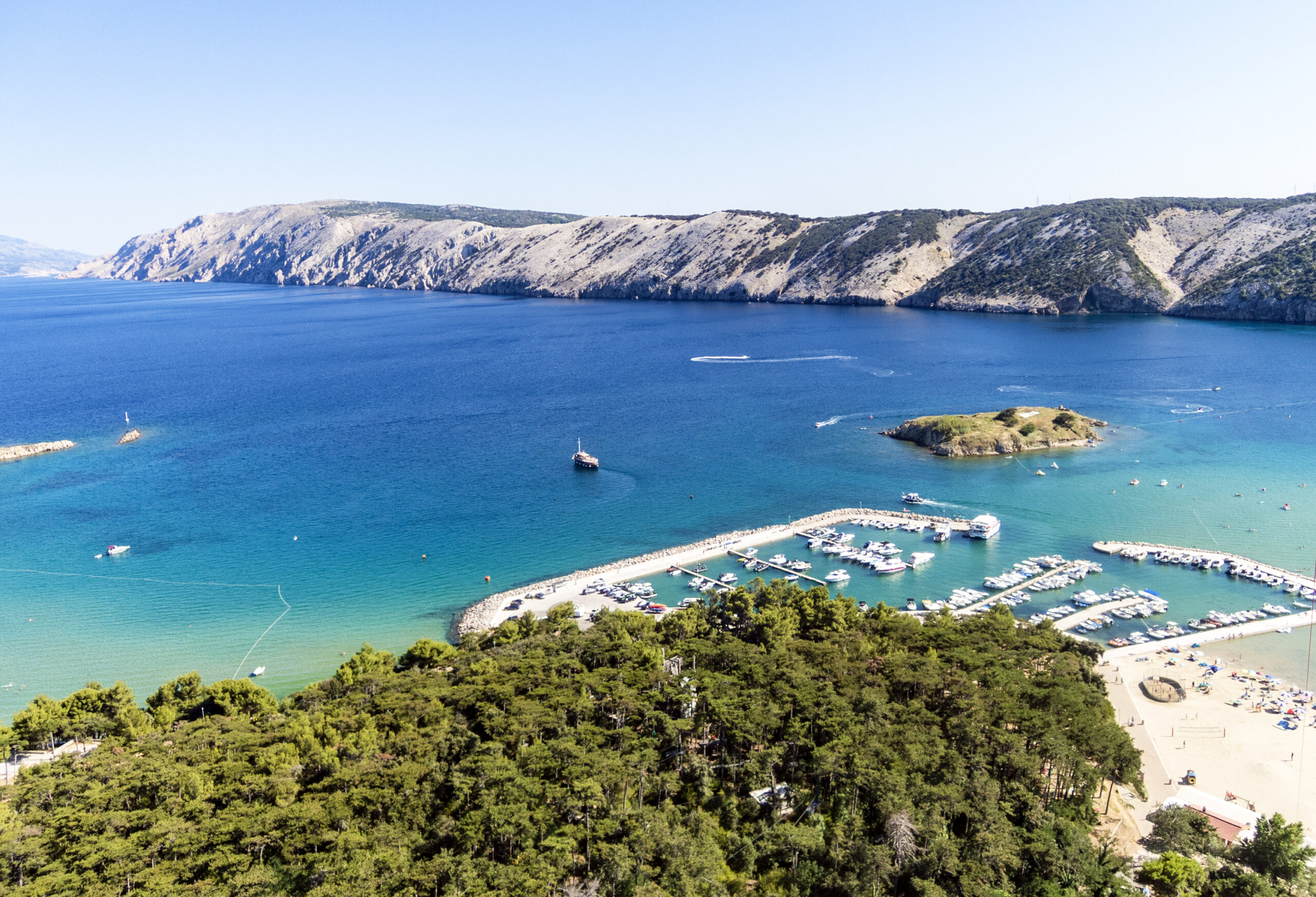
In total, some 2.500 Jews were delivered free by Rab, the resisting, the righteous island.
Few, if any, actions during the WWII can even compare with this.
The horrors of the Second World War were finally over. The Partisans drove the Germans out of Rab on 12 May 1945. But horrors themselves kept lurking in the waters surrounding the island, and barely four years later it surfaced again. This time not on Rab proper, but on another island of its archipelago.
The barren island, Goli.
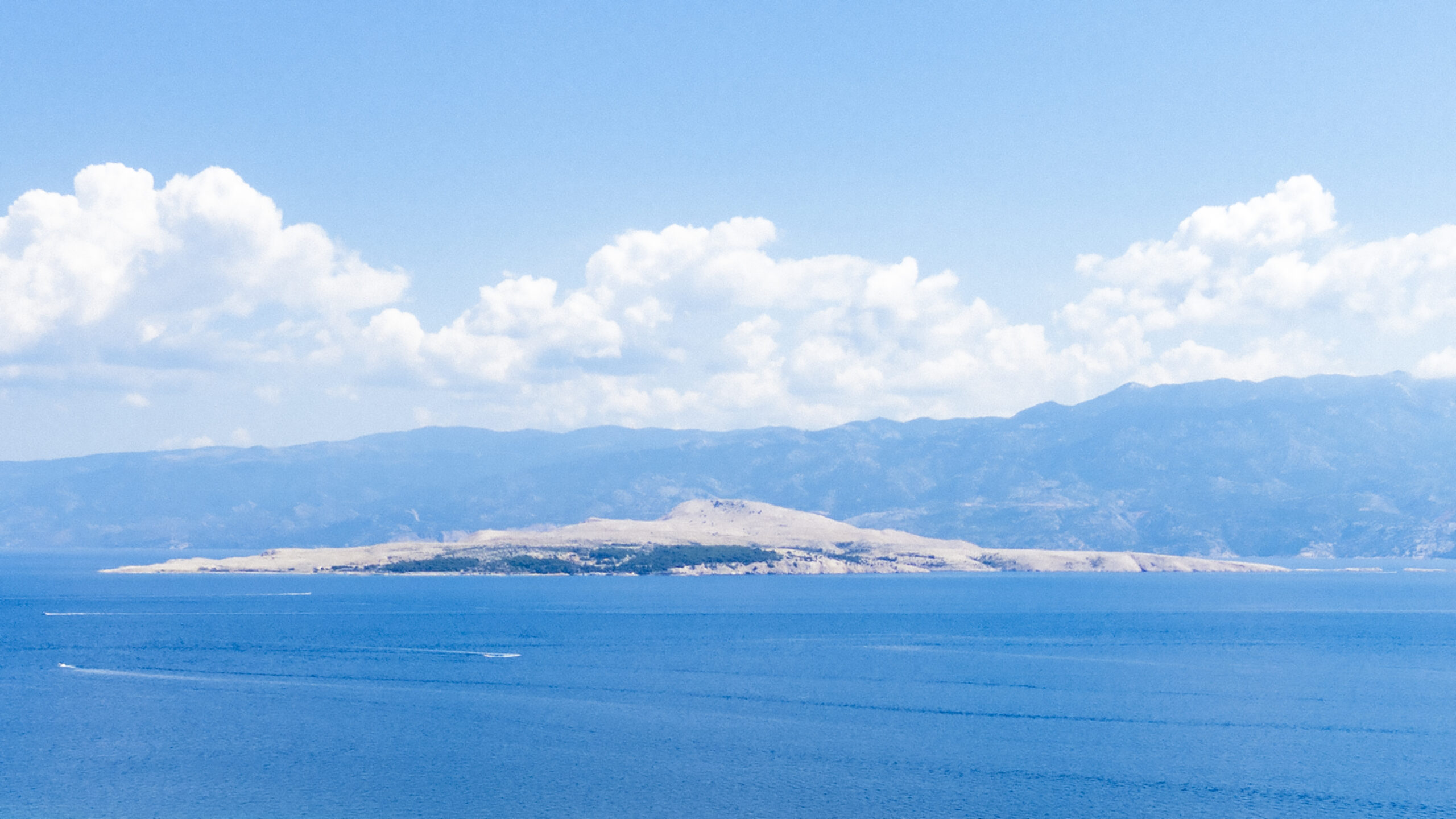
A concentration camp was established on Goli in 1949. A strange, dreadful place where, as the old saying goes, the Party devoured its own children. A camp created by communists for communists; for comrades, fellow fighters, yesterday’s brothers.
Brothers who had suddenly started thinking the wrong thoughts.
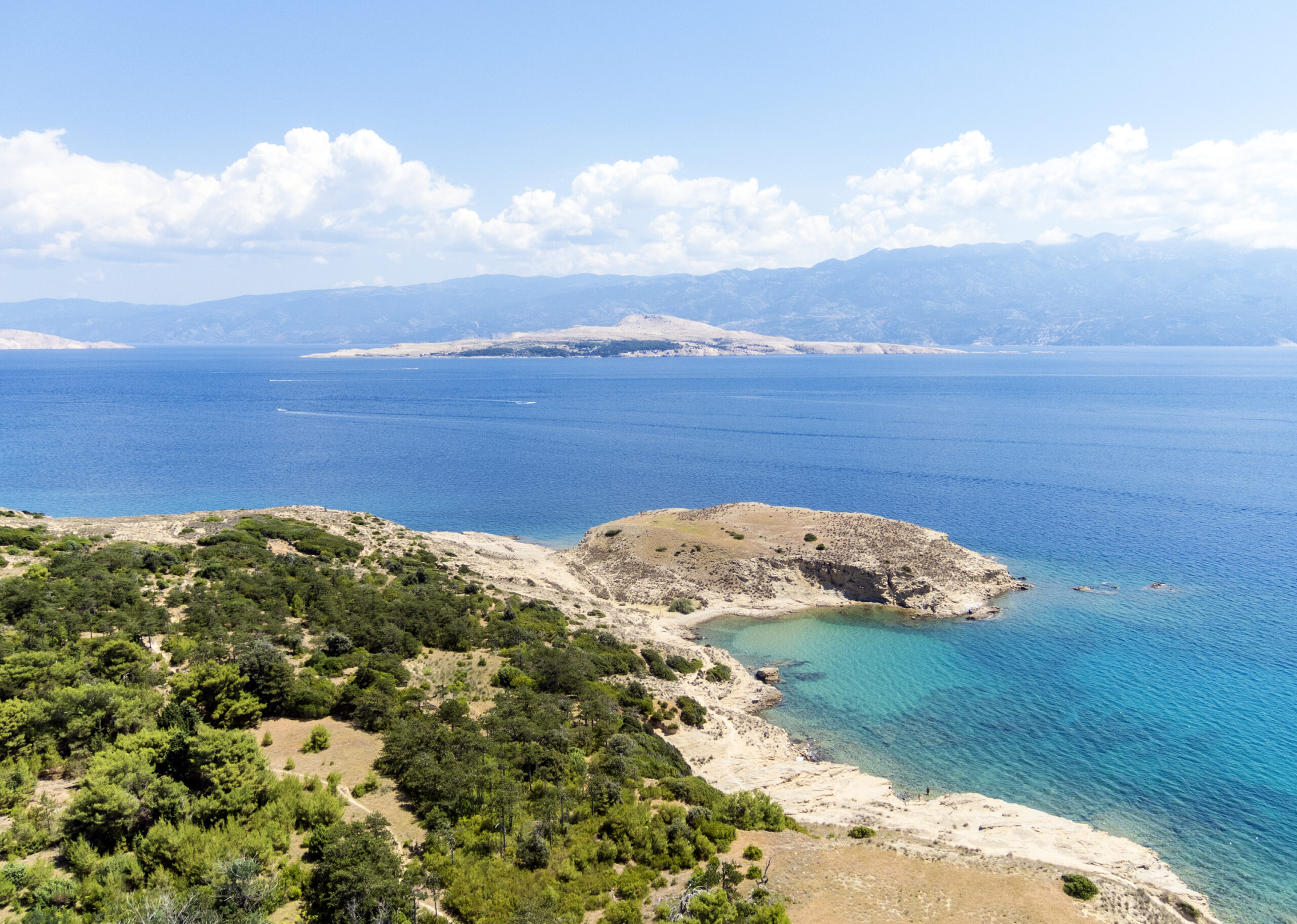
Goli was where Tito’s split with Stalin, Yugoslavia’s break from the Soviet Union and its de facto satellites in Eastern Europe, was hiding the bodies. A barren, uninhabited, inaccessible island onto which more than 16,000 people (according to the official figures, the real number was almost certainly much higher), were thrown. They were beaten, starved, tortured, worked to death in the quarry, or simply killed outright. Officially, between 400 and 600 political prisoners, for this was a prison exclusively for political prisoners, died there. The true figure may well have been ten times higher, perhaps even more.
The most gruesome period of Goli lasted for seven years. In 1956 conditions on the island improved significantly, and in 1963 the prison was converted into a penal institution for ordinary criminals. It was finally closed in 1988.
The horrors left Rab and its archipelago, hopefully forever.
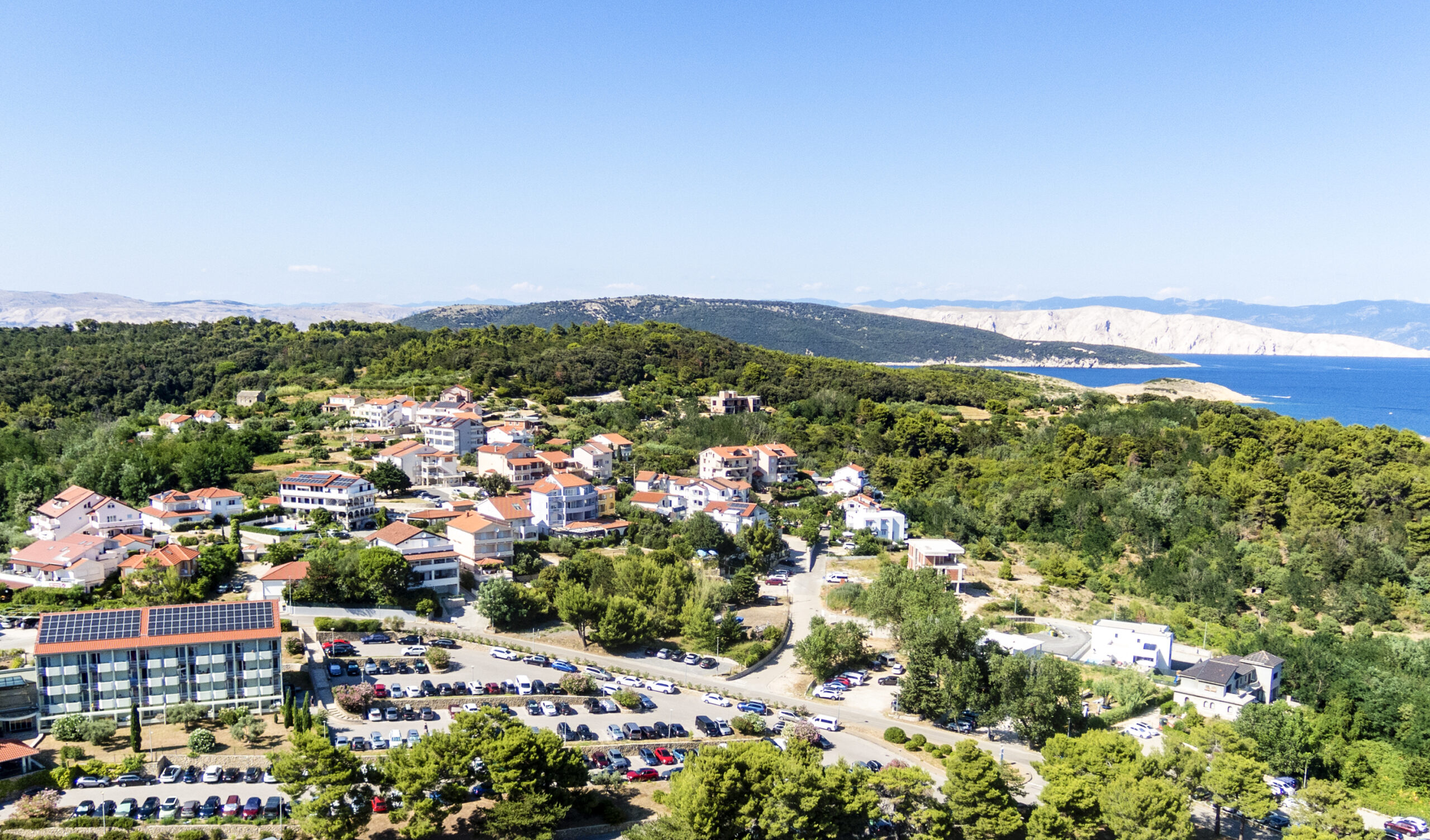
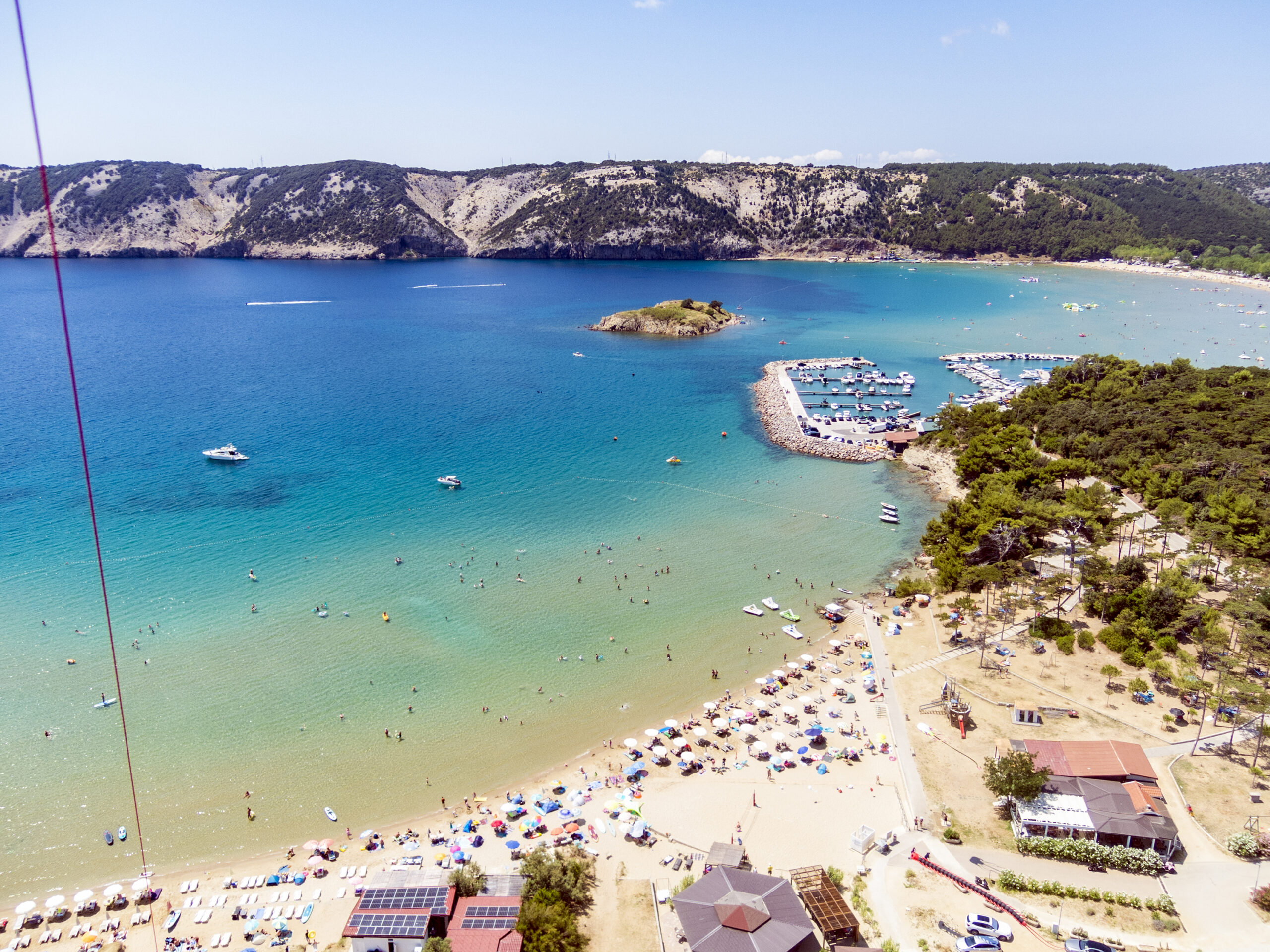
Today Rab is ruled by tourists. The tensions, the battles and the resistance have been reduced to quarrelling over beach towels, grumbling about sand getting absolutely everywhere, and arguing over the closing times of beach bars.
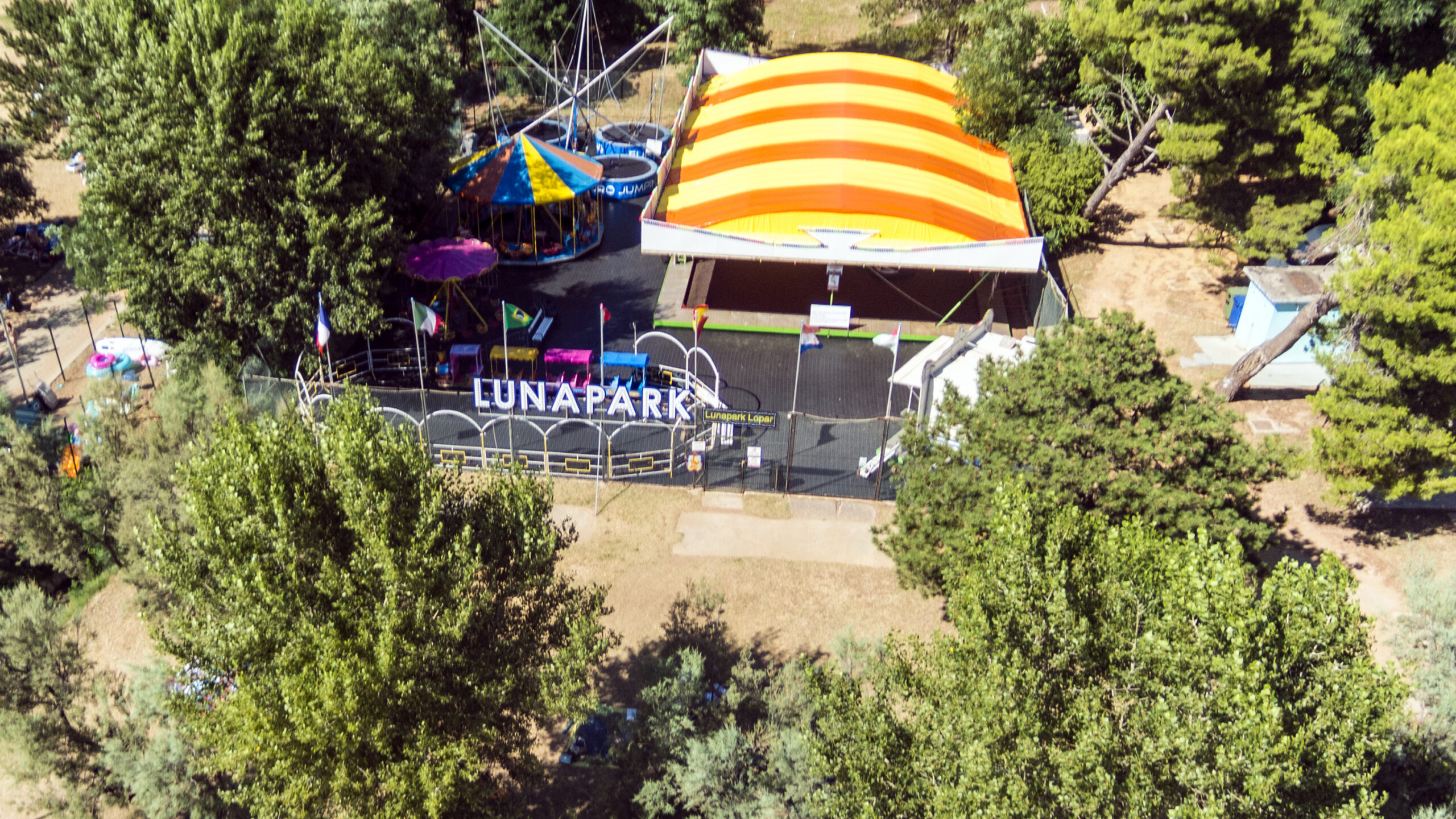
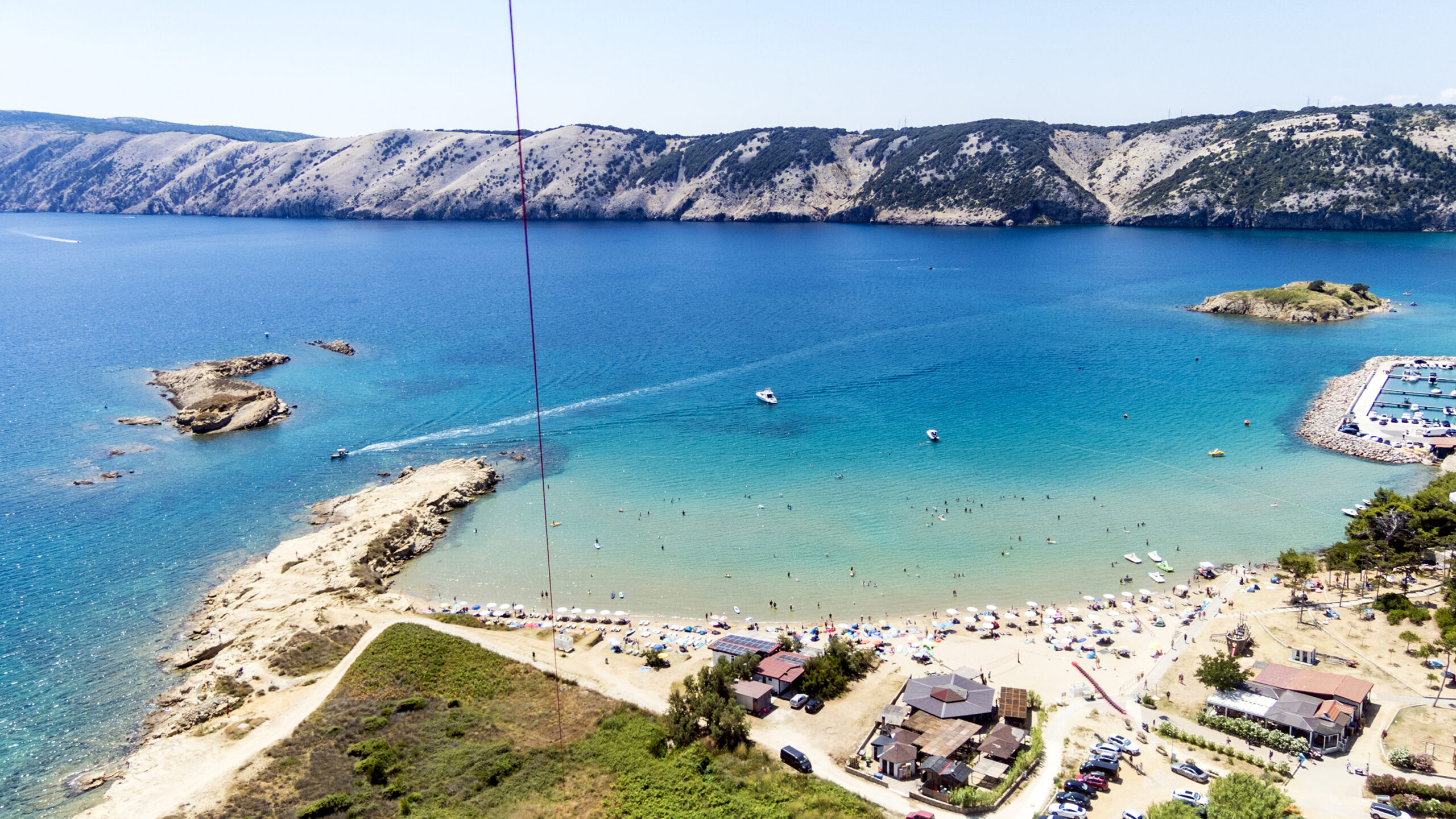
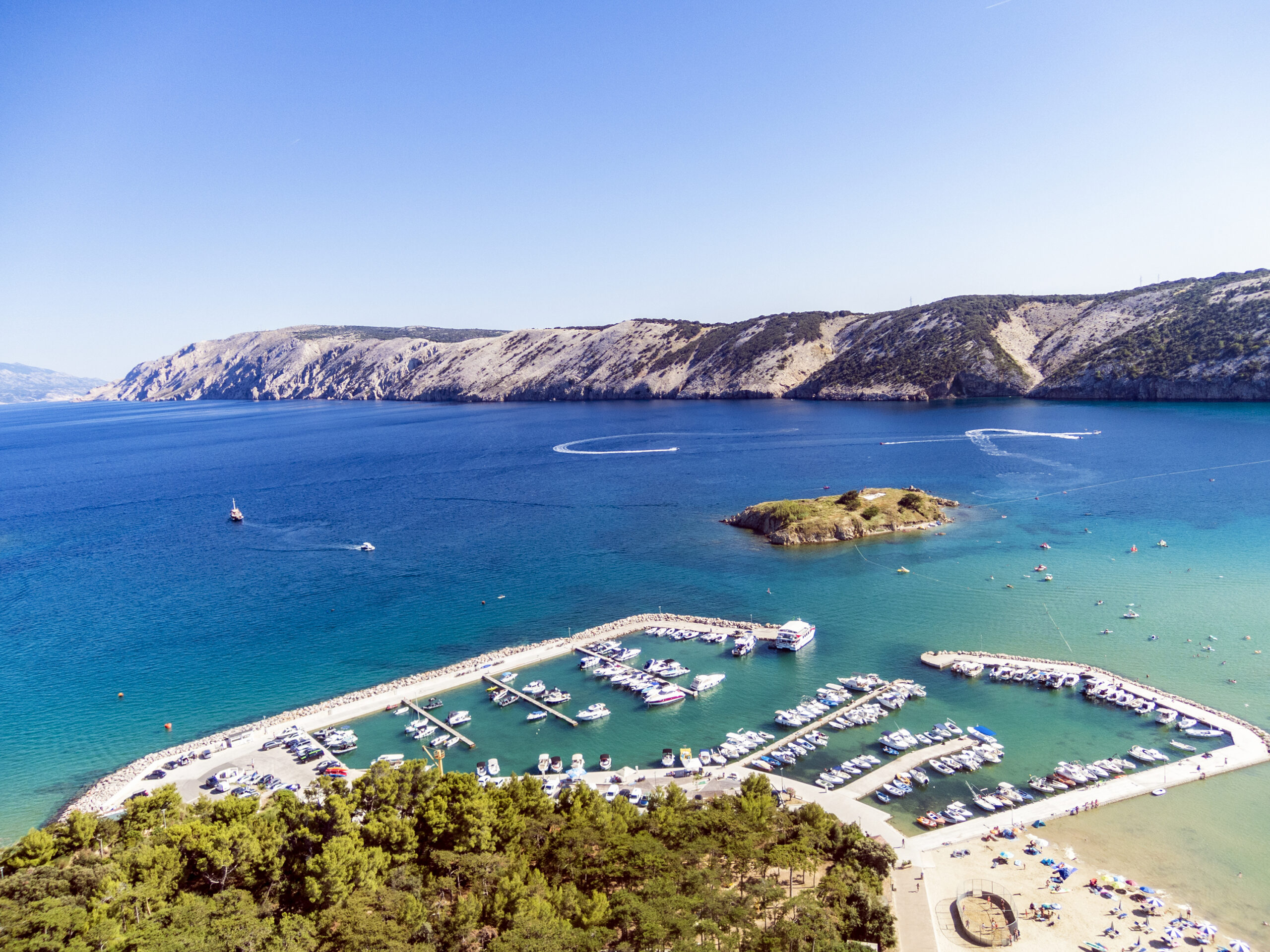
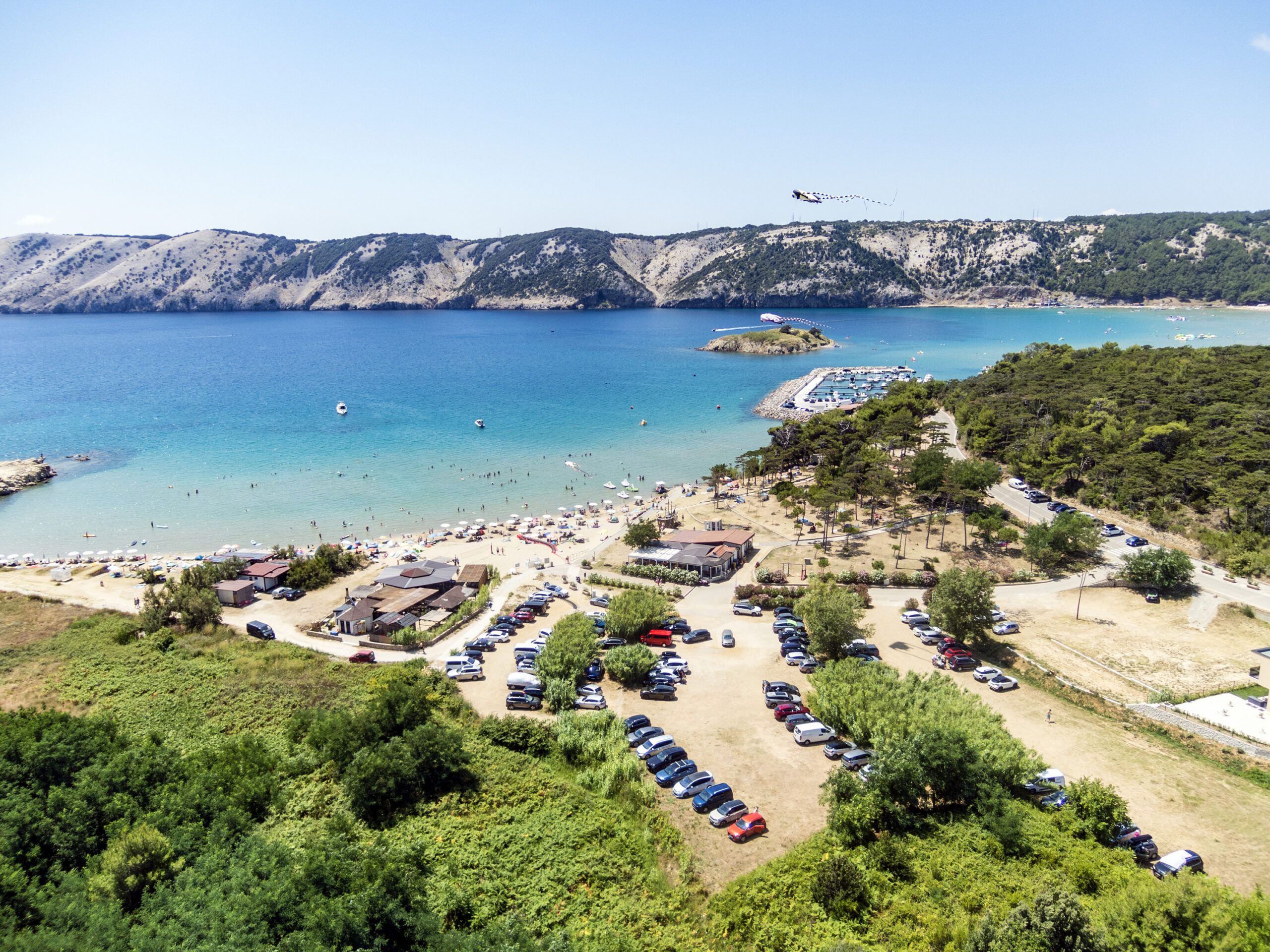
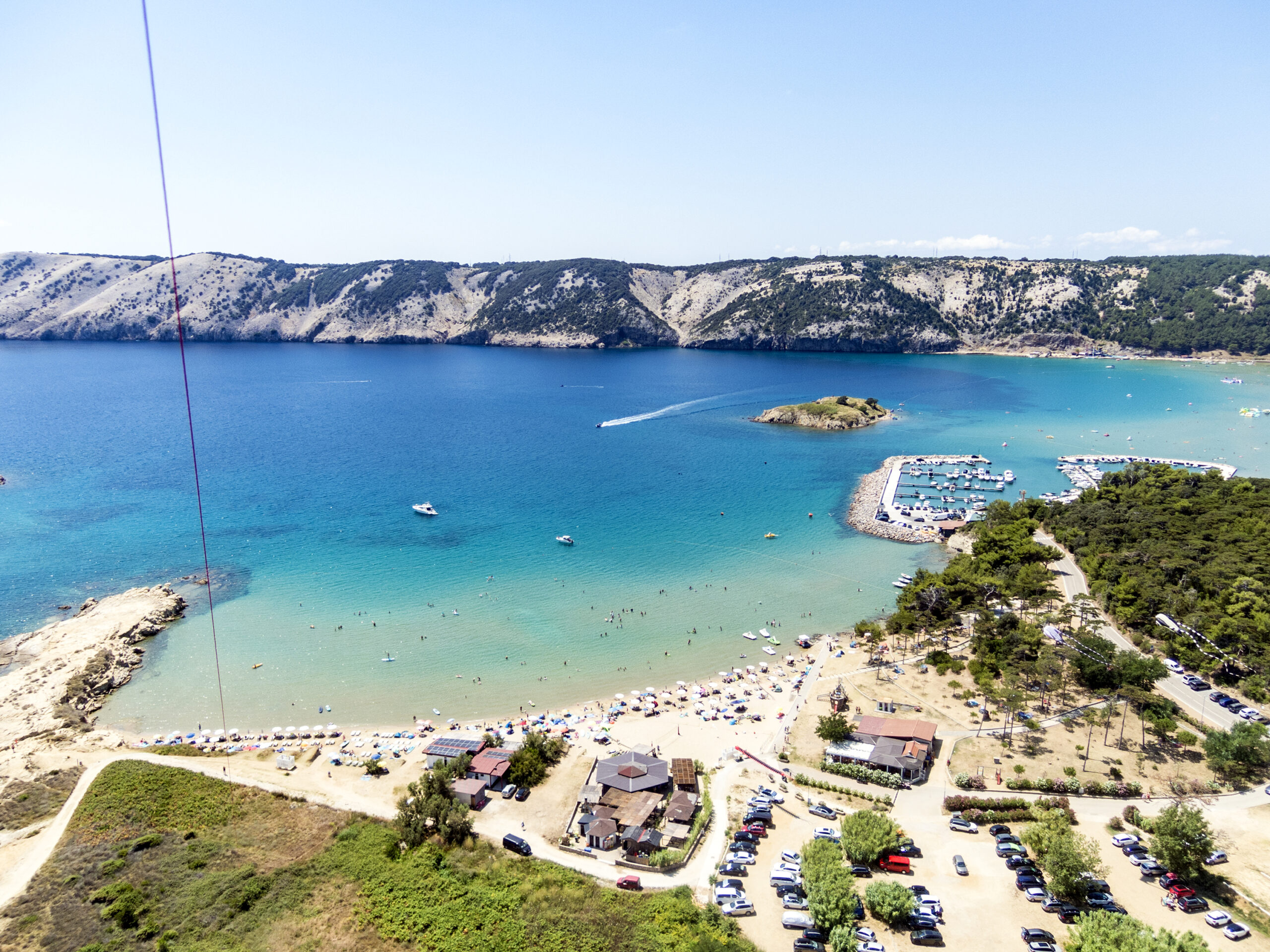
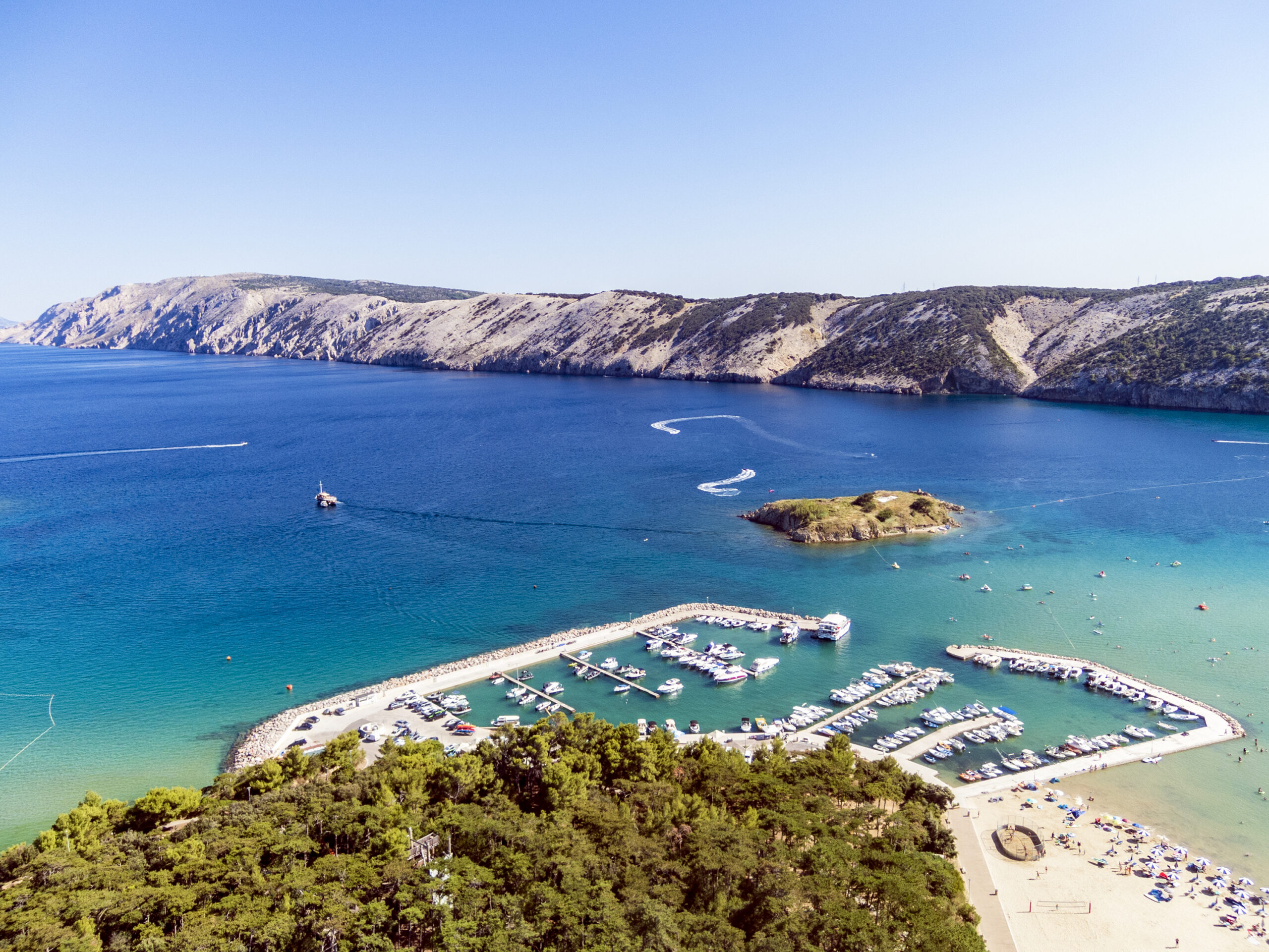
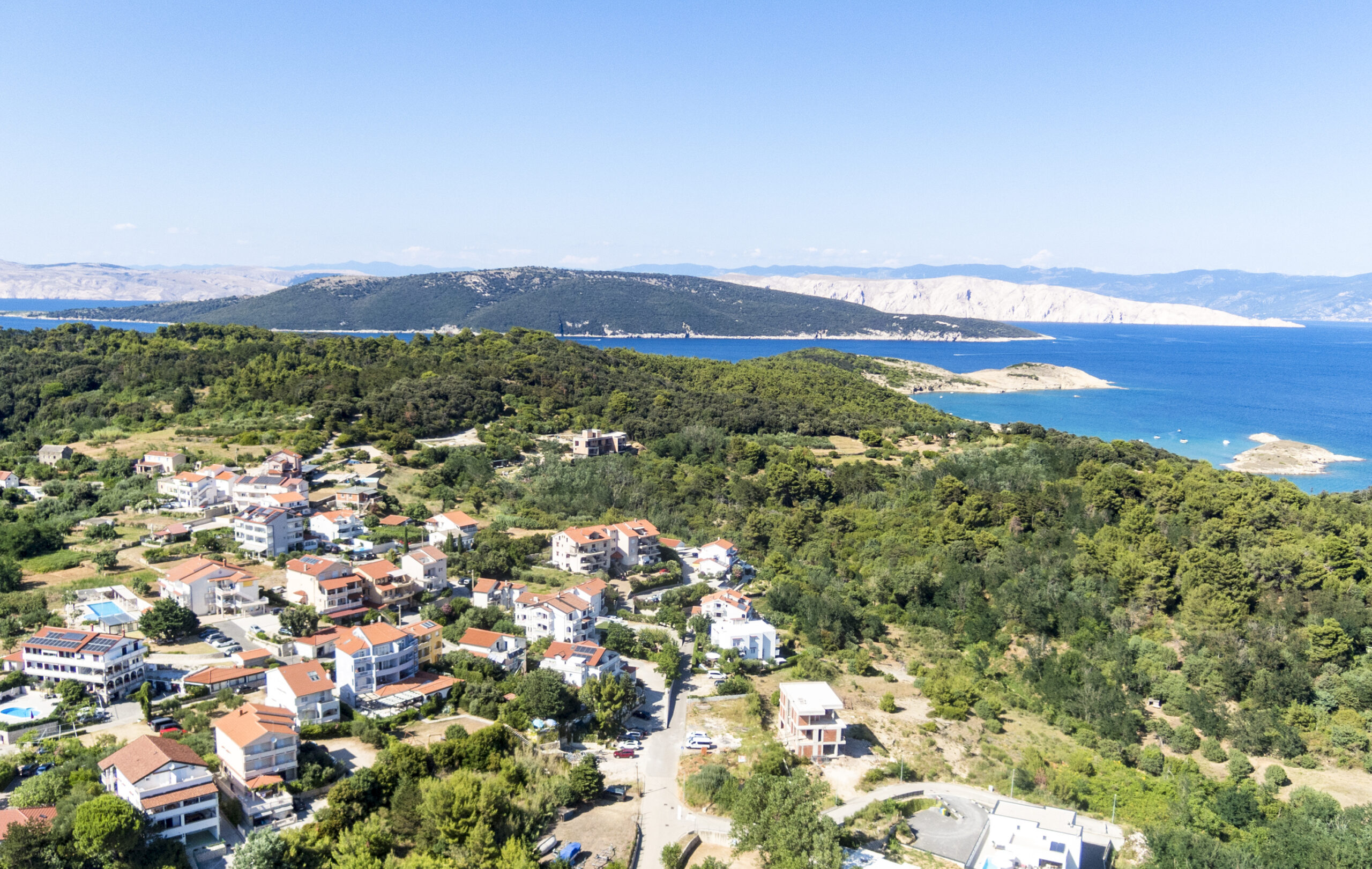
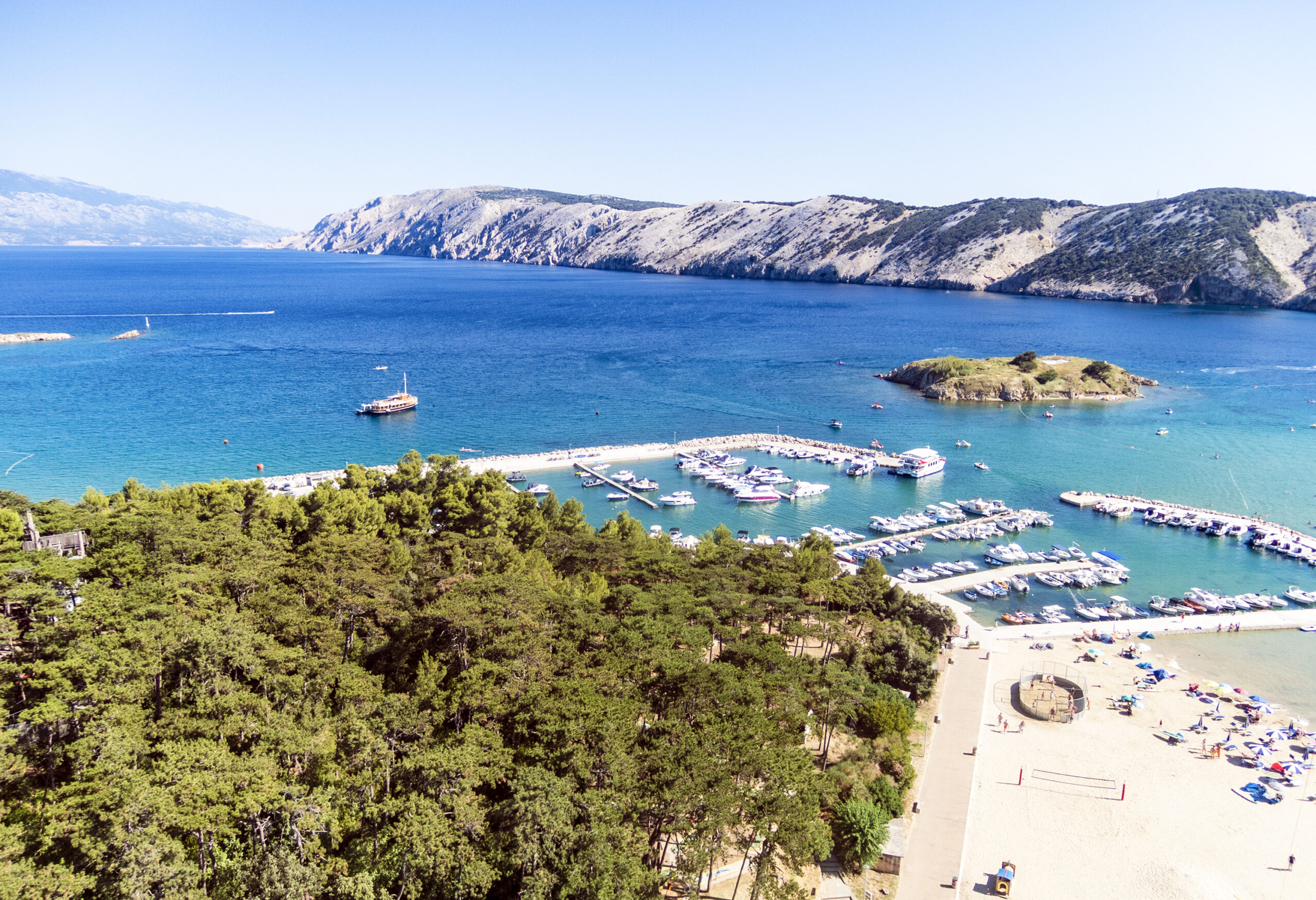
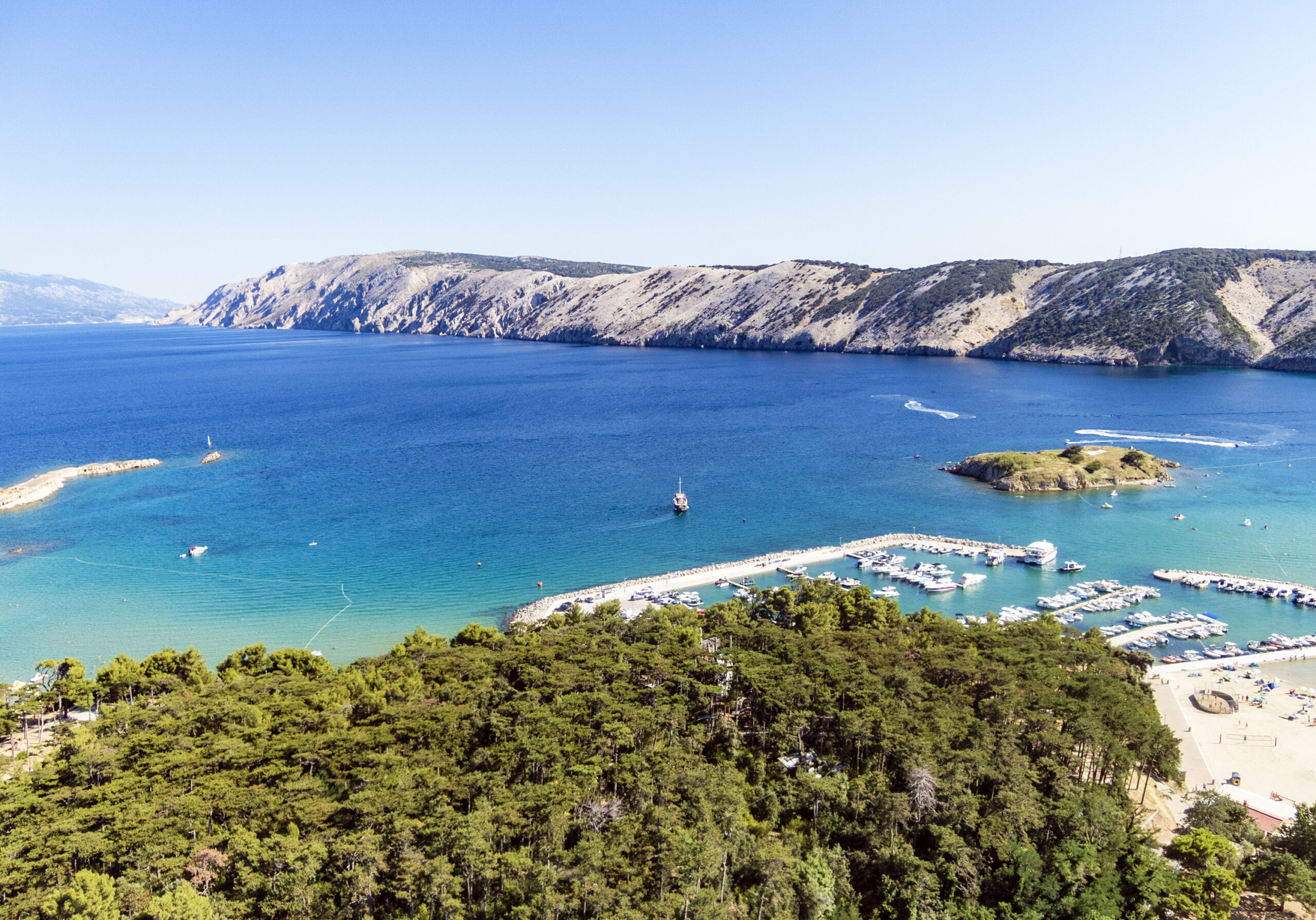
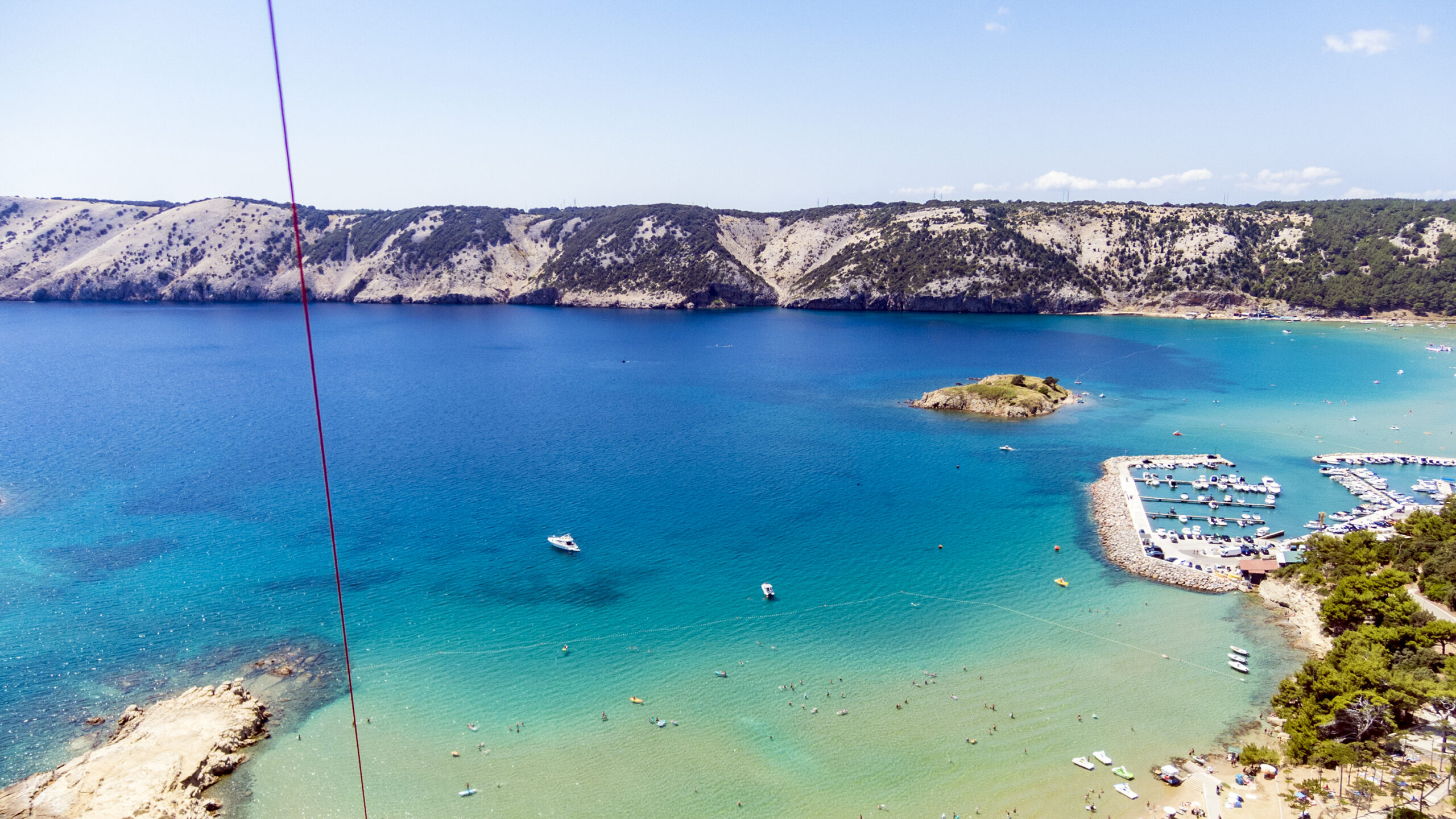
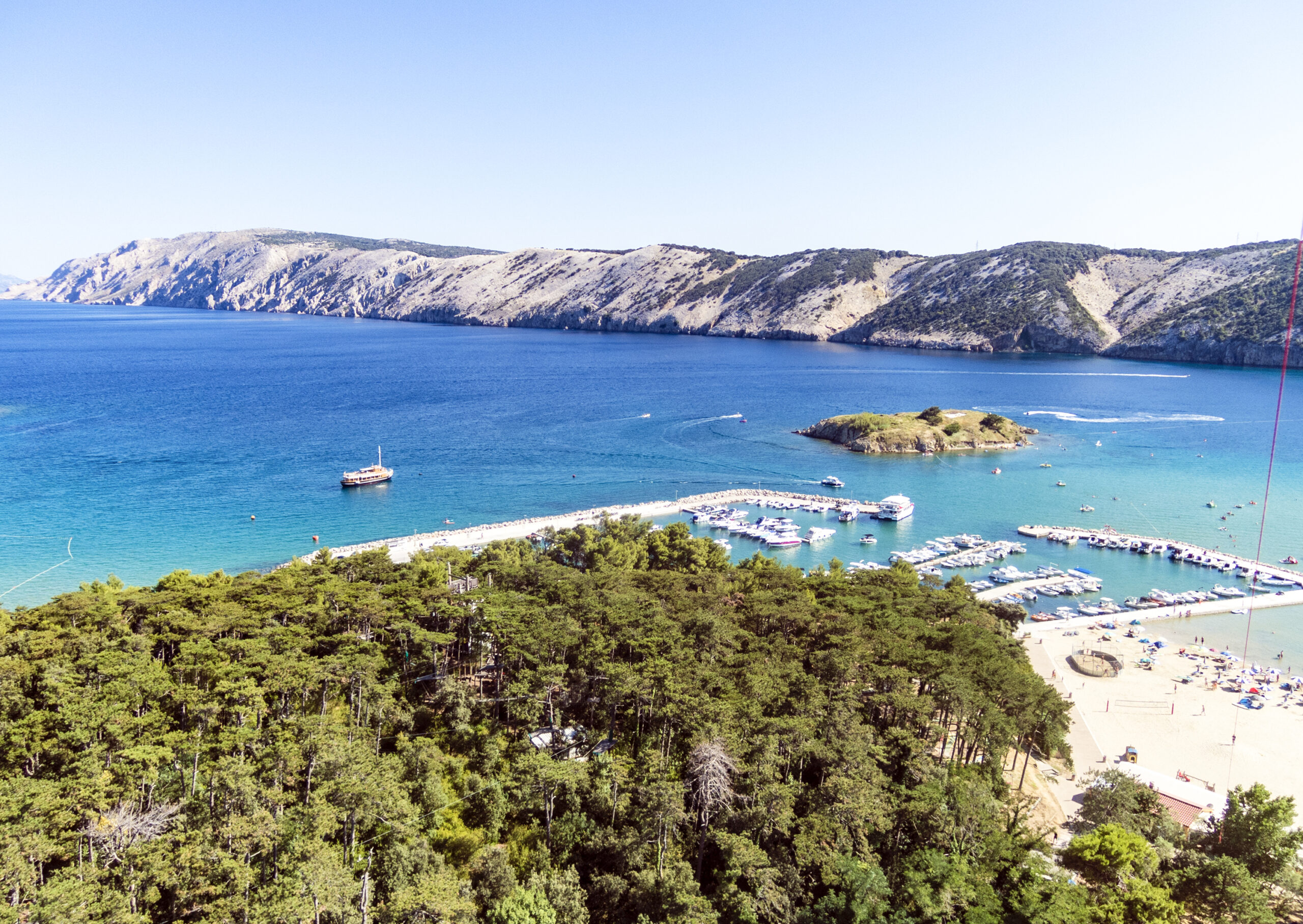
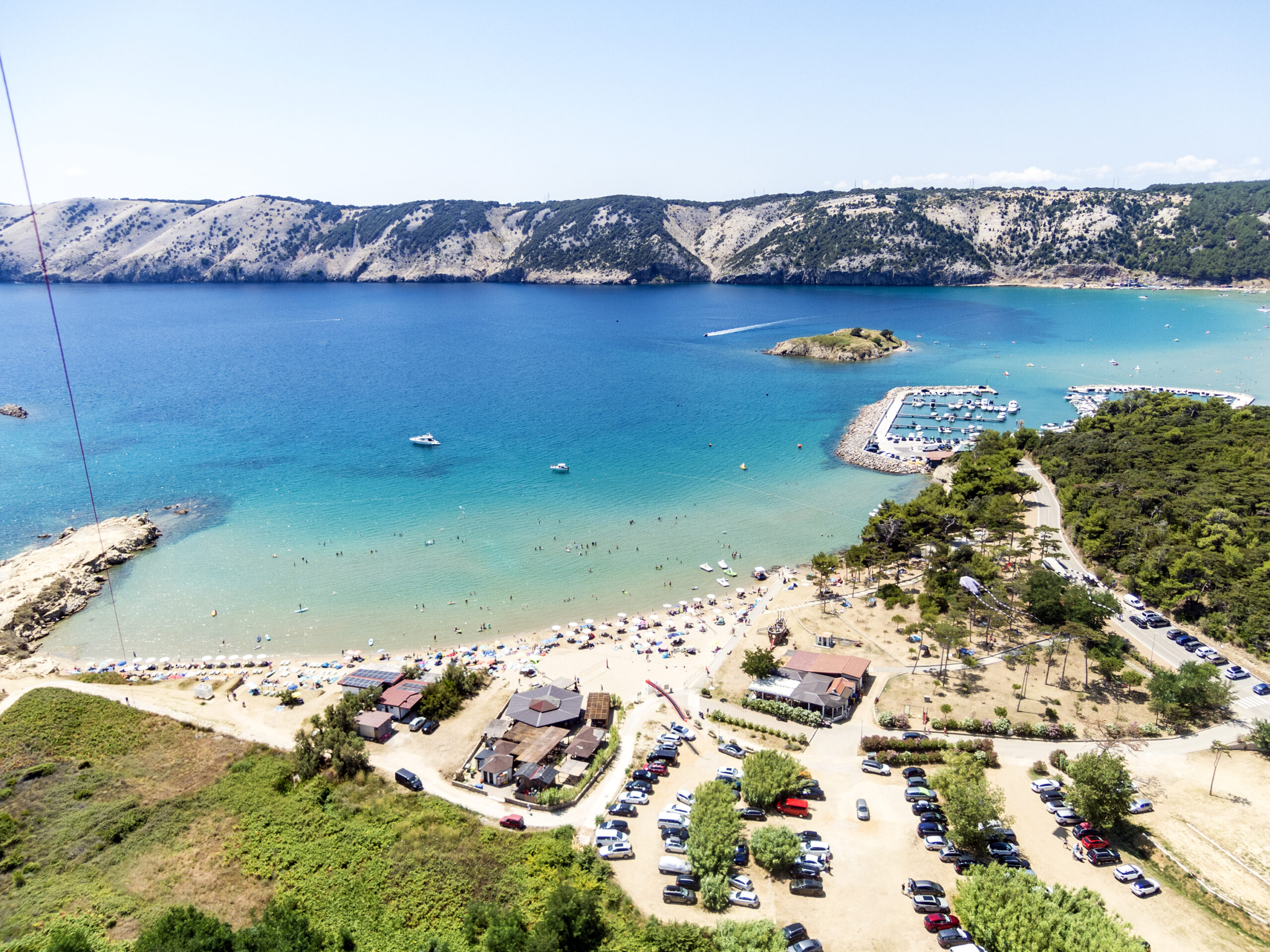
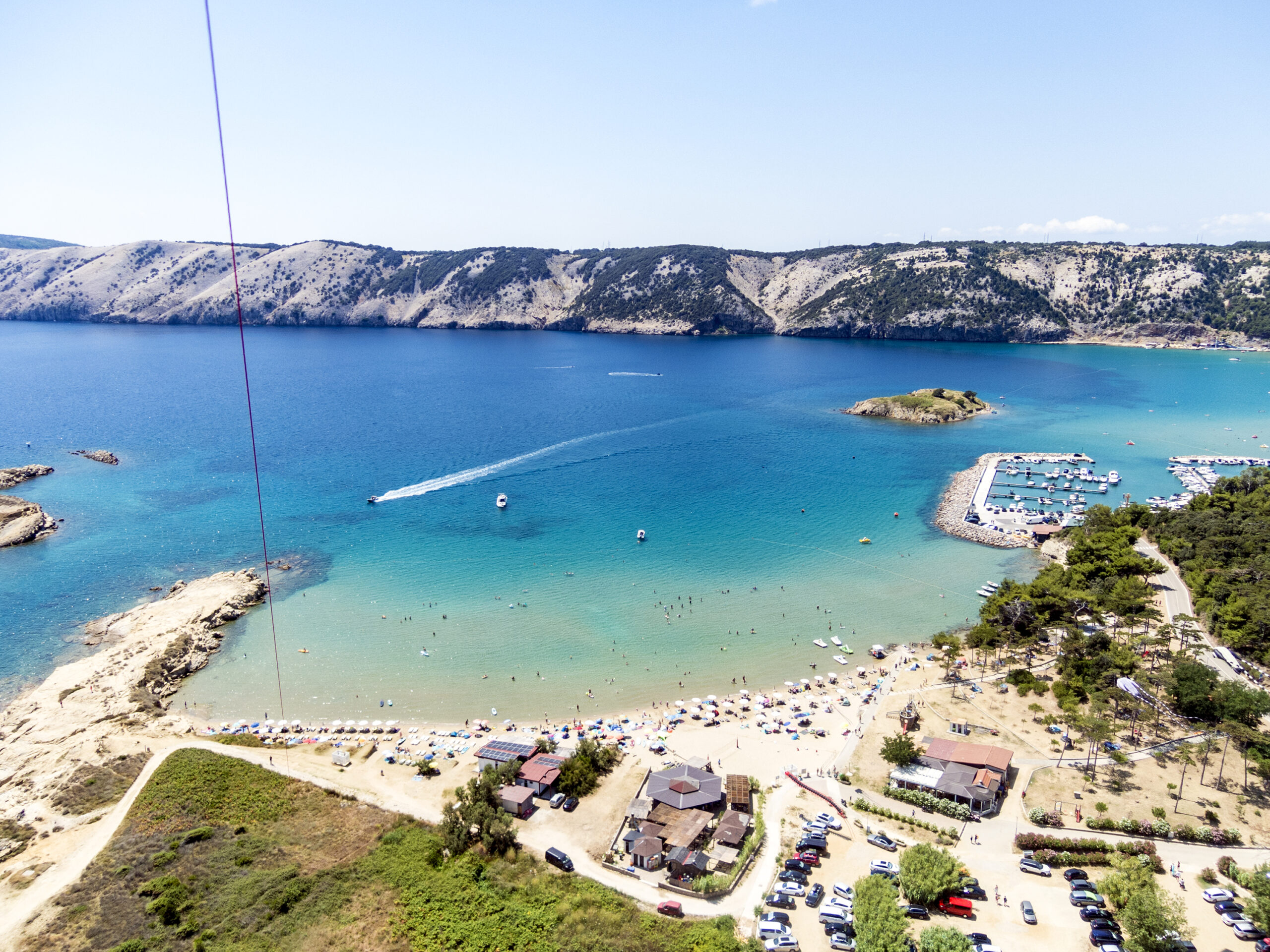
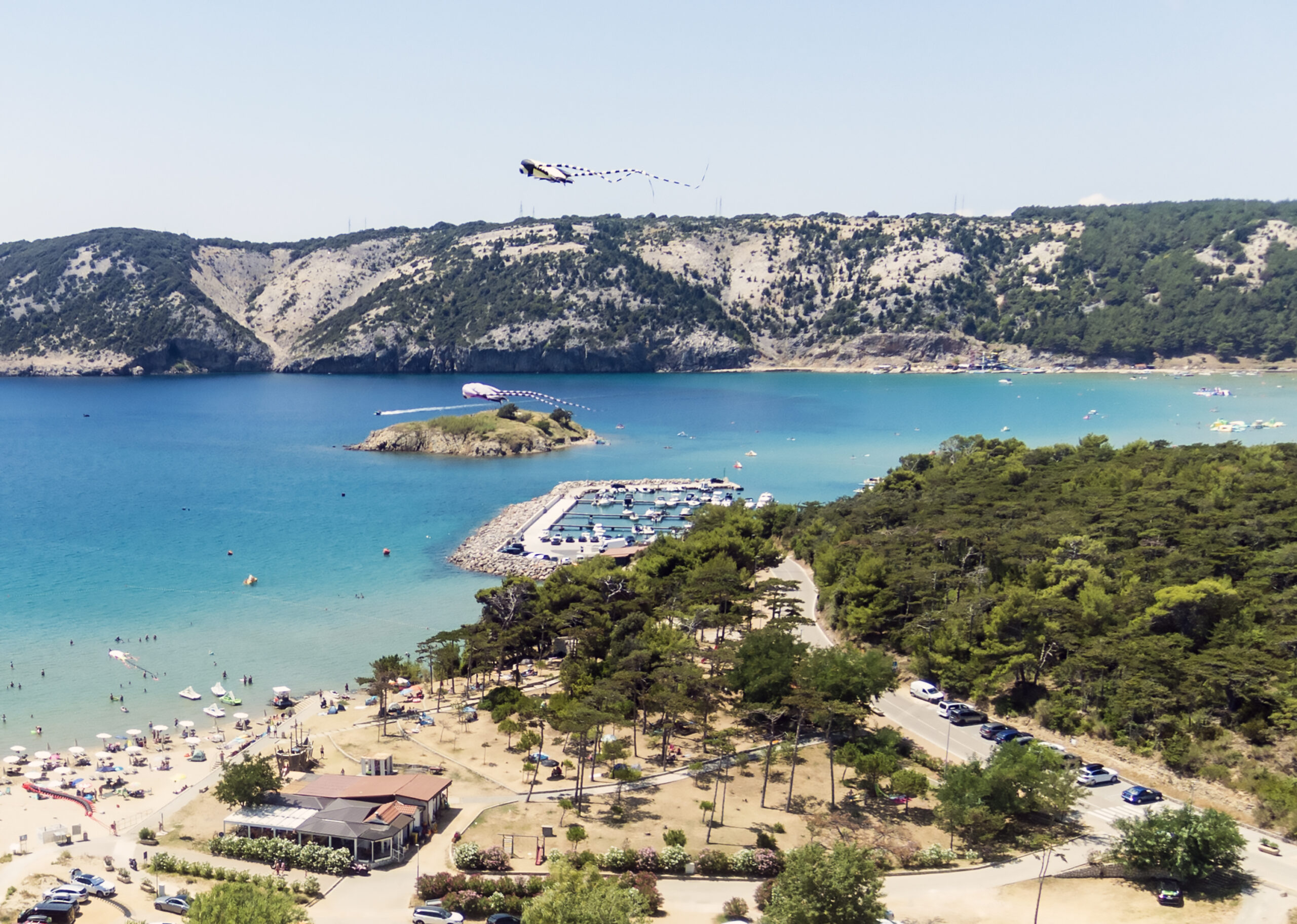
We (that is, KAP Jasa – Kite Team Slovenia, and Zmajoljupci – Croatian Kite Association) were guests on Rab thanks to the generosity of Darko and Avanterra Park, a superb adventure park hidden in one of those magnificent Rab pine and oak forests. Avanterra sits above a marina between two beaches, just outside Lopar on the northwestern edge of the island.
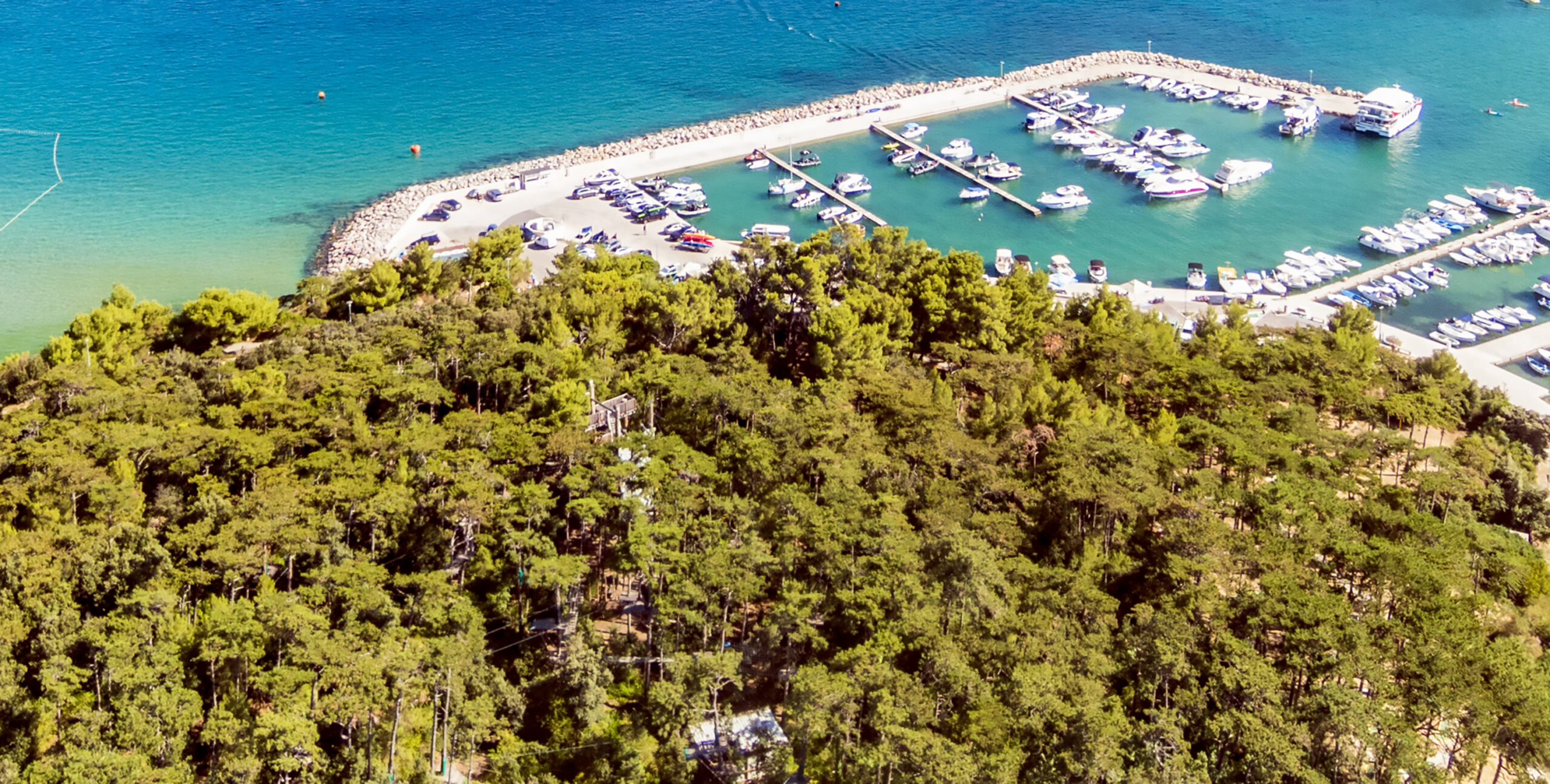
One of the beaches is called Livaćine. The other – Paradise.
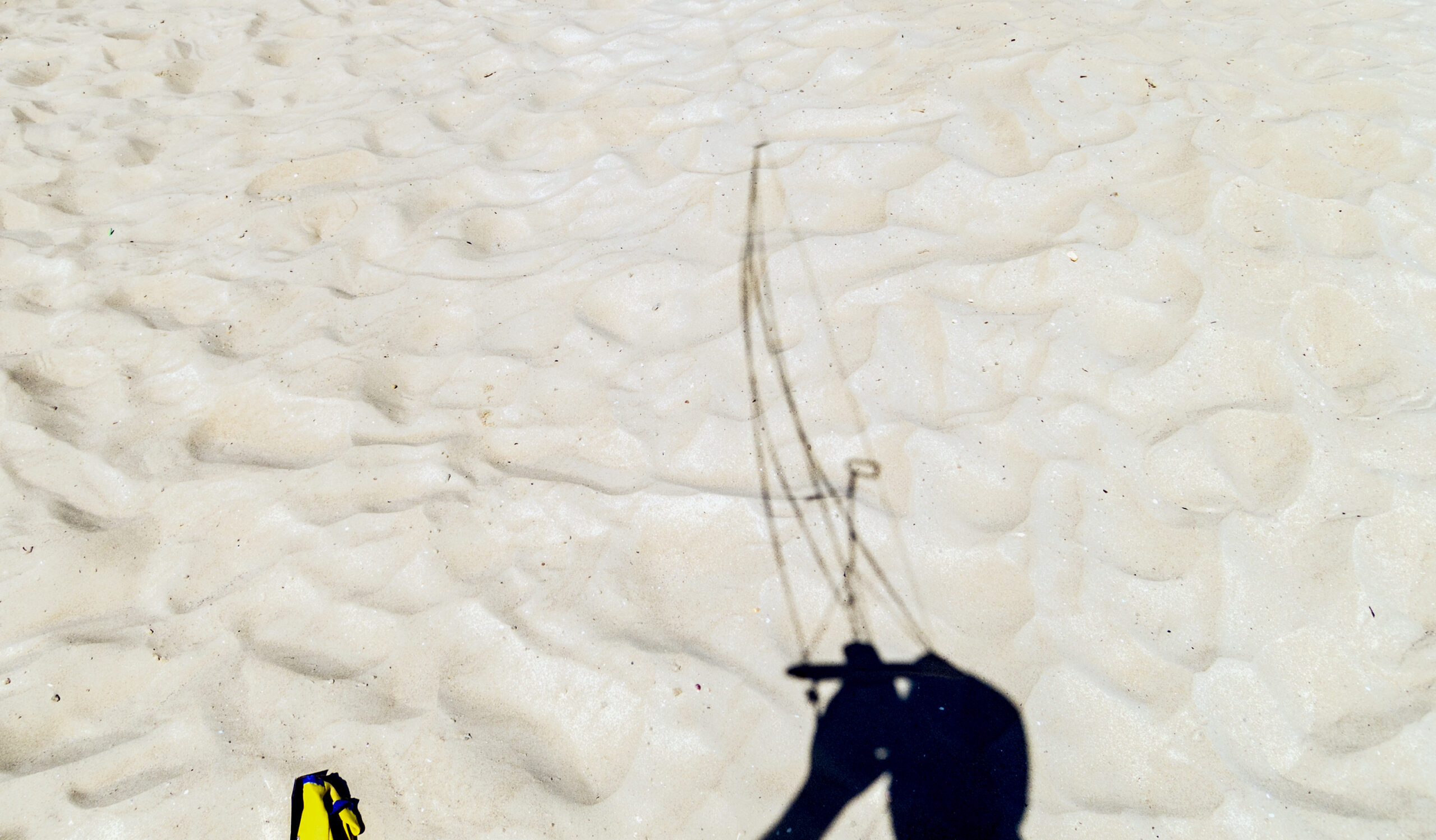
Paradise Beach is something of an oddity itself, a two-kilometre-long Blue Flag stretch of fine golden sand; the longest, and probably the only, true sandy beach on an Adriatic island. We flew our kites there, trying to show everyone what a genuine kite festival could look like.
Livaćine Beach has a bar called Santa Marija, where we were treated to nice seafood, generous shots of pelin, and plenty of cold ones.
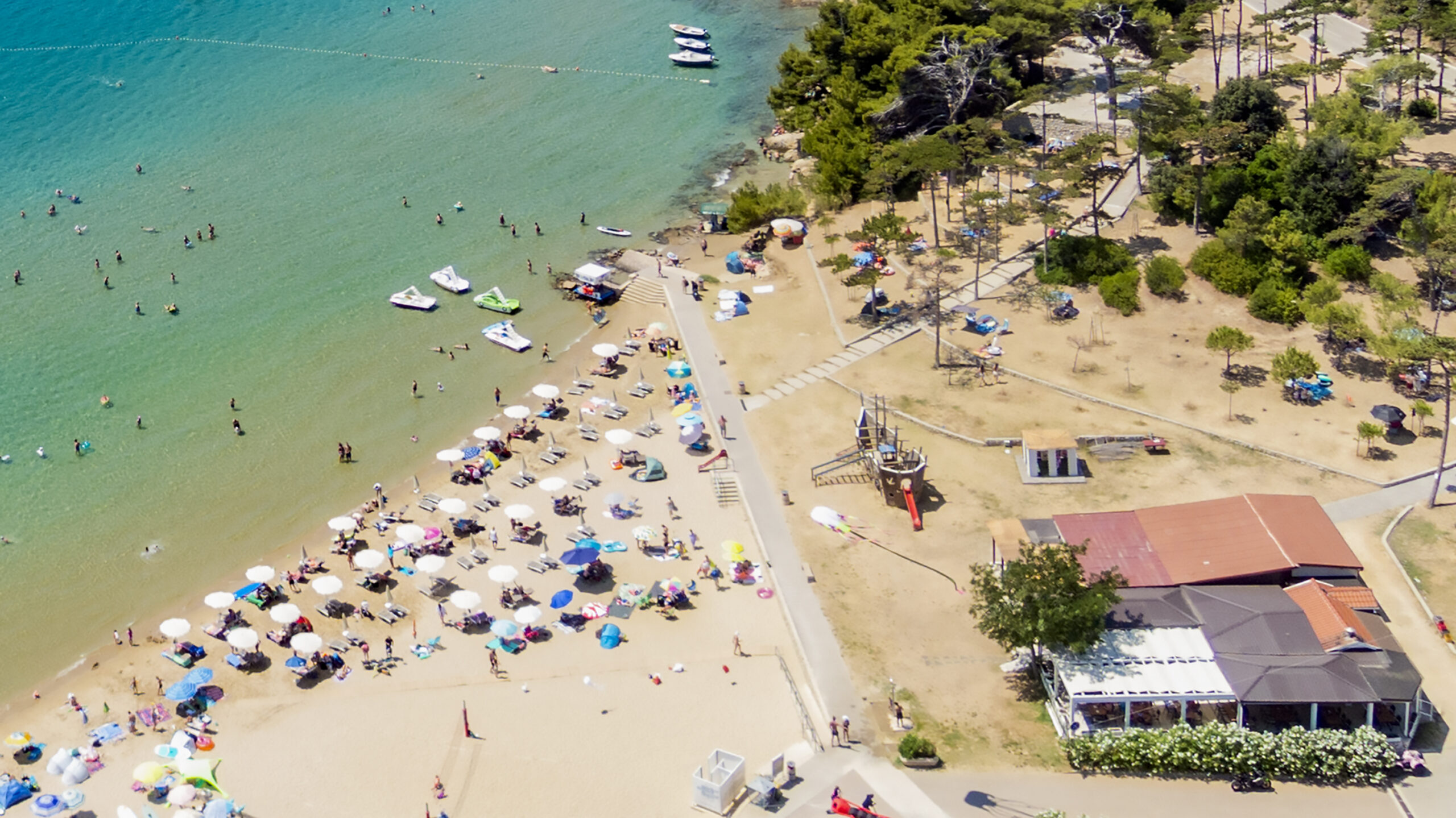
We spent our days, and most of our evenings, by the sea, retreating to our apartments in the magnificently lavender Lavanda apartments only for a few hours of well-earned sleep.
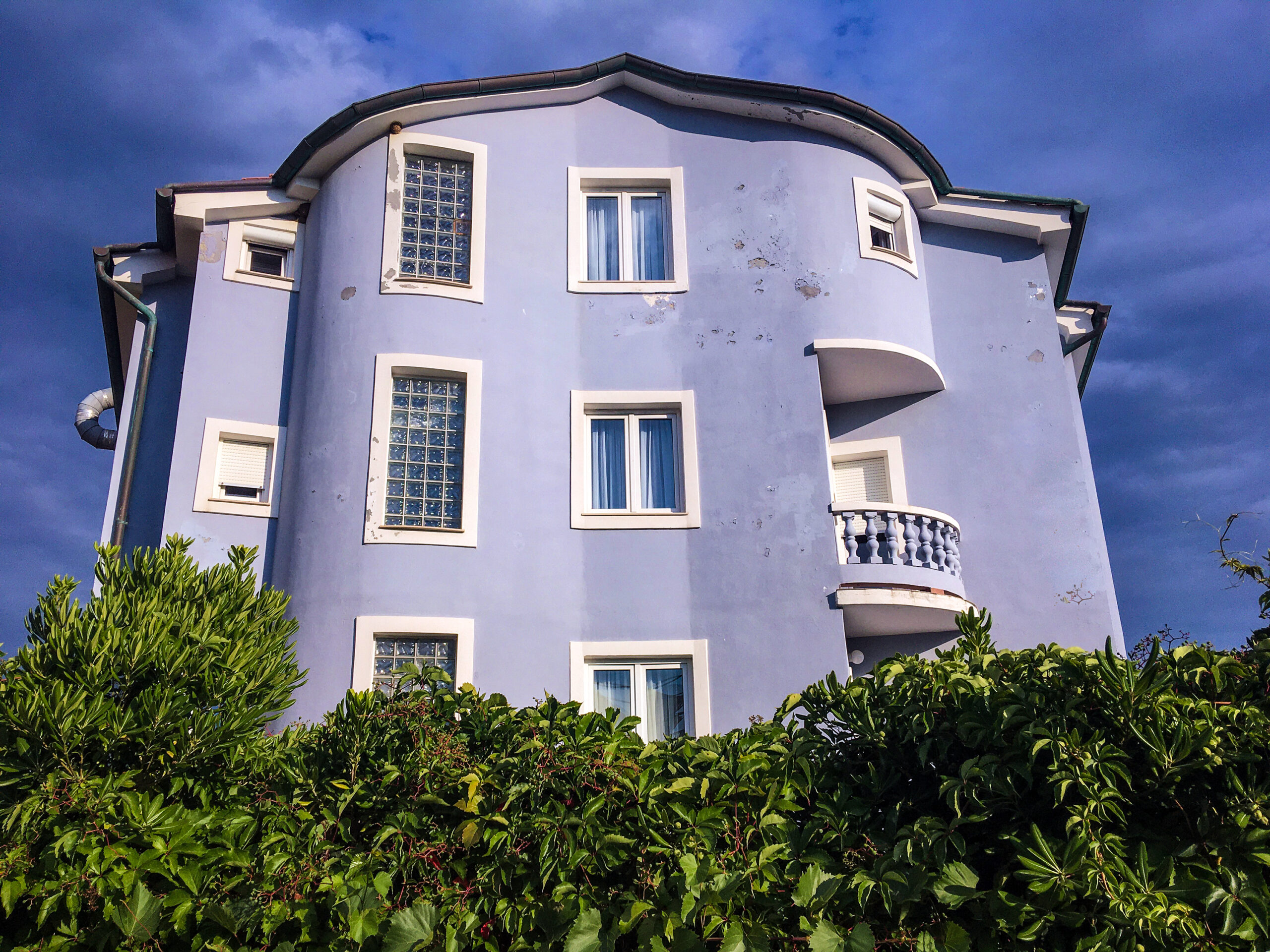
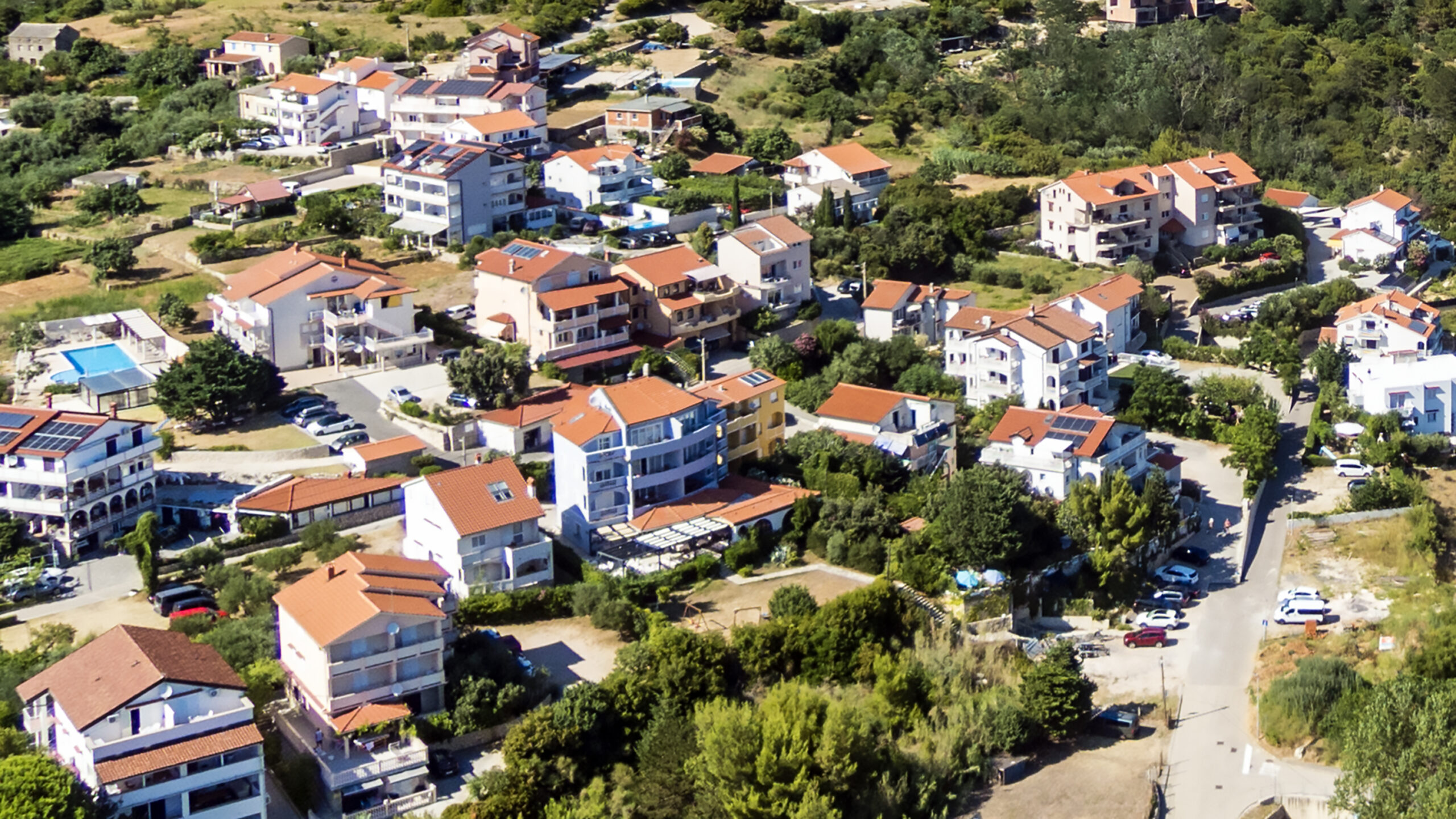
Kite flying is hard work.
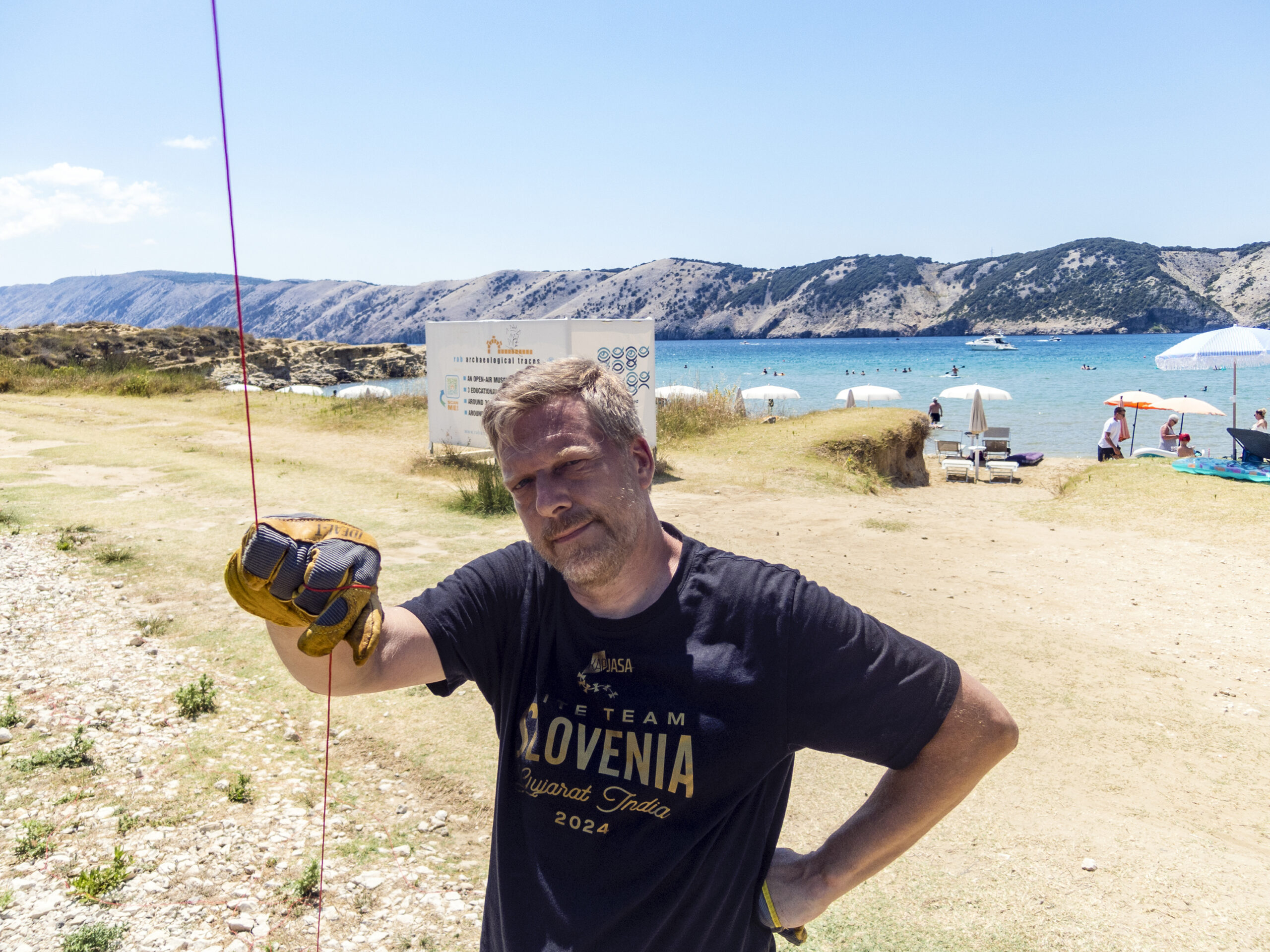
Doing it on Rab was an absolute pleasure.