So, you thought we’d forget this? The best kite festivals of the Summer? Forget Indonesia?
Yeah, right. Here we go!

This story started almost three years ago on a freshly harvested cotton field in Hubbali. Aji and Gregor were relaxing after they managed to convince the Slovenian trilobite to carry three Indonesian cobras into the hazy sky of Karnataka.
Gregor was wondering about why the Indonesians made the cobras, so he asked Aji if there are any cobras out and about around Aji’s place – in Eastern Java, in Yogyakarta.

“Of course.”
“Ah, cool!”
…
“There are cobras here in this field, too.”
“Really?!”
“Yeah, one just passed us a couple of minutes ago. They love such fields, good hunting ground for them.”
“What???”
Luckily, the cobras were more into flying than biting that day.

Anyway, we had a fantastic time that year in Gujarat, Goa, and Karnataka, and when the time came to leave and we were going up the escalator to the Departure area of Mumbai airport, Aji said:
“You must come to Jogja. A kite festival, a lot of friends, parties, fun … Jogja unlimited!”

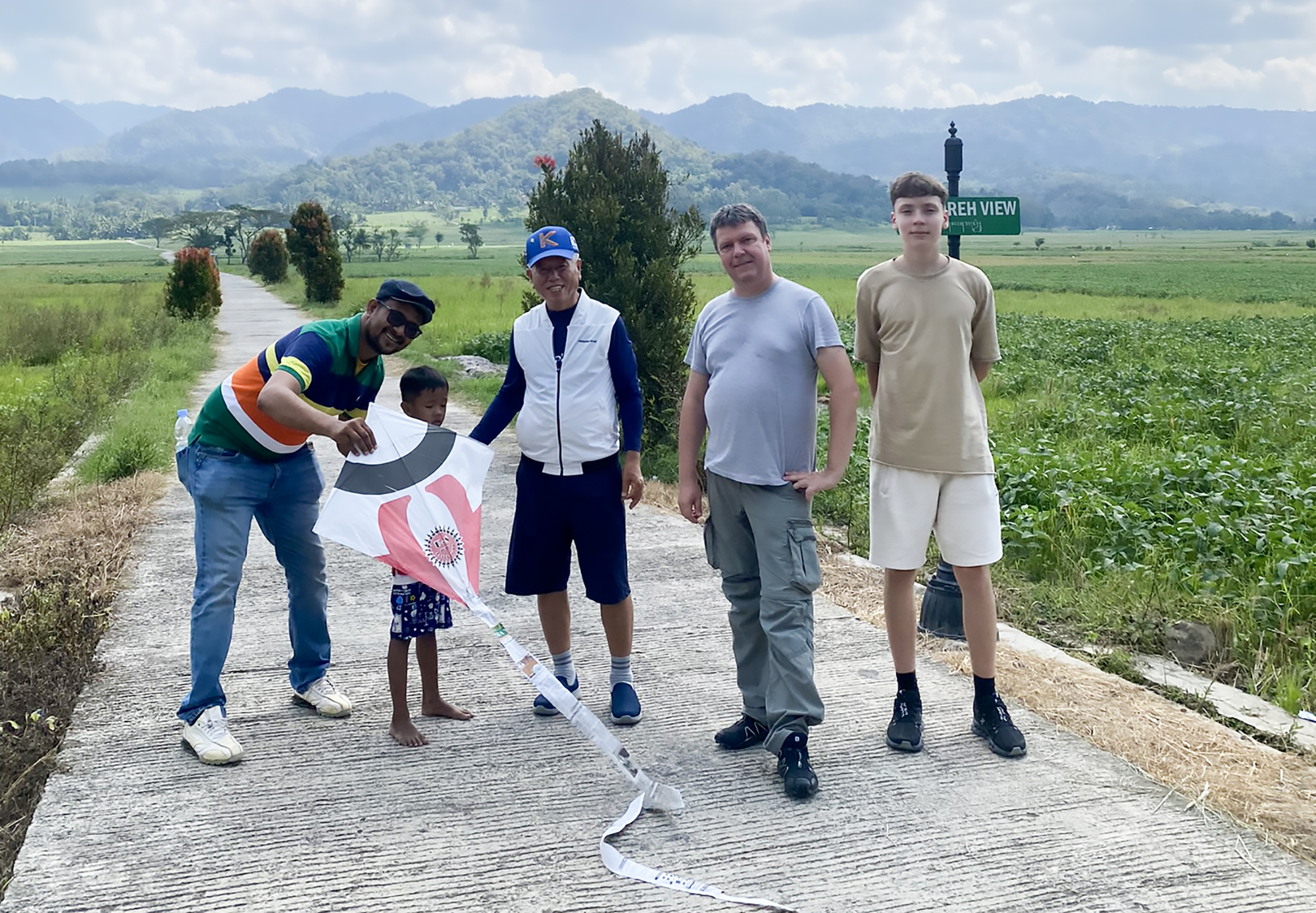
Two years and a half later Viktor and his dad (Gregor) boarded the plane heading to the great city of Yogyakarta. To fly kites and meet friends, they thought.
And they were partially right.
“So, after that we will plant some trees, and then we will go to a tempeh factory, and then -“
“- then we will fly kites.”
“Nooo, then we will visit the waterfalls, and then we will meet the turtles, and then …”
The island of Java is pretty much a paradise. A honeymoon place (literally, one of us has been there for a honeymoon a decade or so ago).
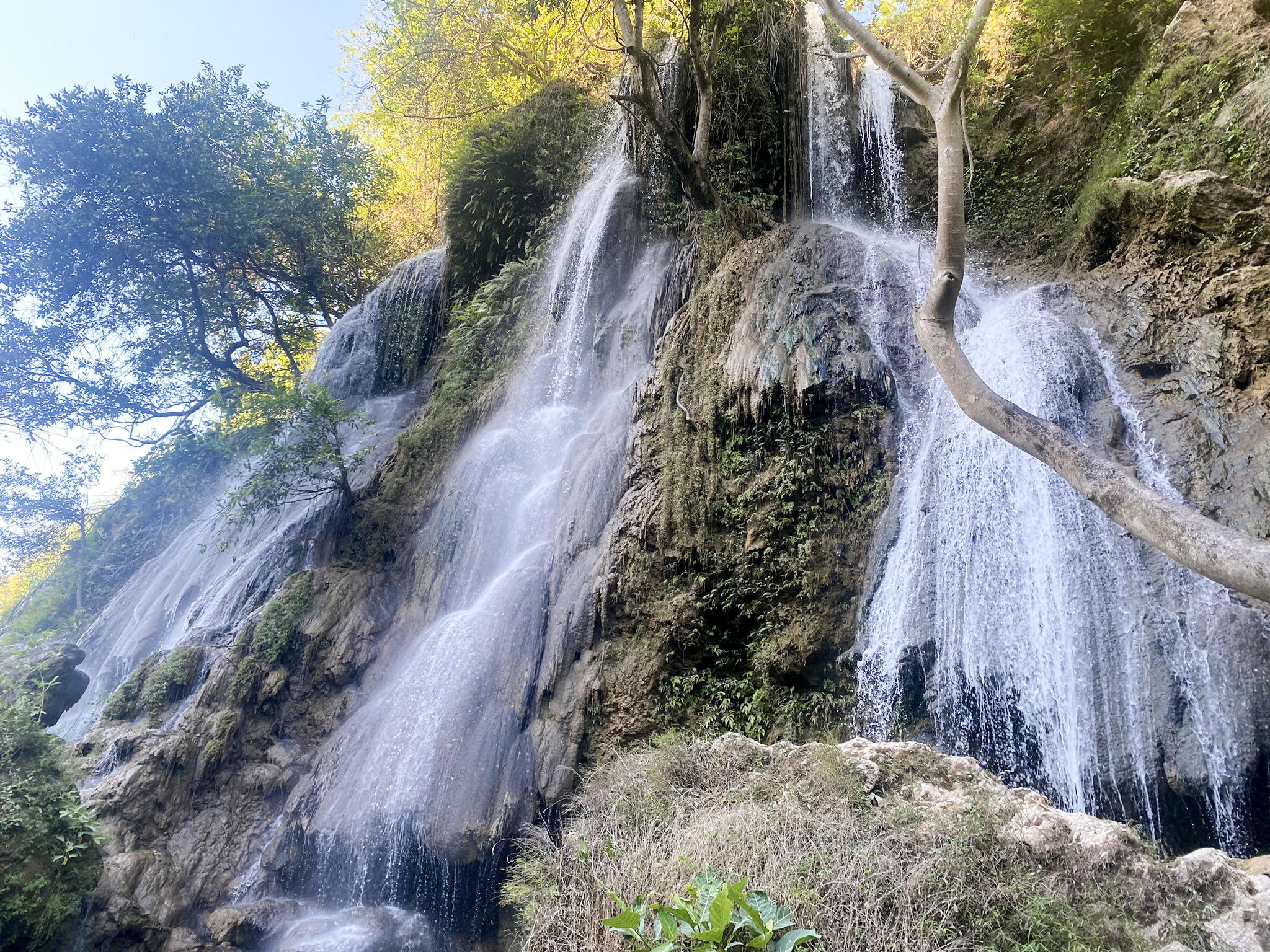
But it’s not (just) about the land, the emerald rice paddies, the tall sugar palms, the volcanoes, nor about its extremely rich history, astonishing temples, intricate architecture, dreamy music, poetry … or even the amazing kites.
No. Java is so close to a paradise because of its angelic people.

And these angelic people were hell-bent to show our unsuspecting travelers everything.
Yogyakarta International Kite Festival is not really organized; it’s more like brought to life by an intrepid team of kiters led by the inimitable Setyo Aji R, the Master. So tired on arrival Viktor and Gregor expected long days of rigorous kite flying, rising early and crashing into beds as soon as the sun goes down, exhausted and happy.

Well, rigorous it was. But not because of all the kites. At all.
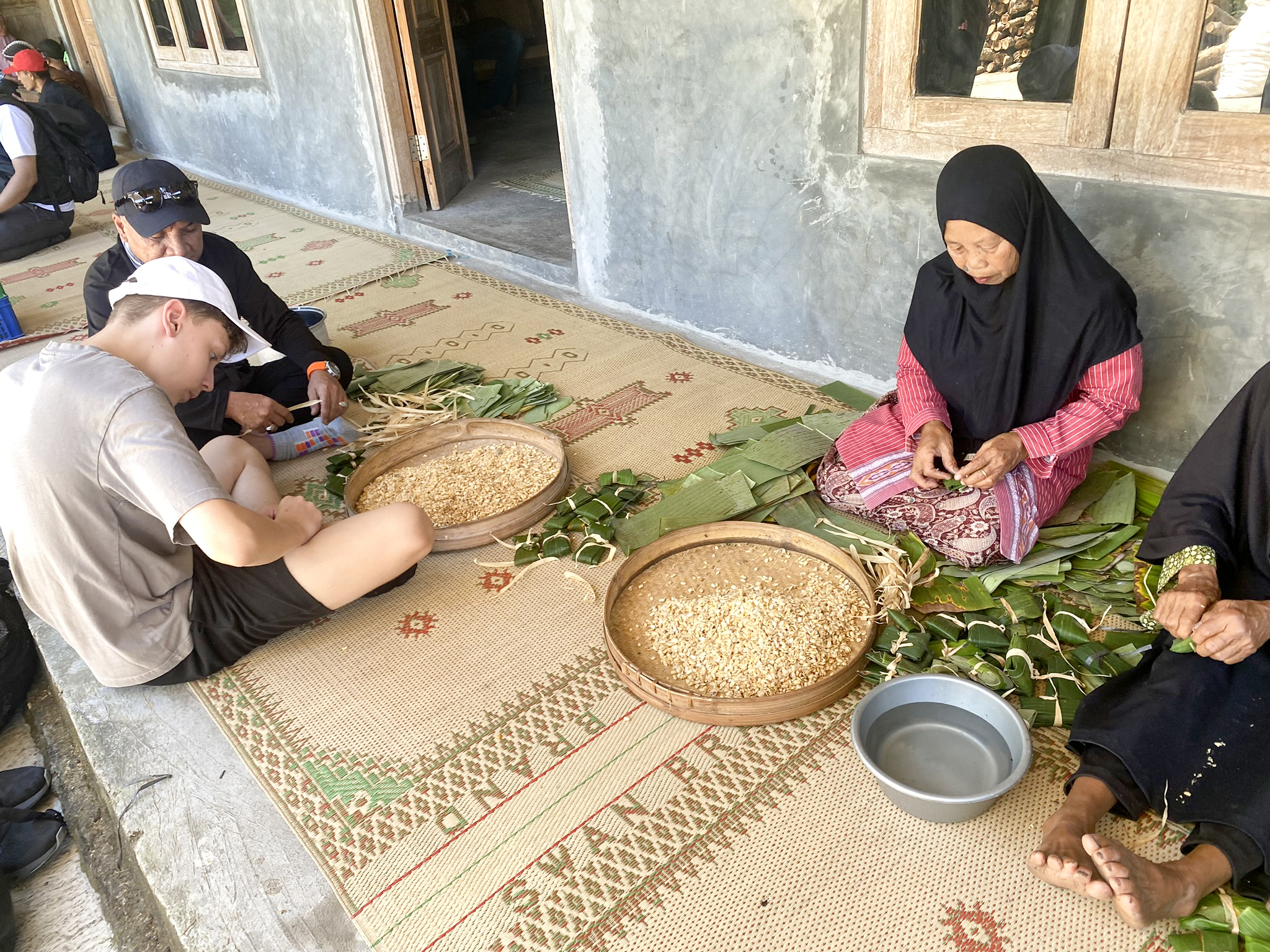
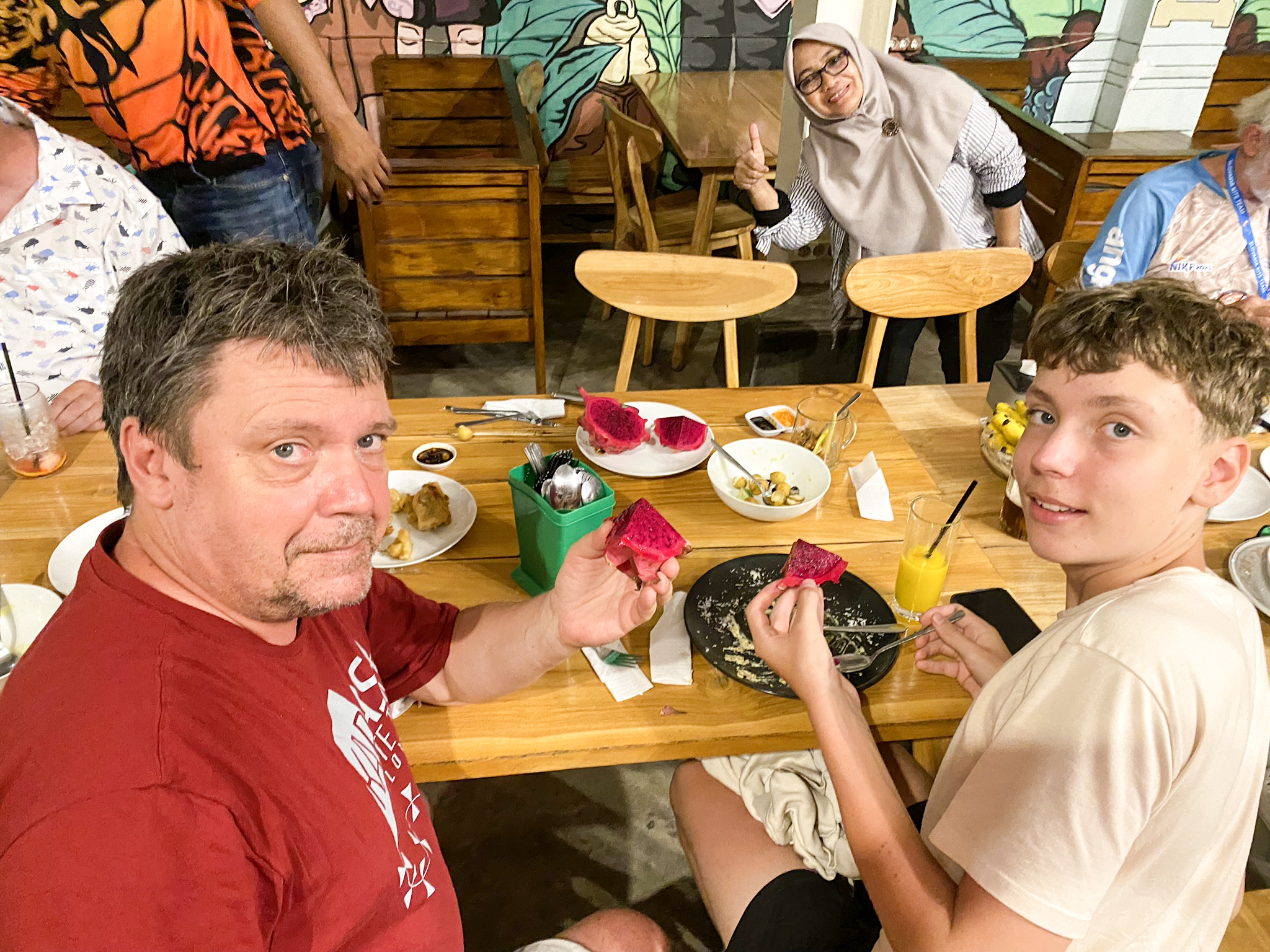
See, the idea that you can’t really enjoy a thing until you know a lot about the thing is deeply ingrained there. Say, tempeh. Tempeh is a typical (and divine) Javanese snack made from fermented soybeans. Marinated in spices and fried it is absolutely sublime; while it is a staple food, and the supermarket varieties can be bland, a homemade tempeh is a pinnacle of what the humble bean of soy can offer. But ..
Can one really appreciate tempeh if one hasn’t made tempeh?
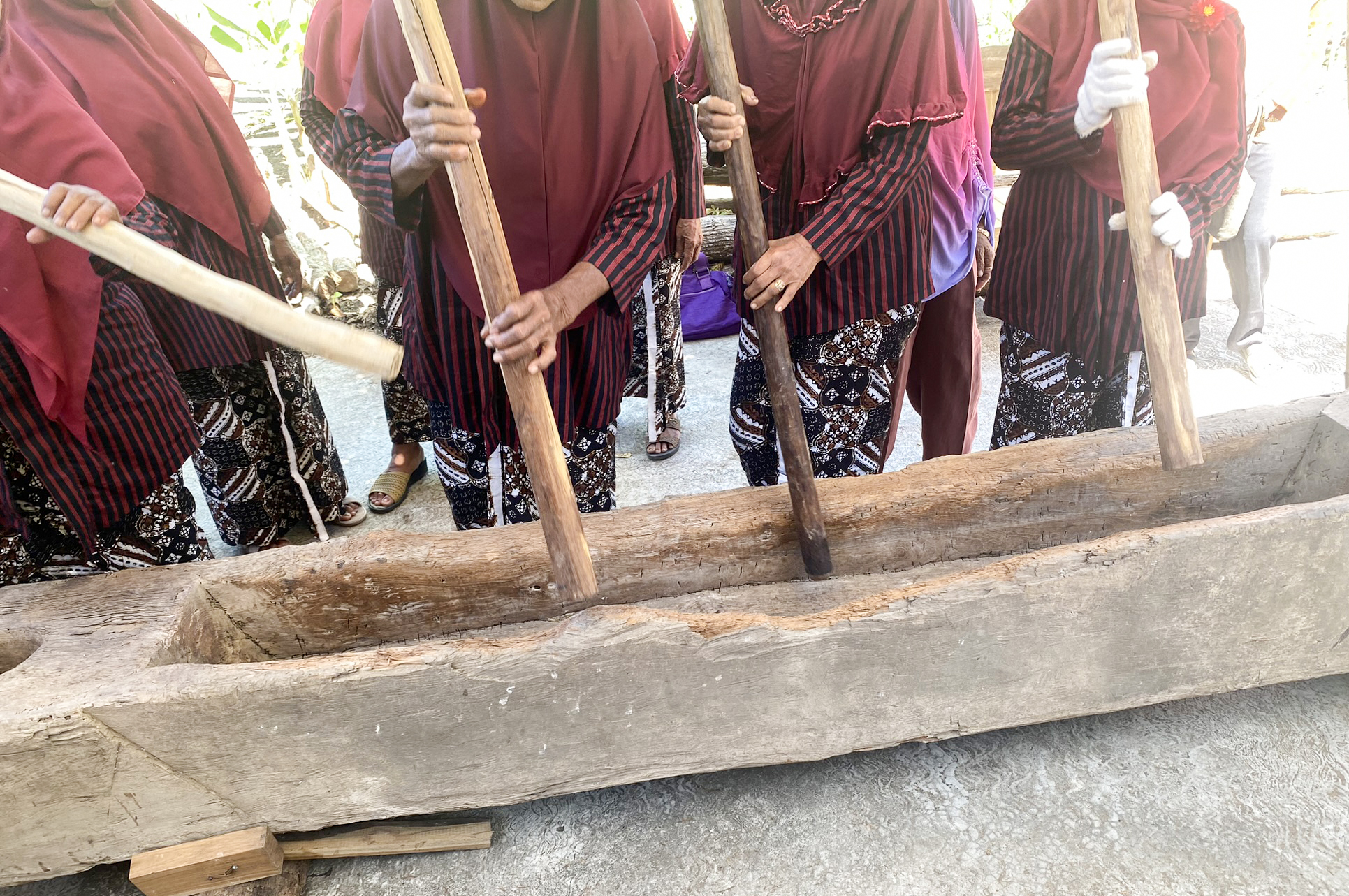
The Jogya guys say no. So they took the kiters to a tempeh factory … to make some tempeh!
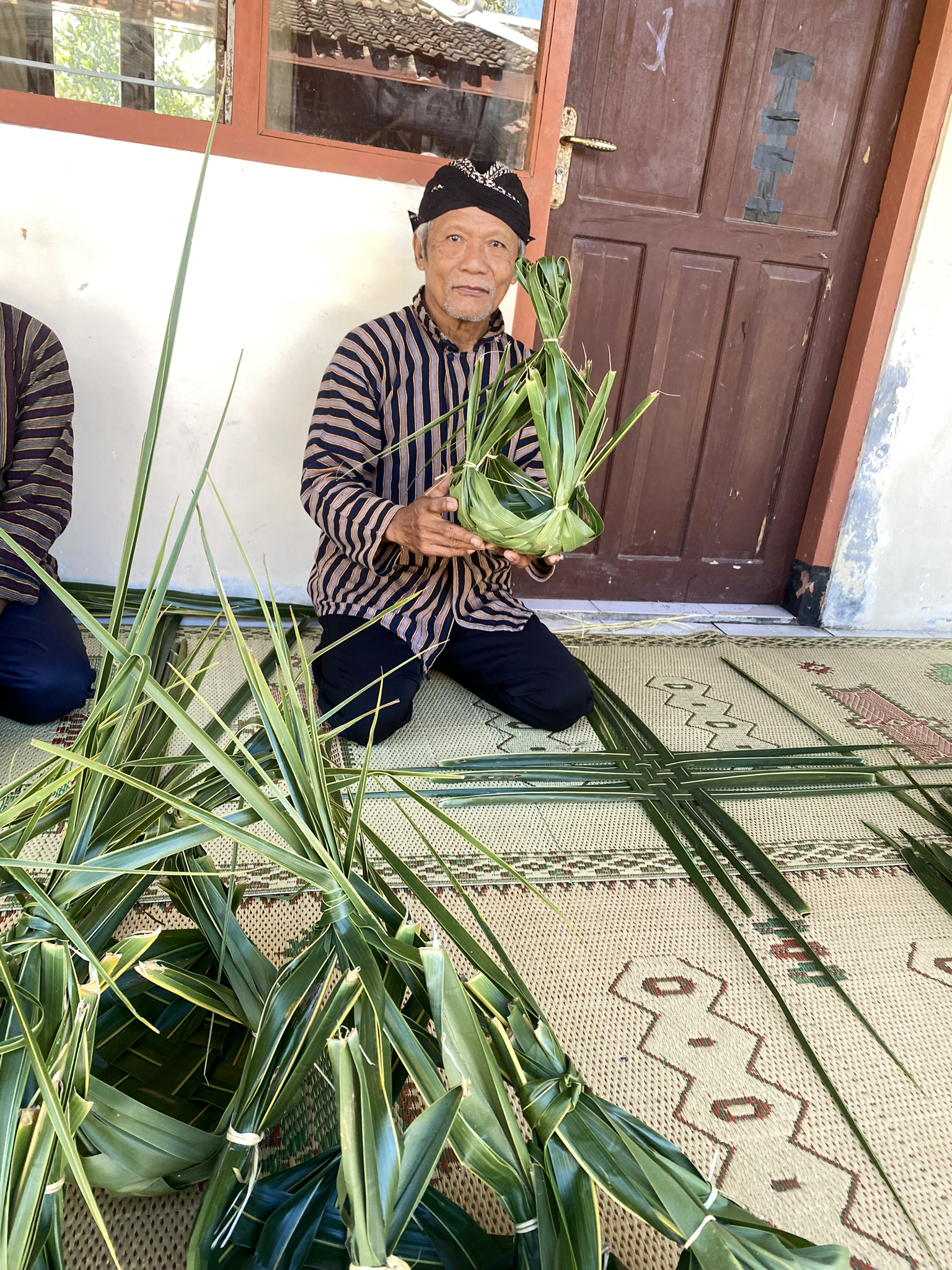

Deeply philosophical Yogyakartans went, of course, further and further with this attitude.
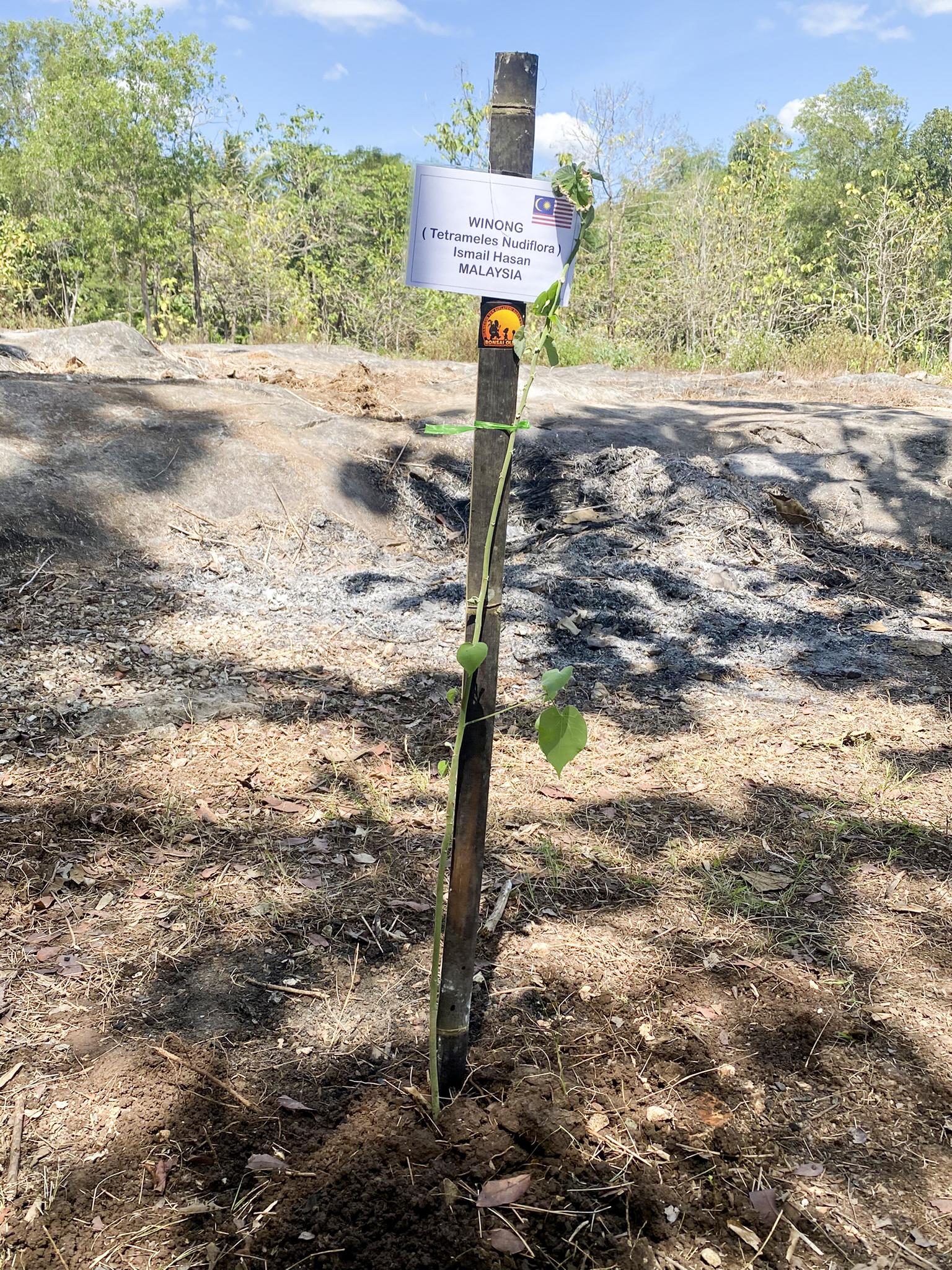
Can one appreciate a shade of a tree if one has never planted a tree?
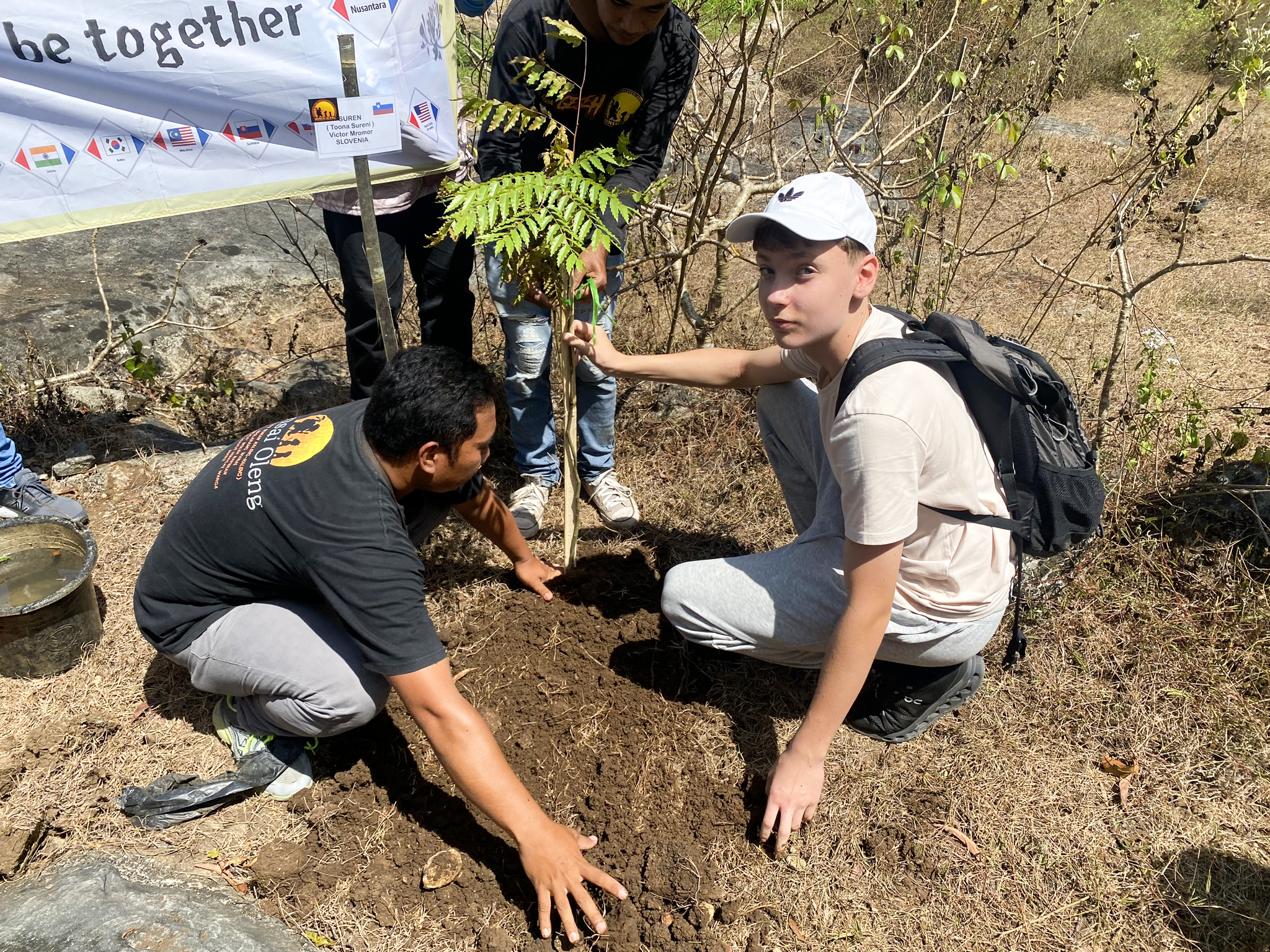
So the kiters planted some trees – for the best time to plant a tree is thirty years ago, and the second best is now.
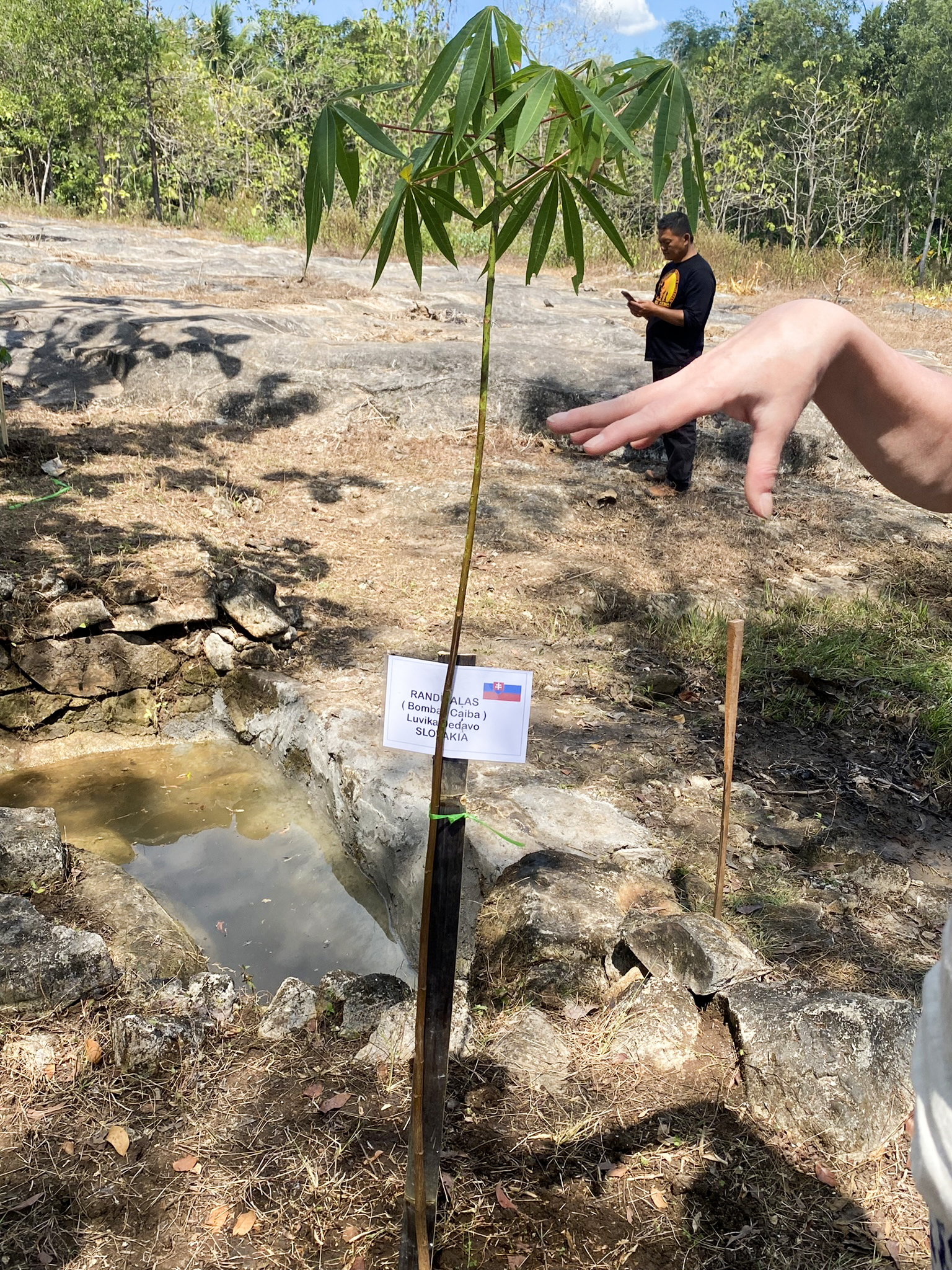
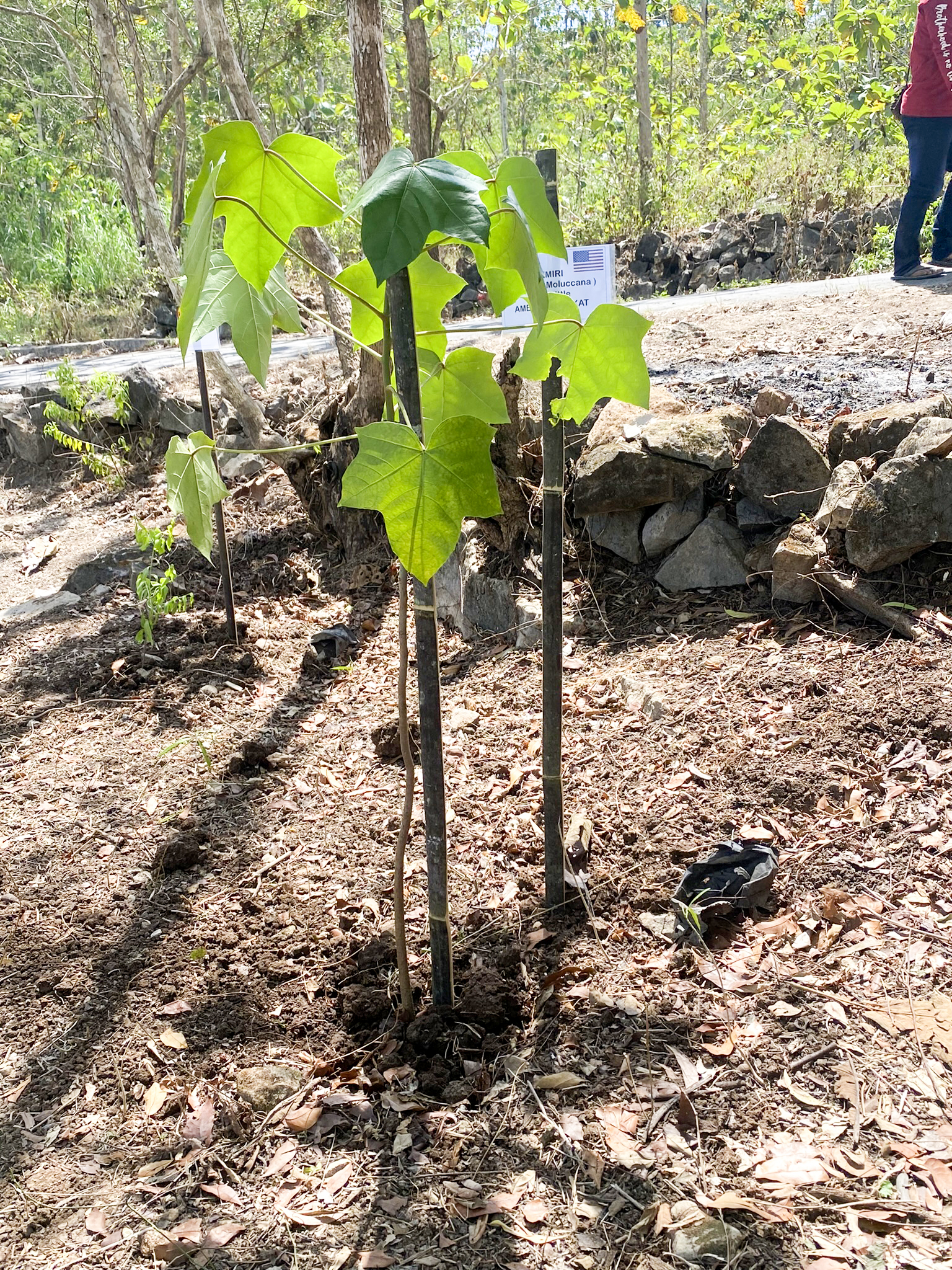
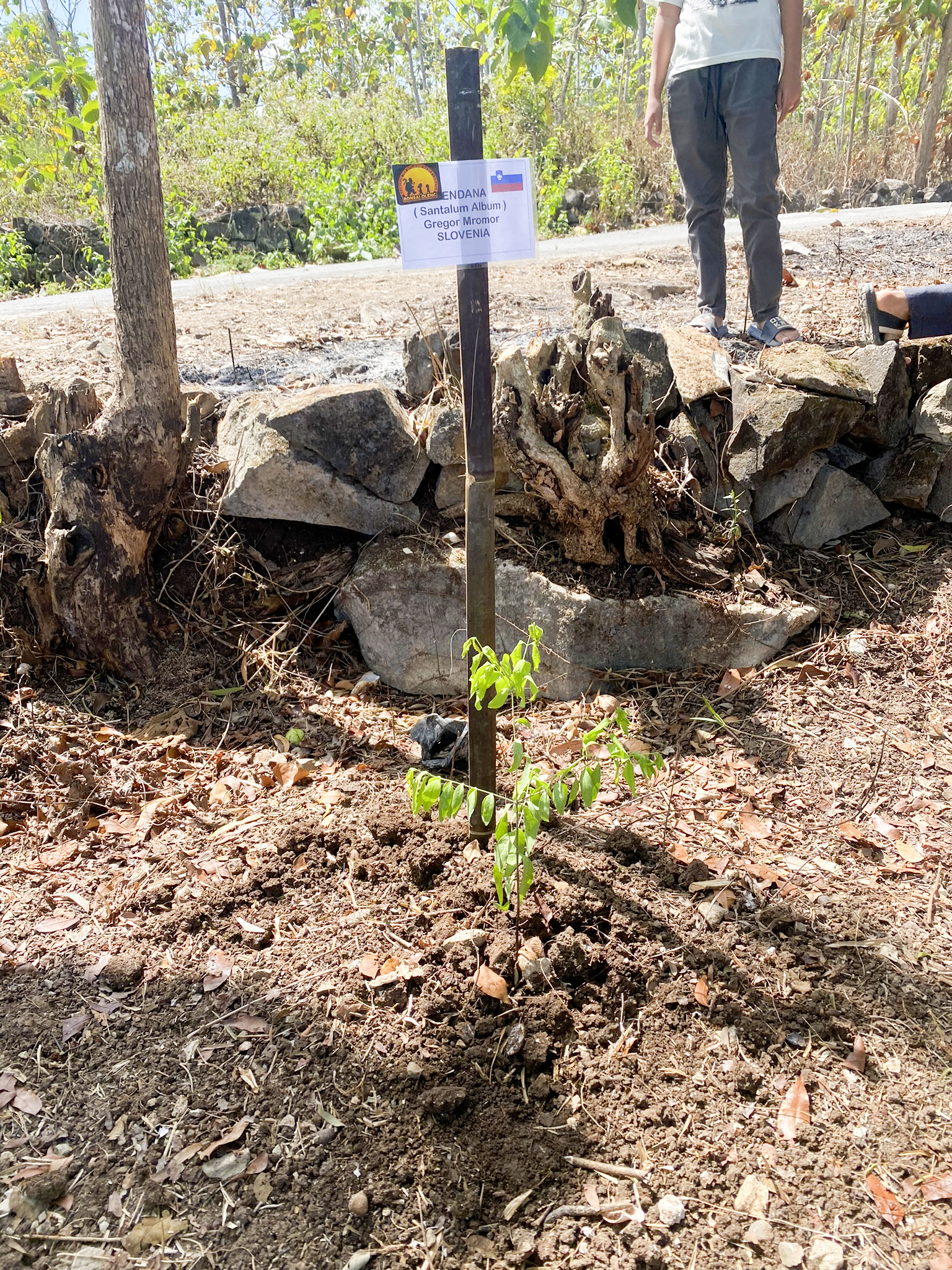
Can one really know how to use a knife without first knowing how to make a knife?
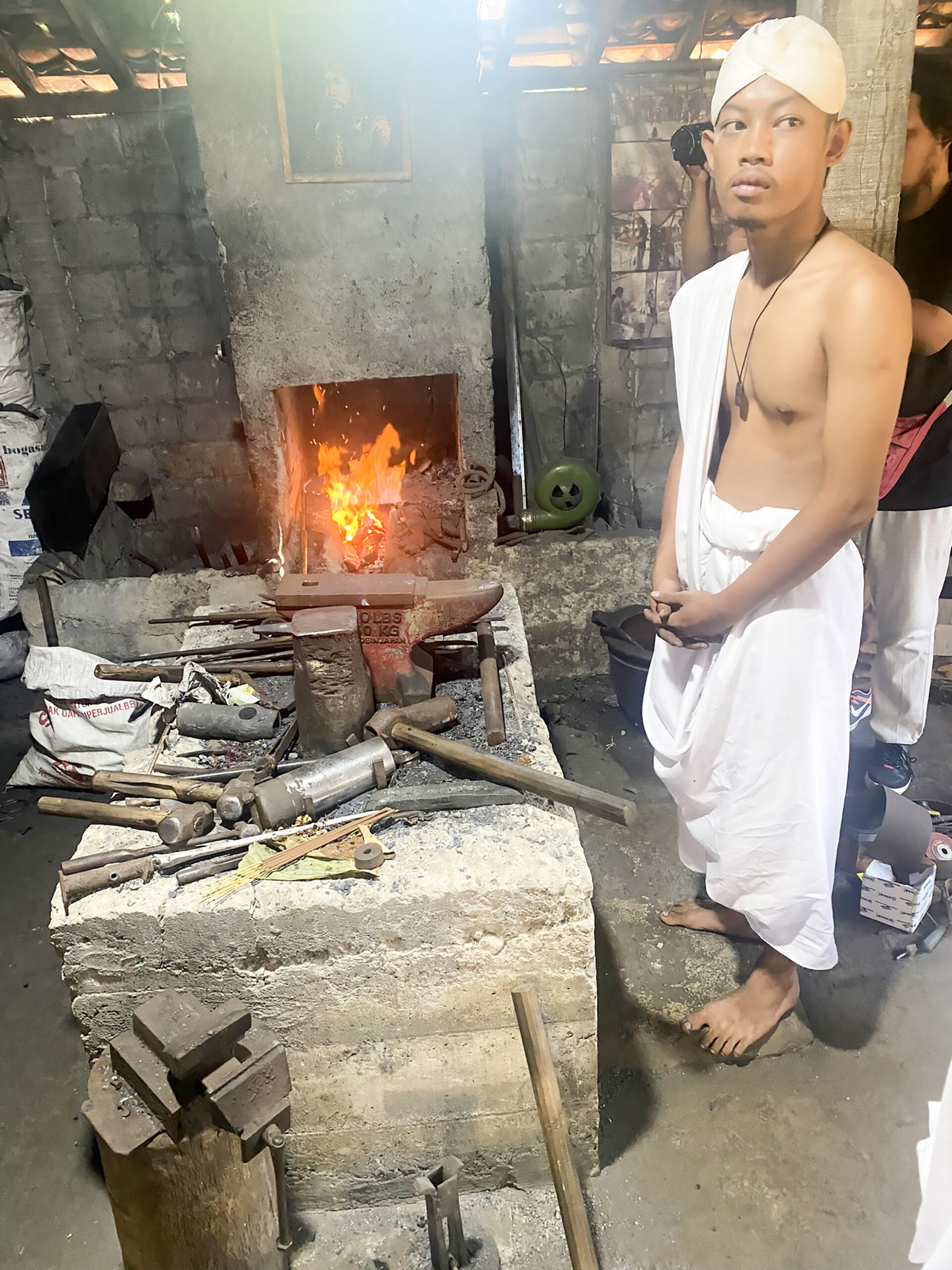
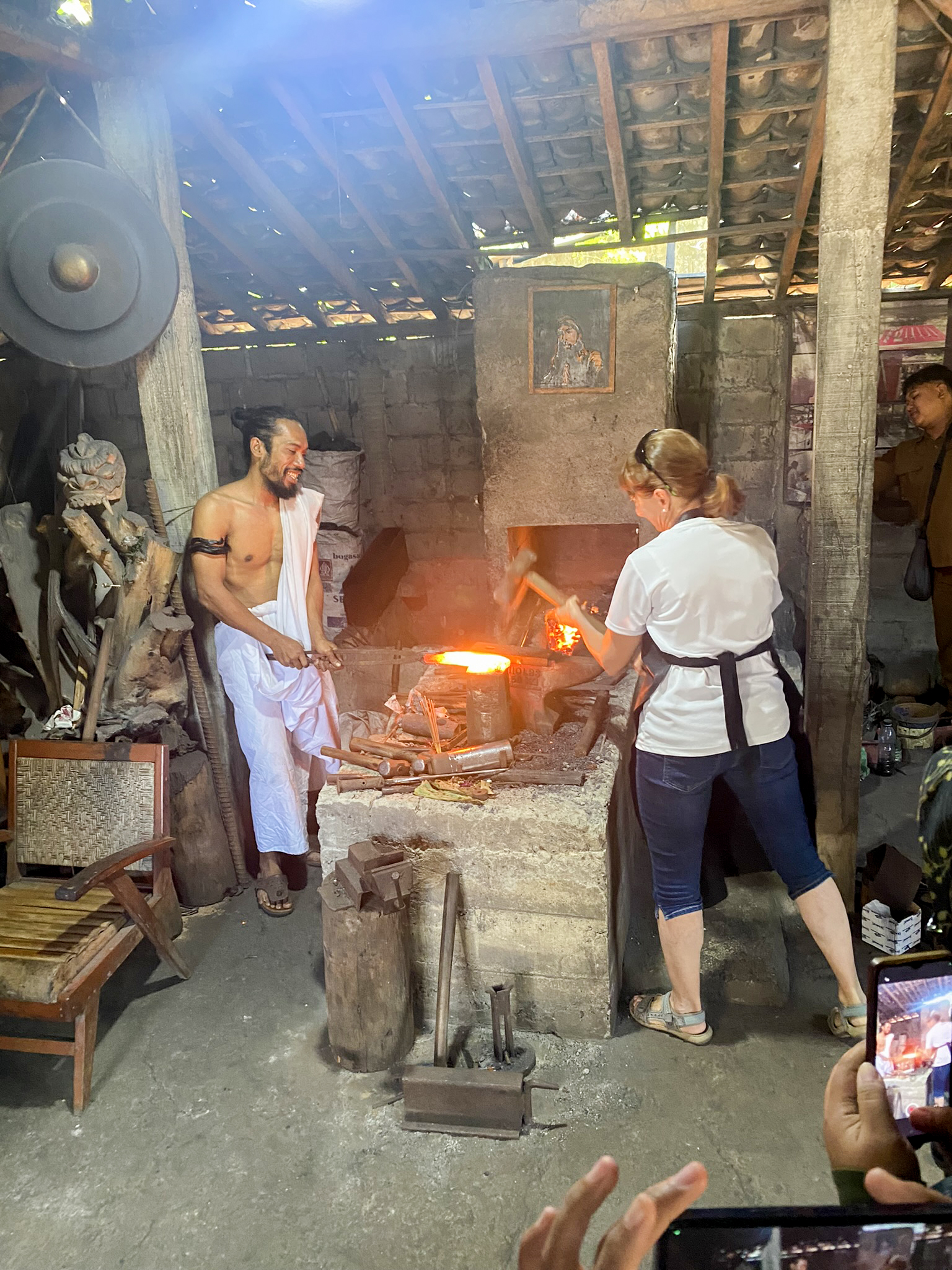
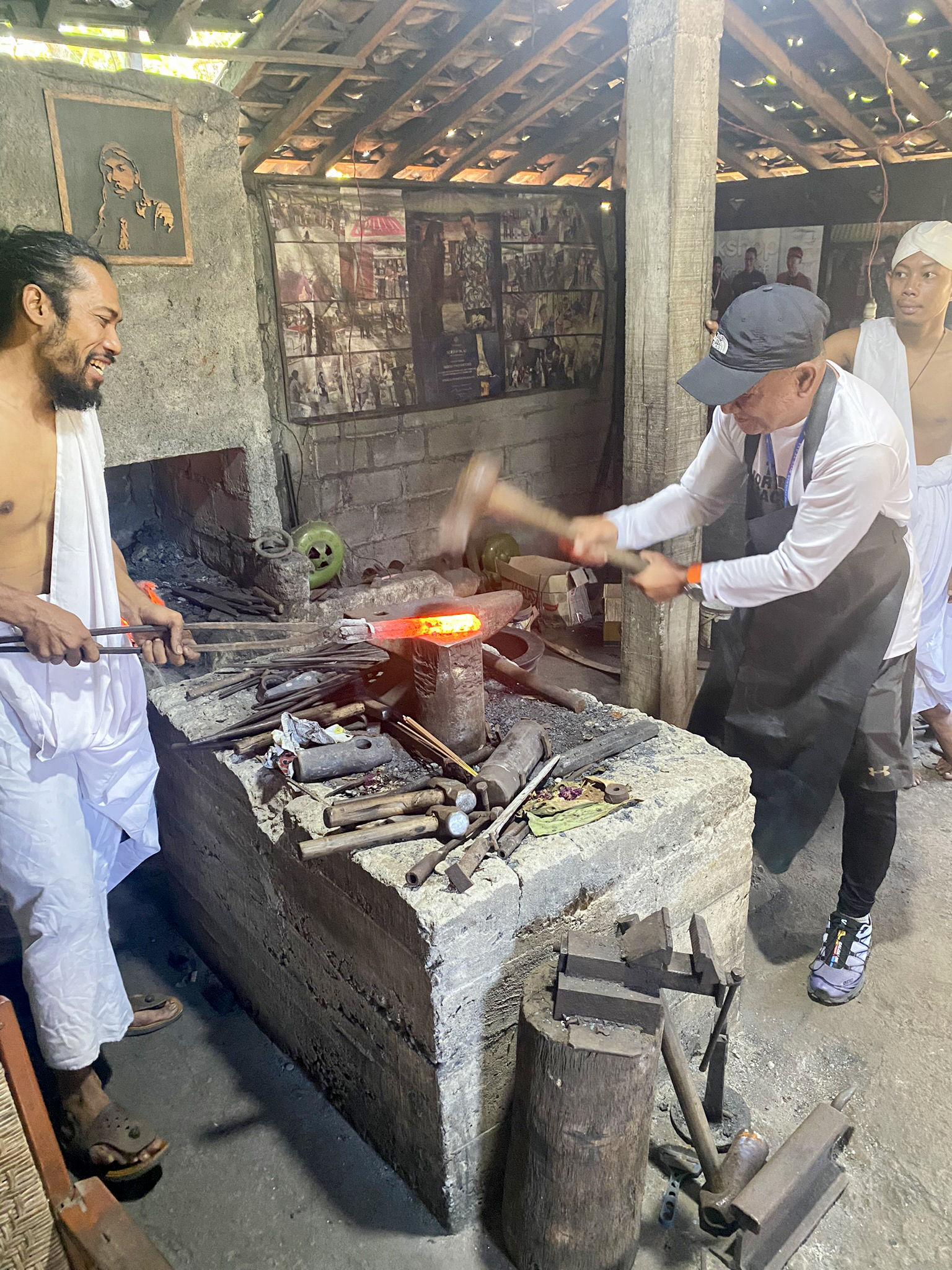
And not just any knife – a kris, the pride of Javanese blacksmiths, the asymmetrical dagger that is now mainly ceremonial, but was very important even not so long ago …

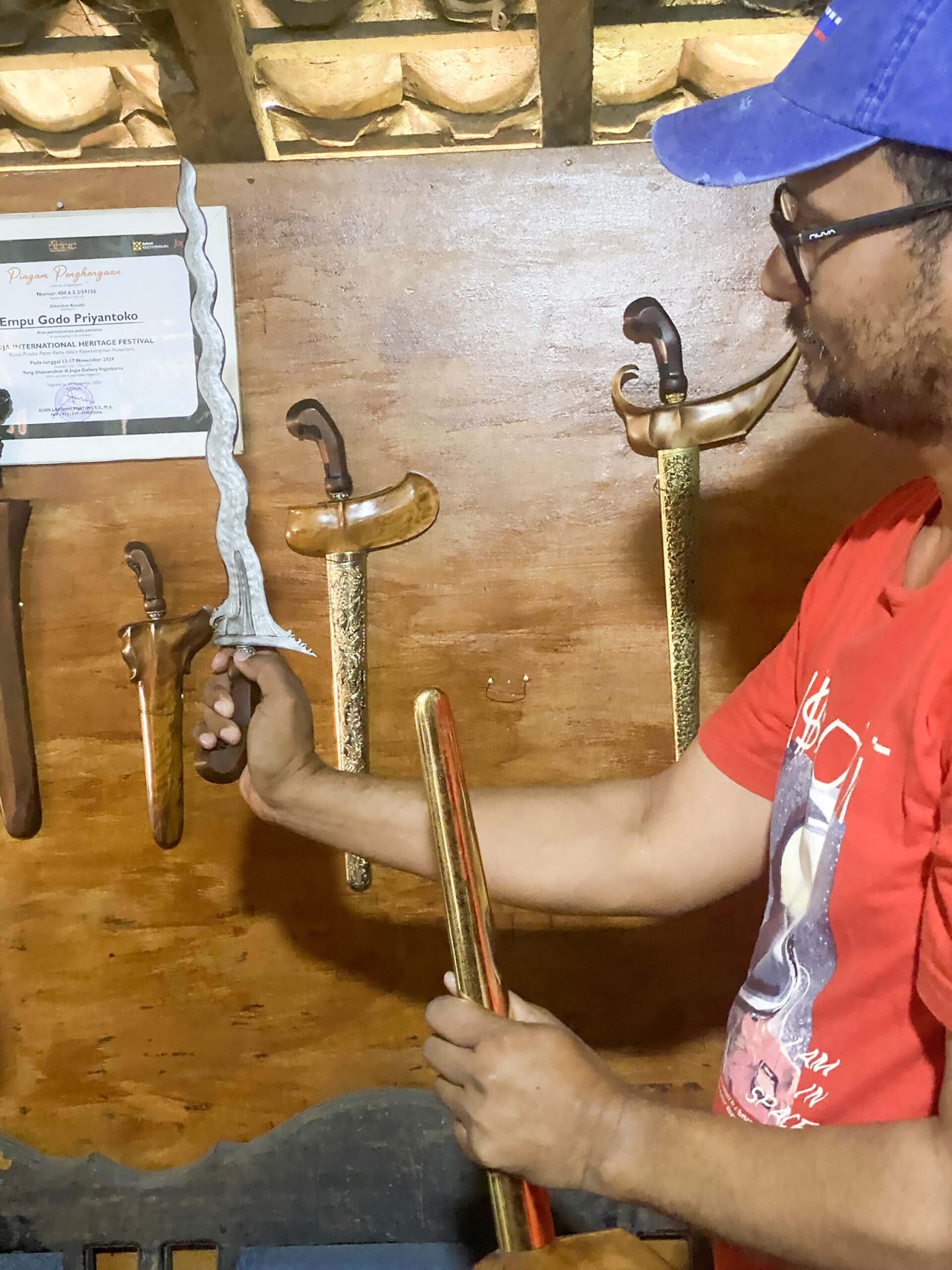
OK, using a kris is a bit much to expect of kiters; the venerable blade was used in combat, for self defence, in rituals and for executions (which are rare in today’s kite culture, even if the transgressor haplessly tangles the line, or (gods forbid!) uses the fabric scissors to cut paper) – but still they pounded on the glowing metal as if possessed.

Count the luks, the curves of the blade – and you shall see their number is even, as it must be.
Can one appreciate life if one has never helped life to flourish?
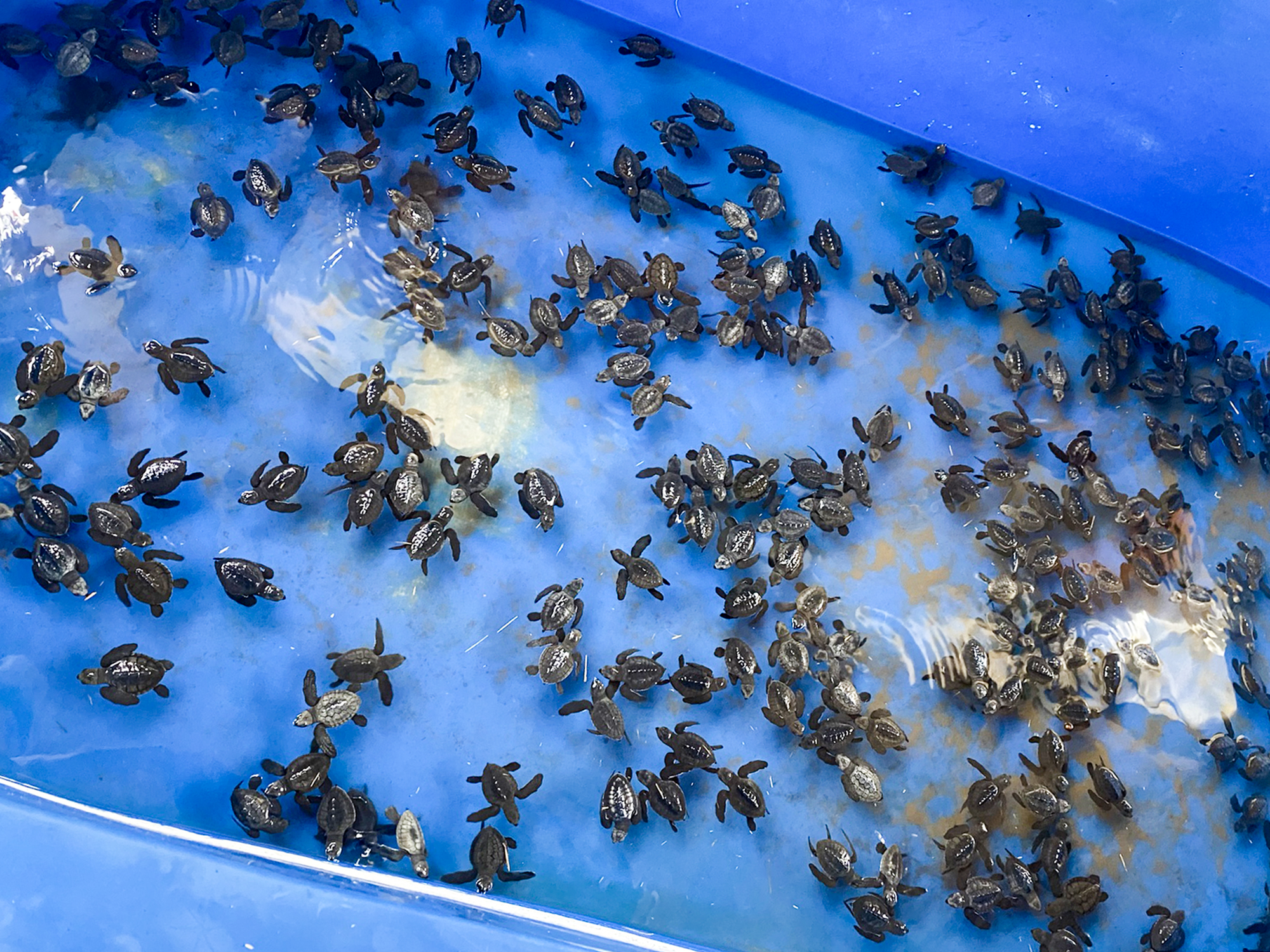
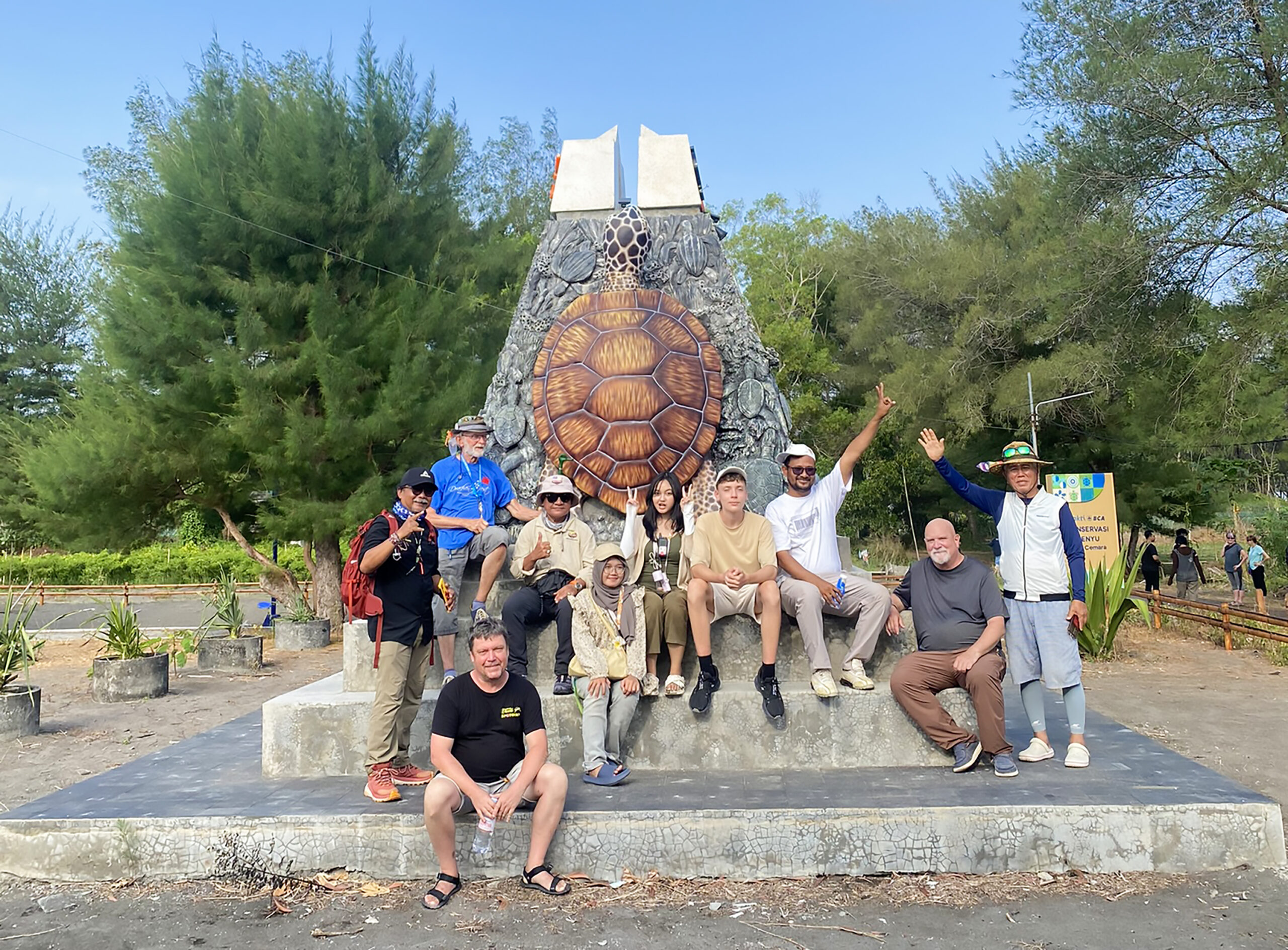
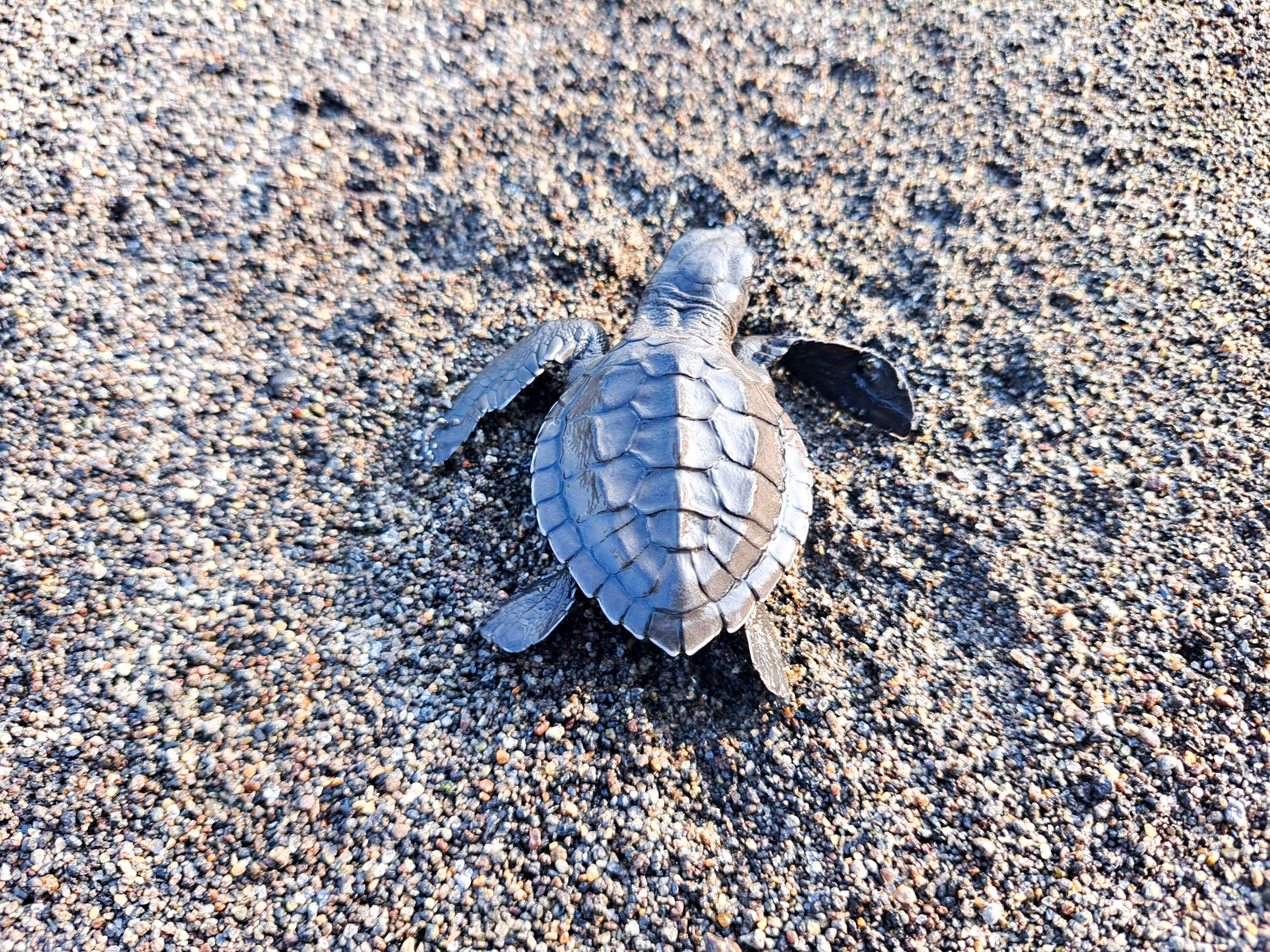
These little miracles are alive courtesy of Kelompok Konservasi Penyu Mino Raharjo, a turtle conservation centre at Goa Cemara beach … and the kiters were happy to help them in their most vulnerable moment in life.
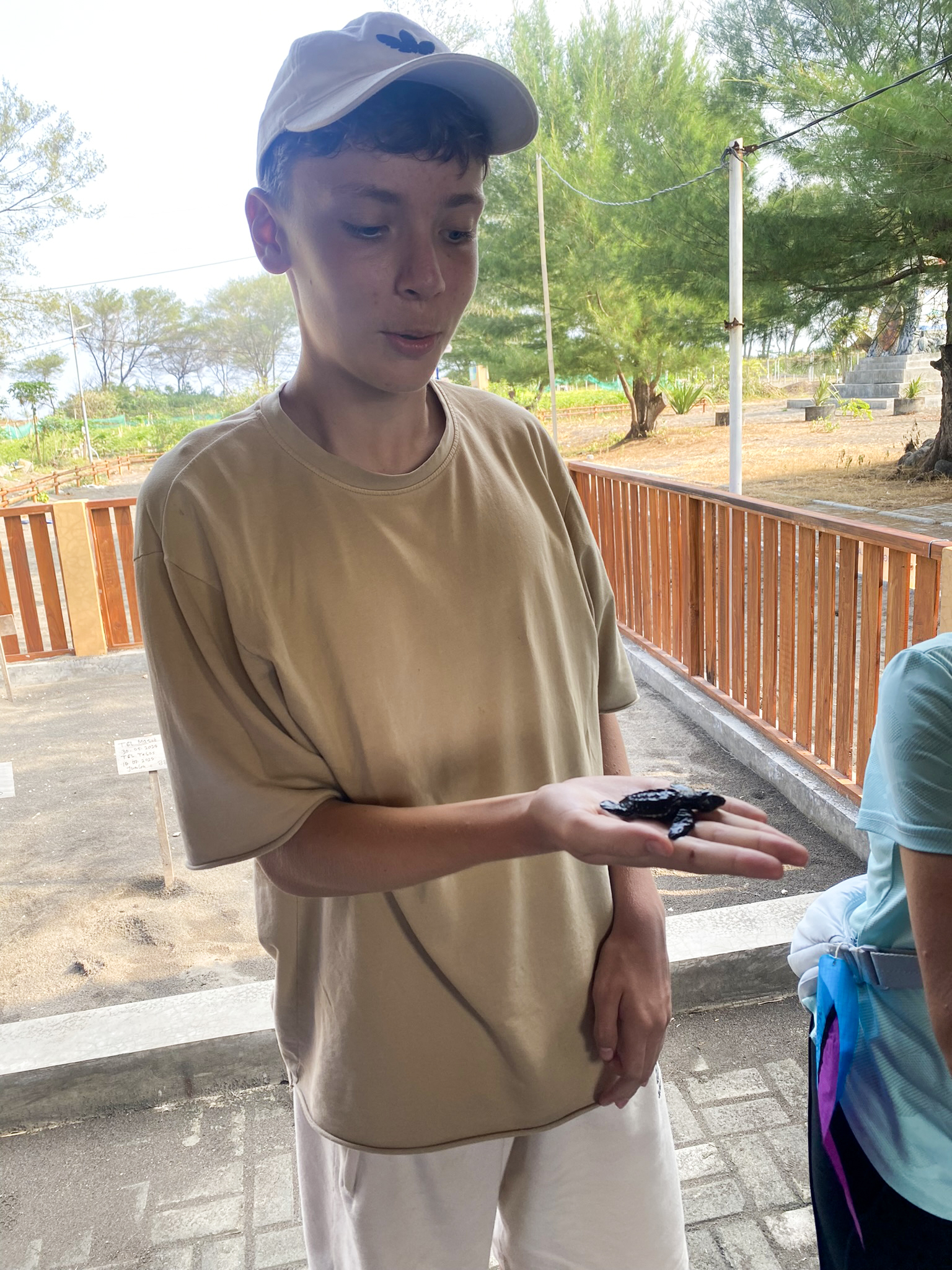

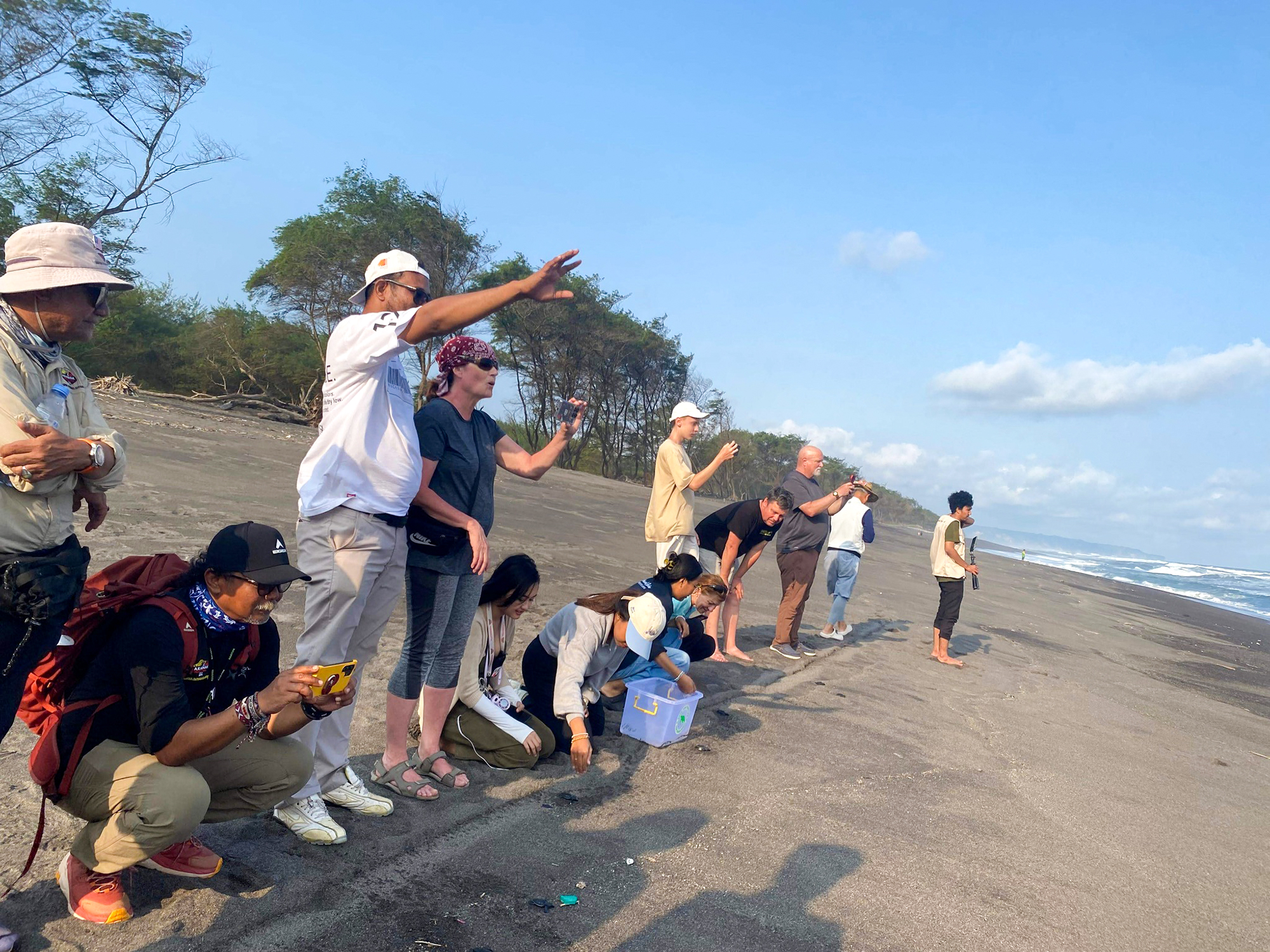
Run, little guy, to the sea and beyond!
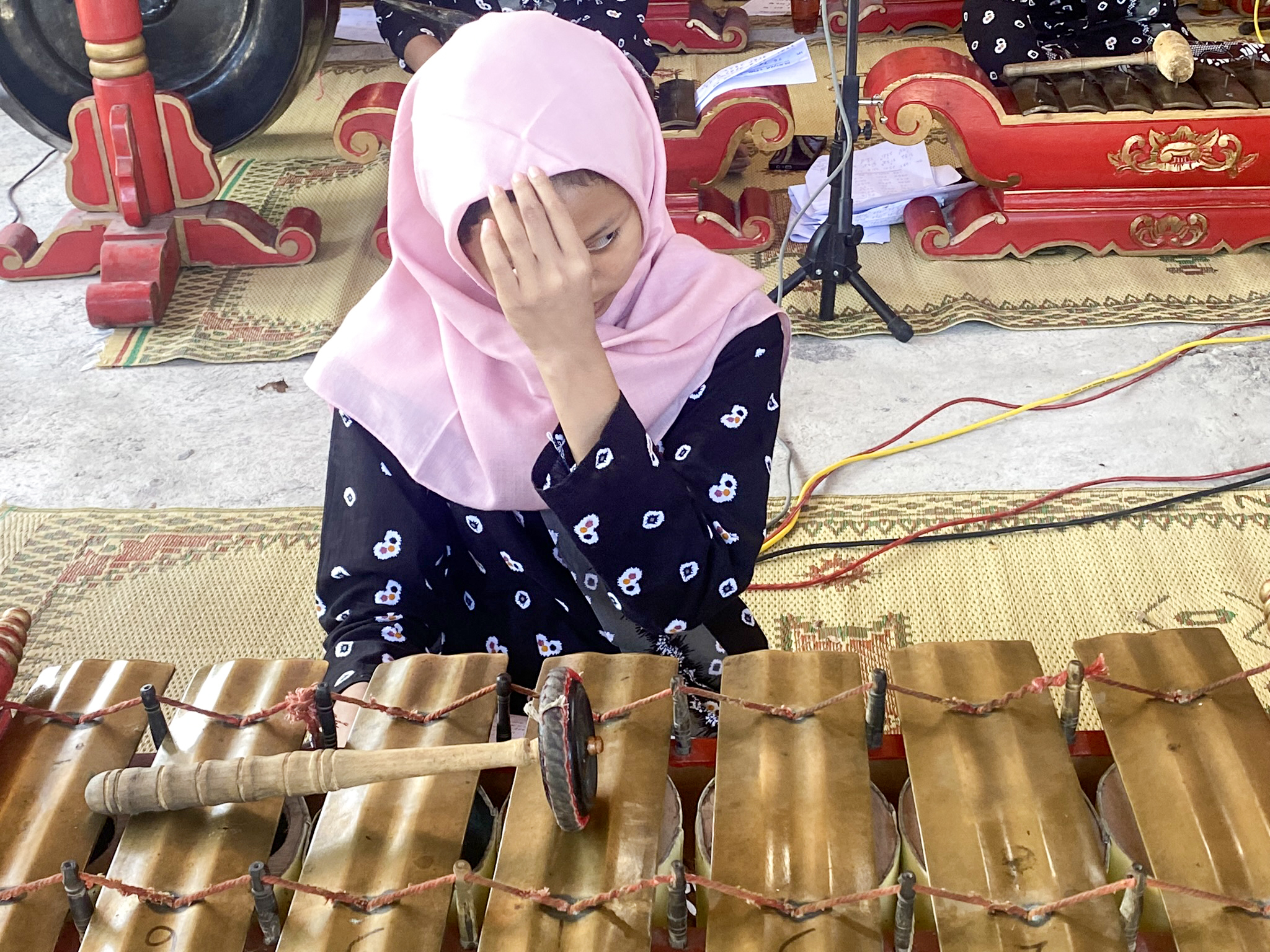
And thus the expected kite festival turned out to be a journey; a ritual of creating, for to create is to understand. Making music, making food, making tools, making life.
Having fun.
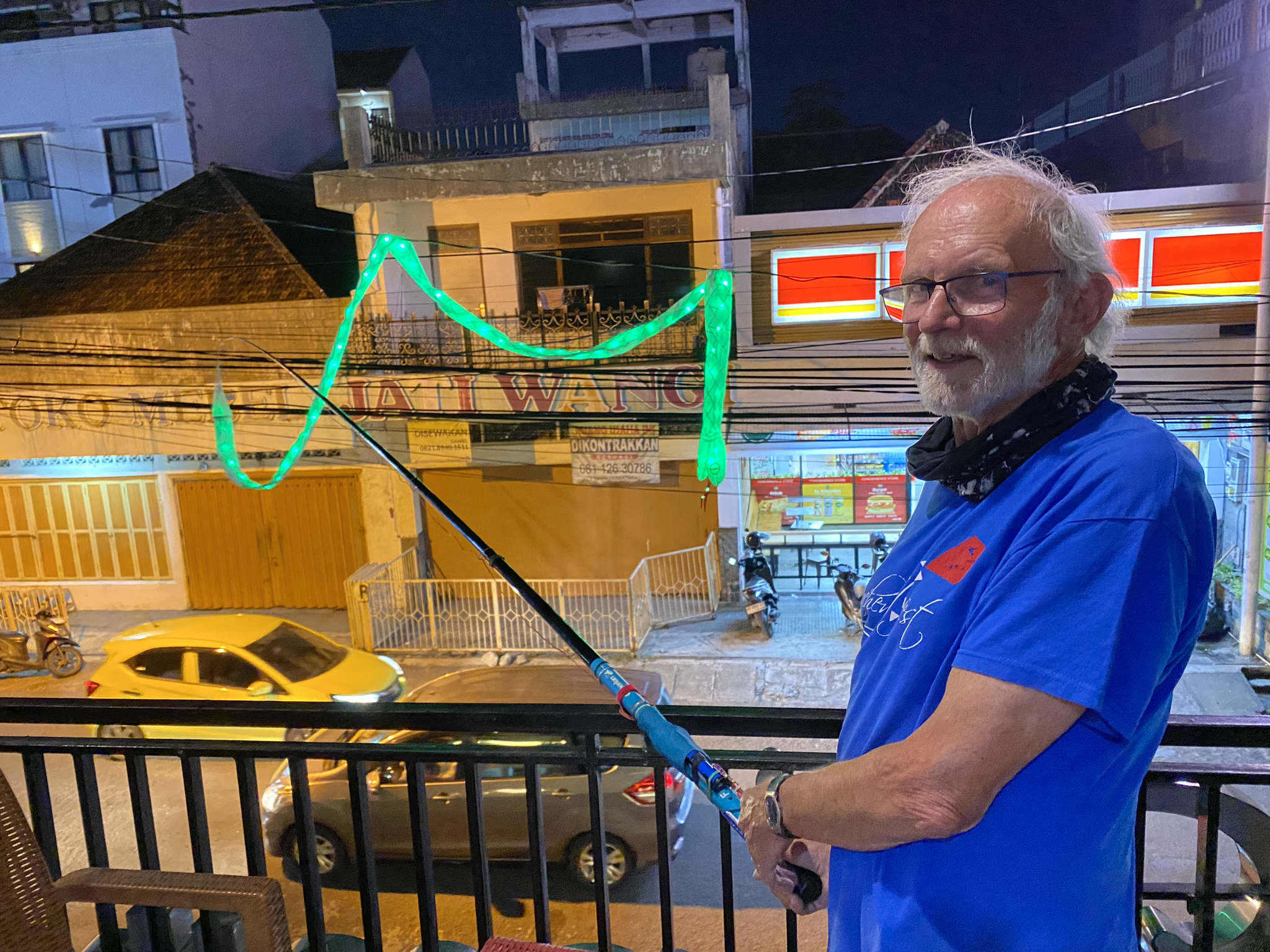
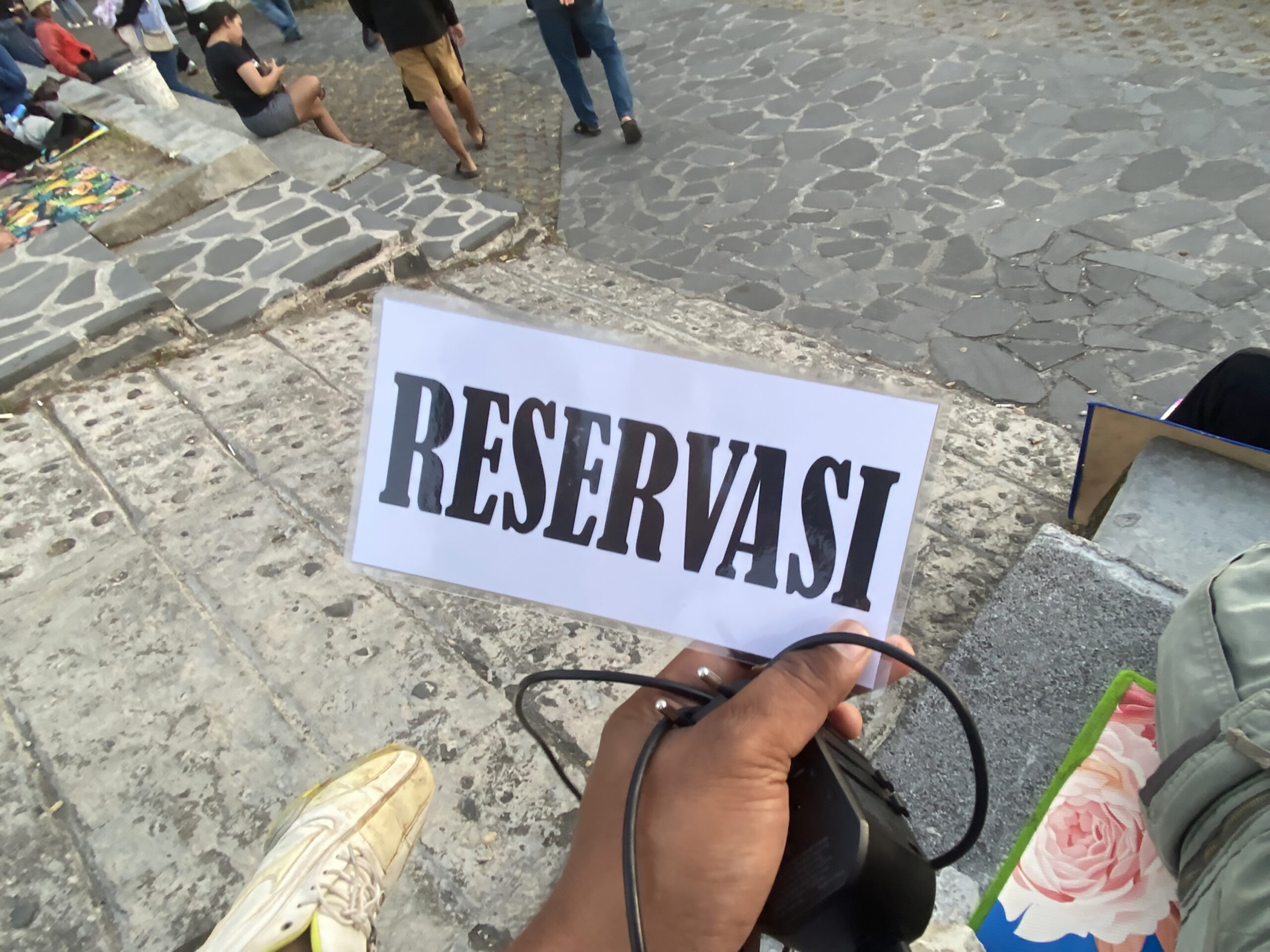
The organizers even reserved the sunset for the illustrious guests!
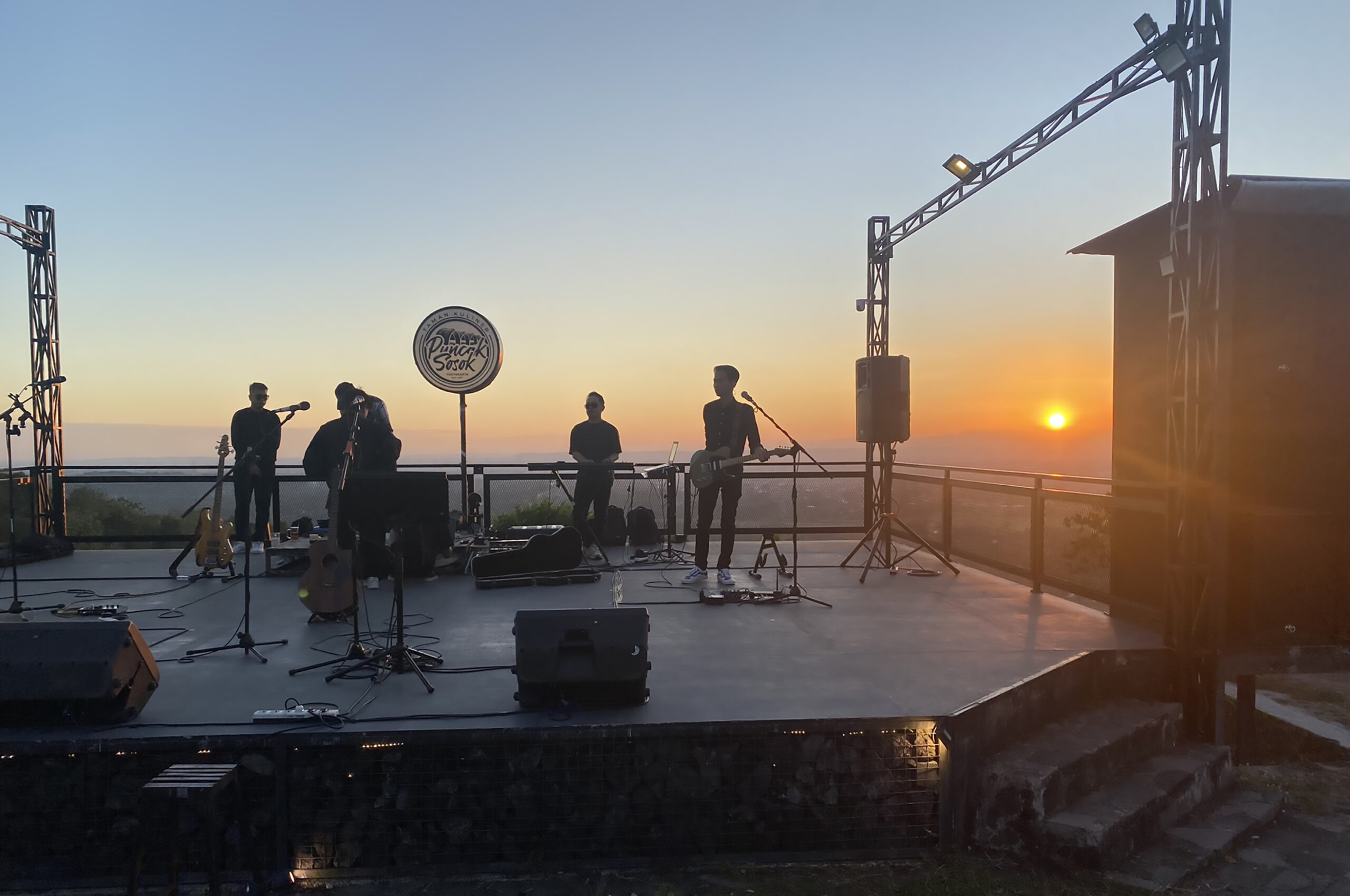
Sure, during the breaks kites did come out, and some relaxed kite flying here and there did happen …
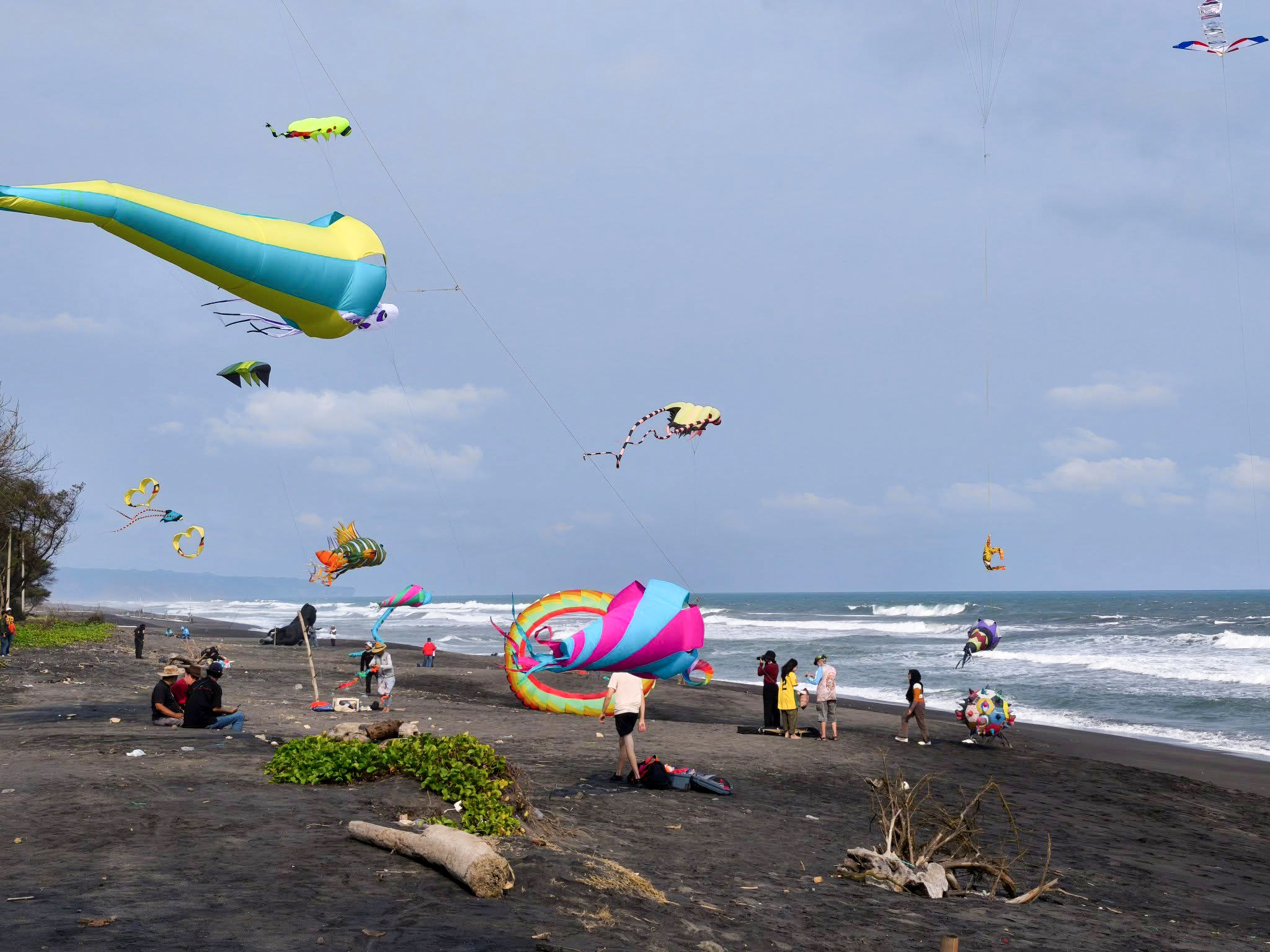
…but the kiters were itching for the true festival.
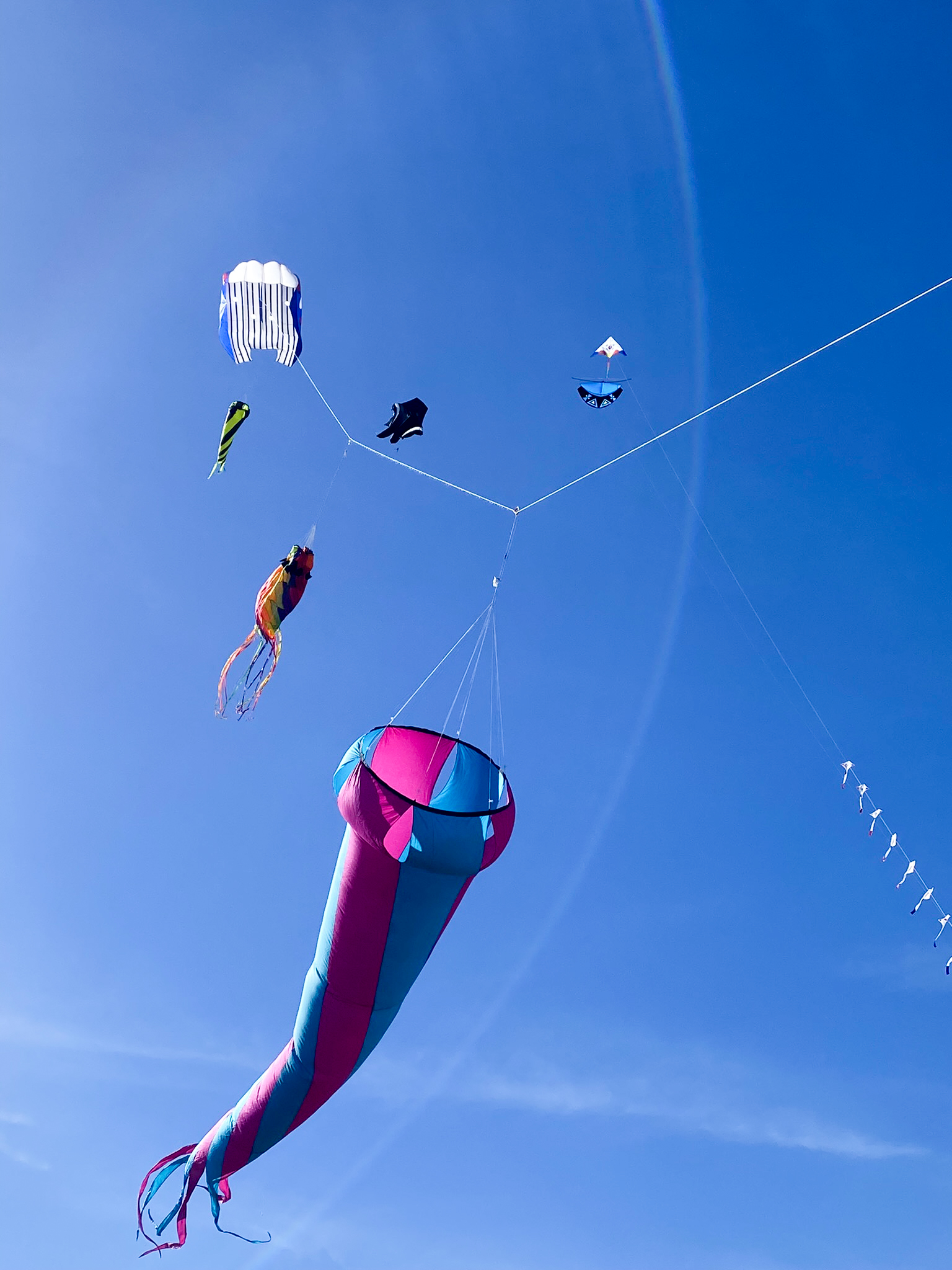

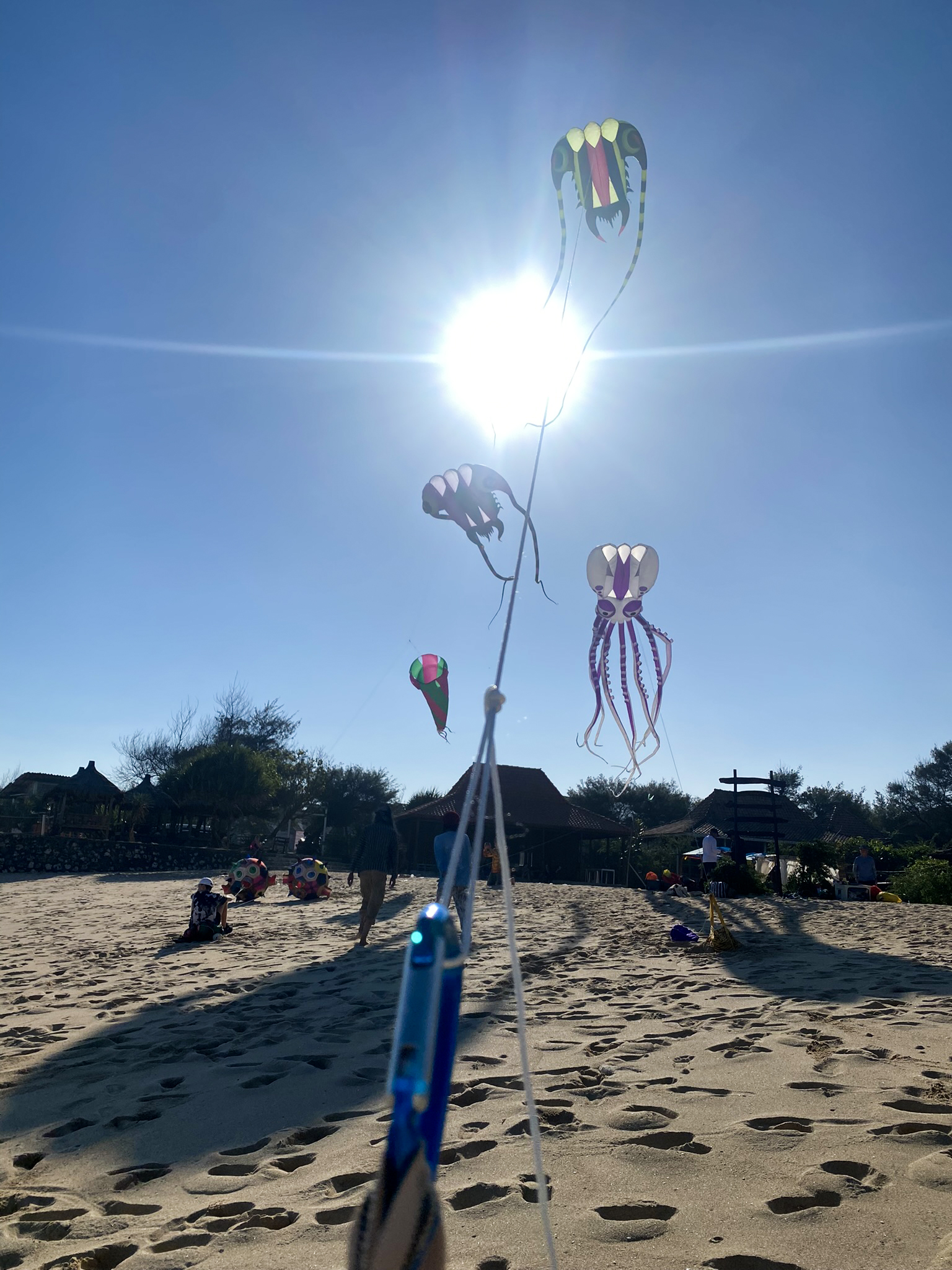
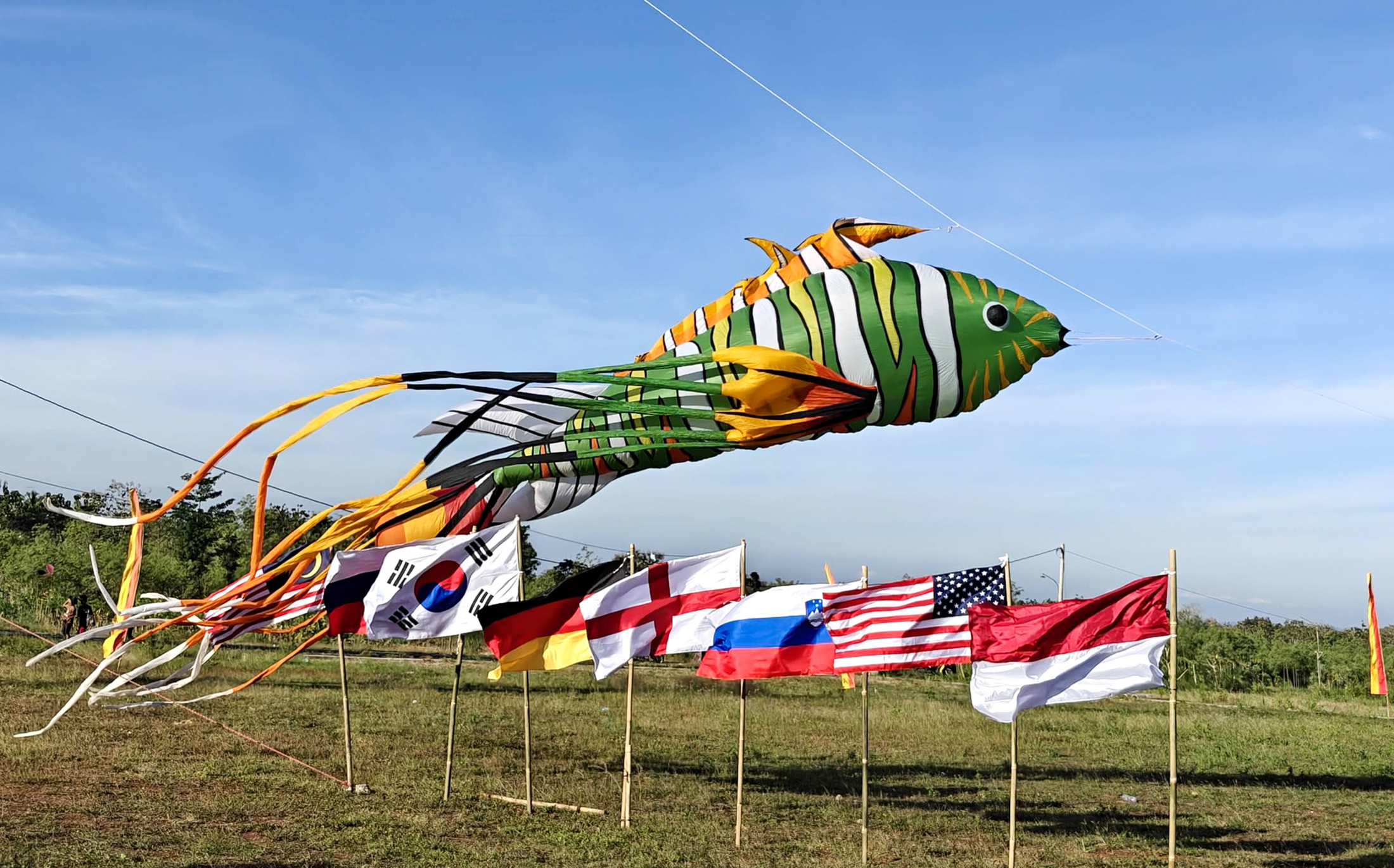
And finally – it was time to fly kites for real.
Or was it?
It wasn’t.
The problem with Yogyakarta and its surroundings is that it’s not just beautiful (the volcano towering over the ancient city, the emerald-green rice terraces, the immaculate beaches …), its history is simply exceptional, and the remains of the past are … well, on par with the Seven Wonders of the World.

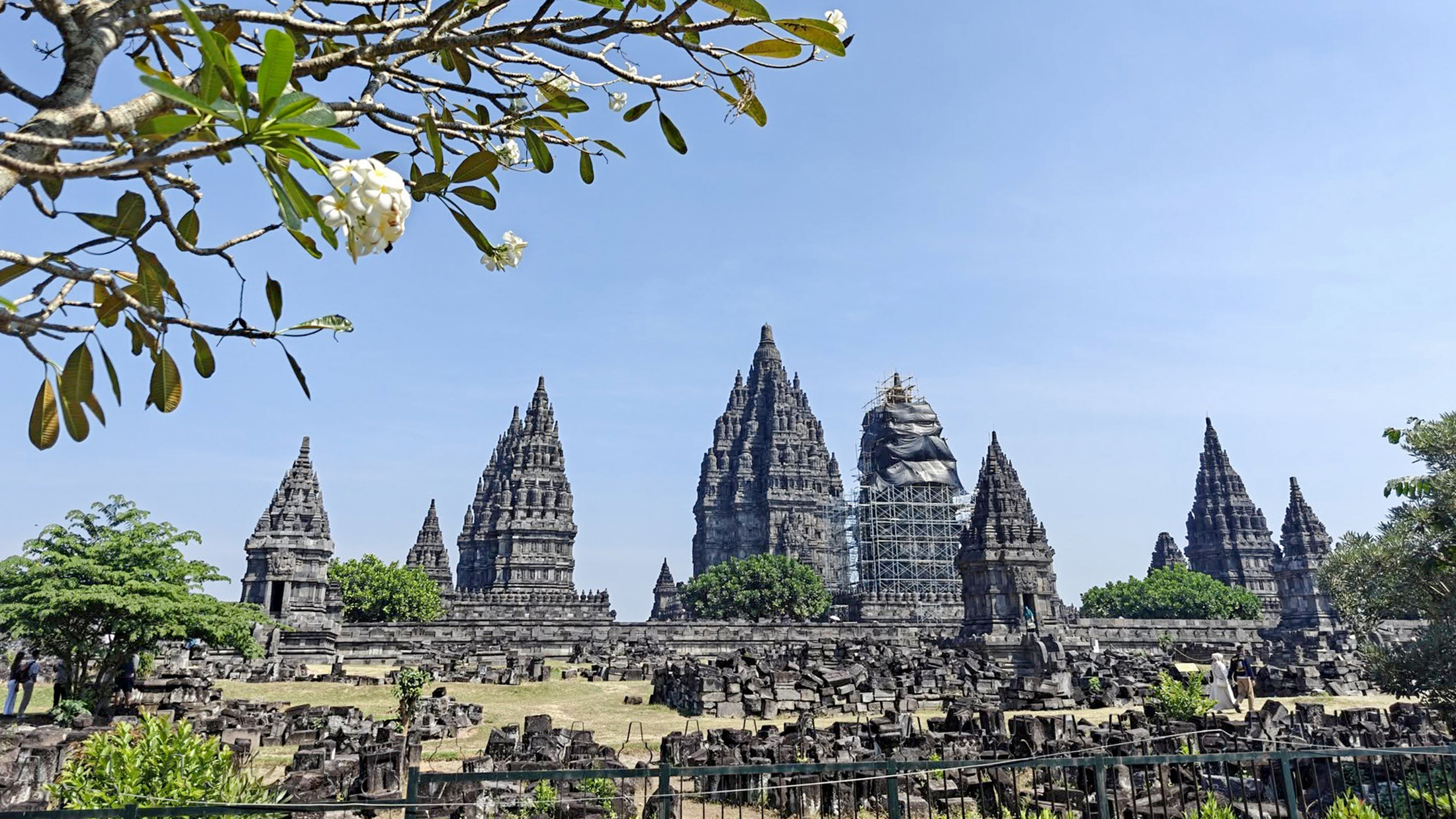
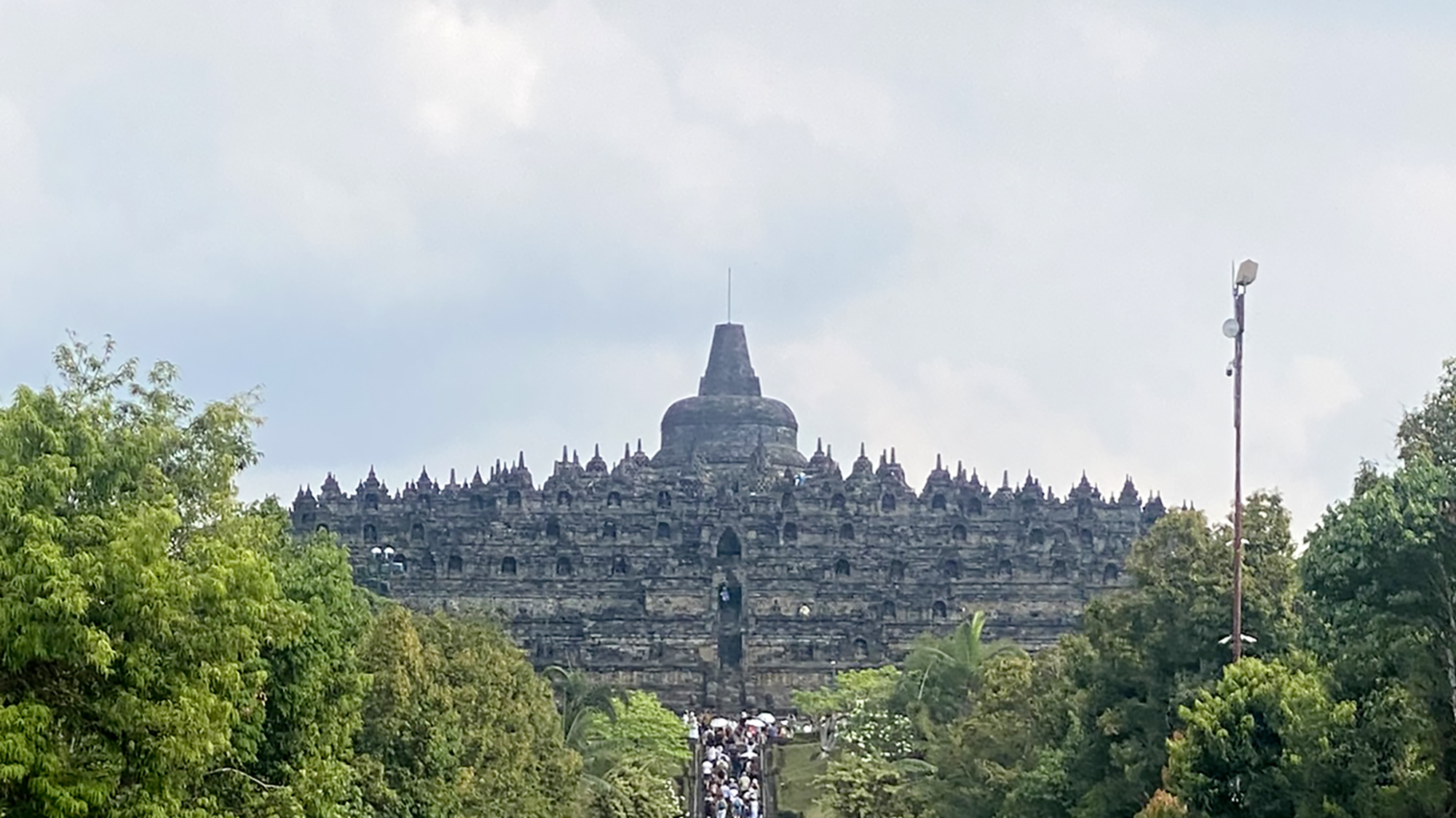
Borobudur and Prambanan. A Buddhist and a Hindu temple, preserved and cared for in what is now a Muslim country.
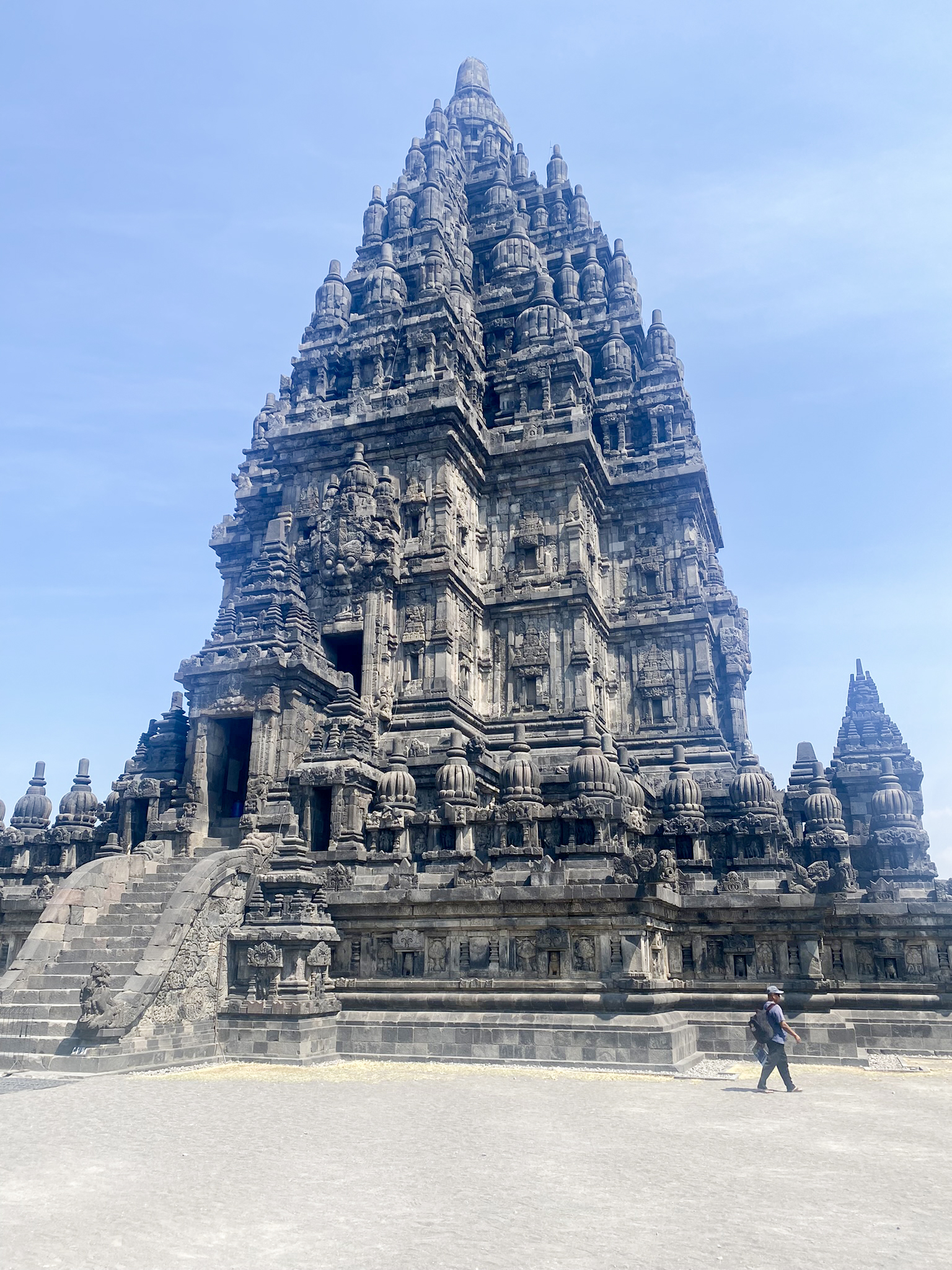
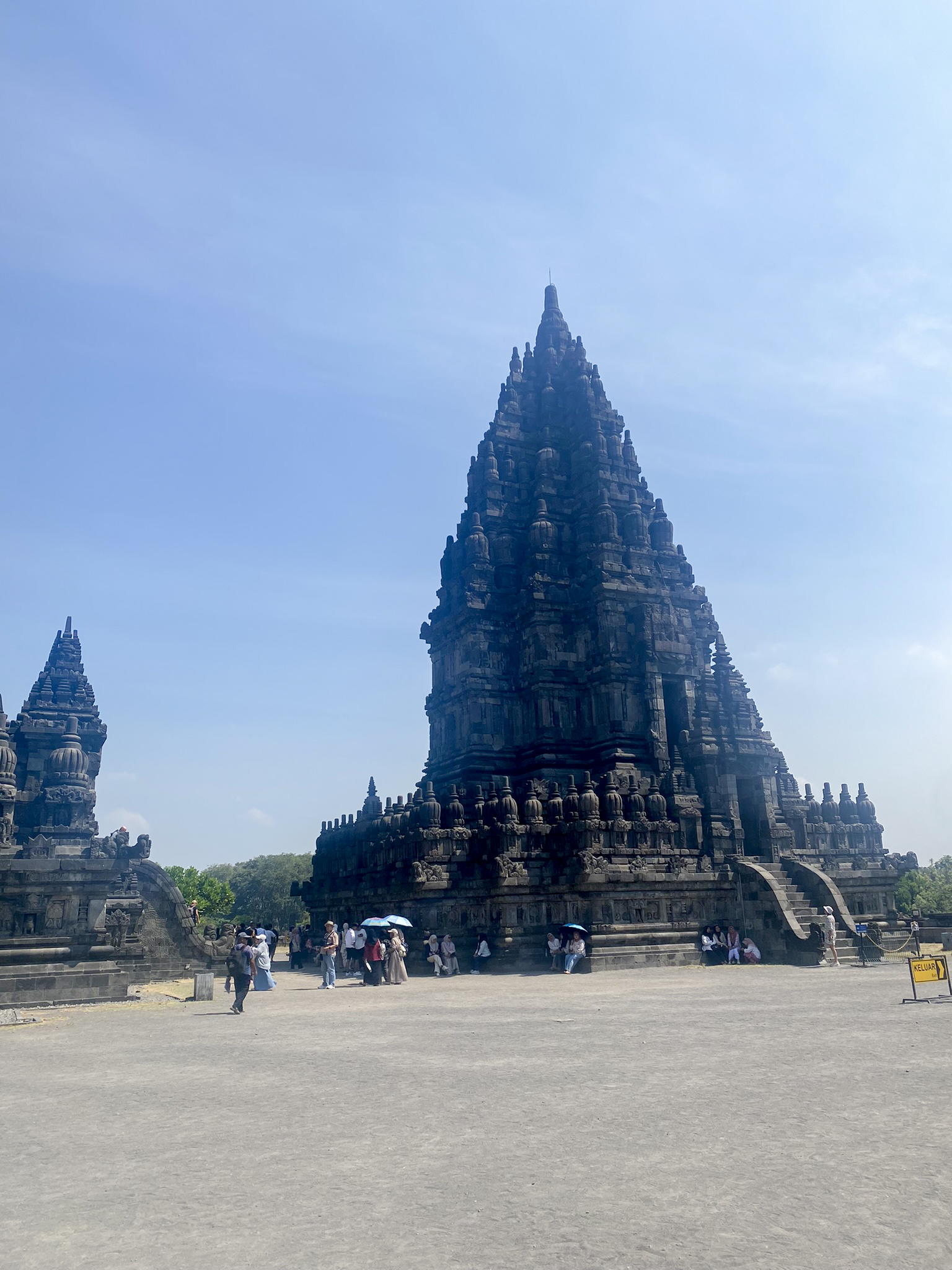
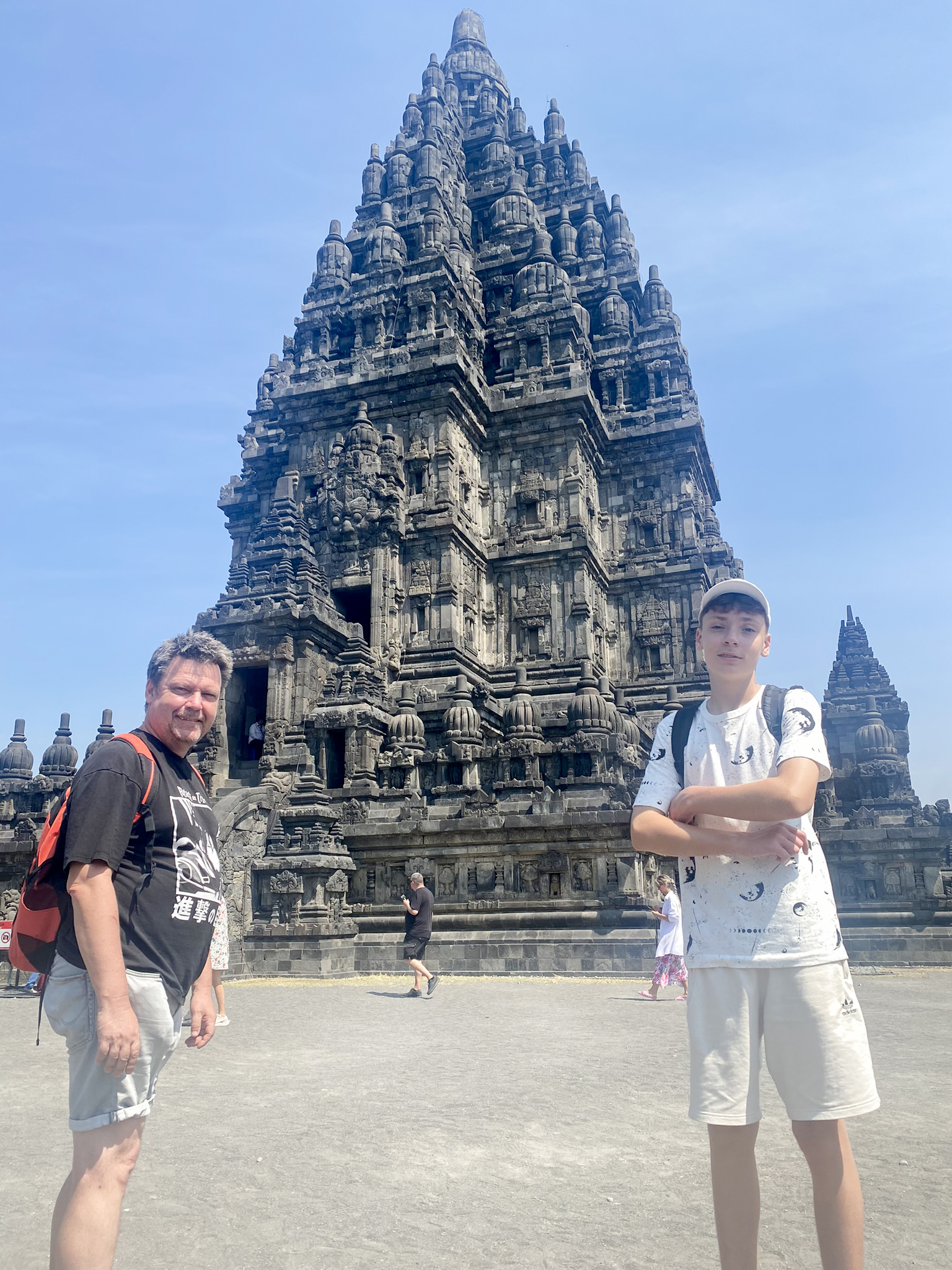
If one word could suffice for these two, it would be elegance. Not aesthetics, elegance: for elegance, far from being a mere ornament that would be superimposed upon the edifices – upon the reasons for erecting them; spiritual, religious, ostentatious, conspicuous – elegance here is the reasoning itself.
Prambanan and Borobudur are timeless. Both built around the 9th century, both abandoned and rediscovered, they weave time itself across their spires and bells. Together they weave a community of differences that still exists and prospers. Out of many, one: out of a myriad of expressions, phrases, styles, words, a common bahasa, language.
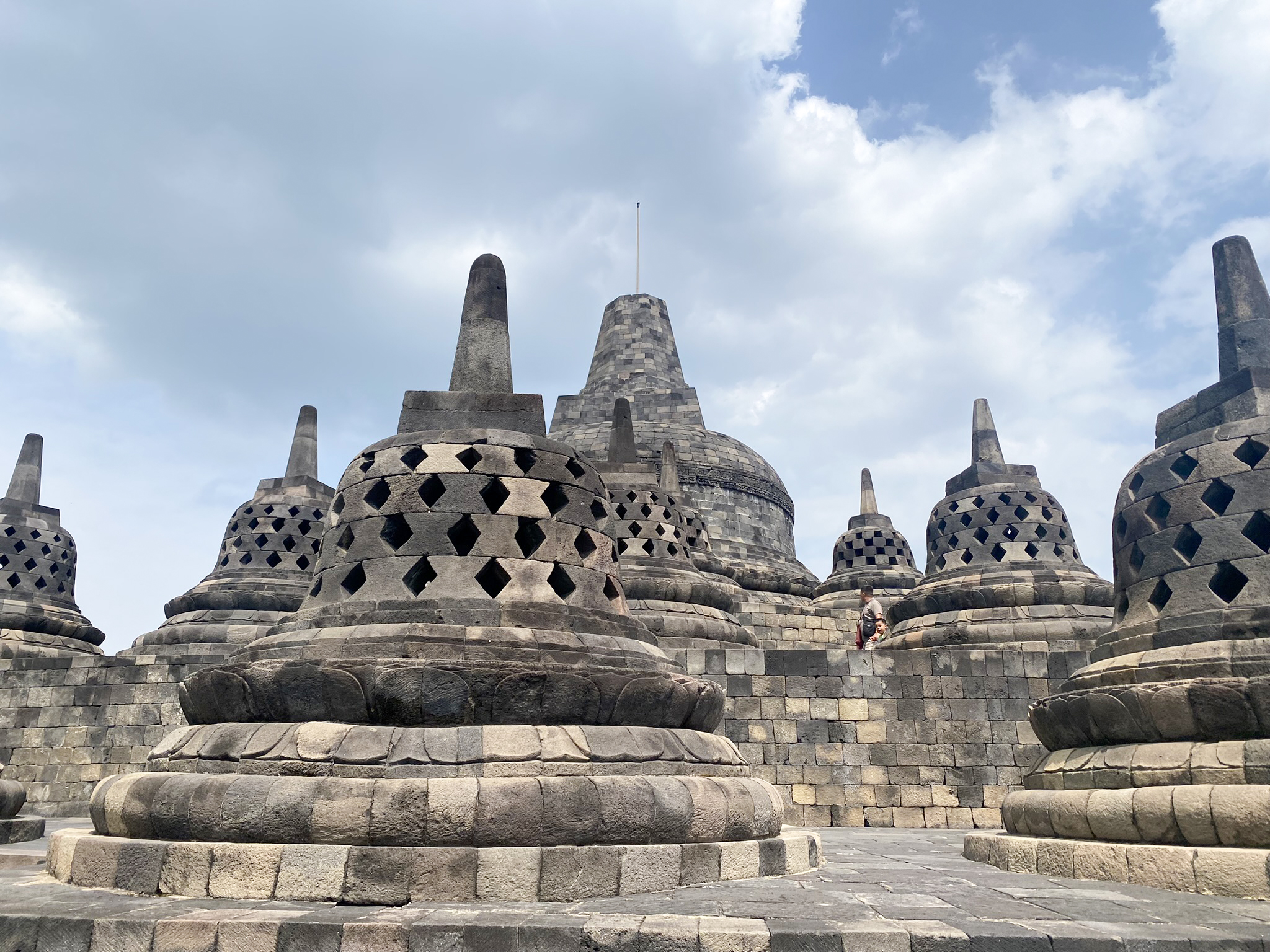


It’s impossible to translate the views and the feels (though writing this article is an essay in translation); for a text, scholars say that a translation would always be either deficient or exuberant, never exact – for views and feels, the deficiency of translation (in absence of an artist) is inevitable.
And in any case, in and around Jogja artists are on it since time immemorial.
OK, now we are sensing we might bore you a bit, so without much further ado:
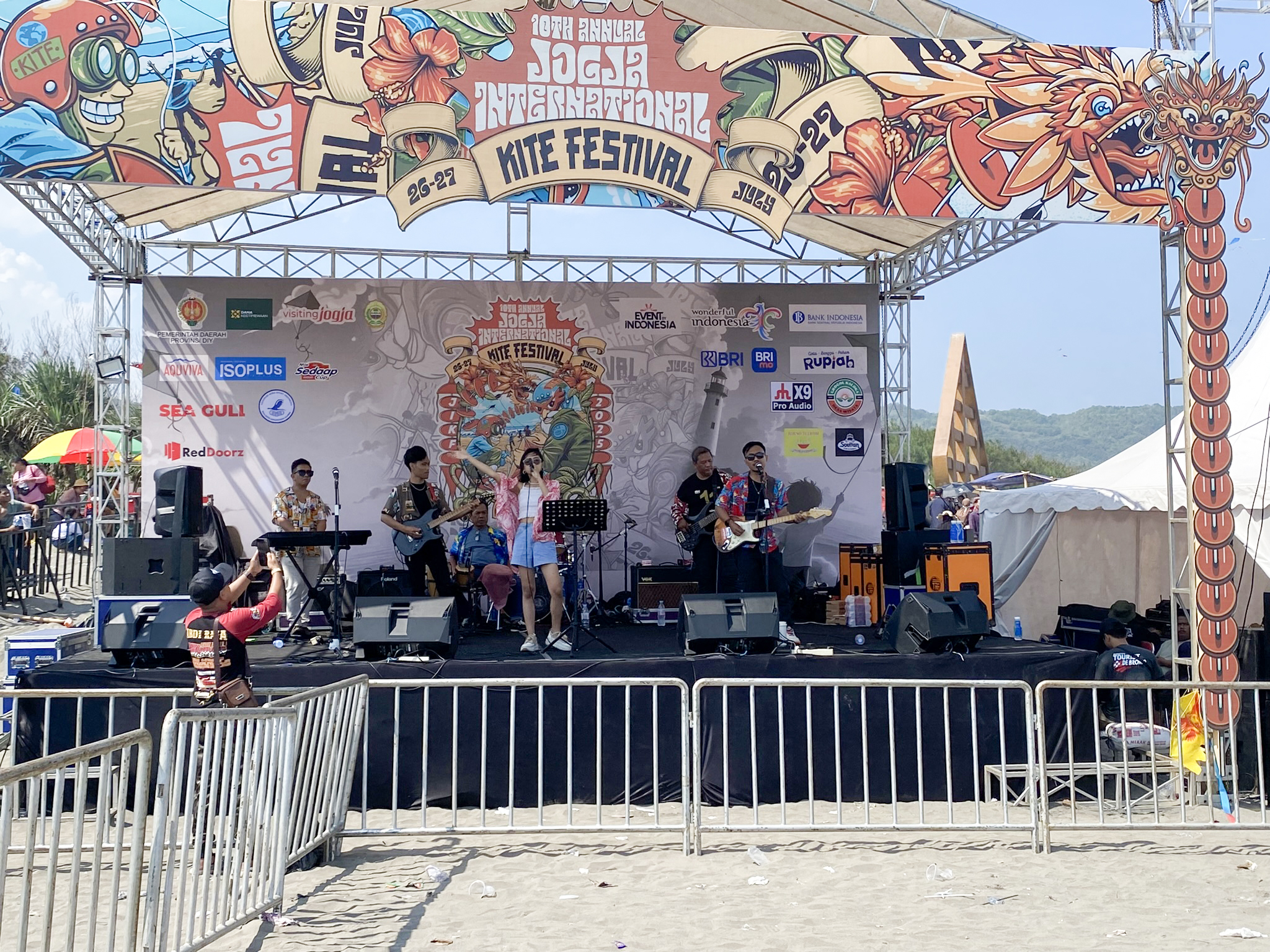
welcome to the 10th Annual Jogja International Kite Festival 2025!

The more the date of the festival was approaching, the more the guys from Jogja were nervous.
Herding cats, that is, kiters, is hard and exhausting enough. But organizing a kite festival is a whole new abyss of dread. Any minuscule, seemingly unimportant, easy-to-overlook thing can go sour and balloon into an utter disaster. Parking spots. Fencing. Toilets. Security. Flags. Anchors. Stalls. The sound system. Food. VIPs.

Not enough wind? Too much wind? Rain? That’s nothing. It’s the pesky details that can and will destroy a festival in most imaginative ways.
And the guys had another thing on their minds: IKF Yogyakarta 2024.
A year back, this festival was a total success. Some forty or fifty thousand people came to see the kites in the sky; the weather was perfect, the wind was perfect, the crowds were having immense fun, the sponsors were happy.
So, how to top that?
Simple. Get the coolest crew you can, let them fly kites, and everything will come together in the most perfect way.
Did it work?

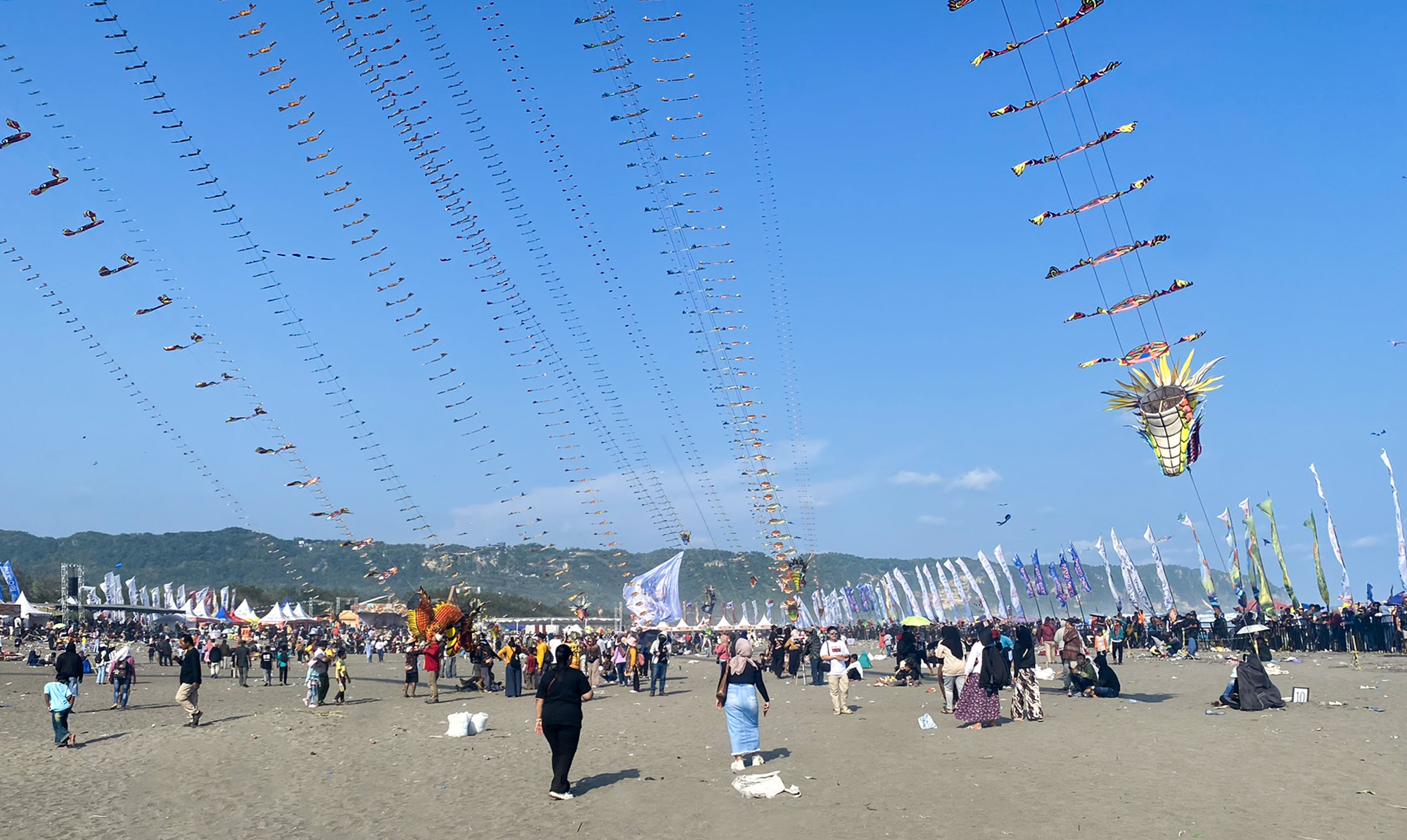
Oh, yes, it worked. Over eighty thousand people came to see the aerial spectacle – and that was just on on Day 1! Traffic collapsed, the stalls were besieged, everyone was smiling, dancing, and admiring the sky most crowded. Estimates made by experts put the number of visitors at 2025 Jogja international kite festival at over 180.000 – perhaps even 200.000!

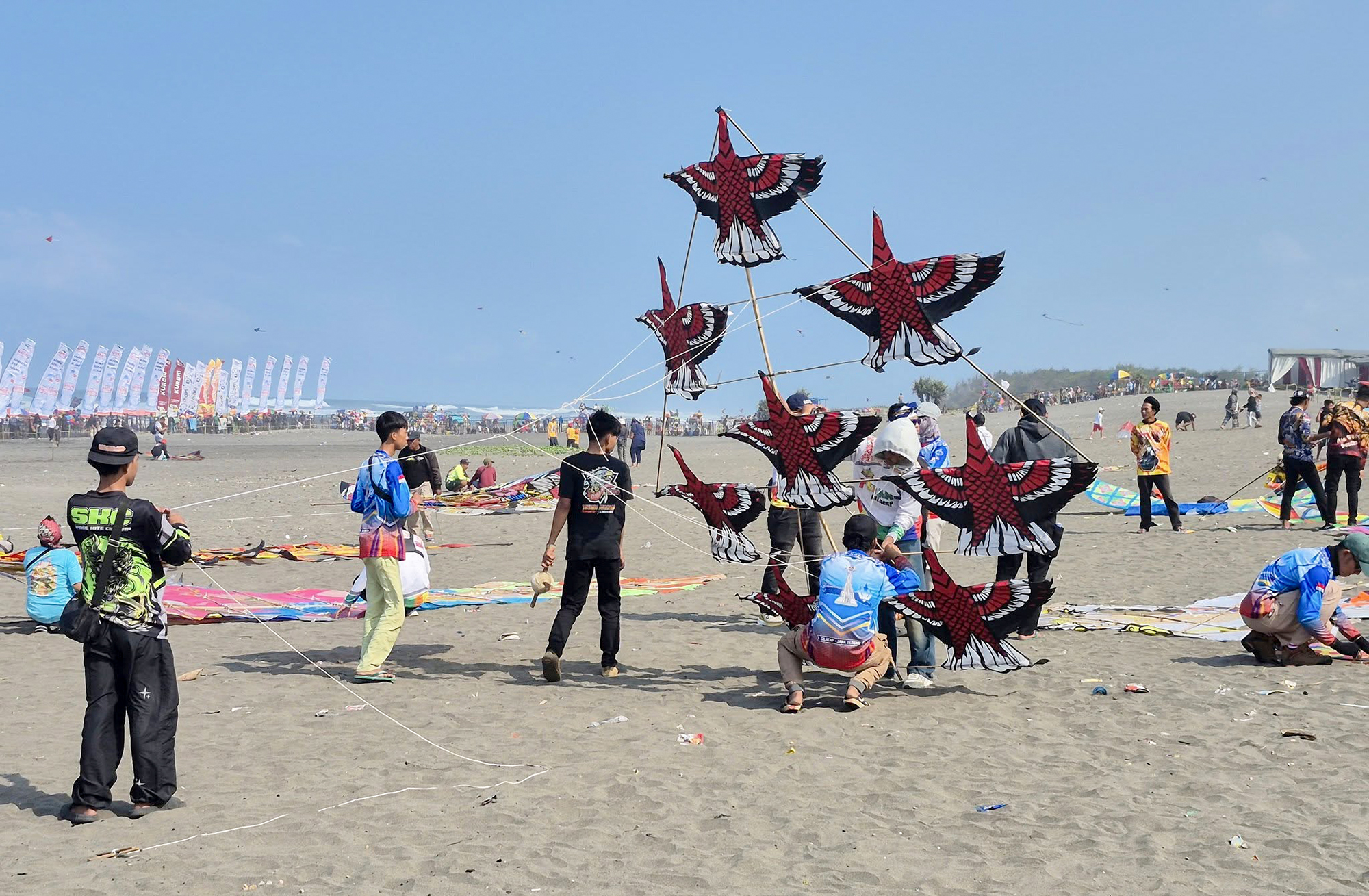
It was hard for the international kiters to find a space for their flying things …

The kids were overwhelmed with joy …
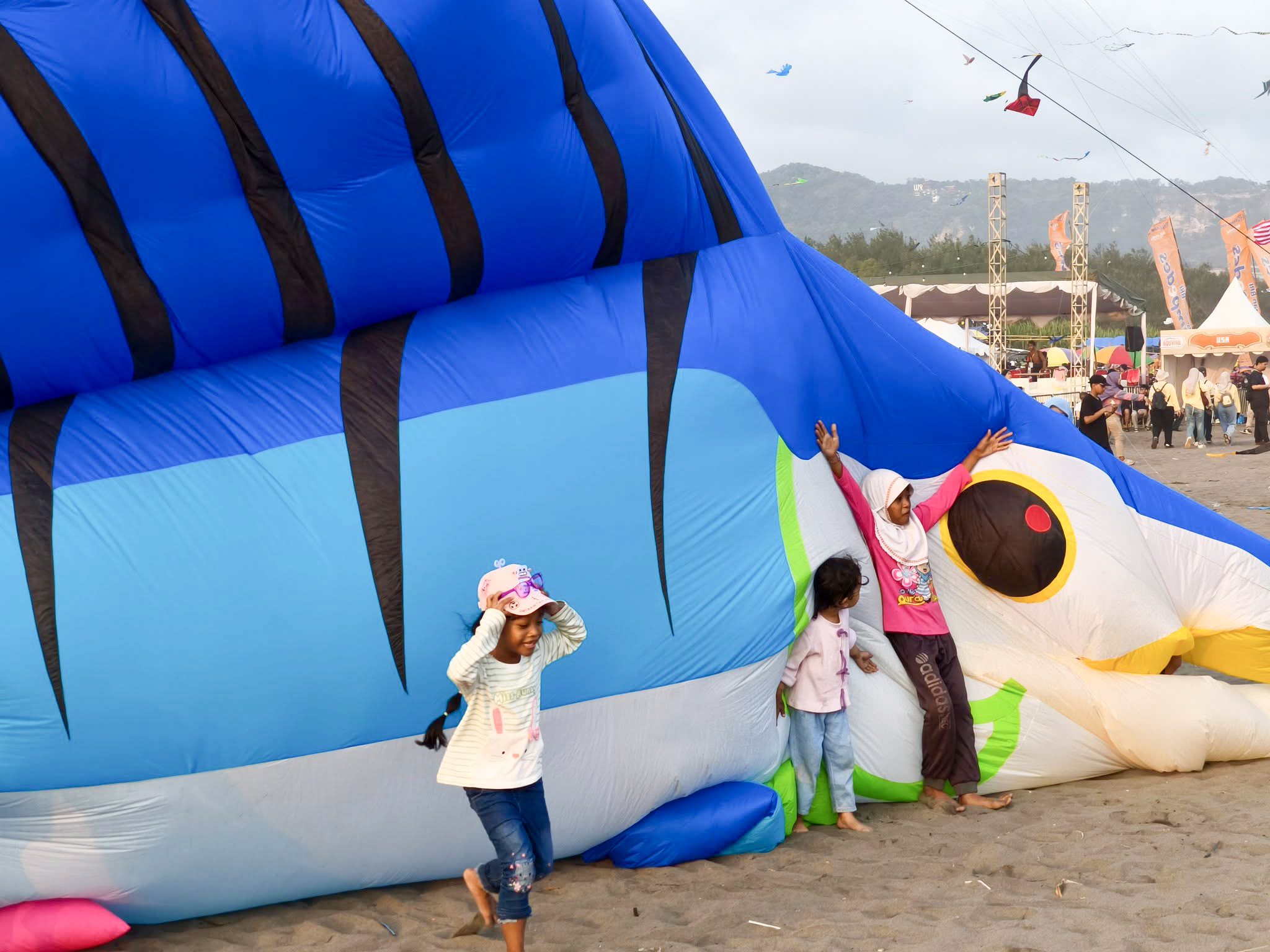
The Javanese cobras flew too!

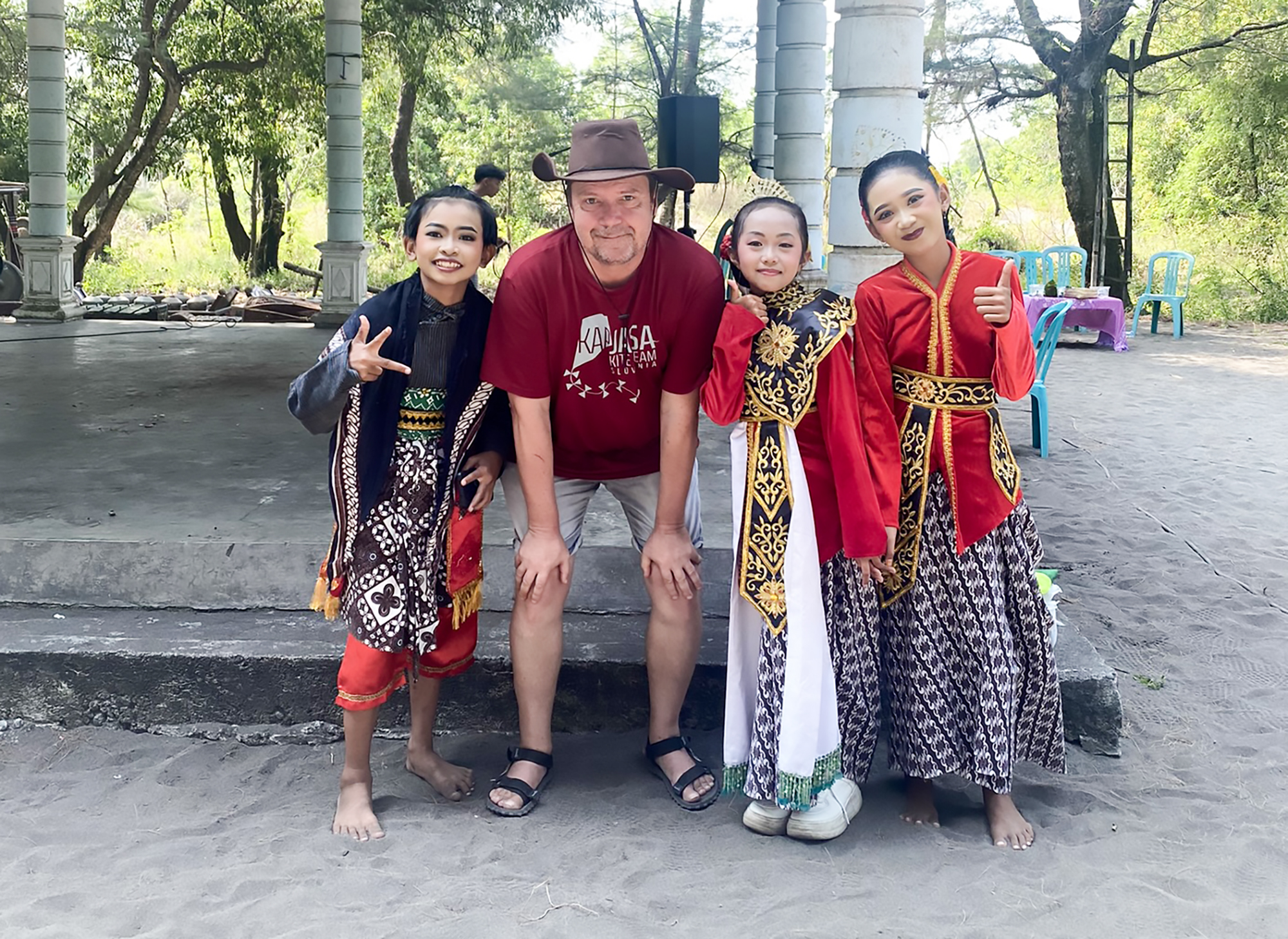
And everyone wanted a piece of handsome people that came from afar to fly kites on their beloved island.
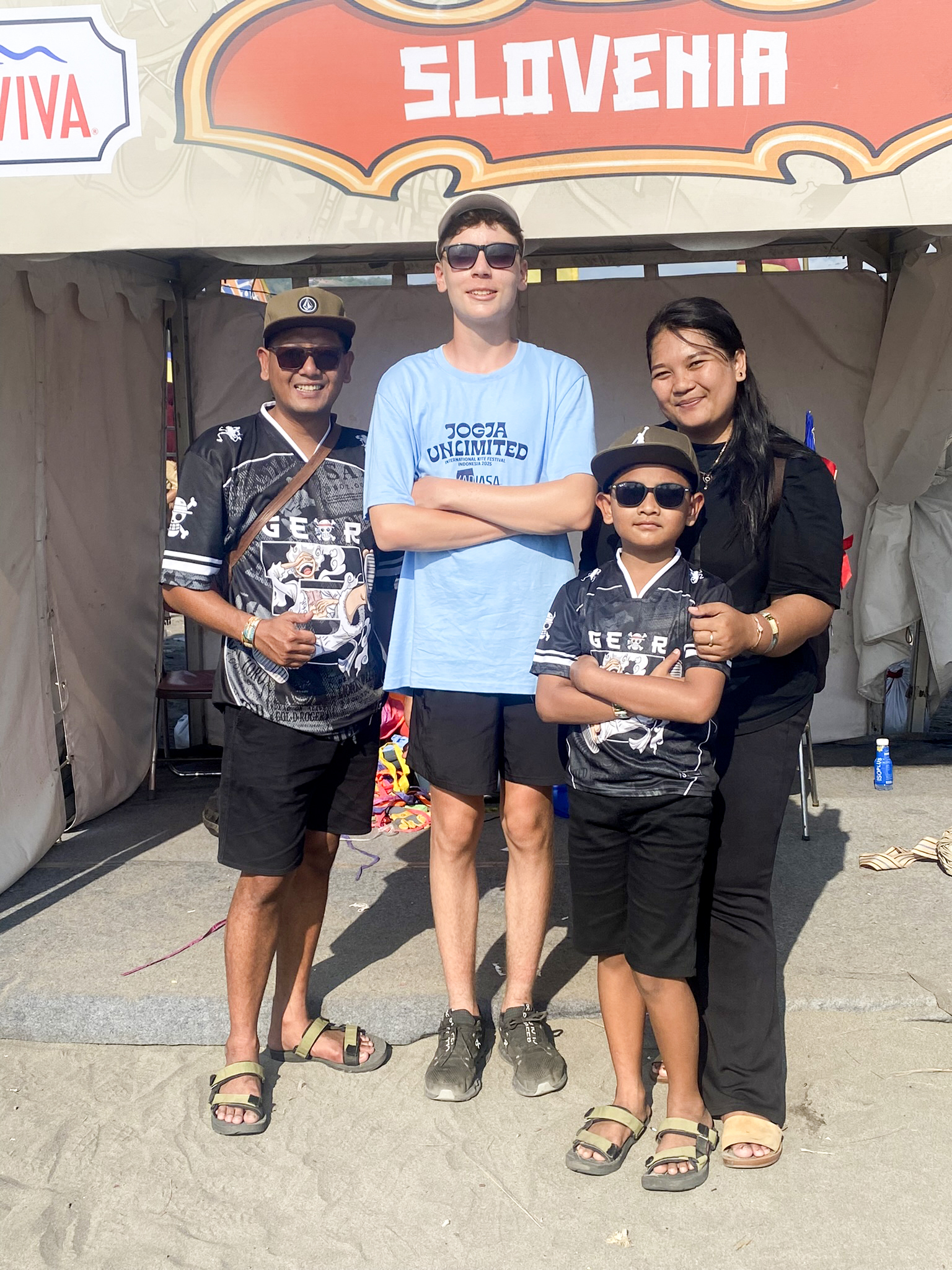

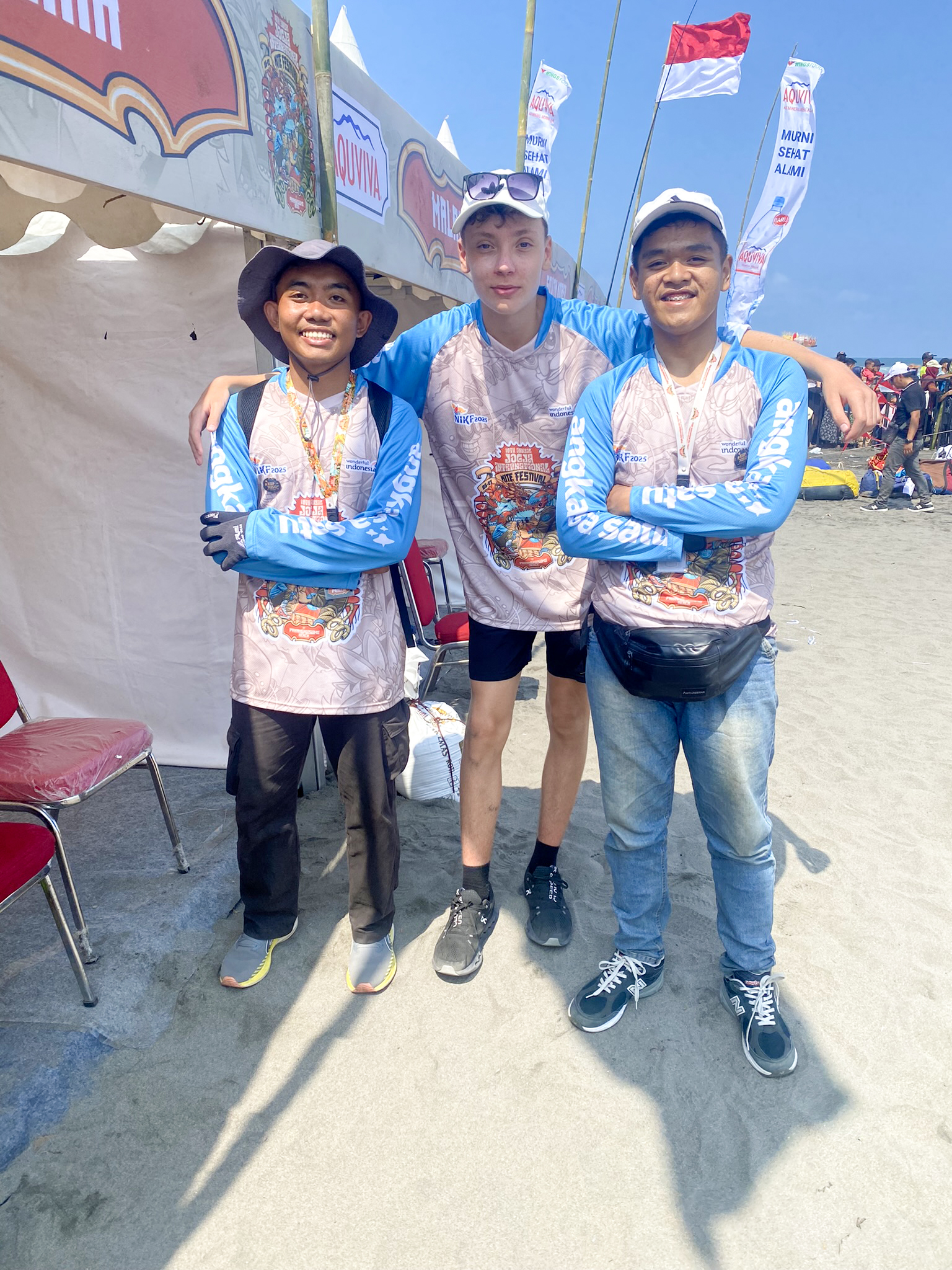
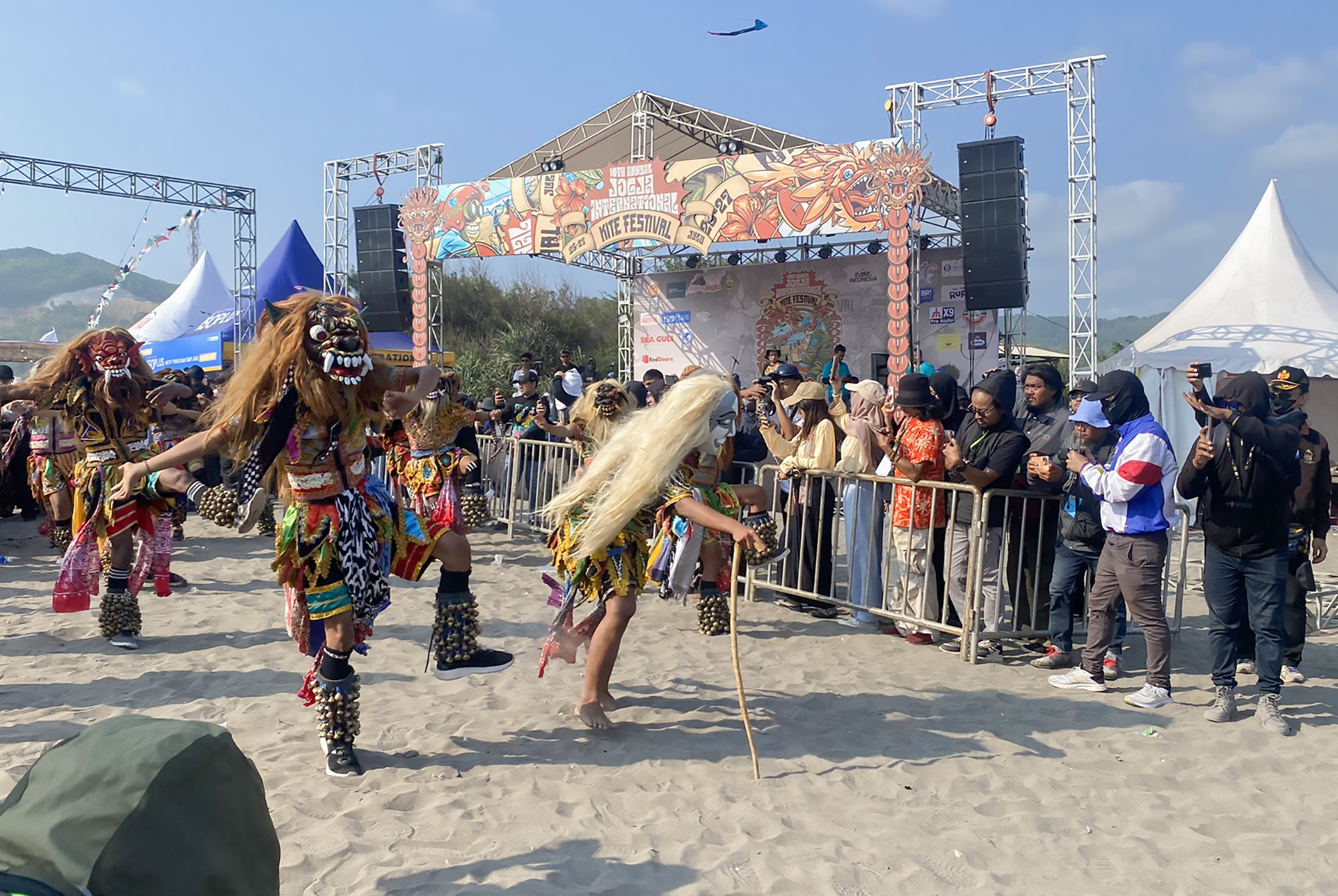
It’s impossible to describe the atmosphere of such a fantastic kite festival. Laughs all around, singing and dancing, and sore necks of looking up at the flying wonders all day – and a good part of the night.
But, as they say: pictures are worth thousands of words!

And there was just so much going on on the kite beach those two days!
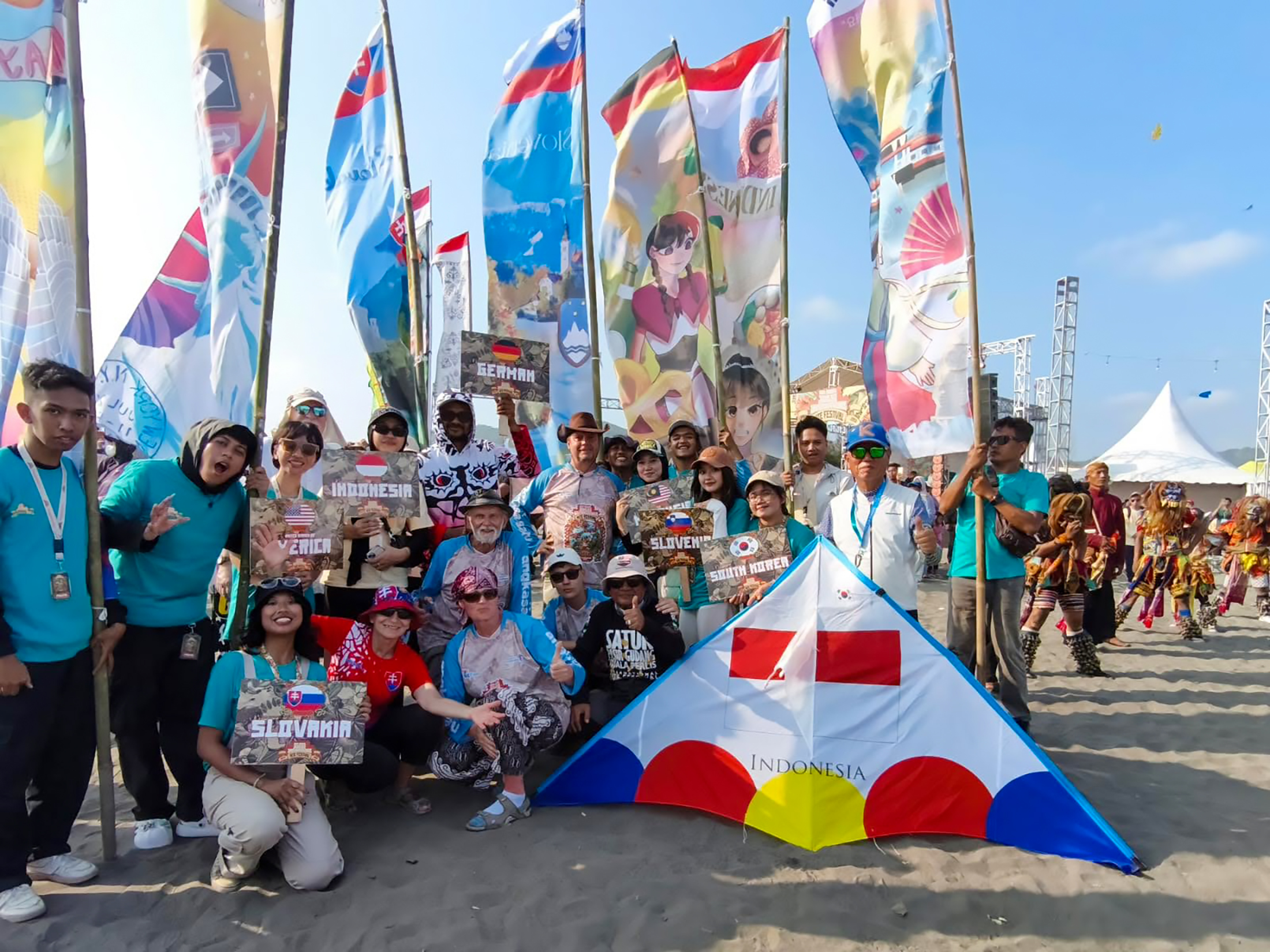
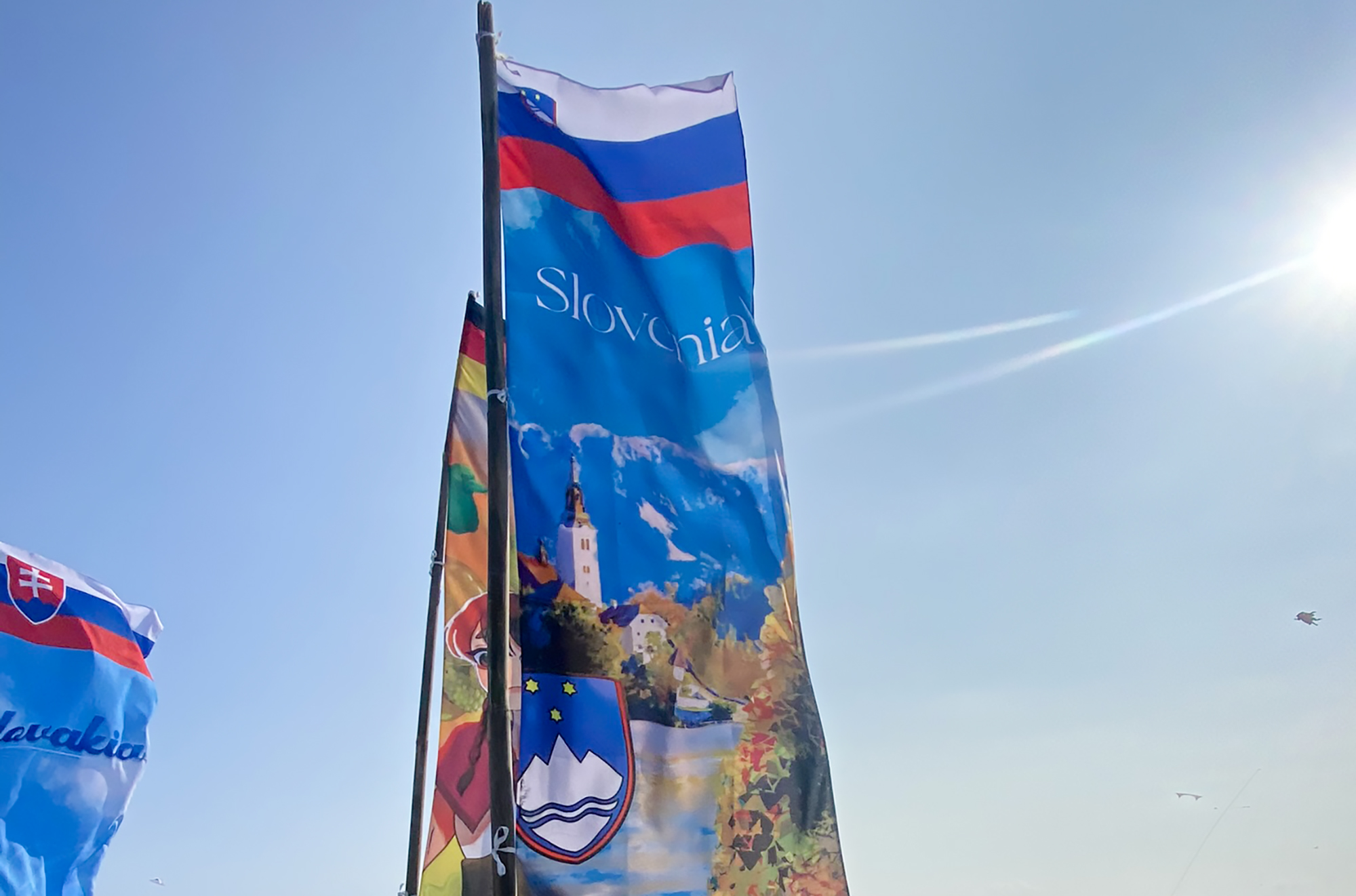
The custom banners for each team were made by Olin and were just incredible. She found a typical or a famous landmark of each country (or, in case of Germany, Oktoberfest celebrations) and incorporated that and her anime-style art into something really exceptional.
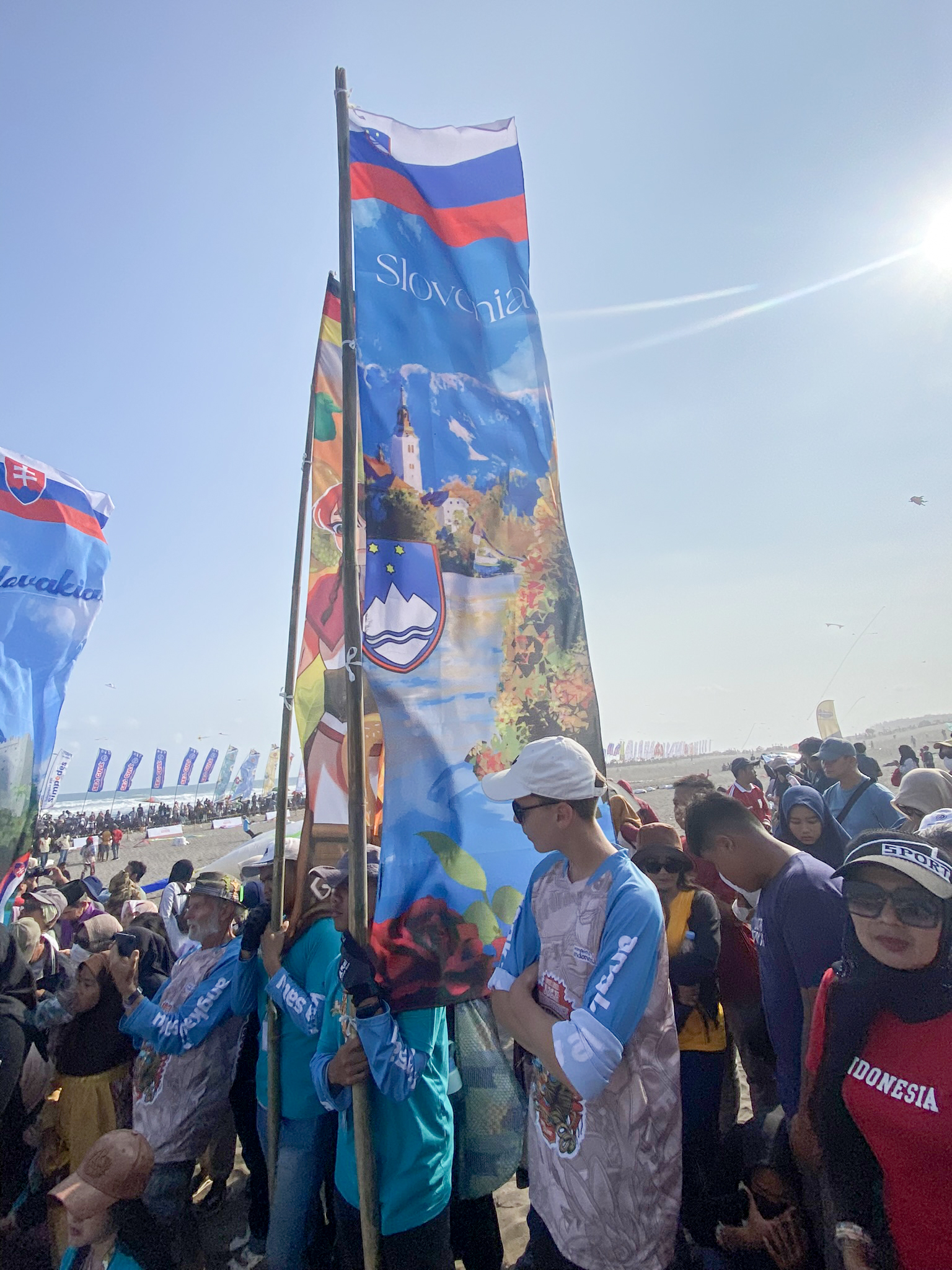
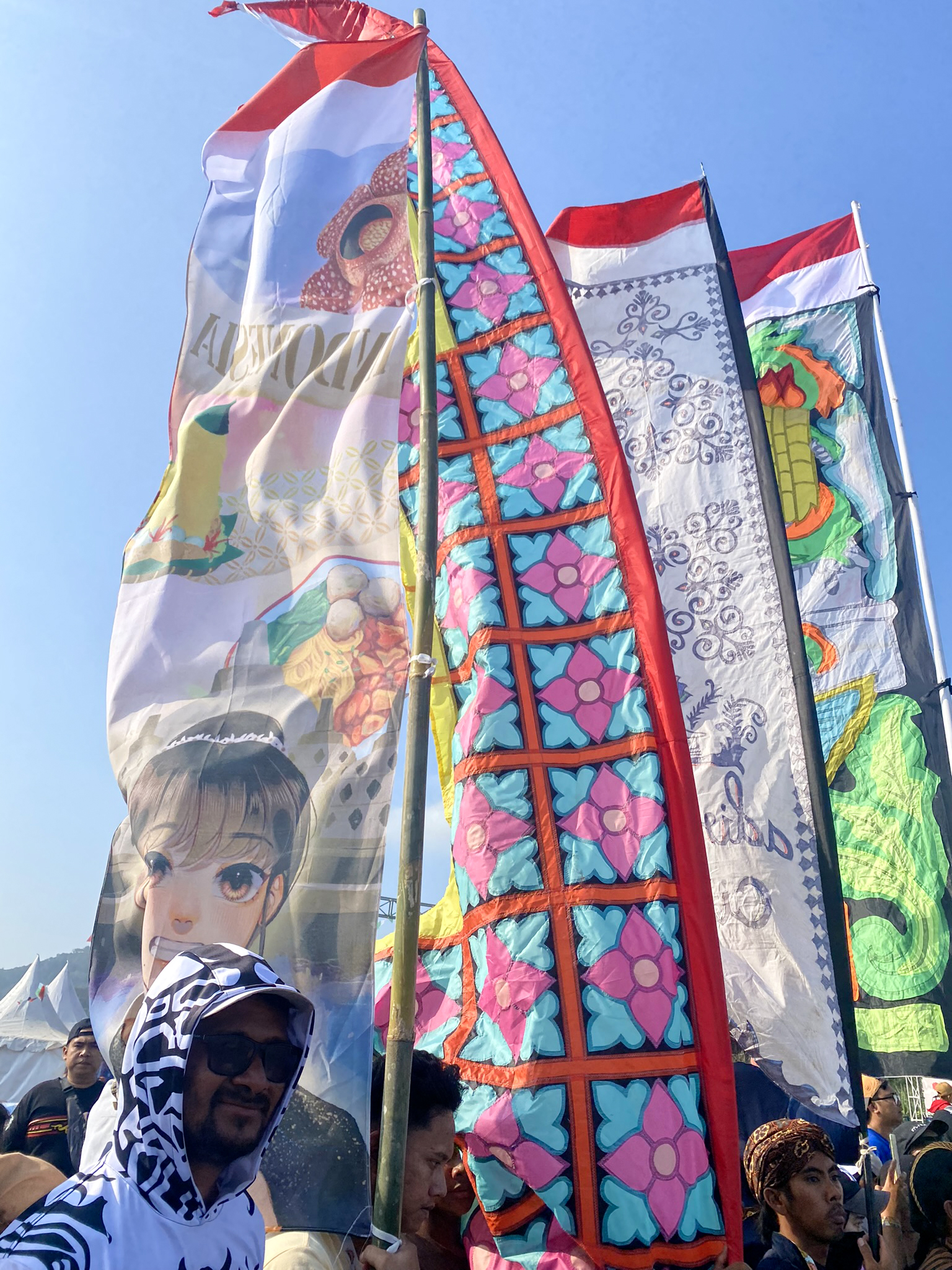

For Slovenia she found the only Island we have – Bled, of course – and there were jokes about how greedy Indonesia has thousands and thousands of islands while poor Slovenia has only one …
But this beautiful banner is one of the best gifts we have ever received!
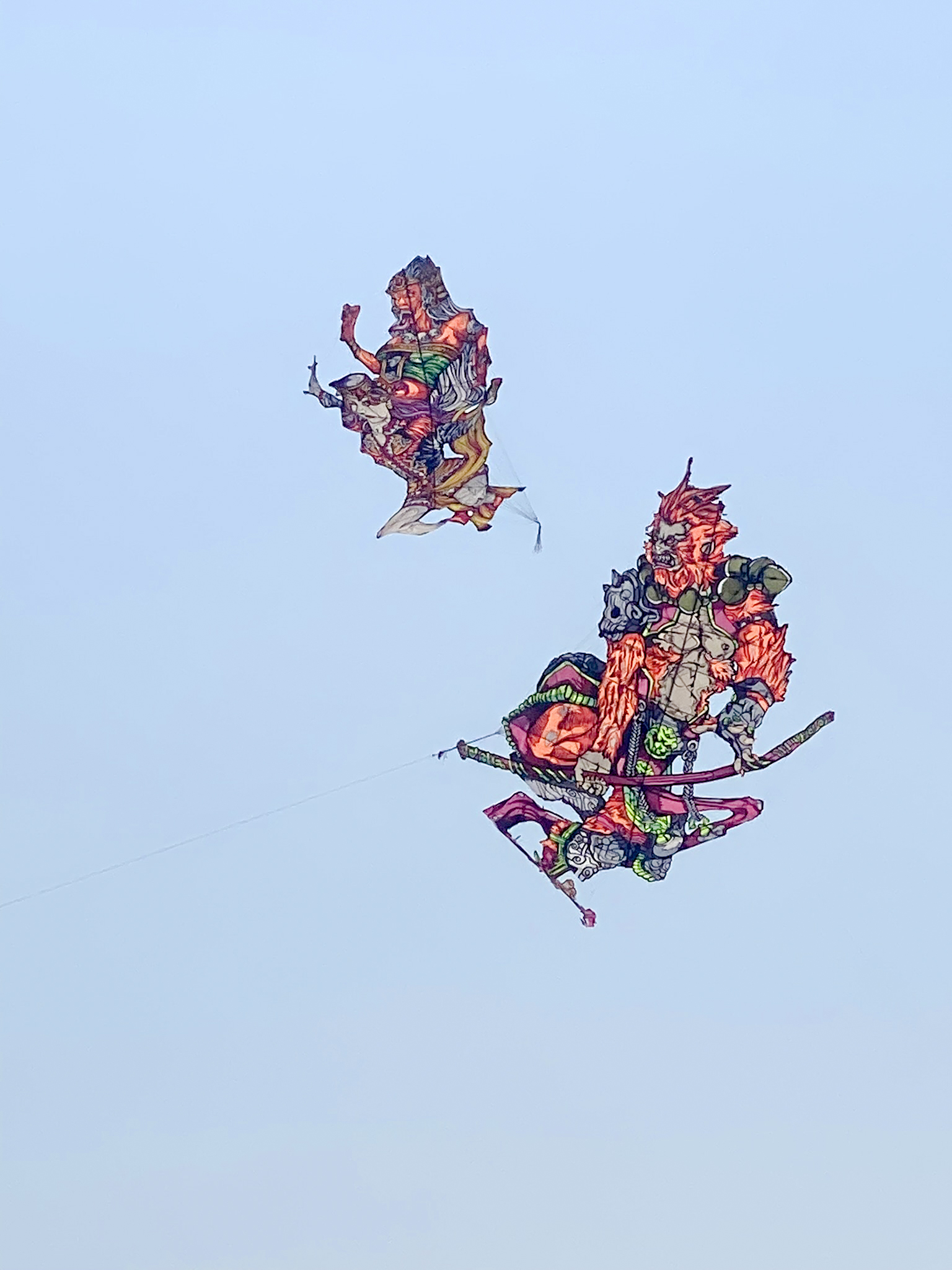
There were intricate Javanese kites …
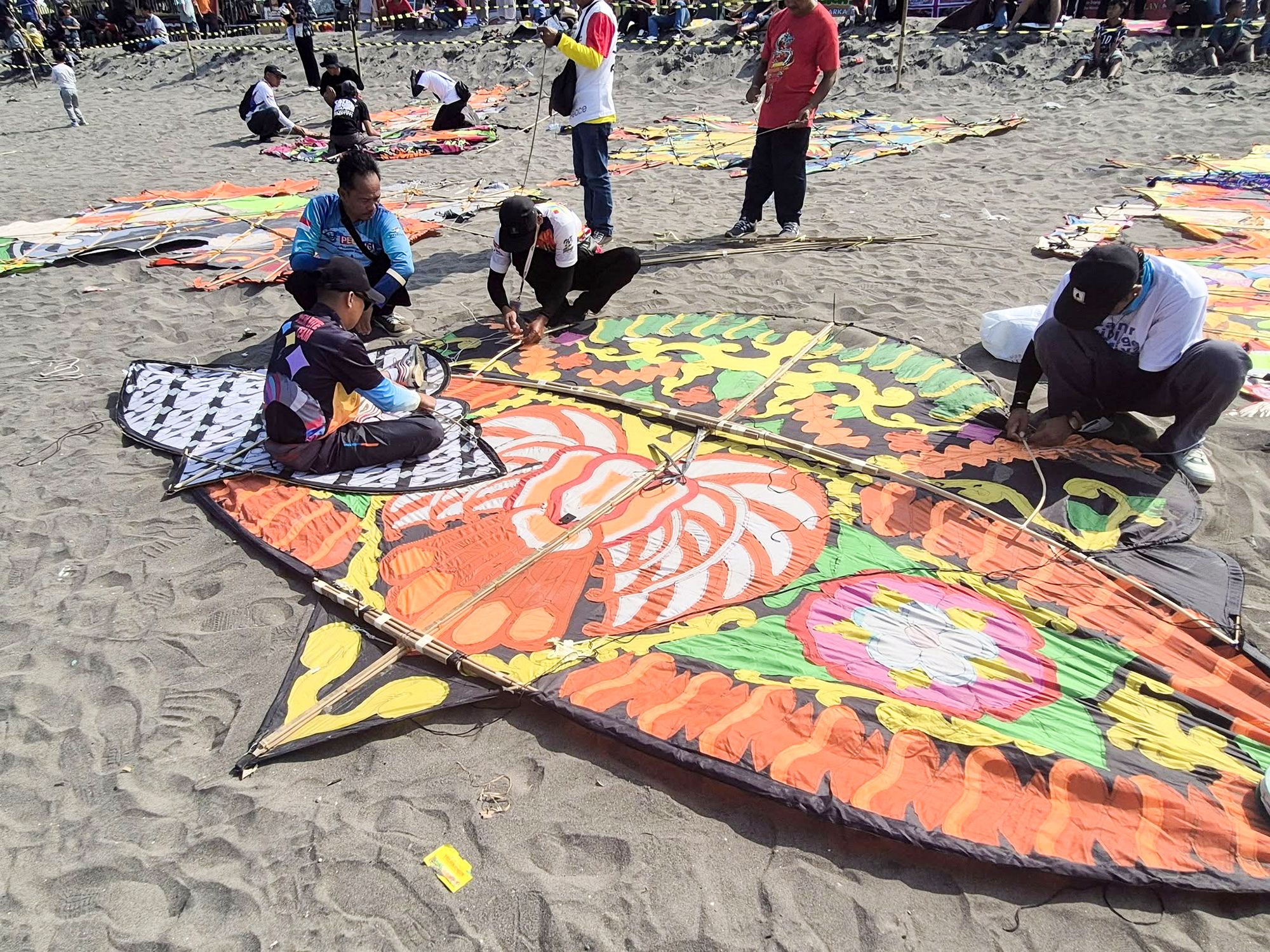
Flying Wayang characters and modern kites among them …
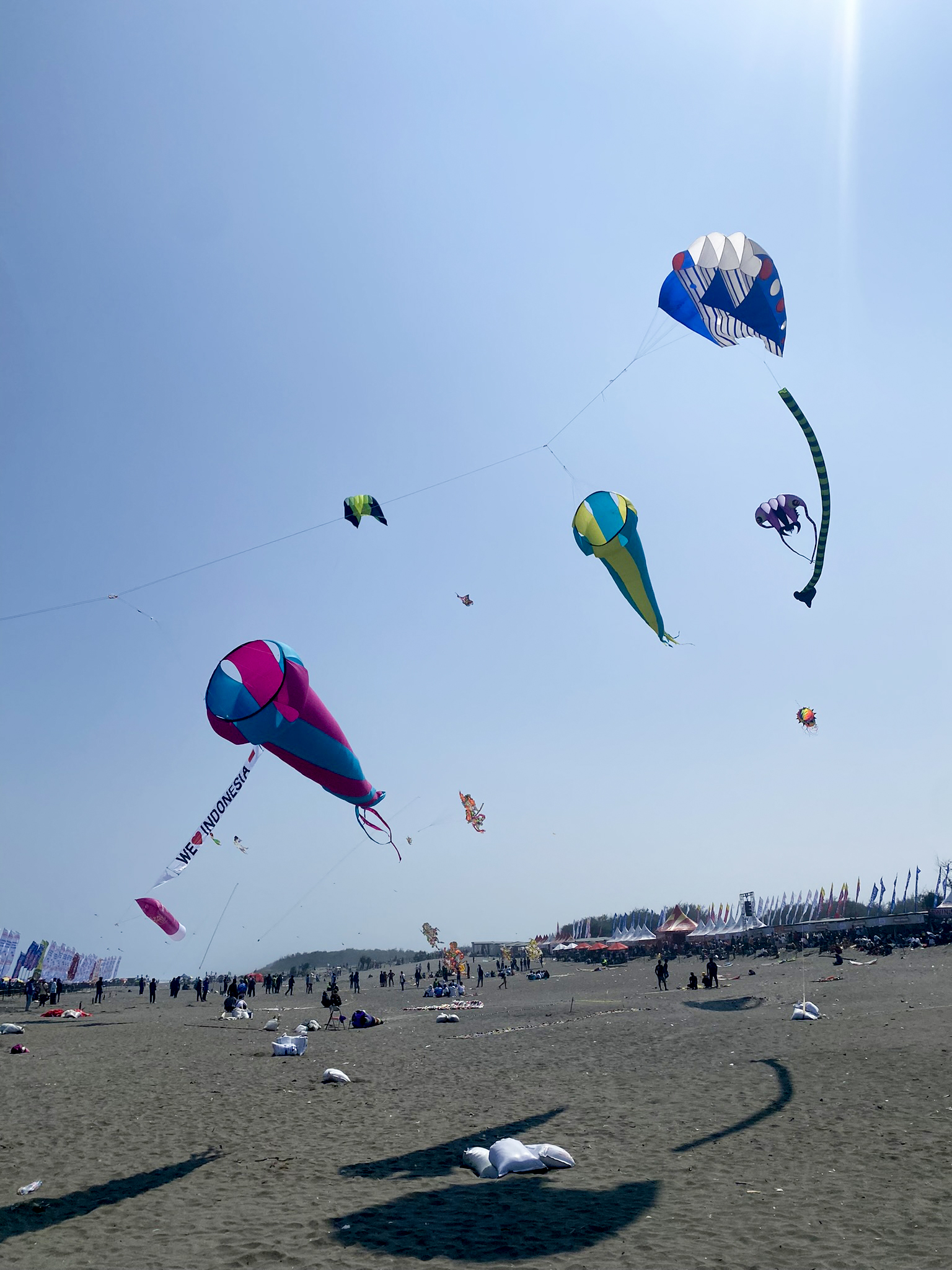

But the main show were the incredible Naga kites.

From afar the field looked like a temple.

What is this but a temple, with magnificent spires rising into the sky? The kite field became a temporal Prambanan, an ephemeral Borobudur, a place where the Heavens touch the Earth.

The tails of the Nagas reach for the sky, their masterfully carved heads protects us down here.

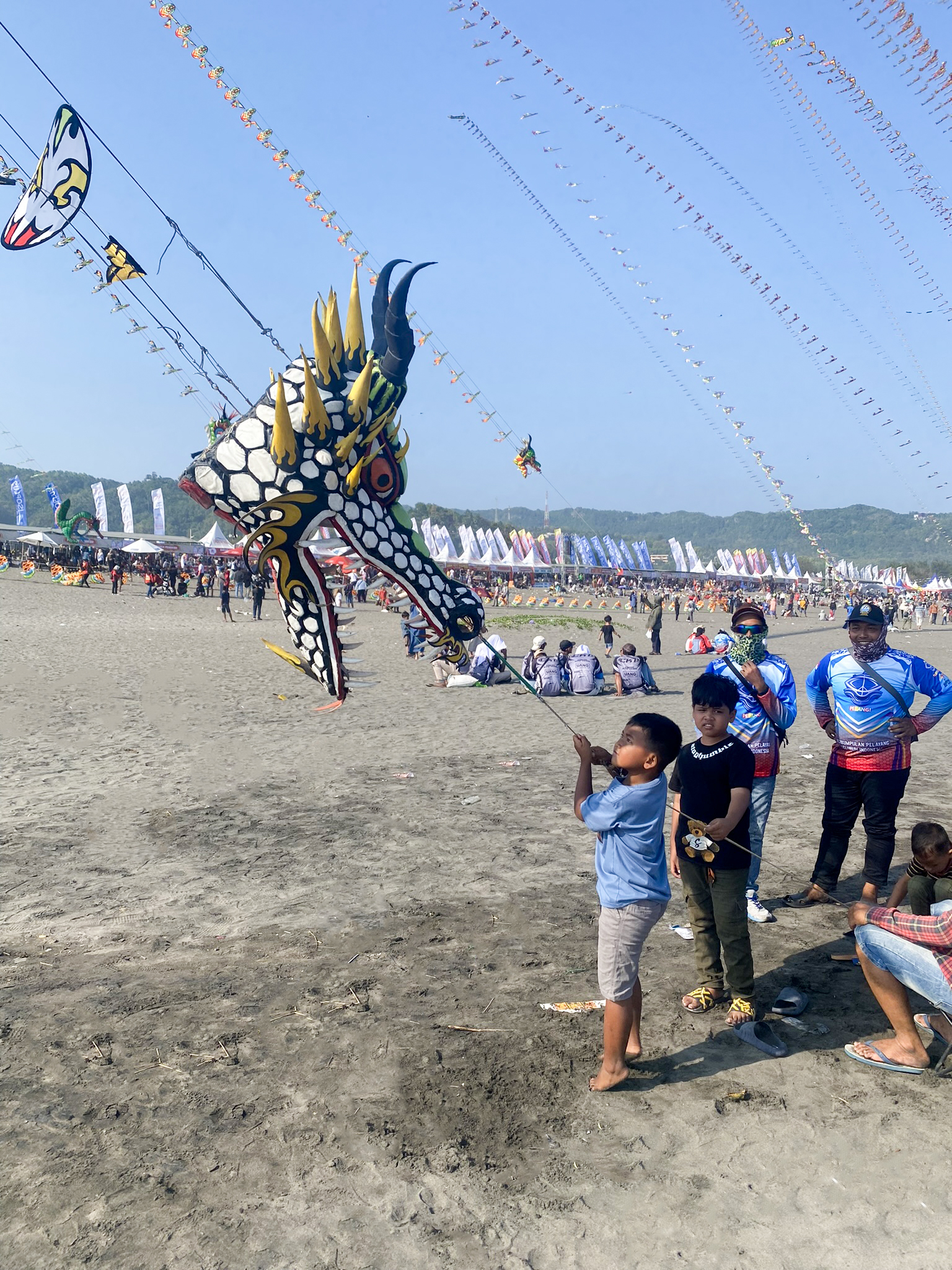

This is a kite culture like almost no other. This is not simple kite flying – it is spiritual, deep, and timeless.


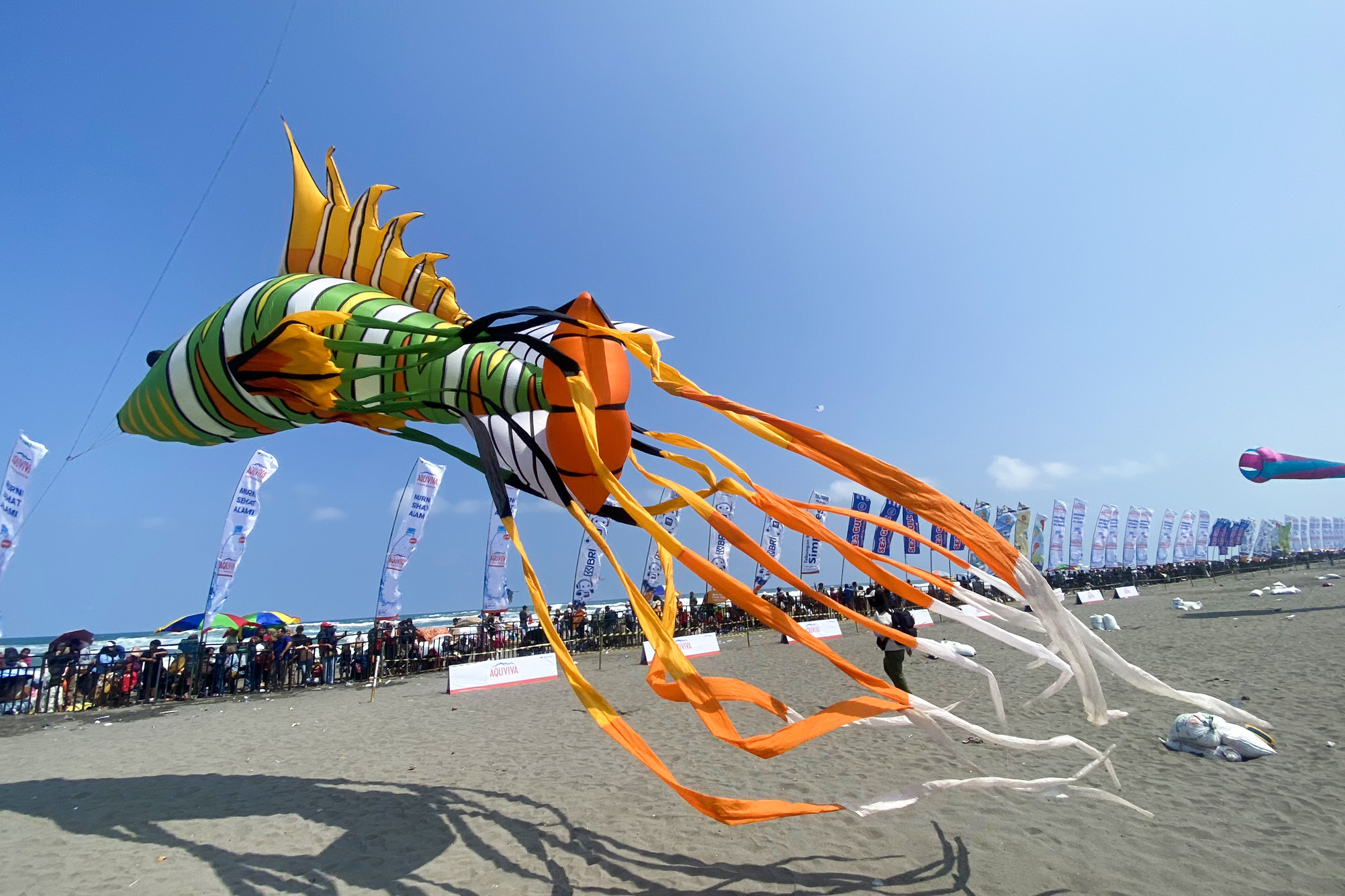
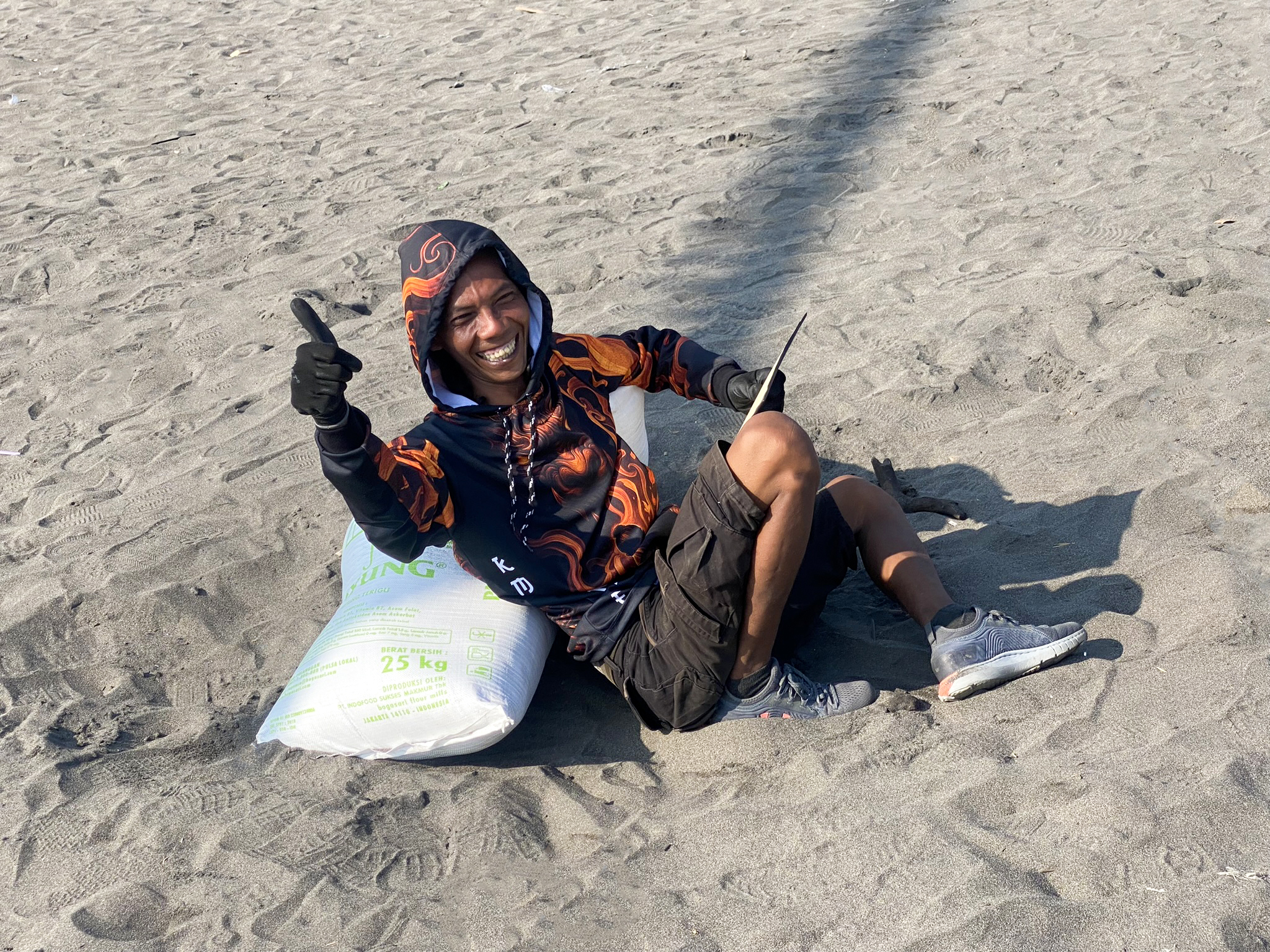
There was so much beauty, so much fun, so much energy in the air –
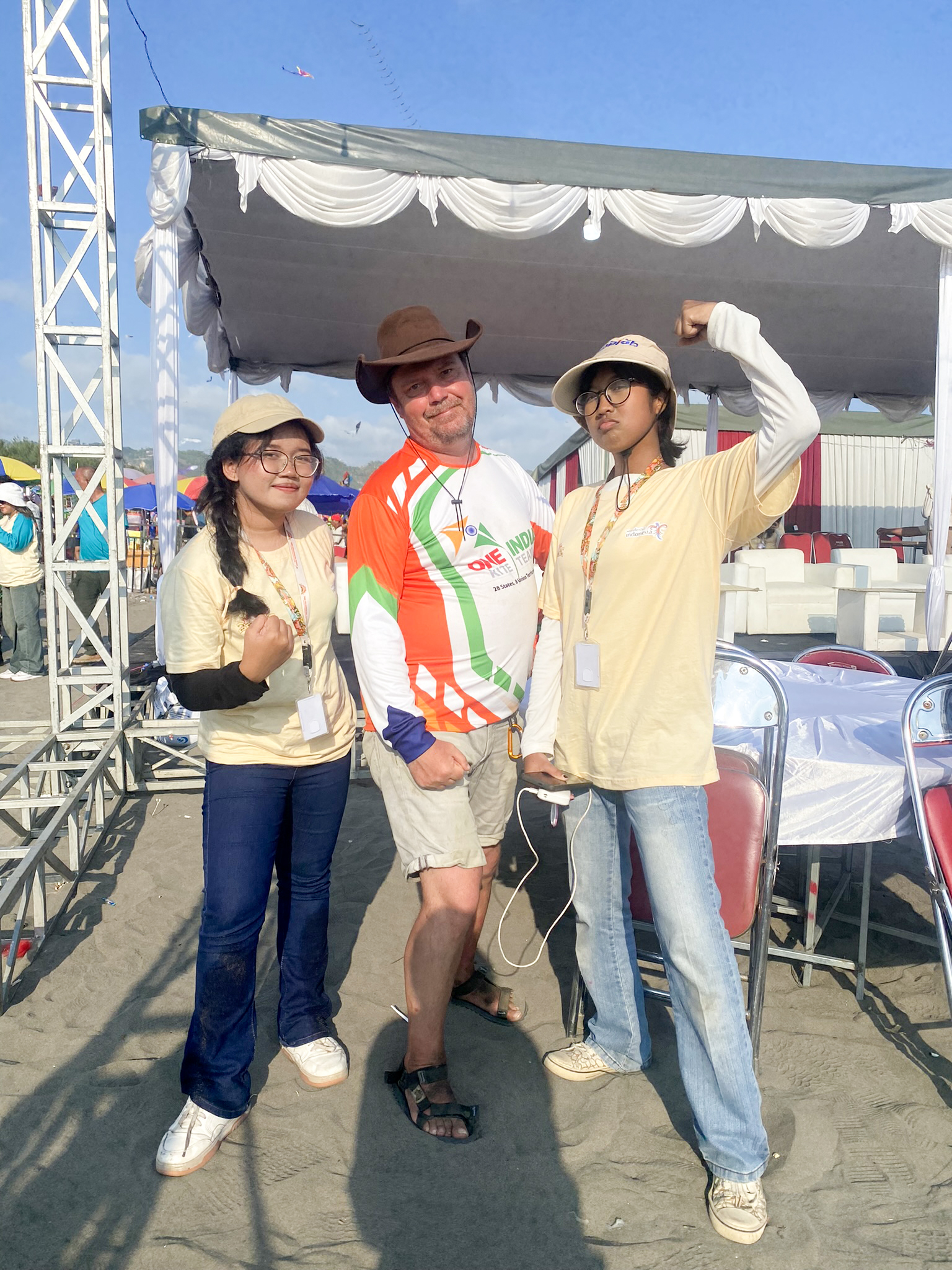
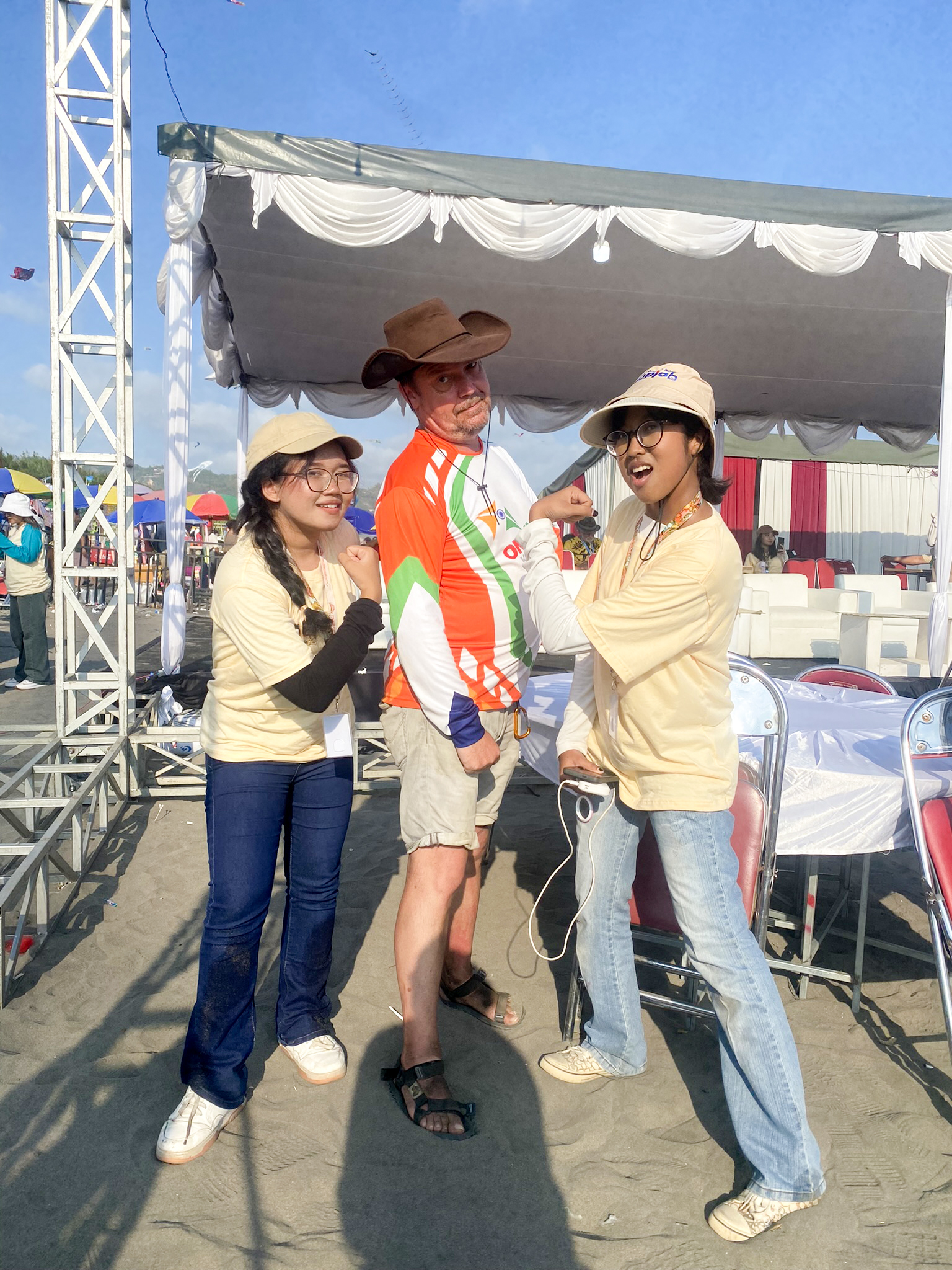

– and on the ground.

The music was loud (and Rara was singing!) …
The kite flyers were happy …
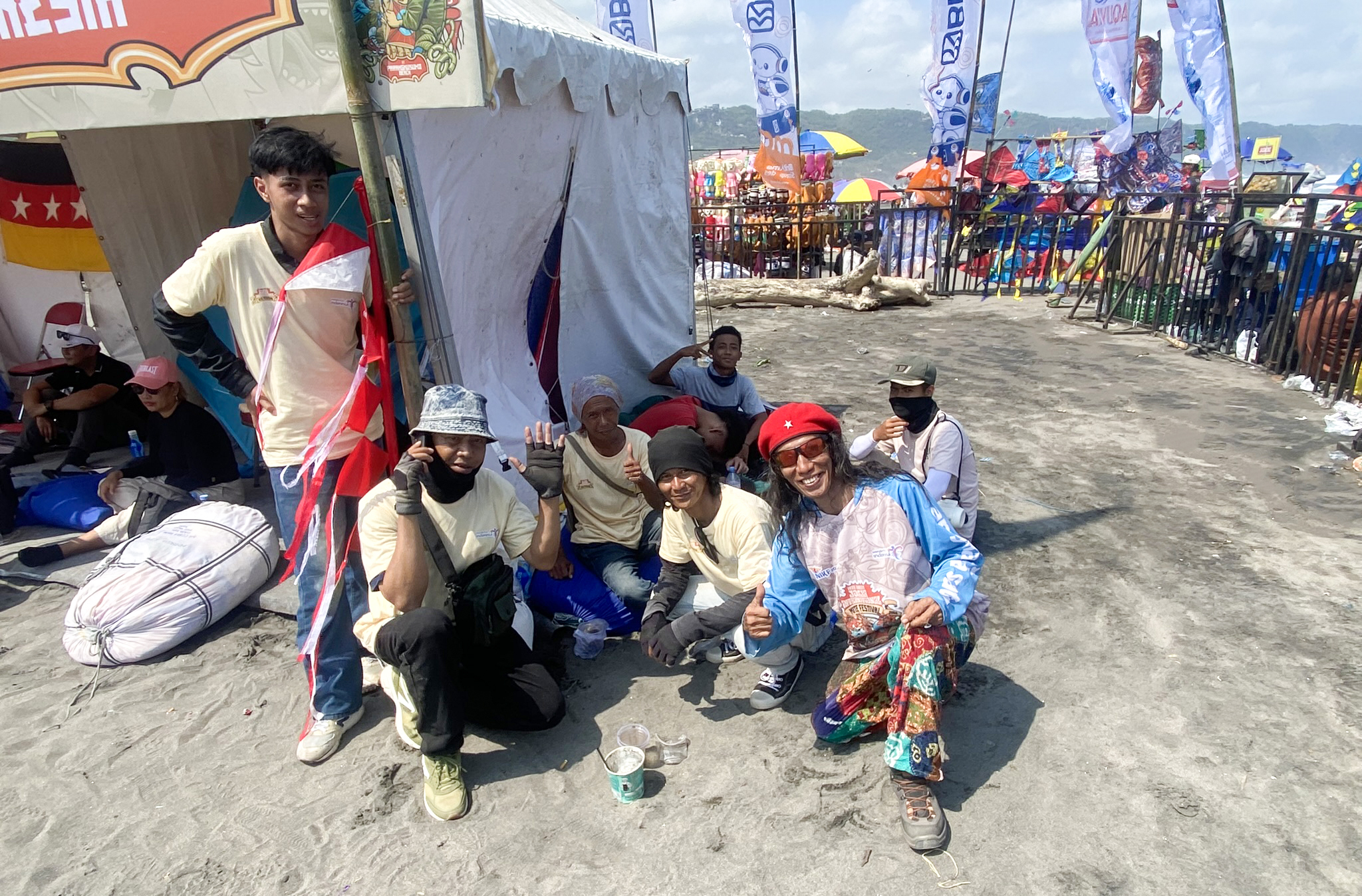
The VIPs were happy …

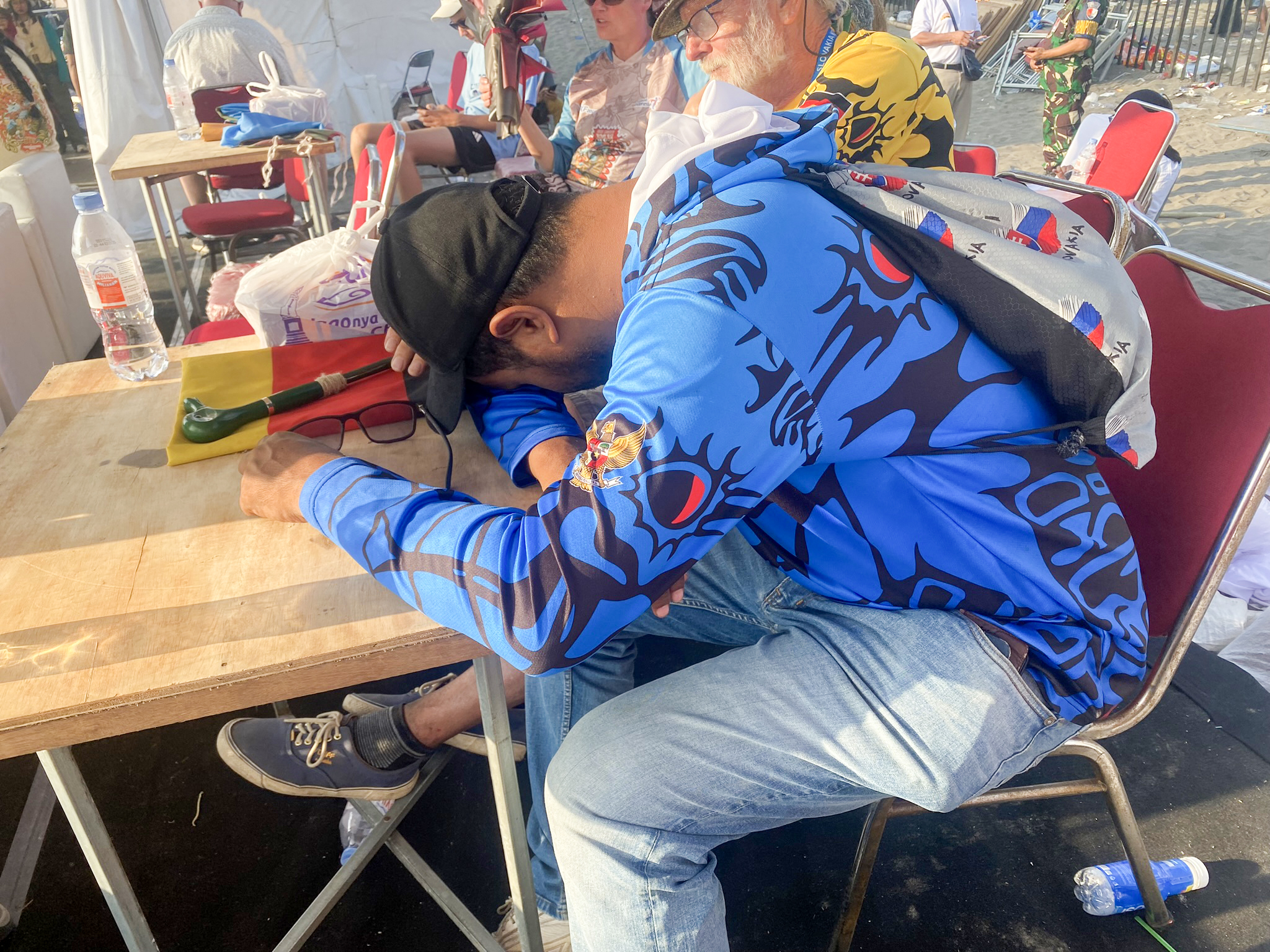
… and in the end, everyone was dead tired.
Especially Juan, who had to do laundry in the middle of the night … three times. Luckily Rini was there to help! 😉
“Ichliebedich.”
– Zac, in perfect German, to everyone
What a festival this was … a celebration of beauty, of friendship and fun, of all that’s good in life. So much had happened and so many things we experienced in a too short time. Jogja, truly unlimited!
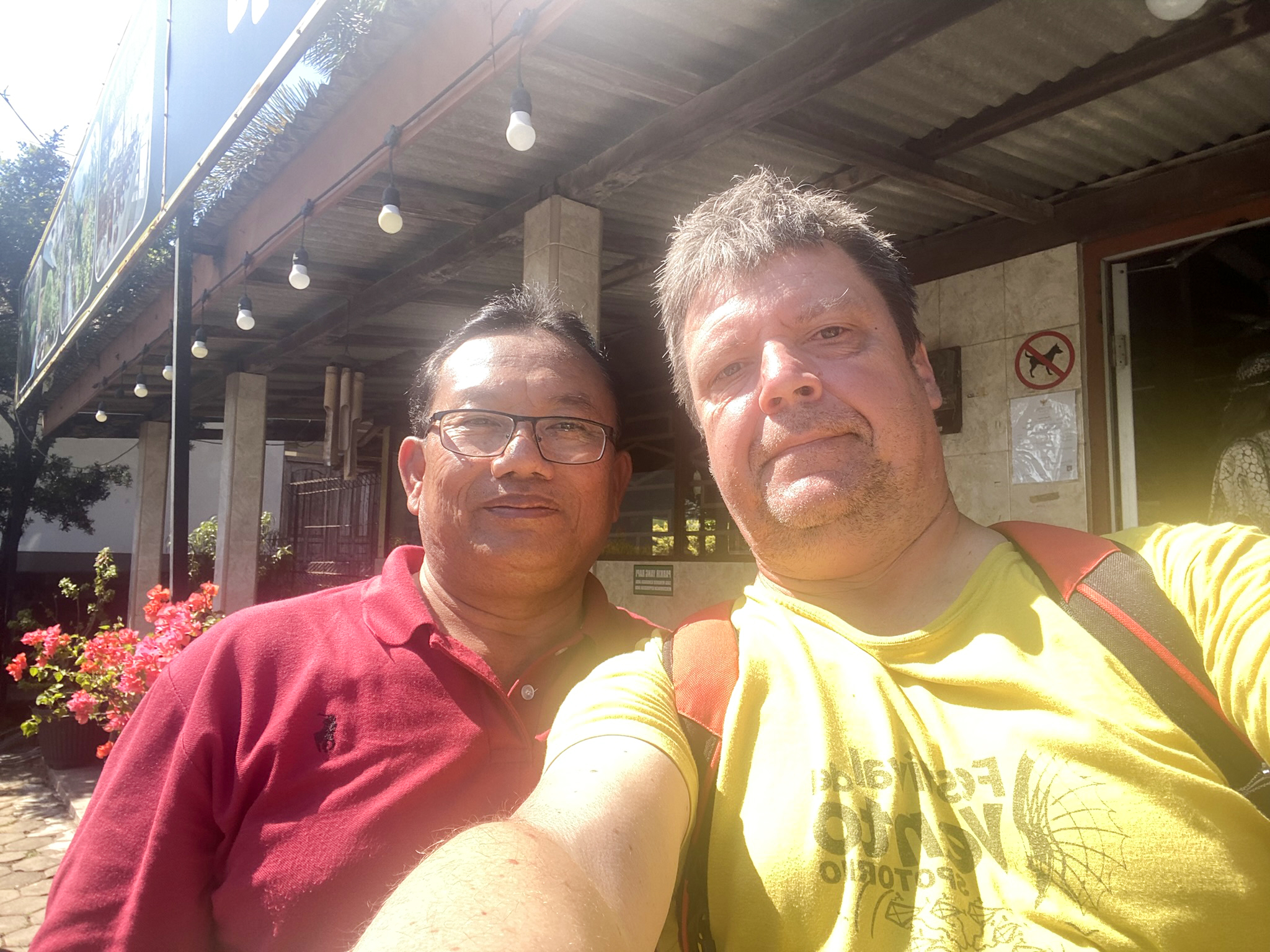
Thank you, dearest friends: Lubica and Andrea, Todd, Zac and Ismail, Mr. Song, and Ulli and his duck!
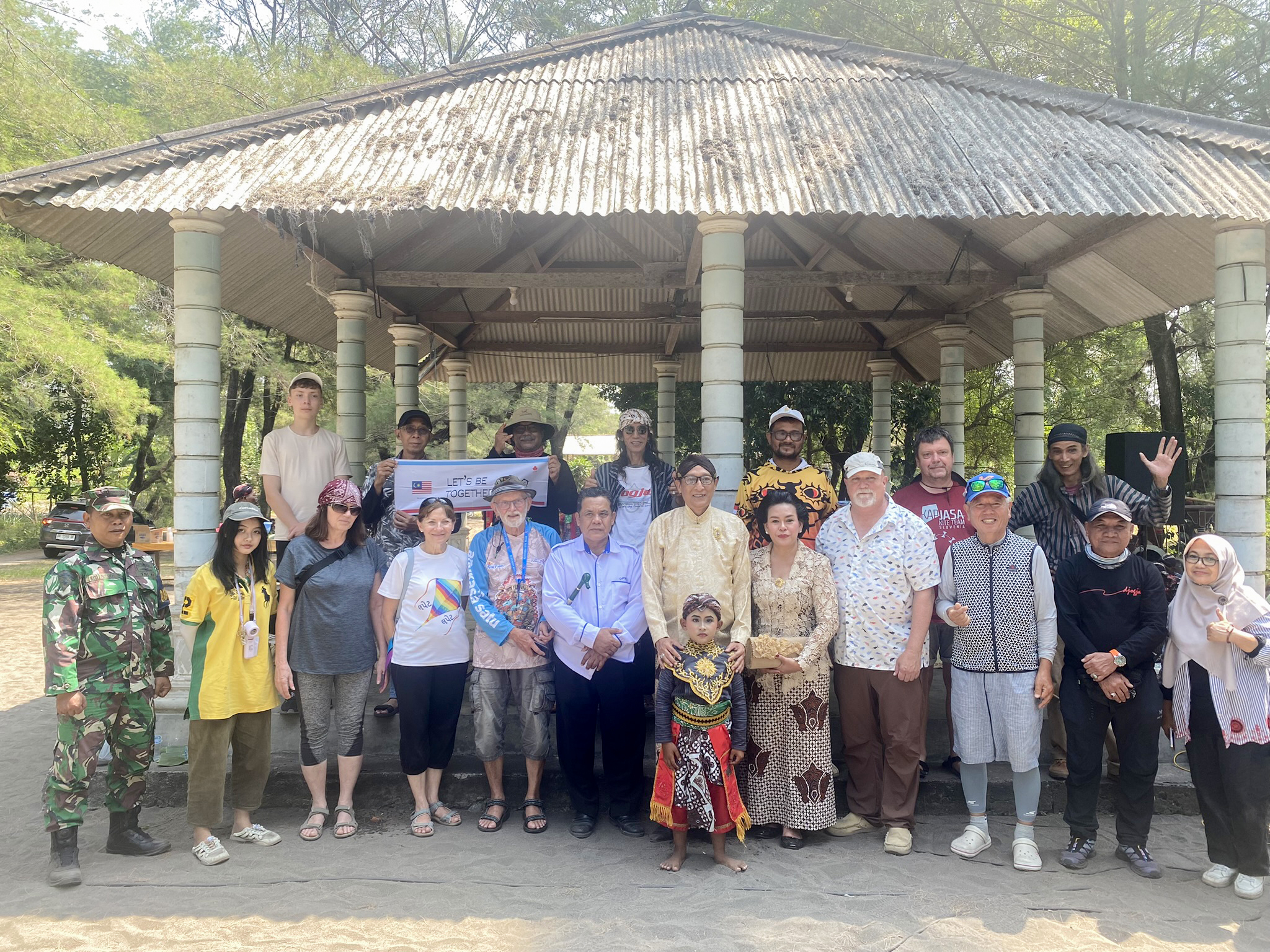
And of course the most incredible friends – and family! – from Indonesia. Aji, Juan, and the team: what an incredible work you did! Congratulations! Aruman, thanks for your hospitality and all the yummy food. Anan and Tony for getting us comfortably and safely to all the amazing places we’ve been to. Olin who made the most incredible flags for each participating team. Yuki and Mia. And Rara with the most beautiful voice: as Gregor said, you will be a pop star, just start acting like one!
Emotions run high, so it’s time for a poem:
aku kabèh iki uga layangan
lagi kekejer ing tawang
satengahing bebrayan
embuh dadiné
kepriyé wasanané
aku ara ngerti ara weruh
gumantung karepé si Kuncung
sing nyekel benang
kang dadi dalang
babaring kaanan

This poem was written by the enigmatic T., first published in Parikesit 74 and republished in the huge anthology Javanese Literature Since Independence, edited by J.J. Ras.
A humble attempt at translation:
we are all kites
flying in the air
in the middle of the world
what will happen in the future
who knows
nobody knows
it all depends on Kuncung’s will
he is holding the string
he is the mastermind

So, to conclude: Jogja 2025 was not a festival; the trip to Indonesia was never a trip, nor a visit. Meaning: of course it was all that, but also much much more … it was a fantastic festival, an unforgettable visit, an adventure of a lifetime.
All in all, it was a journey. A journey that, in its essence, can never end.
Thank you for that. See you next year, every year, hopefully forever. Kuncung will make it happen!
Some photos were brazenly stolen from Lubica, Andrea, Mr. Song, Todd, and Juan.
And special thanks to Žuža and Žare of Zmajoljupci – Croatian Kite Association for their generous lease of Buco and the Spinners!





Wow..amazing journey. See you the next 11th JIKF 2026 for more amazing, fun, and unforgotable journey. Thank you for the article gregor. 🙏🙏🙏
Thank you, Anang! 🙂
Excellent article! Thank you for putting the experience all in one place!
Thank you, Todd! 🙂
Whoooooh
WWhooooooh
Whooooooiih!