A strange stone structure on a strange hill. What could that be?
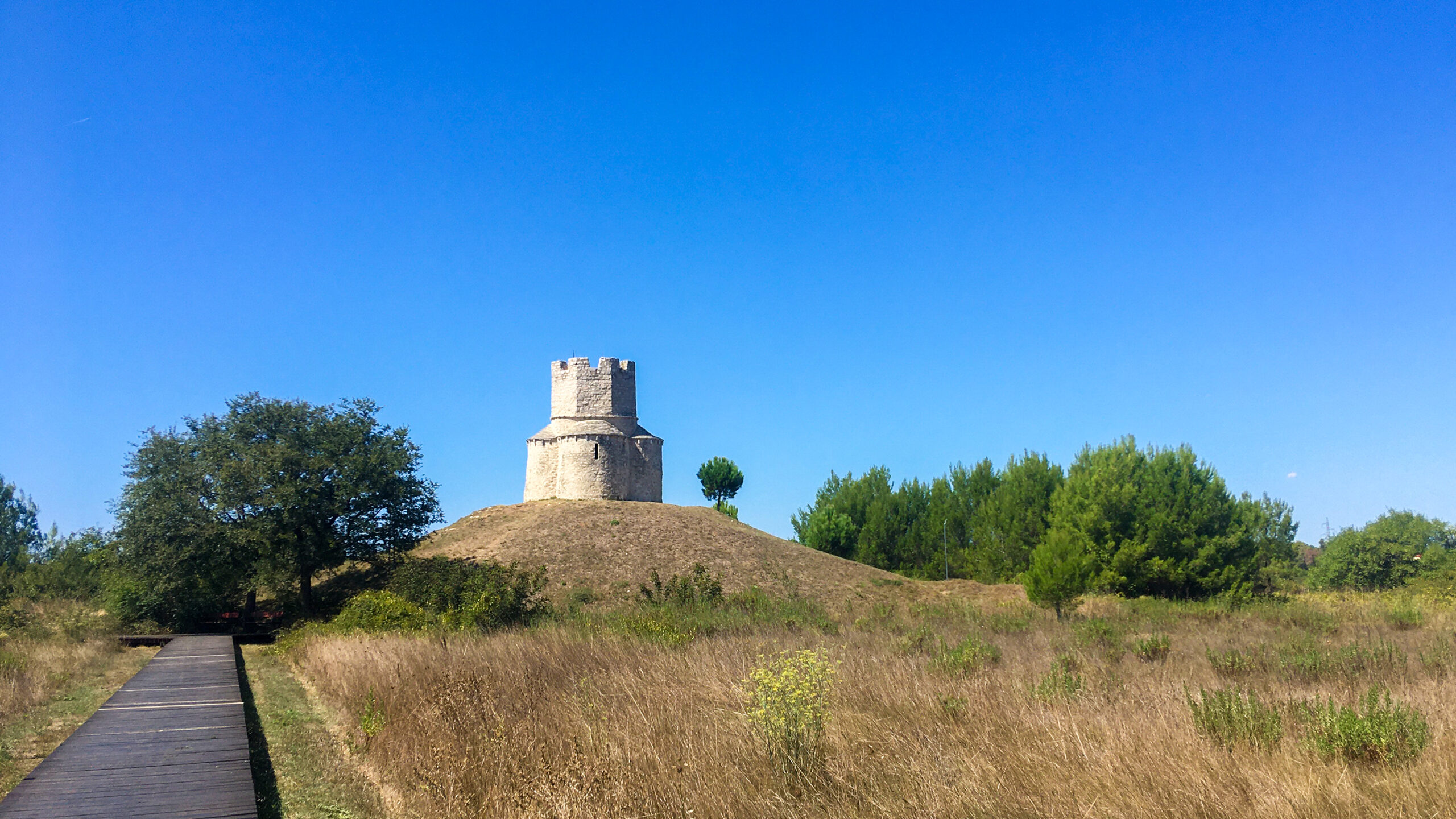
This rather remote spot in Ravni Kotari, northwest of Zadar and south of Nin, at the north-western edge of Dalmatia, has accumulated so many stories that trying to unravel them all feels slightly unfair to the poor little hill. There are Iron Age seafarers, the Liburnians, whose ships and maritime power made them one of the most formidable peoples of the north-eastern Adriatic. There are Greek colonists, Roman conquerors and the great naval battle of Actium, where the fast ships known as liburnae played an important role in teh battle of Actium, clearing the way for Octavian to become Augustus.
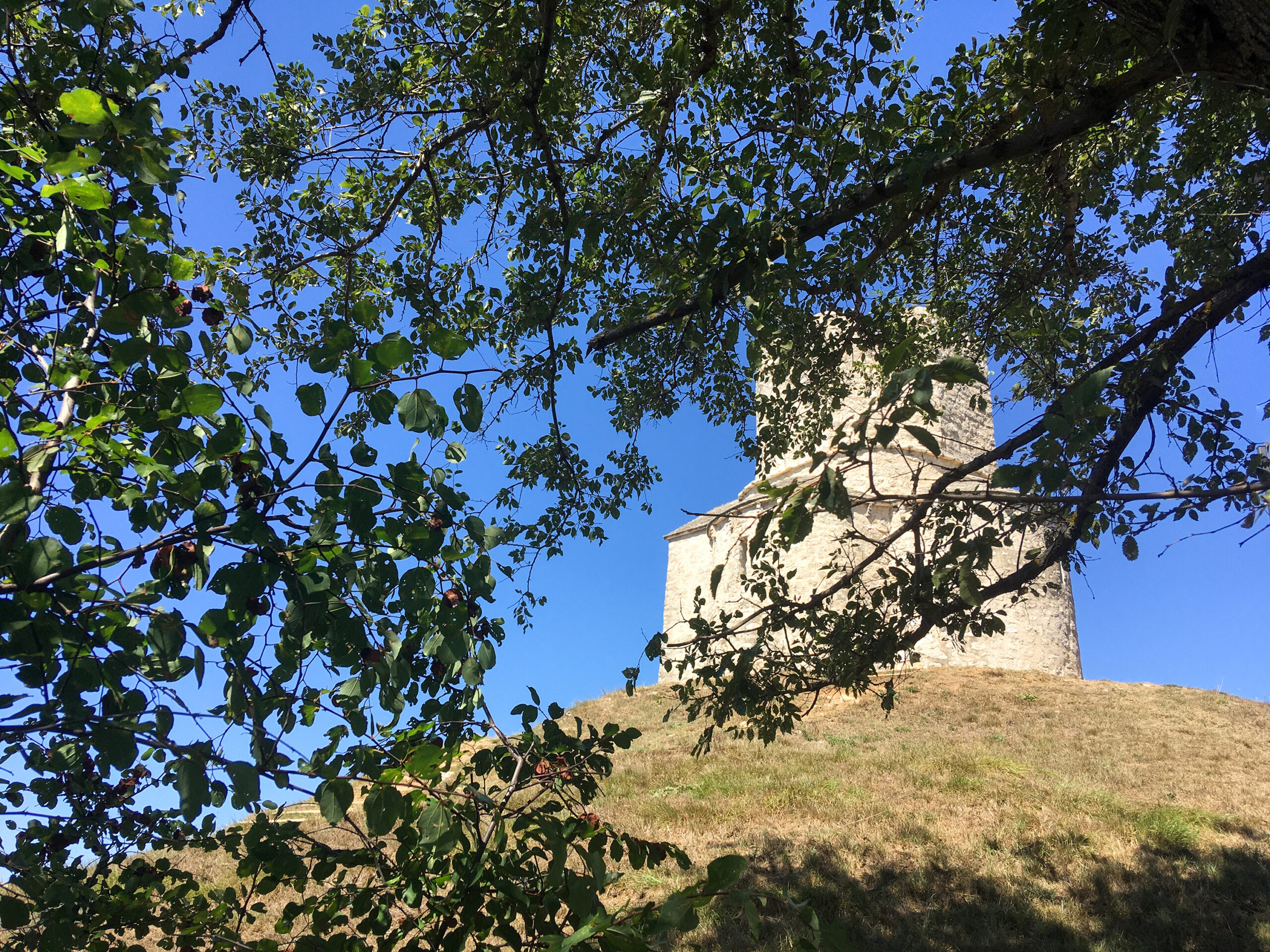
There are ancient, almost forgotten goddesses who acquired Roman identities and were eventually superseded by saints of one God. There are centuries of fighting and bargaining over these lands: Romans and Goths, Byzantines and Avars, Franks and Slavs, Croats and Ottomans. There are also the delightfully mysterious Myrmidones that tamen christiani erant, sed rudes valde, and their even more mysterious land of Marab, preserved in a medieval Zadar legend, and the kings of Croatia crowned in the ancient city of Nin. History here does not so much proceed in a straight line as wander off into the bushes, acquire a sword, coming back centuries later.
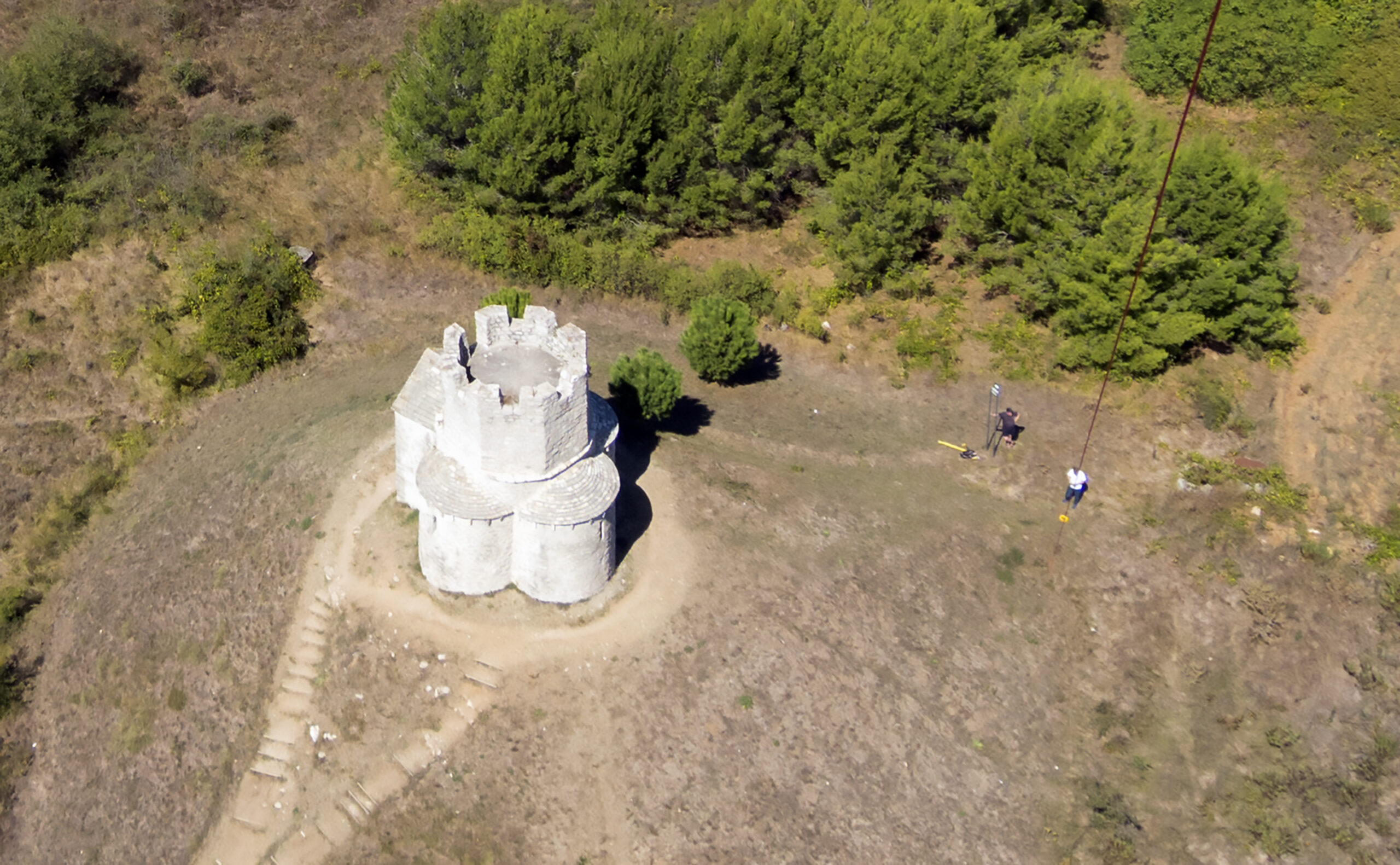
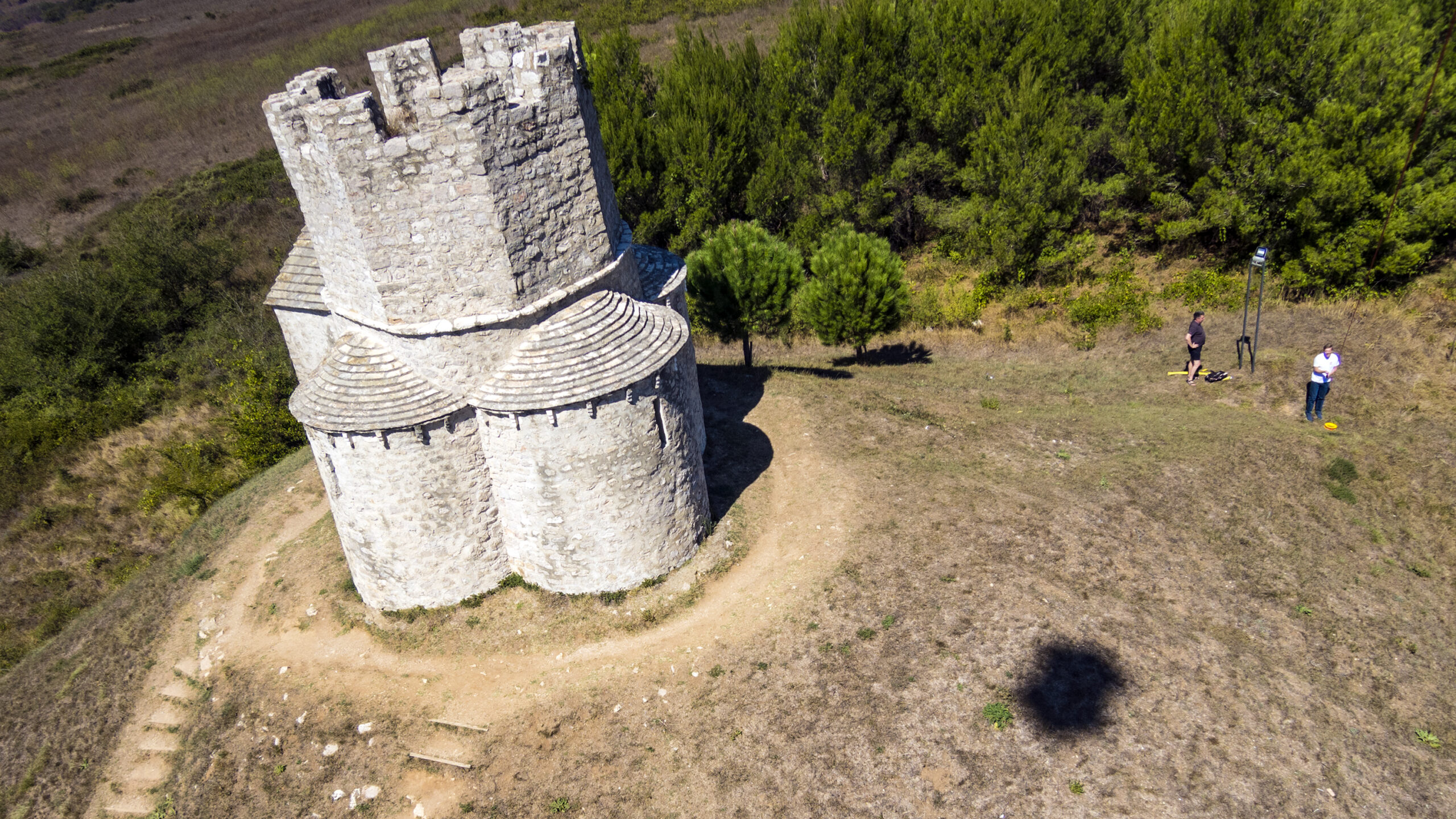
The little stone edifice resembling a castle is strange, but we shall start with the hill on top of which it is perched.
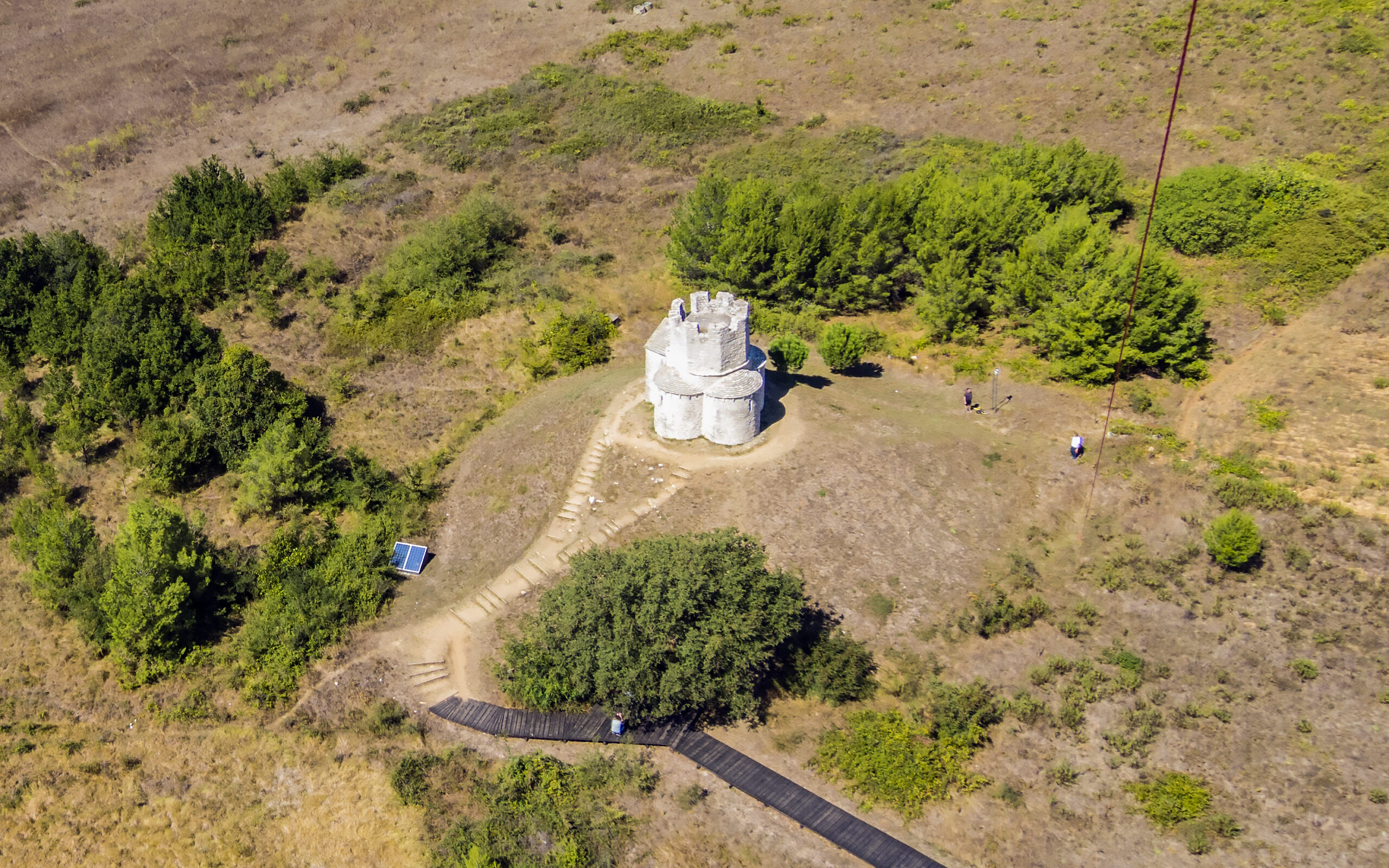
This hillock jutting out of the flatlands of Ravni Kotari, roughly halfway between Nin and Zaton, is a suspiciously symmetrical little thing. It rises only a few metres above the surrounding plain, yet its regular, almost conical form immediately makes you think: this cannot possibly be natural.
Well, it isn’t.
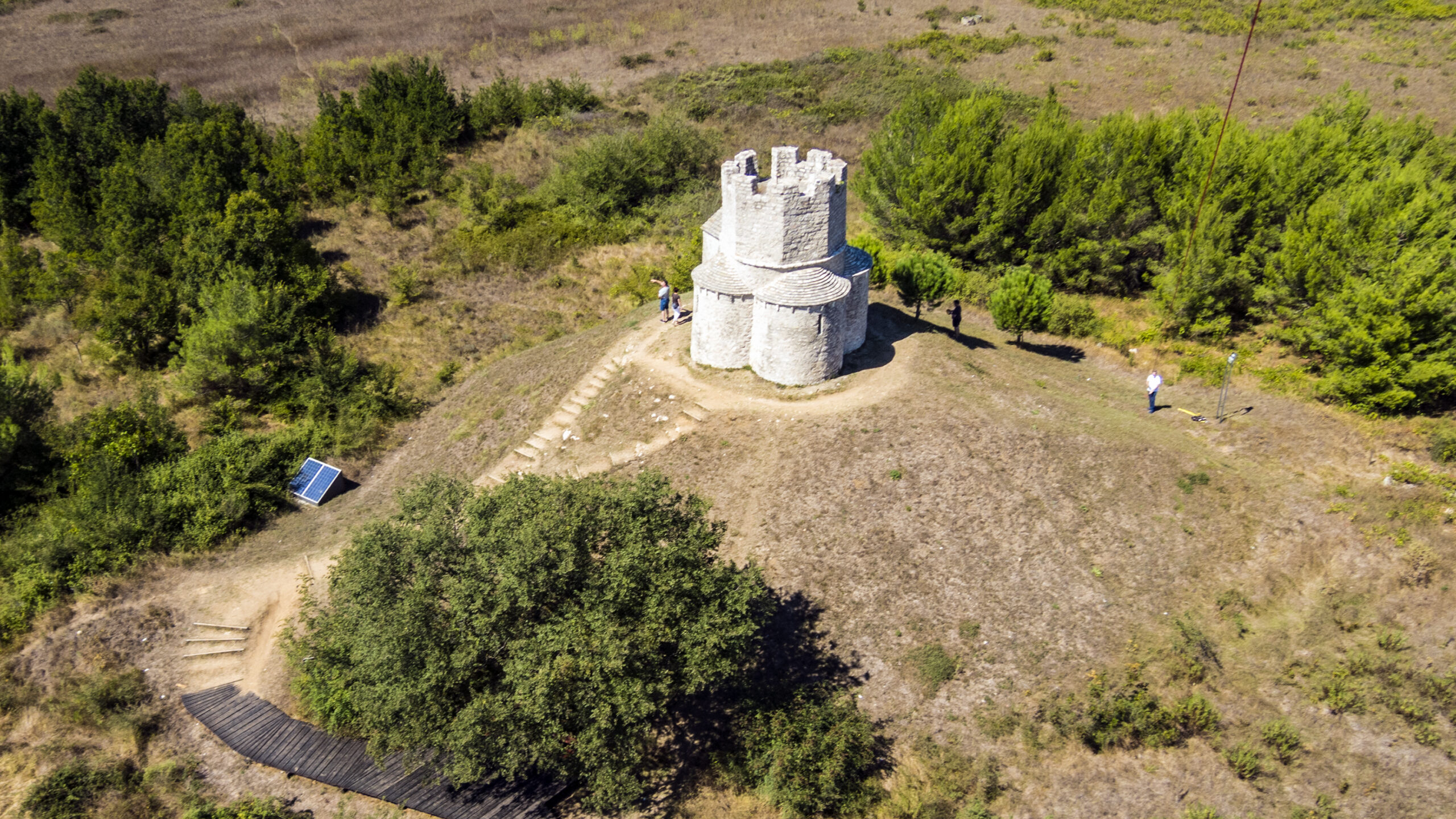
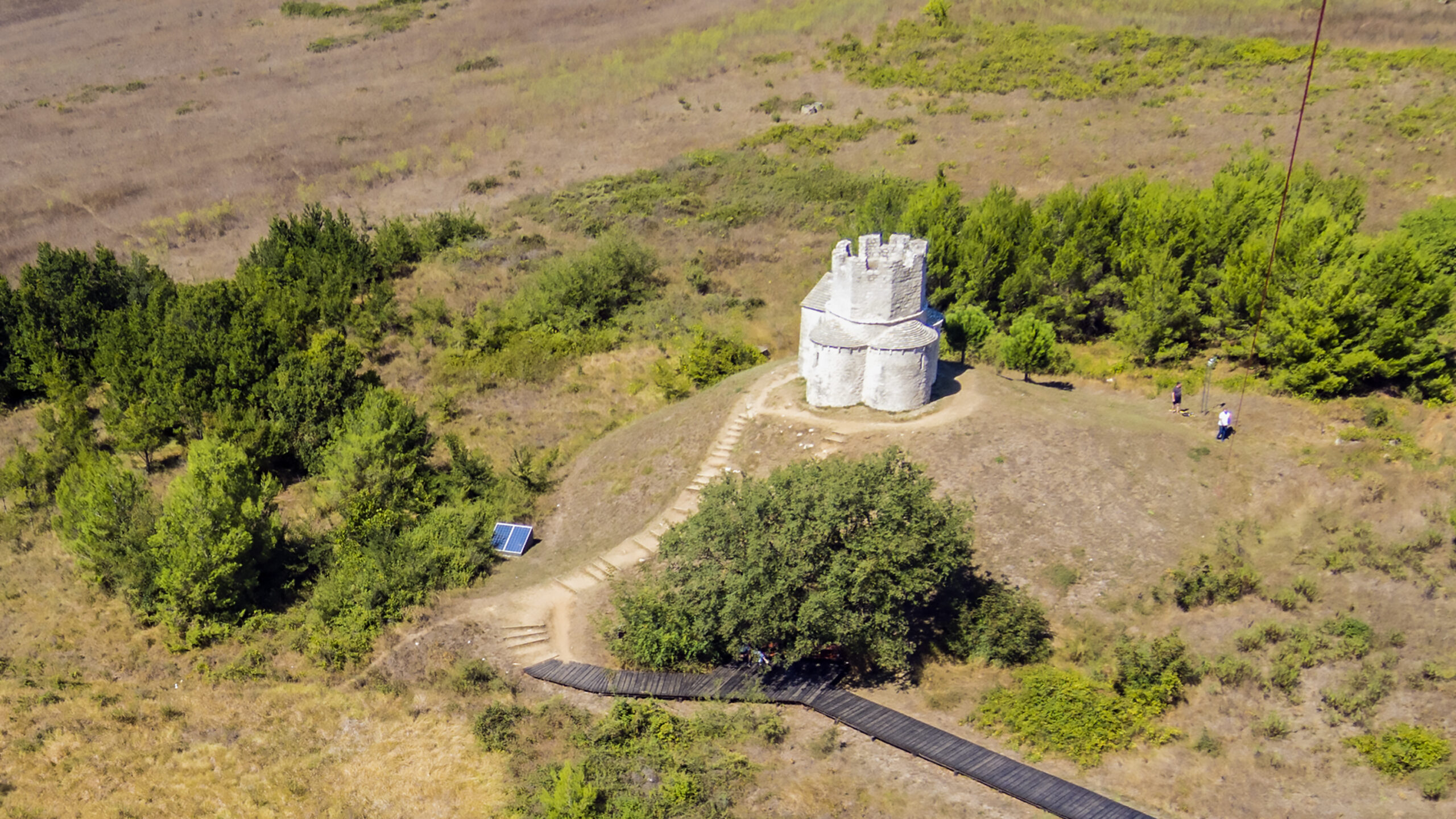
It is a tumulus, a prehistoric funerary mound.
The mound has never been fully excavated, so we cannot confidently say who lies beneath it. Perhaps a Liburnian notable. Perhaps several generations of a family. What we do know is that prehistoric tumuli of teh Liburnians are widespread in northern Dalmatia, and that some contained multiple burials and were reused over long periods. The tumulus on which St Nicholas stands belongs to a landscape in which such mounds could remain important landmarks and places of memory long after the people who built them had disappeared. Archaeologists have specifically noted the curious practice of building later churches on several such mounds around Nin.
Who were they, Liburnians in the tumulus? Iron Age raiders bringing sweet Apulian wine to the thirsty subalpine tribes, suffering in the dry Hallstatt? Warriors on the swift galleys called liburnae that won the battle of Actium for the future Emperor Augustus? Dreaded pirates of the Adriatic?
And whom did they worship? Their gods, as much as we can know of them, were (like those of the neighbouring Iapodes) predominantly goddesses: Anzotika, Jutosika, Ajtika, Sentona, Latra … and a rarely attested god, Ijik.
Roman interpretatio did its usual work. Local divinities could be equated with Roman ones, their names acquiring new companions and new meanings. Anzotika thus became Venus Ansotica, Ijik morphed into Iuppiter Sabasius Iicus. Local cults were absorbed, transformed and renamed. And then, eventually, another God arrived with a rather more ambitious plan.
Because the strange little stone edifice that was built there is – a church.
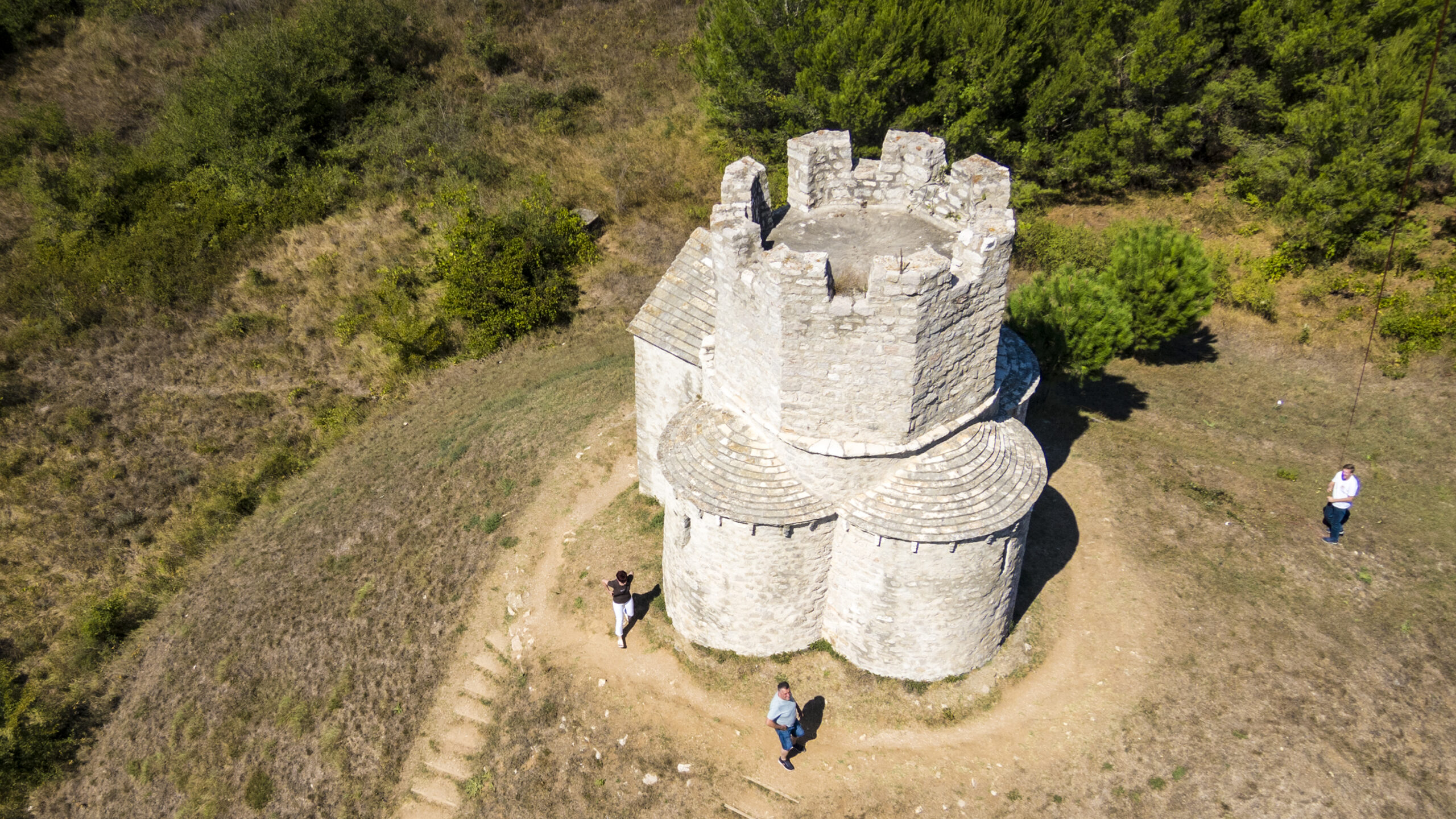
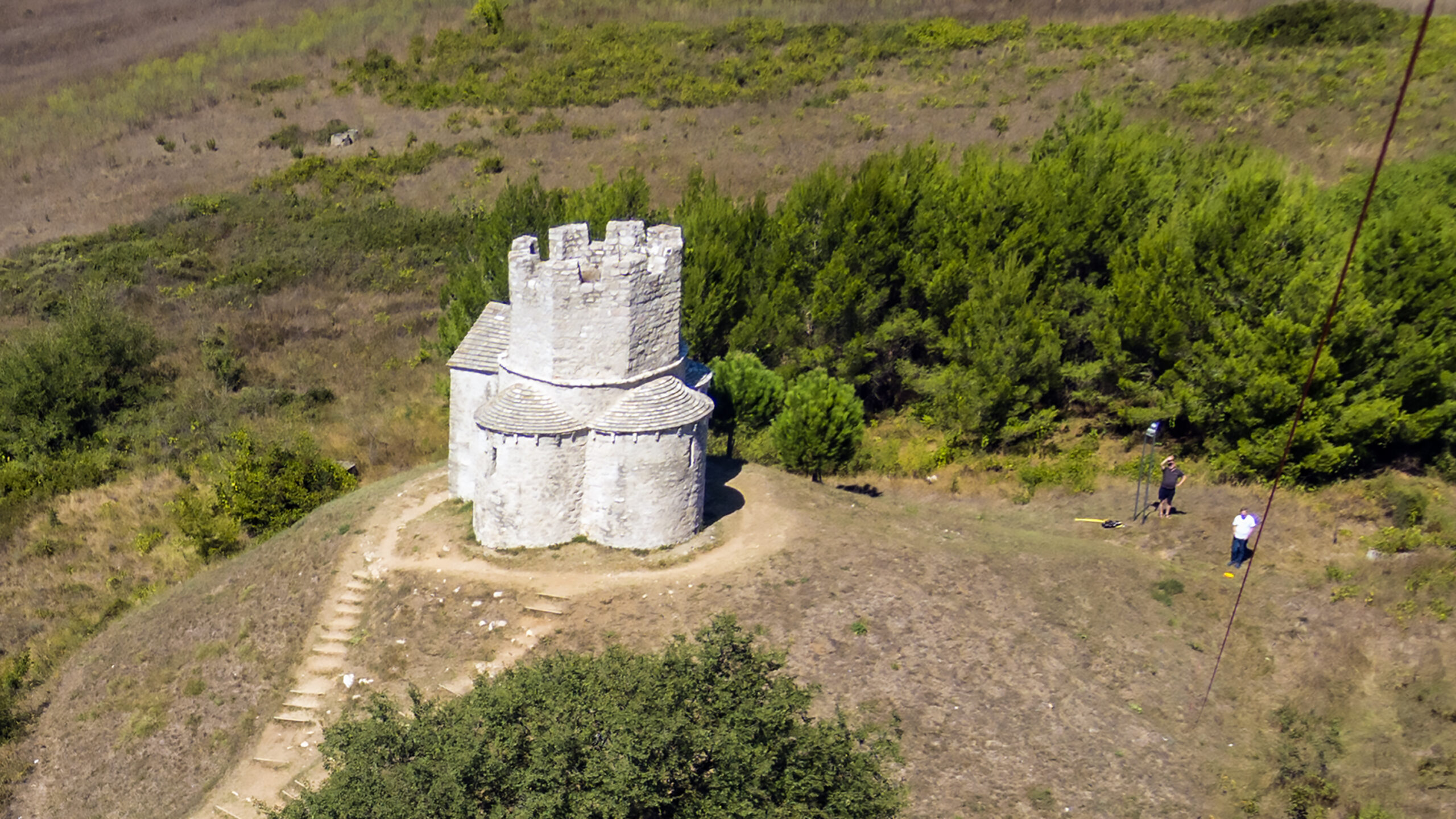
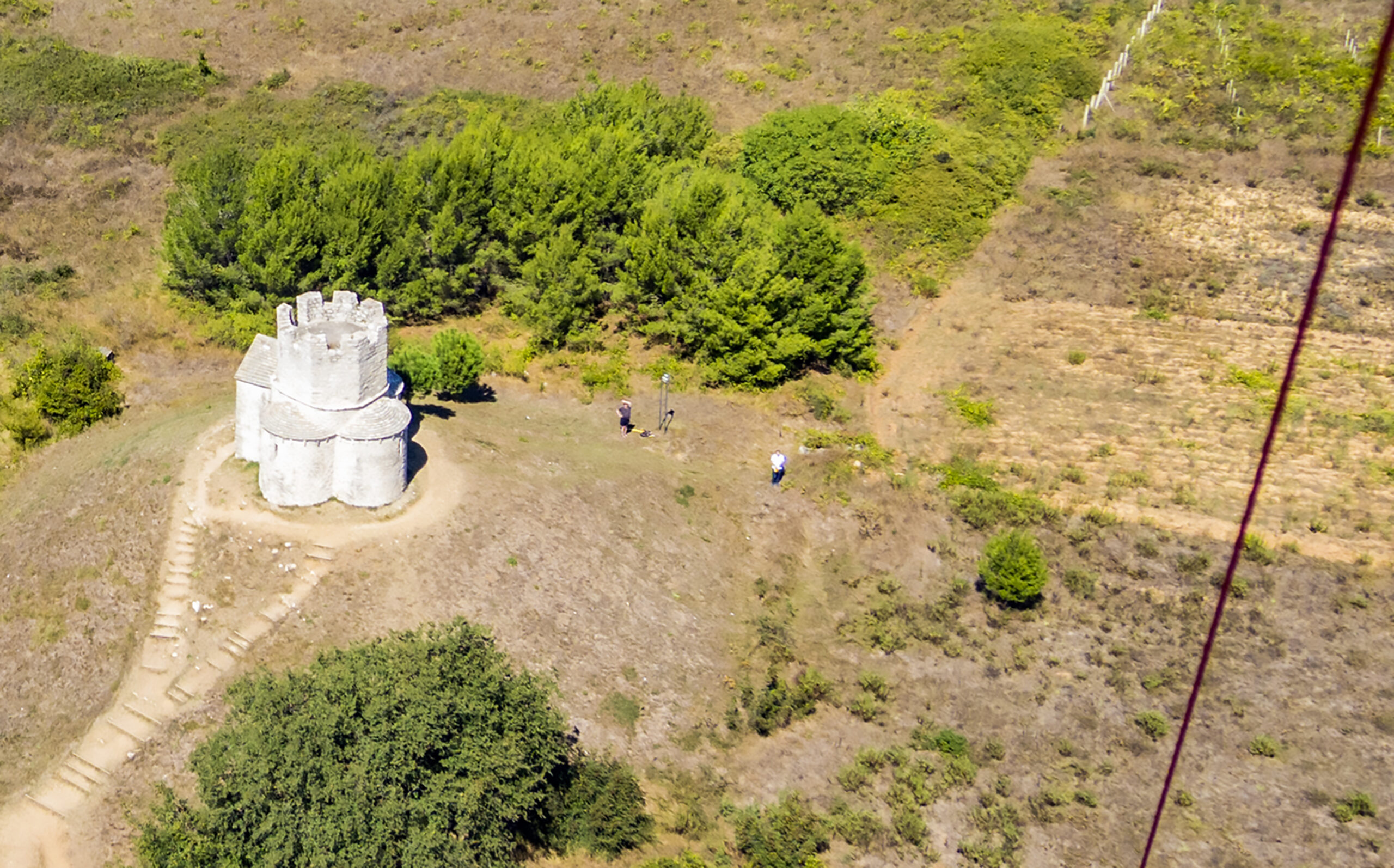
The Church of St Nicholas was built at the end of the 11th or beginning of the 12th century, a tiny Pre-Romanesque building with a trefoil plan and a central domed space. It can fit whole into 7 by 7 by 7 m cube, and it sits on its prehistoric hill like a miniature fortress, chapel and watchtower rolled into one.
Between the raising of the prehistoric tumulus and the building of St Nicholas, however, an astonishing amount of history had passed over this little patch of ground.
Liburnia was one of the first thalassocracies in the world. It emerged during the Iron Age on the northeastern Adriatic, expanded southward, and up to their clashes with the Greeks ruled pretty much the whole Adriatic from what is now Venice all the way down to Corfu and the Gates of Otranto.
In the fourth century BCE, the balance of power changed dramatically. Dionysius I of Syracuse expanded into the Adriatic and seized important islands and settlements, including Pharos and Issa, reducing Liburnian influence in the south. The Liburnians remained strongest in their northern Adriatic heartland, however, centred on the coast and islands around present-day Zadar, the Kvarner and the western coast of Istria.
That heartland was a remarkably defensible landscape. The Velebit range, the rugged hinterland, the Krka and its canyons, and the innumerable islands and channels of the Adriatic made movement difficult and offered sailors an extraordinary collection of natural harbours. If geography had been designed by a paranoid naval architect, it might have looked rather like this.
And the Liburnian ships were good. Very good.
The liburna, a fast and relatively light warship became particularly important to the Romans. At Actium in 31 BCE, Octavian’s fleet used such vessels against the heavier ships of Mark Antony and Cleopatra. The Romans had adopted and developed the Liburnian ship design, and its speed and manoeuvrability contributed to Octavian’s success. After Actium, the liburna became an important element of the Roman navy.
Roman power eventually reached Liburnia itself. The region became incorporated into the Roman world, while local communities retained elements of their identity and traditions for generations. Roman cities such as Iadera and Aenona flourished, and the old religious landscape slowly changed as Roman cults mingled with indigenous ones.
Then Christianity arrived.
From the Romanised cities of the coast, the new religion spread into the surrounding countryside. Old gods did not necessarily disappear overnight. They were reinterpreted, renamed, absorbed or simply forgotten. Anzotika, Sentona and Latra gradually vanished from living memory, while Venus, Juno, and Jupiter themselves eventually found their temples abandoned. The old pantheon was not defeated in a single glorious battle. It simply lost, one generation at a time, the people who still remembered its names. It seemed like a dawn of a new era …
And then suddenly the whole world came crashing down.
The mighty Goths came sweeping down, destroyed the Western Roman Empire, and pushed its Eastern counterpart far to the south. Later the Byzantium re-conquered Dalmatia, but then Avar and Slavic migrations transformed the political and demographic landscape yet again, and the arrival and consolidation of Croatian groups added yet another layer to the already complicated human mixture.
Yet the coastal cities survived, and so did parts of the old Roman world around them.
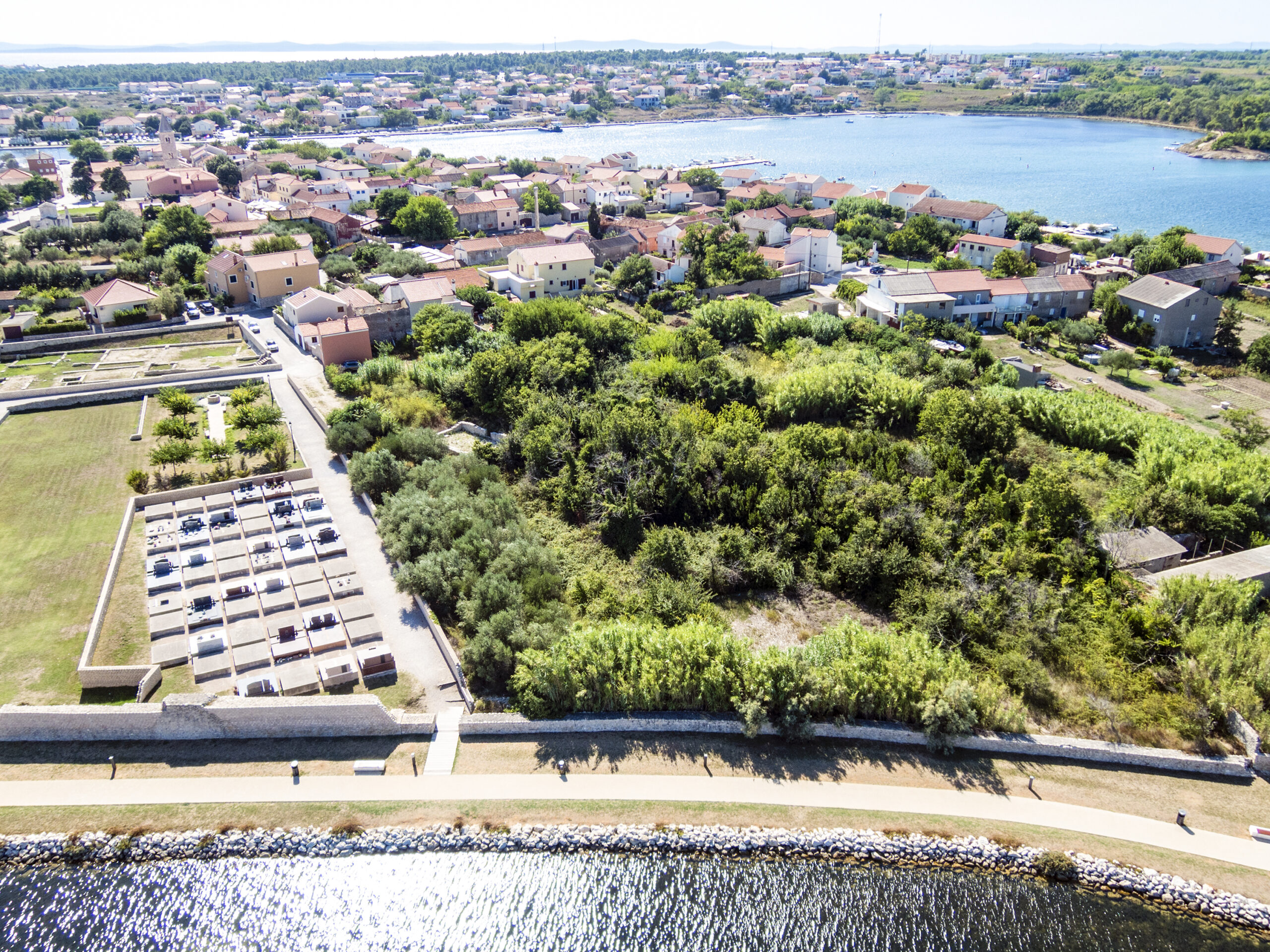
The hinterland was another matter. Away from the fortified urban centres, communities of different origins lived alongside one another, gradually becoming something new. Romanised populations, descendants of the older inhabitants and incoming Slavic groups did not simply replace one another in tidy historical succession. They mingled, fought, married, traded, converted and adapted while the political map around them repeatedly changed.
It is in this strange frontier world that the medieval story of the Myrmidones appears.
The ninth-century Translatio beati Grisogoni martyris, a Zadar hagiographic legend , describes people from the Liburnian hinterland as the Myrmidones and places them in a mysterious land called Marab. The story even mentions a bishop among them, which has led historians to connect the mysterious community with the area around Nin, just north of our tumulus with its little church.
Still, Myrmidones is a wonderfully evocative name. In classical mythology, the Myrmidons were the legendary warriors of Achilles, their name traditionally associated with ants. In the medieval Zadar story, the name was applied to people living beyond the city’s immediate world, perhaps with deliberate exoticism and a touch of urban disdain.
These Myrmidones had bishops. They had churches. They had absorbed Christianity. But the urban writers of Zadar evidently did not consider their Christianity sufficiently polished. The phrase tamen christiani erant, sed rudes valde gives us a wonderfully patronising glimpse into the mind of the medieval city: yes, they were Christians, but goodness, what a rustic lot.
But they had a bishop, and the bishop held his seat in old Aenona, NIn.
Nin itself has an extraordinary history.
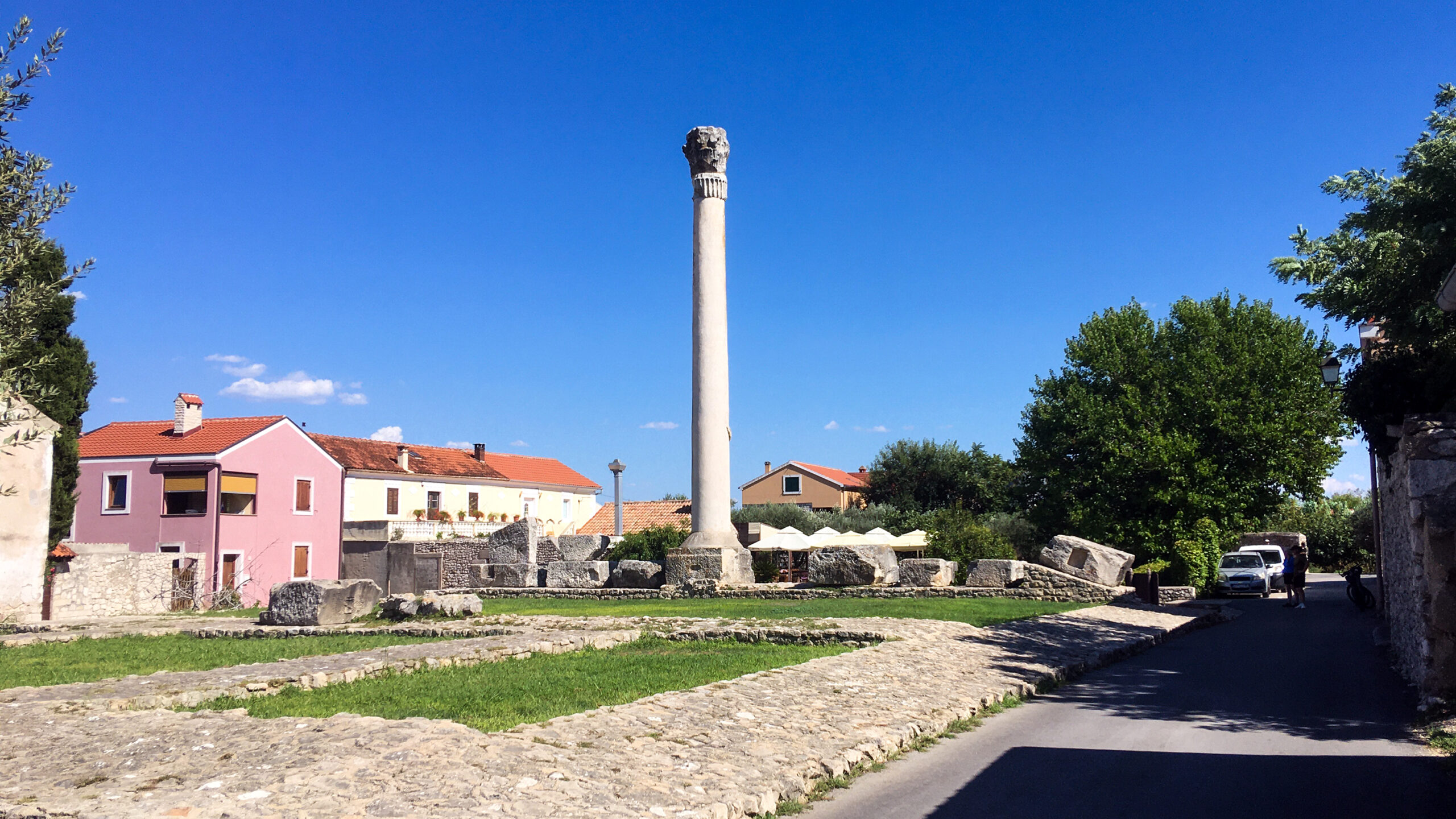
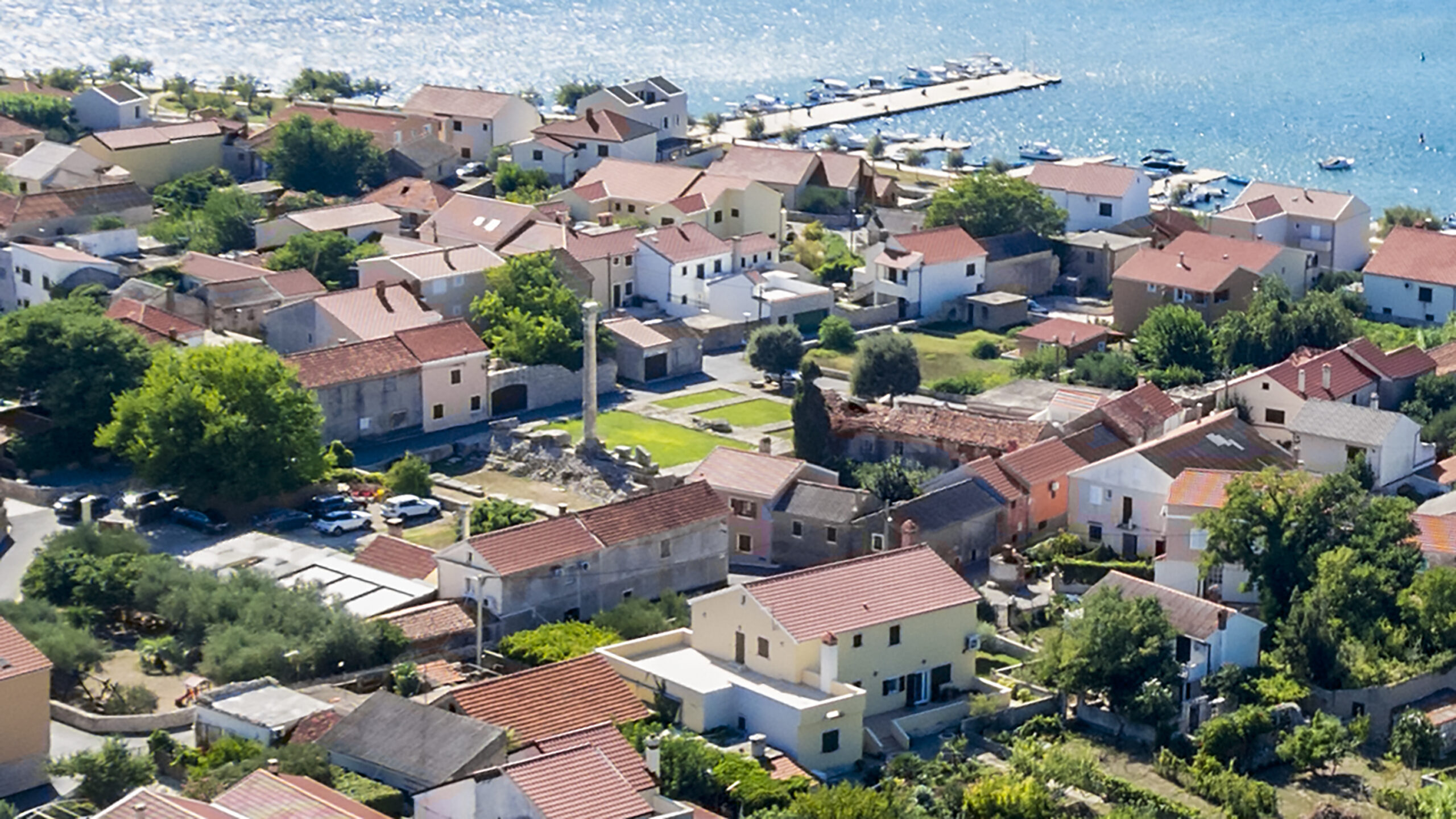
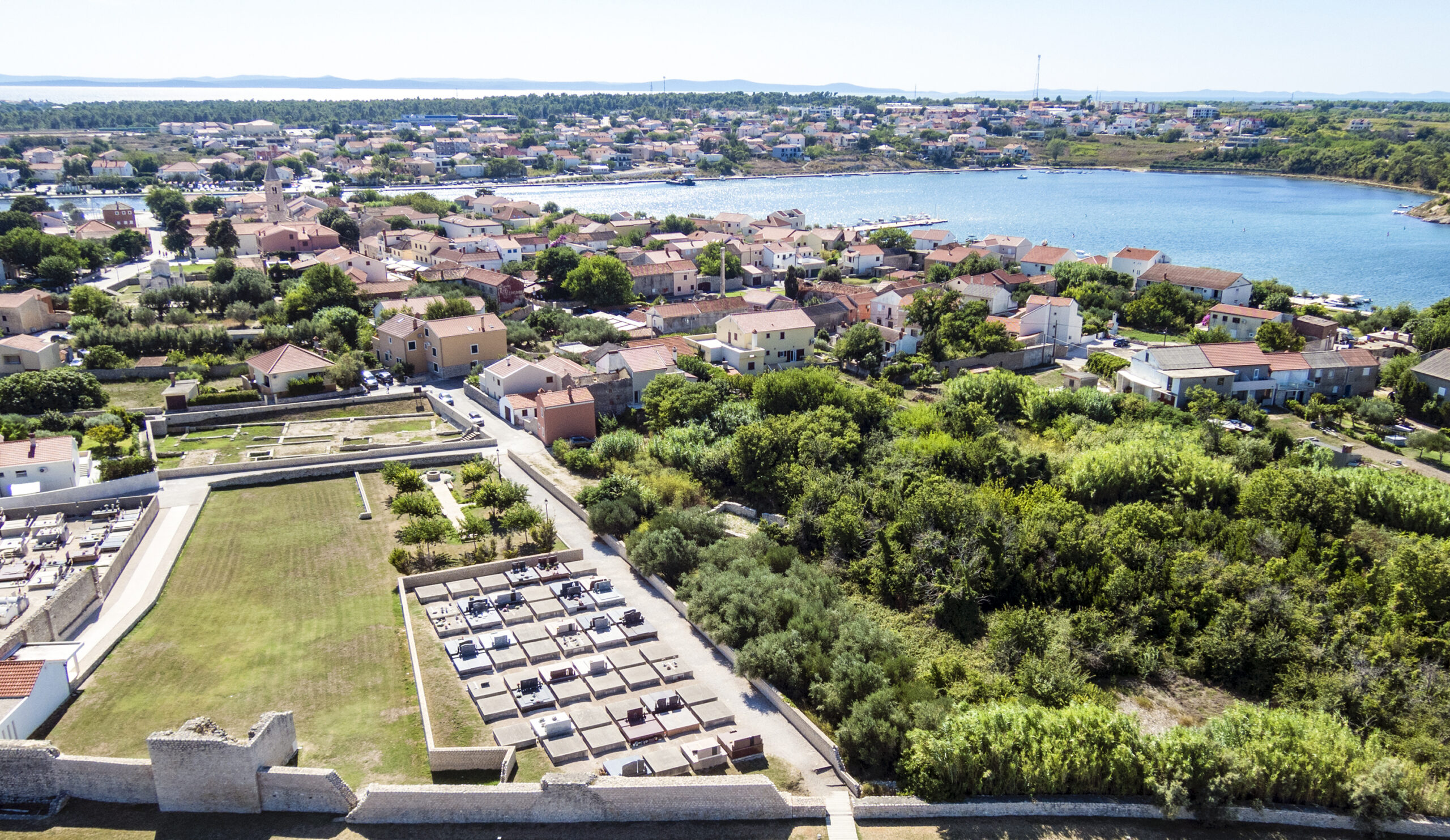
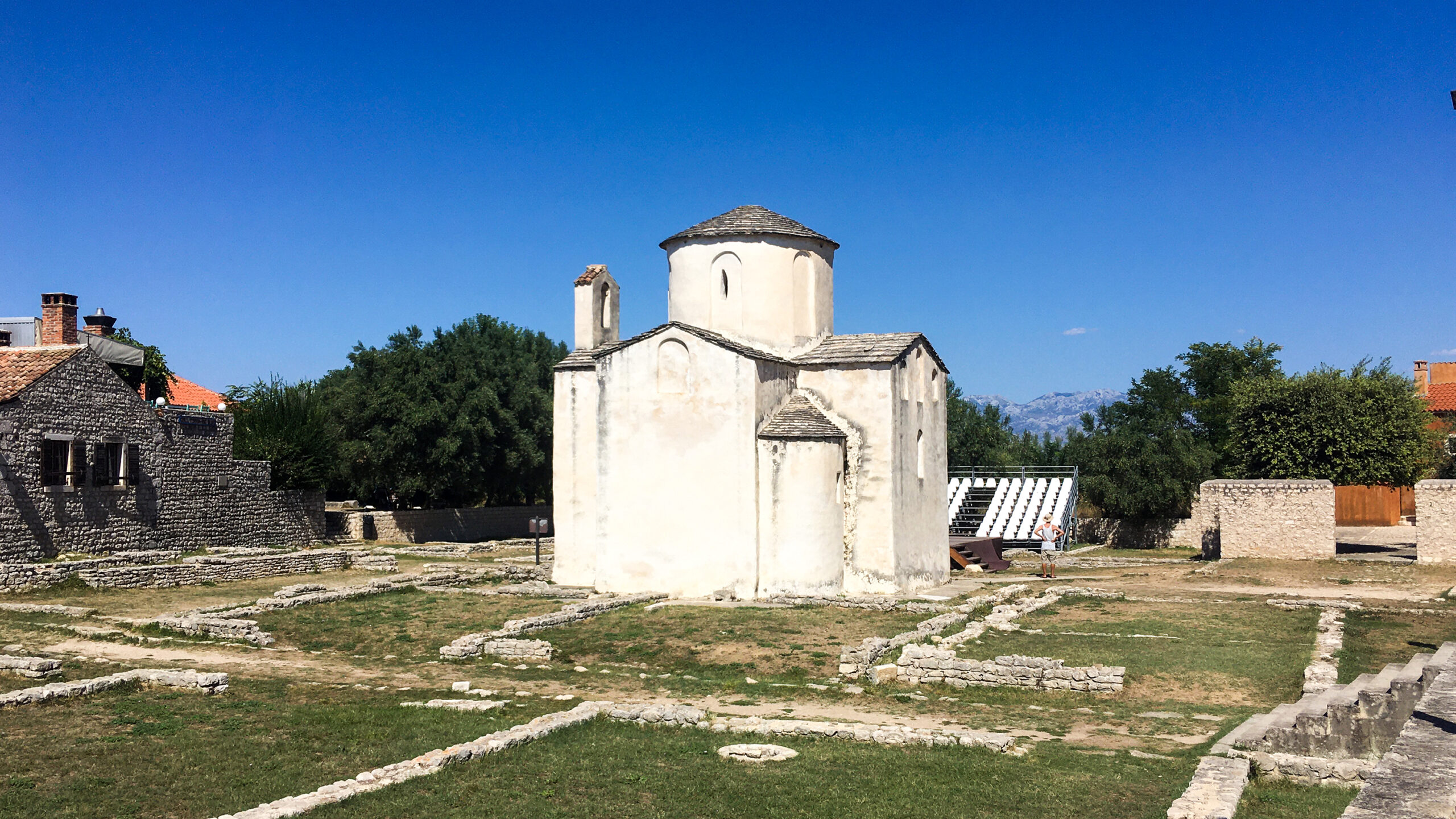
Ancient Aenona was an important Liburnian and later Roman settlement. The largest temple on this side of the Adriatic, dedicated to the triad of Jupiter, Juno, and Venus, stood there. In the early medieval period, Nin became one of the principal political and ecclesiastical centres of the emerging Croatian polity. Its Church of the Holy Cross, a small ninth-century building, is popularly known as the smallest cathedral in the world. The nickname is charming, although while Nin did have a bishopric, the cathedra was rather in the much larger church of St Aselo.
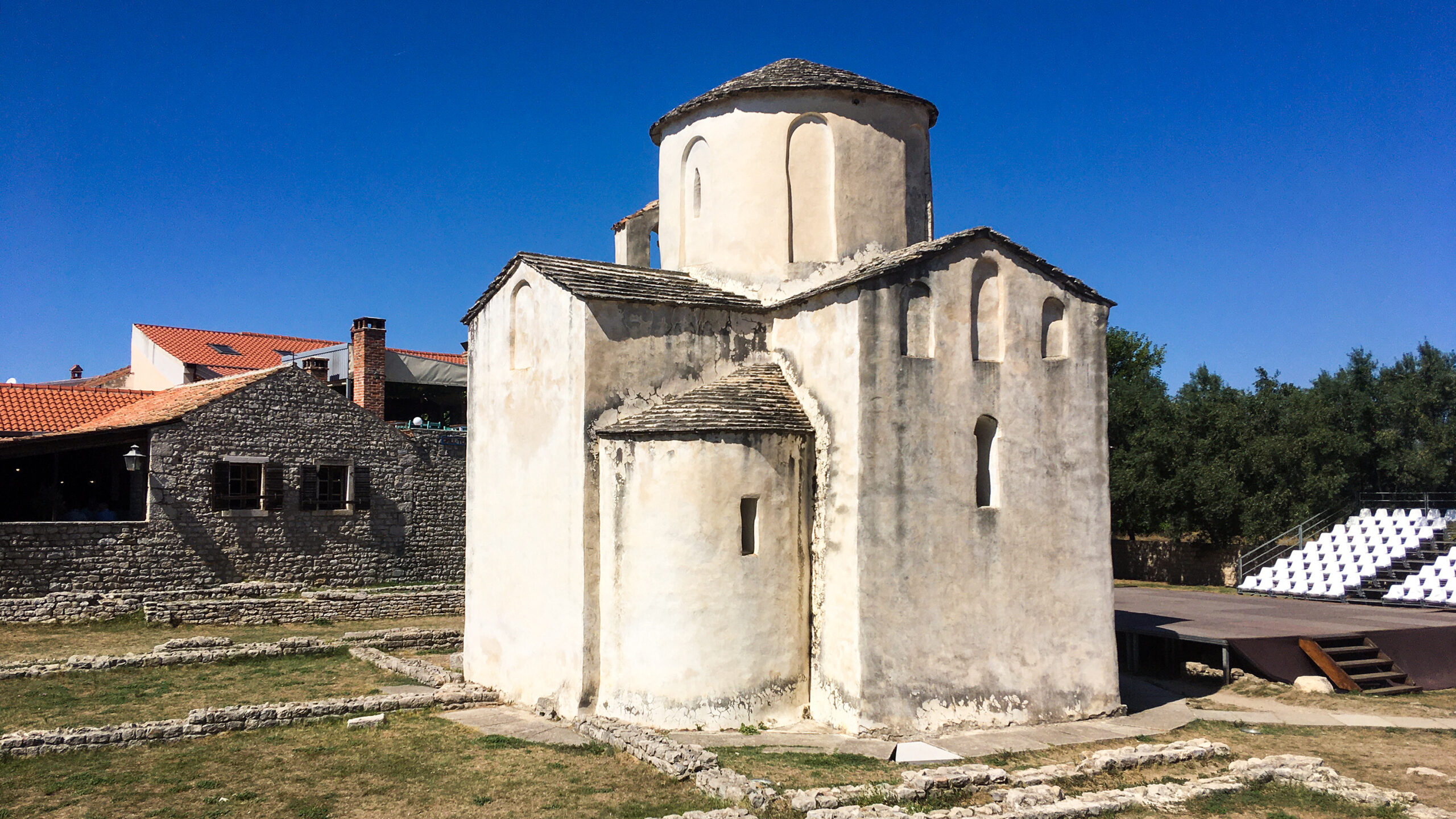
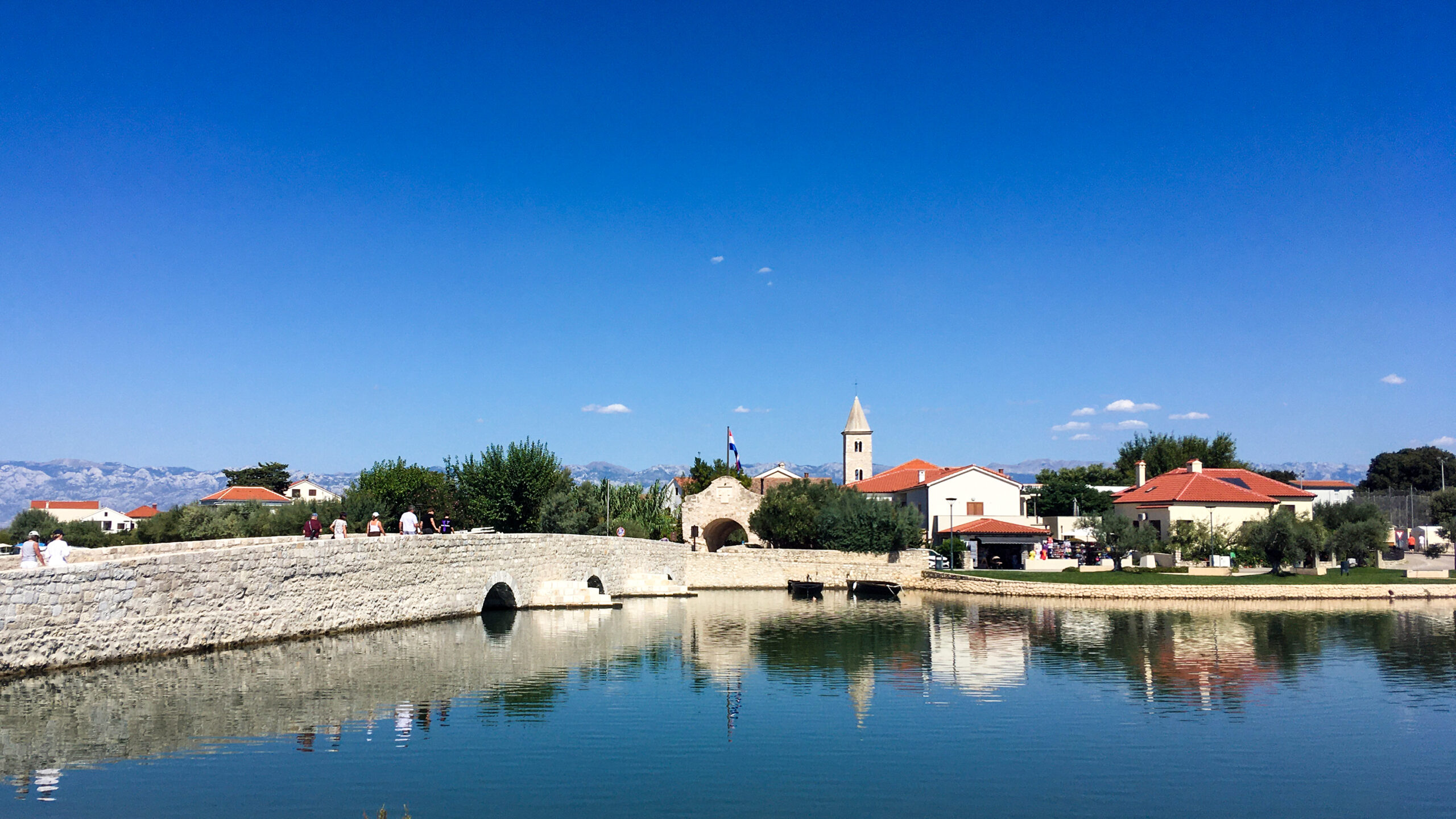
Nin has plenty of other stories to spare. There are Roman remains, early medieval churches, the famous statue of Grgur Ninski, and legends involving saints, bishops and kings. Seven Croatian kings are traditionally said to have been crowned in Nin, although the precise historical details of these coronations remain uncertain.
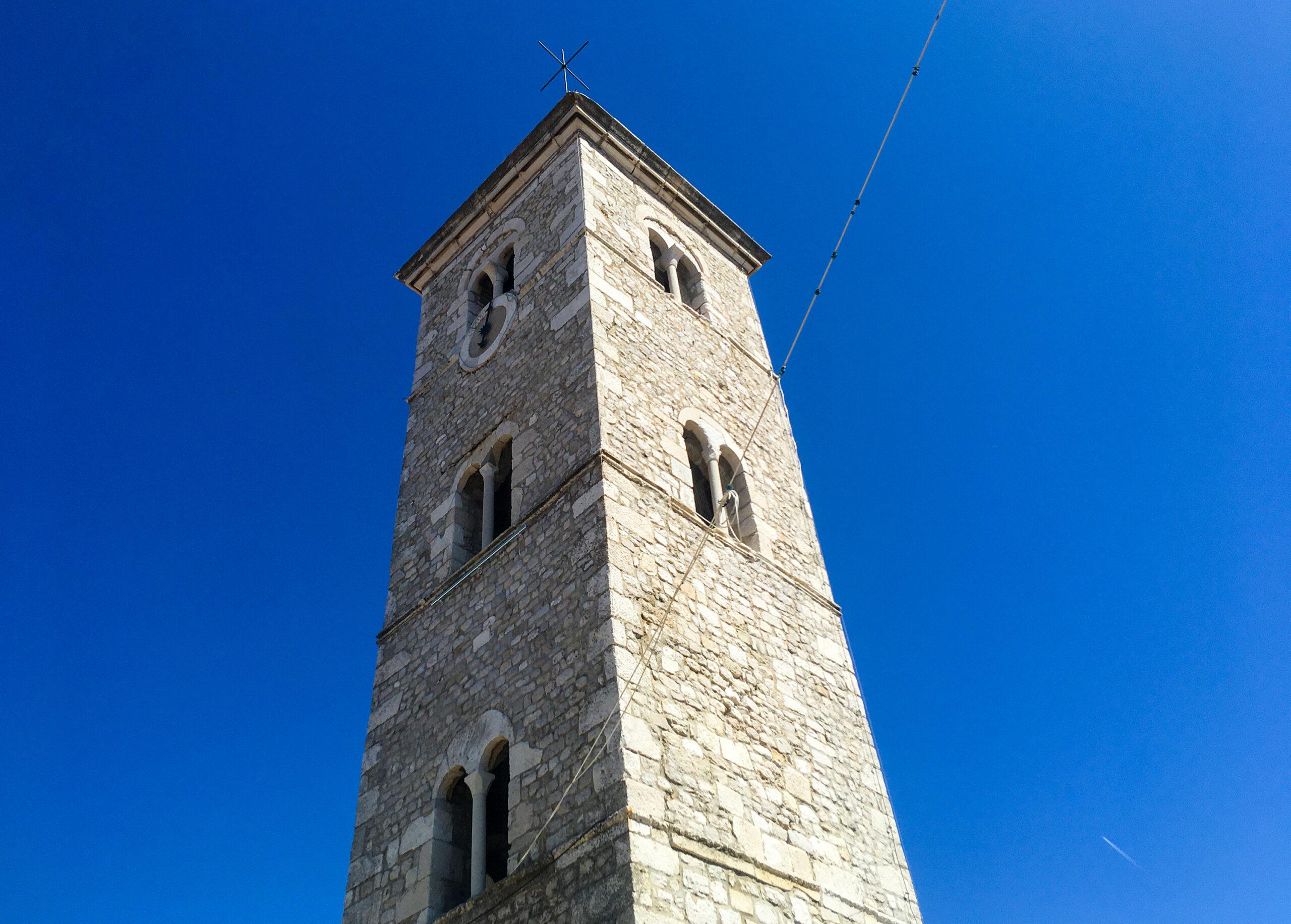
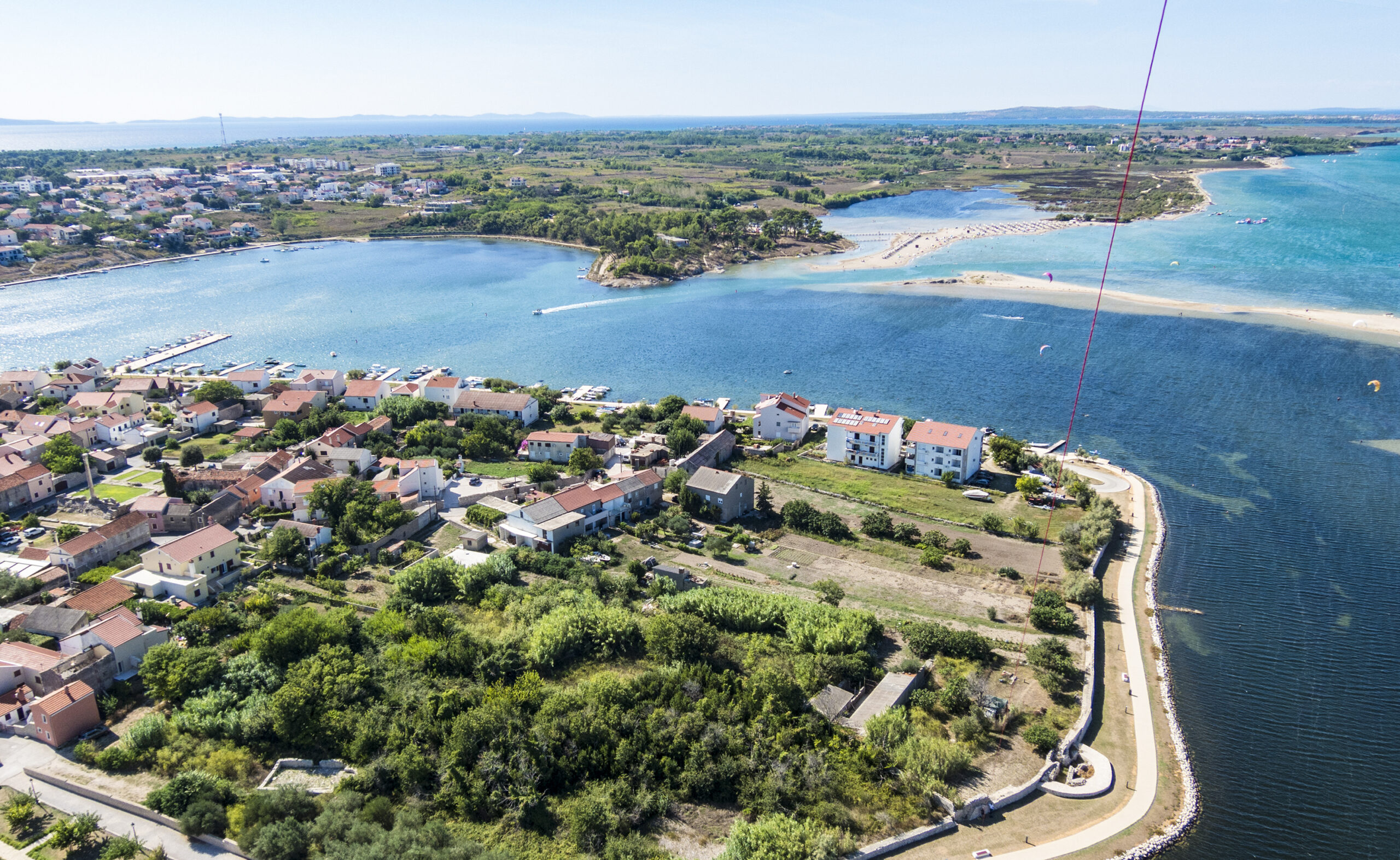
We flew a kite over Nin, anticipating a full kite aerial photography story about this fascinating place. Alas, the camera had other plans. It was pointed slightly in the wrong direction, then pulled down, corrected, and sent aloft in a completely wrong direction.
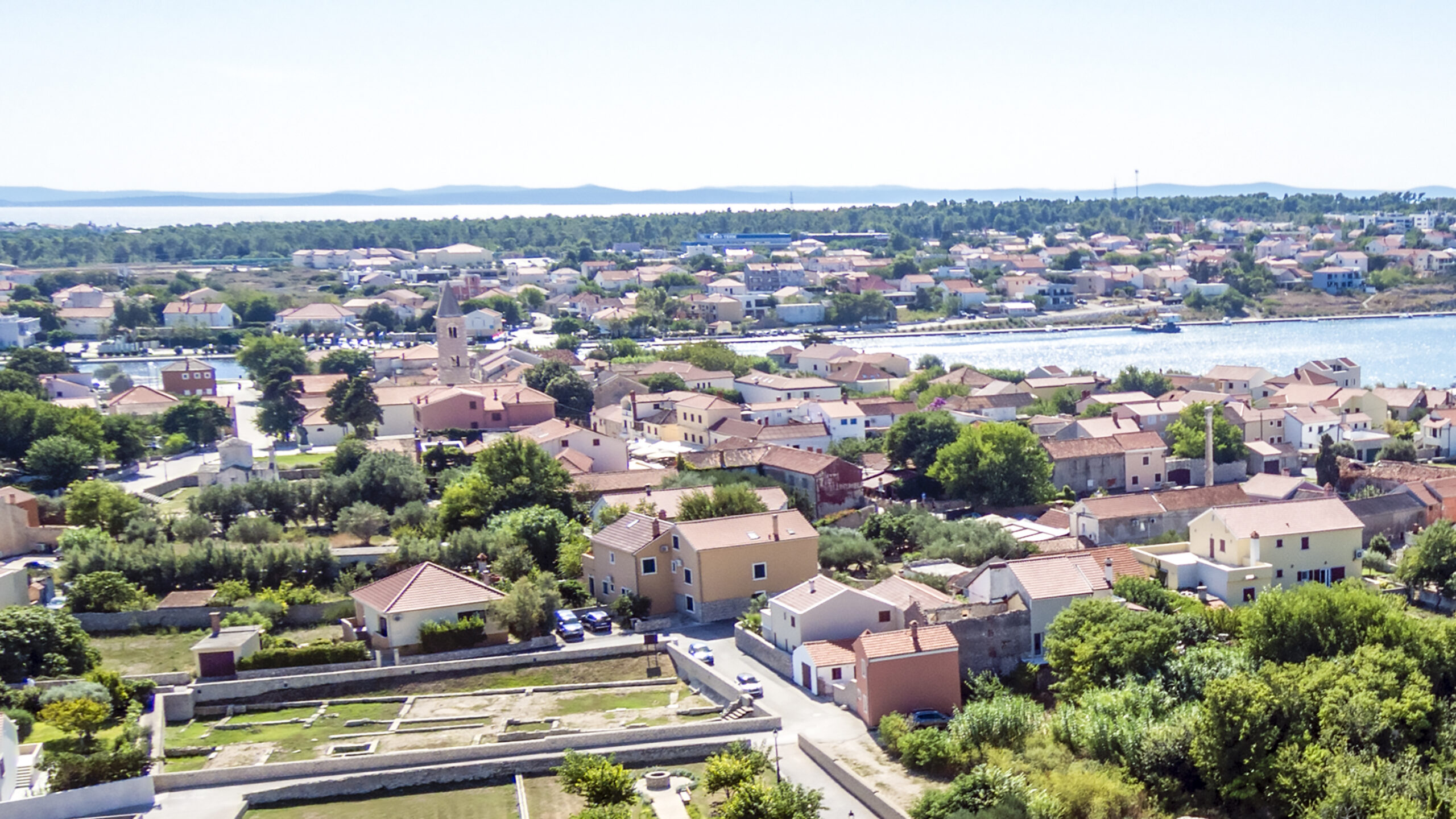
So there will be no grand aerial story about Nin this time.
But the story of the land continued.
As the political structures of the early Middle Ages evolved under Frankish influence, and as local elites consolidated their power, the communities of the region gradually became part of what we now recognise as the Croatian polity. The old Liburnian world had not simply vanished, nor had the Roman world disappeared without leaving a trace. Names, settlements, customs, religious practices and populations had been layered upon one another until a new medieval society emerged.
The Croatian principality grew, and eventually a kingdom emerged, and Nin became one of its principal royal centres.
Then comes the beautiful story attached to our little hill.
According to tradition, after being crowned in Nin, the Croatian king would ride with his retinue to the church of St Nicholas, present himself to the people and, from the top of the mound, swing his sword towards the four cardinal directions, symbolically asserting his authority over the land. It is an irresistible image: a king on horseback, sword flashing in the sunlight, four horizons opening around him, and beneath his feet the burial mound of people who had ruled this country more than a thousand years before him.
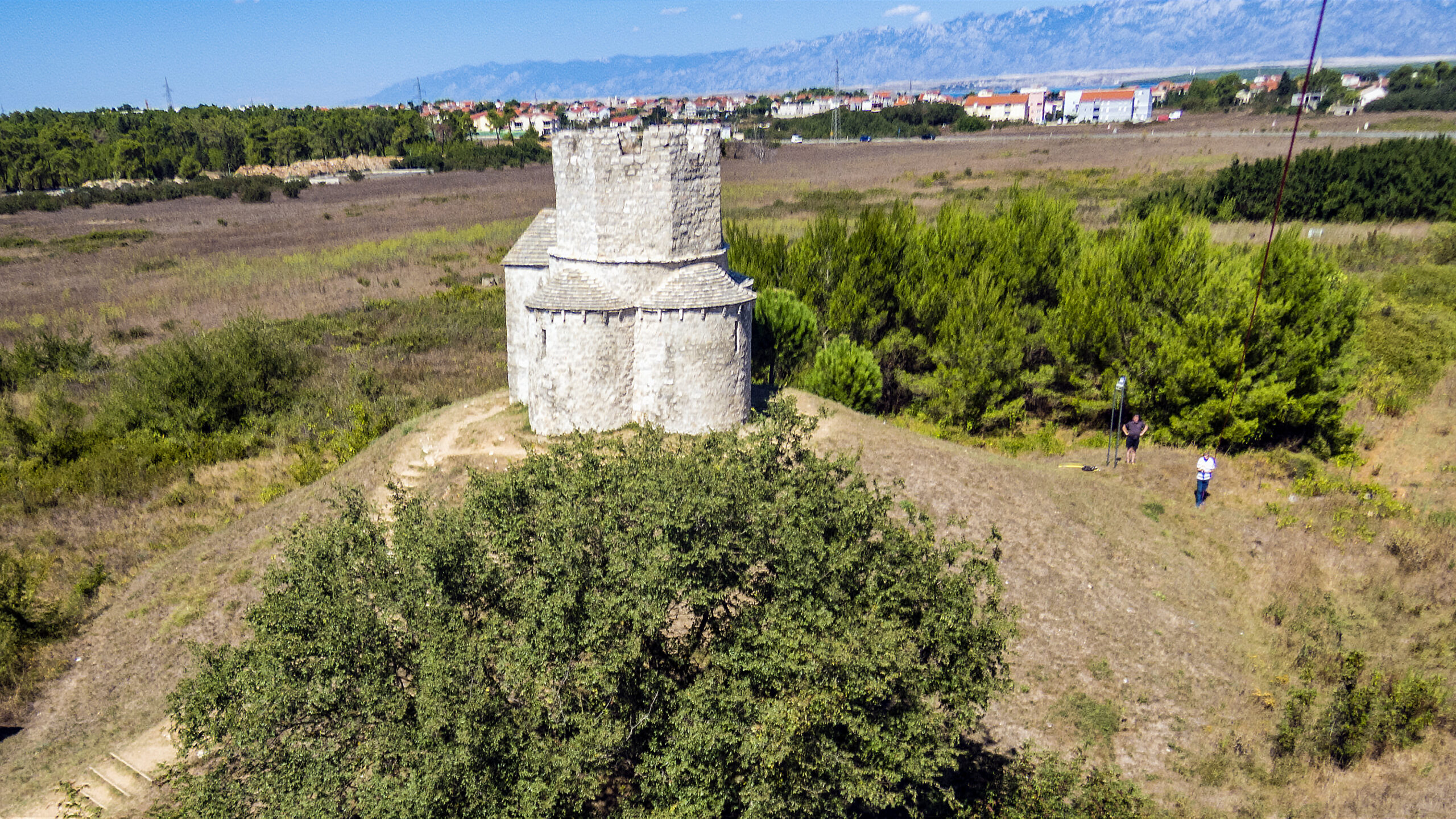
The church of St Nicholas dates from the late 11th or early 12th century, so the ceremony, if it was ever performed in anything resembling this form, cannot have been the original coronation ritual of the earlier Croatian kings. The story belongs to tradition rather than securely documented history, yet perhaps that makes it even better: the kings may or may not have ridden here, but the mound was certainly already ancient, and the church has certainly been watching the fields.
Around it, the world continued changing. Venetian power expanded along the Adriatic. Zadar and Nin became contested prizes. Ottoman incursions brought a new and very real danger into the hinterland, and the landscape of Ravni Kotari became a frontier.
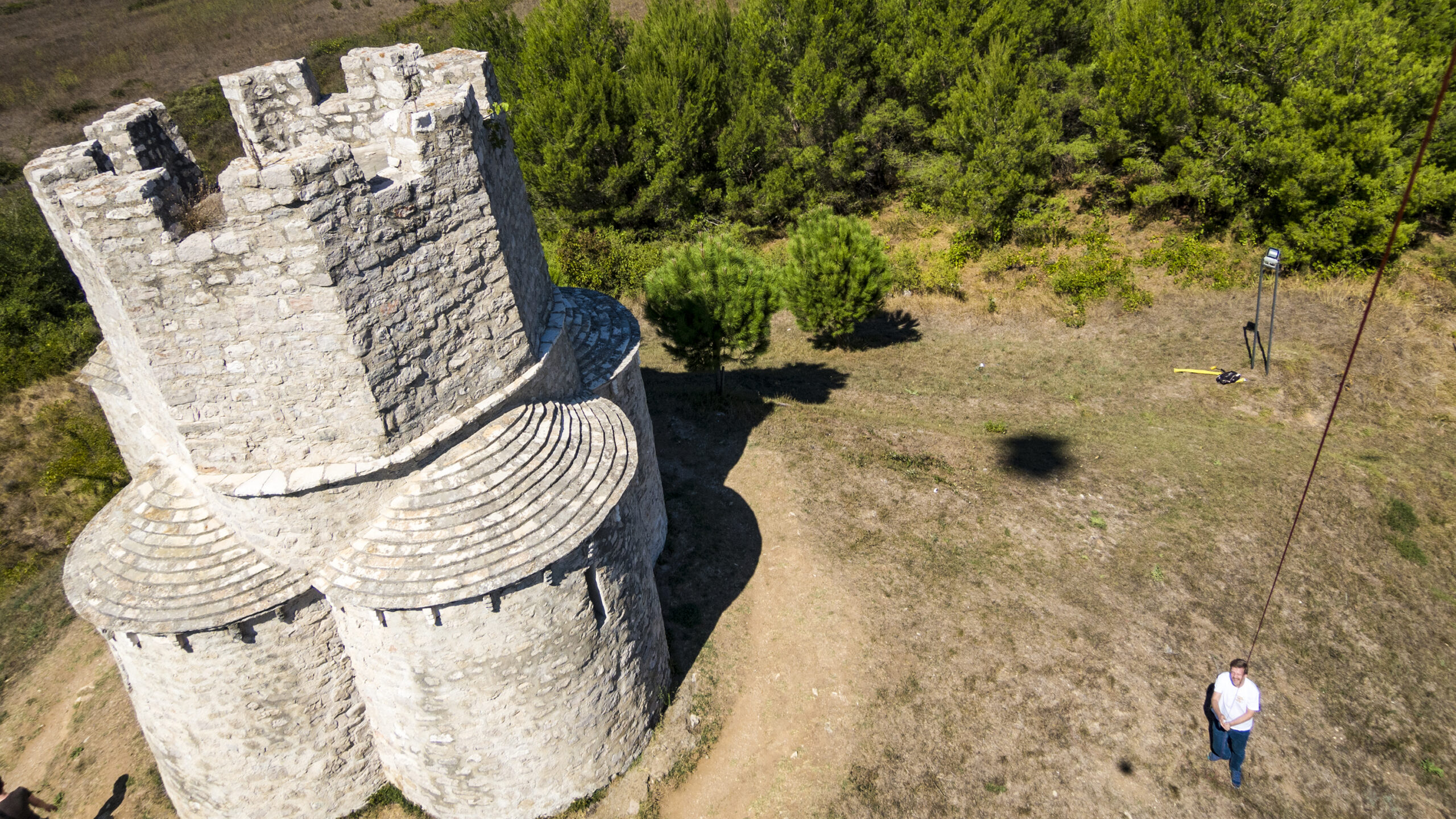
It was probably during the 16th or 17th century, in response to the Ottoman threat, that the little church acquired its peculiar defensive crown: a crenellated structure with eight battlements that turned the humble chapel into something halfway between a church and a miniature castle. The transformation is almost comically practical. Why build a watchtower when you already have a perfectly good church on top of a prehistoric mound?
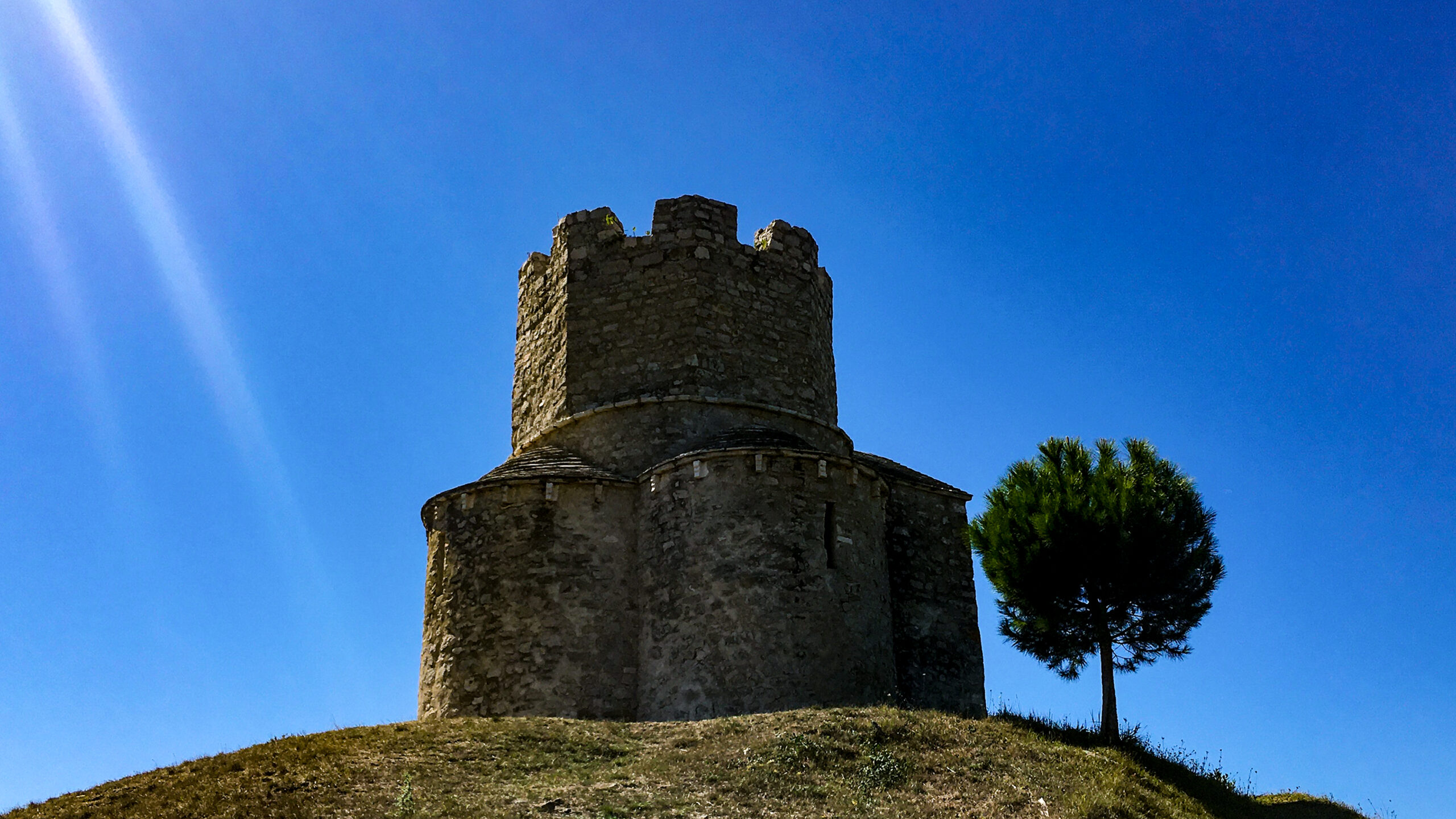
And so St Nicholas survived.
The tumulus survived.
The old gods did not, at least not in any form that we can easily recognise.
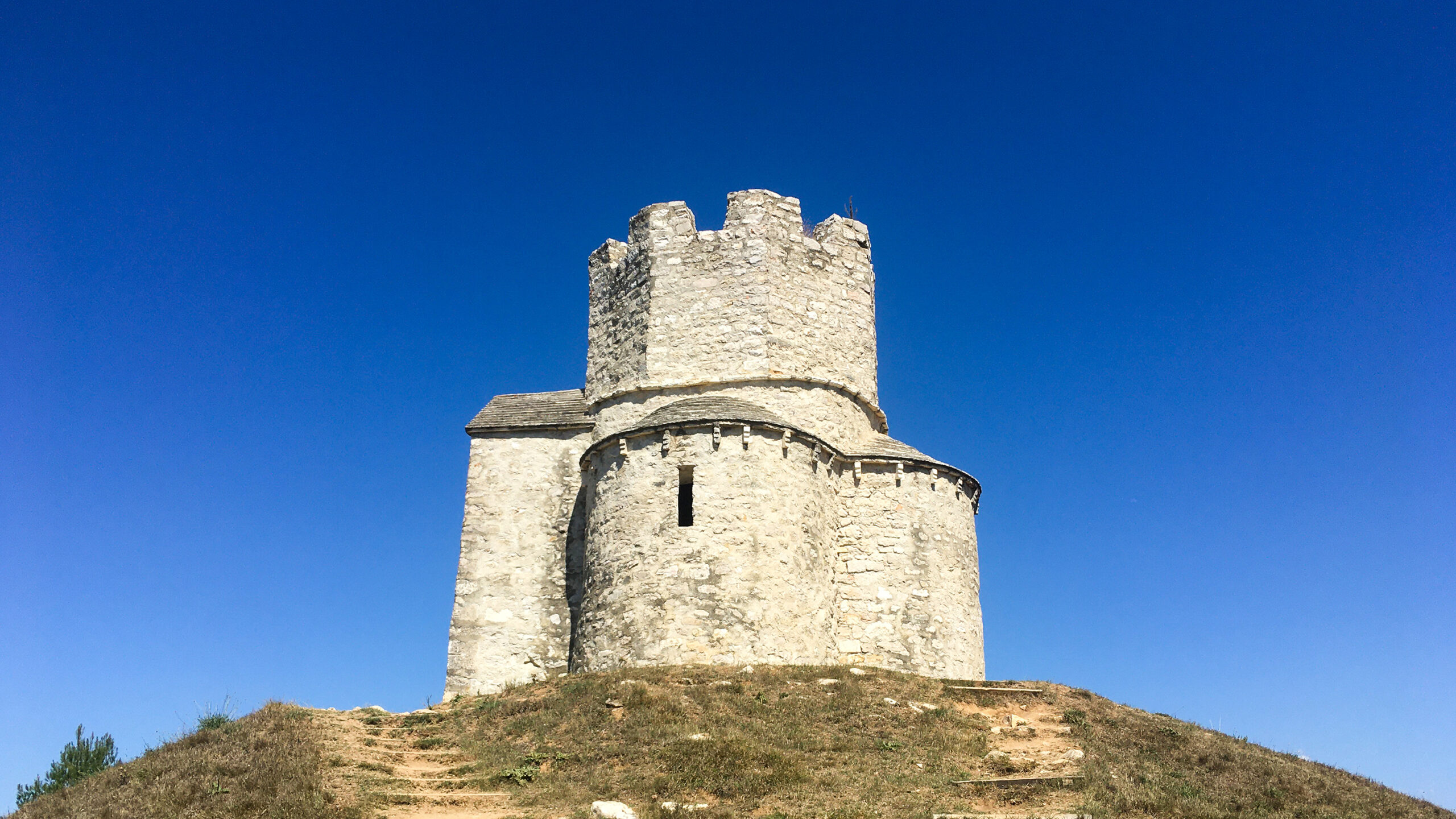
The Myrmidones disappeared into a medieval legend. The Liburnians disappeared into archaeology and inscriptions. Roman gods became names in books. Croatian kings became the subjects of traditions, monuments and patriotic memory. The Ottomans retreated, the frontier moved elsewhere, and the little church slowly ceased to matter to almost everyone except the people who lived nearby.
For centuries the little stone church stood quietly on its mound, exposed to the bora, the summer heat and the enormous Dalmatian sunsets.
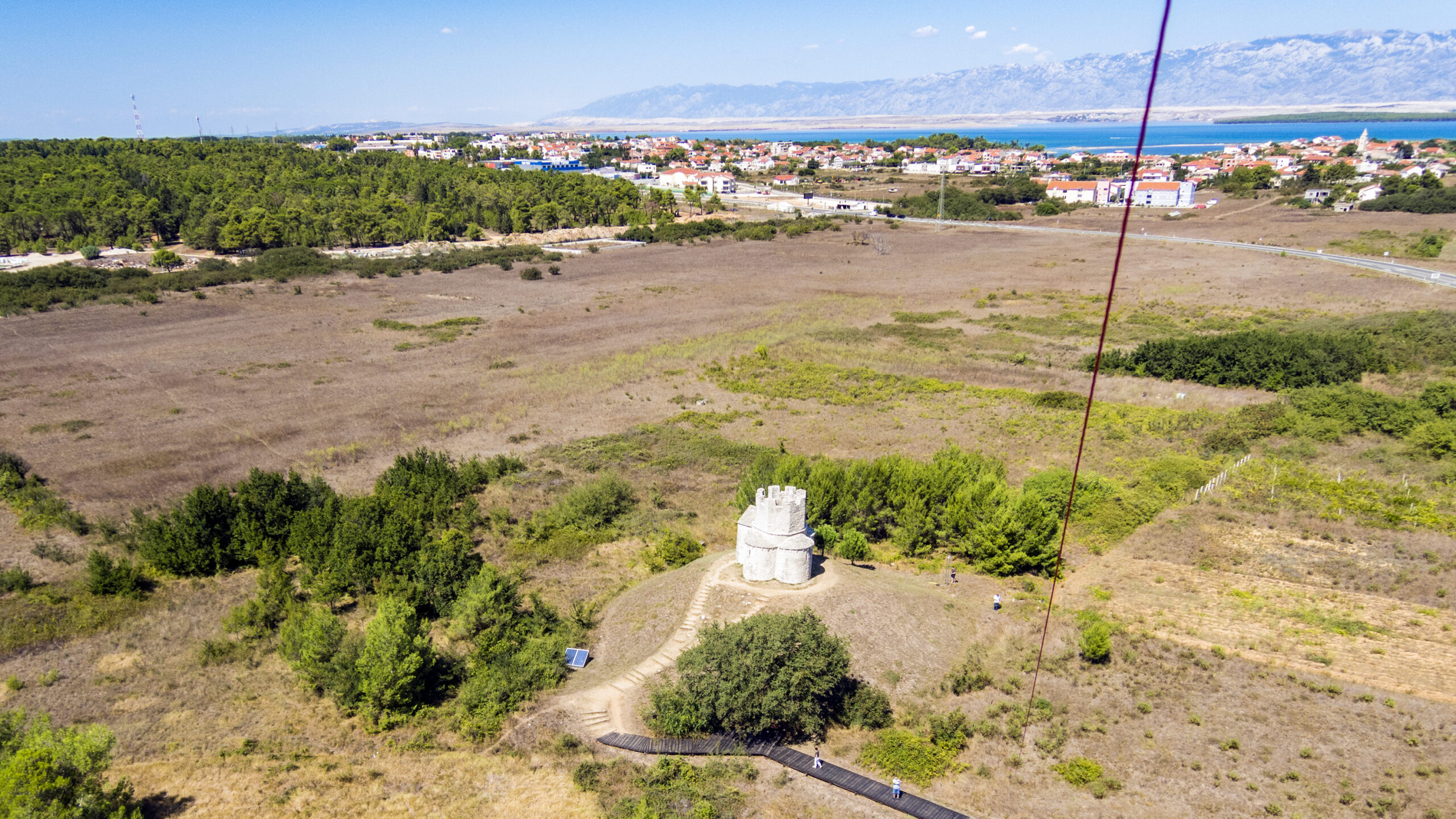
Today, after restoration, it has become one of the most recognisable and photographed landmarks around Nin. And rightly so: There is something almost indecently romantic about it: a tiny stone church sitting on a prehistoric burial mound, alone in the fields, with the mighty Velebit range in the distance and the light of the setting sun turning the whole landscape into something halfway between history and dream.
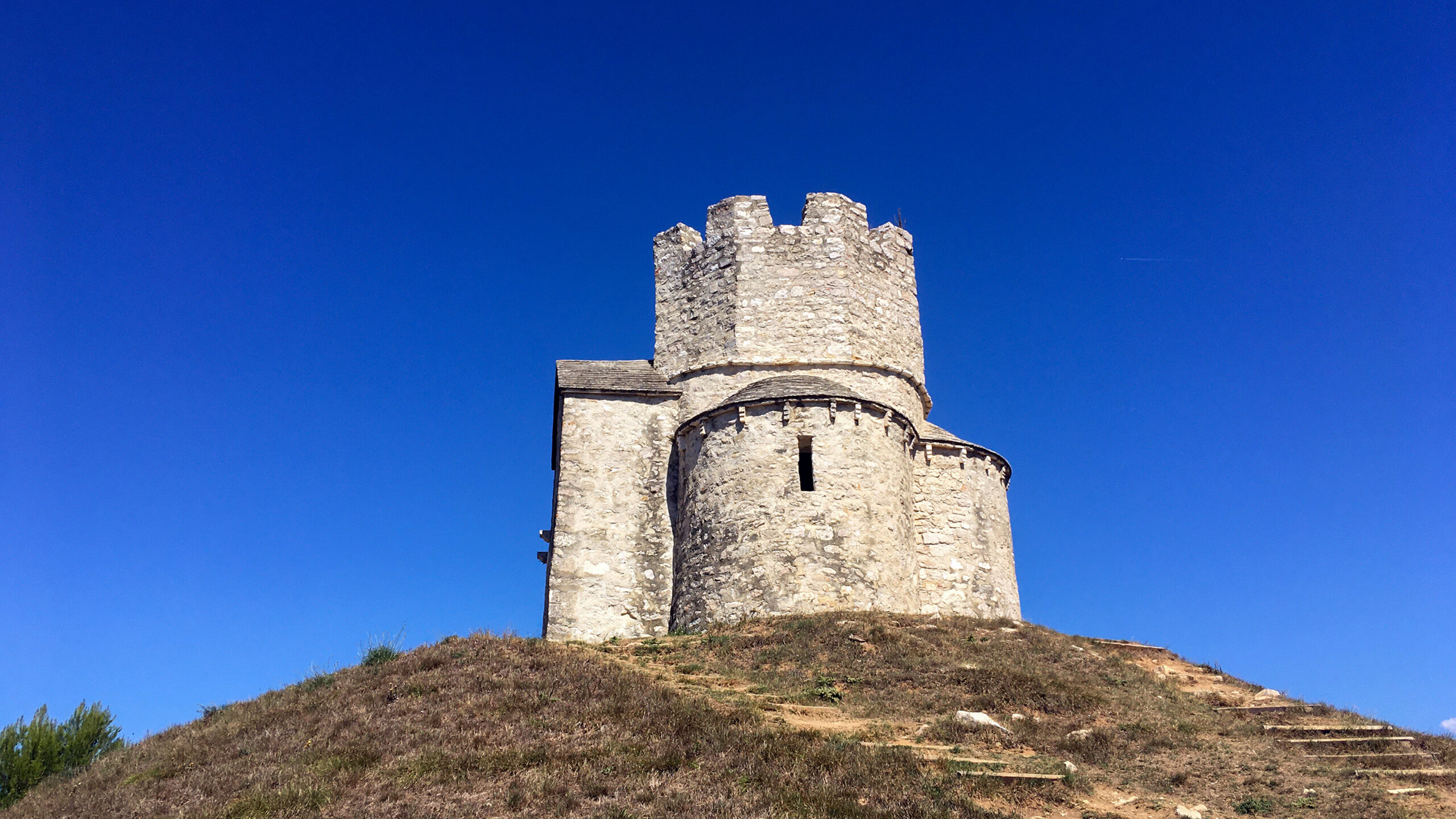
Perhaps that is what makes this little hill so compelling.
Under the church are the dead of a world we barely understand. Around it are the traces of Liburnians, Romans, Byzantines, Croats and Venetians. Somewhere in a medieval manuscript, mysterious Myrmidones are still wandering around the land of Marab.
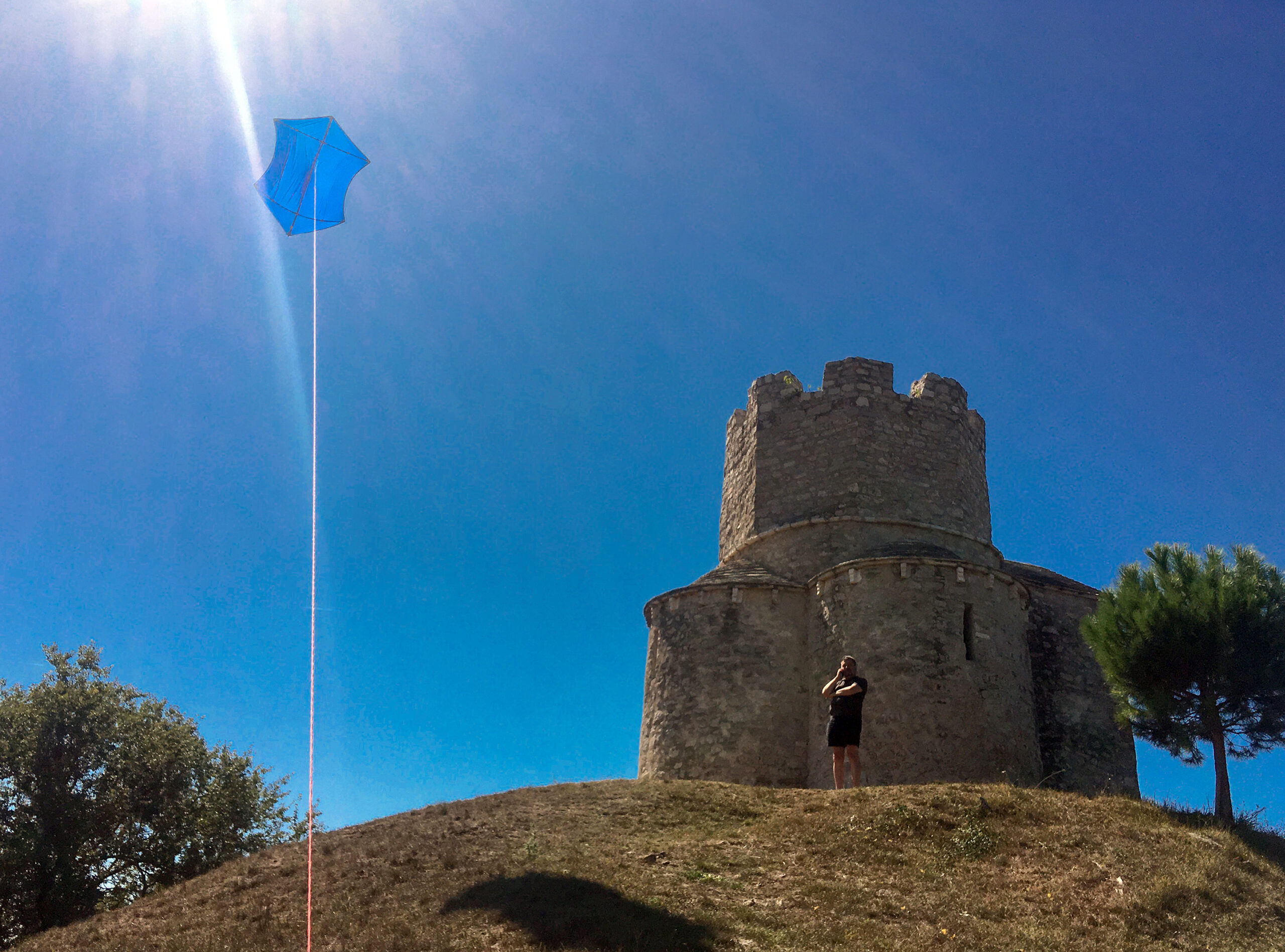
And above all of them, for a brief moment, our kite rose into the sky.
The tumulus has been here for millennia. The church has been here for centuries. The stories keep changing.
The kite, naturally, had its own version.
Kite aerial photos shot with a Nikon P330 on The Original Blue Rokakku, made by master Janez Vizjak.
Wonderful reportage again!
Thank you, Wolfgang! 🙂