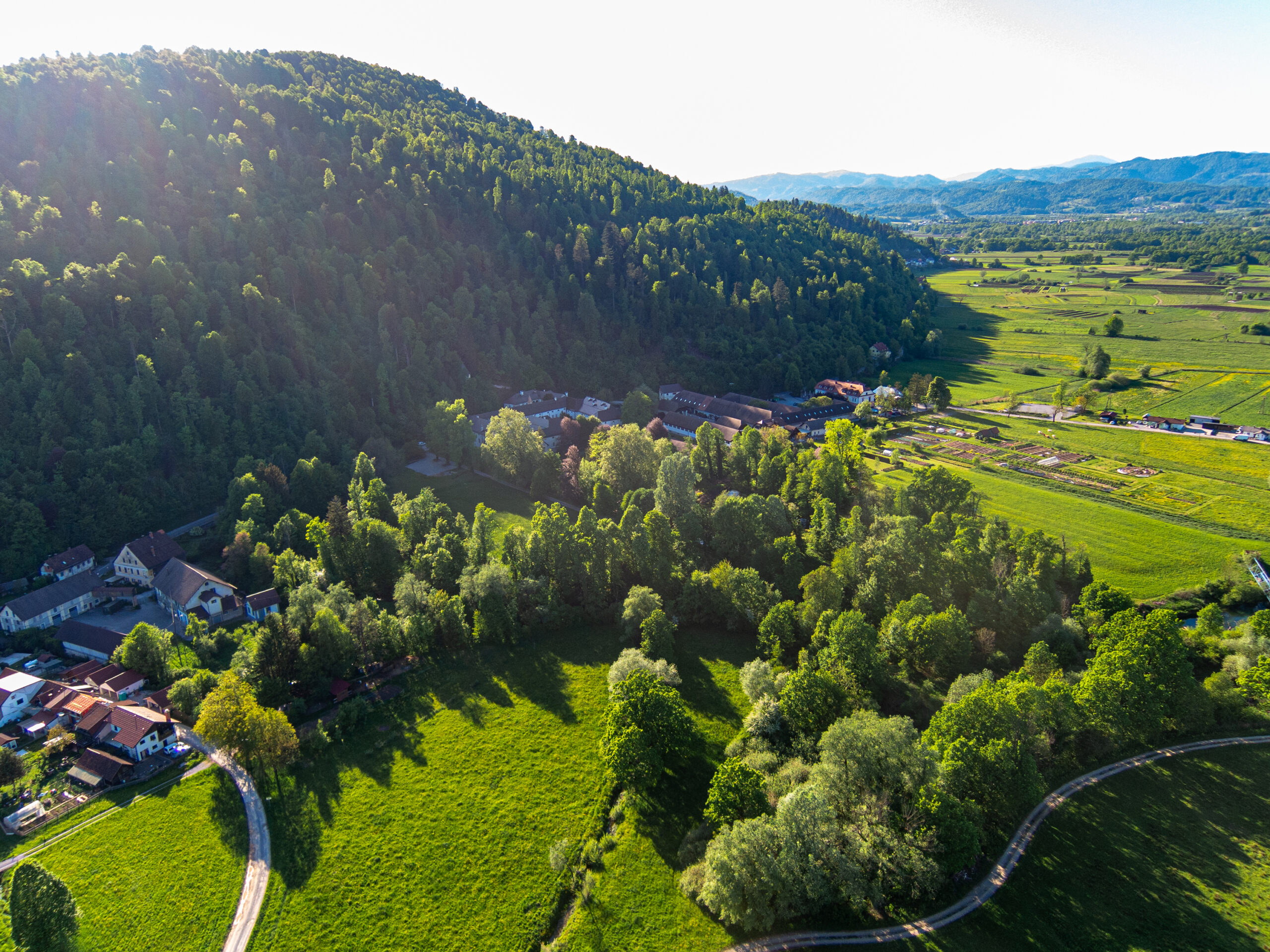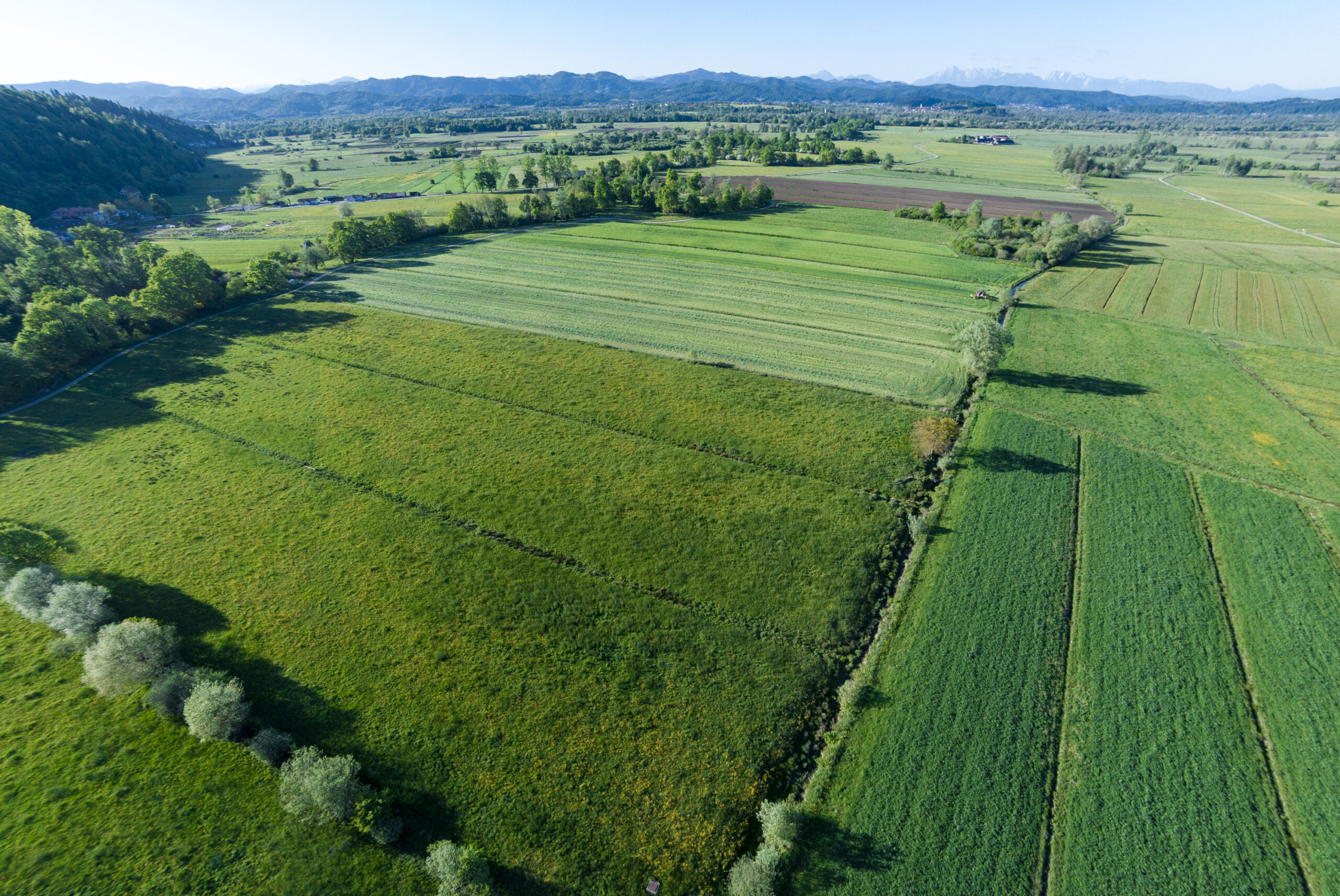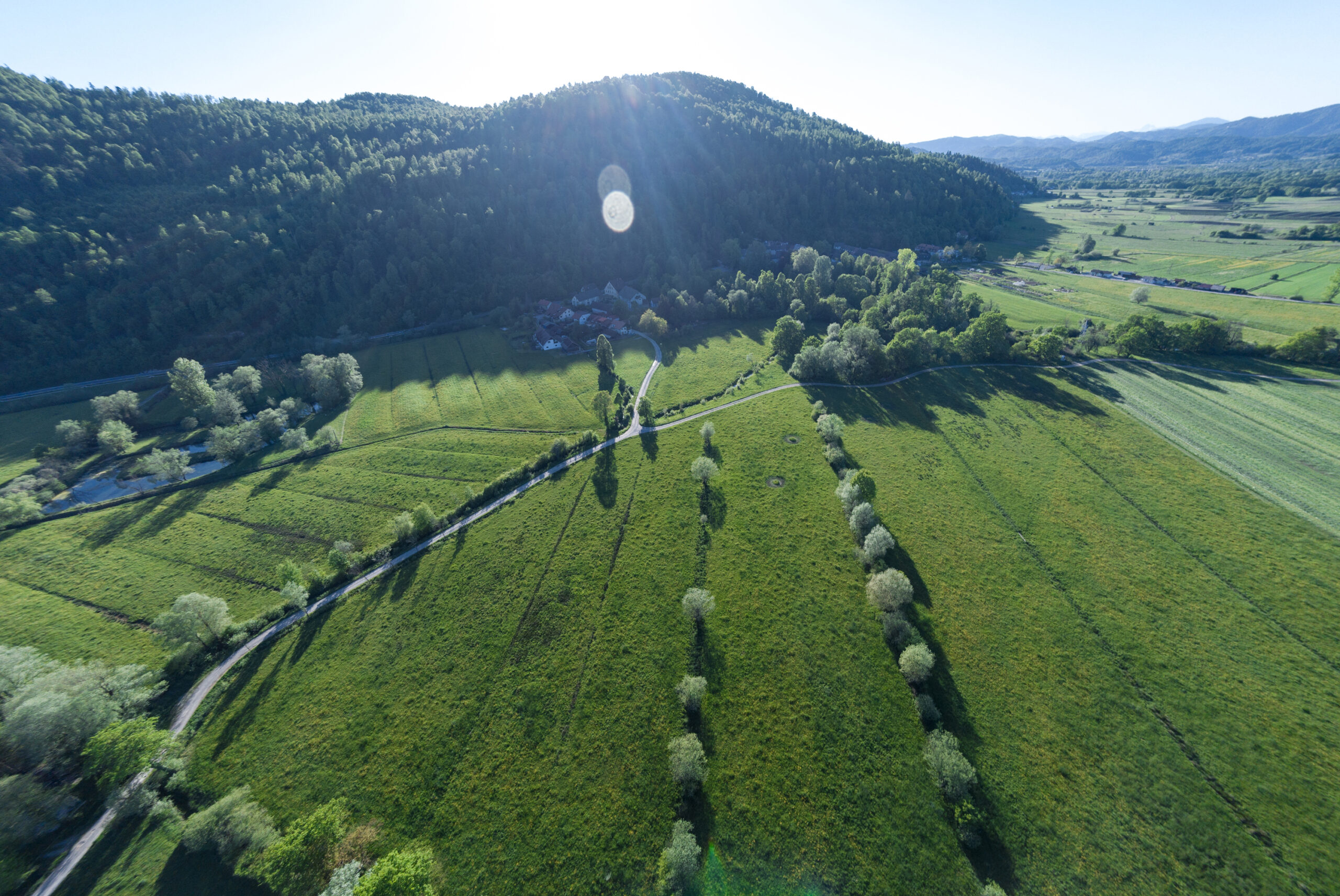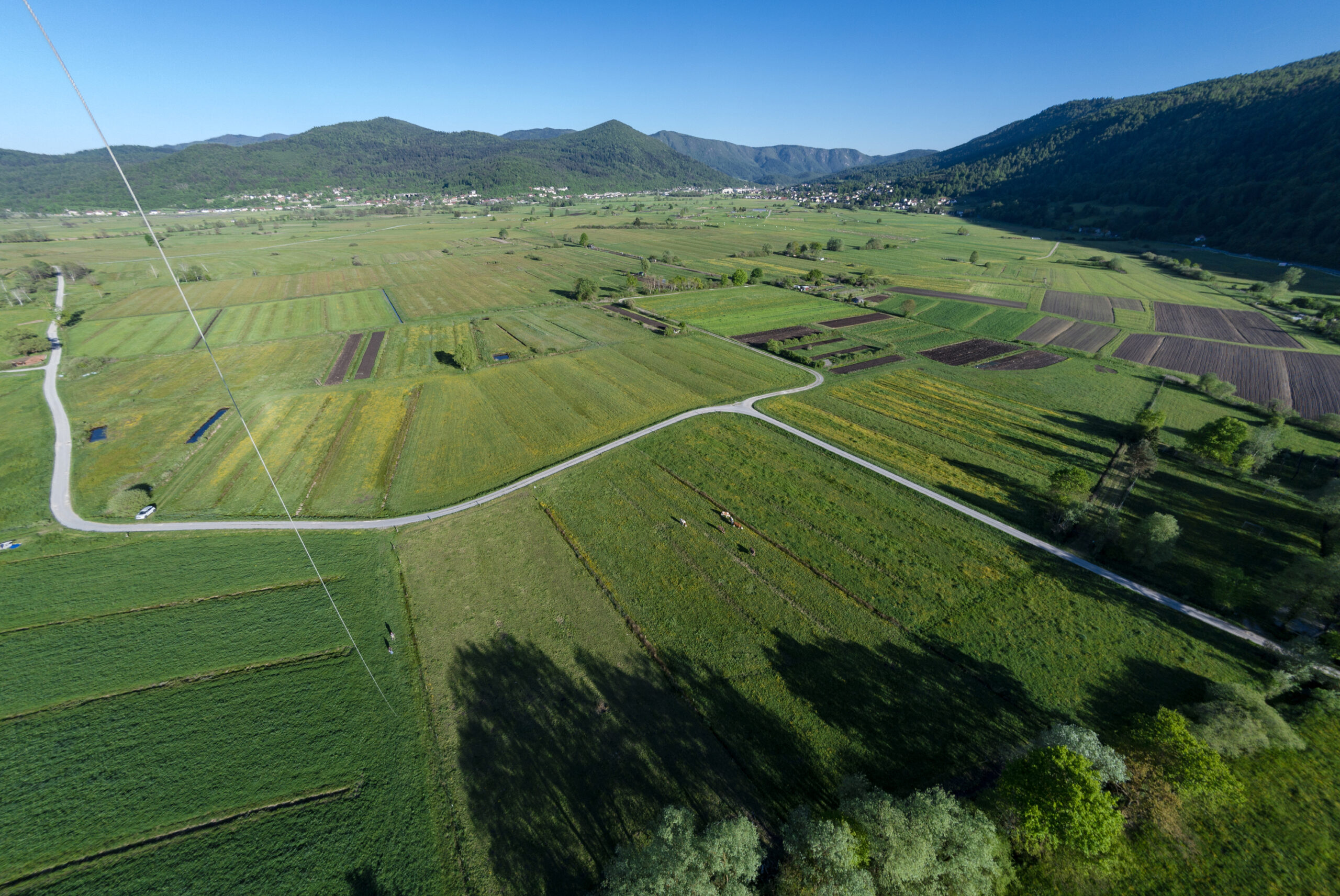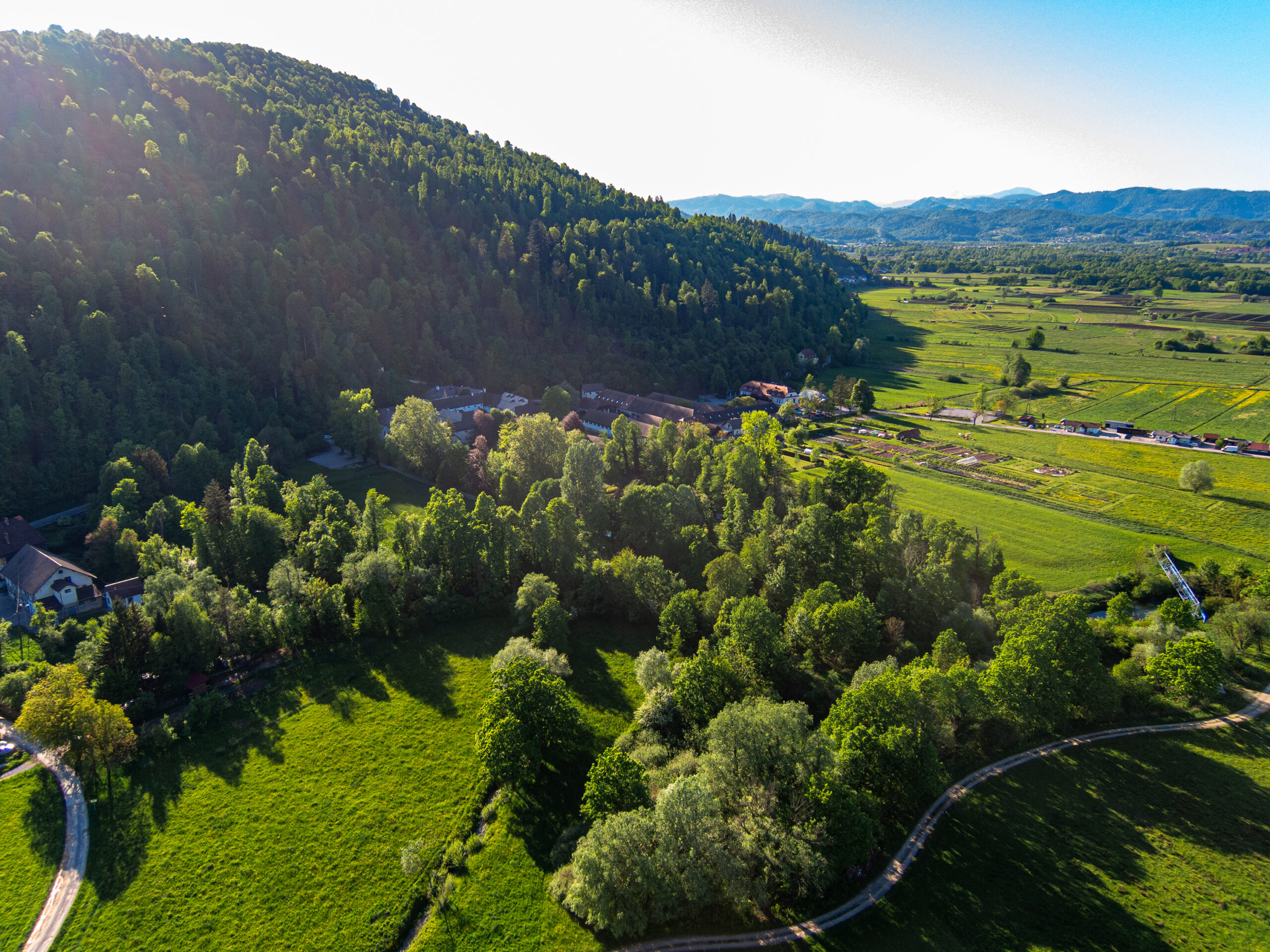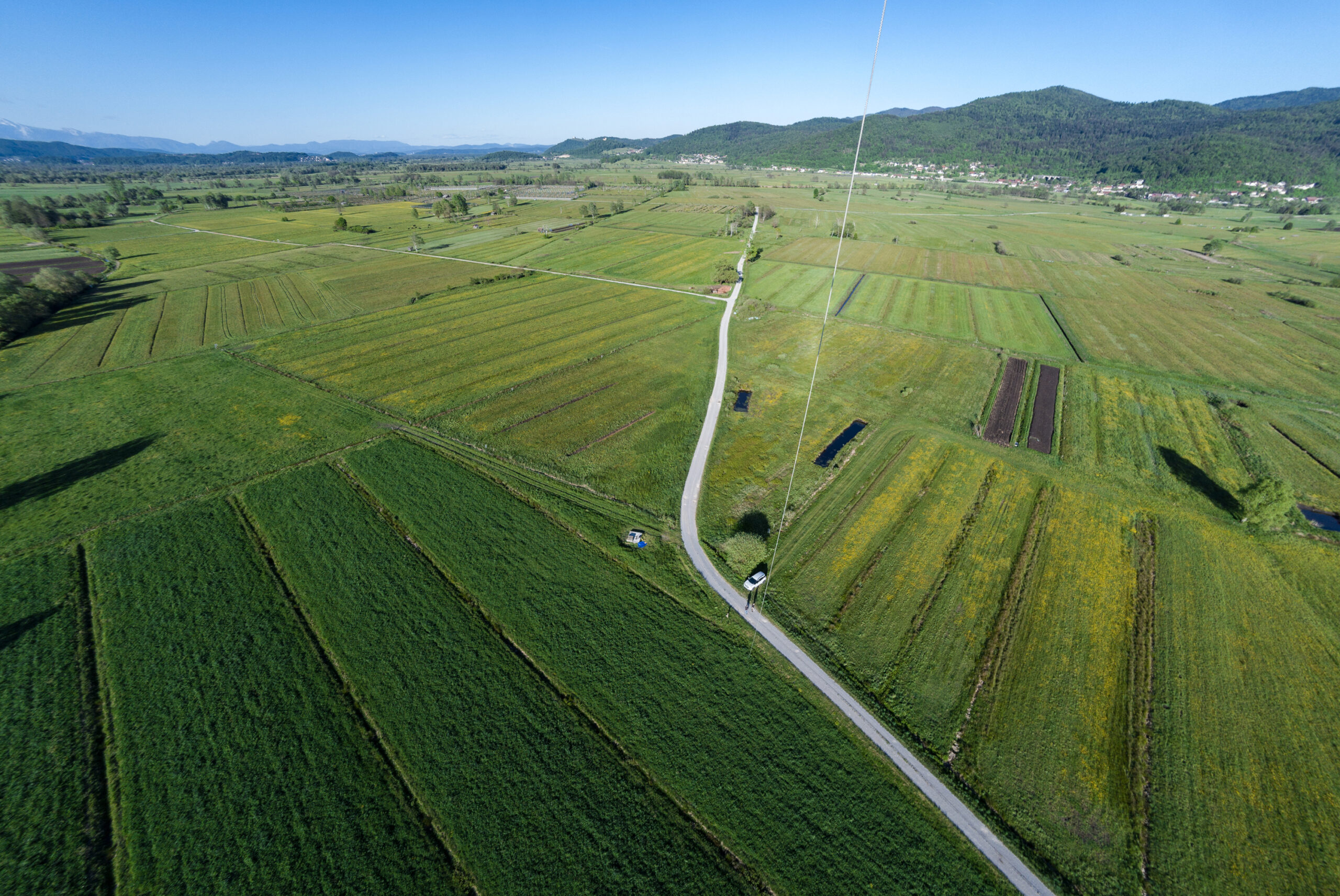
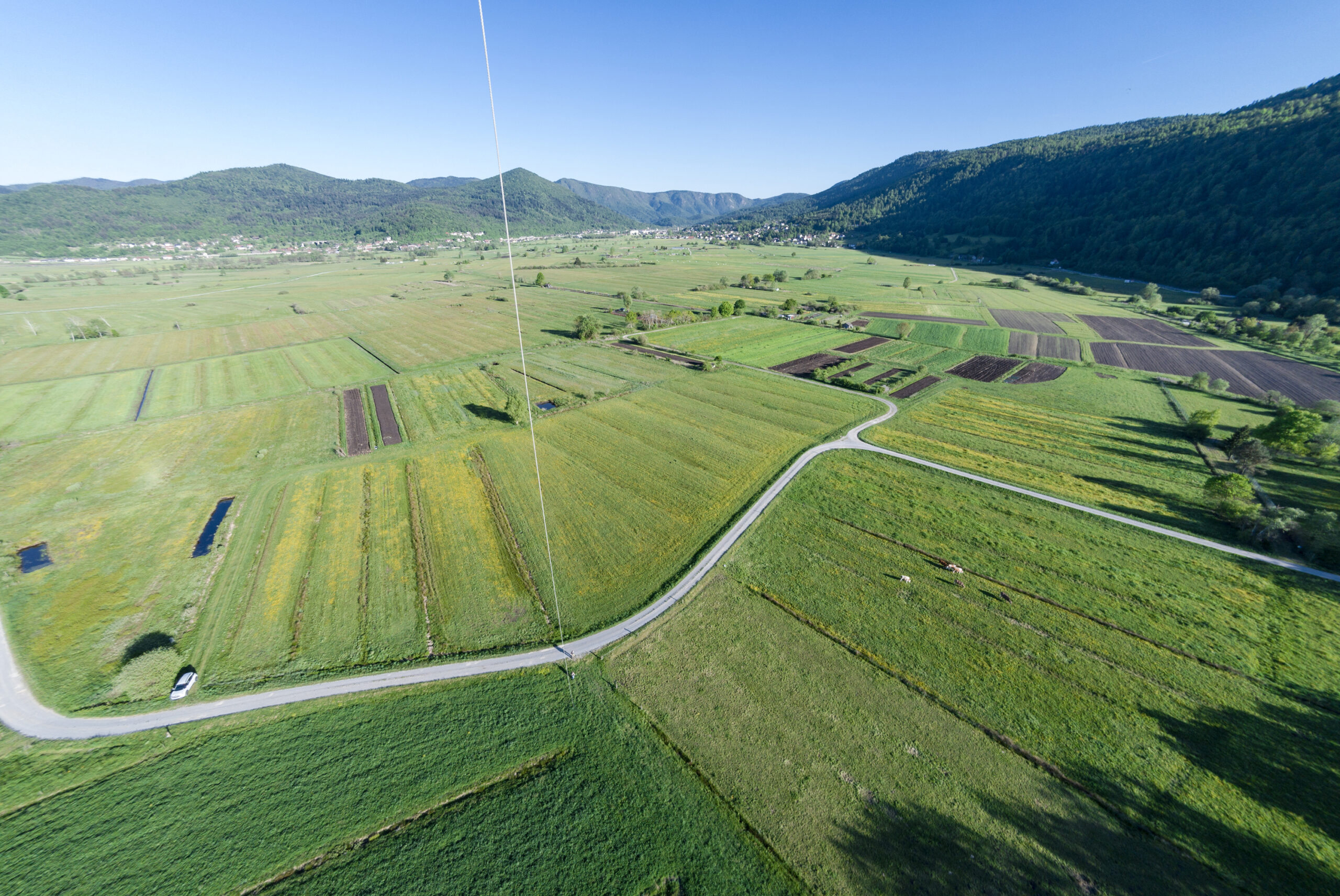
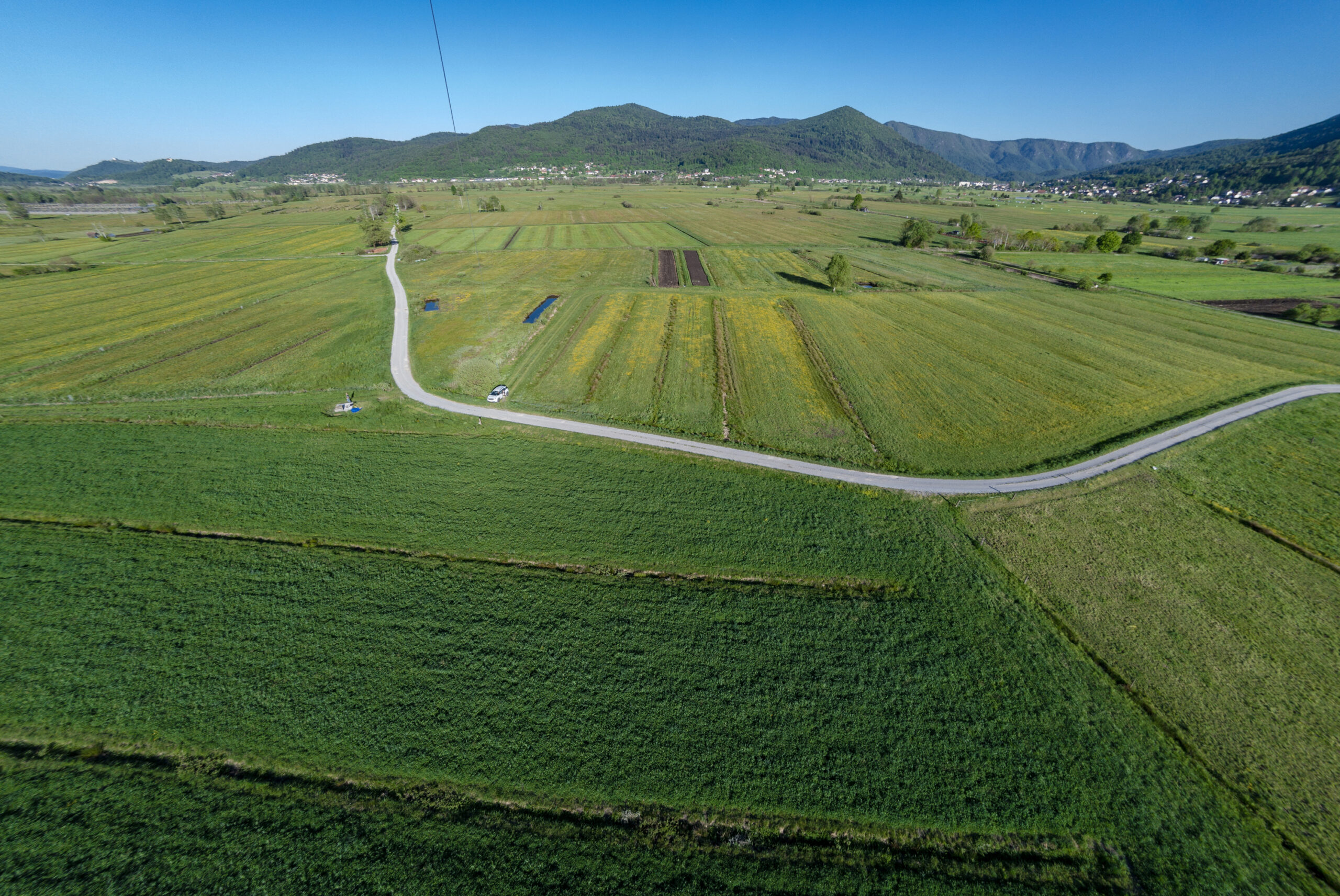
Yeah, flying above the Ljubljana Marshes again. But this time we were in a place we have rarely visited over the past few years, because this target on the western fringe of the Marshes is difficult, hidden and elusive. After five or six unsuccessful expeditions, we had more or less given up.
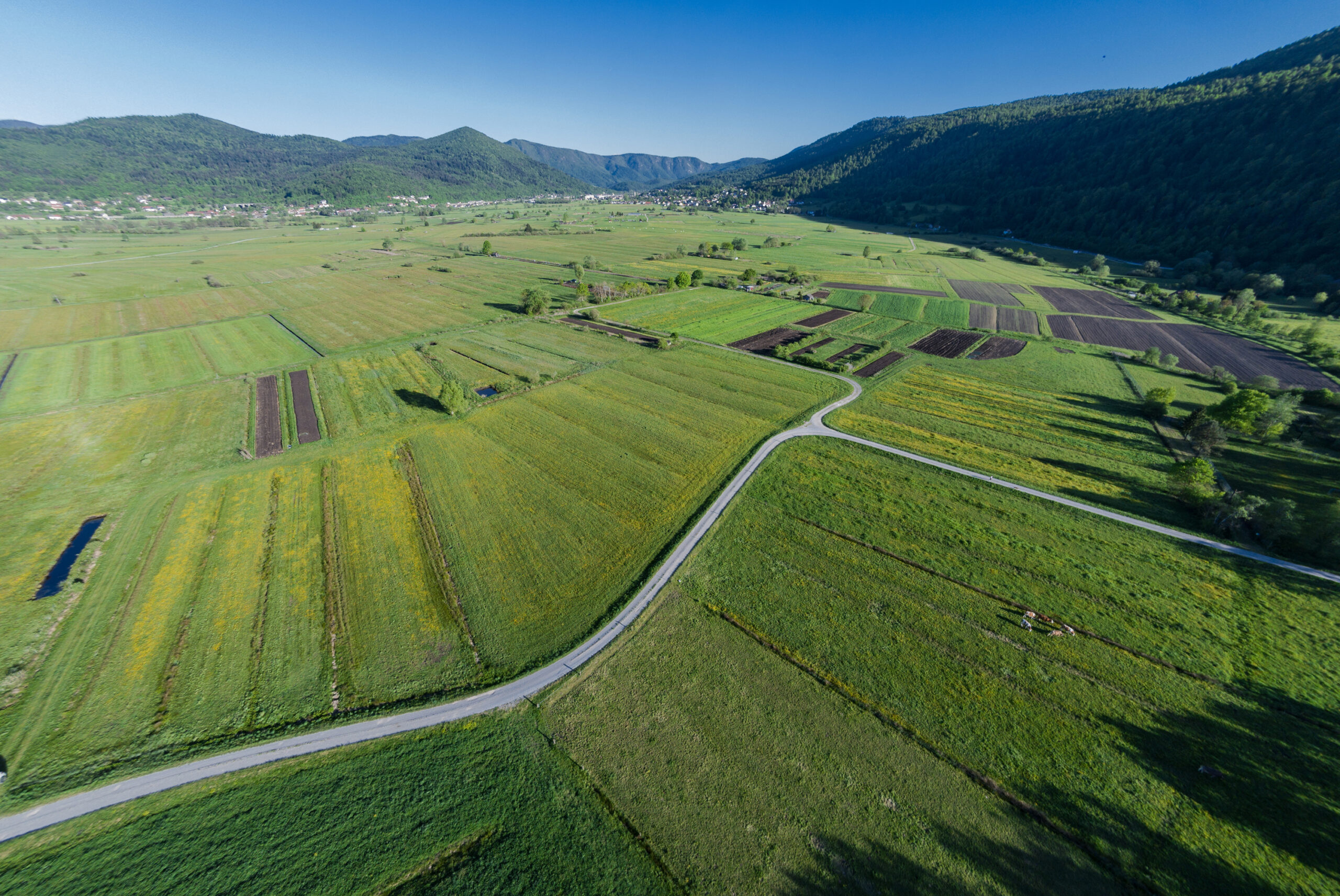
Yet the place remained at the back of our minds, because the intended target is old, expansive, intriguing, and beautiful.
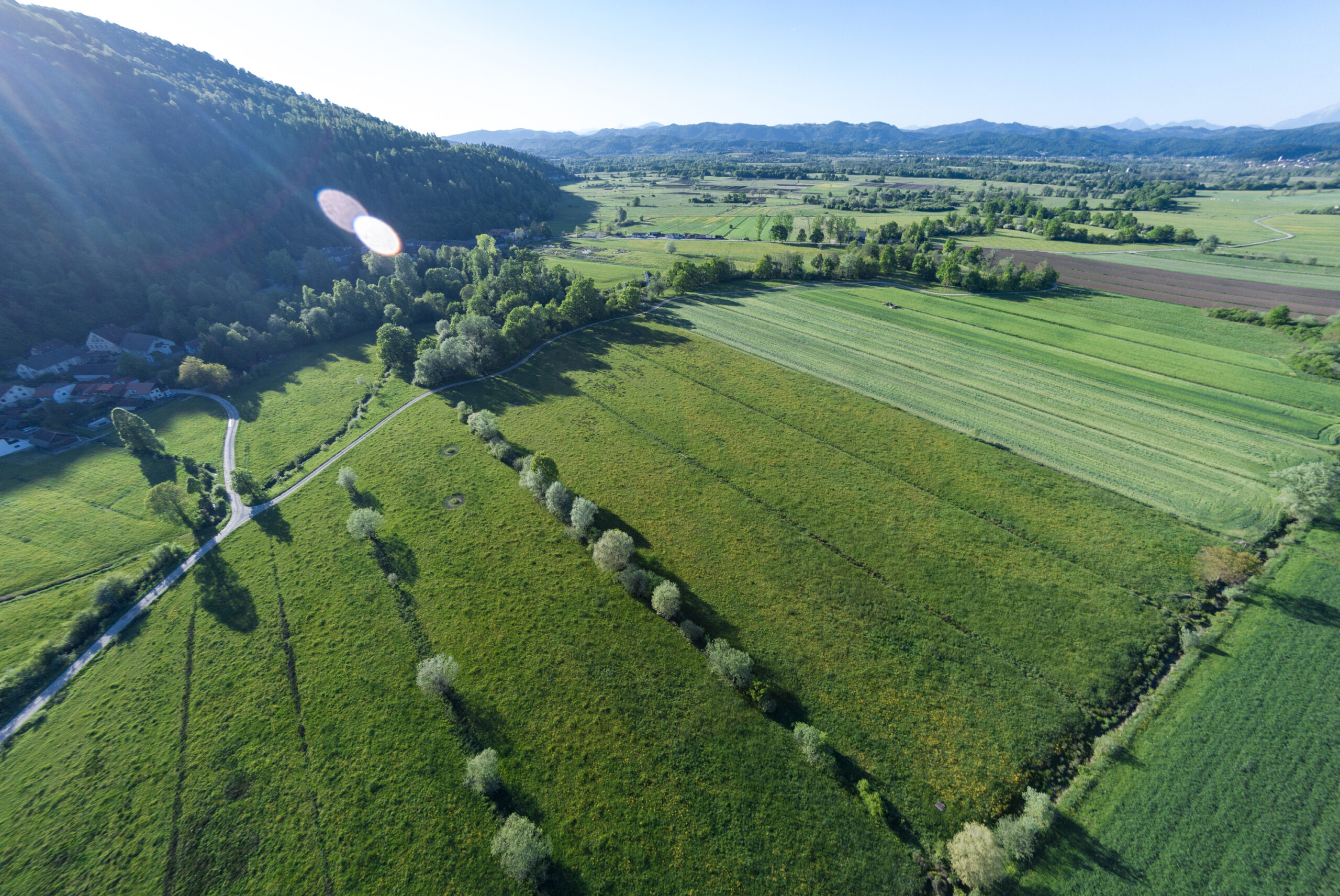
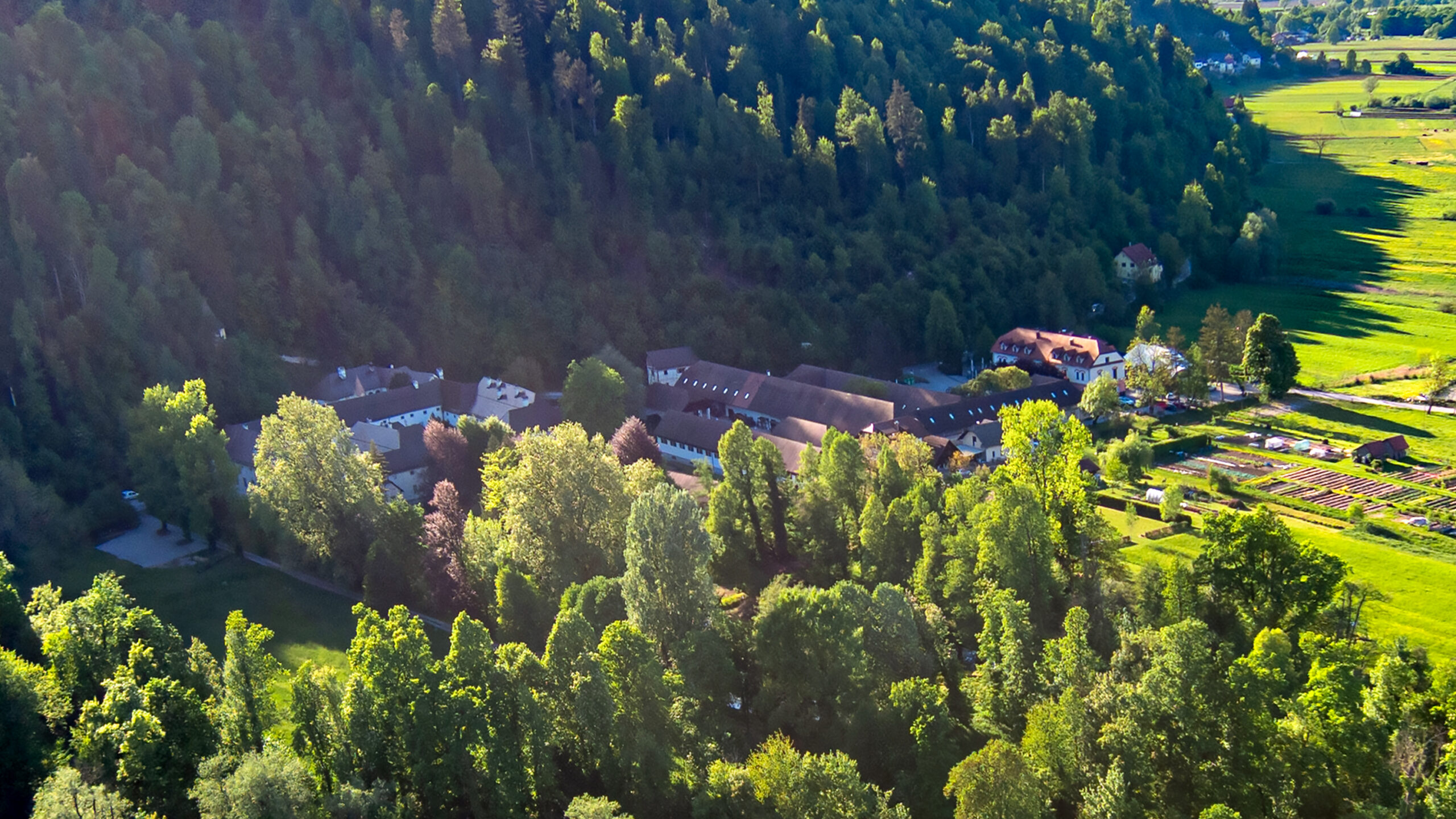
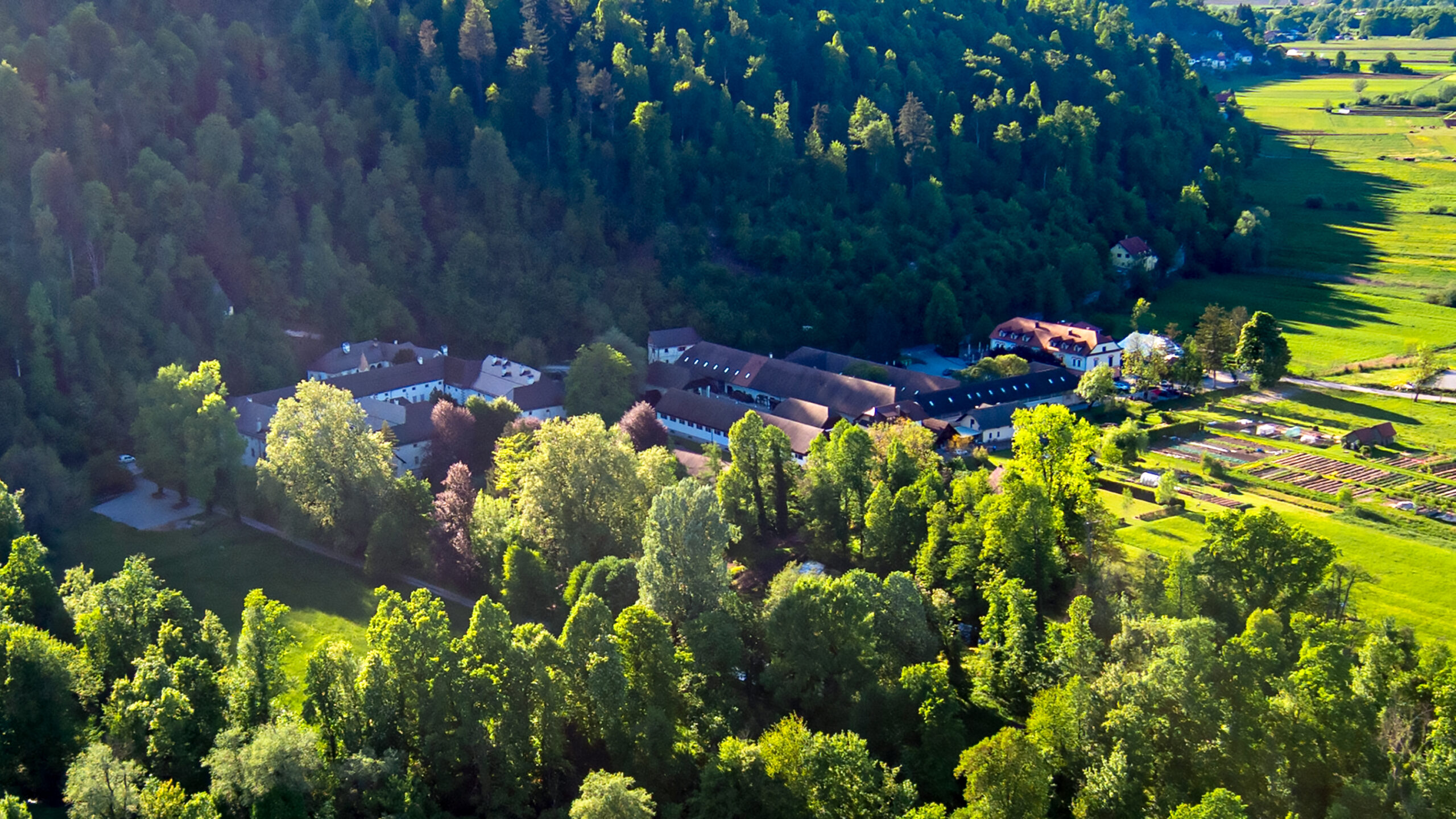
Domus Vallis Jocosae: the cloister in the Valley of Joy. The Bistra Charterhouse. One of the oldest monasteries in Slovenia, and one of the four major Charterhouses in what is now Slovenia: Žiče, Pleterje (still going strong), Jurklošter, and Bistra. The monastery was founded in 1255 through the benefaction of Bernhard of Spanheim, Duke of Carinthia and Lord of Carniola, while the monastery charter was signed by his son Ulrich III (we met him above Ljubljana castle). The Carthusians chose this place for their new domus on the edge of the Ljubljana Marshes, beside a cluster of sacred springs. Monasterium Vallis iocosae siue Bistrae.
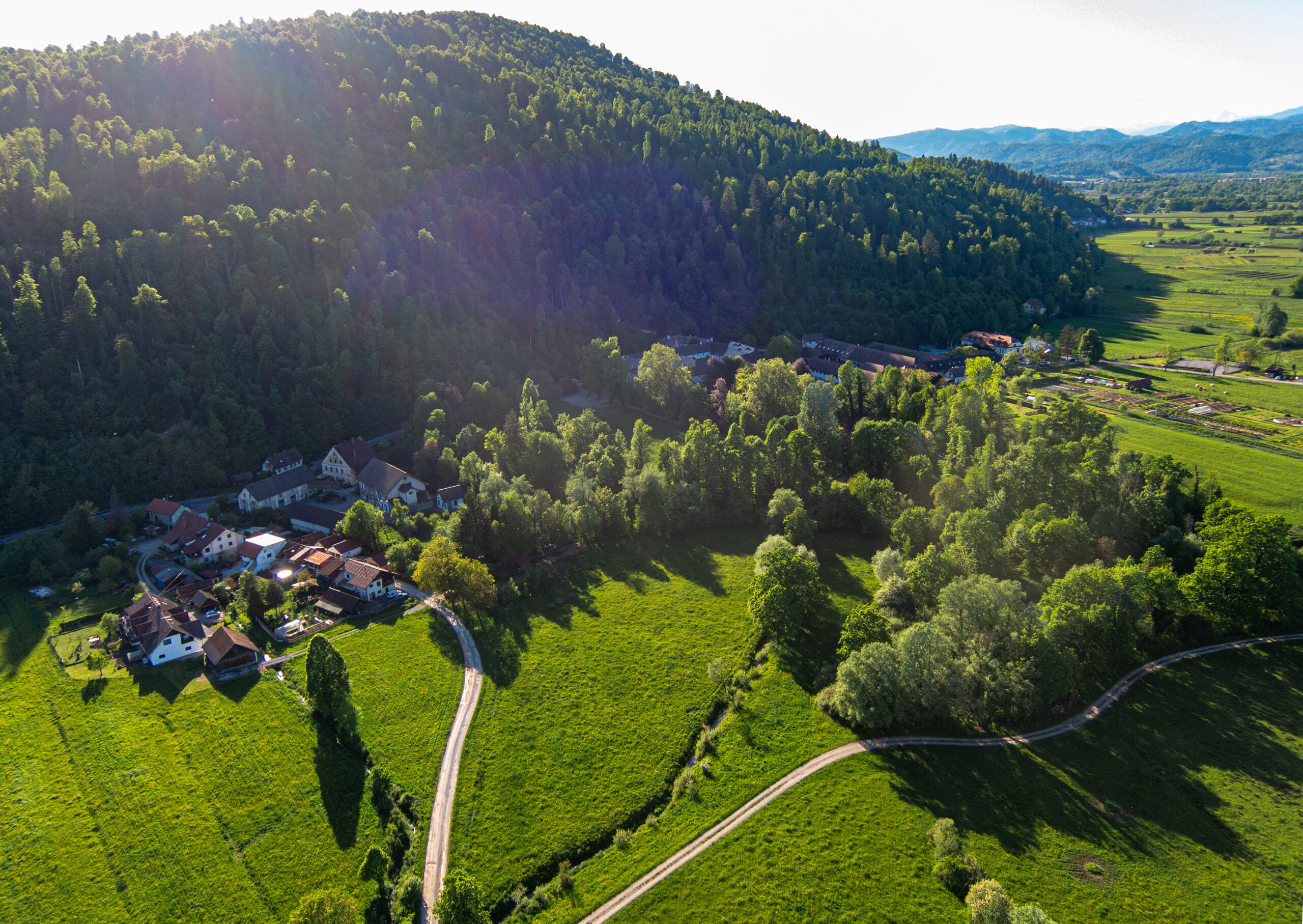
Cloister in the Valley of Joy. It is a strange name, Vallis Iocosae, Freudenthal. Could it derive from the nearby settlement of Borovnica – Vrounitz, then Freuniz, until at some point a rogue “d” appeared and transformed it into Freudnicz, infusing it with Freude, joy, and eventually turning it into Freudenthal, the joyous valley?
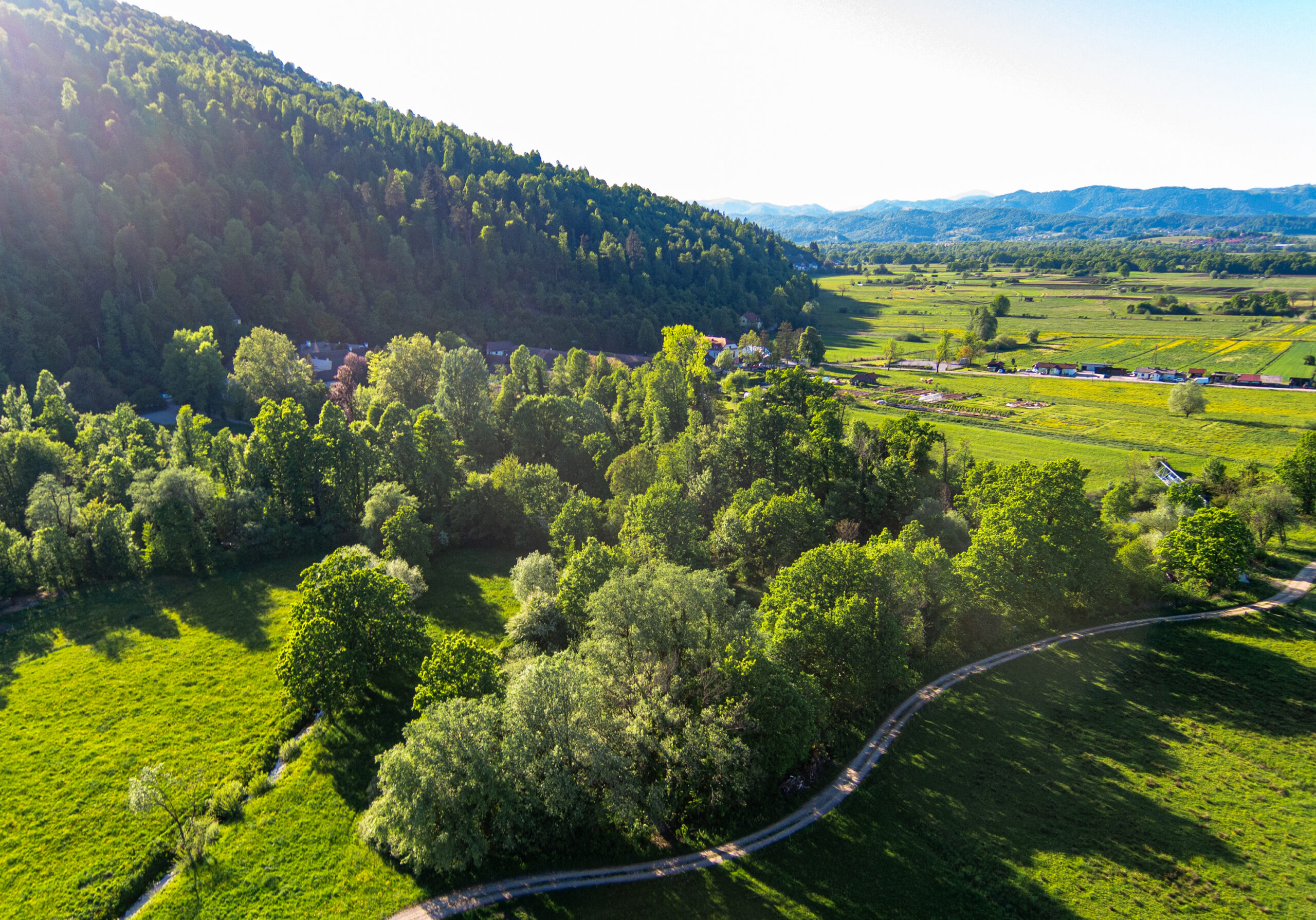
Because there is no valley: just a series of karst springs bursting from beneath the Menišija Plateau straight onto the plain of the Ljubljana Marshes, forming the Bistra River that gave the place its Slovene name.
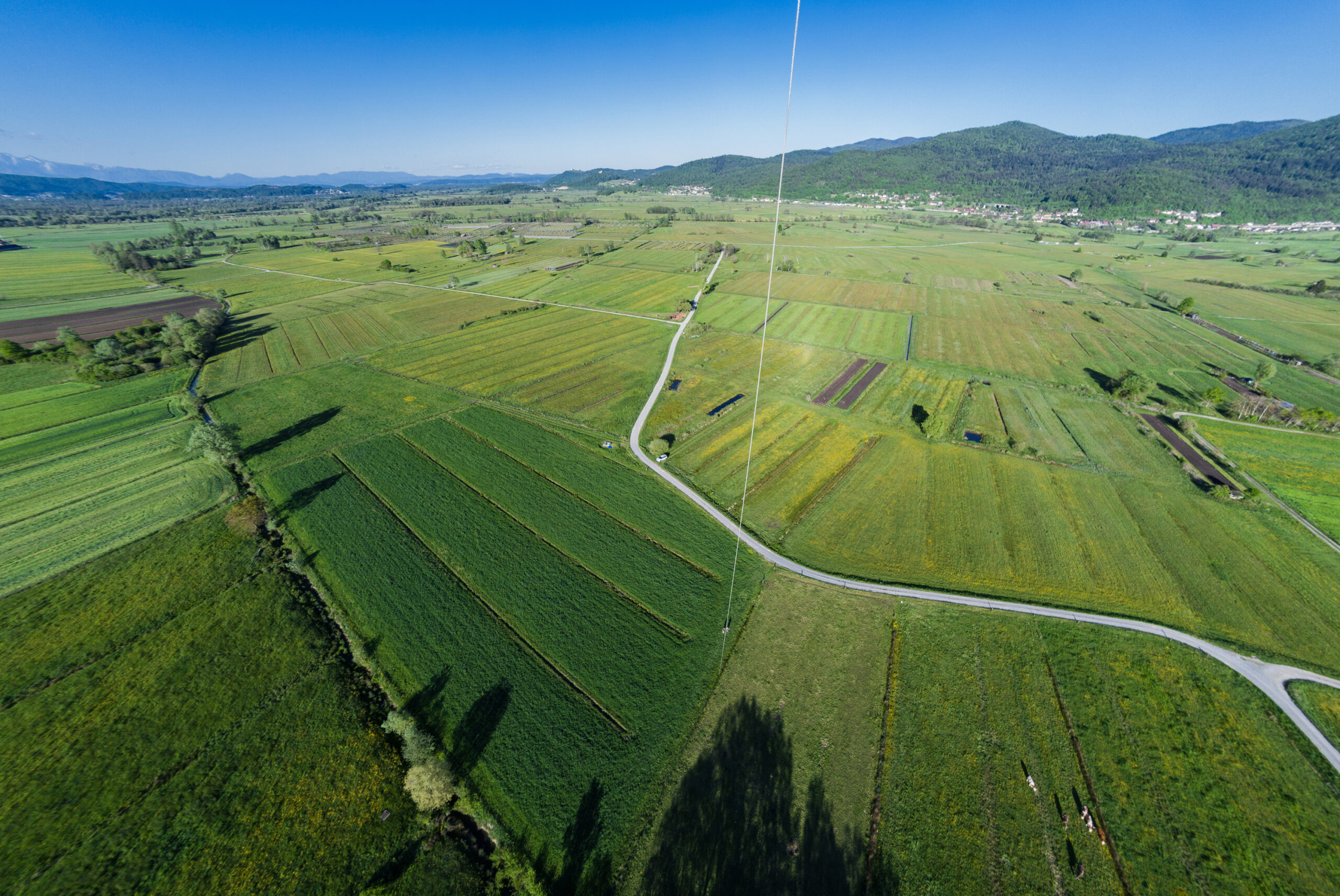
And there is no joy.
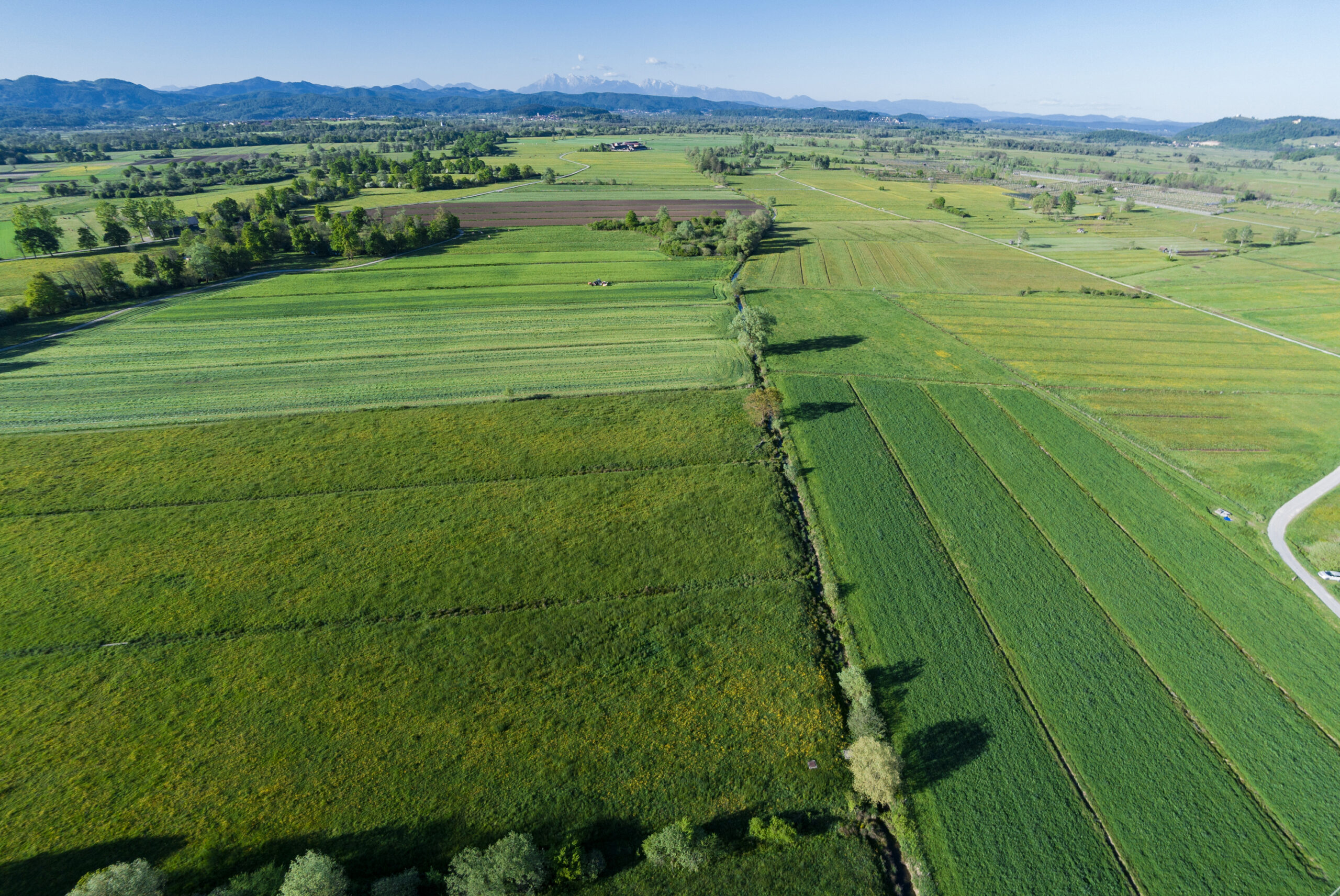
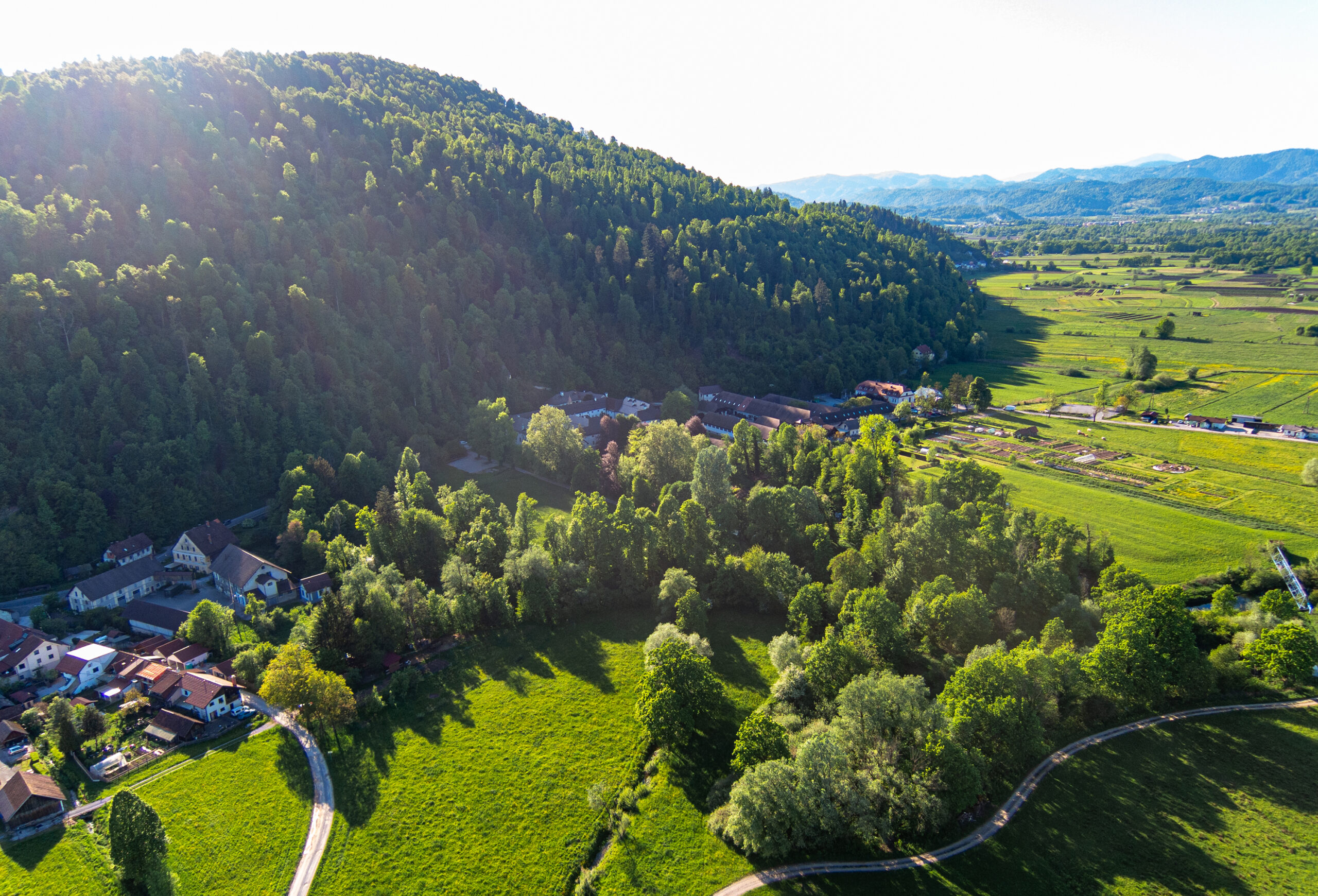
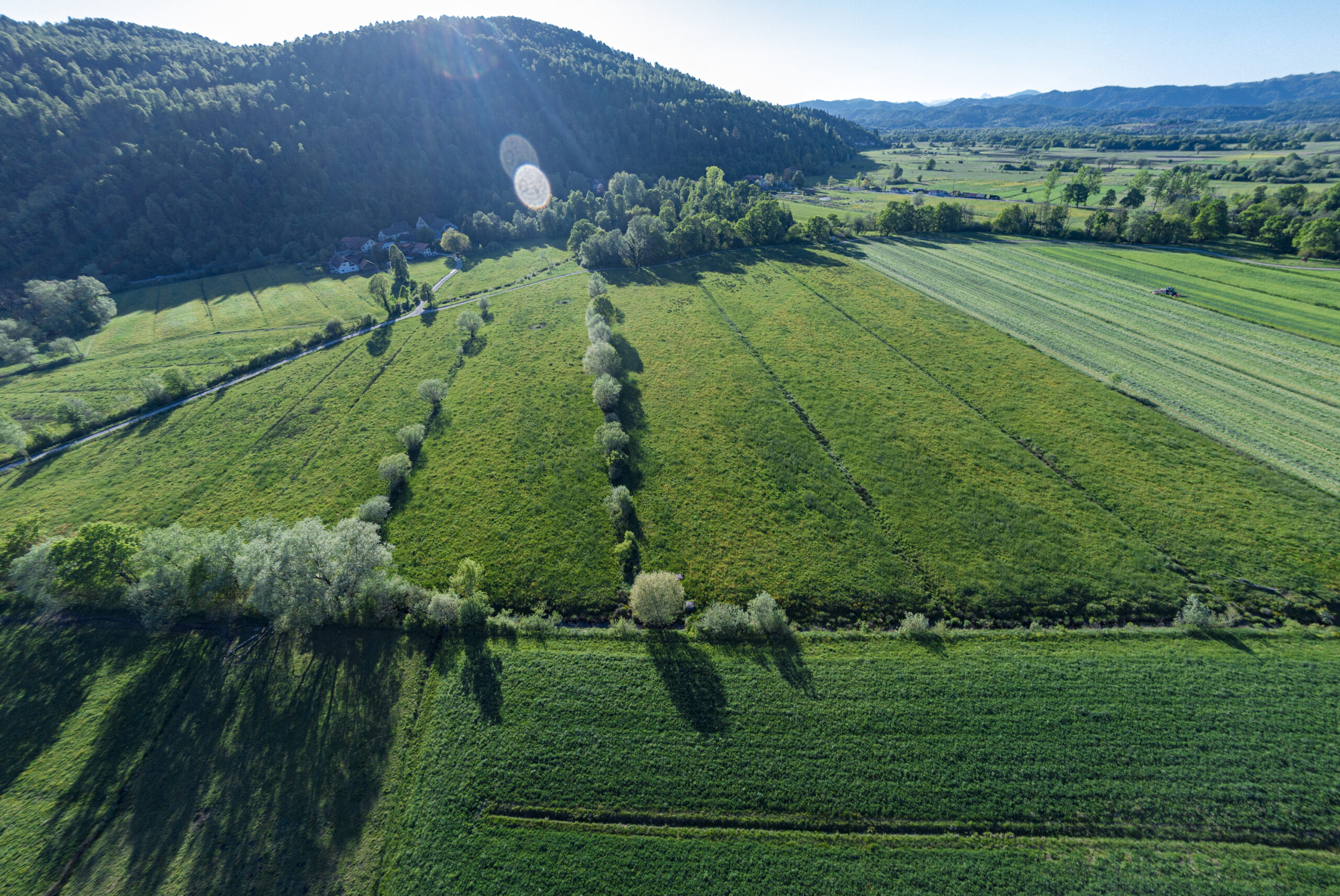
Once again, we found ourselves too far from our kite aerial photography target, and the wind once again refused to cooperate. On top of that, the cloister lies tucked beneath the high plateau, where shadows arrive far earlier than we had anticipated.
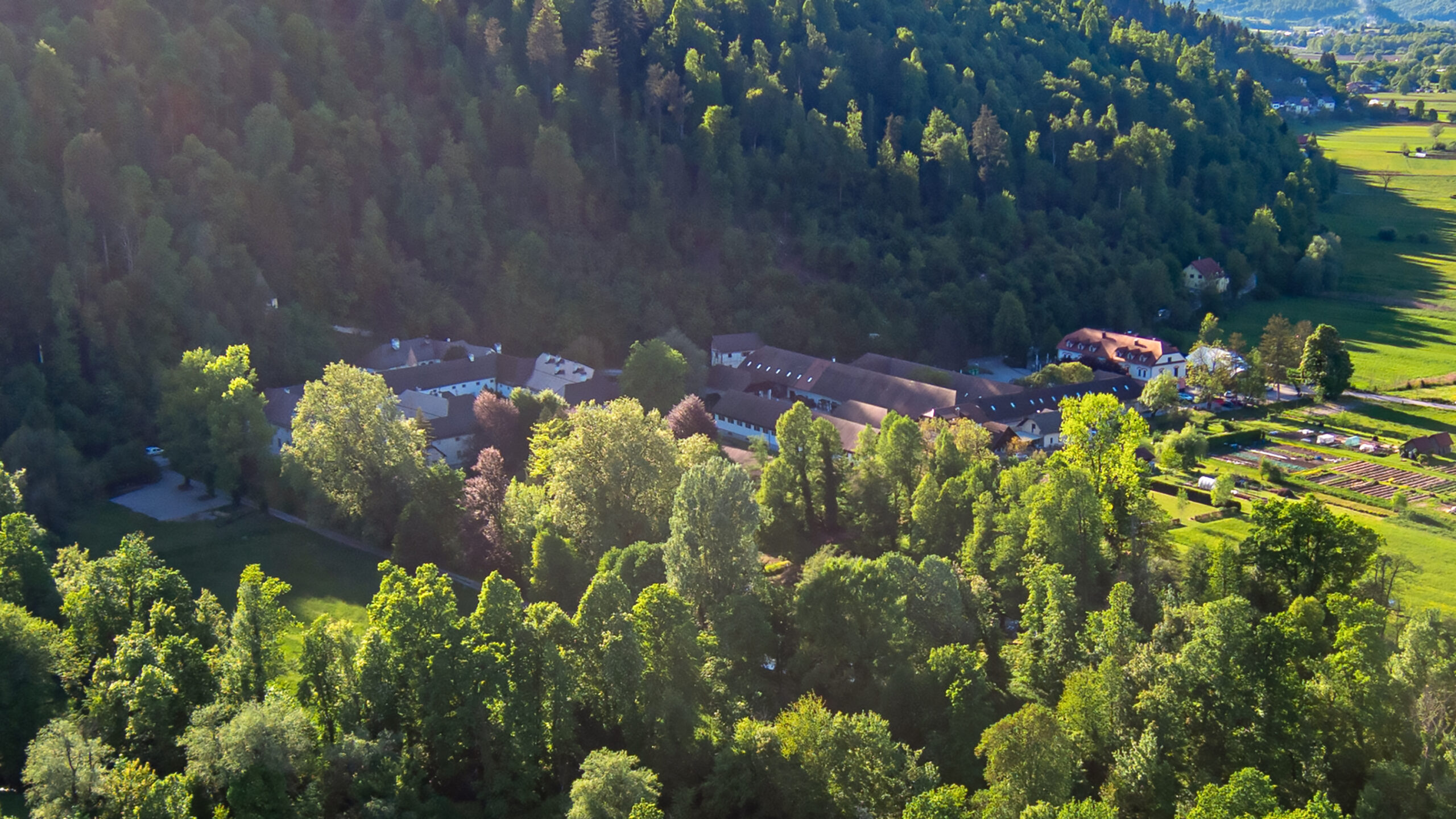
There is only so much one can wring from the photos …
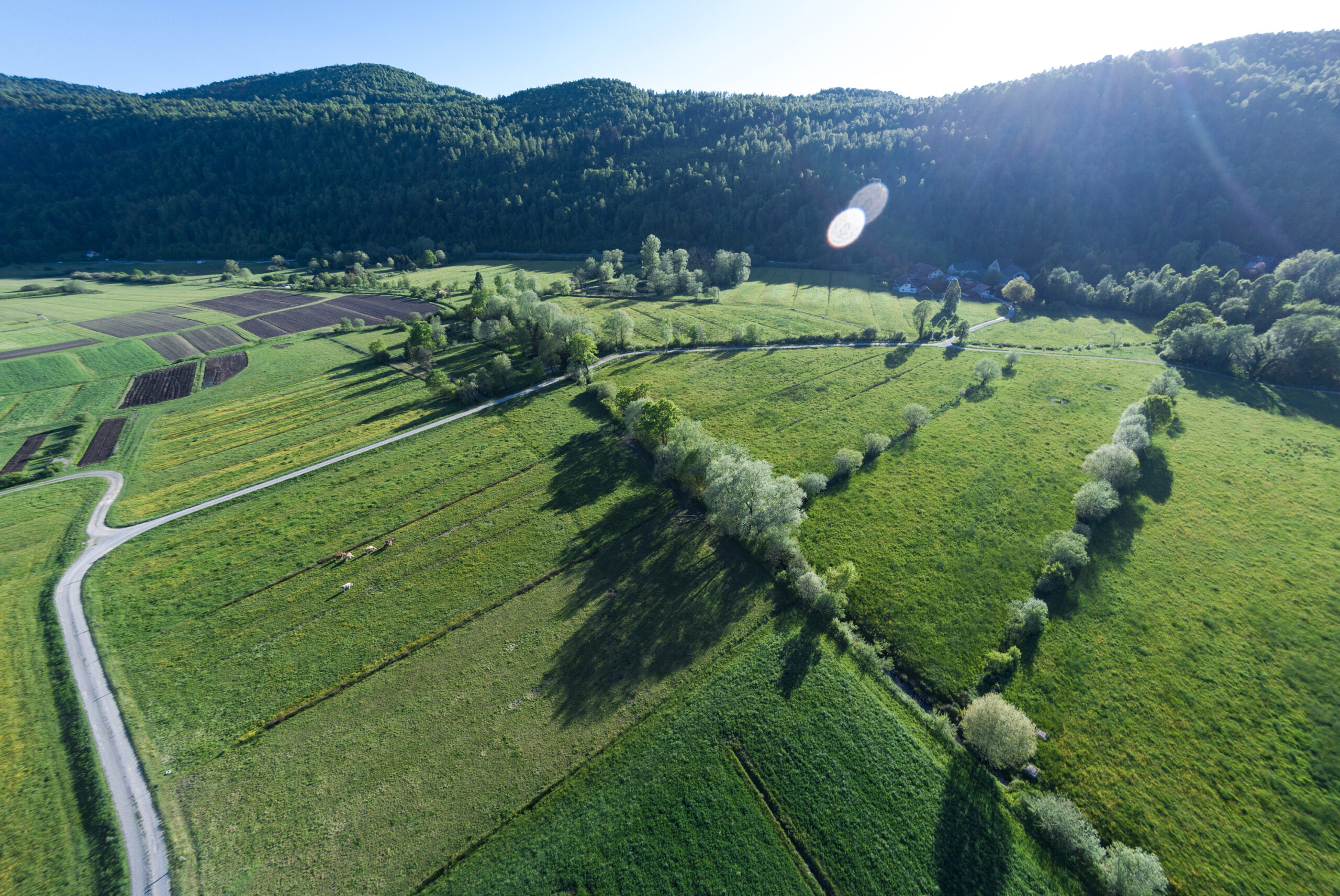
There was not much joy in the history of the Bistra Charterhouse either. The Carthusians began strongly and expanded their holdings, acquiring numerous villages, fields and vineyards, and even securing salt pans in northern Istria. Yet despite its name, it was never a particularly joyous place. After the glory of the 14th century, everything seemed to slide steadily downhill.
A succession of fires ravaged the monastery, the Ottomans devastated its lands, the Reformation muddled minds, and a terrible earthquake struck. Yet the monks persevered, restored their finances, and just as the Charterhouse began to flourish once more, Emperor Joseph II closed it down.
The monks received compensation and modest pensions, while the estate was confiscated and later sold. The church was demolished in 1808, and in 1826 the property was bought by the wealthy industrialist Franc Galle, who transformed the remains of the monastery into a mansion. After the Second World War the estate was nationalised, and since 1952 it has housed one of the most fascinating museums in these parts: Technical Museum of Slovenia.
So, we ended up with yet another unsuccessful attempt to photograph this beautiful place and bring you back a story of its rich and turbulent history. But perhaps there is some joy to be found in the fact that – we will be back.
Again.
Kite aerial photographs shot with an Insta360 on The Venerable Old rokkaku, and with a Nikon P330 on The Original Blue rokkaku, both kites made by the master Janez Vizjak.