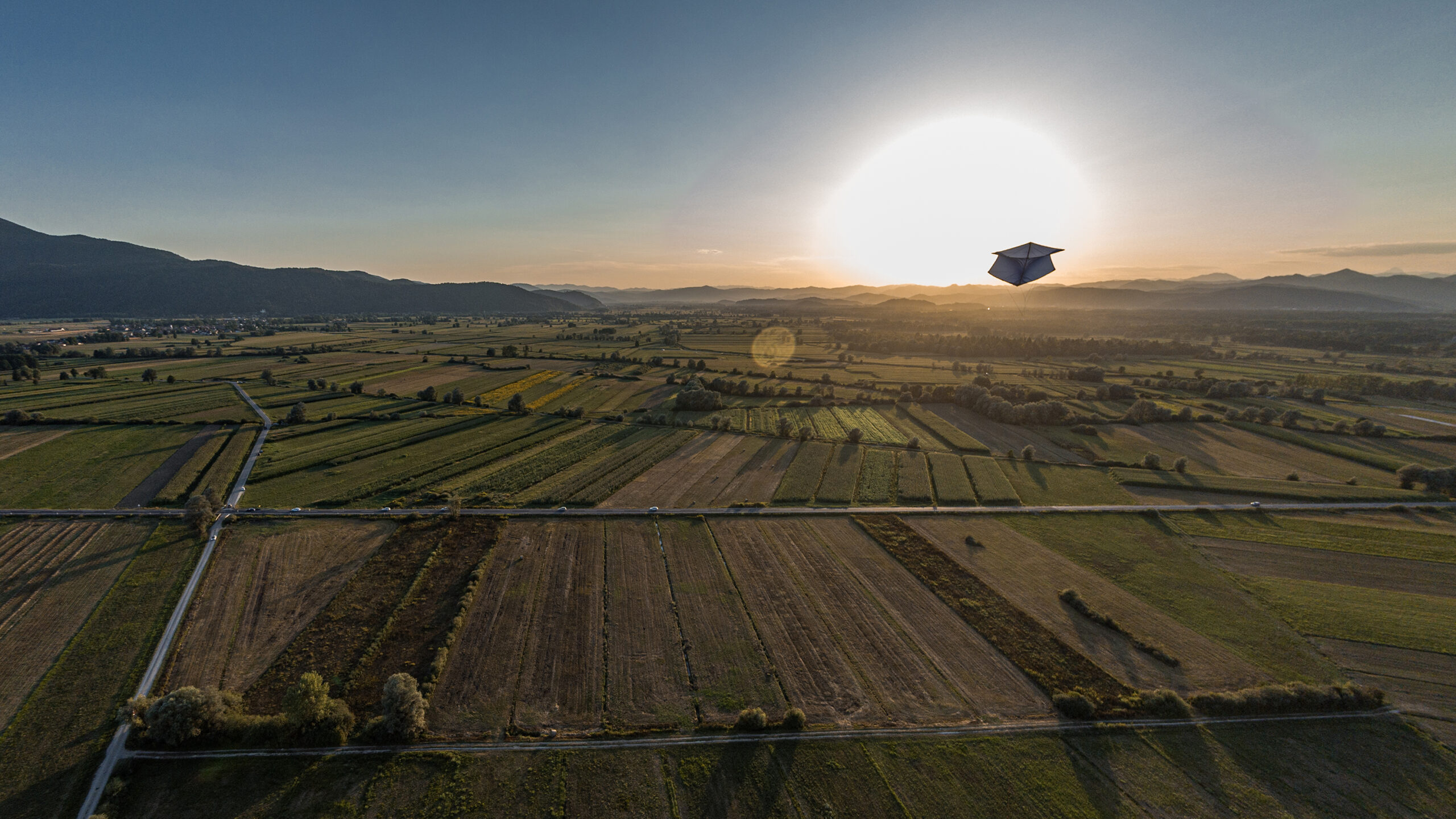
So, a solar eclipse was to happen, and as we always want to fly kites in unusual places and at unusual times, a solar eclipse flight was perfect for our interests.
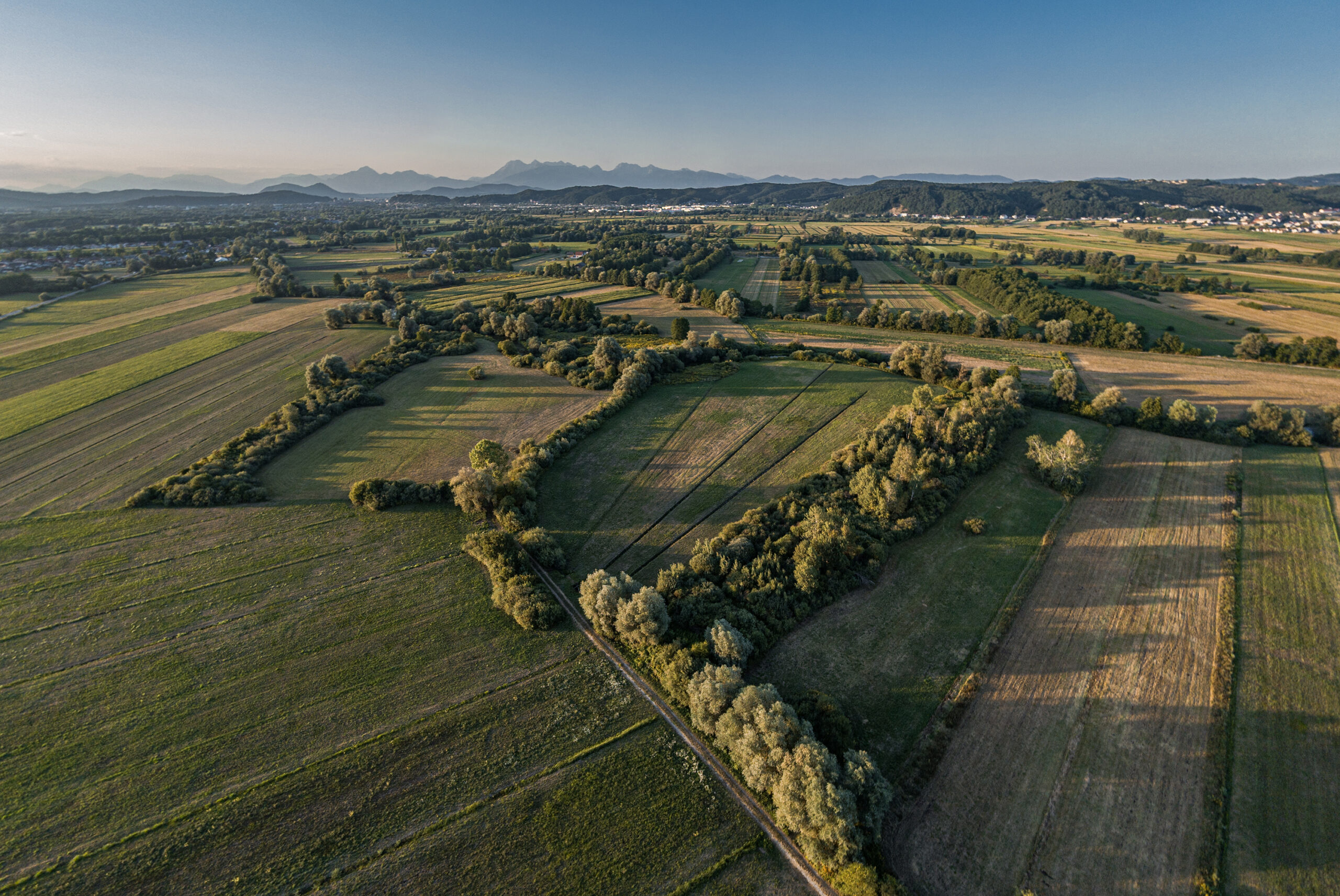
Unlike some, we did not travel to faraway lands like Spain to experience totality. Of course, a 100% eclipse is a completely different natural phenomenon from a 99.999% one, but here in Slovenia we were granted only a partial eclipse, and our regular flying spot in the Ljubljana Marshes Landscape Park was inviting.
And there was wind!
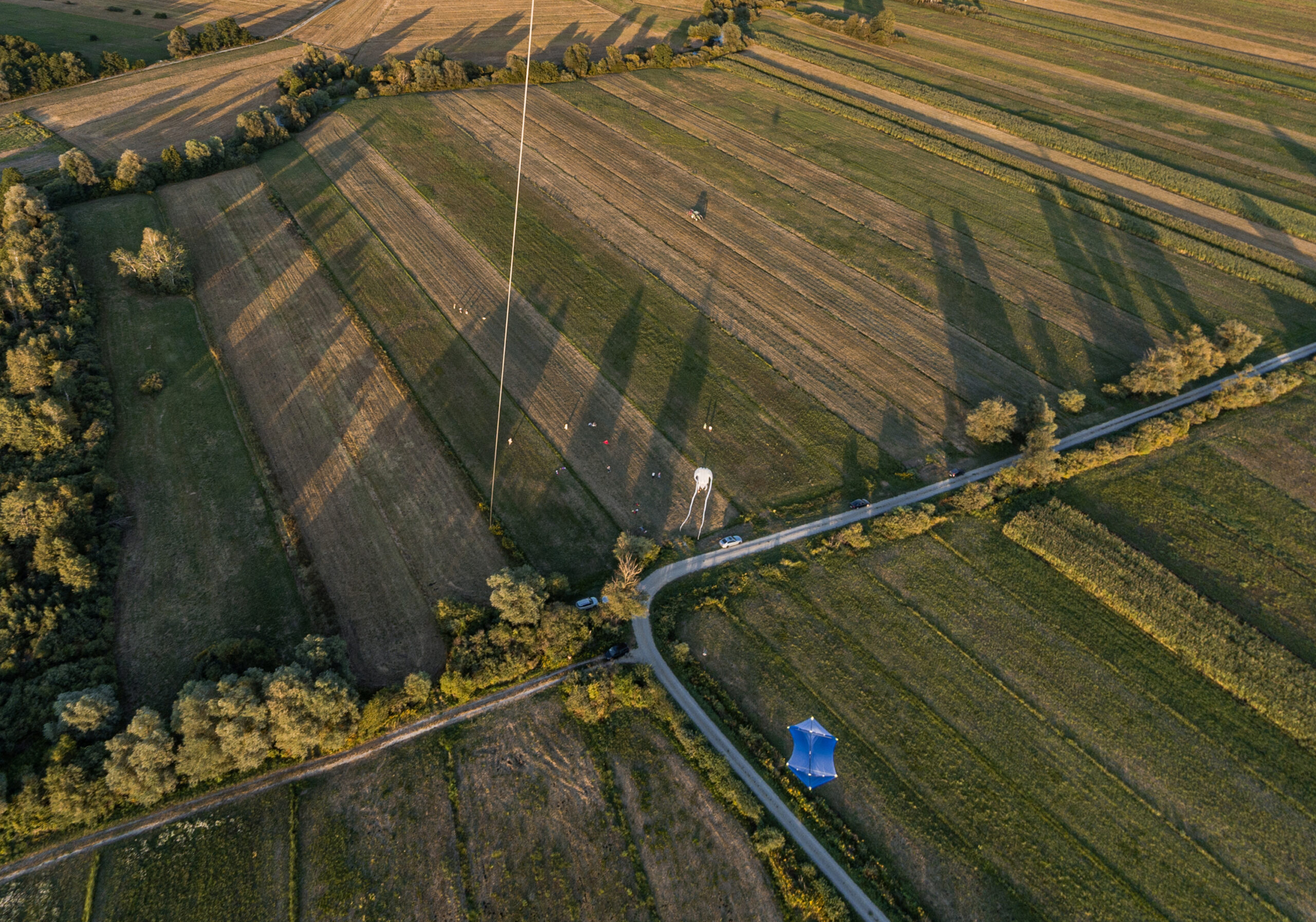
And as a good chunk of the Sun was to be eaten by the Moon, we expected some respite from the heat.
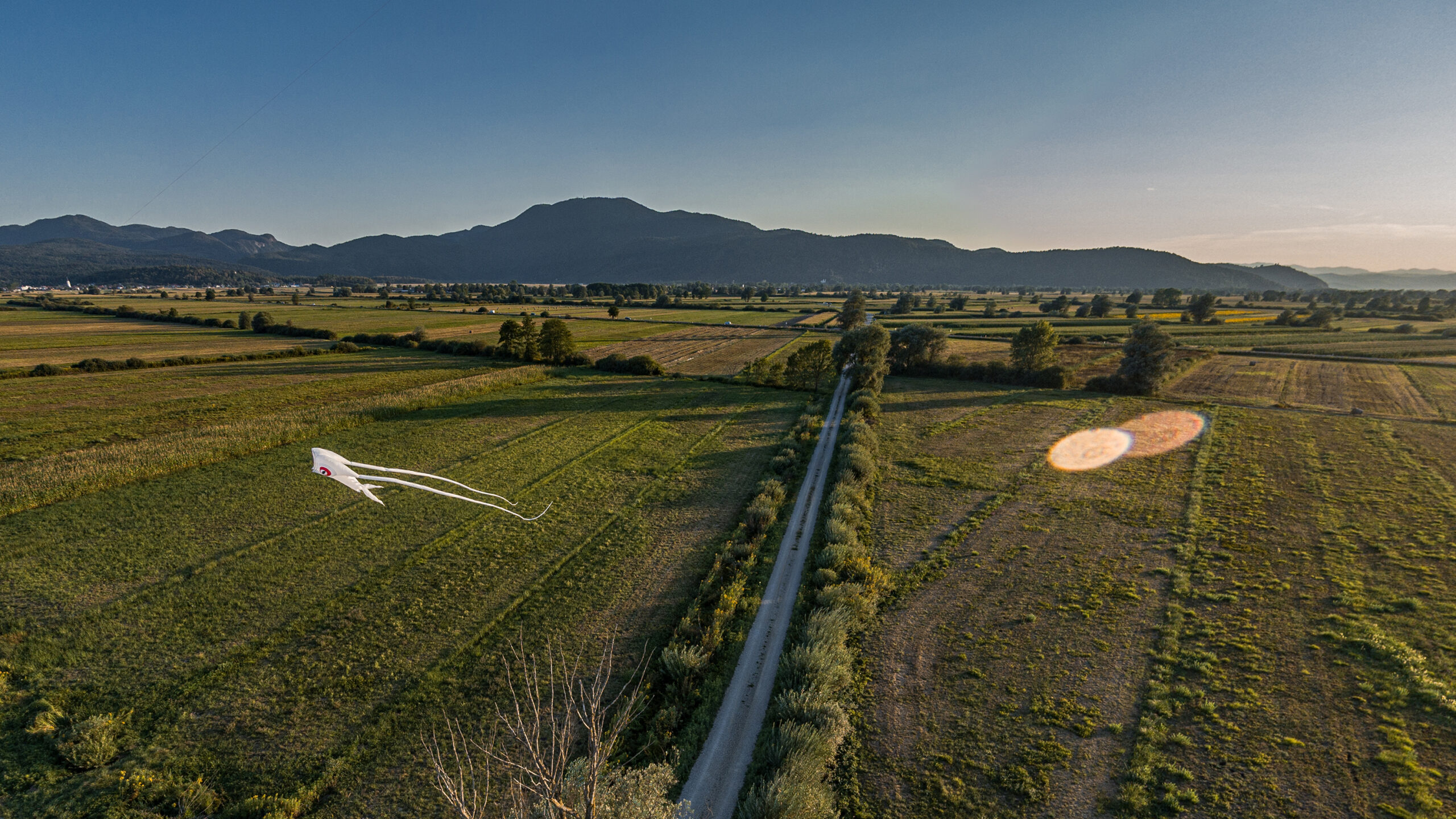
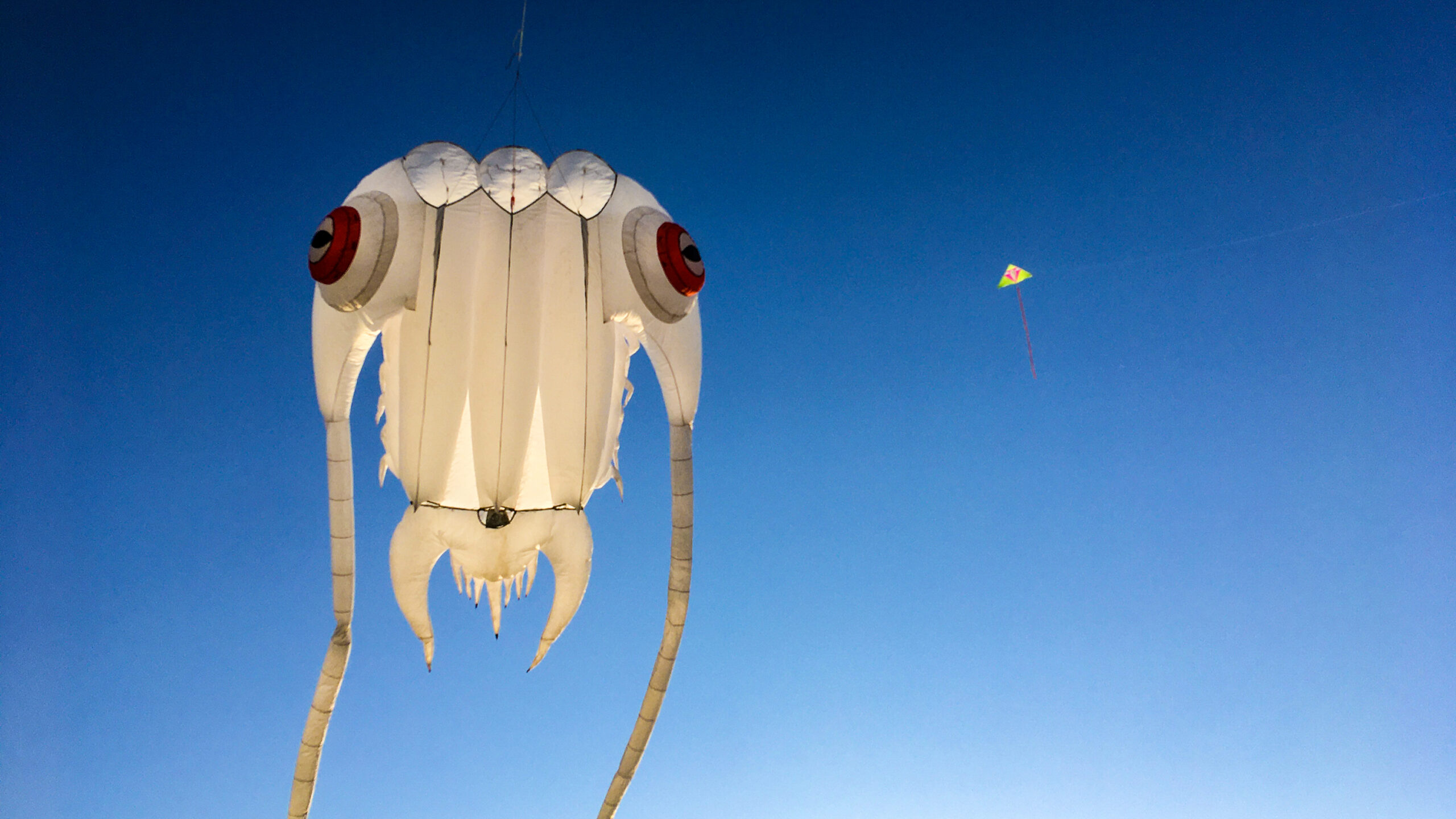
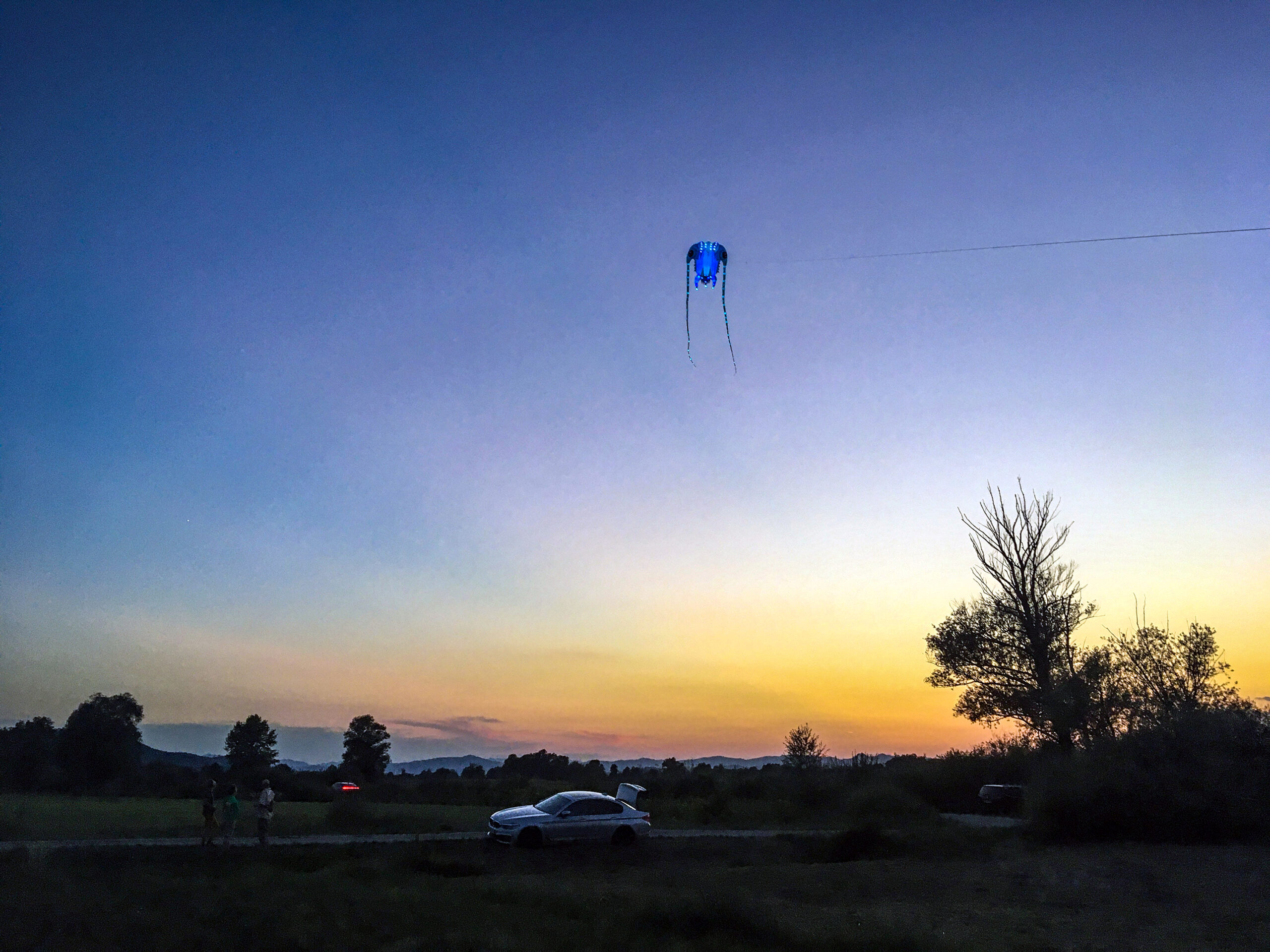
We took it easy, combining a nice afternoon of relaxed kite flying with a kite aerial photography session. The rather favourable wind forecast extended into the night, so our LED white trilobite was also ready to impress the crowds and eclipse the eclipse itself.
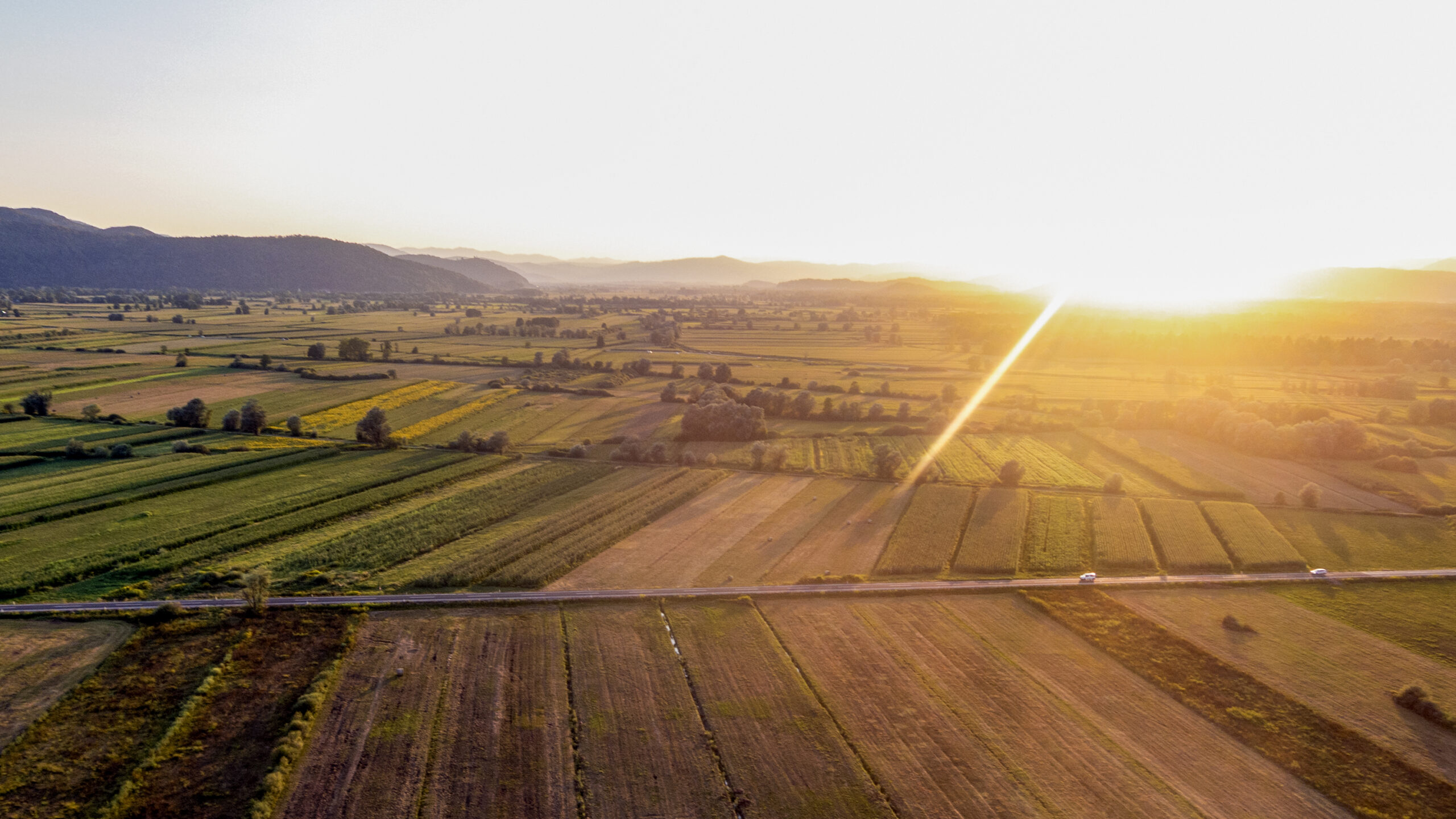
The partial eclipse started late in the afternoon, and while one of us does not know the difference between UTC and local time (he claimed the eclipse was to begin at half past five), the rest smartly insisted on venturing to the Marshes at seven pm.
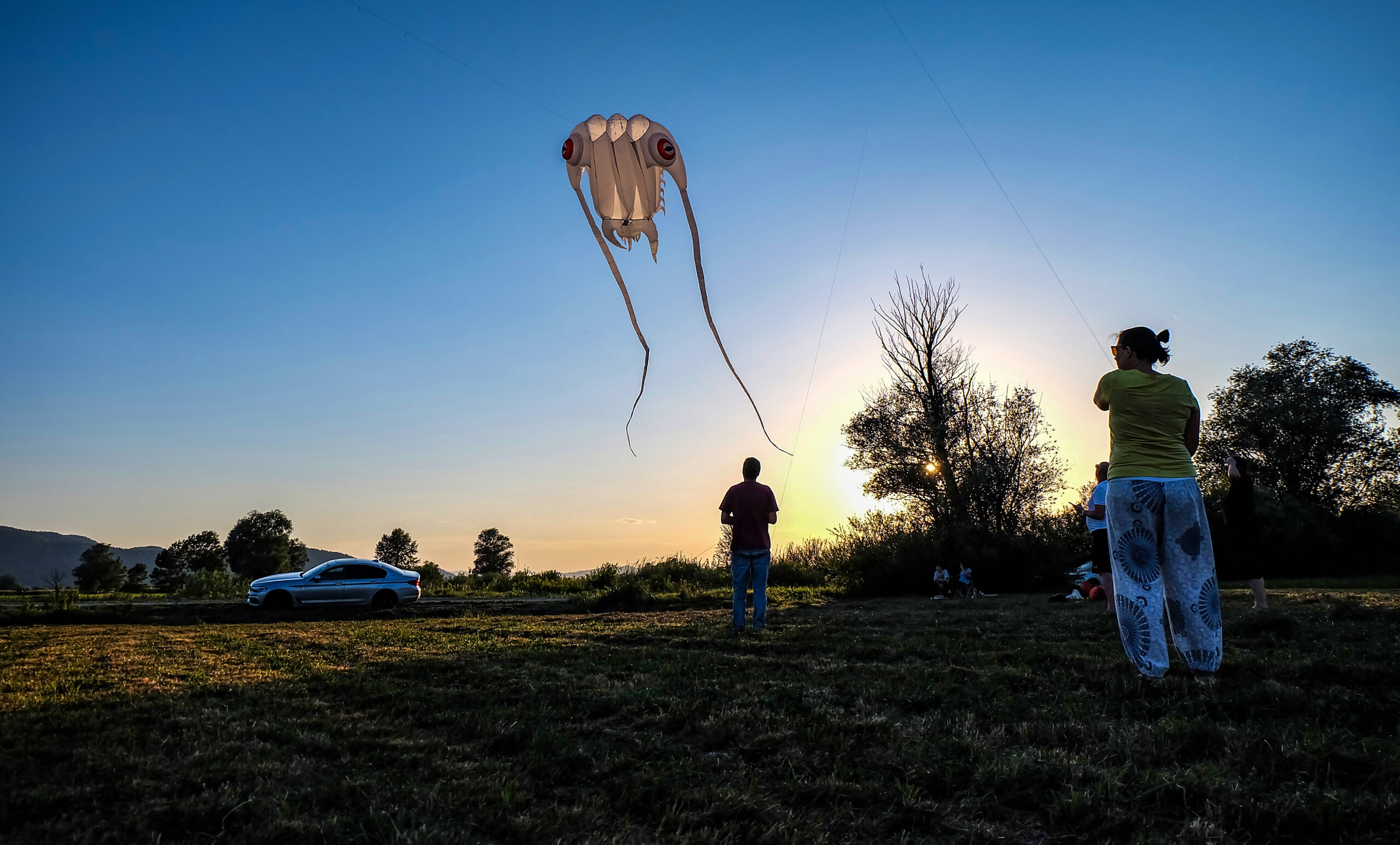
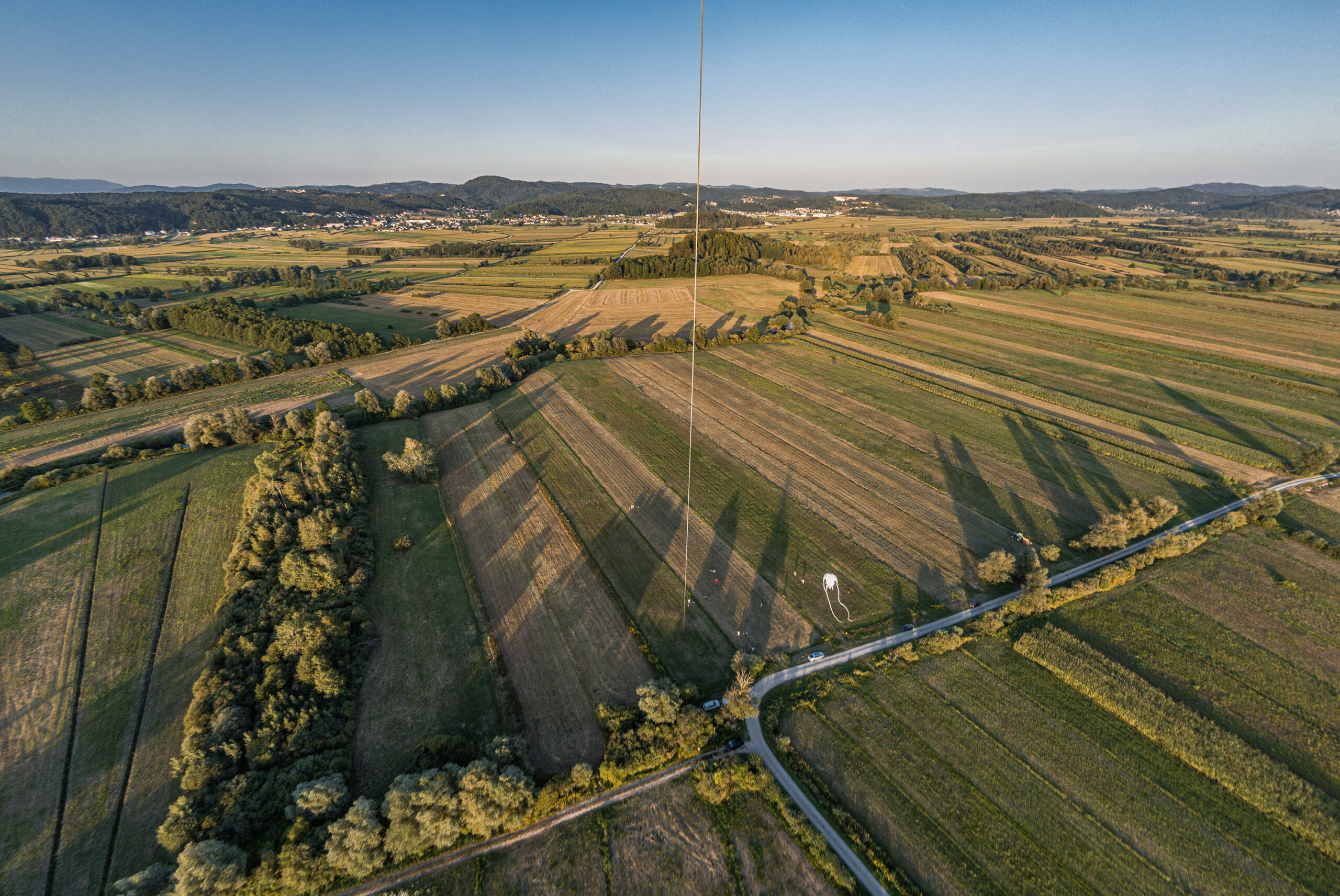
The white monster was soon in the air, the Red Delta (kissed by Santo Roberto di Cervia!) joined it, and two KAP kites rose towards the Sun that was about to disappear.
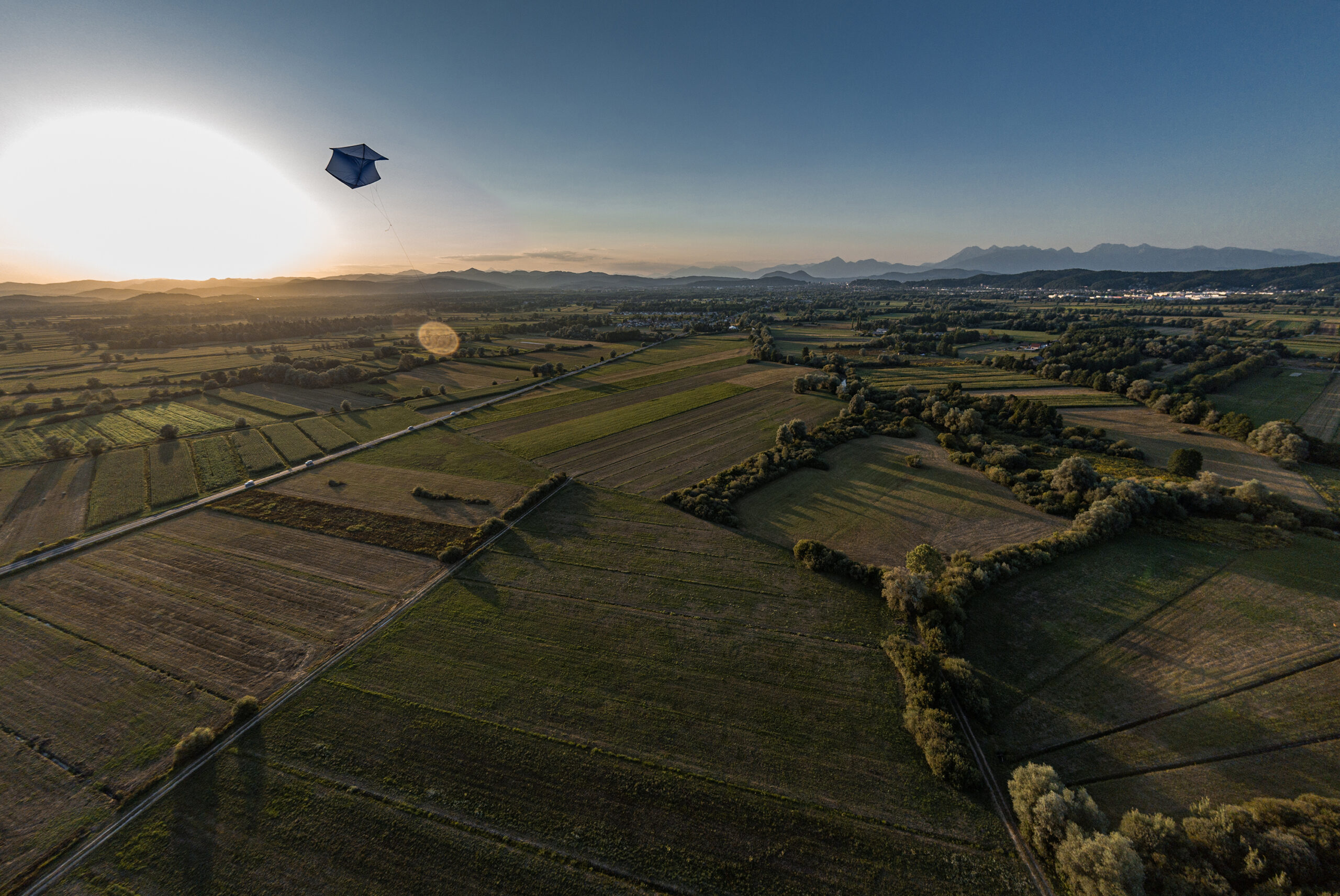
The bugs were the first to notice that something strange was happening. The pleasant late-afternoon sunlight dimmed in a very unusual way. It felt kinda like October, but not exactly, as if the power of the Sun had been turned down by a cosmic rheostat switch.
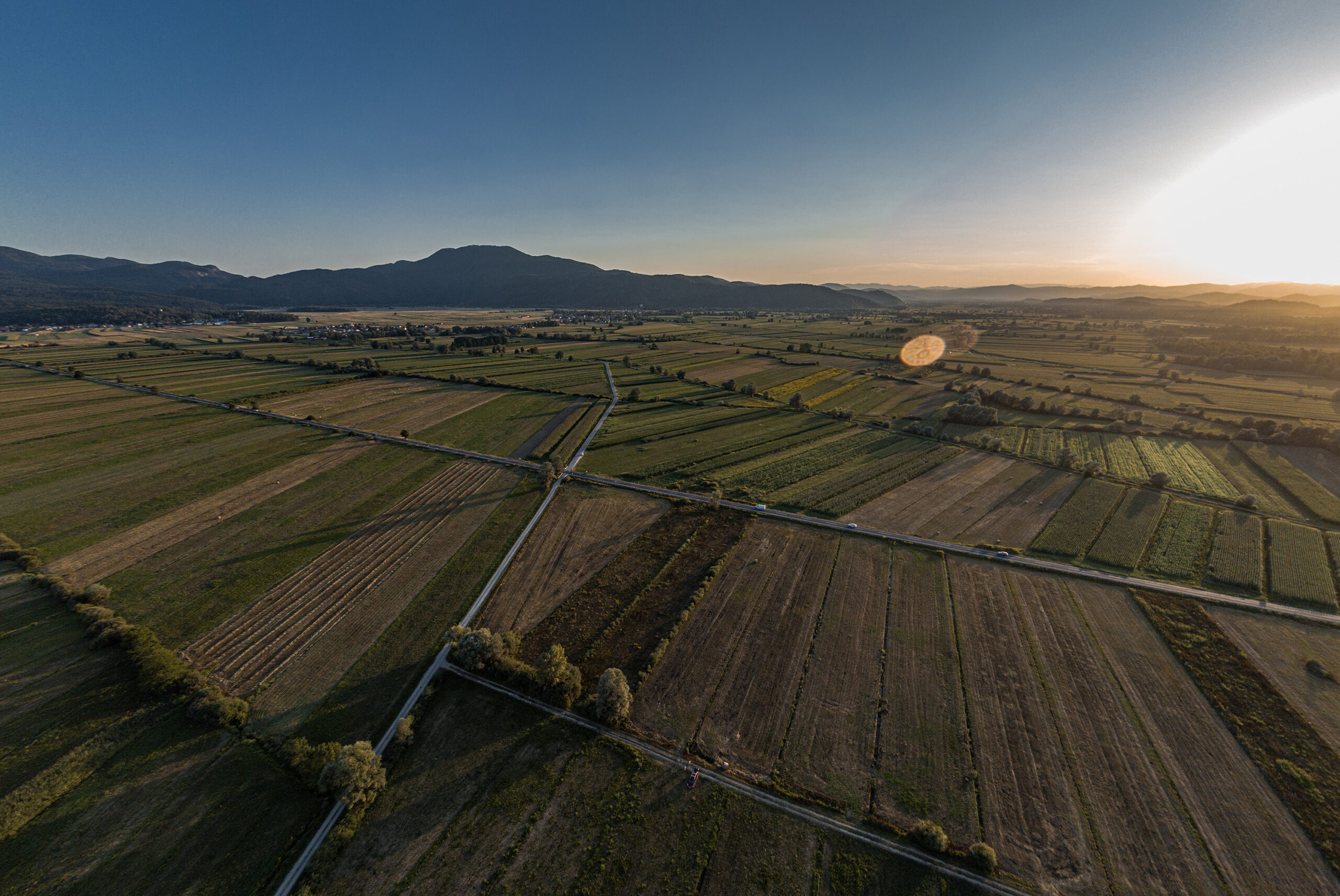
The vain and pompous queen of the night had started to interfere with the day.
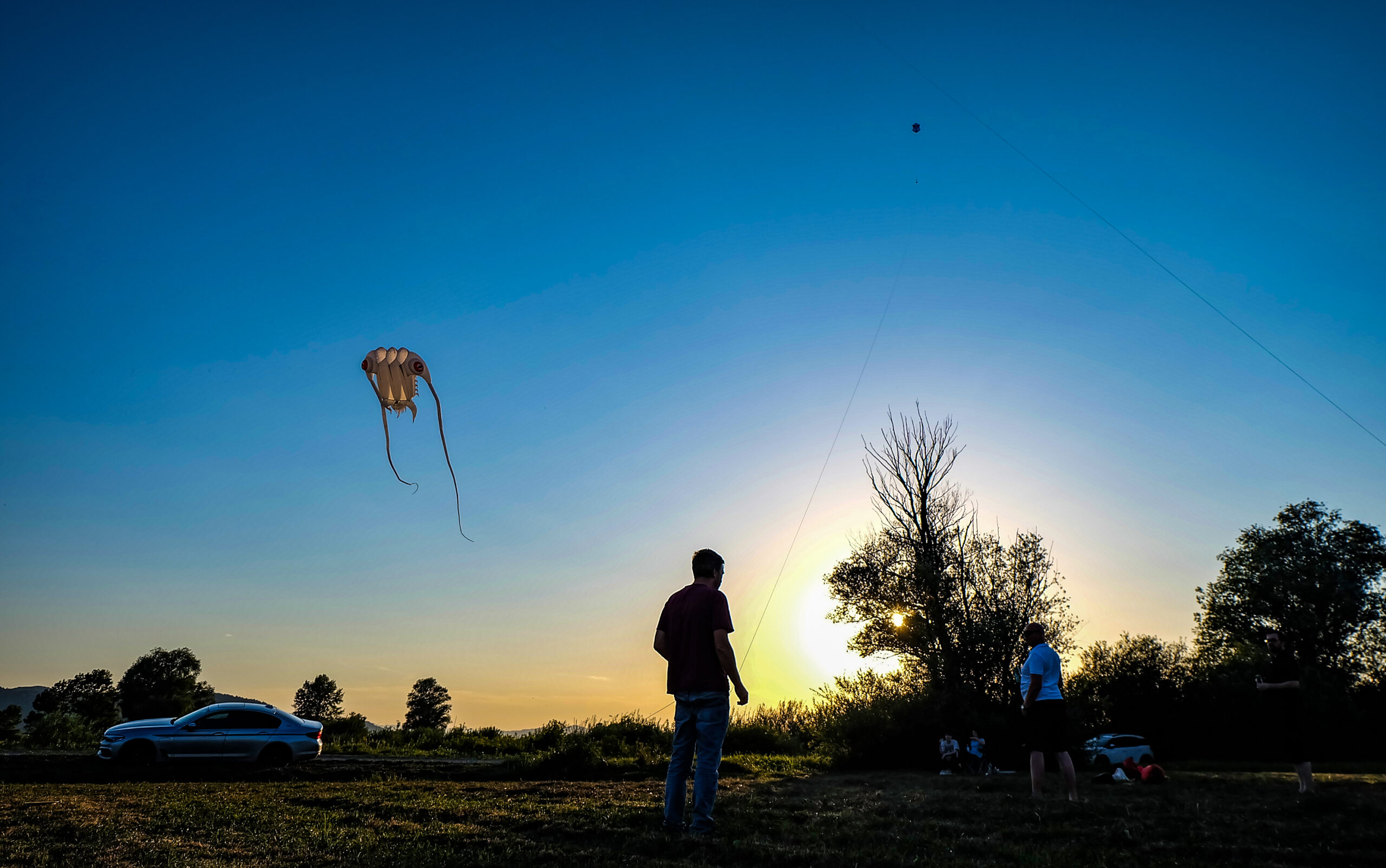
The light during an eclipse is uncanny. As the Moon covered more and more of the Sun’s disc, the strange feeling grew stronger and stronger.
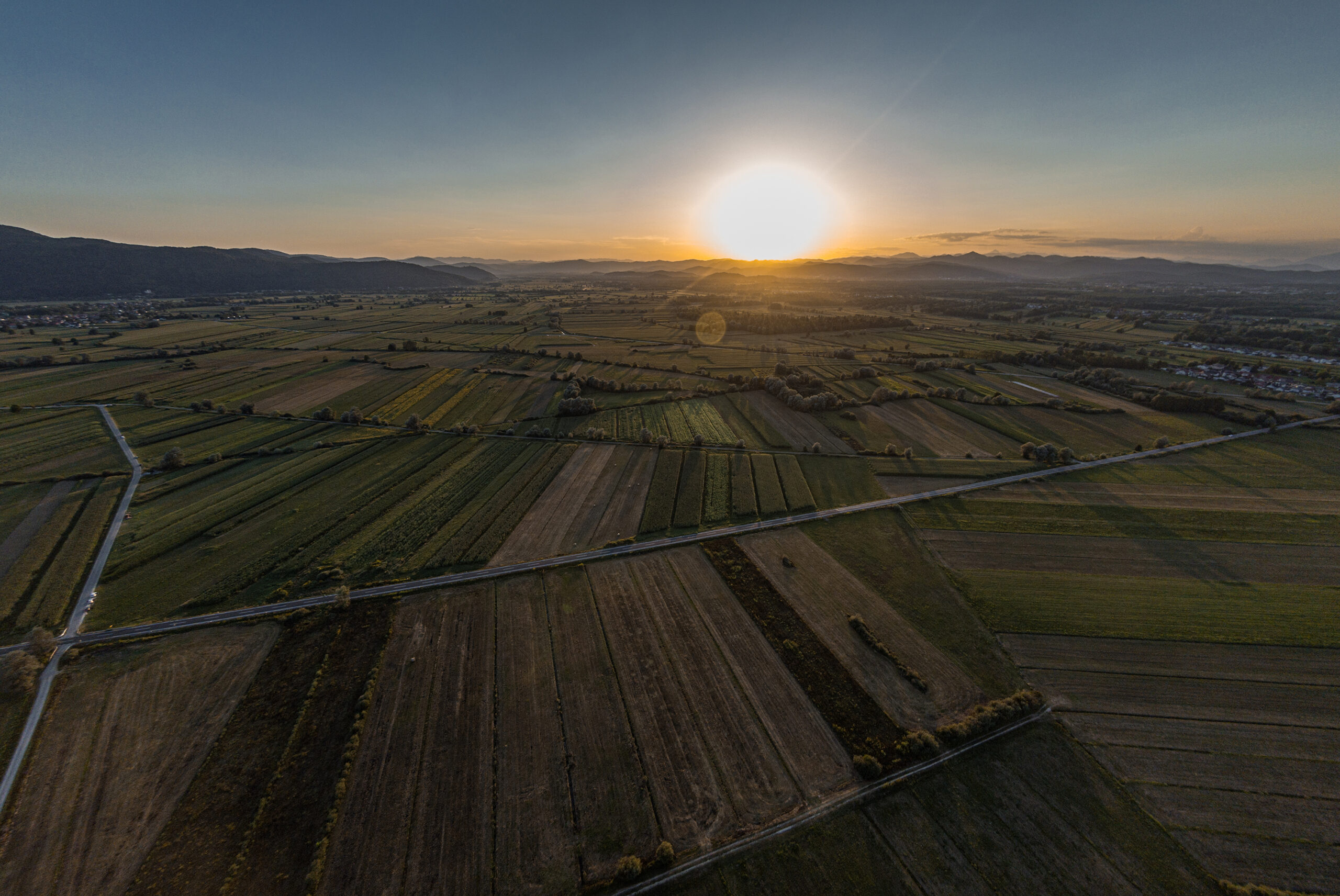
No wonder the Medes and the Lydians stopped battling their never-ending war in Anatolia back in the day: the Sun itself was not pleased with their arrogant, belligerent behaviour, and simply ceased to shine!
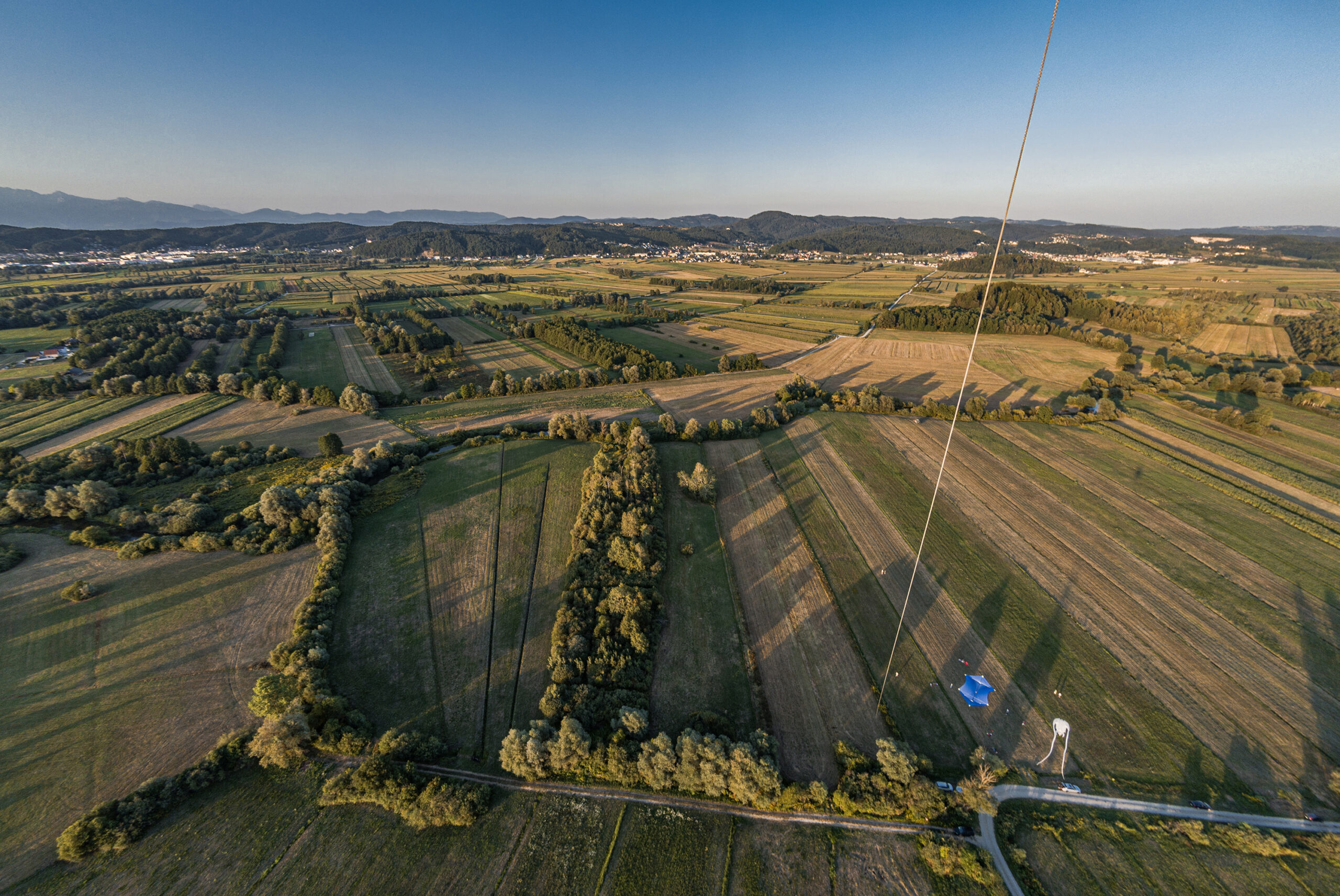
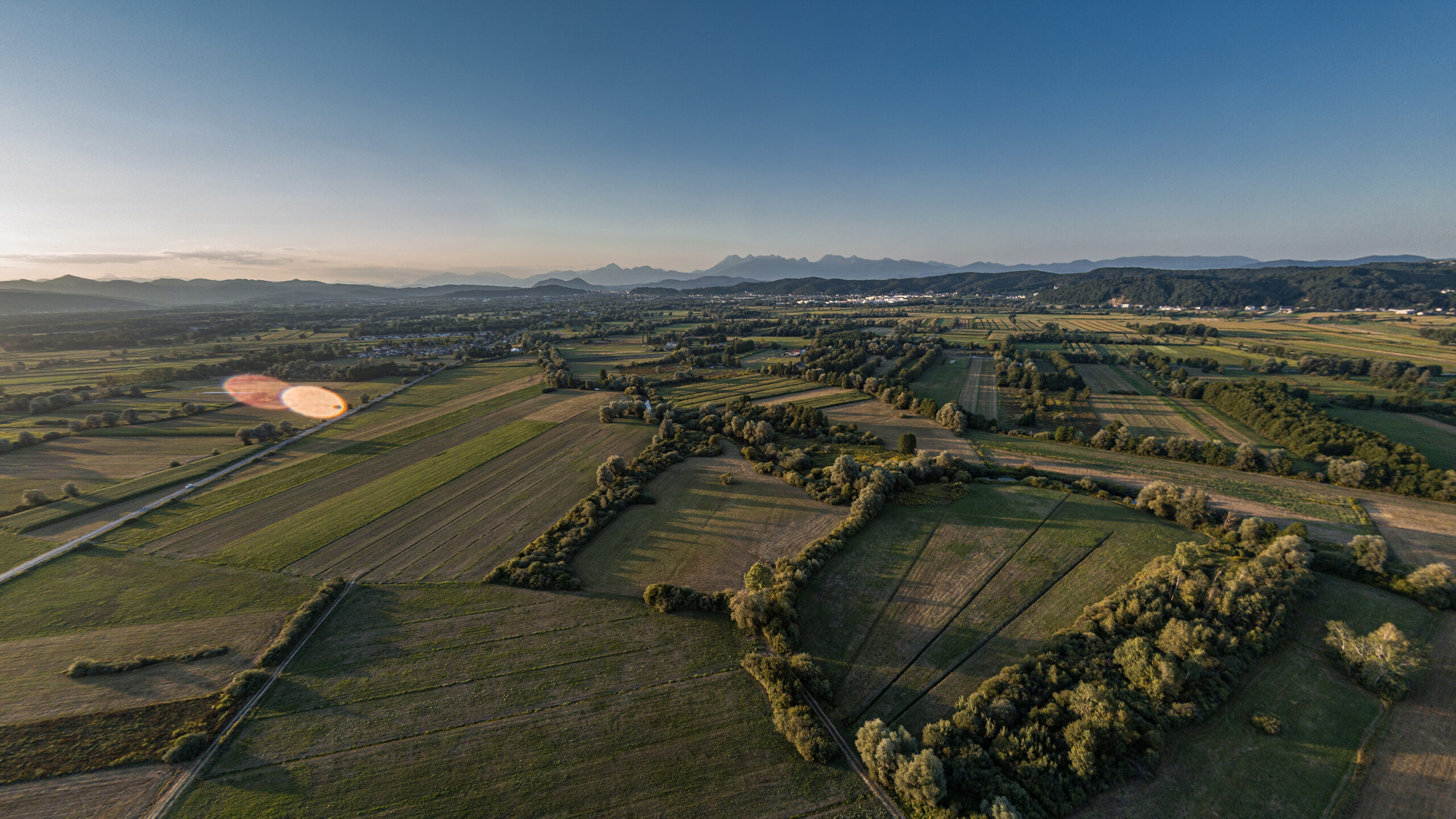
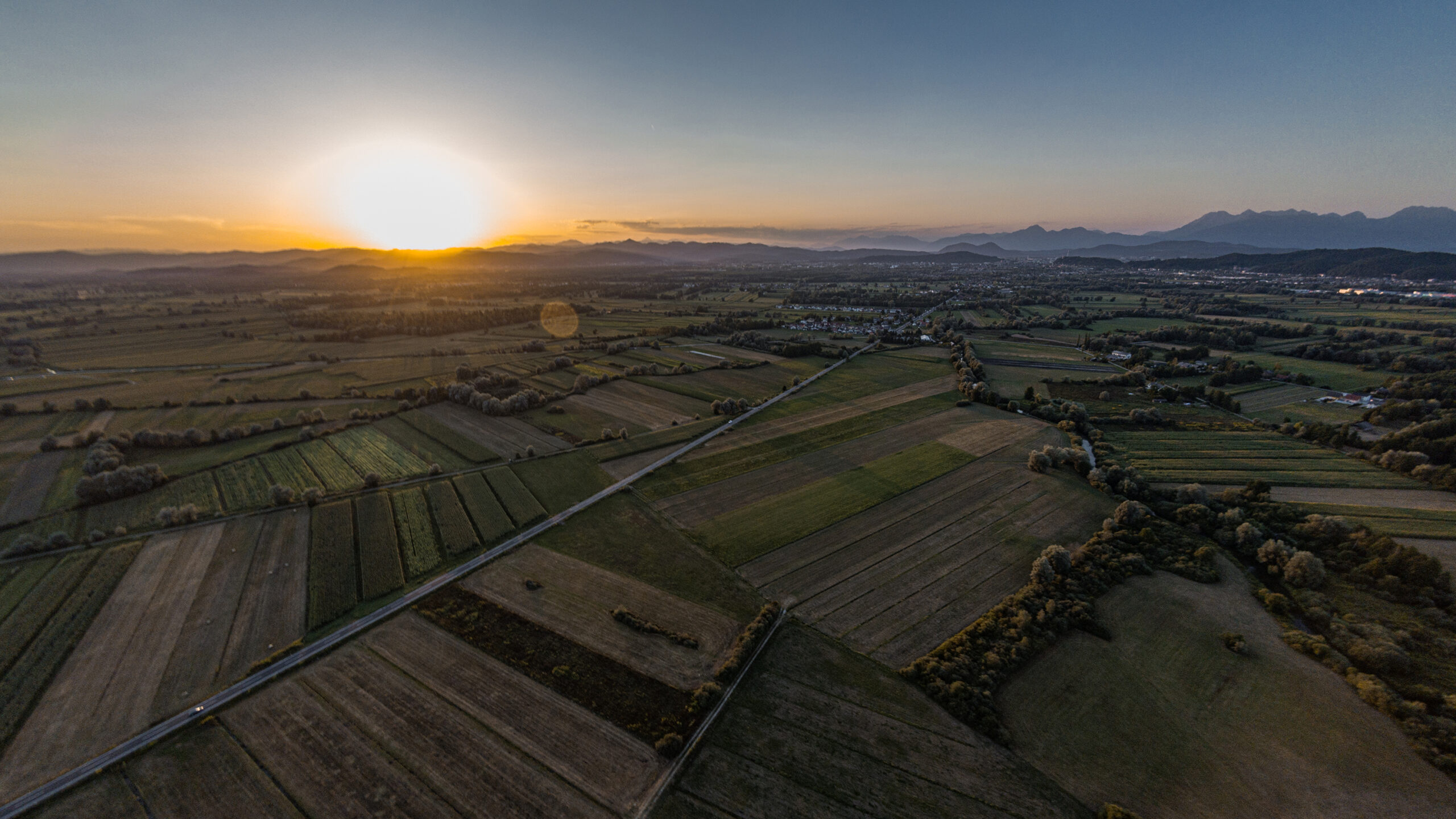
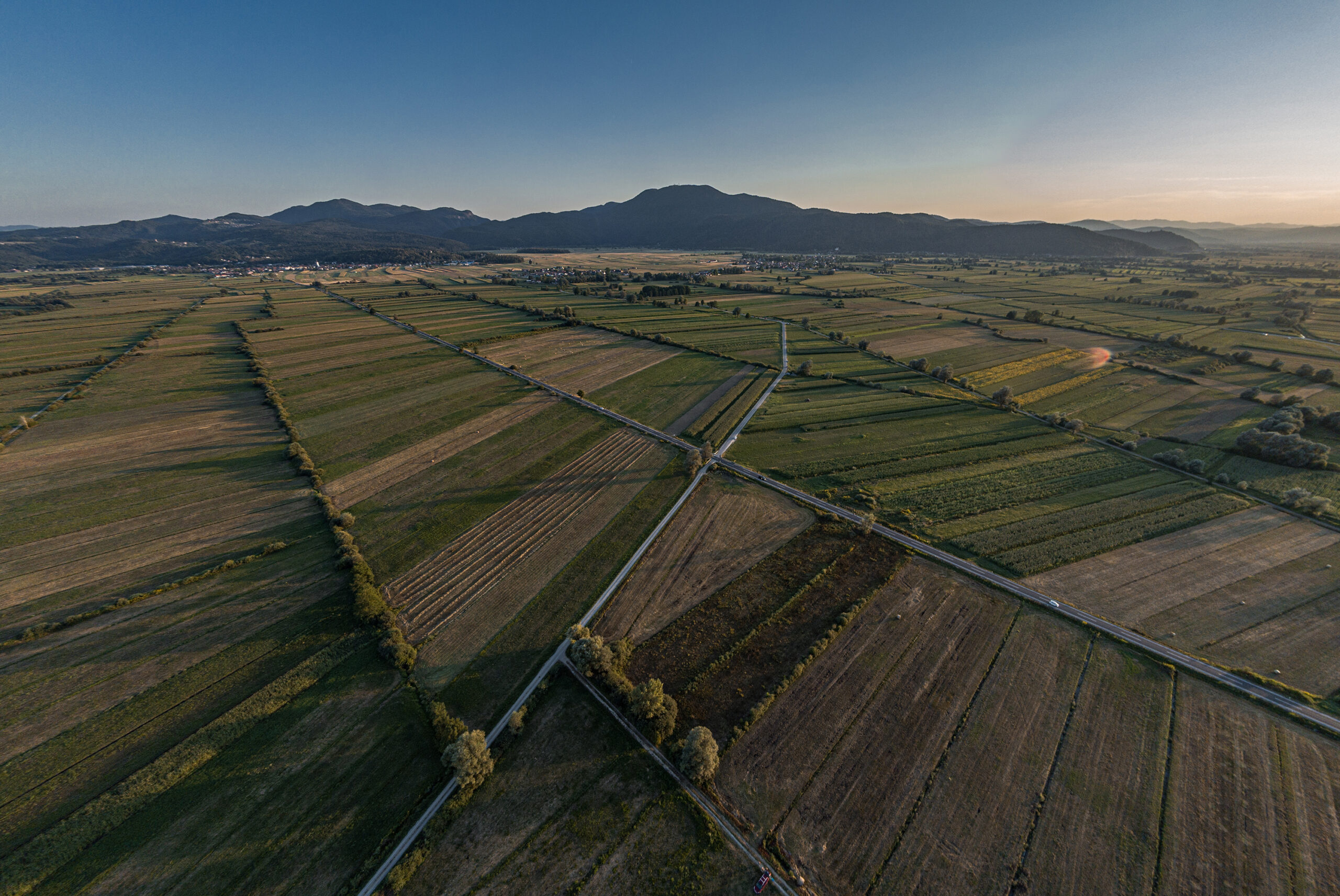
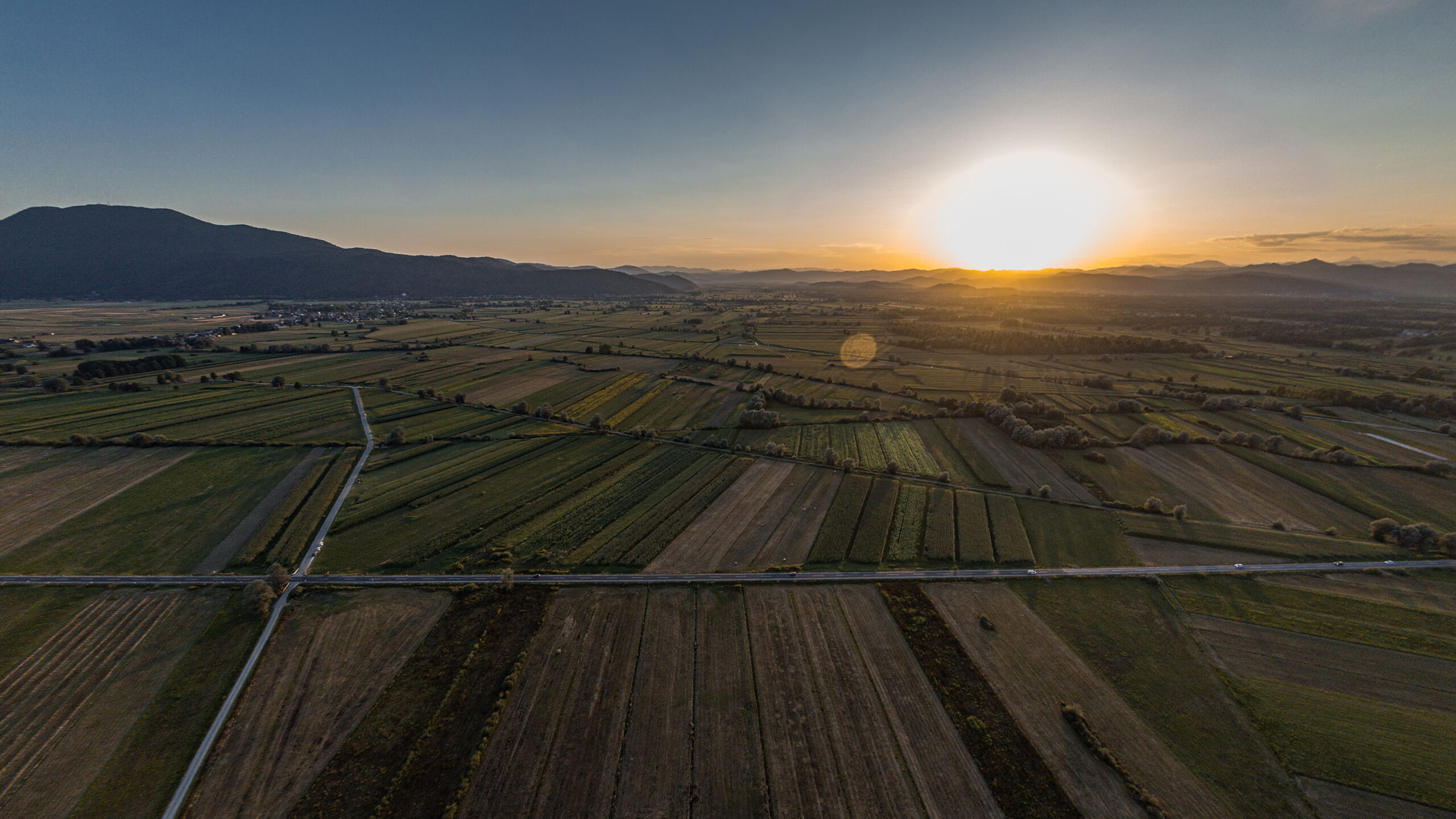
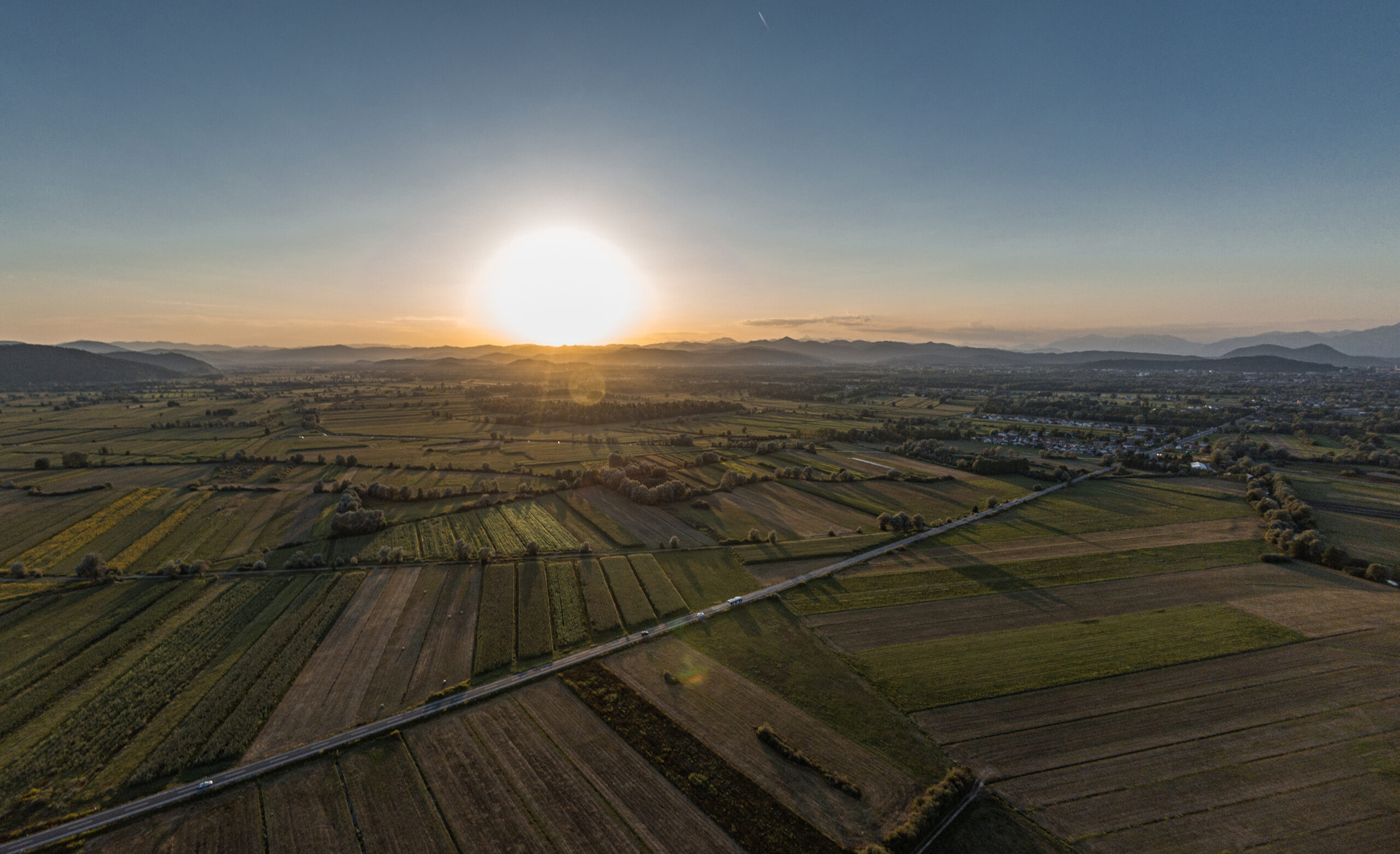
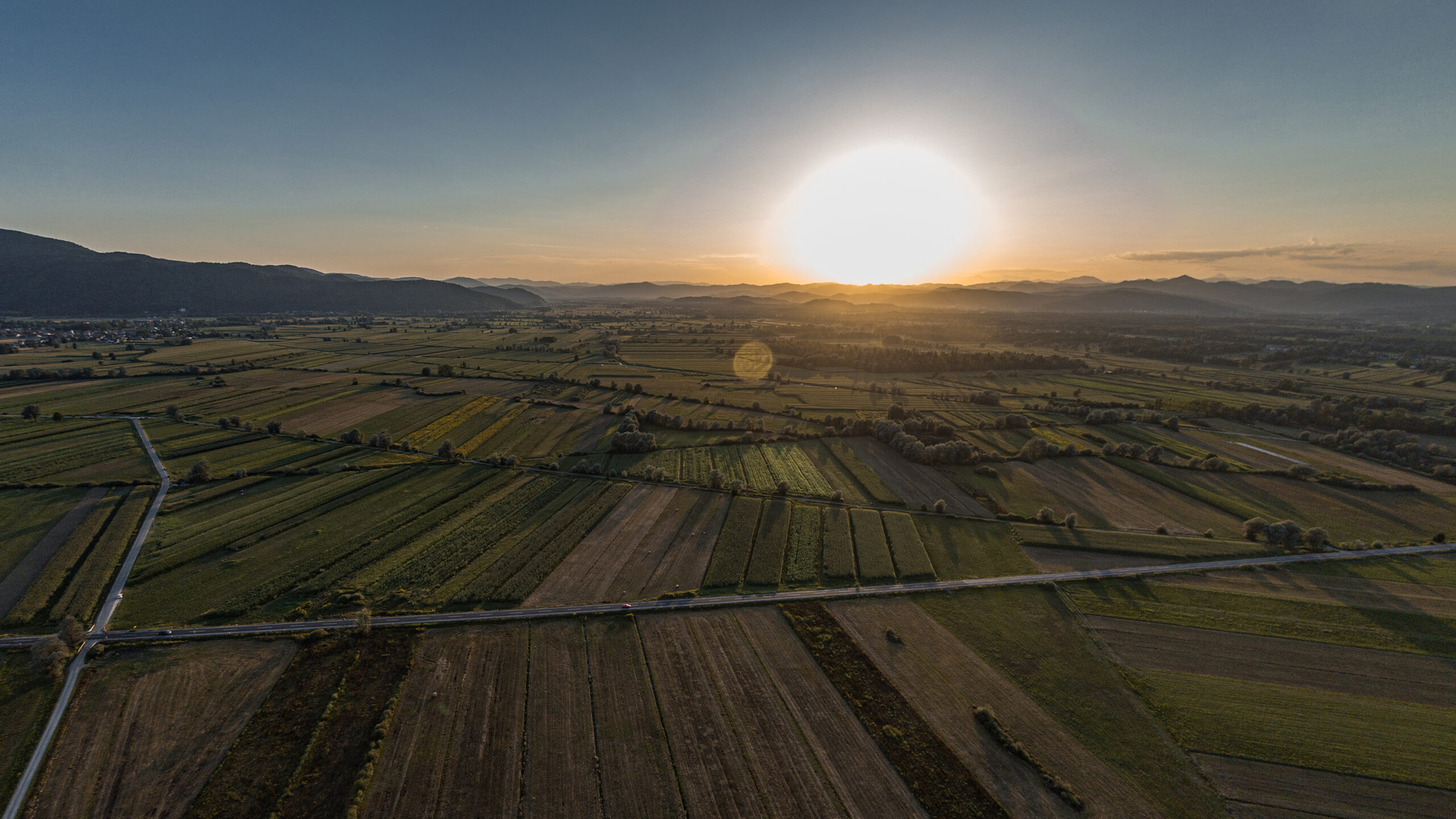
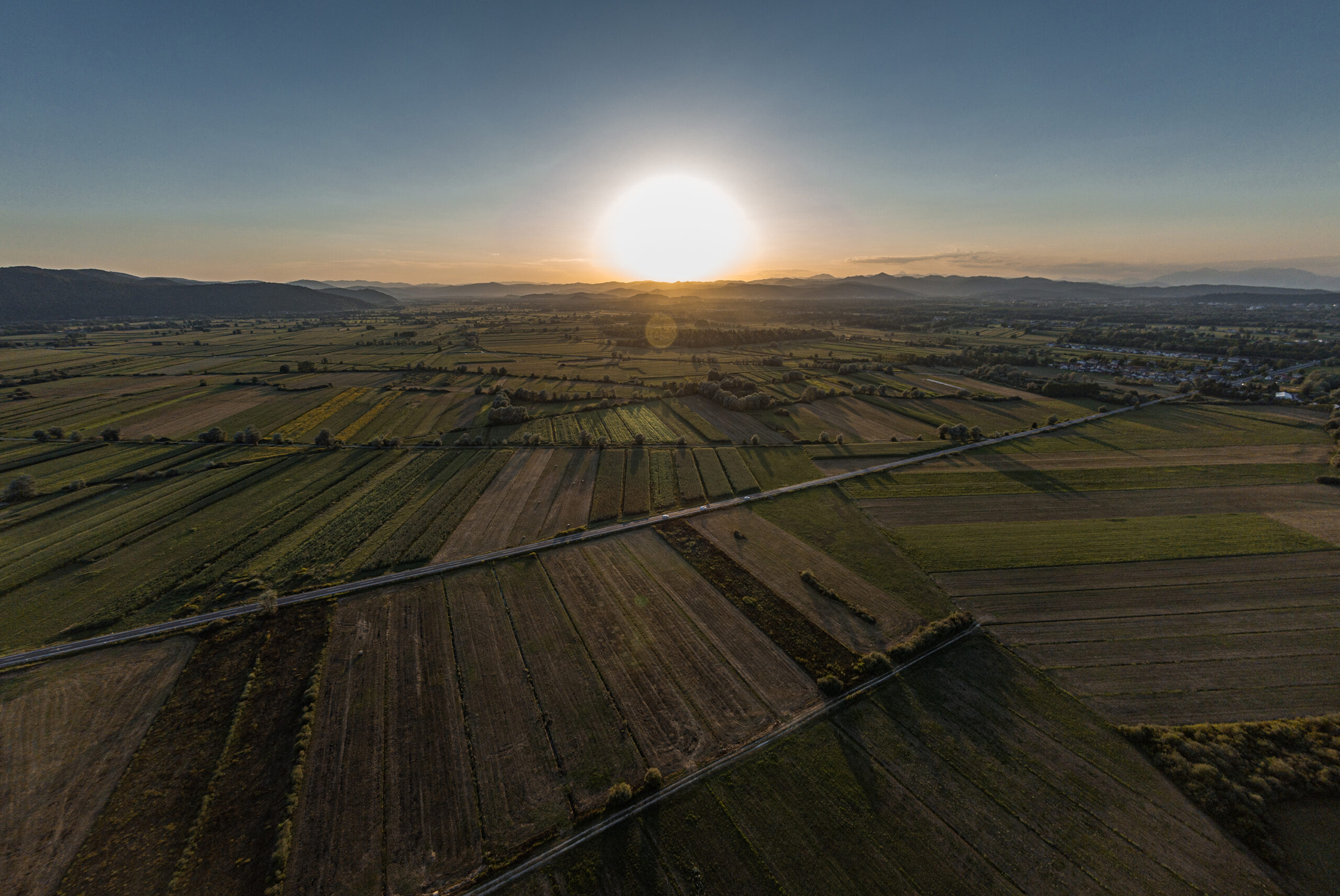
KAP kites went high towards the Sun like Icarus, the cameras pointed slightly downwards, as if the kites were determined to fly above our star.
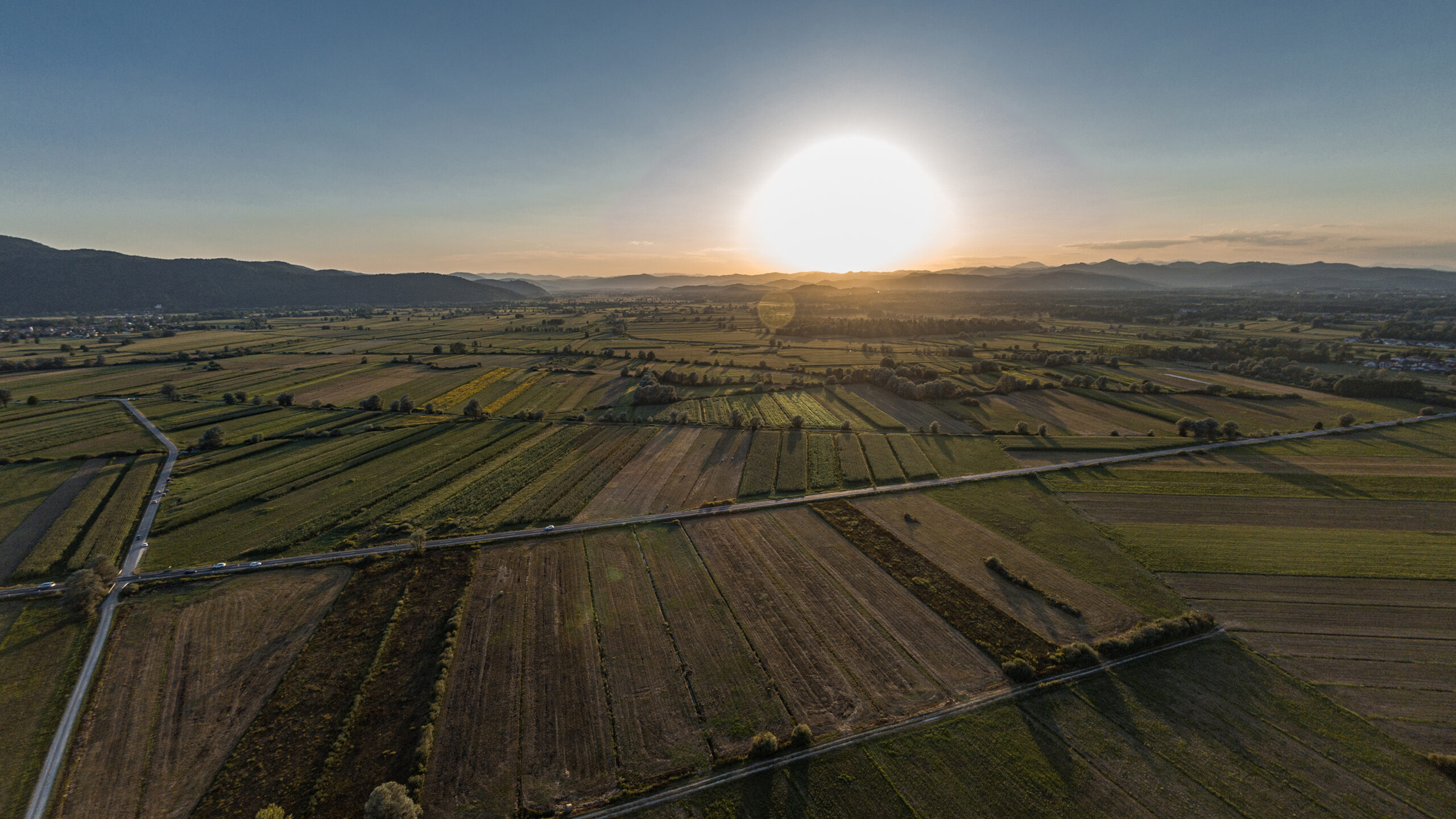
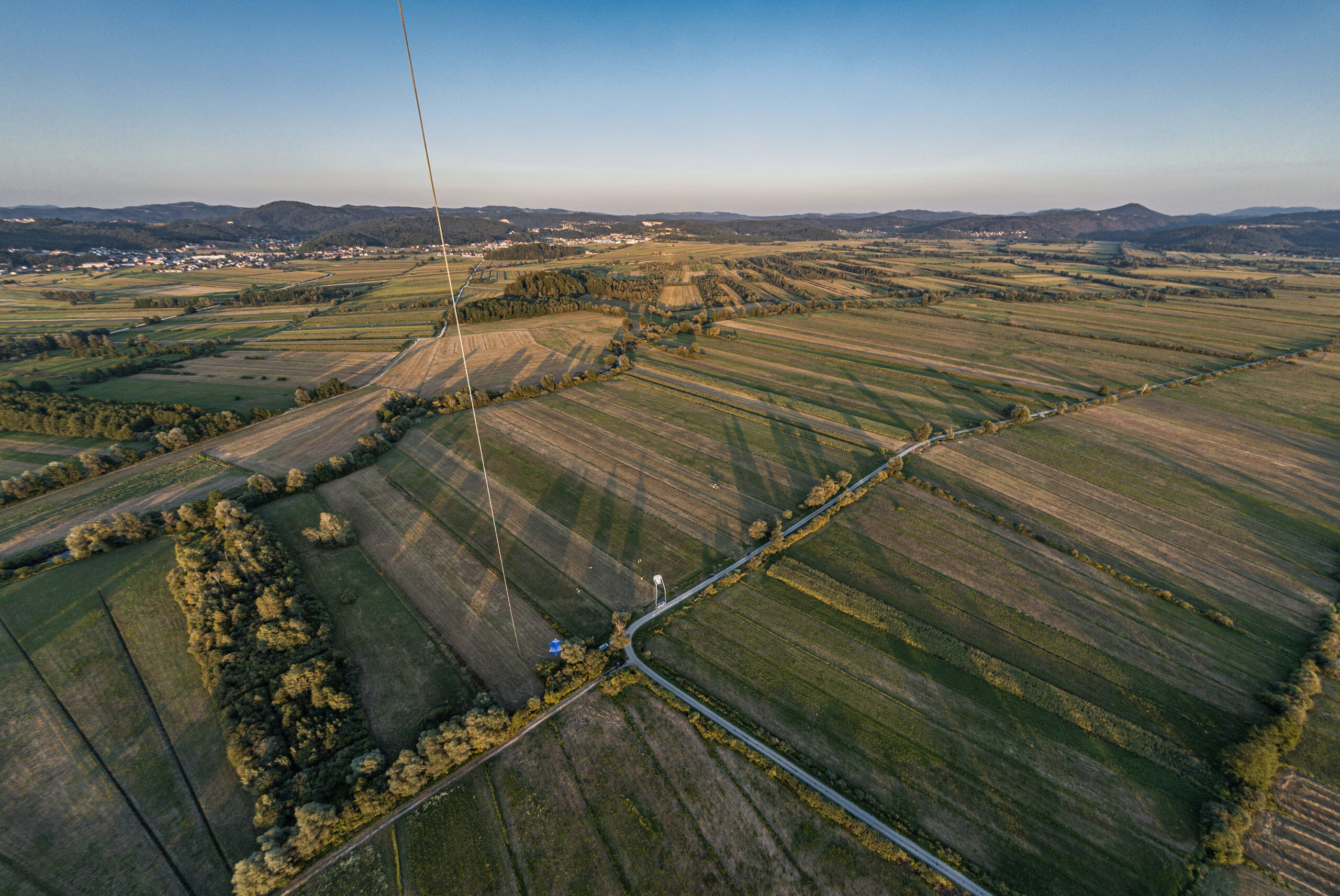
The shadows grew longer …
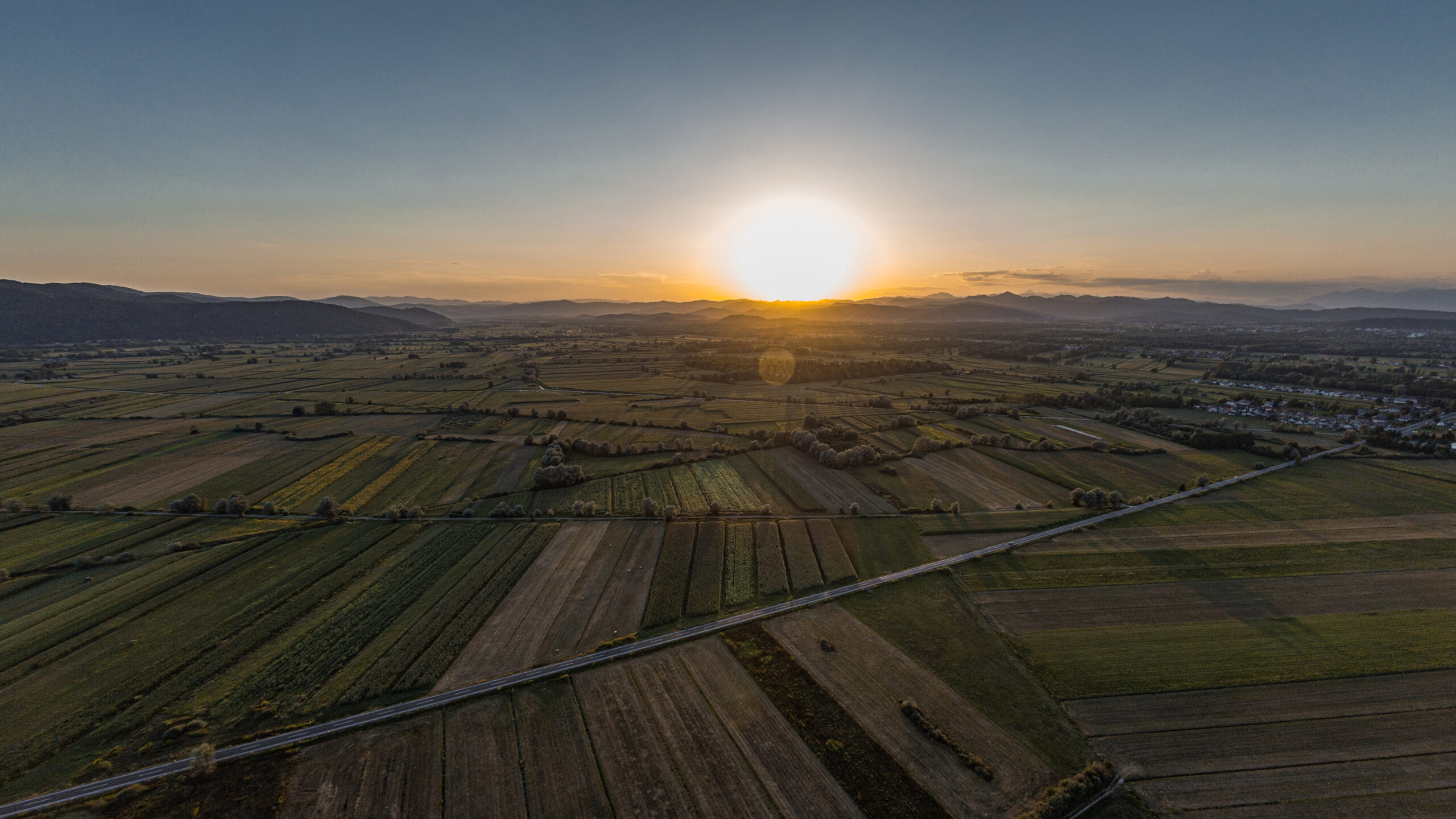
… and dimmer.
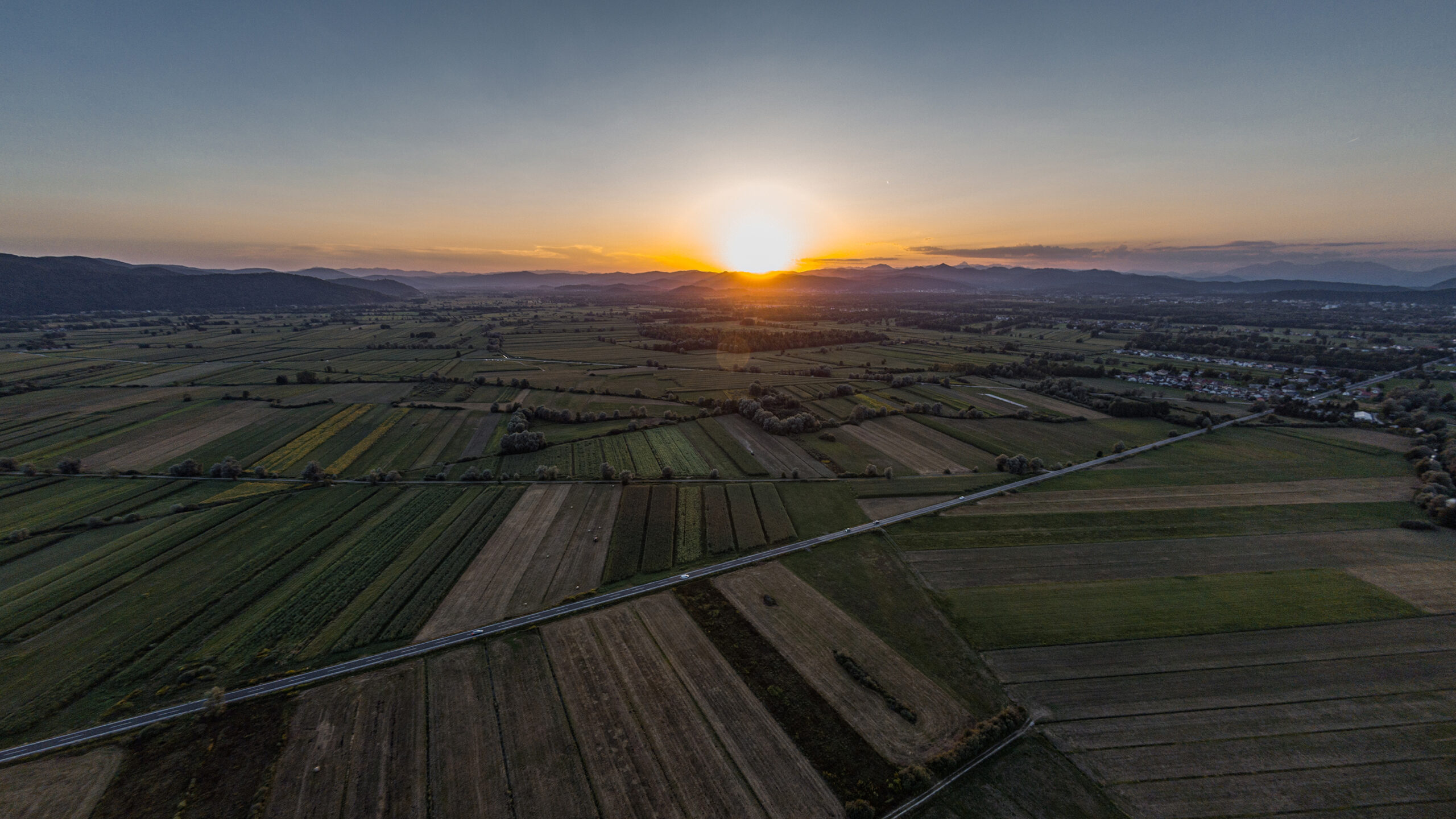
And stranger.
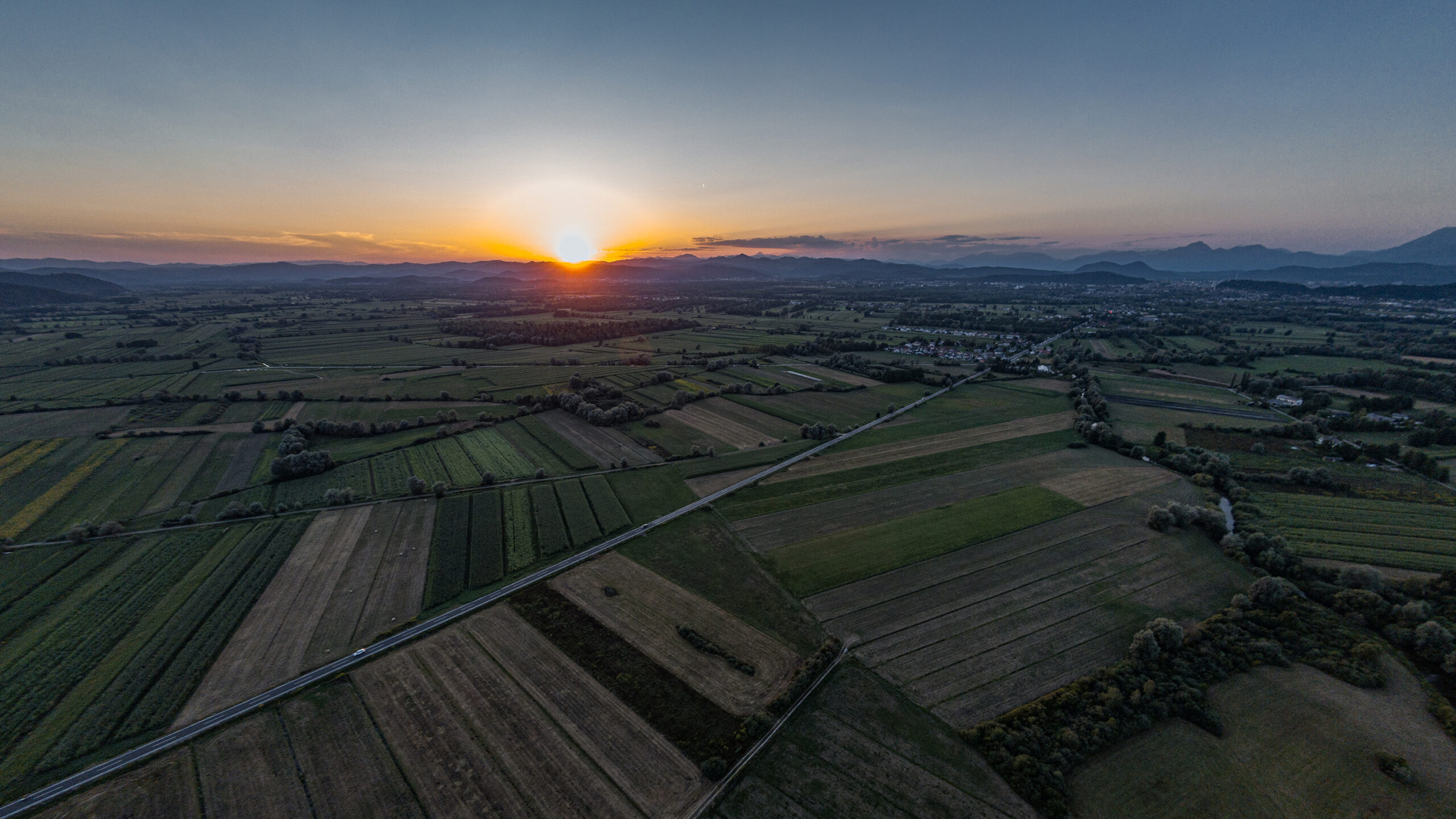
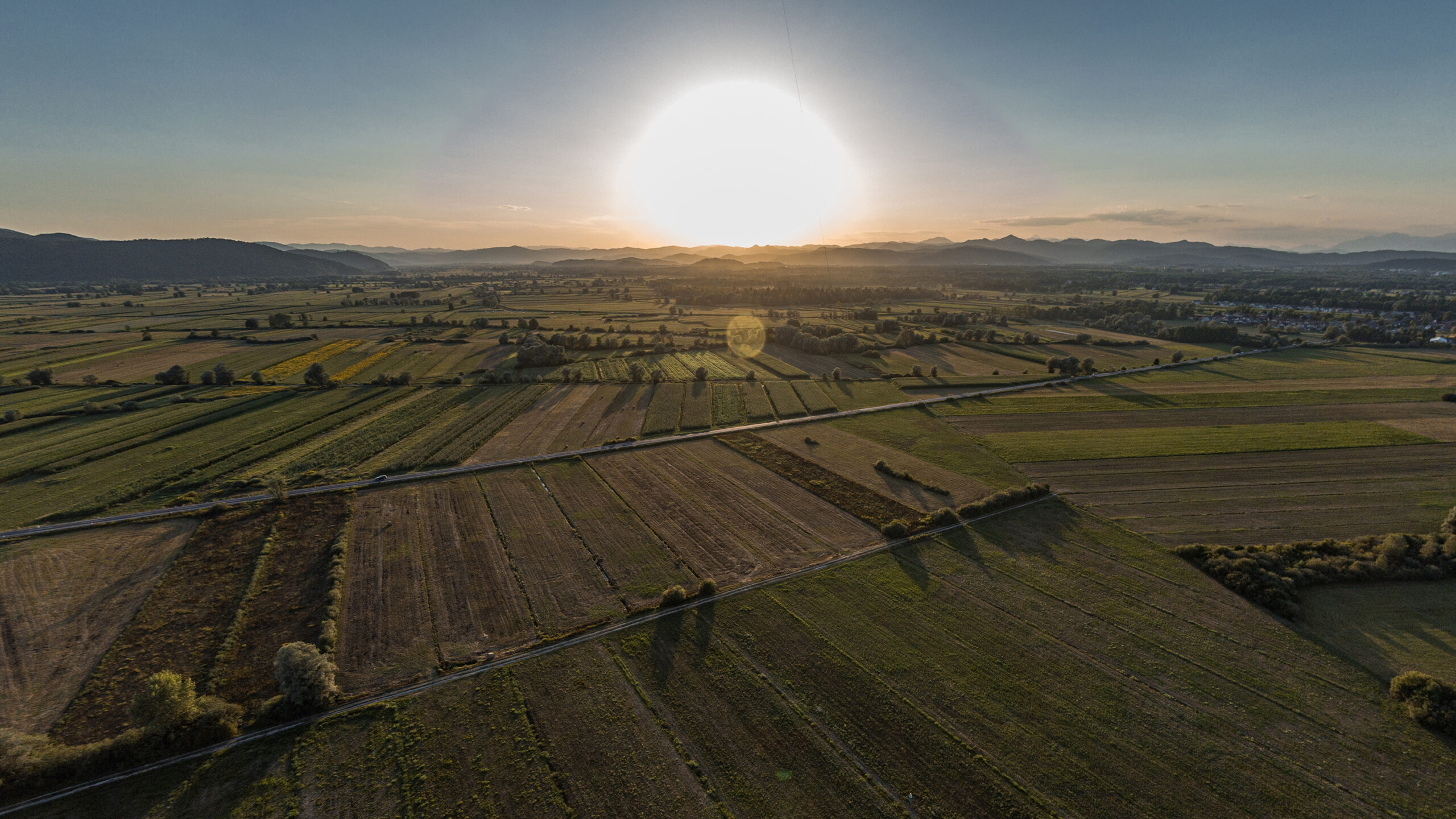
We had no solar filter and just one pair of solar-viewing glasses, so the photos of the Sun are overexposed. But the general strangeness of the scene was clearly visible from the kites high up in the sky.
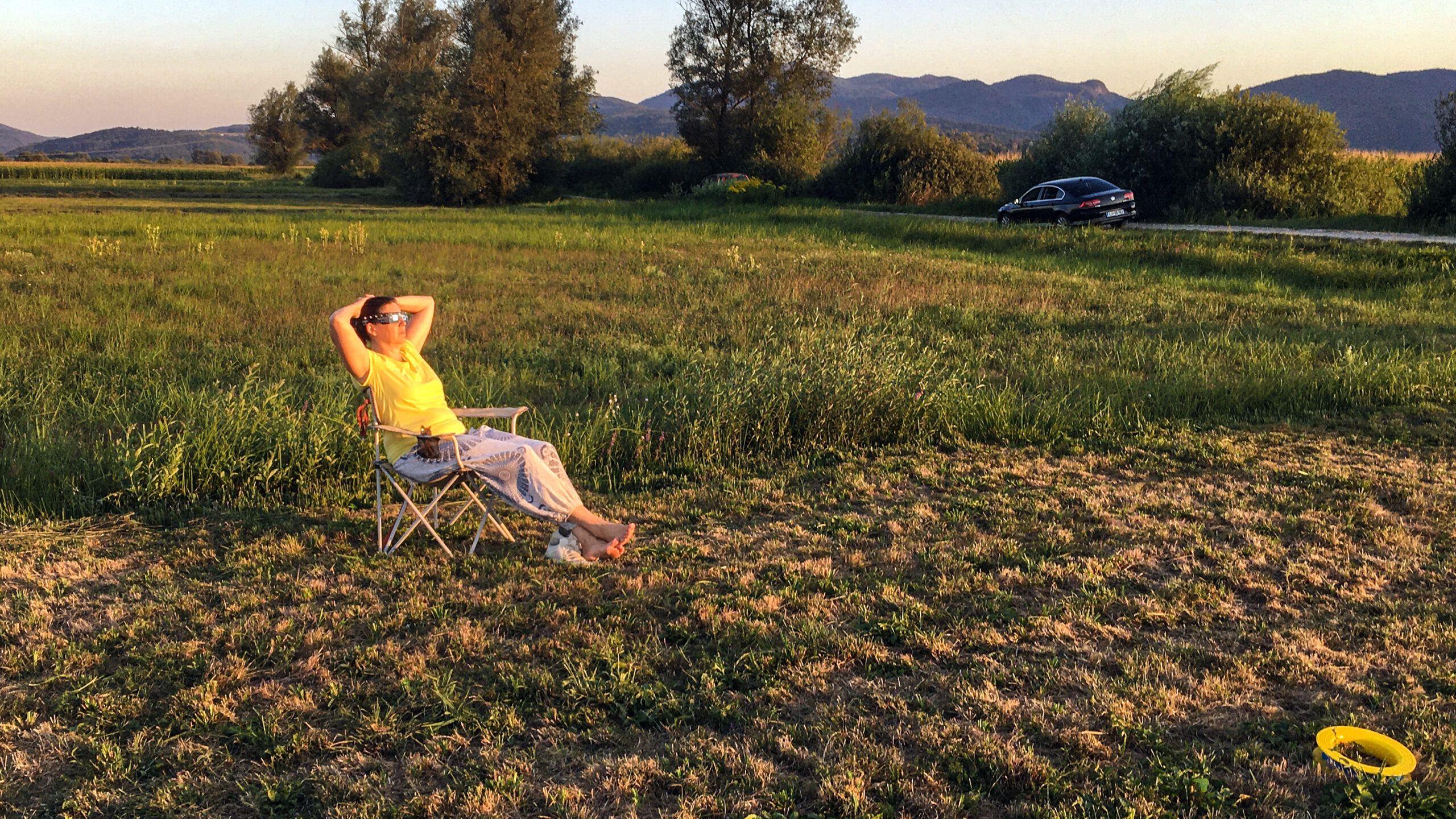
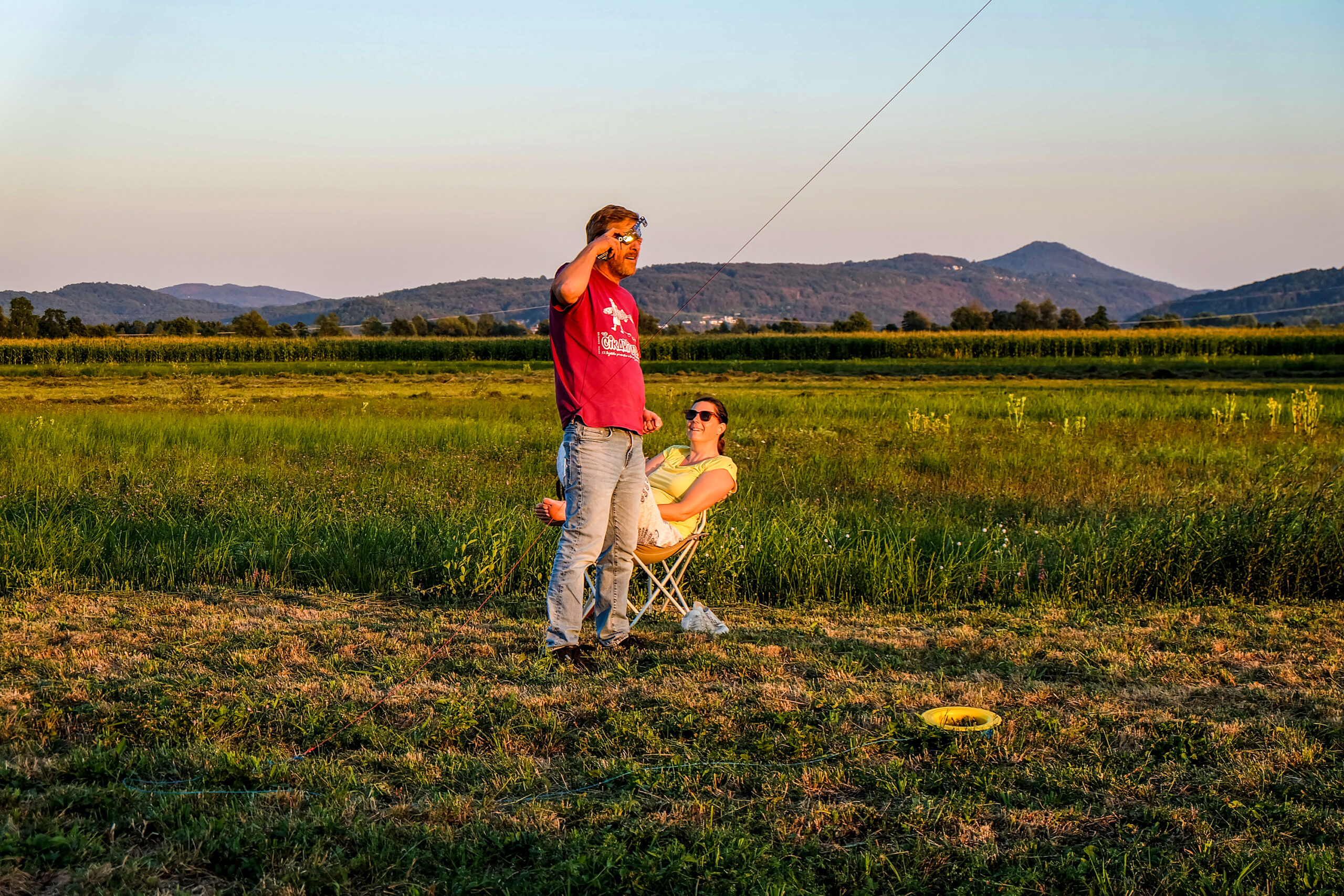
While we watched the Moon kiss the Sun from the ground.
It was a unique experience, for us and for the kites.
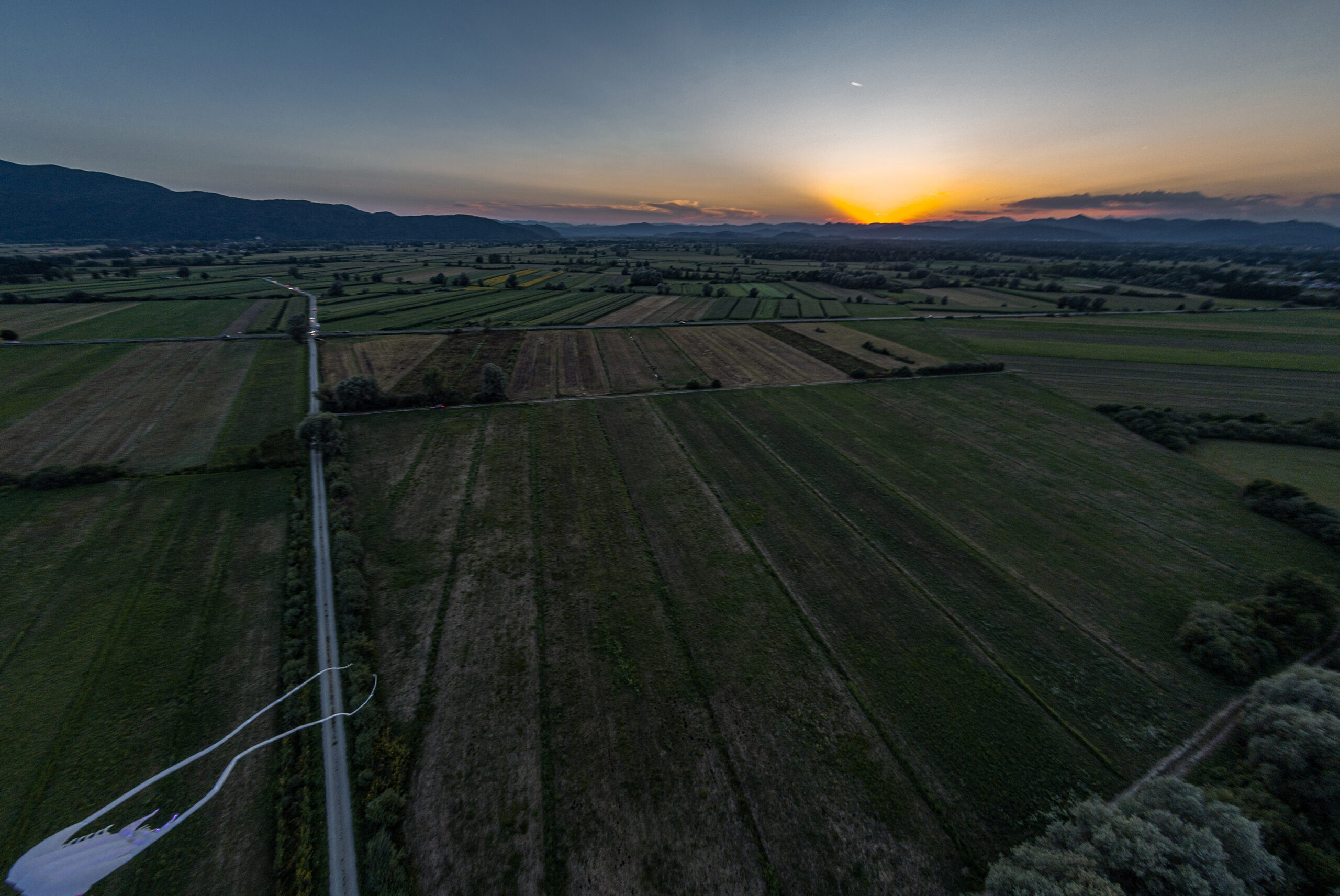
The night flight of our LED trilobite was even more impressive than the eclipse itself, and attracted crowds from the main road who wnated to see up close the strange shining object in the sky. However, our night photo capabilities are less than optimal …
Luckily, while solar eclipses are rare , we here in Slovenia will experience two more soon, one in August 2027 and another in June 2030, so we can prepare better. We will surely get ourselves some solar filters!
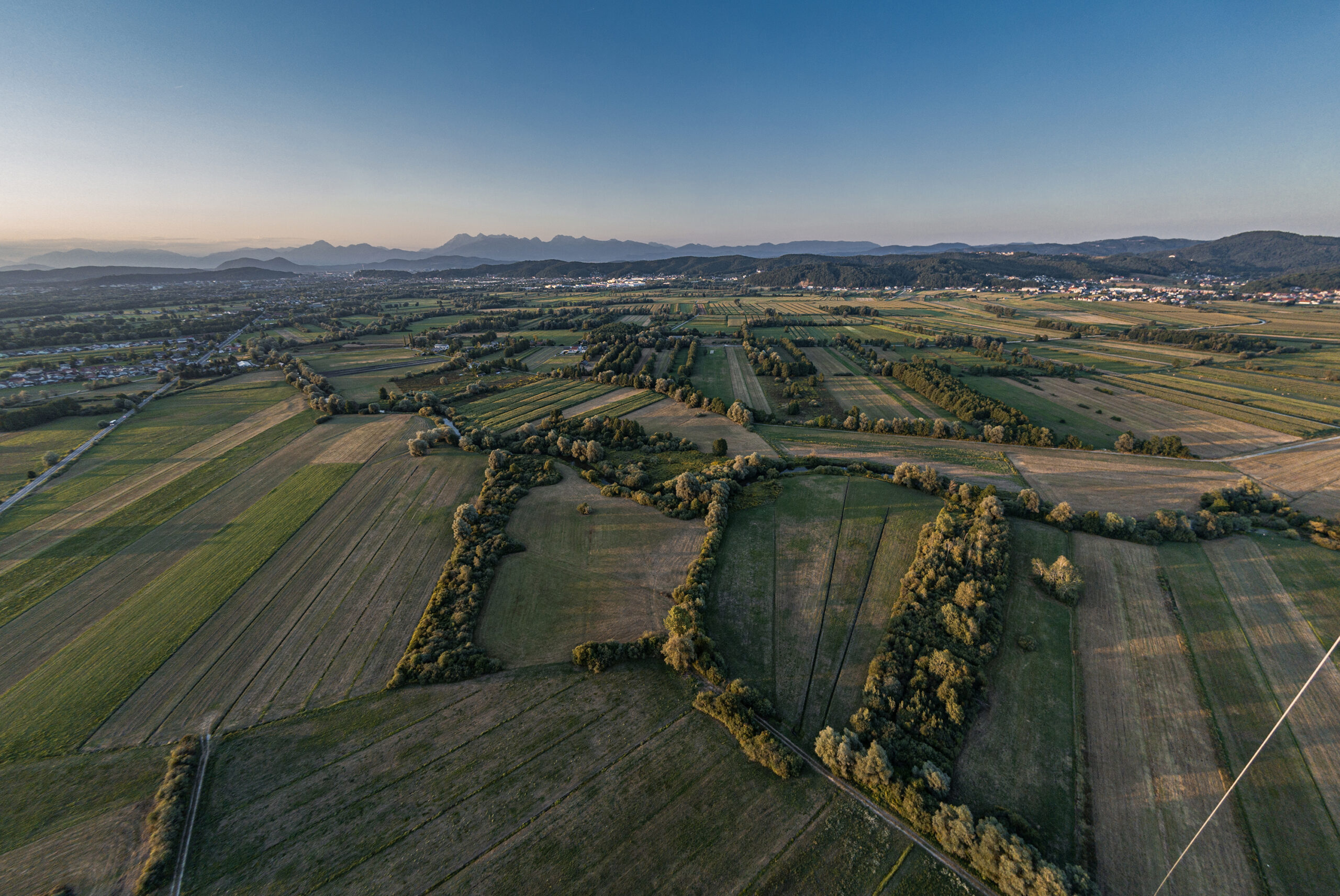
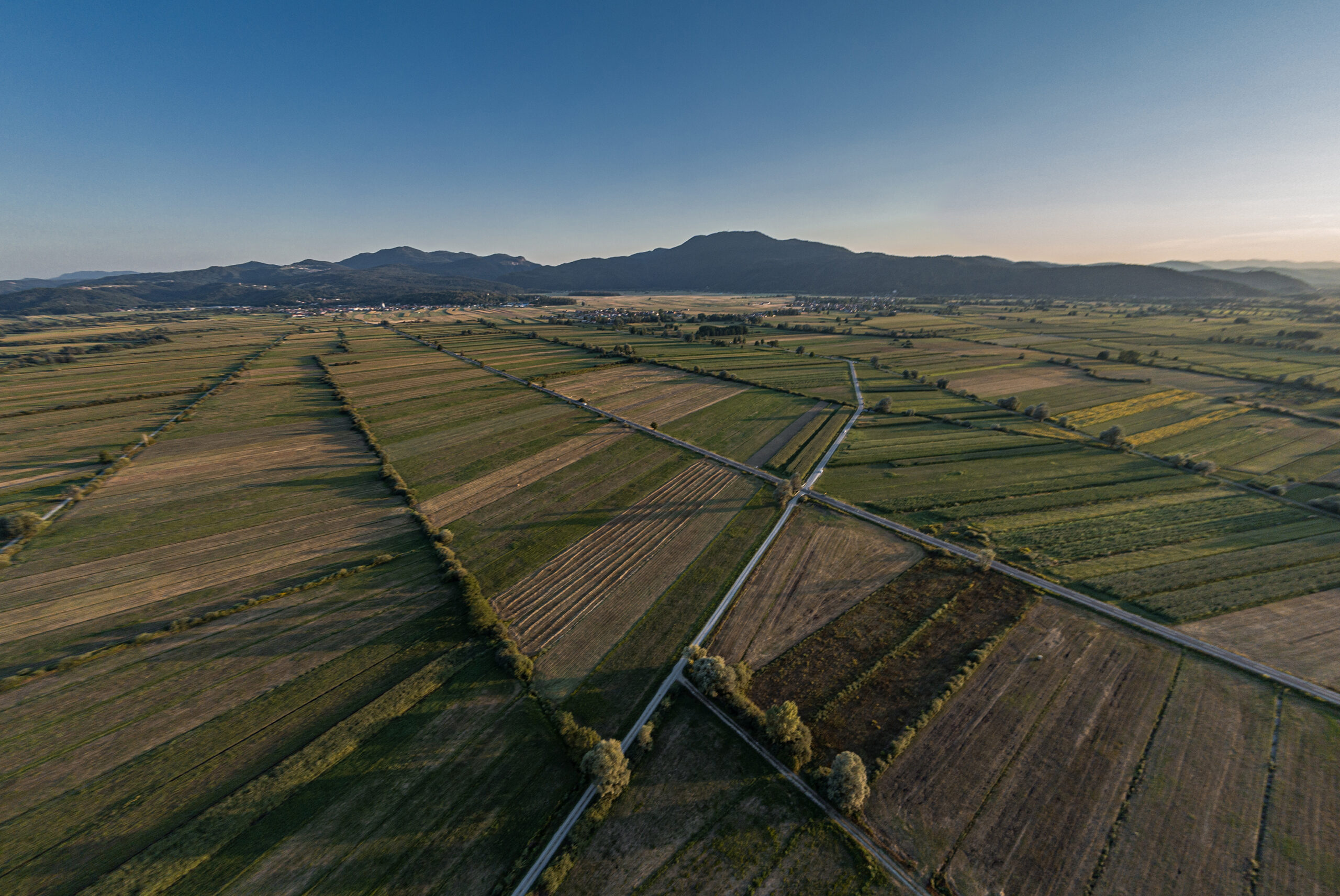
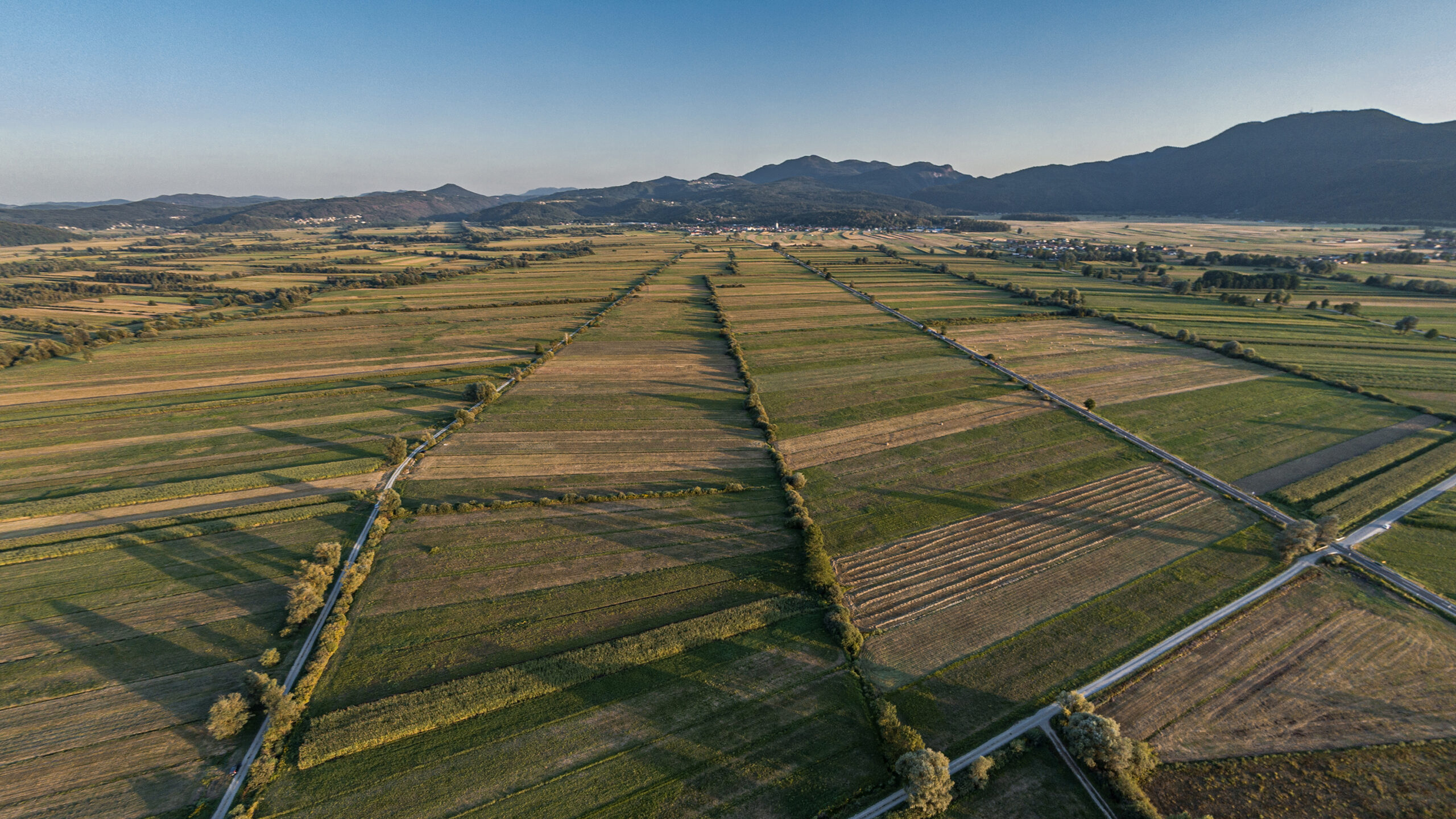
Kite aerial photos shot with an Insta360 on Cindy Delta, and with a Nikon P330 on The Original Blue Rokkaku, both kites made by master kite maker Janez Vizjak.
Nice photos!
Thanks, Balázs! 🙂
Dear friends!
Wonderful KAP-action!
These are moments that will stay as life-time memories.
Congratulation!
Wolfgang Bieck
It was … thank you, Wolfgang!