
Beeches be trippin’ …
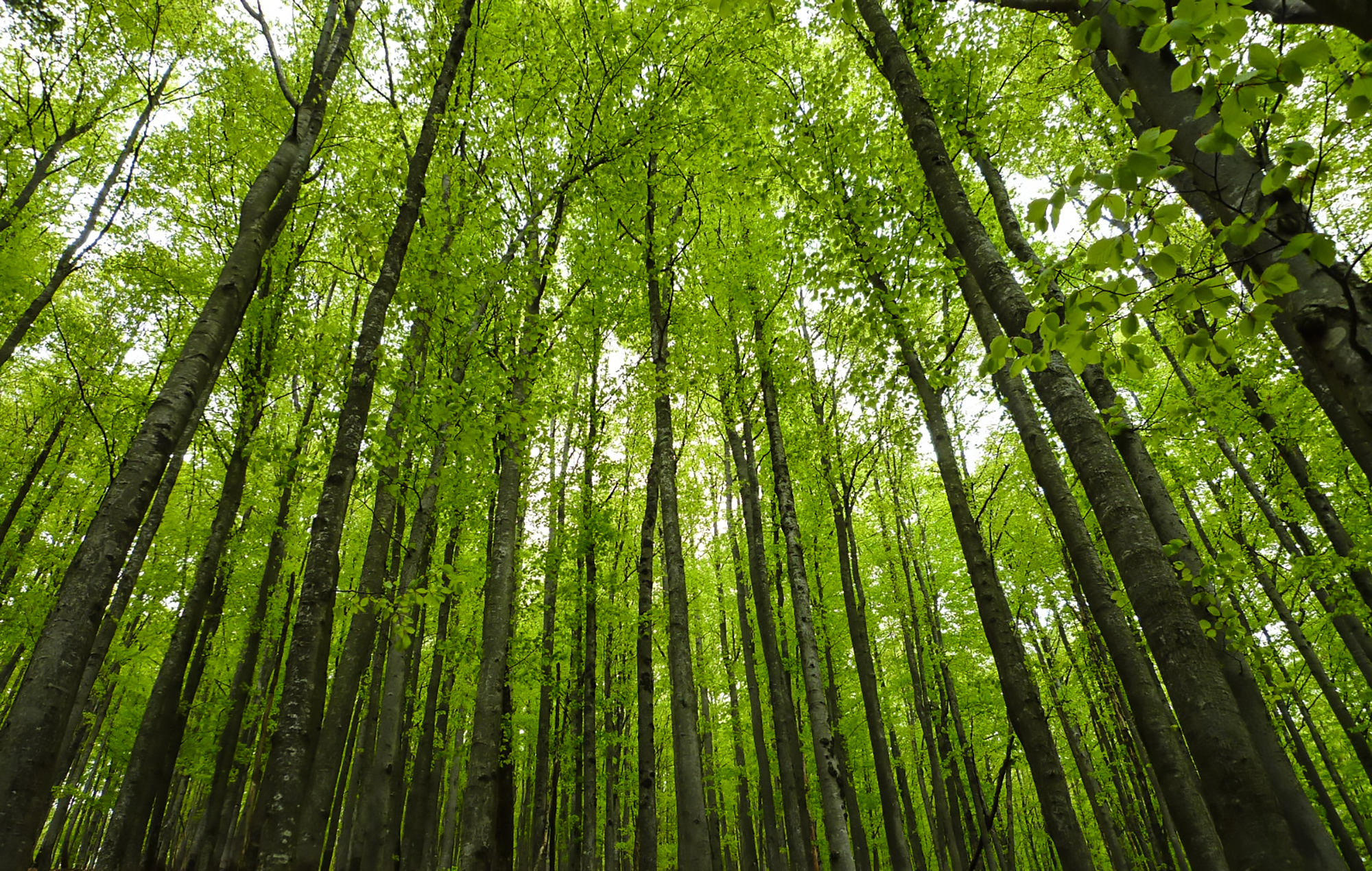
Few people realize that among plants, beeches are the ultimate party animals. They’re cool, they drink a lot (of course), and they’re dressed to impress – those striking silver trunks and vibrant green leaves that sway seductively in the gentle breeze …
When conditions are warm and wet, beeches truly thrive; in the distant past, their majestic forests blanketed much of Europe. But during the last Ice Age, they were in serious trouble: the puritans of the North swept across the continent on icy winds, creating deserts, barren tundra, glaciers, and ice caps. Happy forests were banished; a joyless Ice Age ruled over Europe, leaving no space for our fun-loving party animals … that is, plants.

Beeches had to run. But where could they go?
There were only a few places where a beech could take root to ride out the Ice Age. The cold itself wasn’t too daunting – cool trees like cool places – but the lack of rainfall was problematic. The most suitable place for these refugee trees was on the southern slopes of mountains near the sea, which acted as rain barriers -yet most of these areas were cloaked in ice caps.
Good spots for beeches to survive were scarce and spread far apart. We only know of a couple of such refugia: in the Cantabrian Mountains, the Pyrenees, southern France, southern Italy, the Balkans, and Moravia.

One of those beech Ice Age shelters was on the southern slopes of Mount Snežnik in Slovenia. A pristine – and luckily preserved – forest that is now part of the transnational UNESCO World Heritage site Ancient and Primeval Beech Forests of the Carpathians and Other Regions of Europe.
This forest reserve has a funny name – or, better, is a terrible tongue-twister for those who don’t speak Slovene. It’s called Ždrocle. Try to pronounce it: ž as in jour, d-r-o, c as in tsunami , l-e … Zh’drotsle – Ždrocle 🙂
The strict forest reserve Snežnik-Ždrocle sprawls over rugged terrain south of the summit of Mount Snežnik. Its name comes from a curious and rare Karst phenomenon called ždrocla, a deep oval depression with almost vertical, polished walls, measuring 30 to 50 meters deep and up to 80 meters wide.
Apart from some spruces growing in the deep dolines, this strict forest reserve is home to one of the oldest – and most important – beech forests in Europe. It hasn’t been disturbed for decades, with some parts untouched for over a century; the rugged terrain has kept exploitation at bay. Ždrocle forest is now left completely to its own devices, and save an occasional scientist nobody is allowed even to set foot in it.
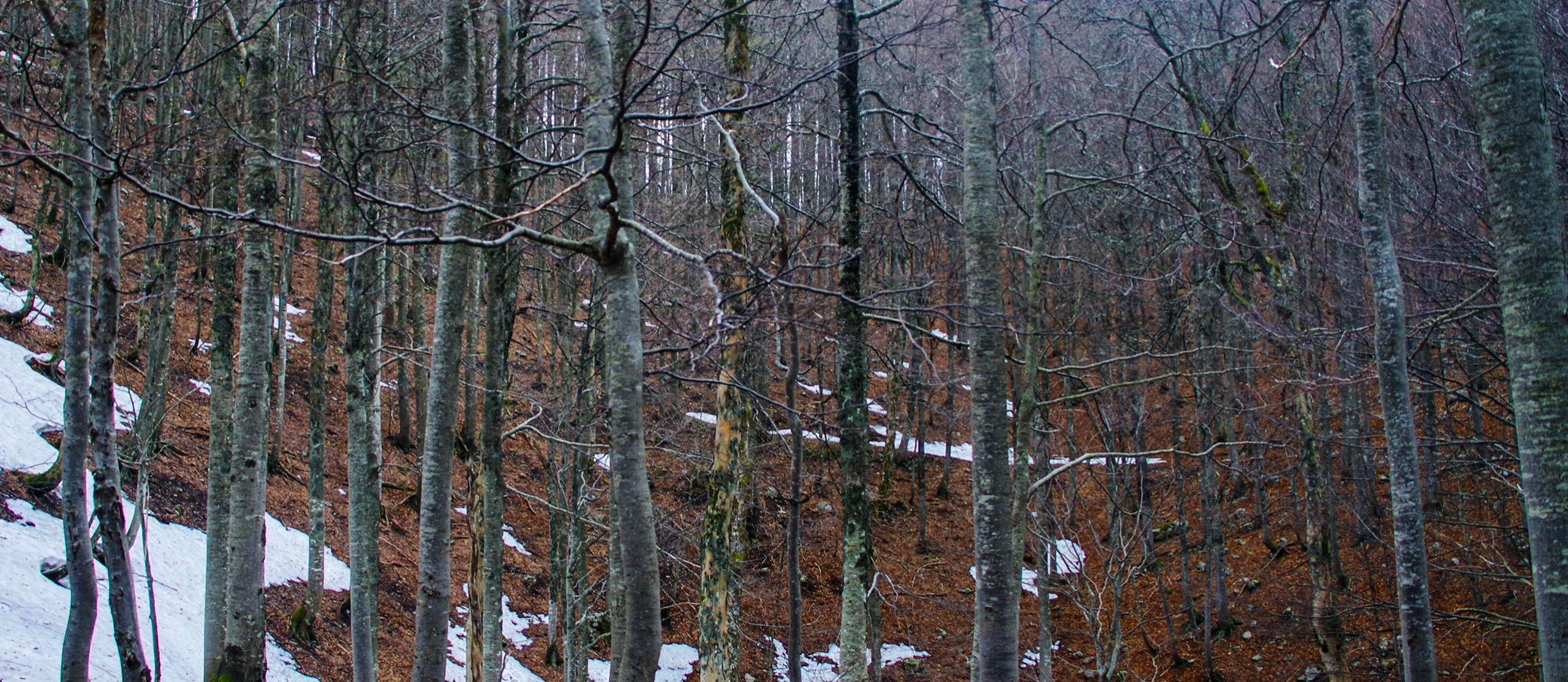
Ždrocle forest reserve is so important because it seems that the most vigorous party-loving beeches found their temporary Ice Age shelter right here. Palynological and genetic studies have shown that beeches from refugia in Spain and France didn’t spread much after the Ice Age ended; the southern Italian populations never crossed the Po Valley, and post-glacial beech expansion from the southern Balkans couldn’t cross the Danube nor the great Hungarian plain…

But the beeches from Ždrocle and the forests of Snežnik exploded: they led the party as the glaciers retreated, easily and gloriously conquering first the Alps and then much of Europe. Together with the beeches from Moravia, they are the true heroes of the Holocene: if you see a beech today, there’s a high chance its ancestors originated from Ždrocle.
And these beeches were at the heart of a rather extraordinary tale of a castle that was meant to rule over them:
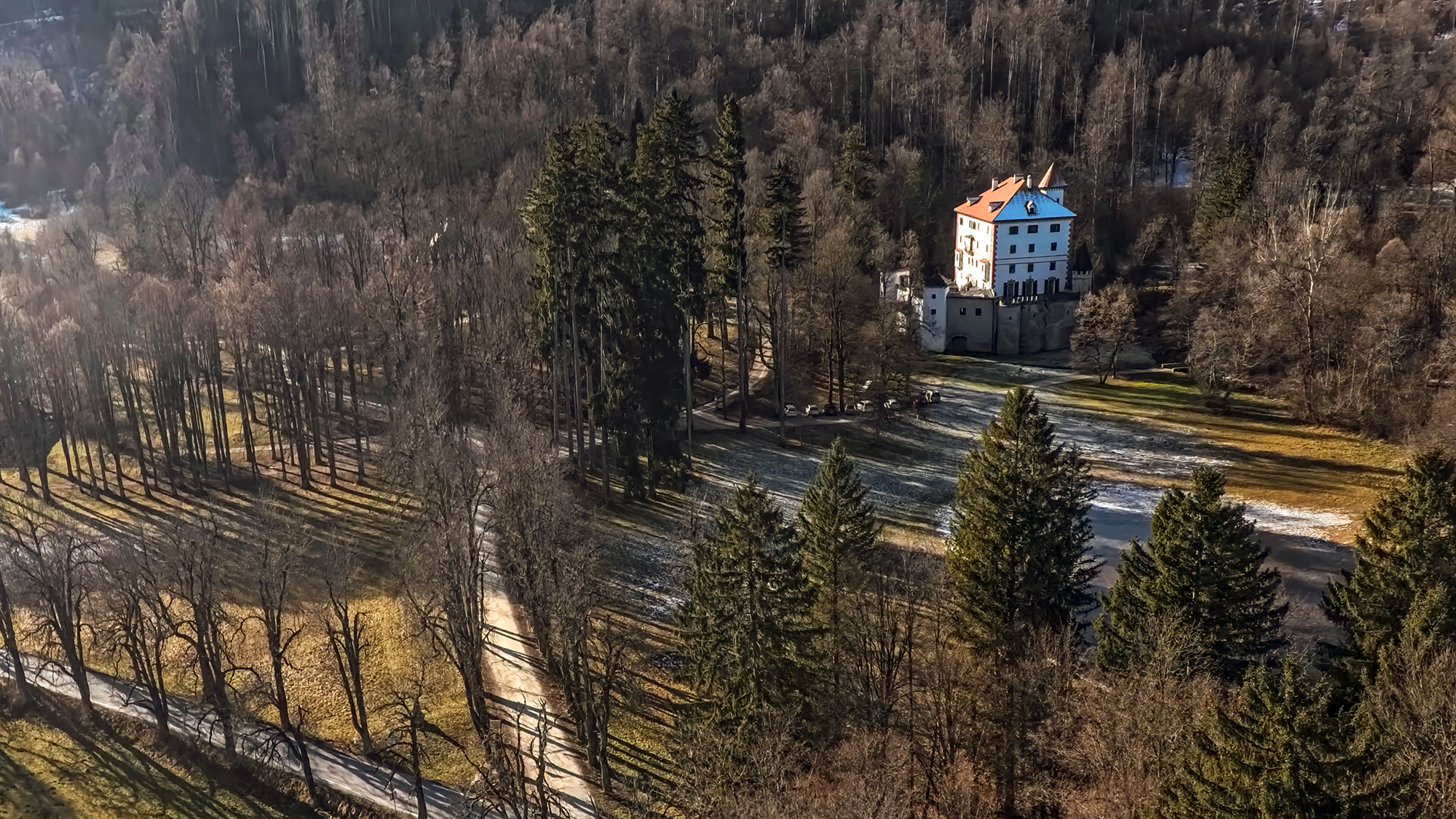
Castle Snežnik.
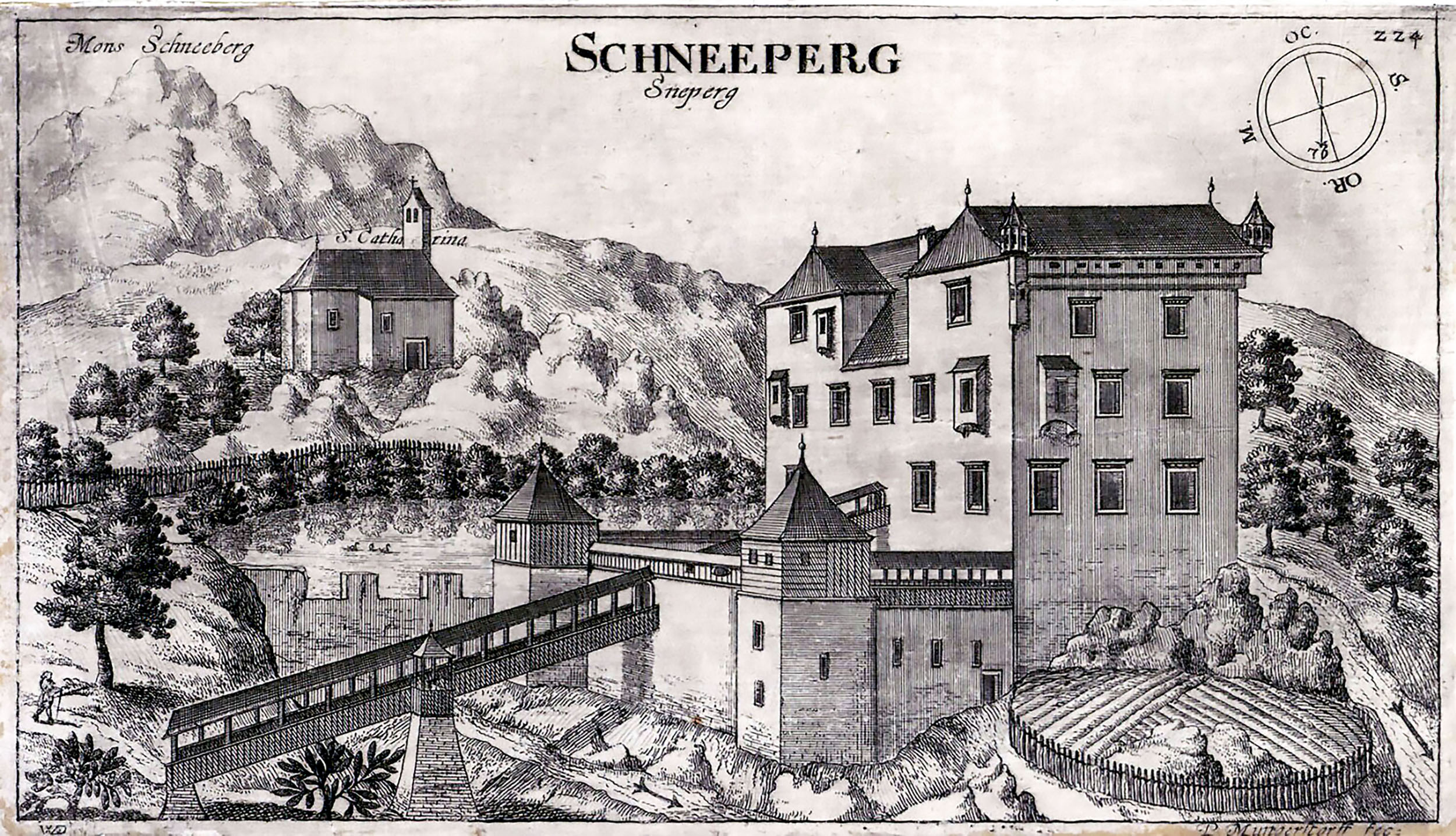
The origins of this story are murky and lost to time; we know that the vast beech forests of Snežnik were owned by the Patriarchy of Aquileia in the 11th century. The first mention of its name appears in a document from 1269, referencing Maynardus de Sneperch, Mainard of Snežnik (Snow Mountain, Schneeberg), a ministerialis of the Patriarch.

Strategically positioned, this fort controlled the southern branch of the Patriarch’s road from Postojna to Cerknica and on to Rijeka, while its domain stretched westward over the Snežnik massif to the roads leading to Trieste and Aquileia.
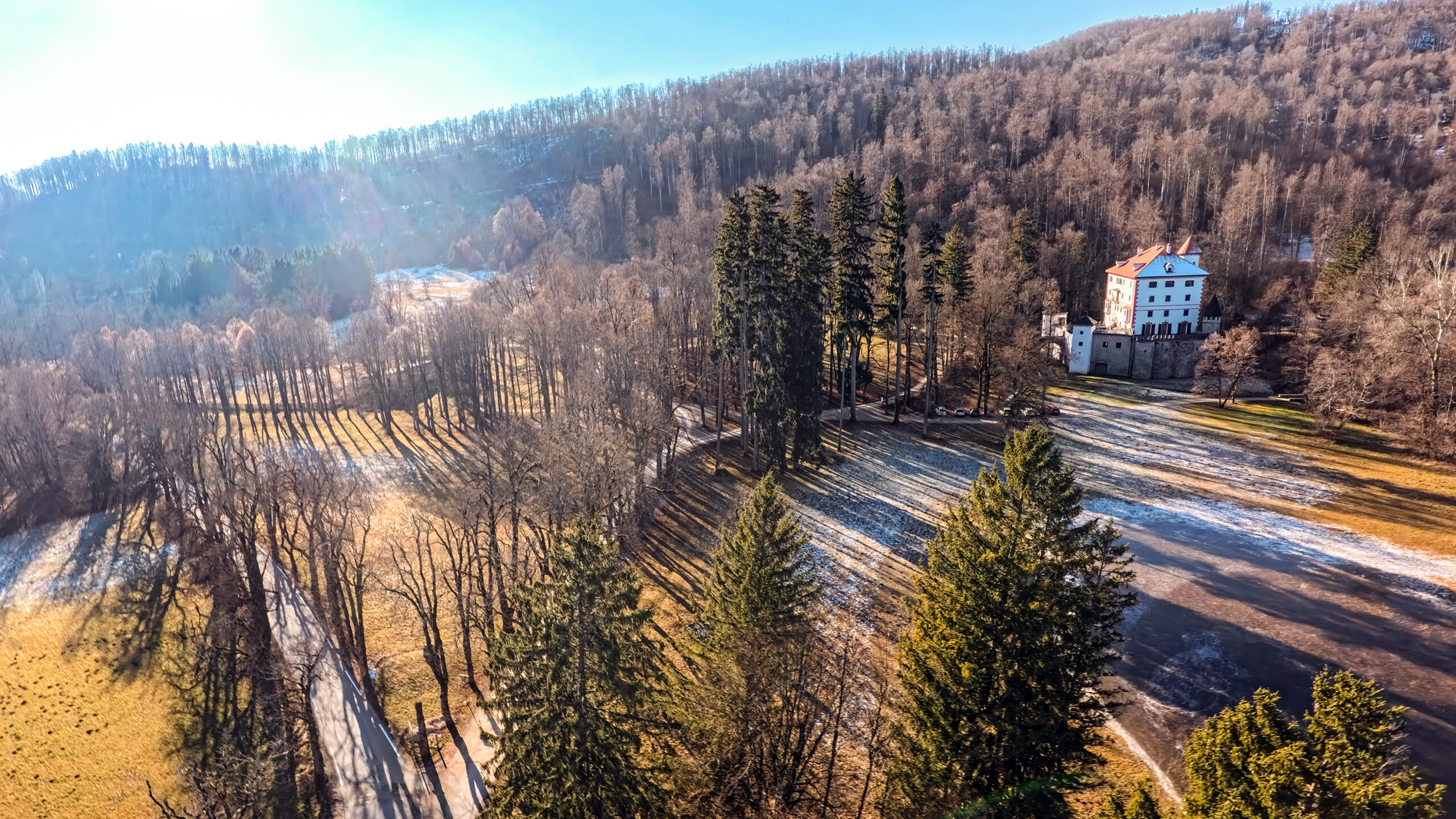
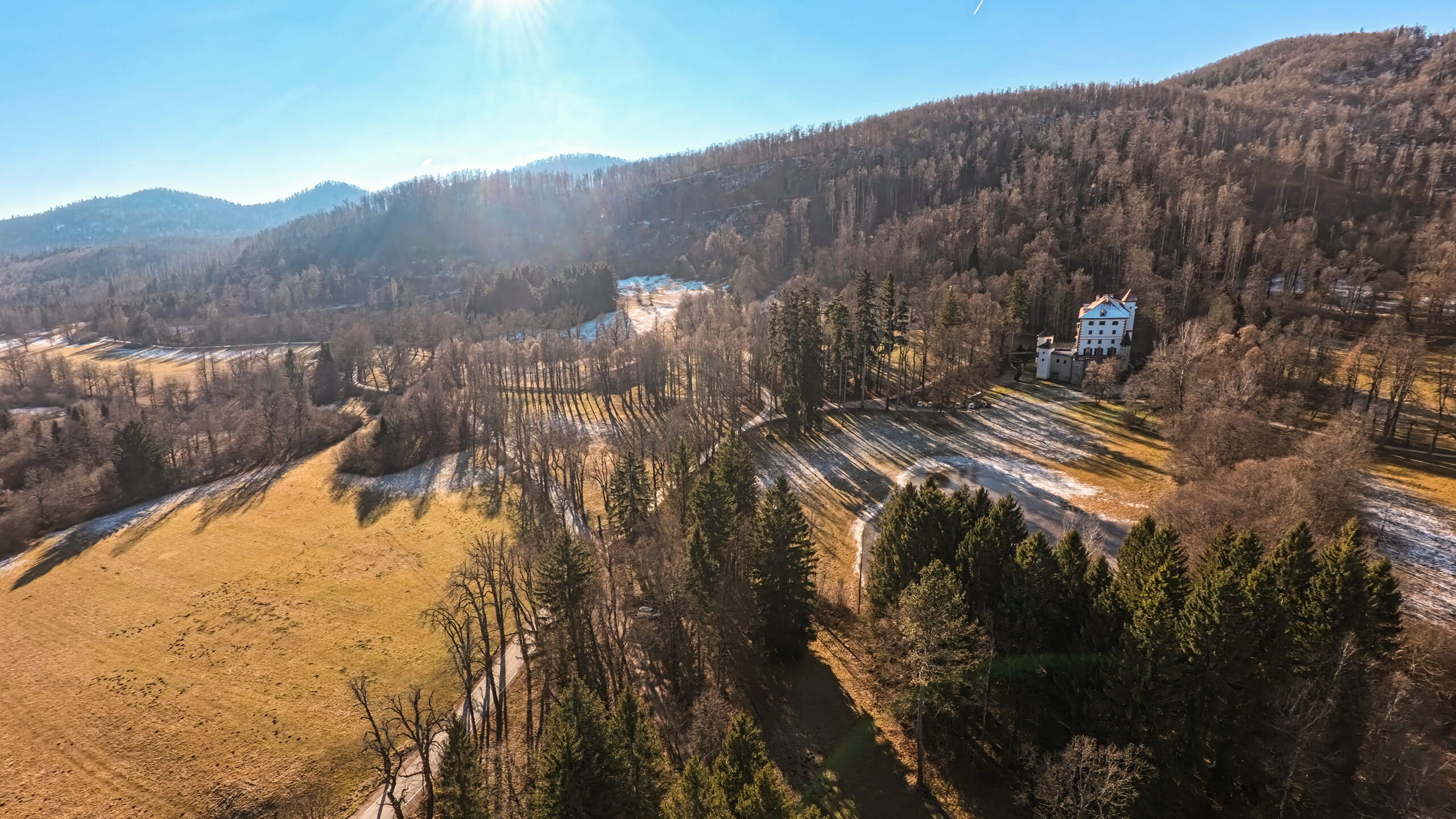
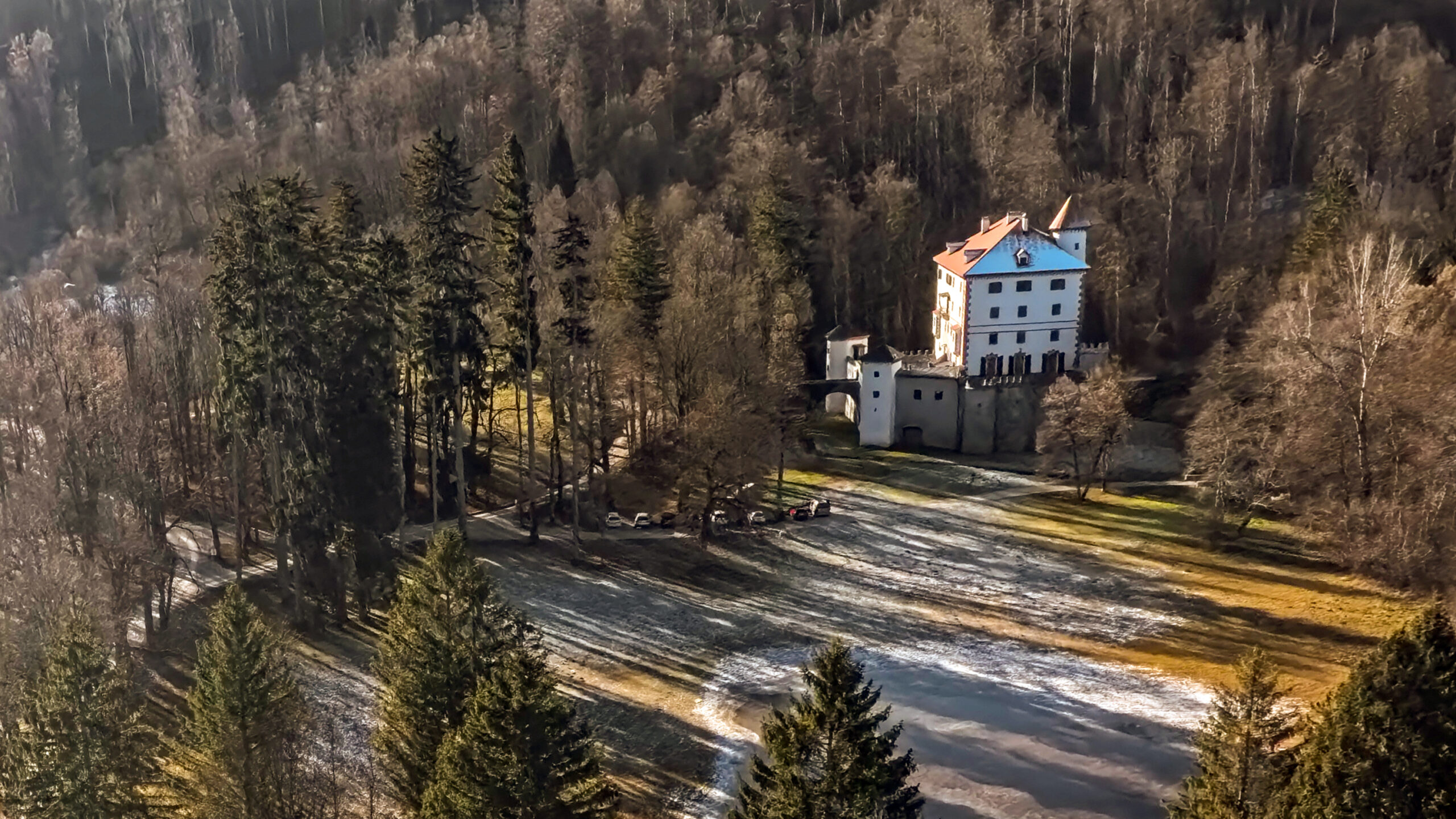
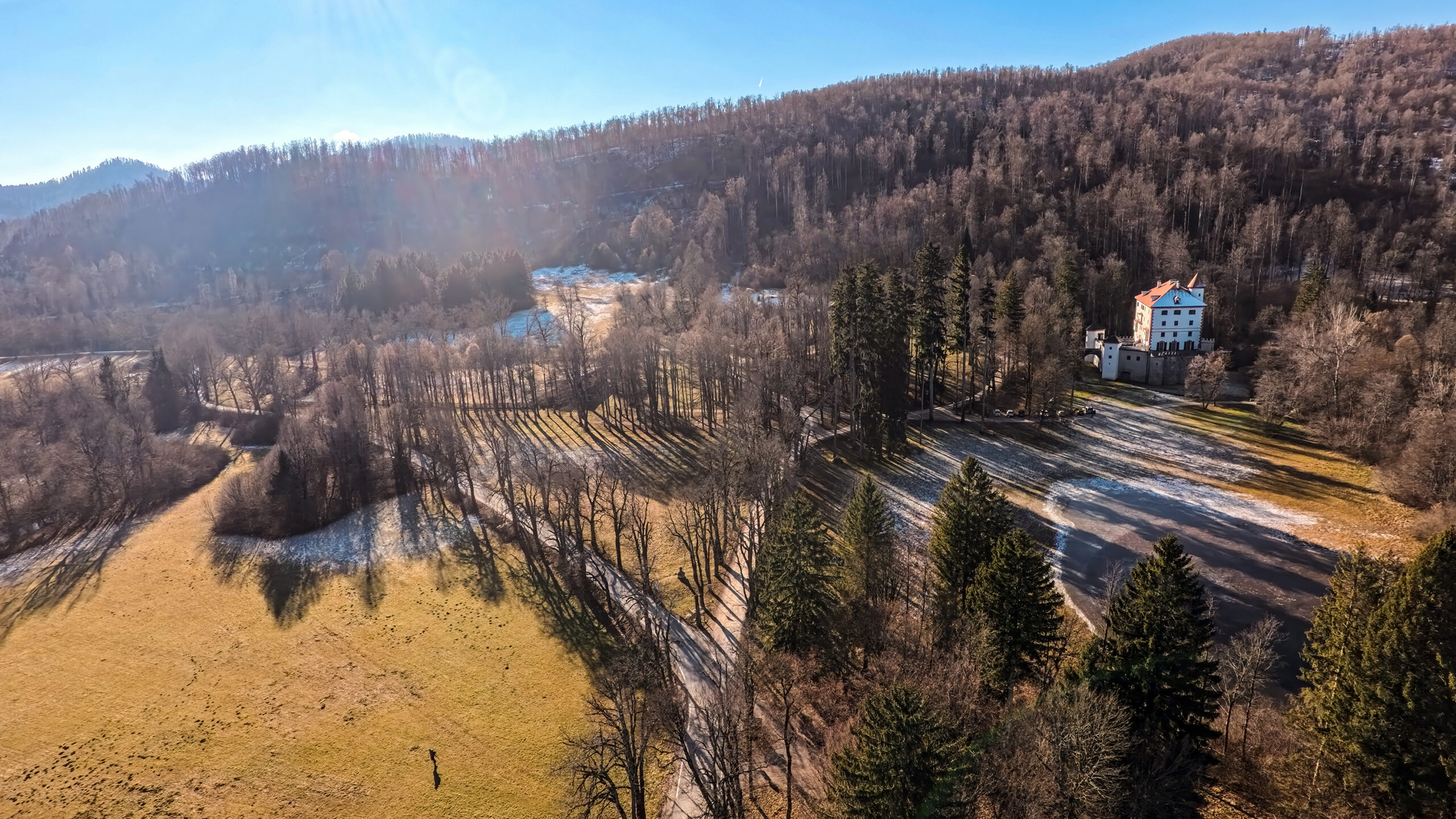
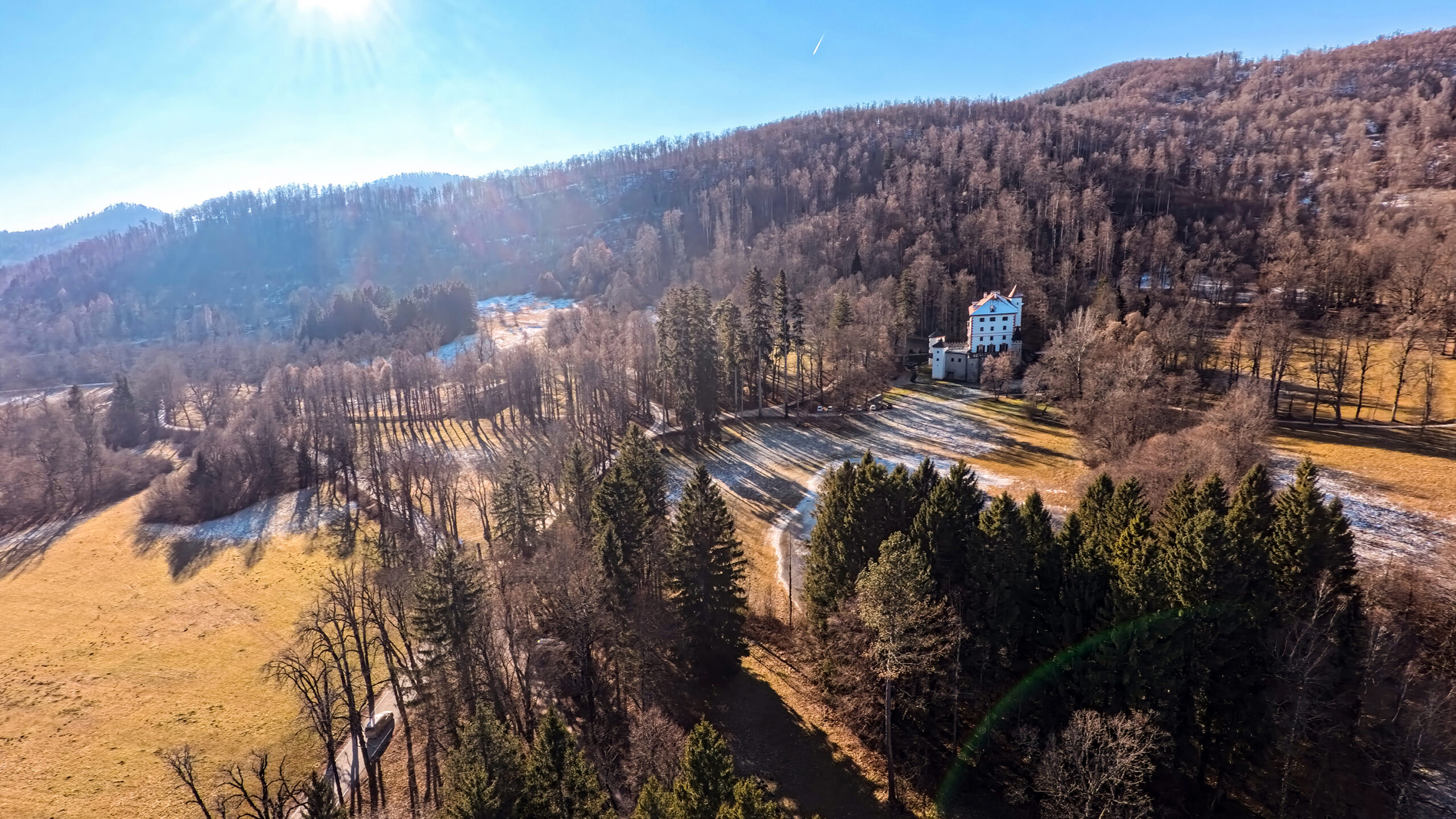
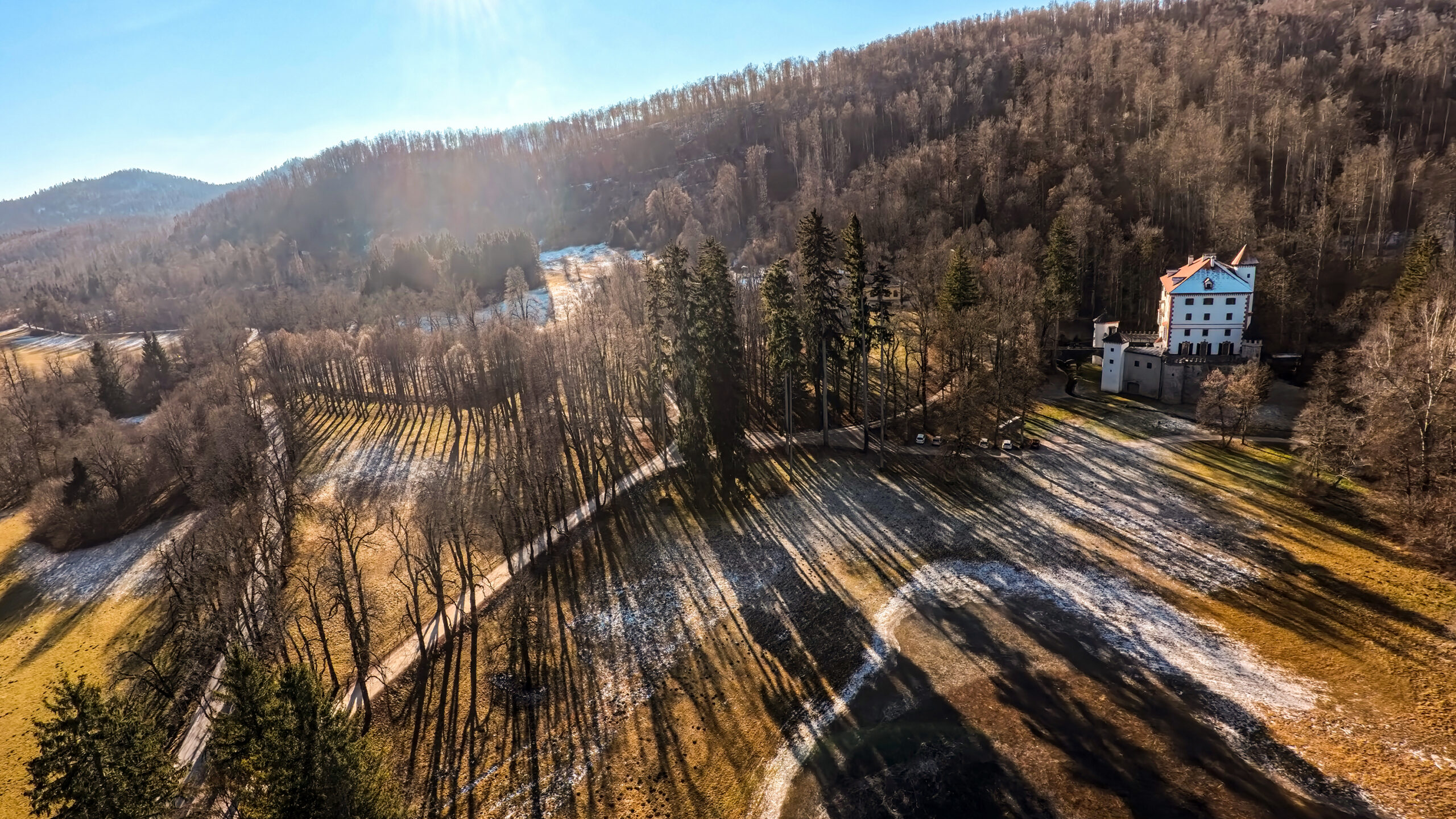
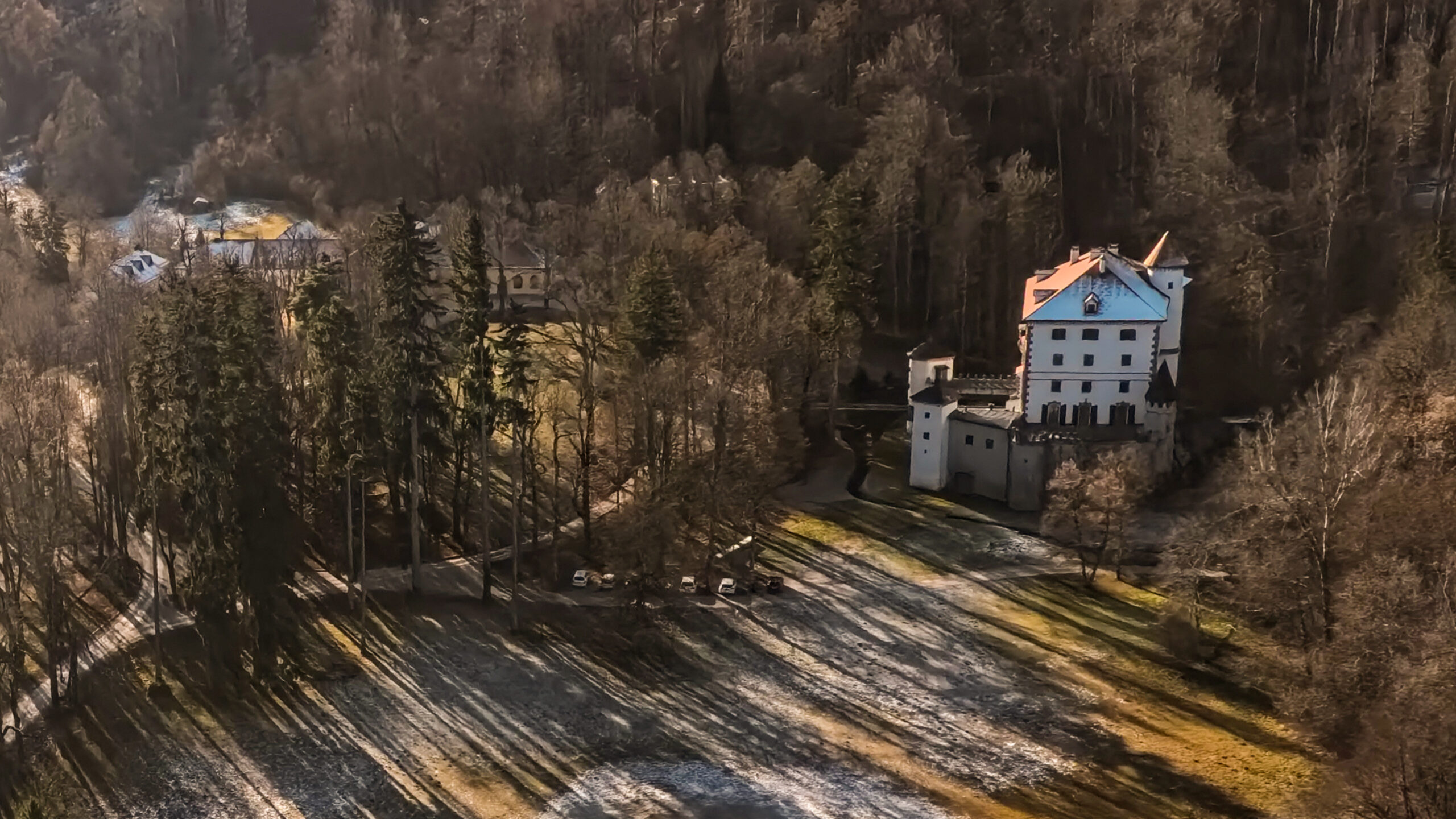
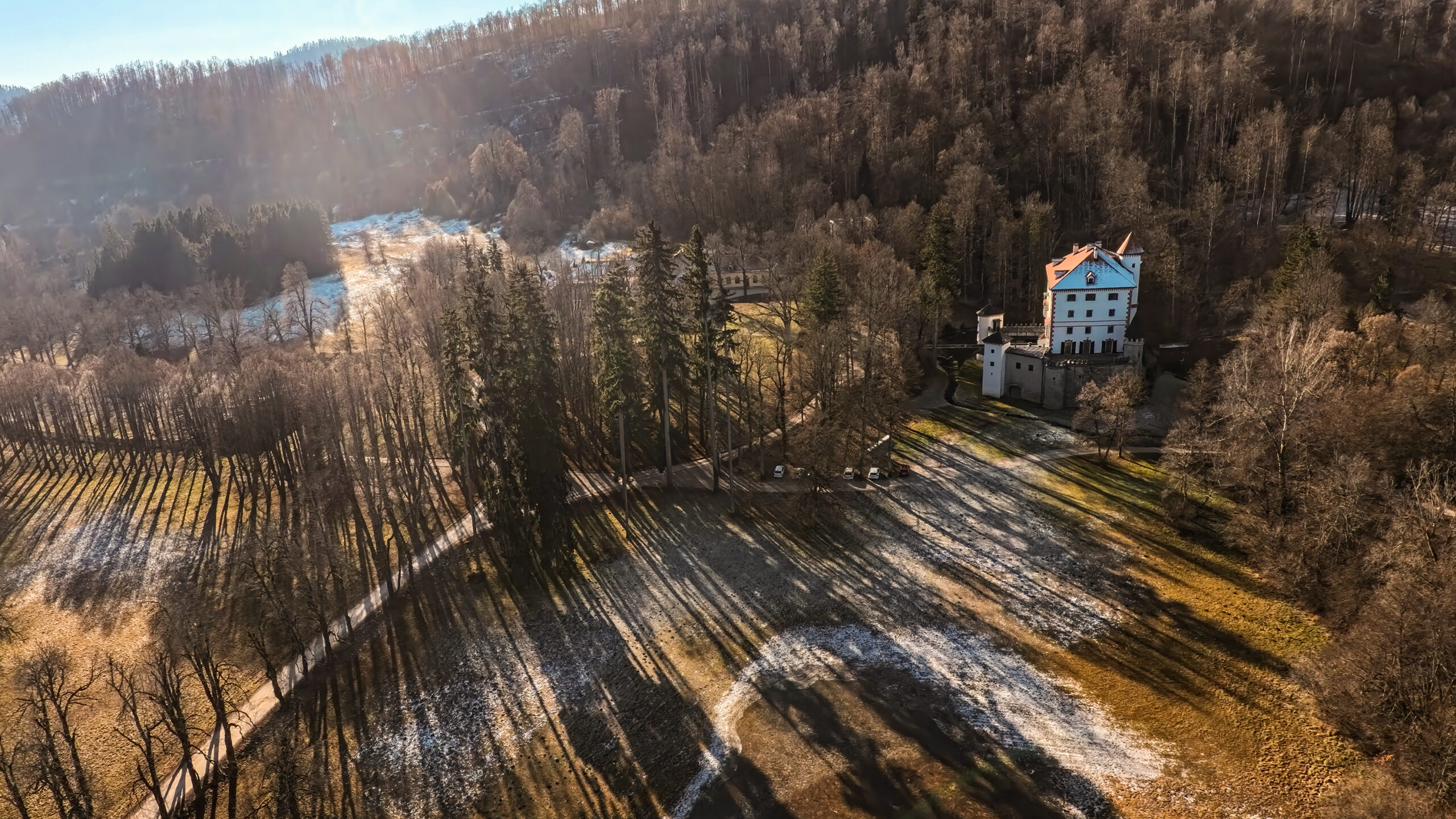
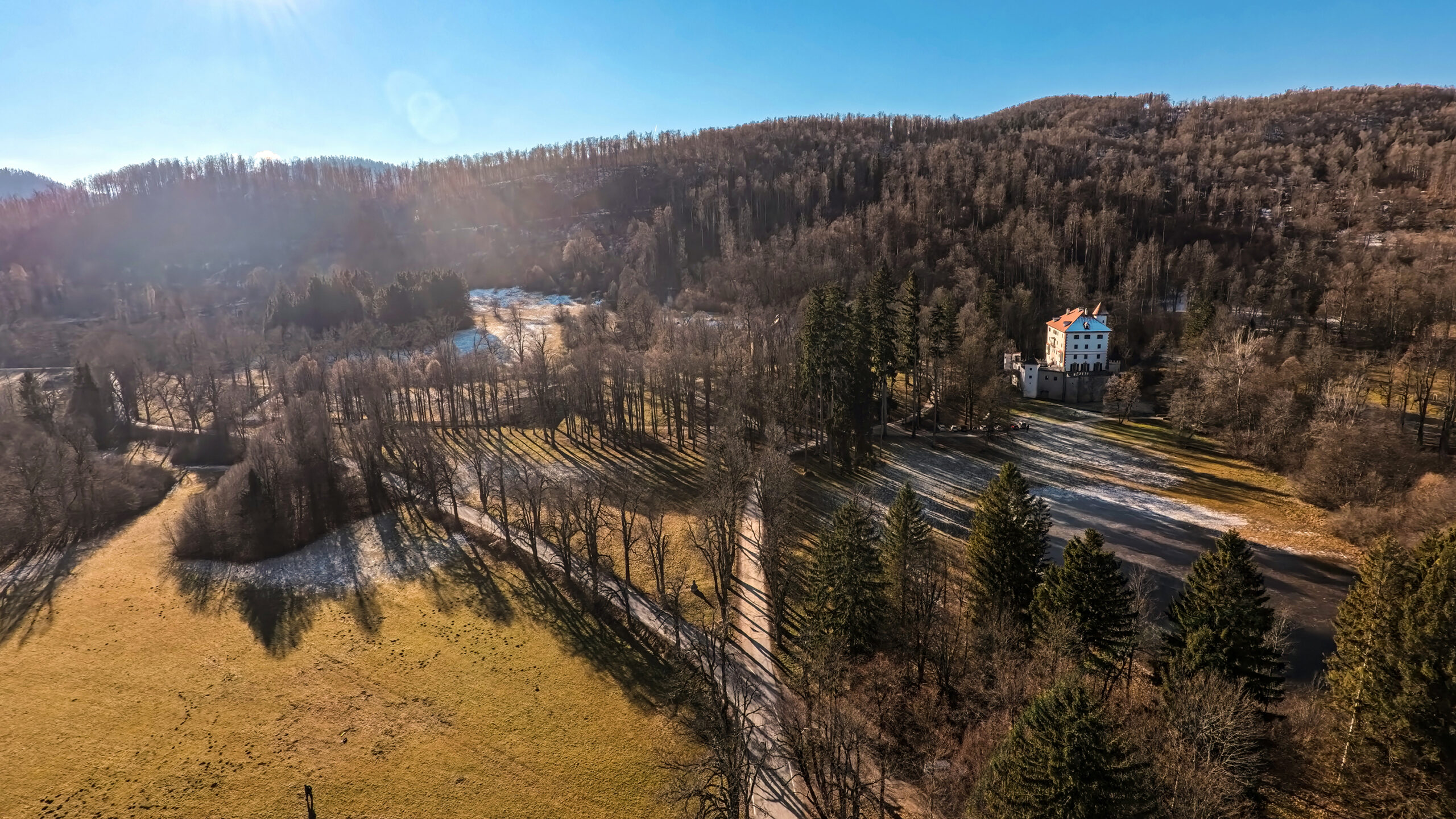
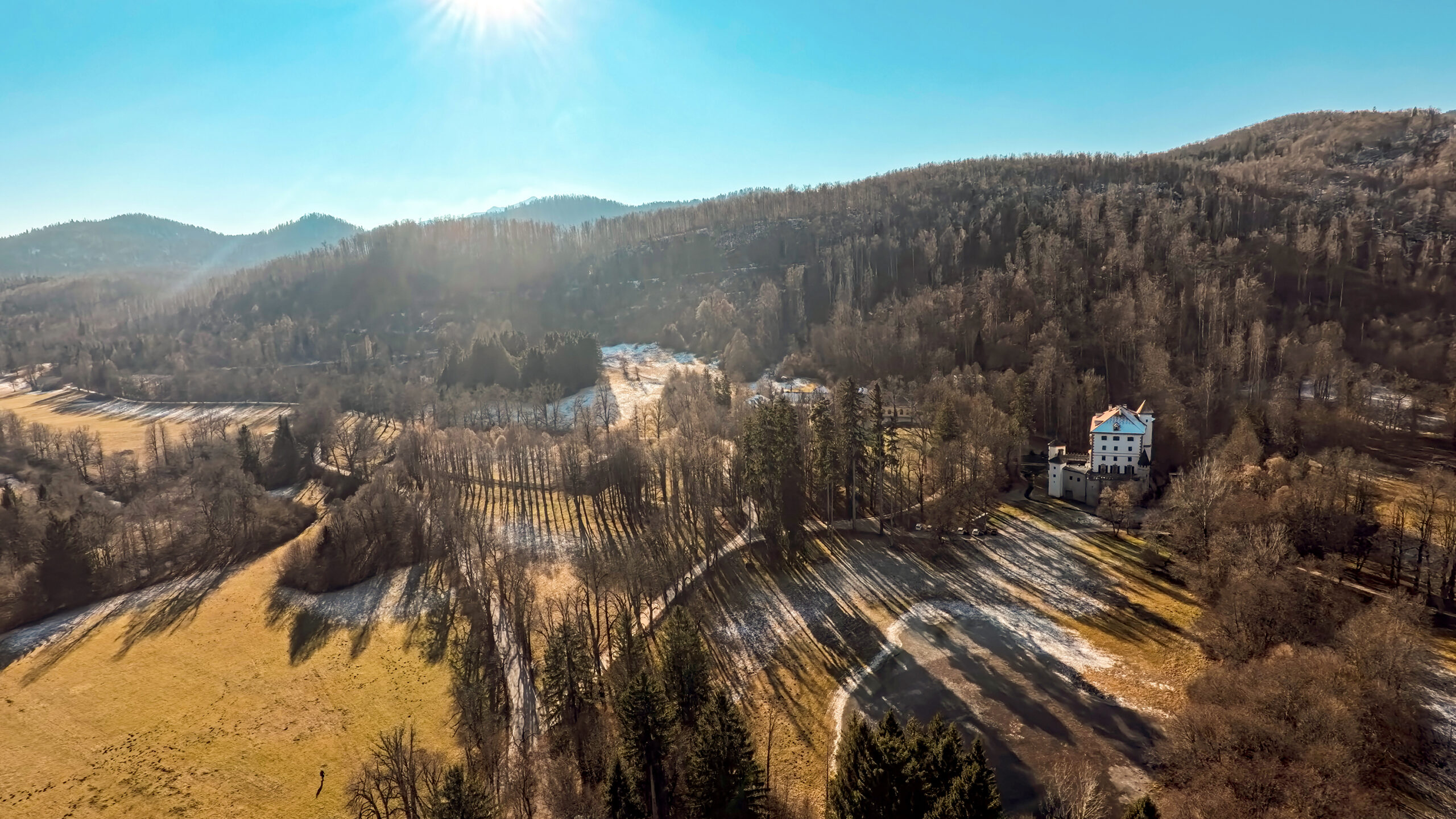
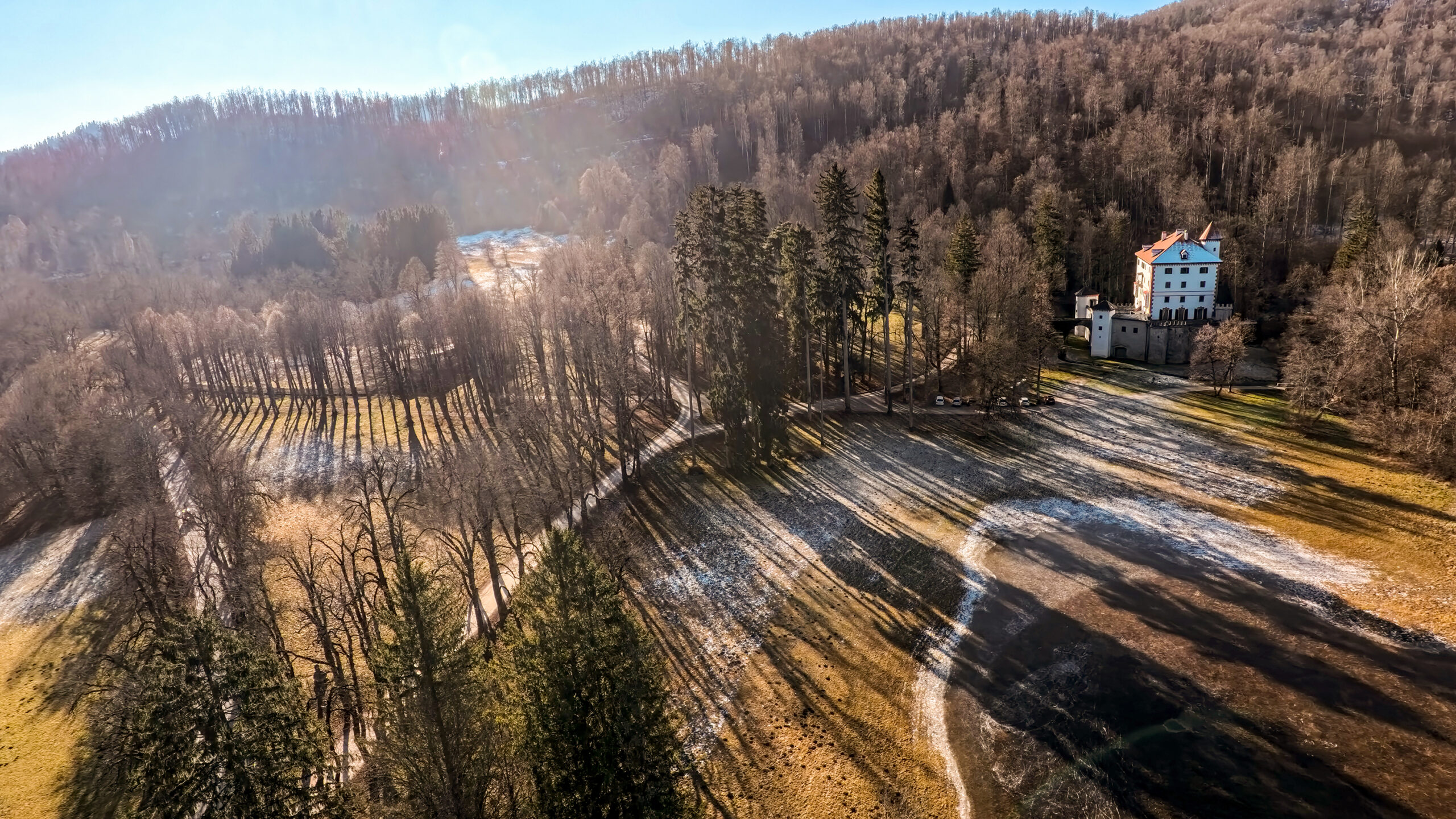
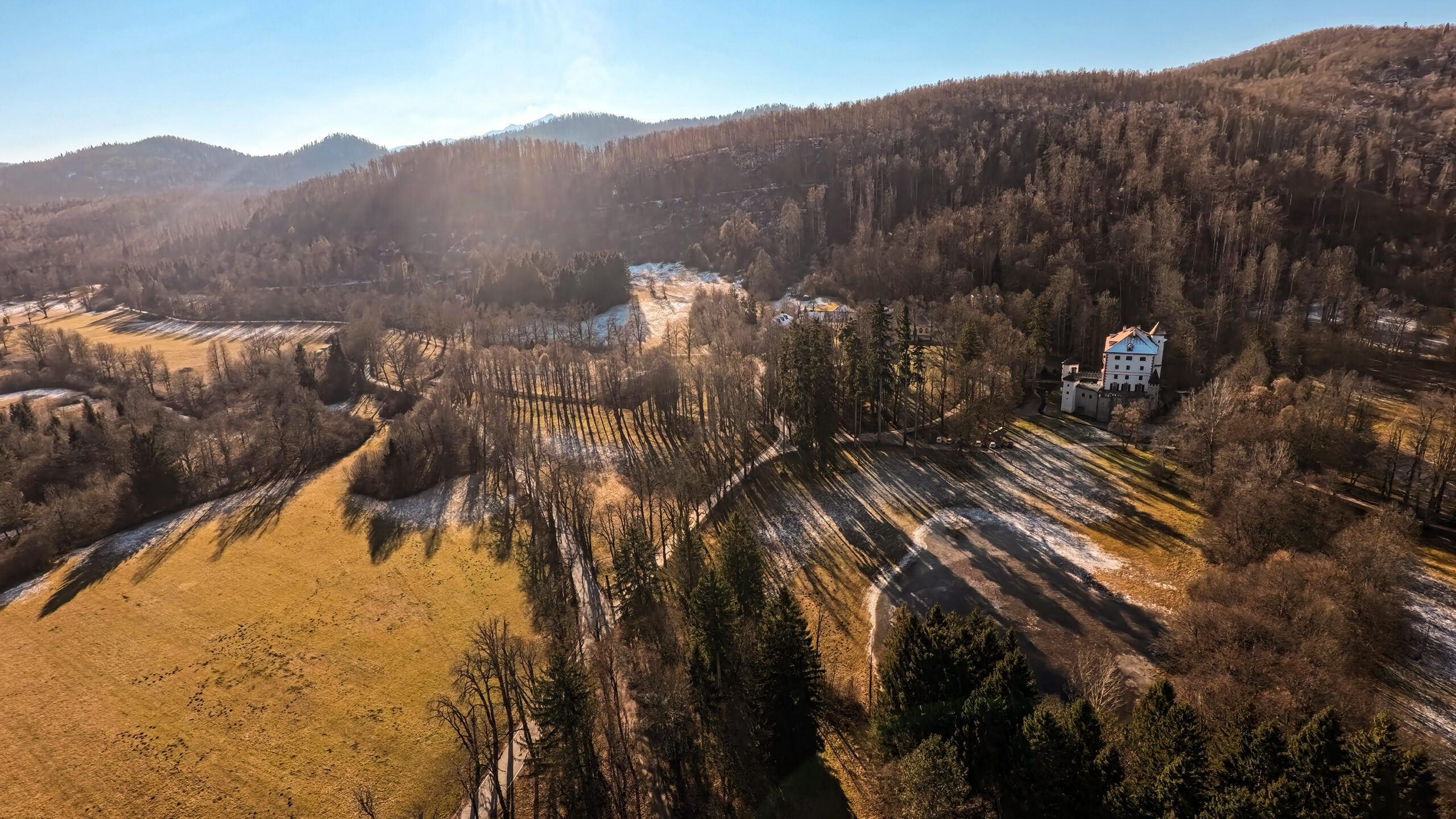
Over the centuries, Castle Snežnik and its forests changed hands among many noble families, undergoing repairs and reconstructions several times. It achieved its near-final appearance in the 16th century: a charming Renaissance manor nestled next to a spring at the edge of the Lož karst field, beneath the wild expanse of Snežnik.
The vital, wild, and seemingly endless forests owned by the Lords of Snežnik were a source of enormous wealth – or at least they were supposed to be. Alas, the tale of Castle Snežnik is sad – or amusing, depending on your perspective. A special dispensation, following the devastation wreaked by Ottoman incursions, some stupid lords and clever peasants, conspired to create a rather unique story.
The usual feudal narrative is simple: the mighty lord rules from his high castle and enjoys all sorts of privileges, while the oppressed serfs toil and suffer. If they suffer too much, they rebel; the lord fights back, the system helps the lord, the serfs lose.
We like to do things differently here, and thus the story of Castle Snežnik is upside down: we have a bunch of serfs with privileges that make the lord’s profits suffer too much, the lord rebels, the systems helps the serfs, and the lord loses.

Because of the serfs and their privileges the entire Snežnik estate was so deep in trouble it was even offered as the grand prize in a national lottery (!), and it wasn’t until the late 19th century that it began to flourish, becoming one of the region’s foremost centers of forestry and forest management.
Fortunately, the Second World War and subsequent socialist experiments didn’t touch neither the castle’s delicate architecture nor the treasure of the trees: Castle Snežnik is today a tourist and cultural hotspot, and deep in the forests of Snežnik we have a UNESCO World Heritage site.
The Turbaned Turks came from the south devastating most of the villages in and around the Lož valley; the years 1522, 1528, and 1530 were particularly catastrophic. To facilitate restoration of the region, the serfs were granted numerous privileges by both the Emperor and the Lords of Snežnik, including one that would become a major point of contention centuries later: the right to collect wood from the expansive forests of Snežnik – a special usufruct, a form of servitude.
Initially, this didn’t amount to much; the peasants were simply helping themselves some wood for heating and timber for constructing and repairing their humble abodes. But as the economy grew and long-distance trade surged, cities like Rijeka, Trieste, and Venice became increasingly hungry for timber. By the 18th century, industrious peasants were exporting vast quantities of prime timber from Snežnik’s forests to the Adriatic coast.
How vast? Well, during the Winter of 1793/1794 almost five thousand wagons of timber!
The Lords of Snežnik (by then the Lichtenberg family) were furious. Not only did the peasants’ servitudes hinder modern, efficient forest management – the bloody smelly lot were robbing them blind!
To stop the steal, the lords of Snežnik tried a couple of things. First, they tried to buy back the servitudes, but the serfs demanded exorbitant sums. Then they sought to forcibly restrict access to the forest roads (constructed and maintained by the Castle); and they erected a toll gate on the main road, manned by armed guards.
The serfs saw all this as an attack on their eternal lord-given privileges: they sent an appeal directly to the to Emperor Leopold II., and in 1793 they sued Alois von Lichtenberg, owner of Snežnik, in the court of law.
The case did not go well – for His Lordship. The problem was that the forest servitudes had been hastily documented in the urbarium of Castle Snežnik back in 1669 when the Auerspergs acquired it and carelessly confirmed existing servitudes without fully understanding their implications.
There were no annual or personal limits on the amount of wood and timber written down, and the scribe had used the fateful phrase Holzung im ganzen Waldung, meaning the serfs had the right to unlimited wood and timber from Snežnik’s forests, and they could take it from wherever they pleased.
The writing was clear, so the court sided with the serfs, and Alois von Lichtenberg lost the case severely: all the servitudes were affirmed and confirmed, and he had to cover all the (considerable) legal costs. The serfs won!
Of course, not everything was rosy. The serfs remained impoverished and oppressed, while the lords maintained their status. However, it was refreshing to see that the serfs, facing the full force of the law and the state, managed to push through and create significant challenges for their local rulers – serious challenges indeed.
The outcome of the lost lawsuit was devastating for both the forests and Castle Snežnik. The peasants didn’t care for the forest, and their reckless methods of cutting and collecting timber destroyed saplings and hindered the forest’s ability to regenerate. Profits from Castle Snežnik dwindled, and they could no longer afford to hire rangers and foresters, severely limiting their ability to manage and control the woods. The Snežnik estate was slowly but surely declining.
In 1801, Count Alois von Lichtenberg and his wife Cecilia both died, leaving twelve underage children as heirs to Snežnik. Managing the vast estate would have been challenging even without the issues created by the unruly serfs and their bizarre privileges, and even a competent manager would have struggled. And as we shall see, these nominally rich kids were anything but competent.
In thirty years, the remaining Lichtenbergs managed to squander whatever was left of the Snežnik estate. Engaged in constant quarrels and heavily in debt, they attempted to sell parts of it (like Babno Polje), but this only delayed the inevitable: default and foreclosure loomed.
A last-ditch effort to rid themselves of the debts and perhaps save the castle involved what may seem unusual today but was quite popular at the time: a lottery loan. In 1832, a national lottery was announced, and thousands of tickets went on sale all over the Austrian Empire.
First prize: Castle Snežnik and its vast forests. Or 250,000 guilders in cash.

The lottery was a success; most of the debts were settled, and Castle Snežnik even remained in the hands of the Lichtenberg family – since the lottery winner, reportedly a young blacksmith apprentice from Hungary, wisely took the cash.
However, the Lichtenbergs were utterly incapable of managing the estate. Rich, spoilt, dumb, and dissolute they were, and we have receipts. Before the lottery could be held a mandatory personal profile of each family member had to be compiled by the Vienna police, and their findings reveal everything we need to know about them.
The oldest son, Wolfgang, was deemed the main culprit for the sorry state of Castle Snežnik. He was labeled indulgent, indifferent, and a passionate (if totally unsuccessful) horse trader. Sigismund fared even worse: a noisy wiseguy who had to end his military career due to insubordination; a heavy drinker, compulsive gambler, and rabble-rouser.
Maximilian was frivolous and extremely gullible; lacking any meaningful employment, he was often seen wandering around with that Taufferer’s broad. Carl was always grumpy and irritable and basically useless. Their sister Luisa was described as a coquette, a claim substantiated by a couple of her children of dubious paternity.
Definitely not a bunch anyone would want overseeing a complex and challenging estate.
In 1851, the Lichtenbergs were finally forced to sell Snežnik; mercantile councillor Dr. Sigismund Karis from Vienna and his wife Maria purchased it for 400,000 guilders. Karis, somewhat naive and lacking real experience, struggled to manage the wild estate and soon gave up. After yet another foreclosure, the beleaguered Castle Snežnik and its forests finally came under the stewardship of a worthy owner, Prince Otto Viktor von Schönburg-Waldenburg – for half a million guilders.
What followed is a success story. Responsible and astute owners, exceptionally capable forest managers, clever investments, and decisive measures to protect the estate from theft and devastation helped Castle Snežnik to become a veritable star of forestry.
The forests were consolidated, and the peasants’ servitudes were bought back (in land and cash). A vast network of forest roads was established, and competent forest masters were hired – and two of them stand out in the history of modern forest management: Josef von Obereigner and Henrik Etbin Schollmayer.
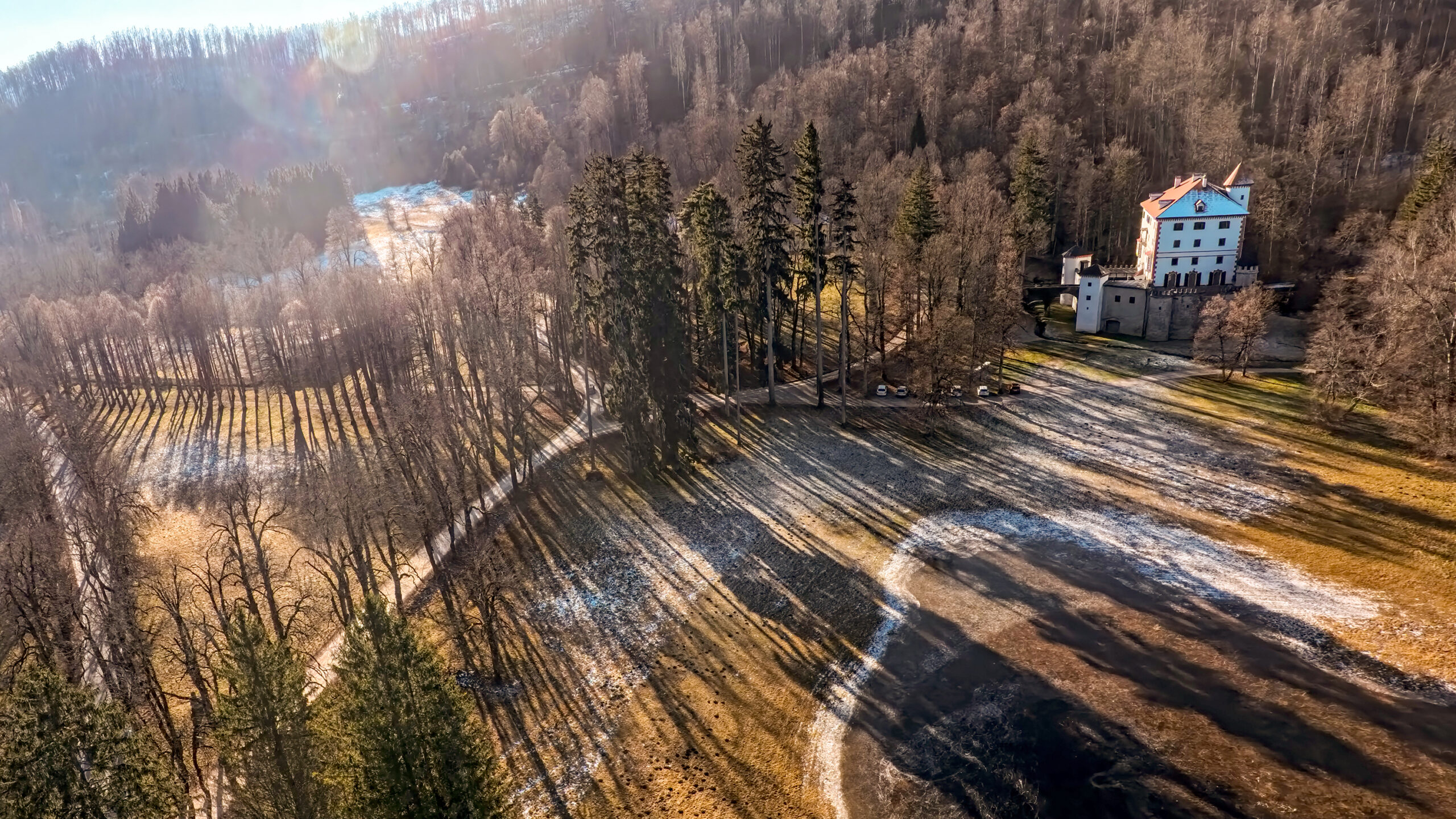
Of course, it wasn’t all smooth sailing. The buyback of servitudes was a prolonged and contentious process, and now free peasants (around here, serfdom was abolished for good only in 1848) continued to ravage the forest with impunity. Strategically positioned forestry cabins and hunting lodges – some comparable to small manors – were constructed to oversee the forest roads and curb timber theft. These were often under attack from the peasants; in 1874, a mob of 120 angry men completely destroyed the lodge at Mašun.
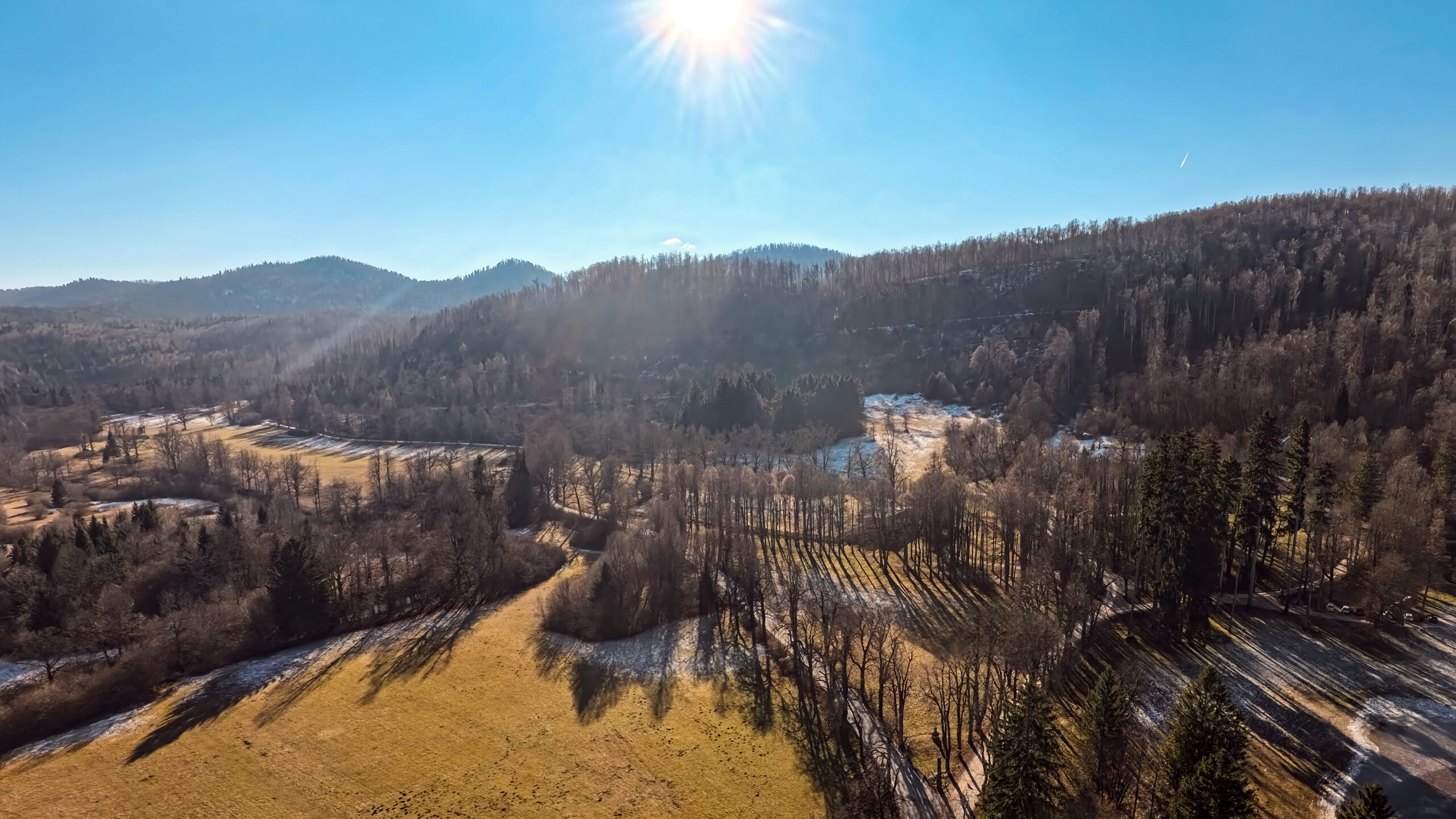
But Castle Snežnik and its estate was evolving, growing, and becoming increasingly profitable. The first forestry school in the region was established, and all its expenses were paid by the estate. The forests were expertly managed – so well that many of the principles established back then are still in use today.
Obereigner and Schollmayer put Snežnik estate on such a solid foundation that it flourished across two world wars (during WWII the then manager Leon Schauta was on good terms with the partisans and managed to save the castle and the estate from the revolutionaries who really didn’t like such symbols of feudalism and opression), through the collectivist, socialist times – and is still flourishing today.
So … as we gaze upon Castle Snežnik and the woods behind it from above with the help of a kite, we can see a rich history full of twists and turns: the serfs who outsmarted their lord, the castle as a lottery prize, the near destruction, and the successful restoration of an enormous forest and a beautiful Renaissance manor …
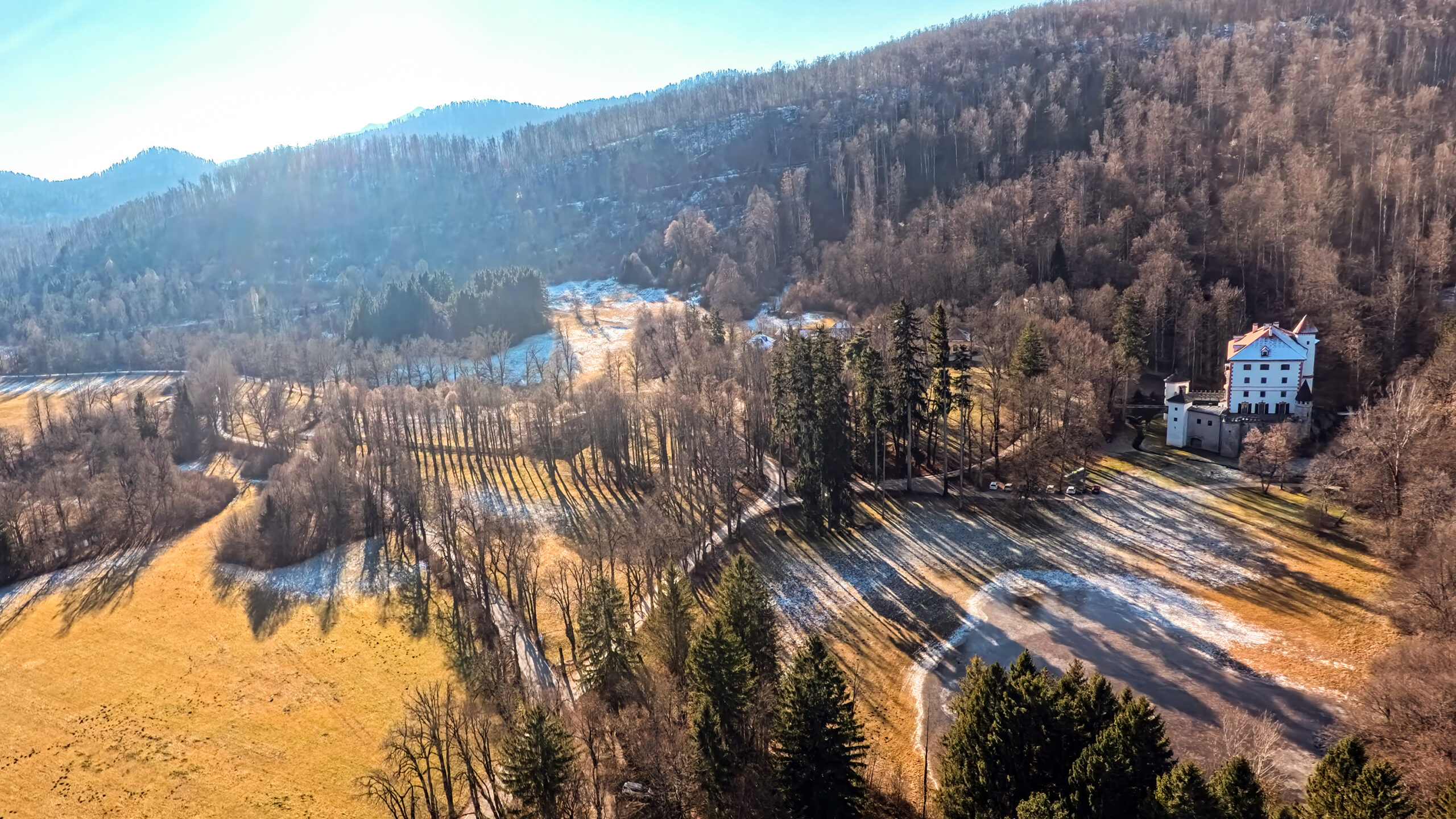
Castle Snežnik is now under auspices of the National Museum of Slovenia. It thrives as a tourist attraction (rightfully so, it’s amazing – and they are offering accommodation in the former castle annex!), and as a venue for various cultural events and festivals – like the Floating Castle festival which we had the pleasure of attending.
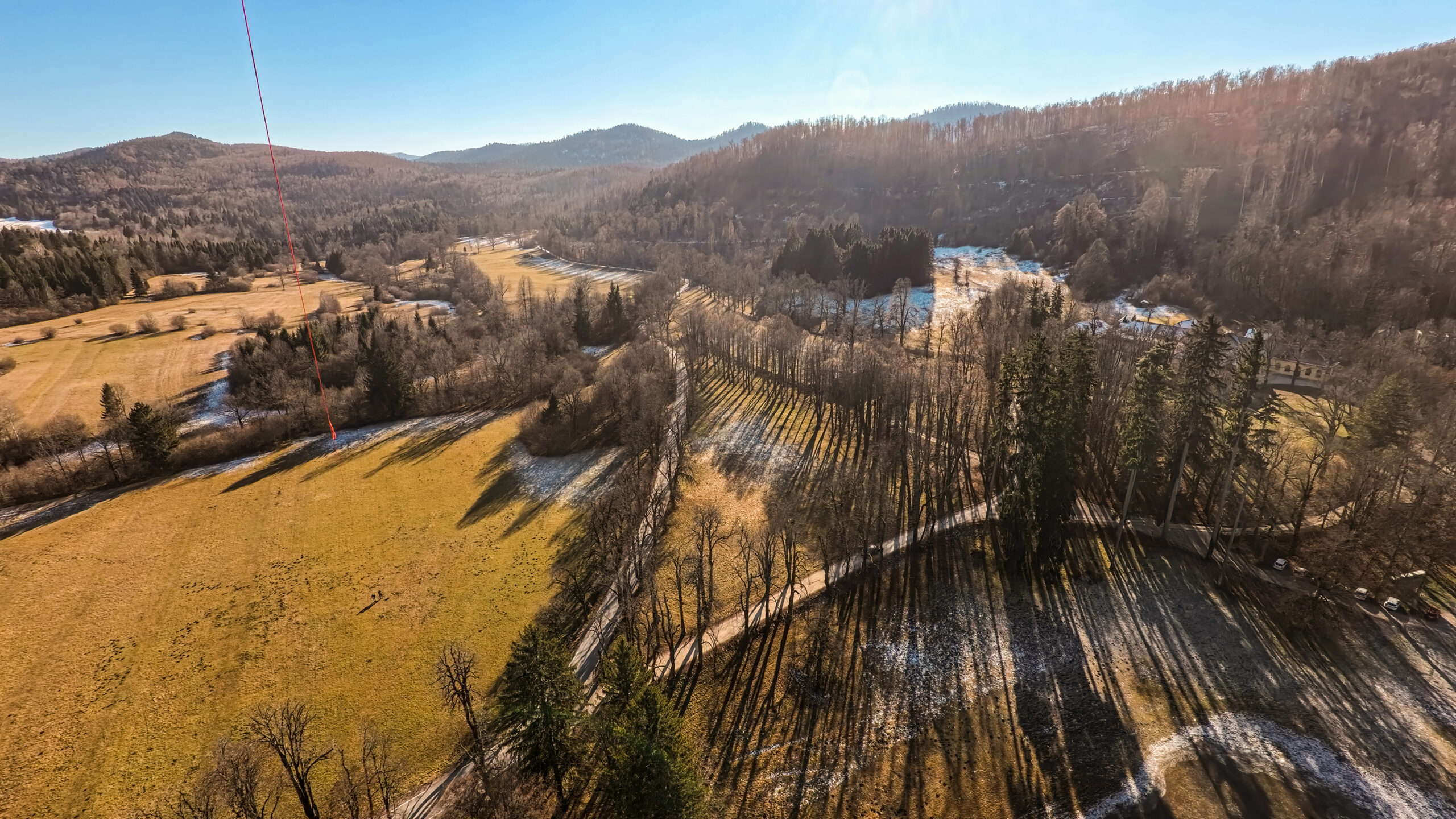
And up in the wilderness of Snežnik, the refugium of beeches that survived the onslaught of ice right here – before going on to conquer Europe once again.
Come and visit! 😉
Kite aerial photos shot with Insta ACE Pro on The Original Blue rokkaku. The story taken (and mutilated – all errors and omissions are ours) from Alenka Kačičnik Gambič: O kmečkih dolgovih malo drugače (in Slovene).
Great story! I hope the forest is open to walk freely and soak in the forest wonders.
Love the KAP shots!
WW
The forest _sensu lato_ is open; the strict forest reserve is closed to humans.
And thank you 🙂