Animula vagula blandula,
hospes comesque corporis –
quae nunc abibis in loca?
Pallidula rigida nudula,
nec, ut soles, dabis iocos!
– Hadrian Imp.
Standing on sacred ground, with thousands of years of history beneath our feet. A city abandoned and forgotten, yet still sacred: the sanctity of a place cannot be tampered with by humans, for it is not theirs to wield, to bestow, or to revoke.
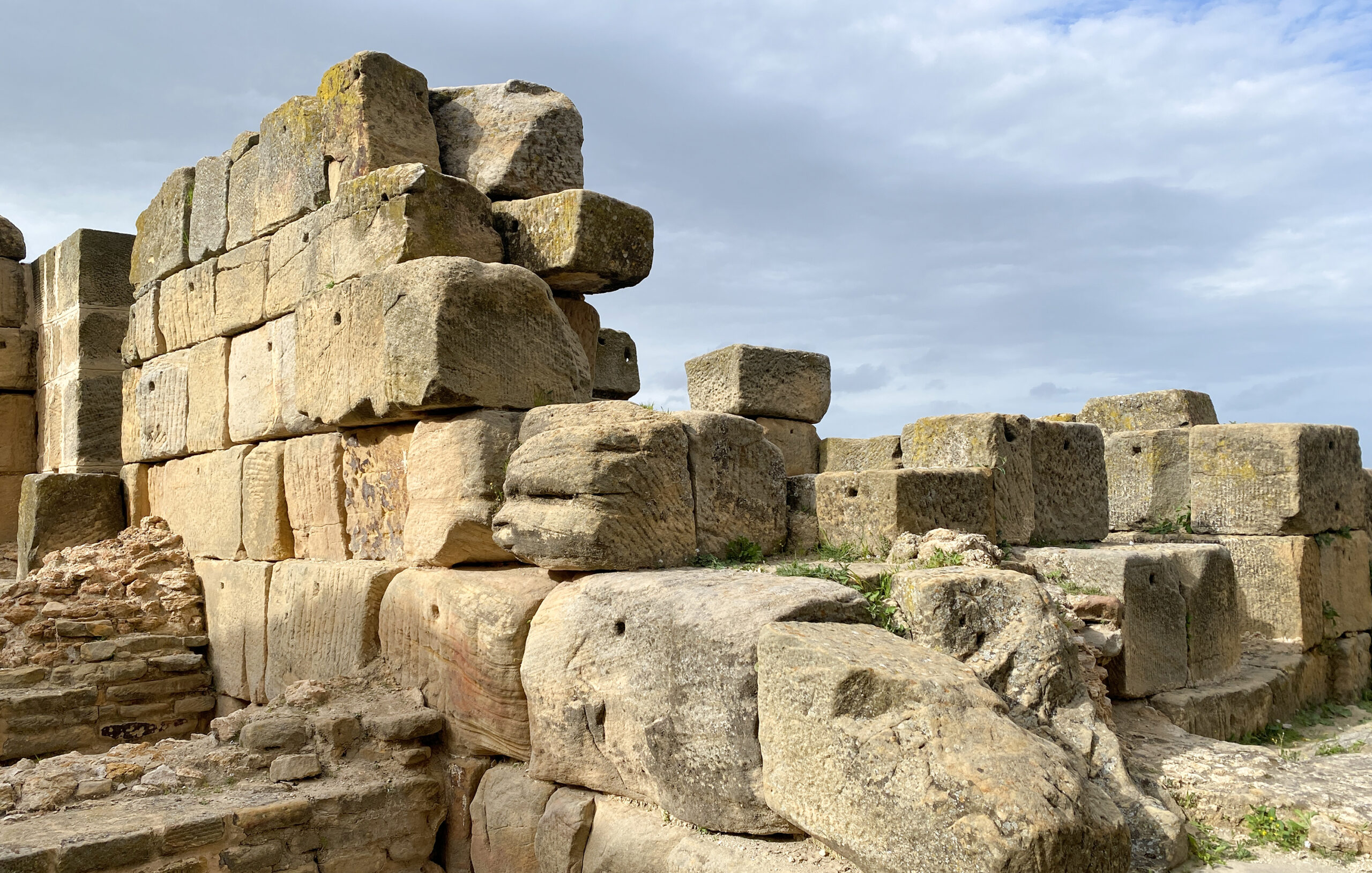
The clouds of history covering this city are thick, and at its beginnings impenetrable. Only a few glorious glimpses break through: words like Punic and Proconsulensis; names like Hasdrubal and Hannibal, of Cato the Younger and his great-grandfather, Cato the Obnoxious – the latter still shouting, no doubt.
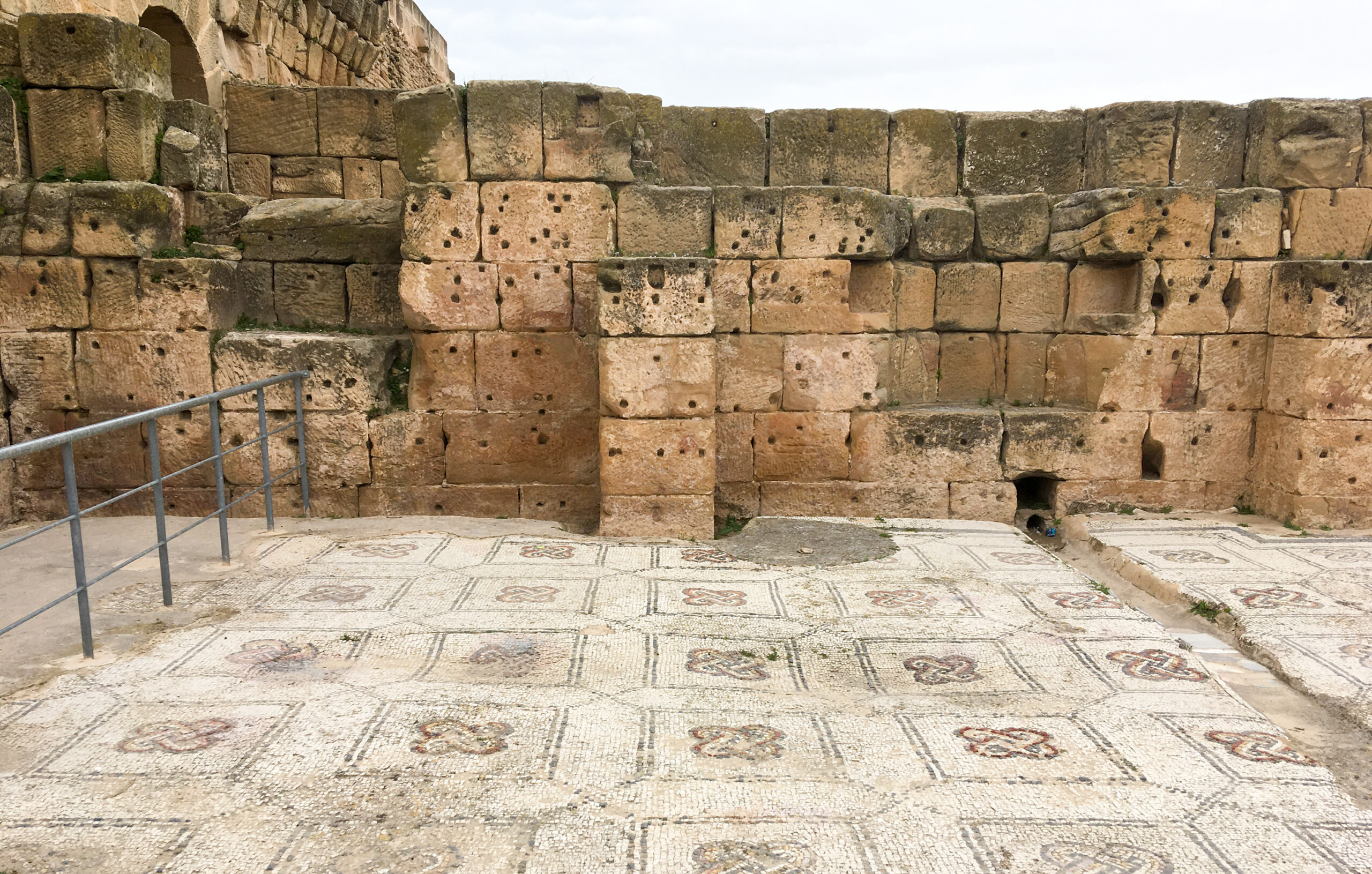
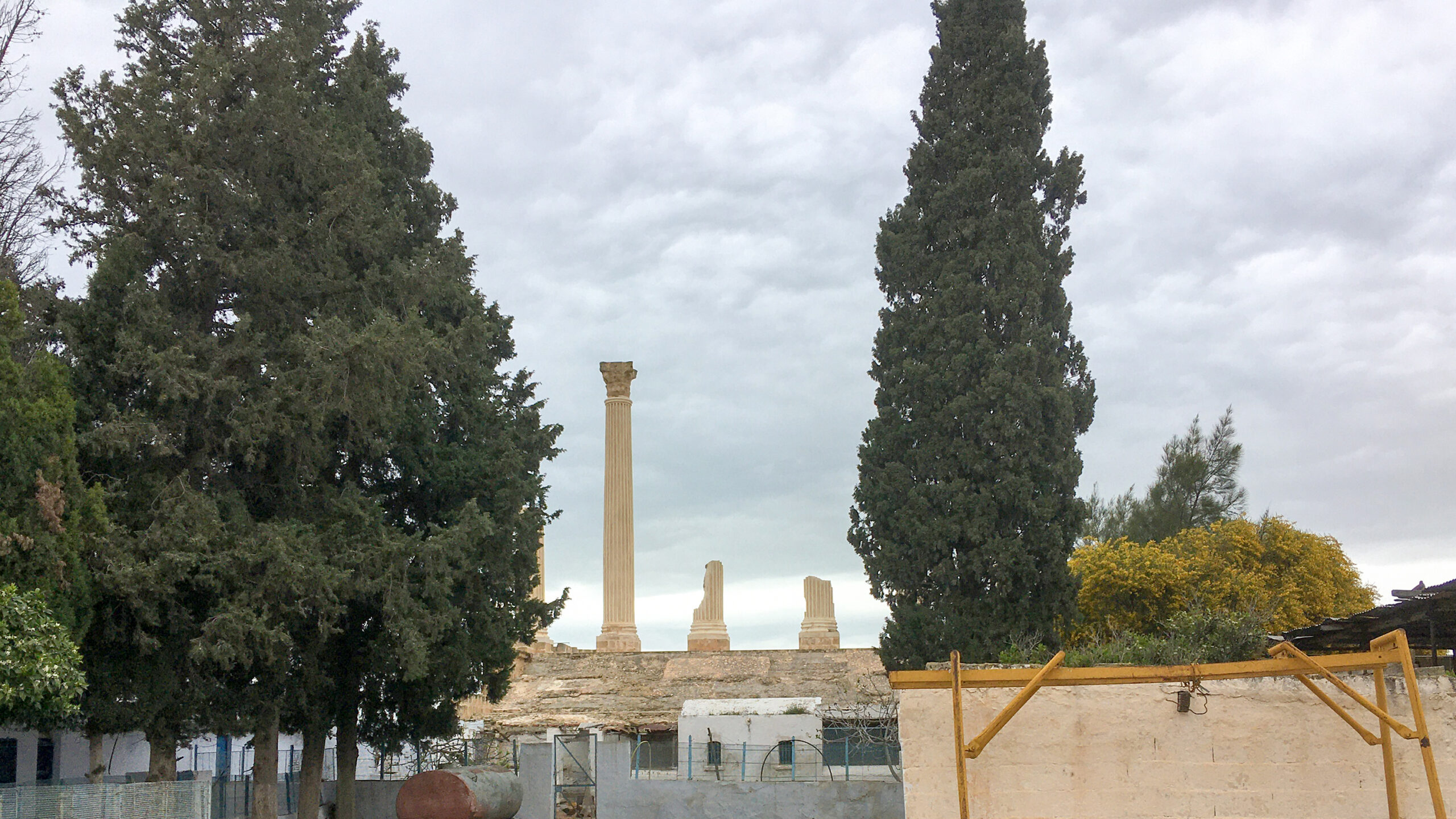
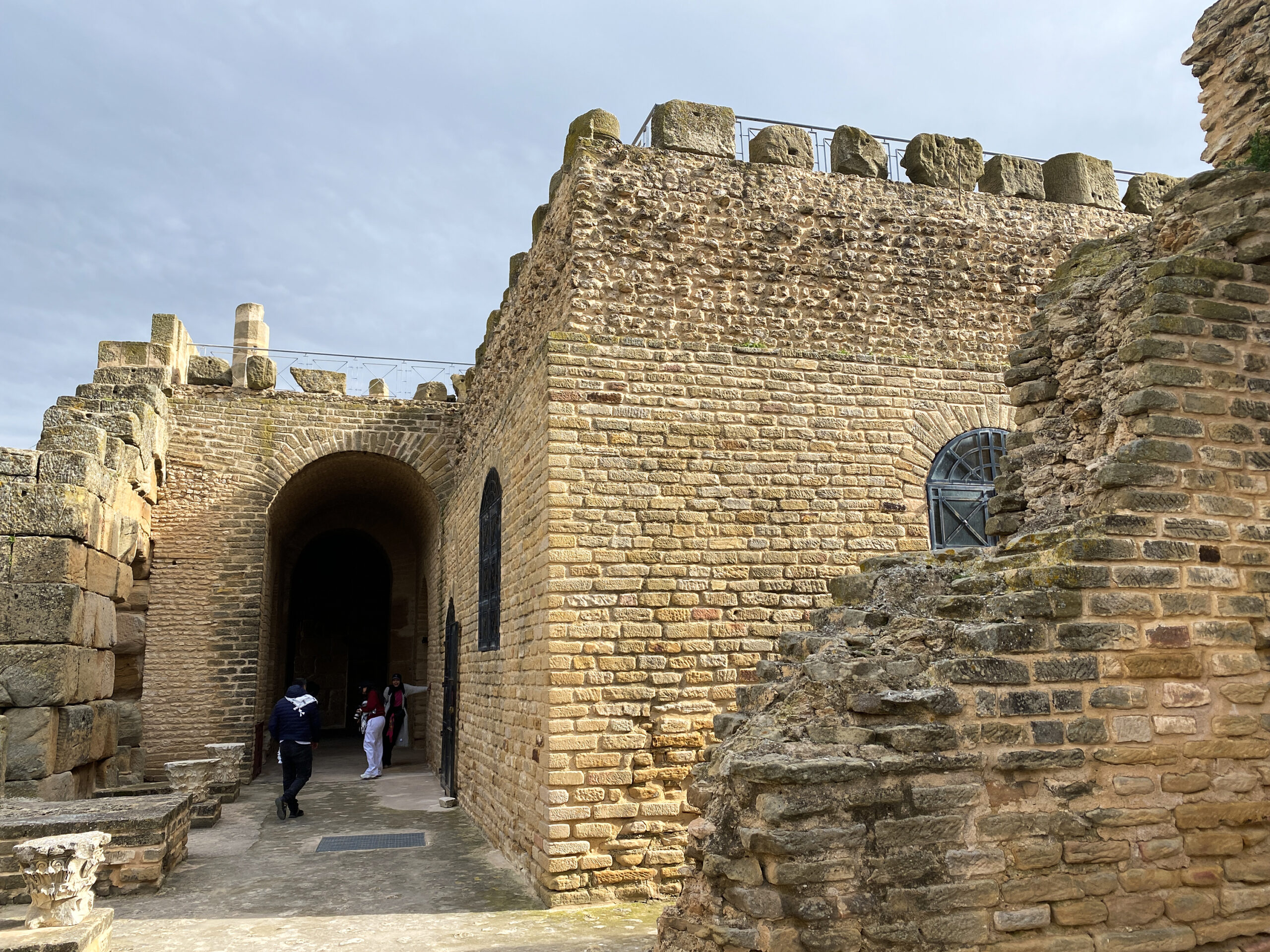
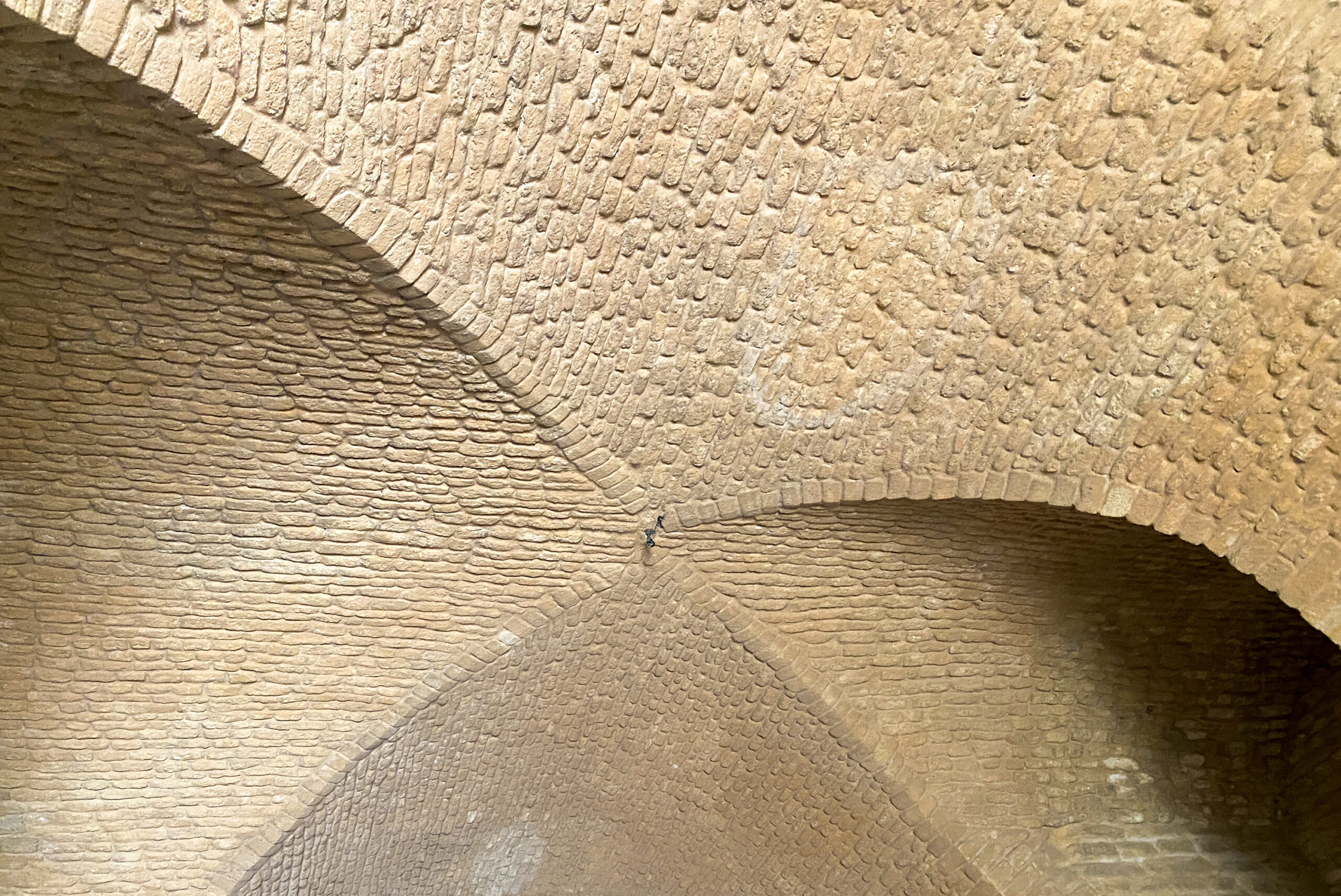
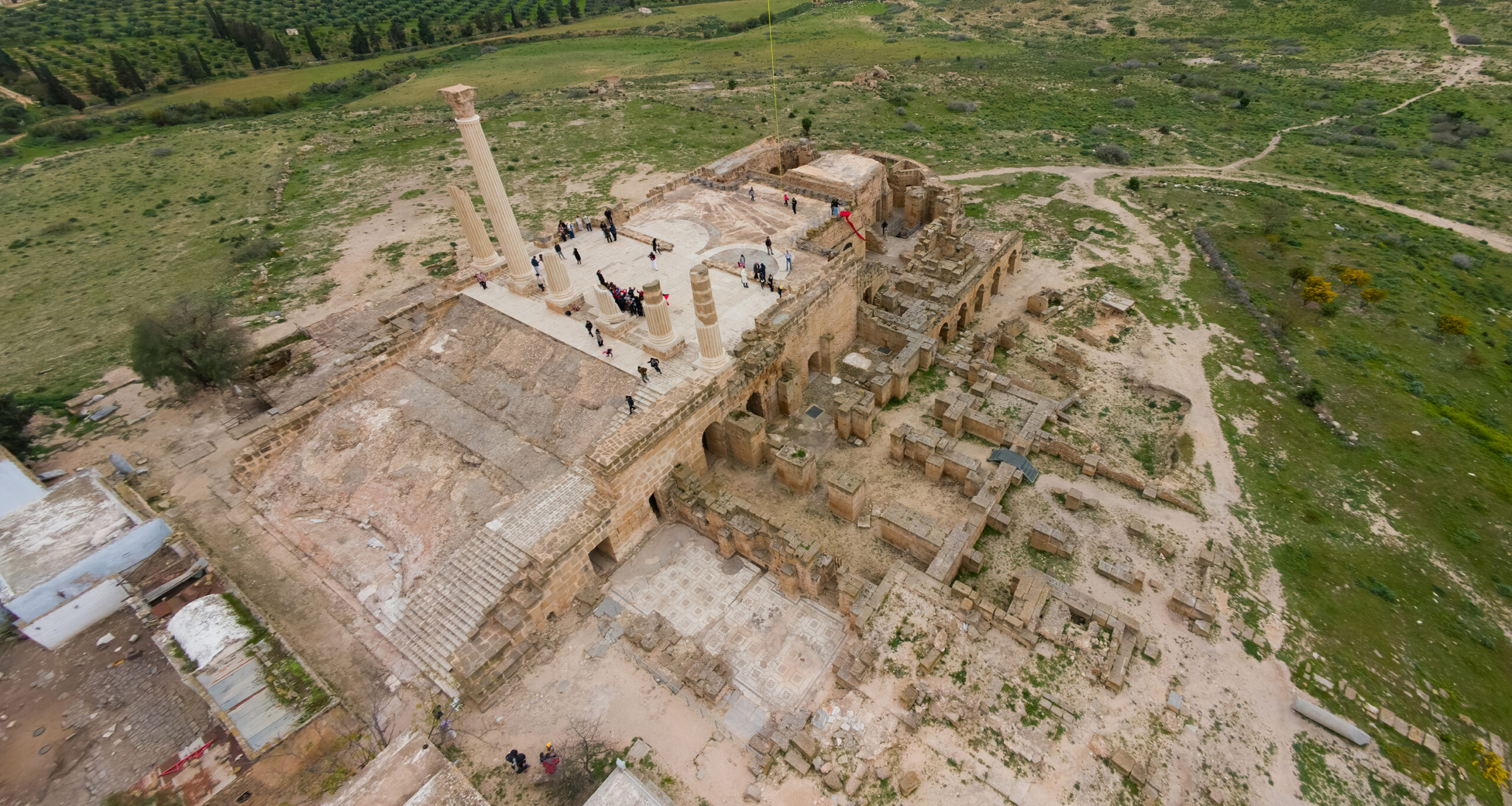
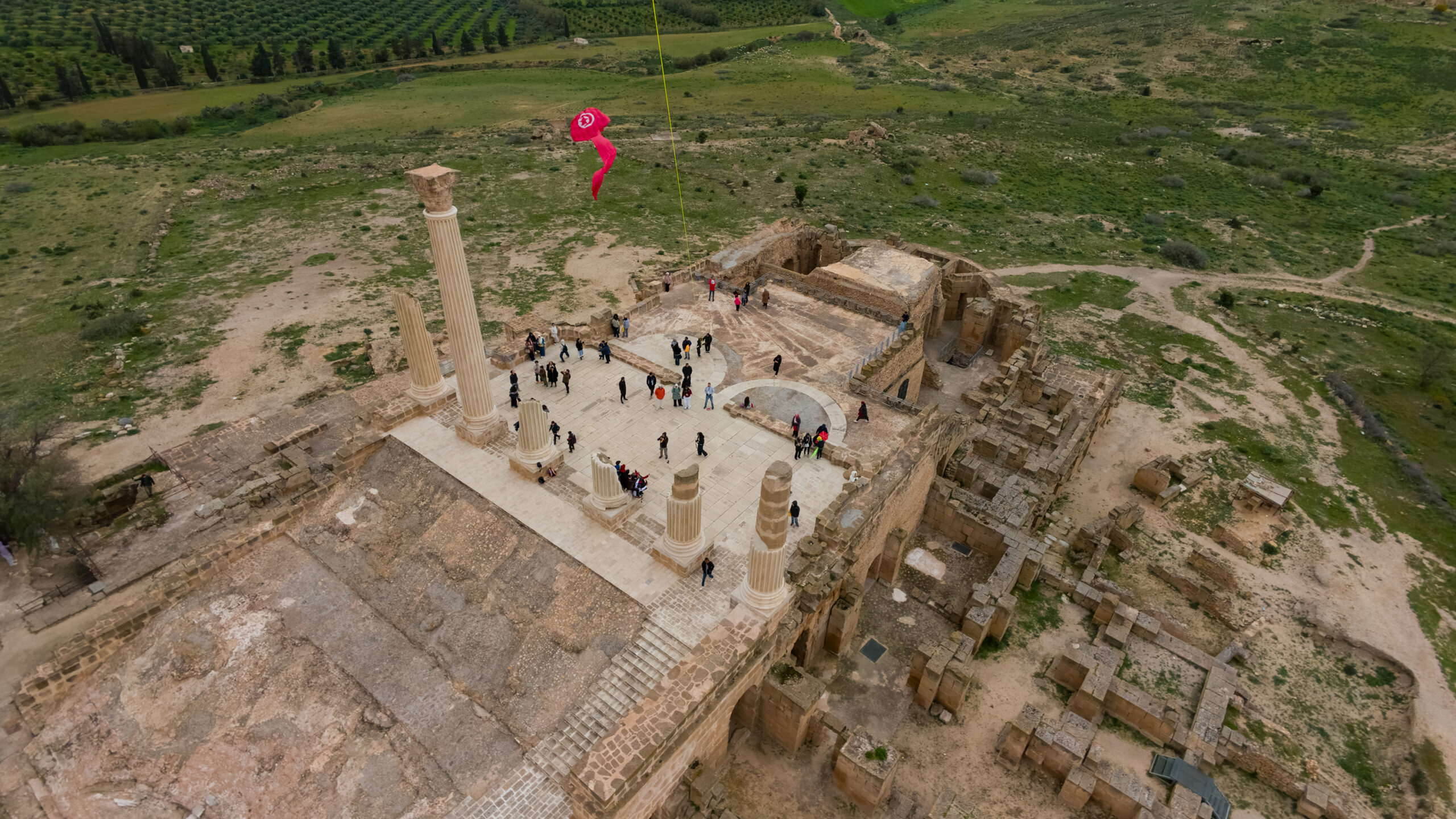
Standing among the ruins, you can almost hear the elder Cato banging his fist on the rostra, roaring again and again: Esse delendam! Esse delendam! … the ominous refrain echoing off crumbling walls. And perhaps it was the gust of his anger that brought our kite down over the forum’s cistern.
Oudna. Uthina. Colonia Iulia Tertiadecimanorum Uthina.
It wasn’t the legions that destroyed it. It was something much more formidable.
Time.
Uthina was founded – who knows when – by Amazigh, Berbers, or their ancestors, or their ancestors’ ancestors. It became a fairly prominent Punic city some 50 kilometres south of Carthage, in the fertile Oued Miliane. Then Carthage lost to Rome, and after the Third Punic War, Uthina found itself conveniently on the right side of the Fossa Regia, which separated what became Provincia Africa Proconsularis from Numidia.
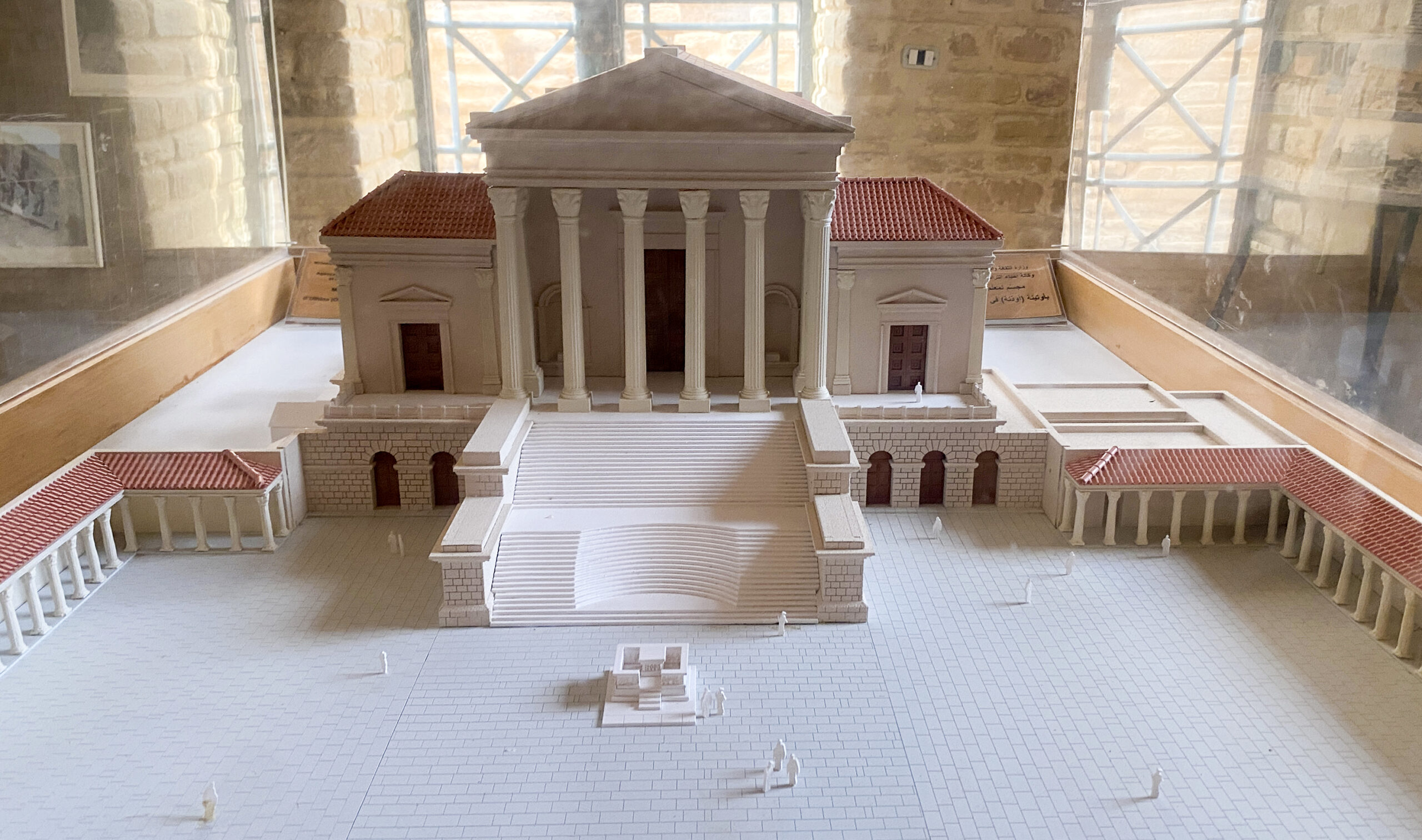
This part of modern Tunisia was thoroughly Romanised. Veterans of the Legio XIII Gemina settled here, grandly naming the place Colonia Iulia Tertiadecimanorum Uthina – and prospering, as one does with a name like that.
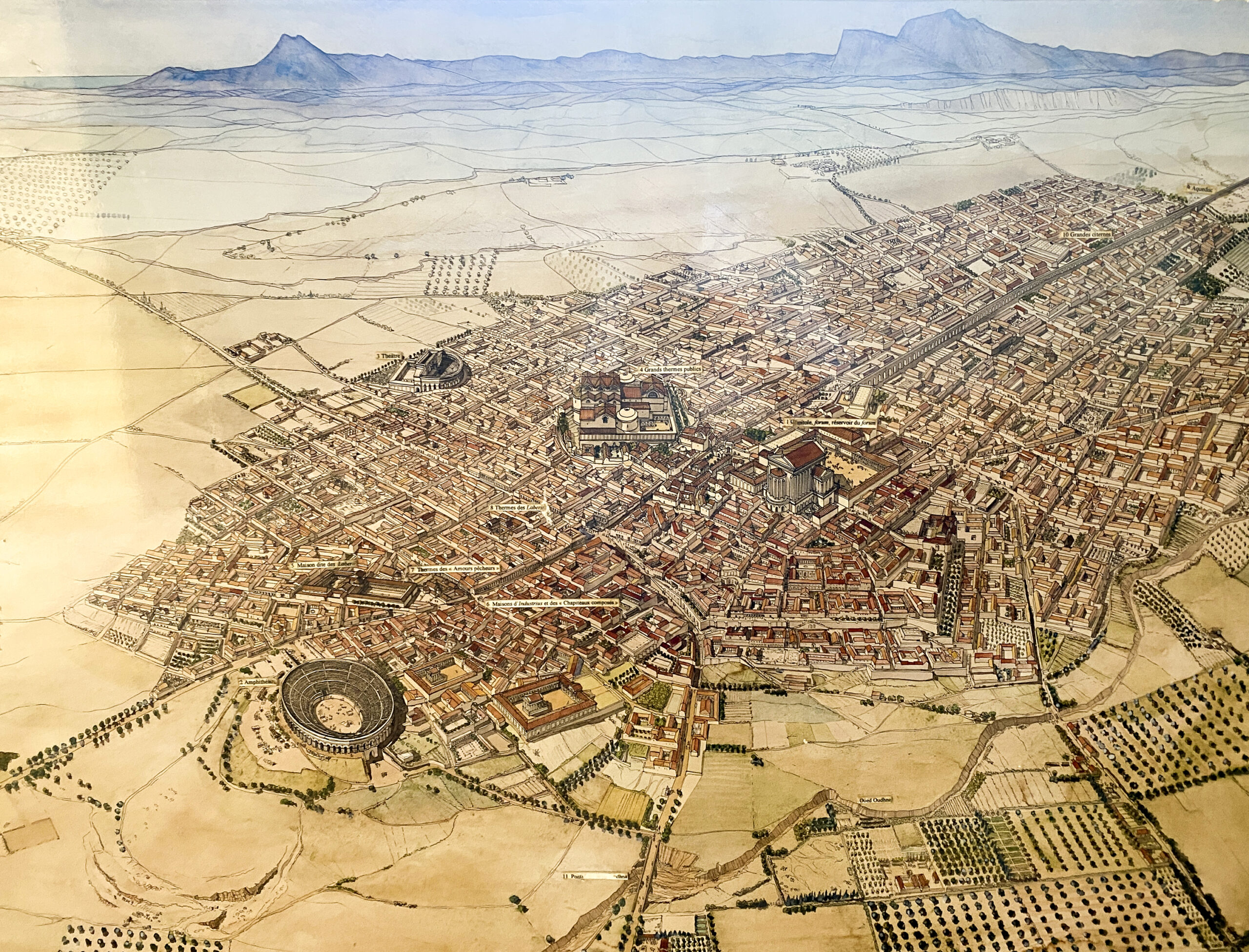
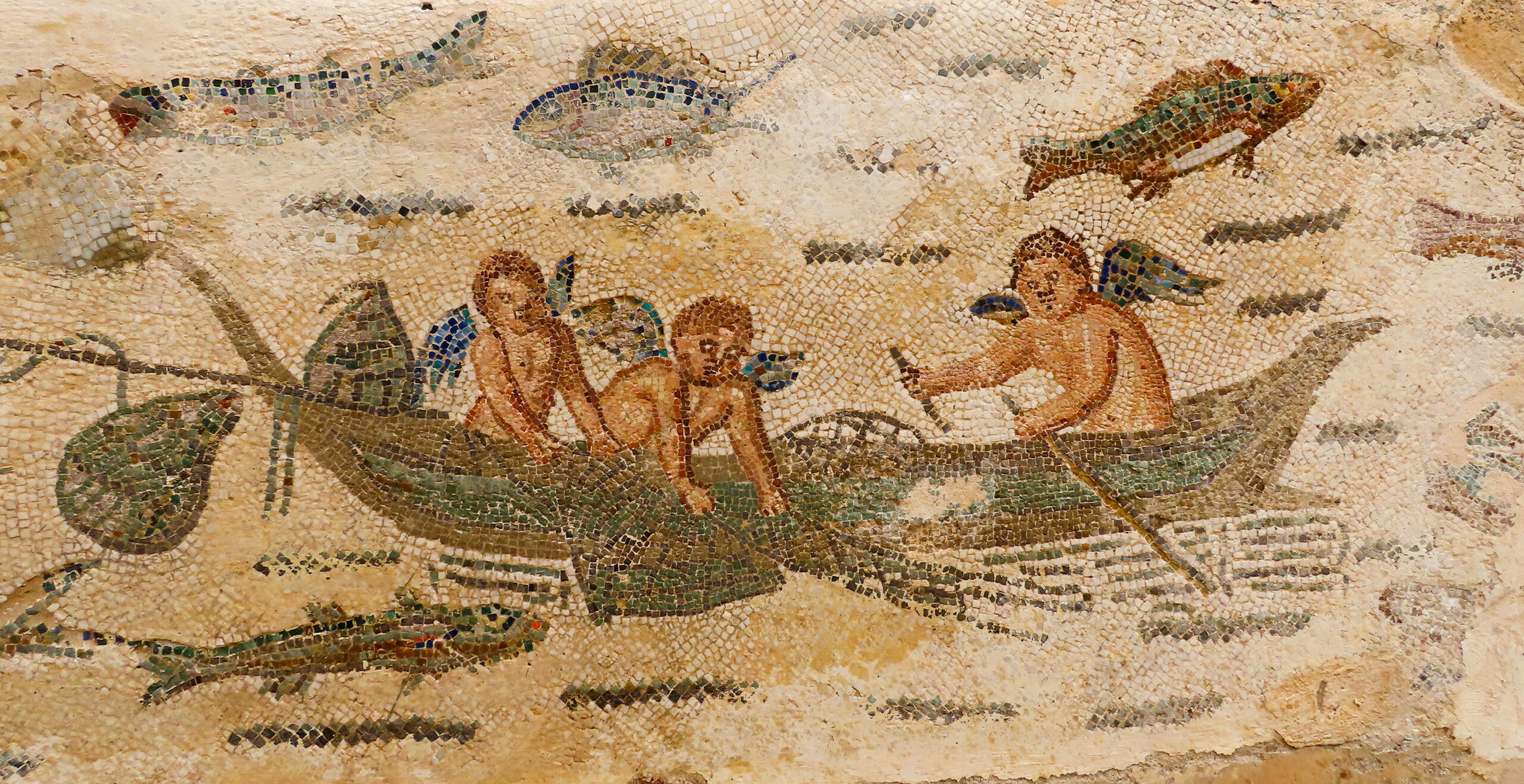
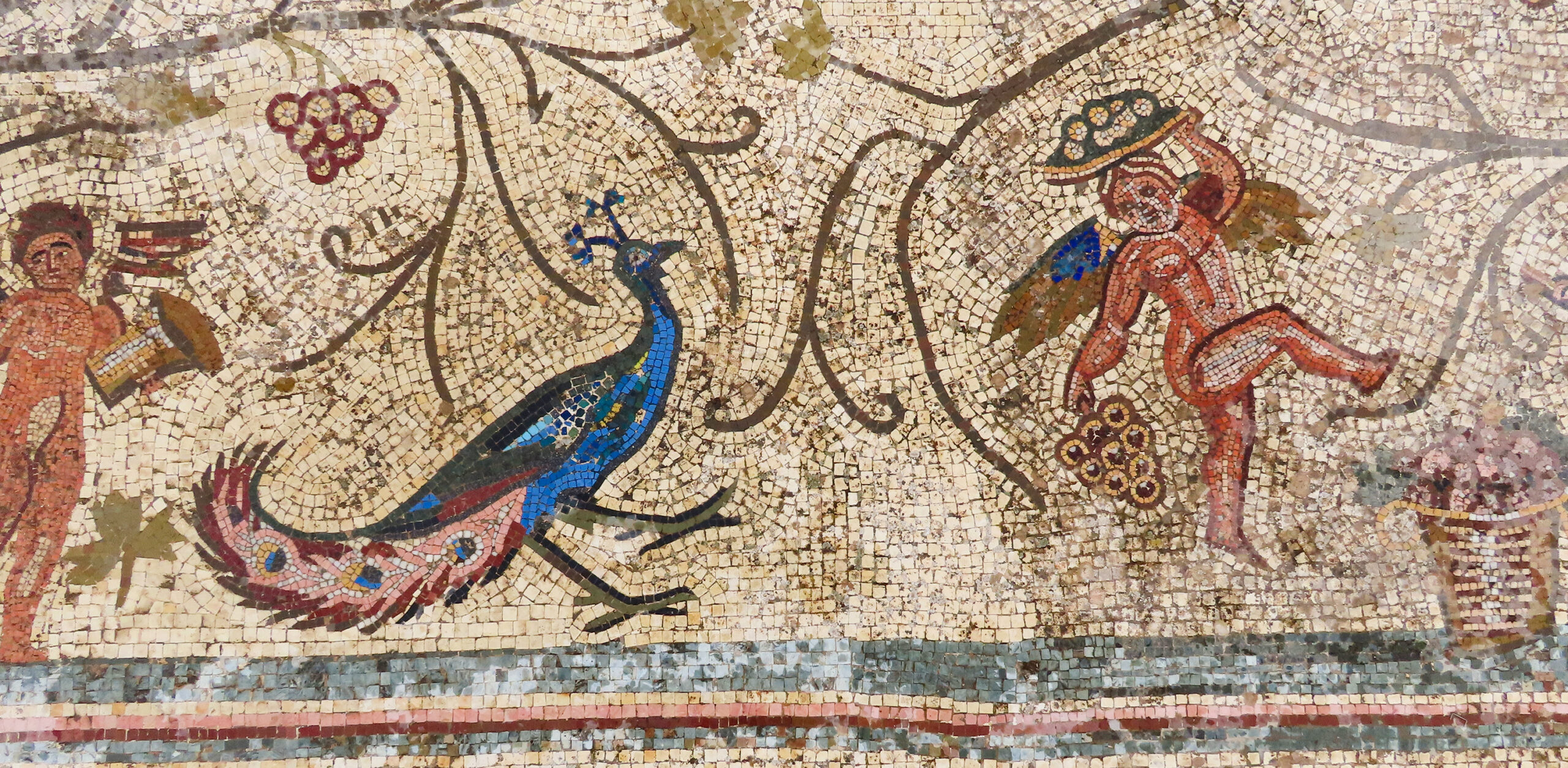
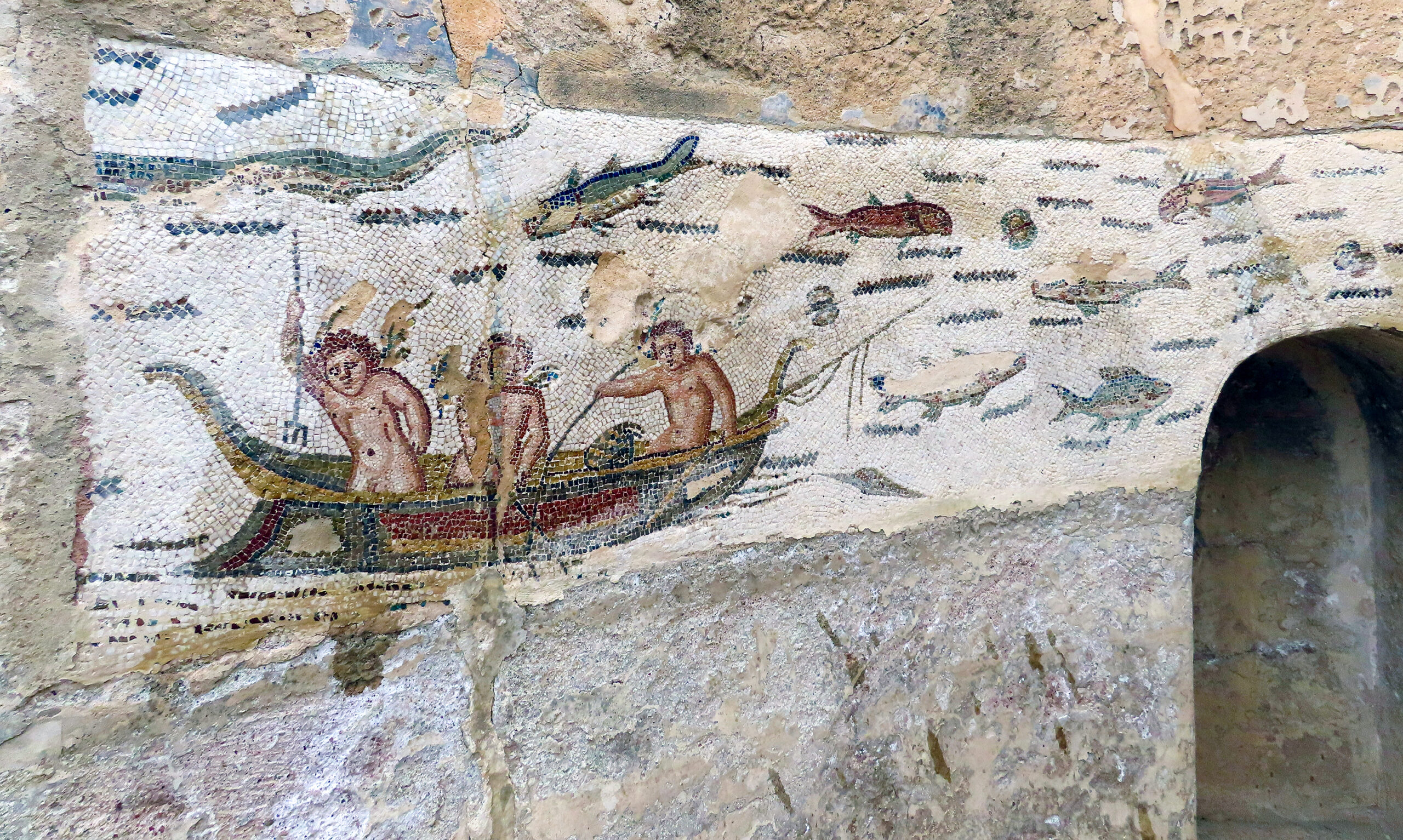
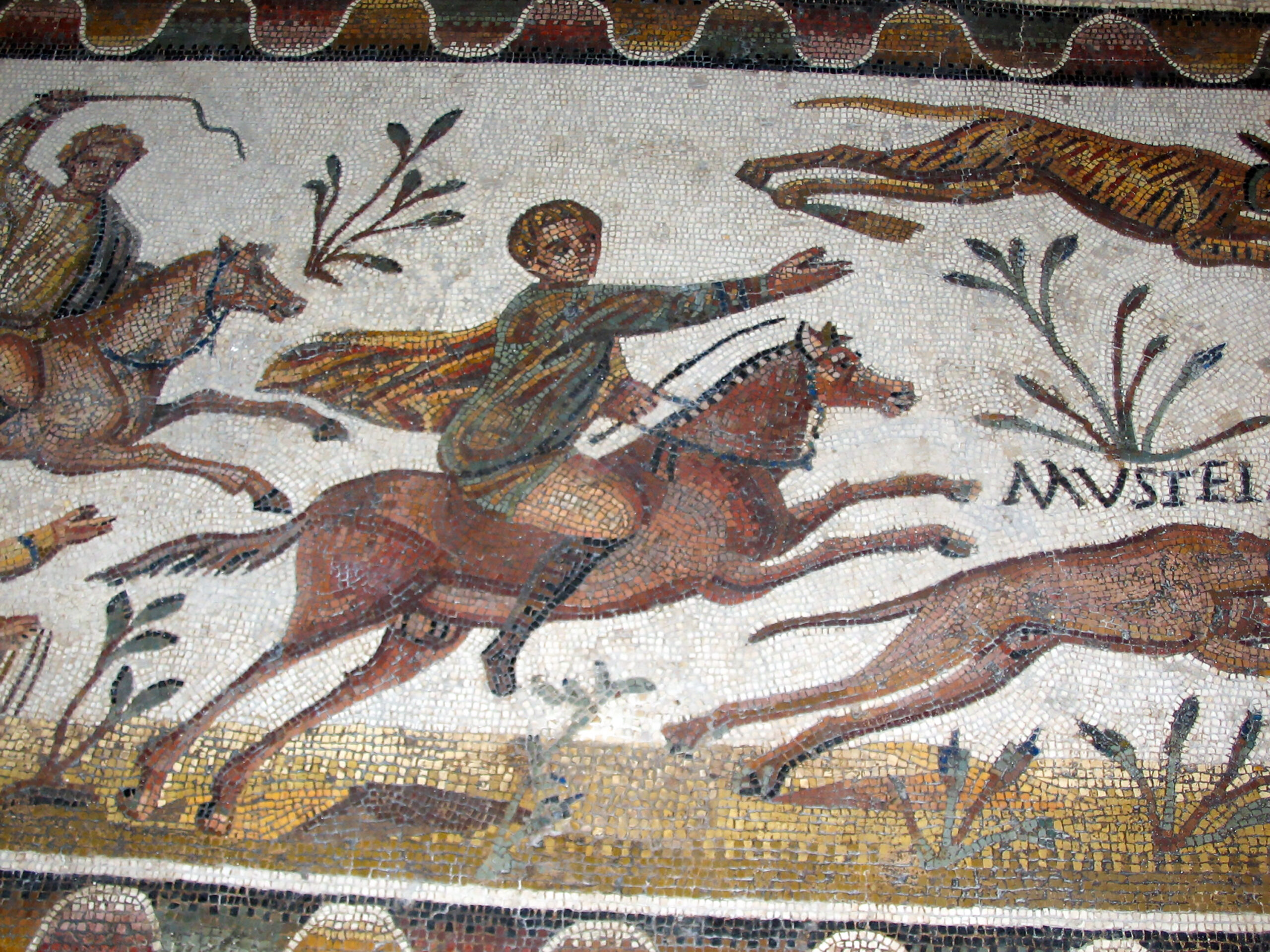
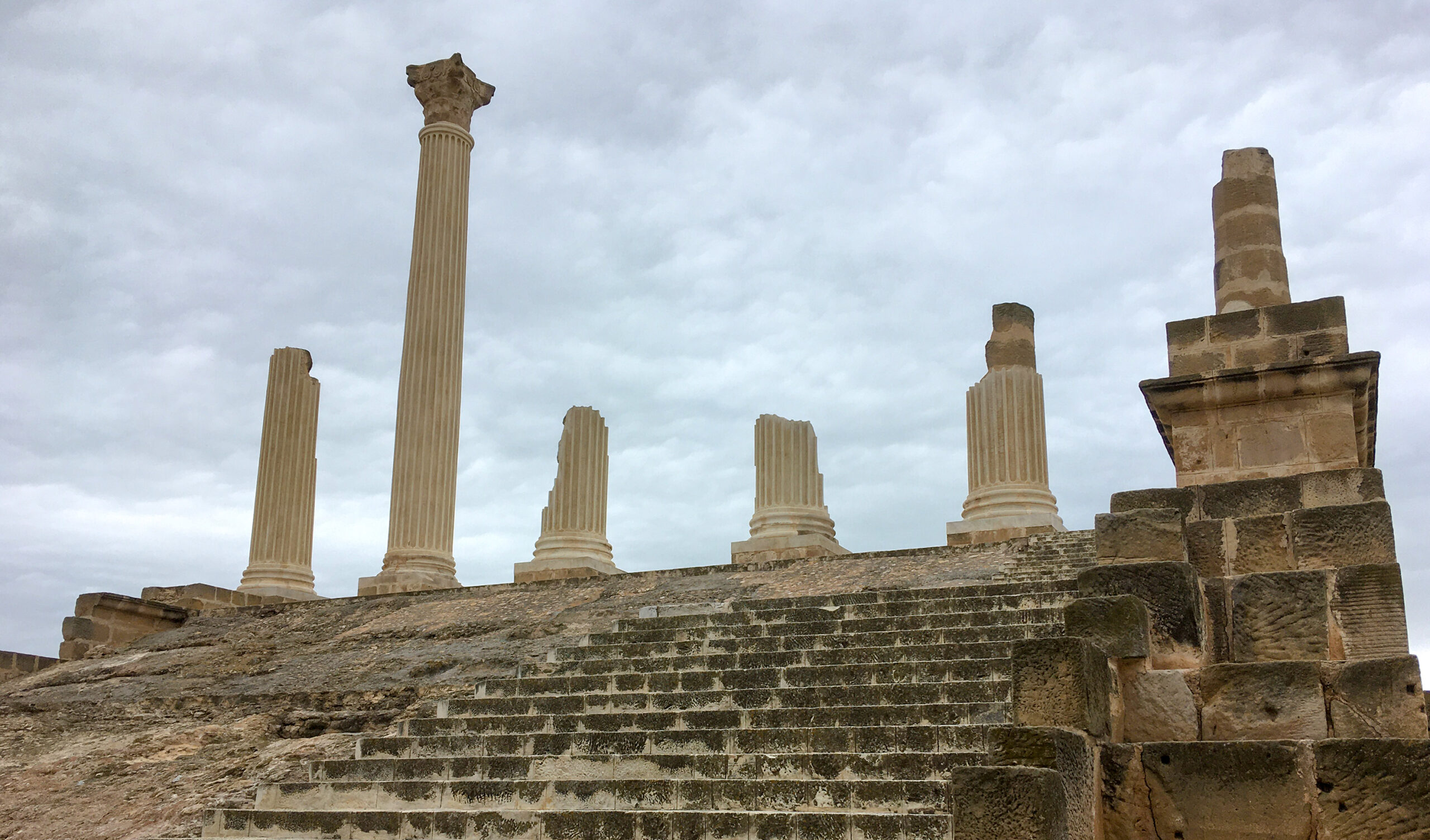
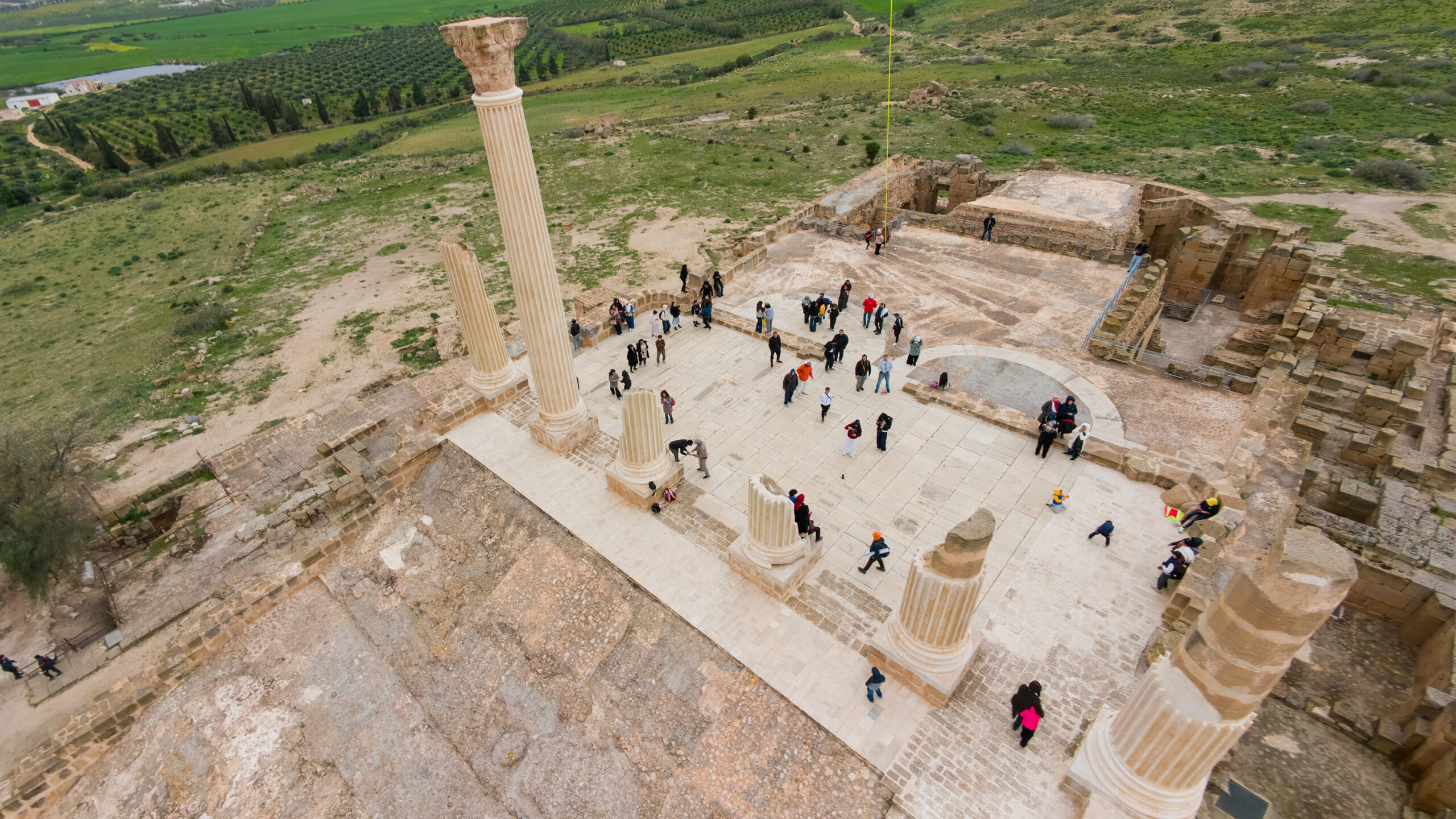
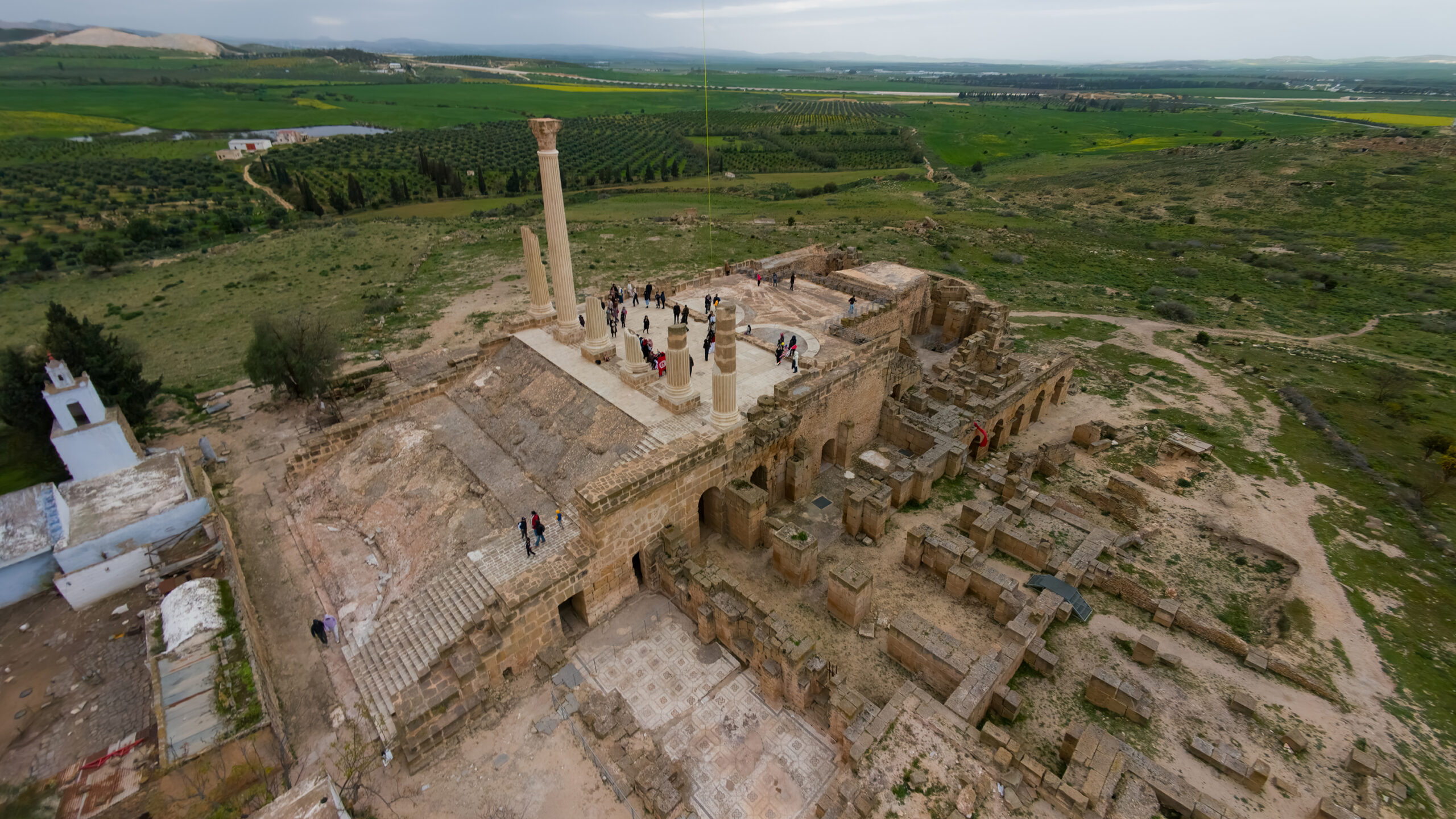
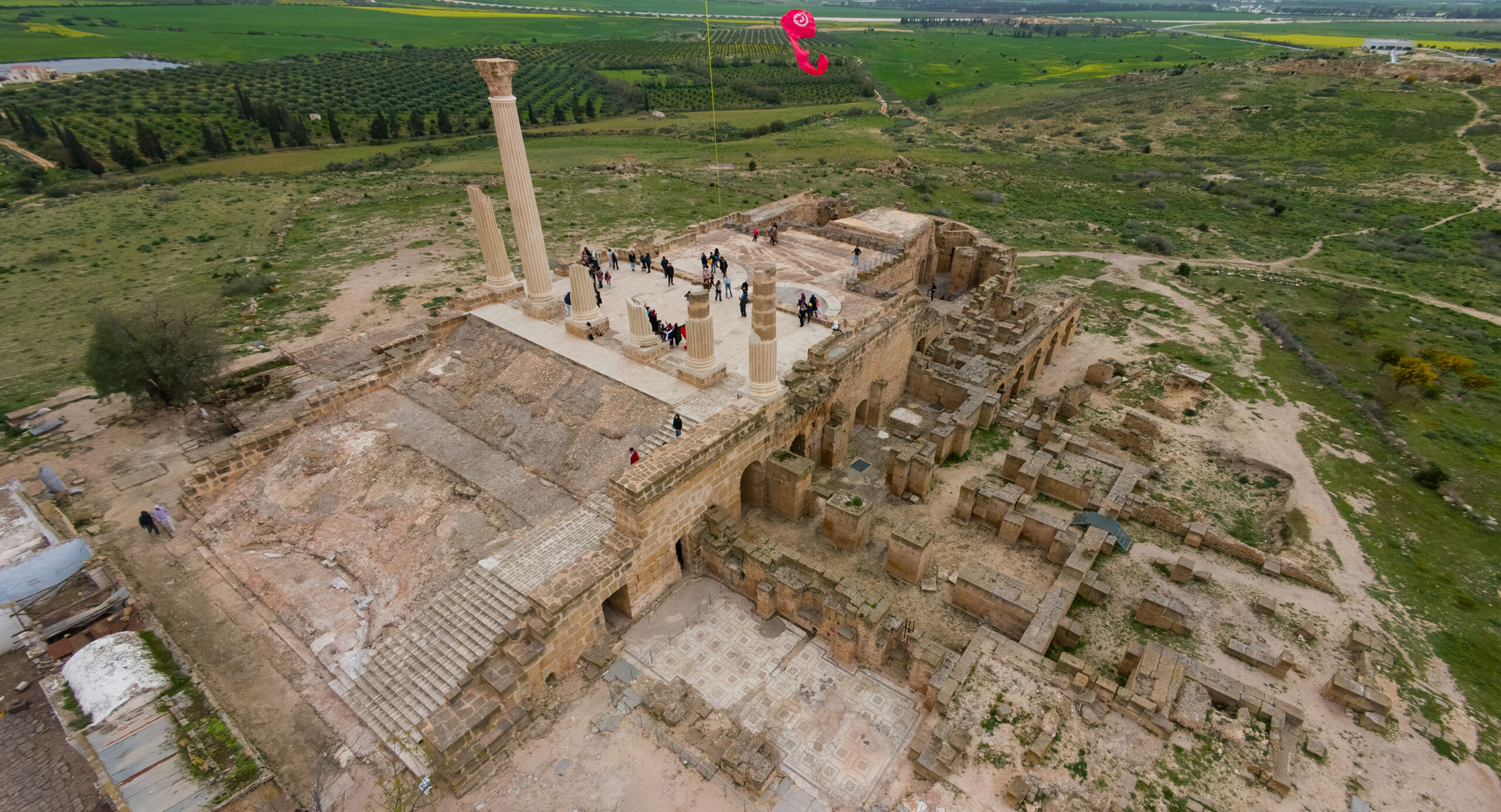
Soon, magnificent villas sprang up: that of the Laberii, the even grander one of Ikarios, and, for sheer vanity, a fellow styling himself Industrius. Artisans competed to produce the most dazzling mosaic floors. The Capitol gained a basilica, a forum, and a colonnaded portico – of which these broken stems stubbornly remain.
An aqueduct brought fresh water into the growing city. Baths – public and private – became typical Roman meeting points, along with numerous tabernae and, ahem, lupanaria.
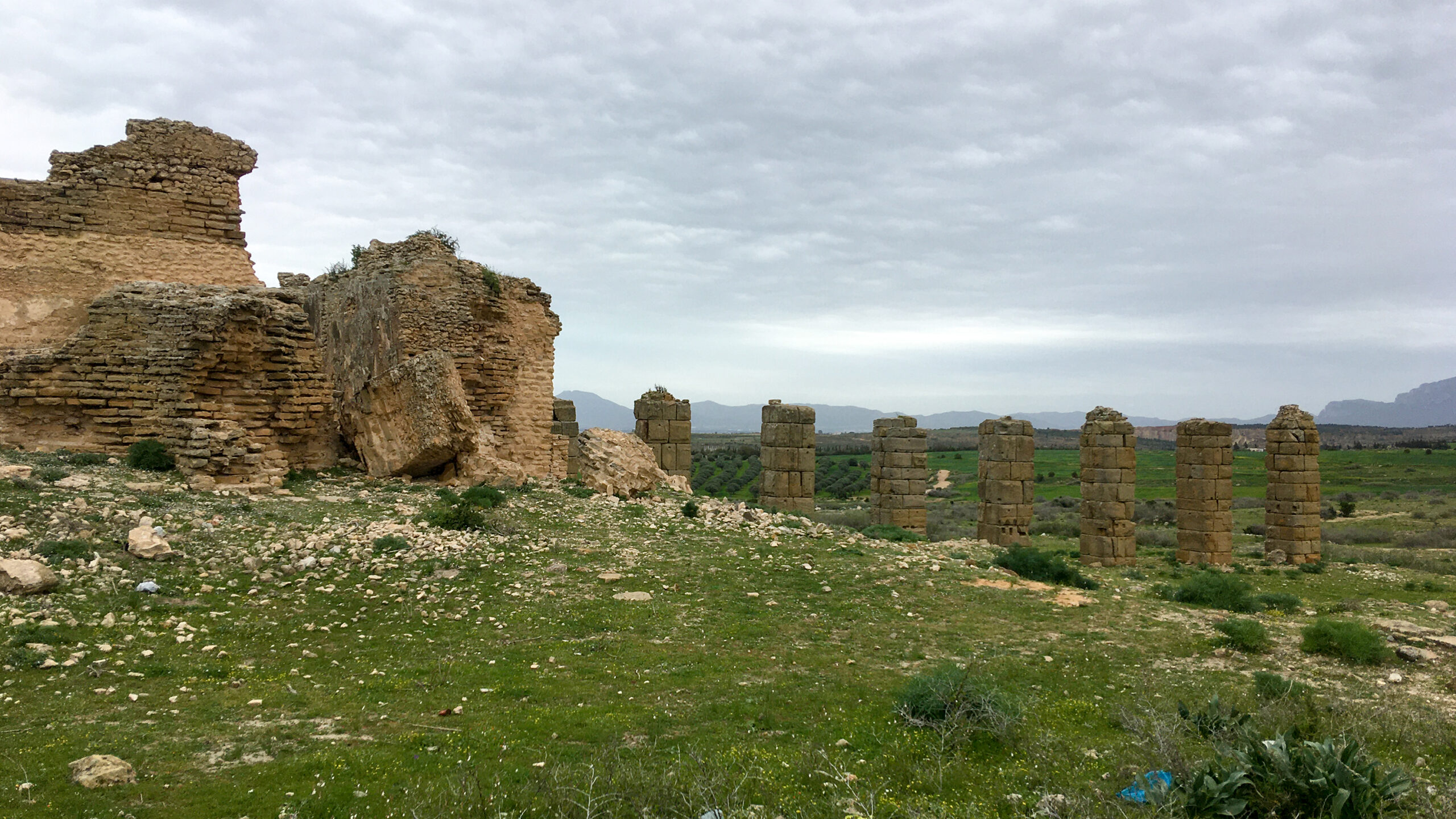
Et alonim u alonut šukart karuti iš timlakun alt amakum es.
– Hanno
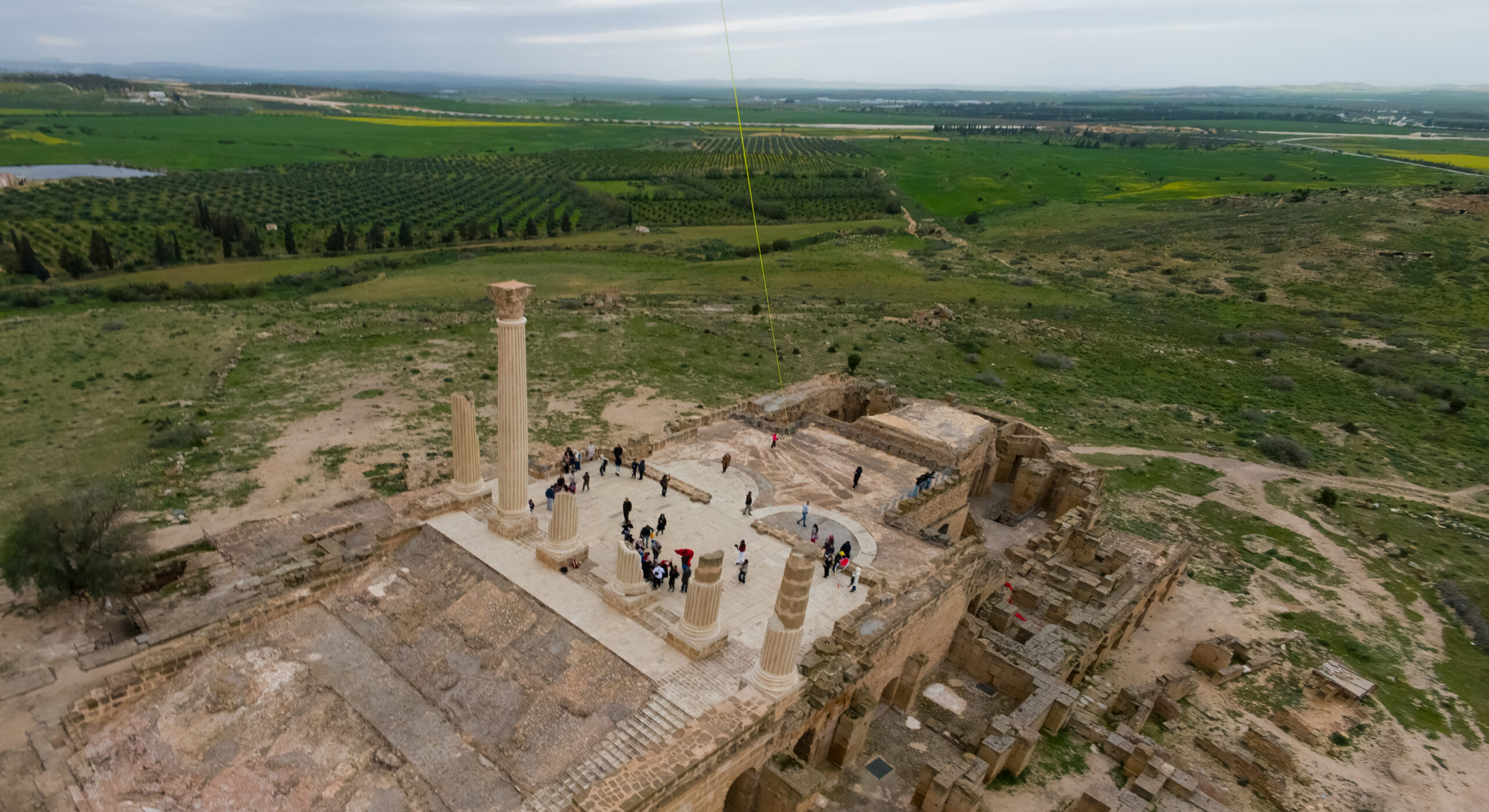
Yes, when the rokkaku went sideways in the raging wind, we invoked gods and goddesses that rule this city. And yes, sometimes KAP brings you to strange places and makes you learn at least a couple of phrases in strange languages. Like Old Punic. However, the problem with invoking gods and goddesses was – which one? Did Baal Hammon send the fierce wind that destroyed our kite? Did Tanit herself catch the camera in her gentle hands, presenting herself as a tree? Was the Capitoline triad – we did launch the kite from Uthina Capitol! – Jupiter, Juno, and Minerva, responsible for all the commotion? Or was it, as it is and will be forever, all in the hands of One God?
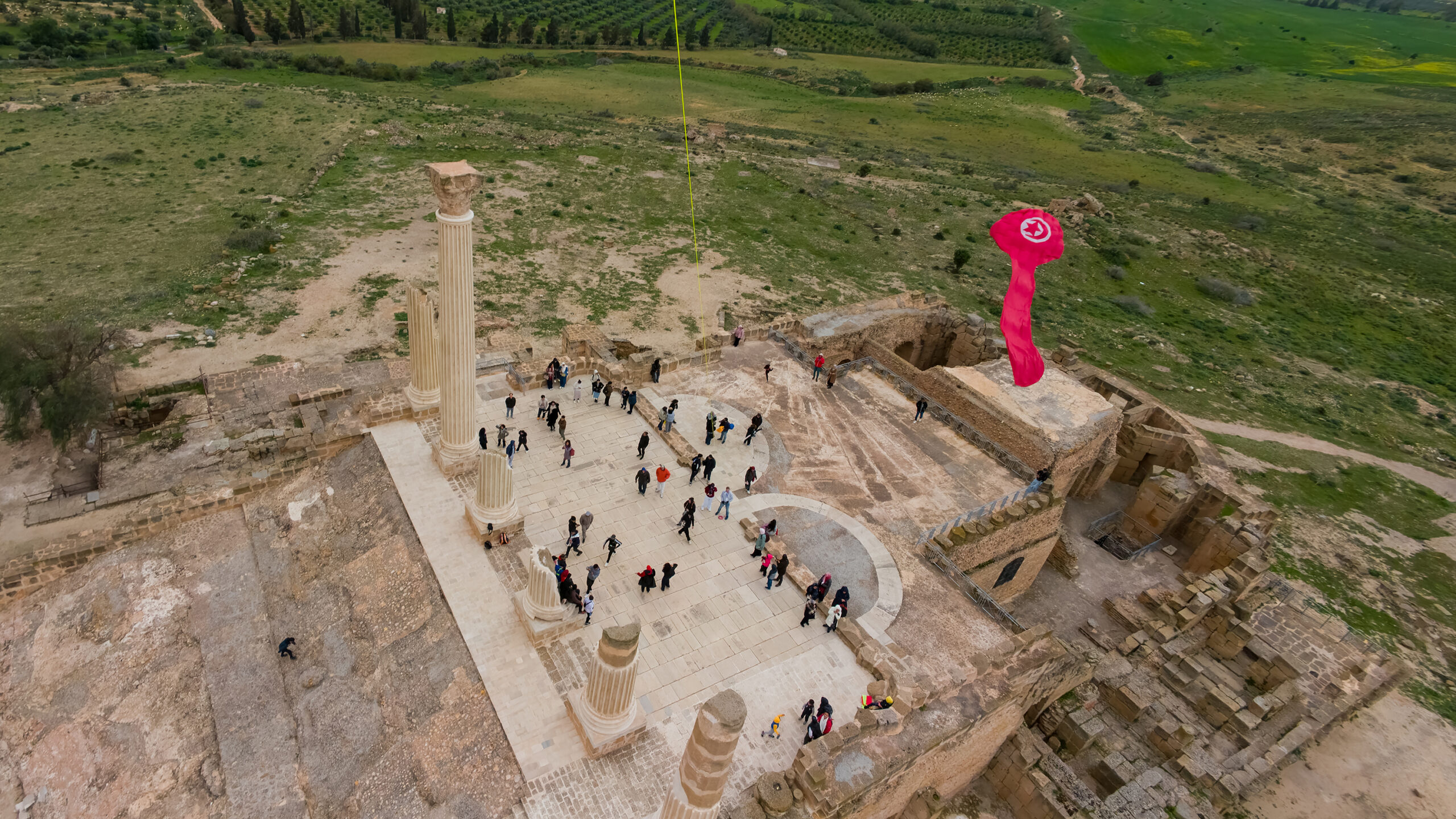
In any case, the kite crashed. The venerable MASAG β rokkaku was held together by a strip of silver tape that proved no match for the near-hurricane gusts sweeping across Uthina that day…
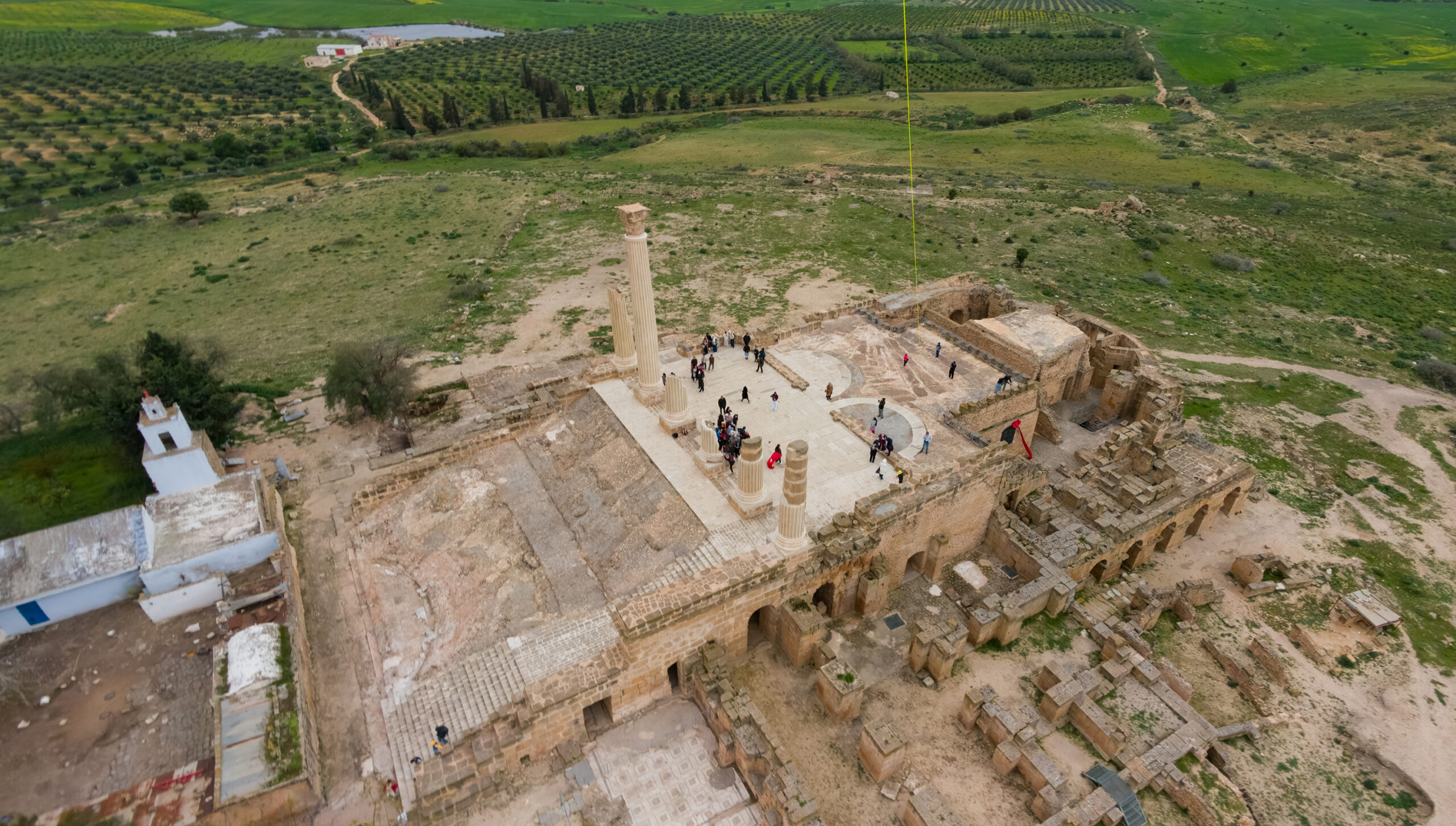
“Et alonum u alonut karuti … deos deasque veneror, qui hanc urbem colunt … we beseech the gods and goddesses who preside over this city …“
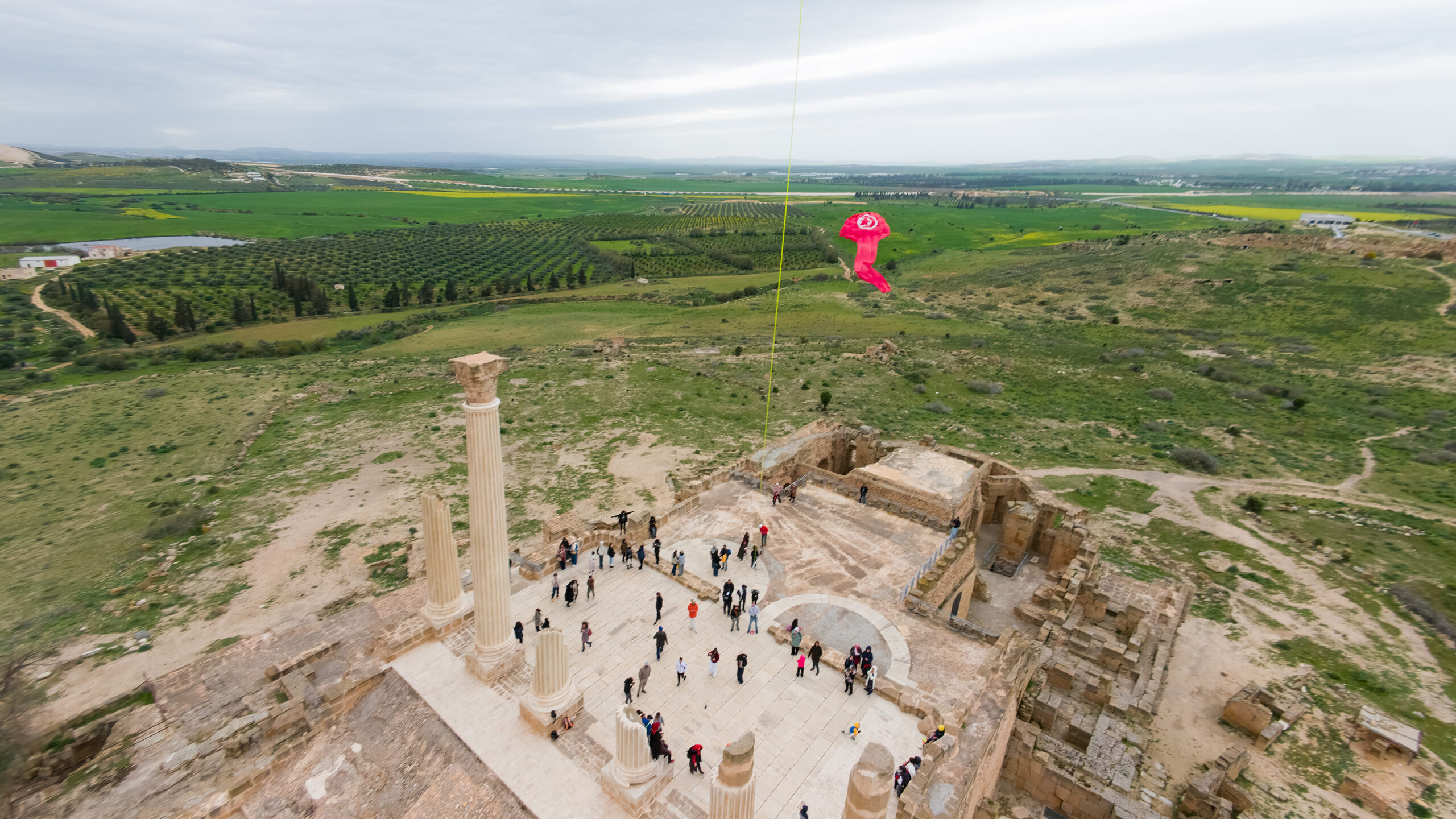
We’d wager it was Tanit, in the end…
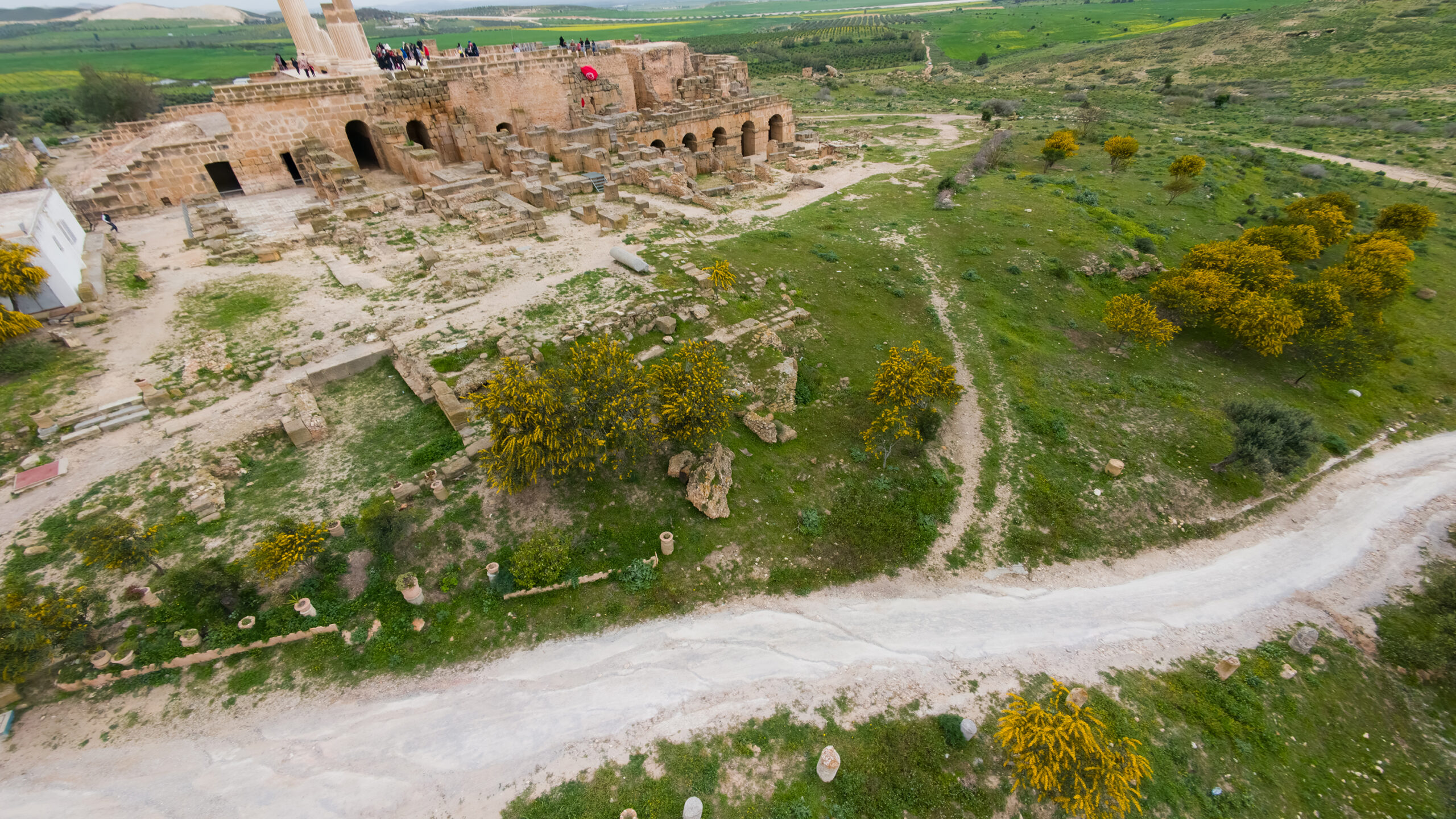
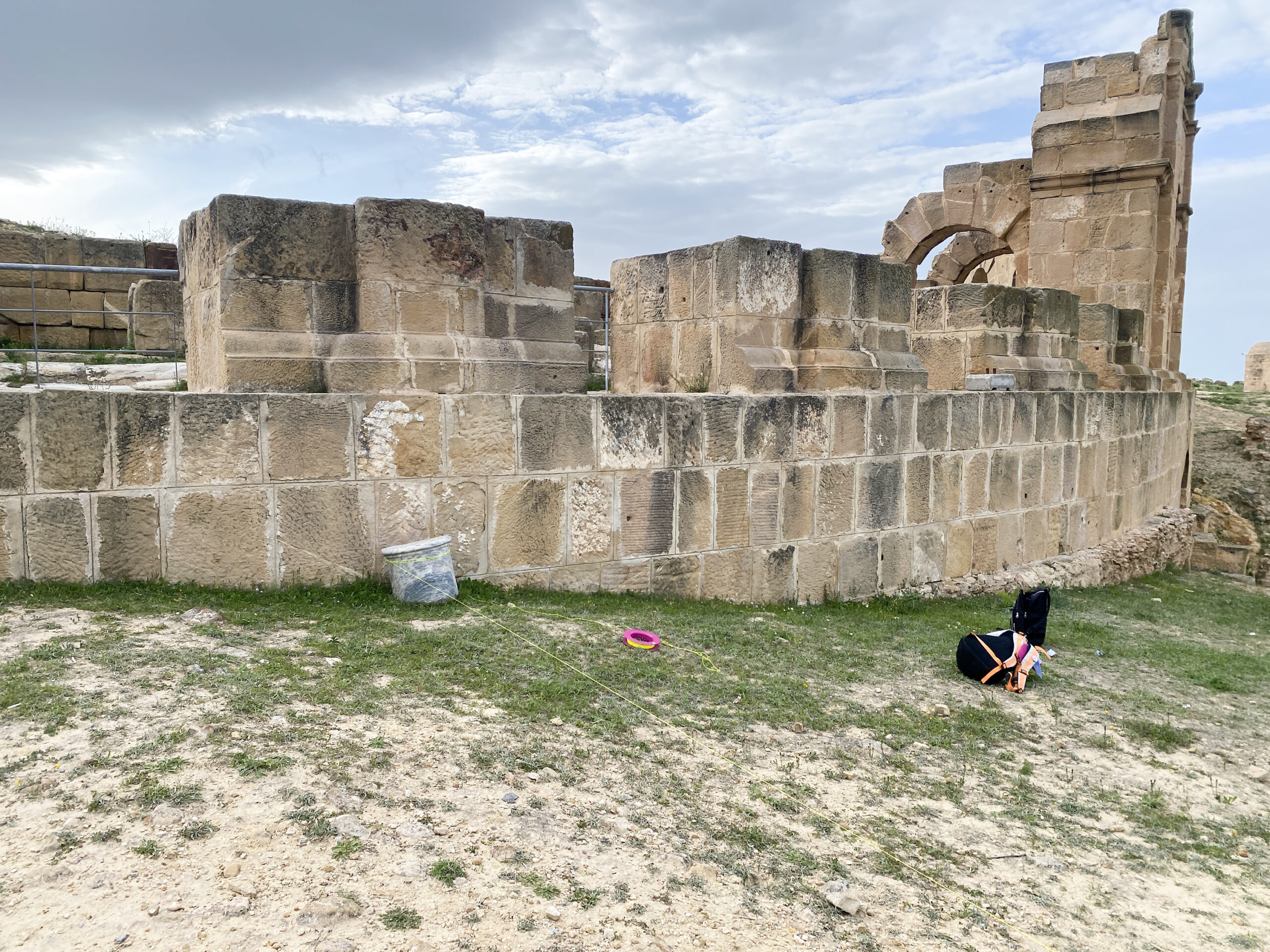
The kite collapsed, but the line was still taut, slicing through gloves and hands. The only solution was to let go – but that risked parting company with our fingers as well. Instead, the benevolent gods clouded our judgement, and we froze, line in hand, as the kite plunged and the camera aimed itself at the rugged walls of a two-thousand-year-old cistern.


We found the rokkaku angry, embarrassed, and mangled – but unscathed. Nearly two hundred metres of line had wrapped itself lovingly around Roman brickwork. The camera, blissfully unaware of the drama we’d all watch unfold in slow-motion, kept snapping photos, safe, in divine hands.

Or a divine sense of humour.
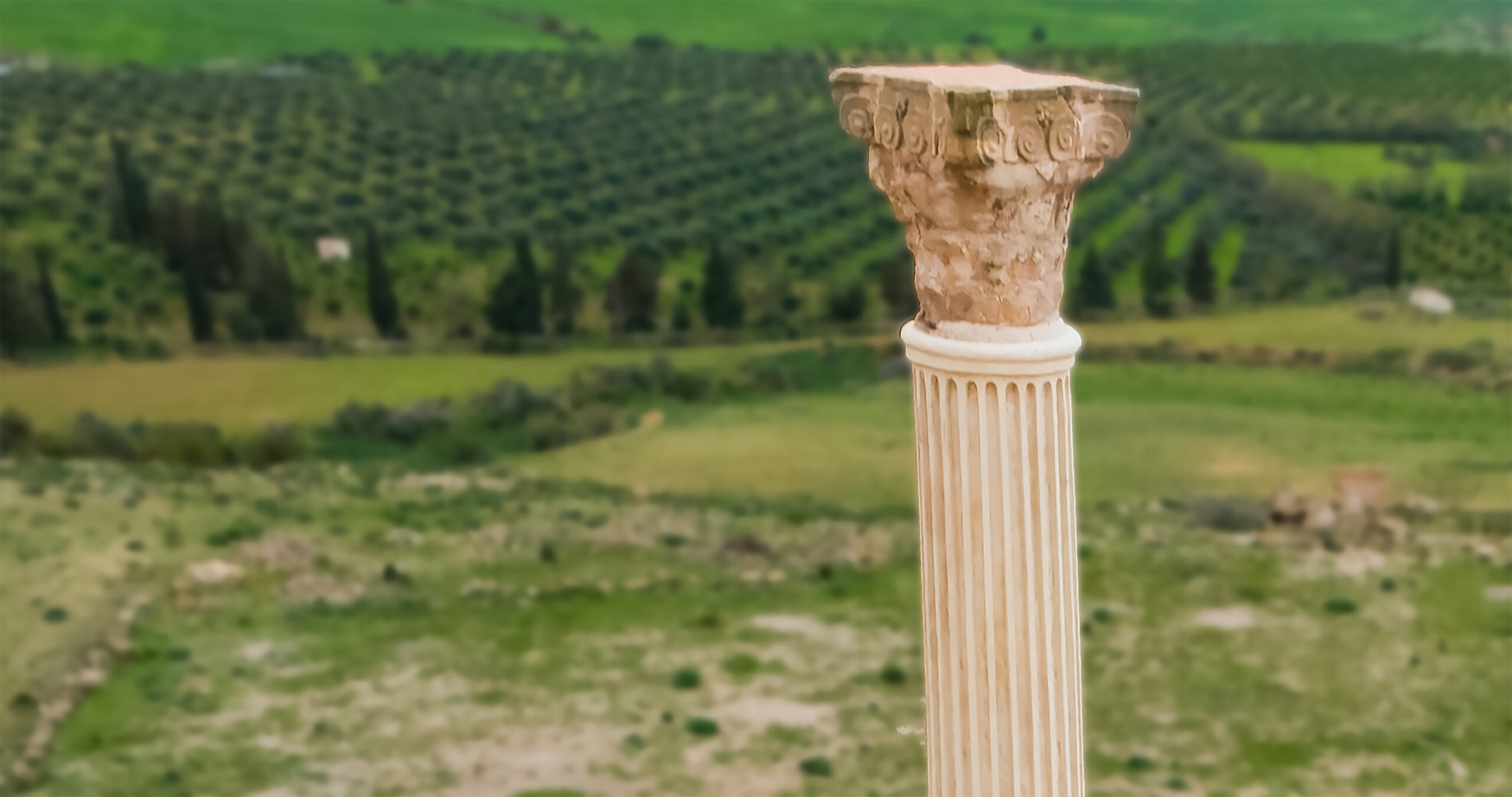
Uff, that was close. Let’s do it again!
– Saša the Irresponsible
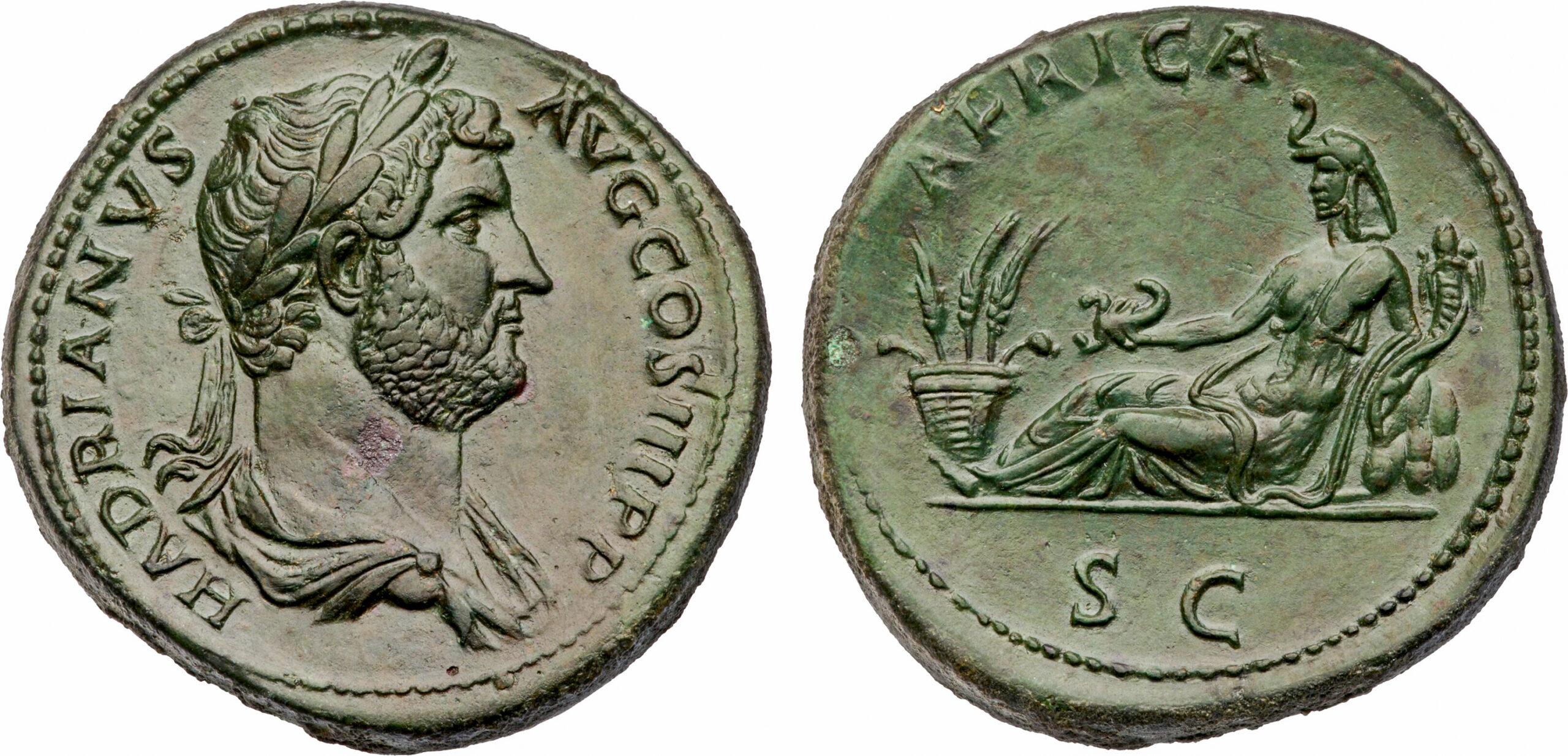
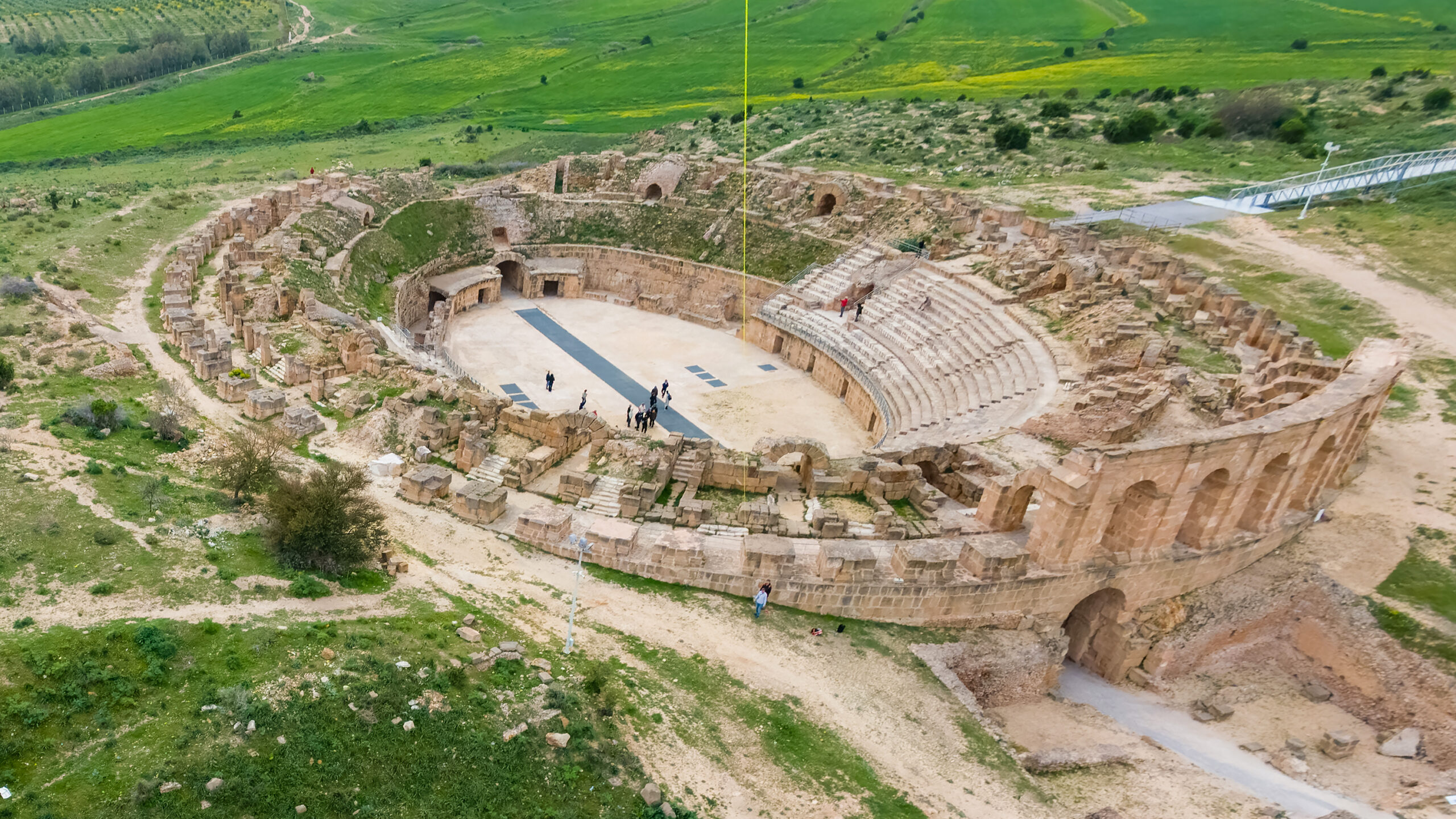
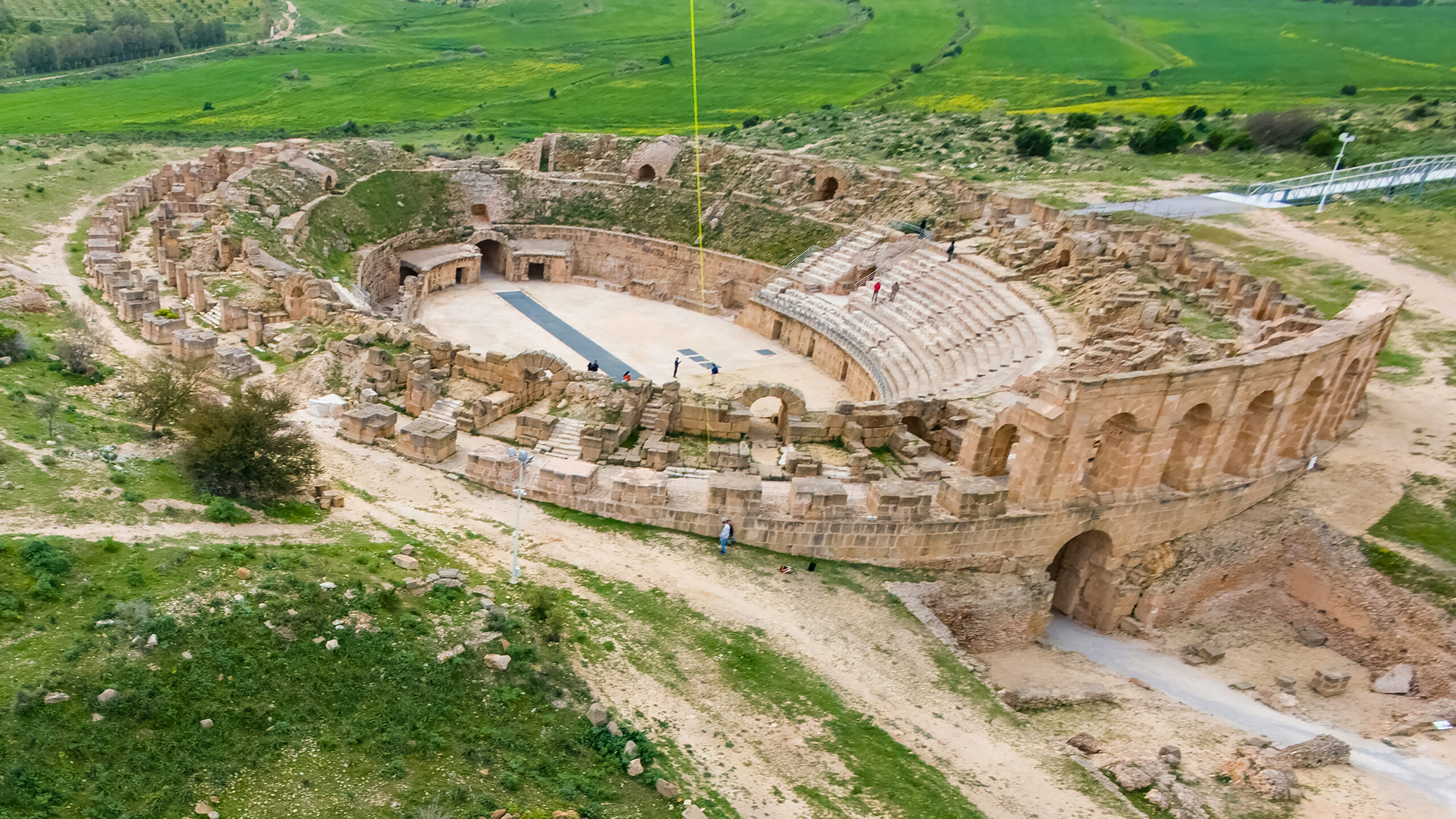
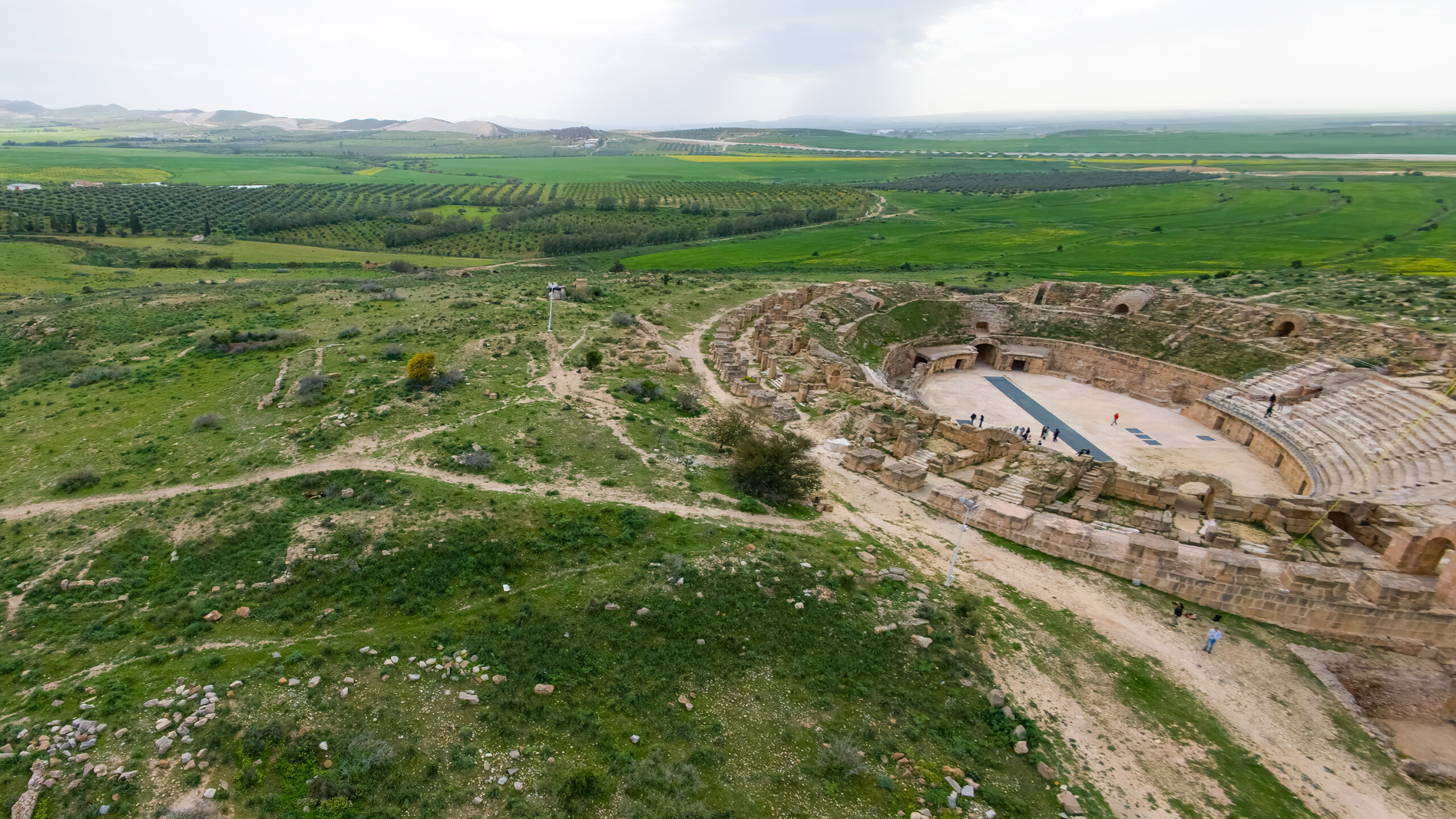
Hadrian – Imperator Caesar Traianus Hadrianus Augustus – likely visited Uthina during his extensive travels. Perhaps he enjoyed the baths, possibly in the company of his Bithynian lover Antinous, and later bequeathed 350,000 sestertii towards building (or enlarging) the amphitheatre. Not a staggering imperial gift – a lawyer might expect 4,000 just to show up in court – but perhaps African prices were kinder then.
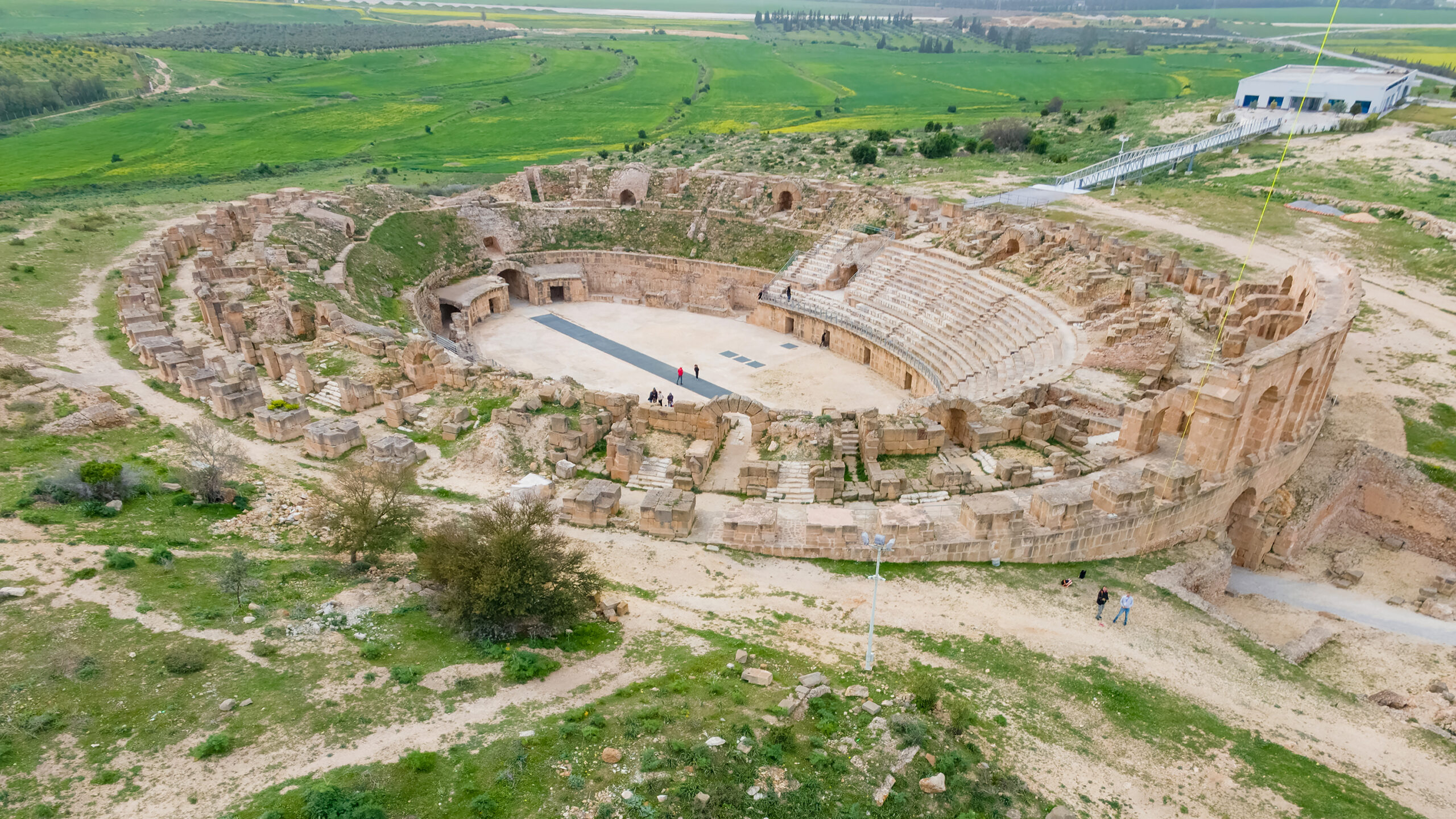
In any case, Uthina’s amphitheatre became one of the largest in Africa: a 120-metre by 90-metre ellipse, seating 16,000 spectators. The arena itself, 60 by 35 metres, offered ample space for spectacles both marvellous and grim.
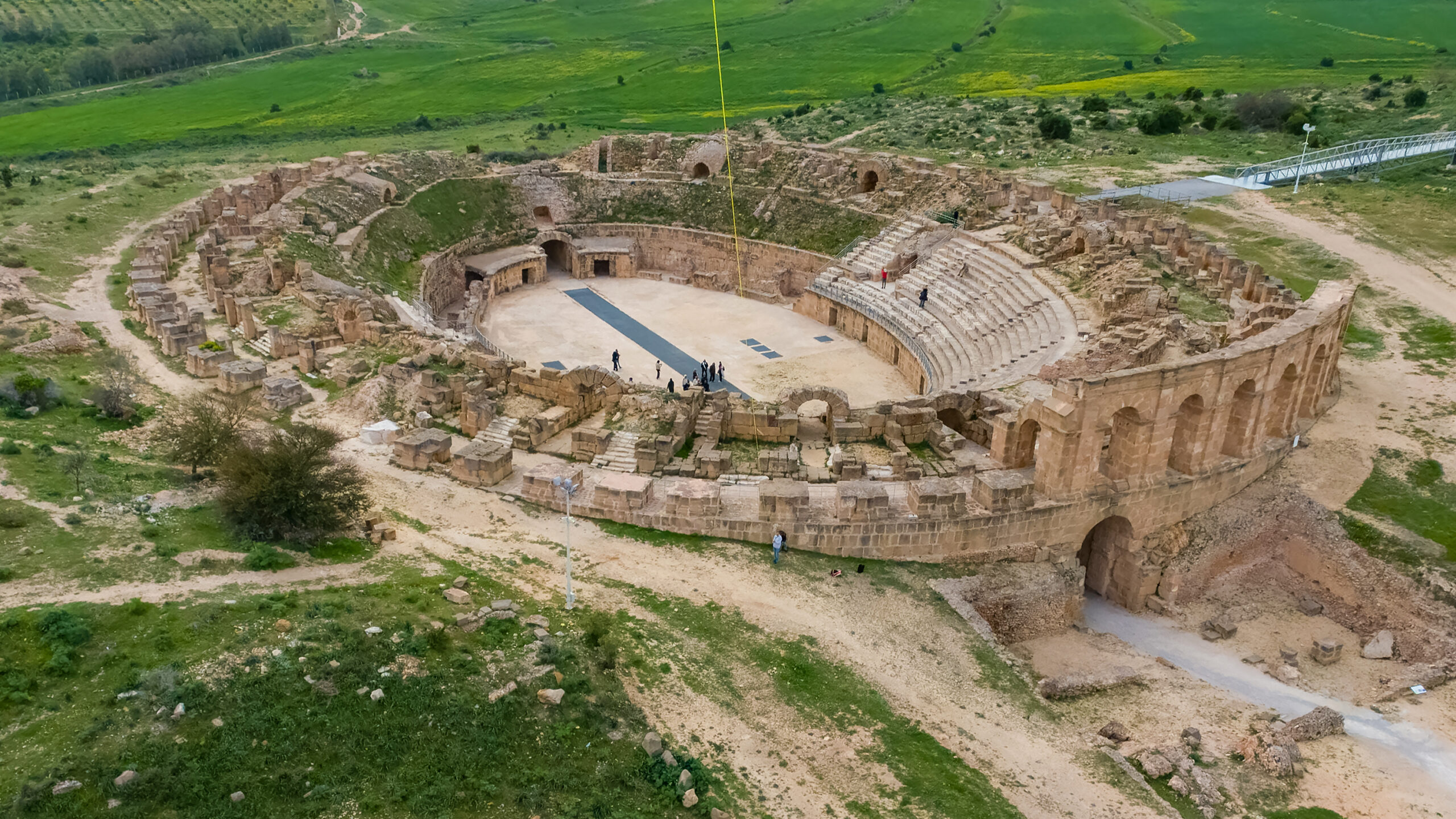
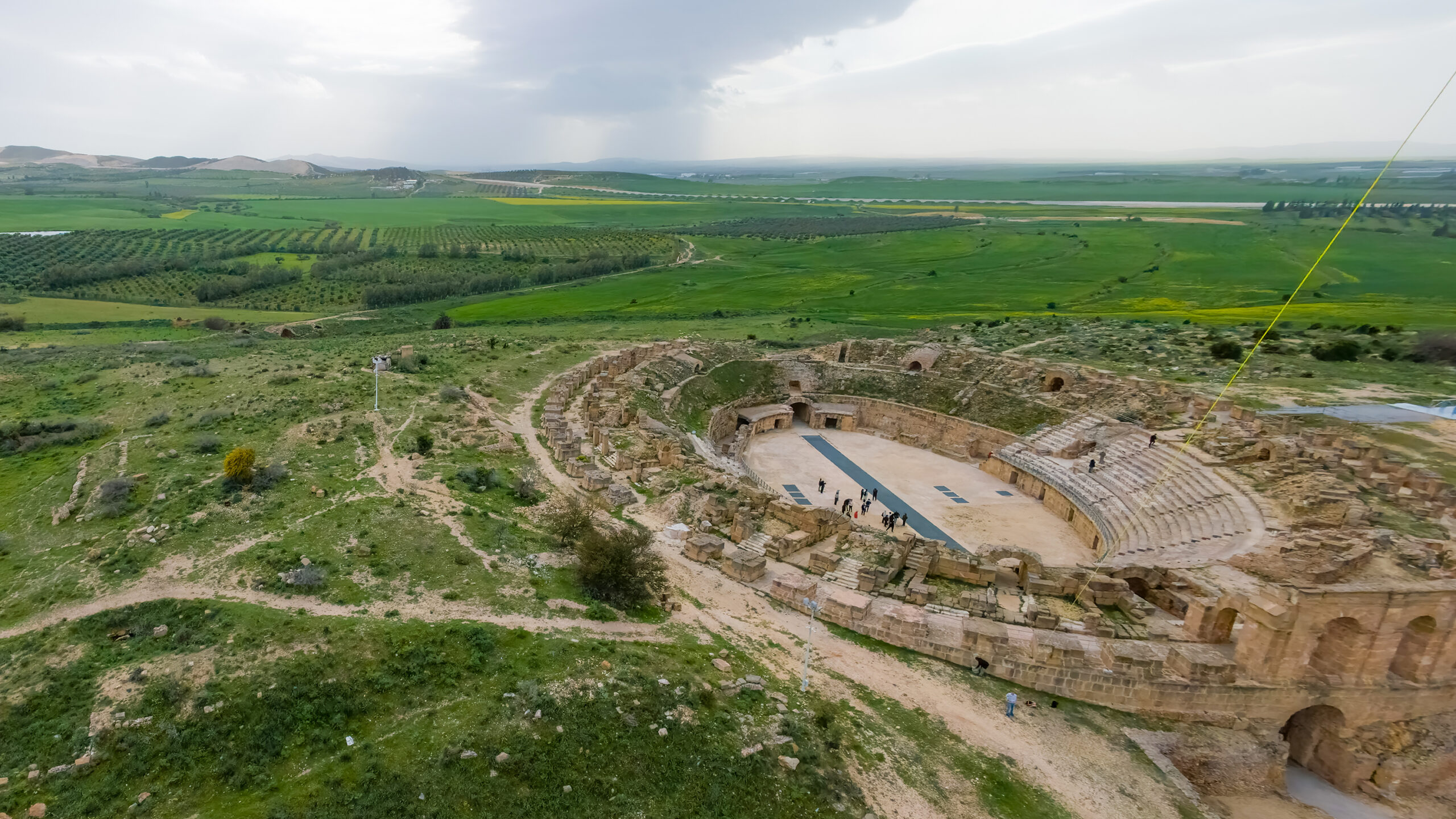
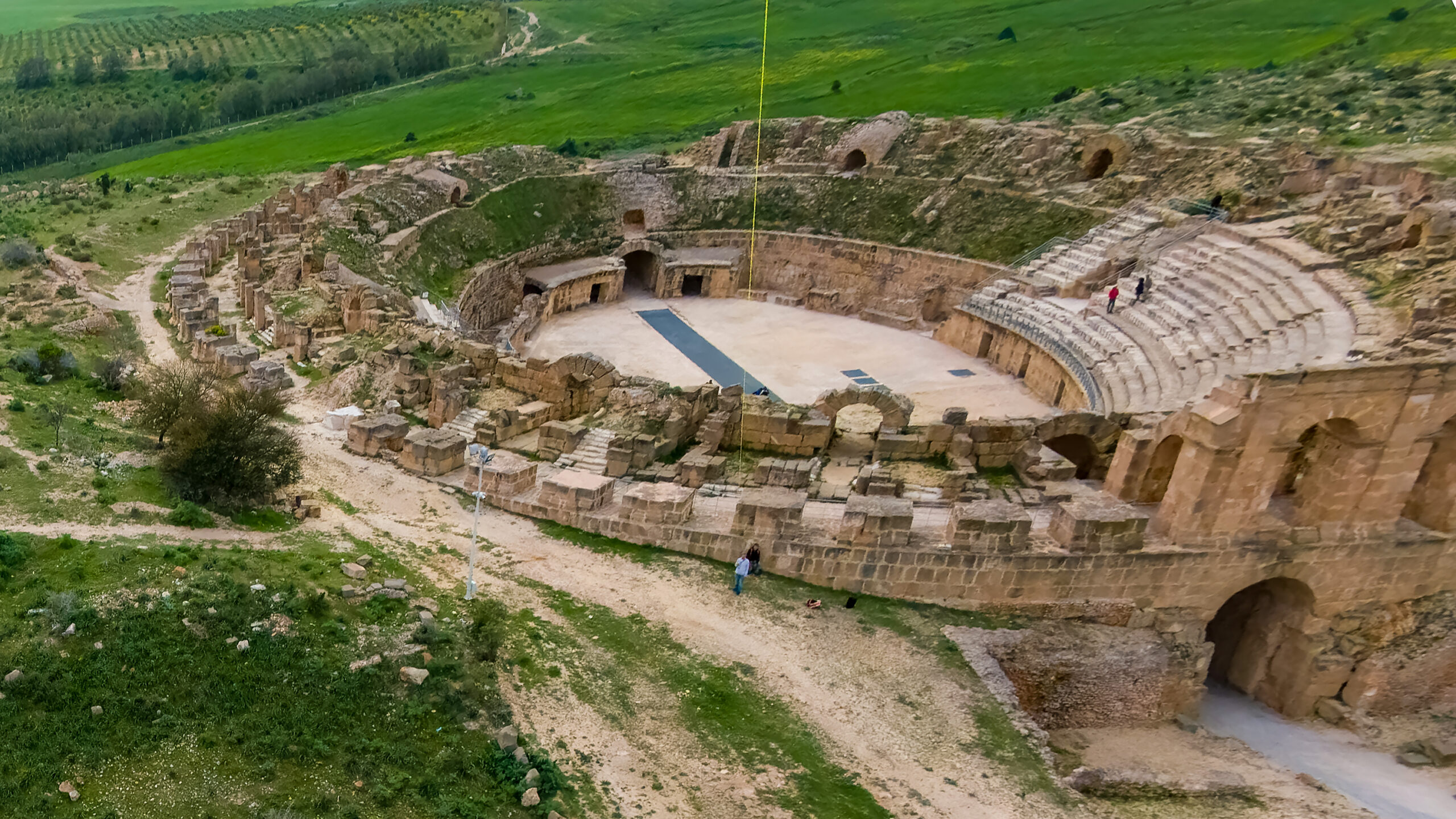
Perhaps Hadrian had Uthina in mind when, on his deathbed, he composed his famous poem, Animula Vagula Blandula:
My charming little wandering soul,
my body’s companion and guest –
where will you now dwell?
Pale, stiff, and wholly naked,
you’ve run out of jokes to tell!
Marguerite Yourcenar – inspired by her lover, Grace? – transliterated the poem even better, but in French:
Petite âme errante, accueillante
visiteuse, compagne du corps,
au pays pour lequel tu pars,
toute transie, livide et nue,
reprendras-tu tes anciens jeux?
The wind still raged, and the poor Beta – patched up, but only just – again veered sideways into a brooding sky. Another dreadful KAP session: tense, nerve-wracking, and brutal on the hands. But how often does one tie a kite line to a piece of Roman masonry? Vitruvius himself would be proud, and we could see how an amused and magnanimous Emperor Hadrian throws us a bag of glittering aureii.
Well, he did spend millions on Uthina!
Few KAP sessions can rival these two. Standing among the magnificent ruins of a magnificent city of a magnificent, long-gone -yet oddly present – empire. Flying a kite on sacred ground, in a beautiful country, on another continent. Beseeching the gods and goddesses who still keep watch over this place. Witnessing a kite crash in the best of company: a company of friends.
Unforgettable.
Thank you, Oudna.
Thank you, Tunisia.
Kite aerial photos shot with Insta360 ACE on MASAG β rokkaku.
Hi Sasa, I really enjoyed your article on the kite festival—it was beautifully written and very engaging. You captured both the atmosphere and the history so well, it felt like being there. Great job!
Thank you, Uttej!
Hello 👋
Yes kap jasa that’s was a really wonderful time kite festival in Tunisia 🇹🇳 one Tunisia kite teams
Mme Amel Amira and all teams .
Up to now am still in Tunisia mood can’t forget all this good time together
Best of Best kite festival.
Dodo kite Association
Mauritius 🇲🇺
dodokite.assos@gmail.com
Dario