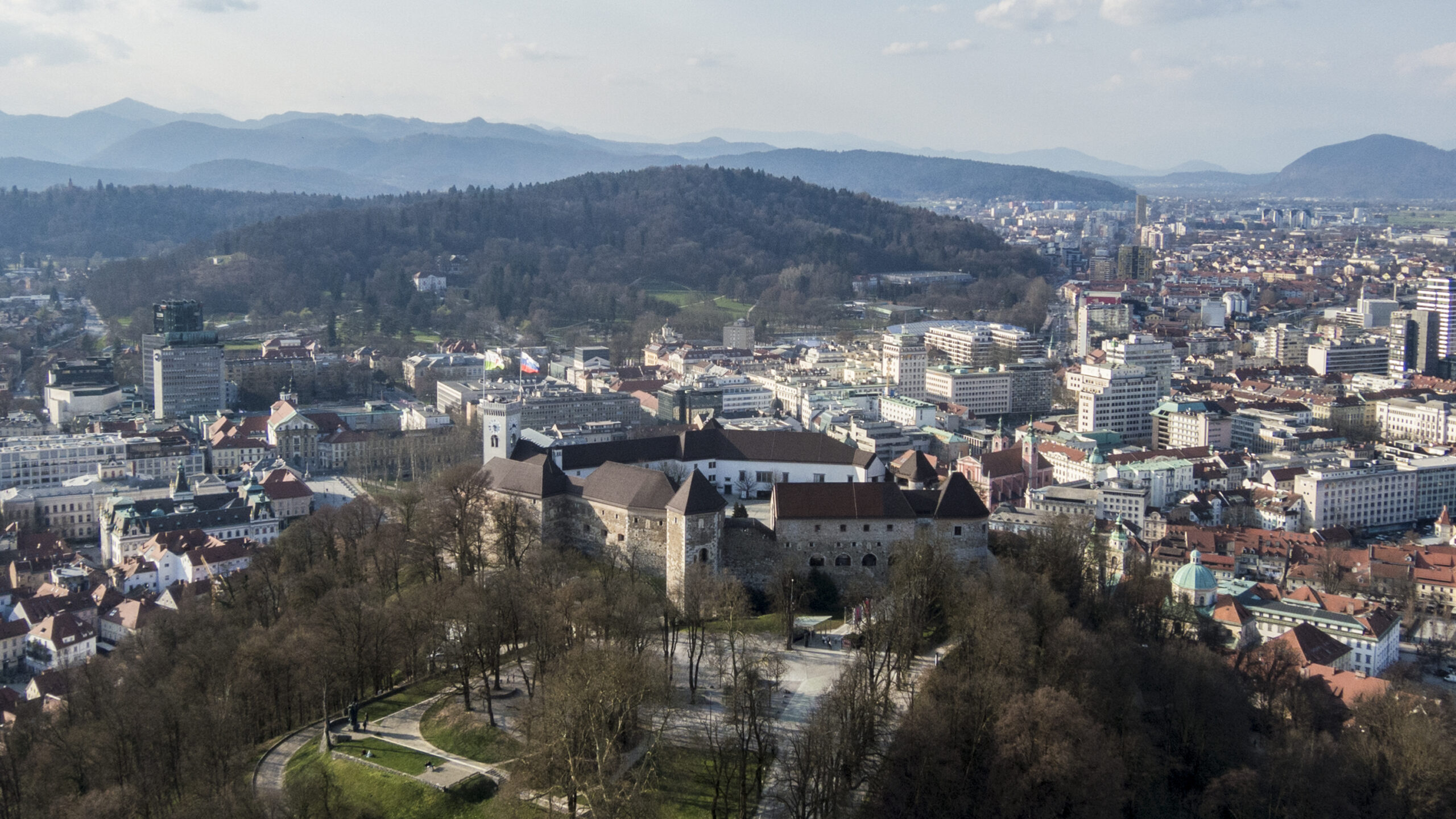
This is from Nomina Defunctorum, the Book of the Dead Benefactors who donated property to the Chapter of Aquileia (now in the Diocesan Archive of Udine):
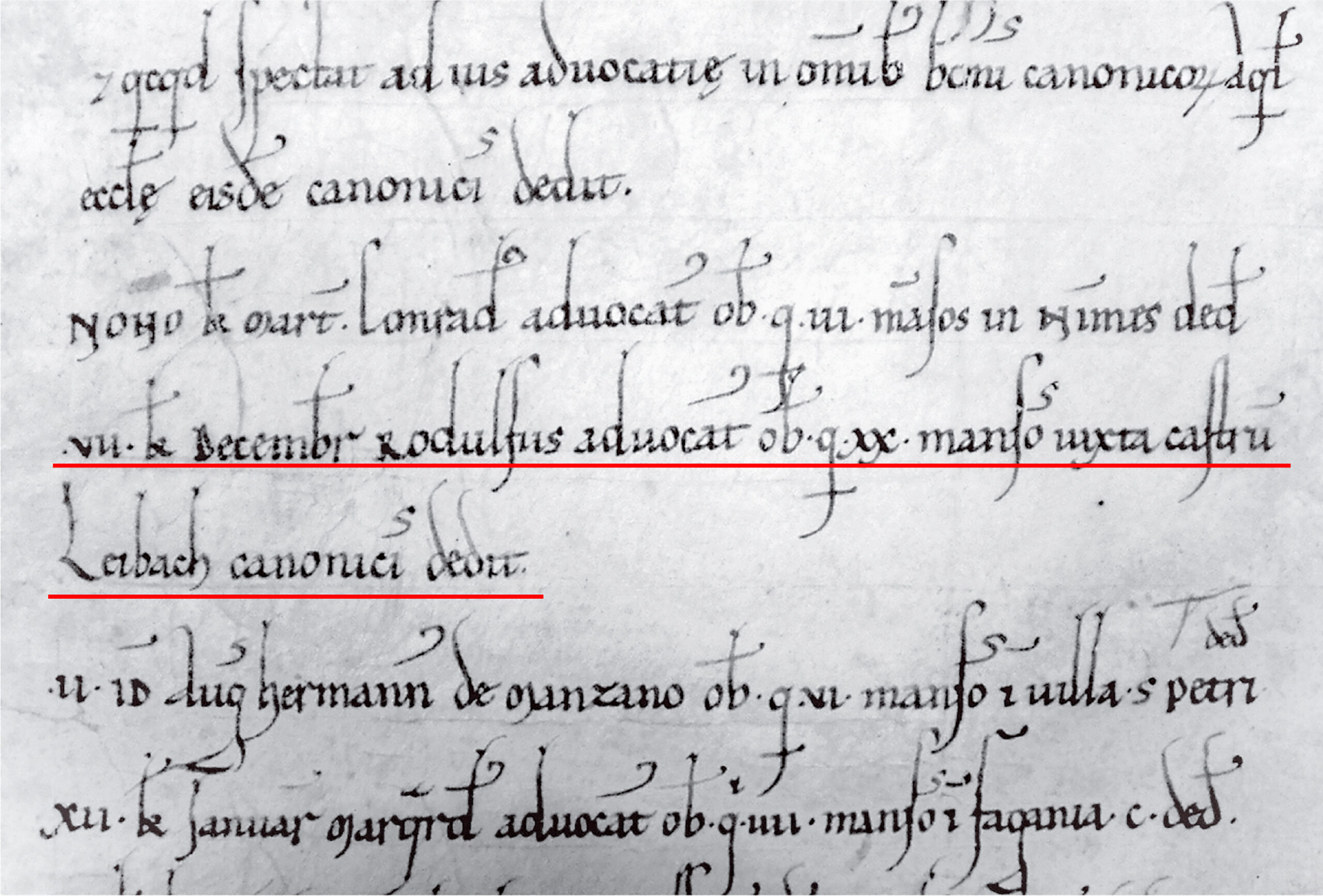
Nomina defunctorum is a simple list of the dates on which this or that benefactor died (so their souls could be duly prayed for on the correct day), and what they donated (so the canons would know just how vigorously to pray). The underscored lines 26 and 27 of the first column read:
VII. k(alendis) Decembr(is) Rodulfus advocat(us) ob(iit), q(ui) XX mansios iuxta castru(m) Leibach canonicis dedit.
On 25 November Rudolph the Advocate died, who donated twenty homesteads beneath Ljubljana Castle to the canons of the Chapter of Aquileia (and yes, 25 November is not a typo; the medievals counted backwards from the Kalends, Nones, etc. – VII kalendis is therefore seven days before the Kalends, the first day of the month, hence 25 November).
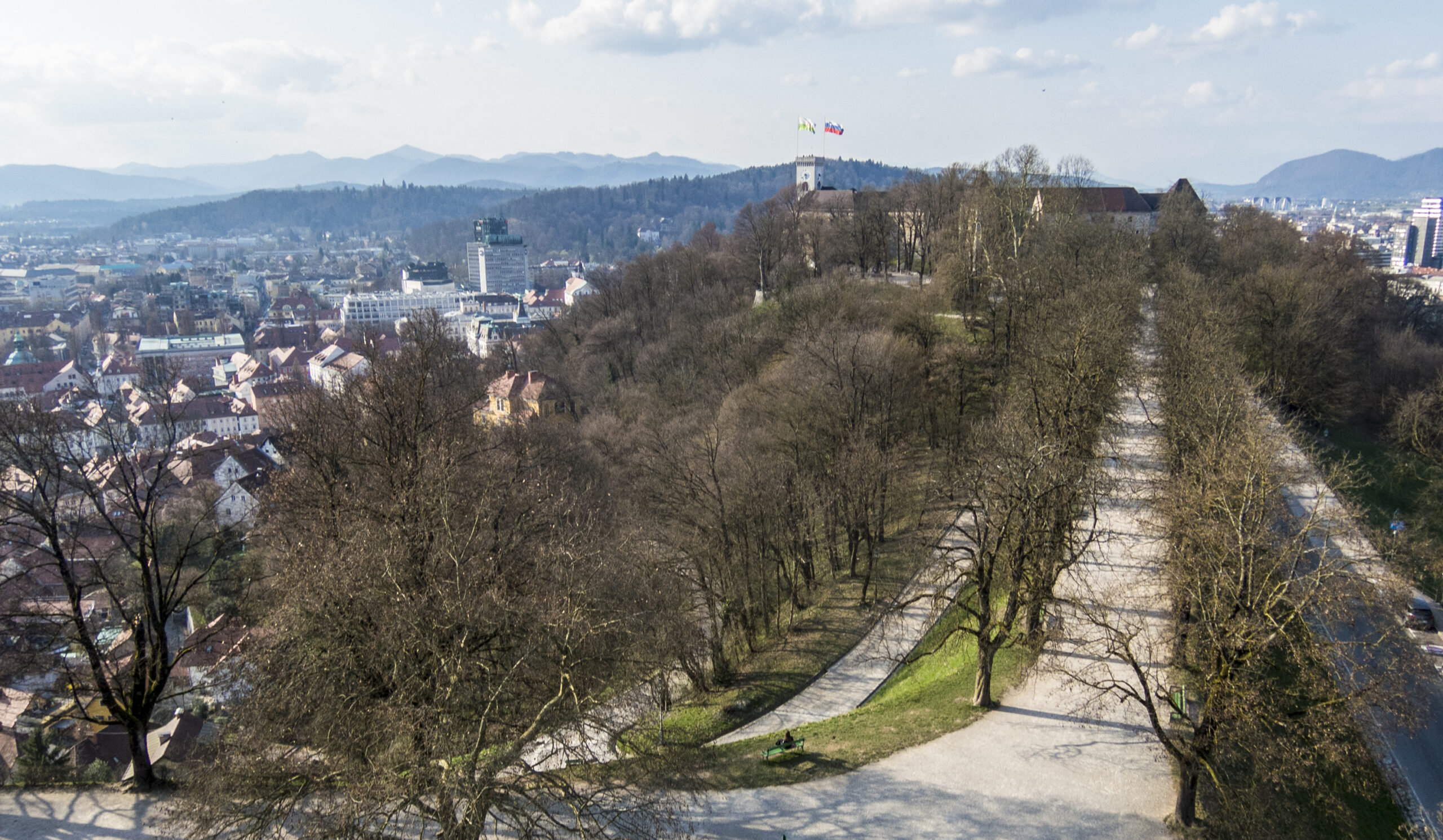
The list on the parchment most probably dates to 1161, and this donation of farms happened – again, most probably – sometime between 1112 and 1125. Say, in 1120. It is, incidentally, the earliest known reference to Castrum Leibach – the Castle of Ljubljana.
As a prominence jutting out of a vast plain and forming the southern frame of the Ljubljana Gate – a strategic spot where the roads from the North, East, and South converge before heading to the Mediterranean – Castle Hill attracted attention throughout history: from the Stone and Iron Ages to the Celts and the Romans, the Visigoths and the Lombards, the Slavs and the Germans. Traces of human presence – dwellings, fortifications, even possible temples – span thousands of years.
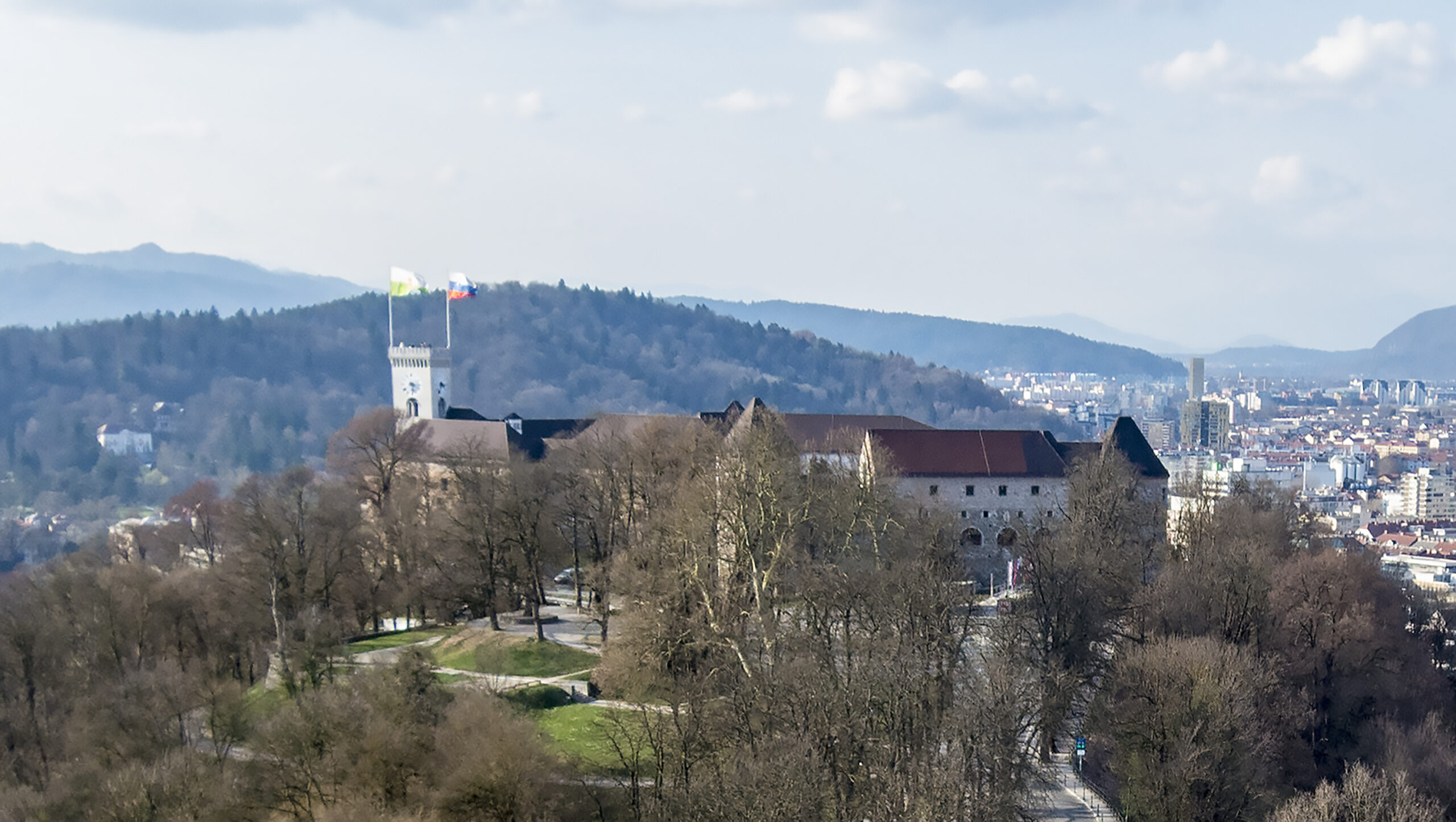
Two curious details still hide behind the clouds of history. Castle Hill and the river beneath it form a natural stronghold, so when the Romans defeated the Celts and Illyrians in the final years of the last century BCE, one might assume they would build a city (a military camp, a vicus, an oppidum) between the hill and the river, where the earlier inhabitants lived and traded. But no – the Romans drew their typical rectangle across the river, right on top of the city of the dead.
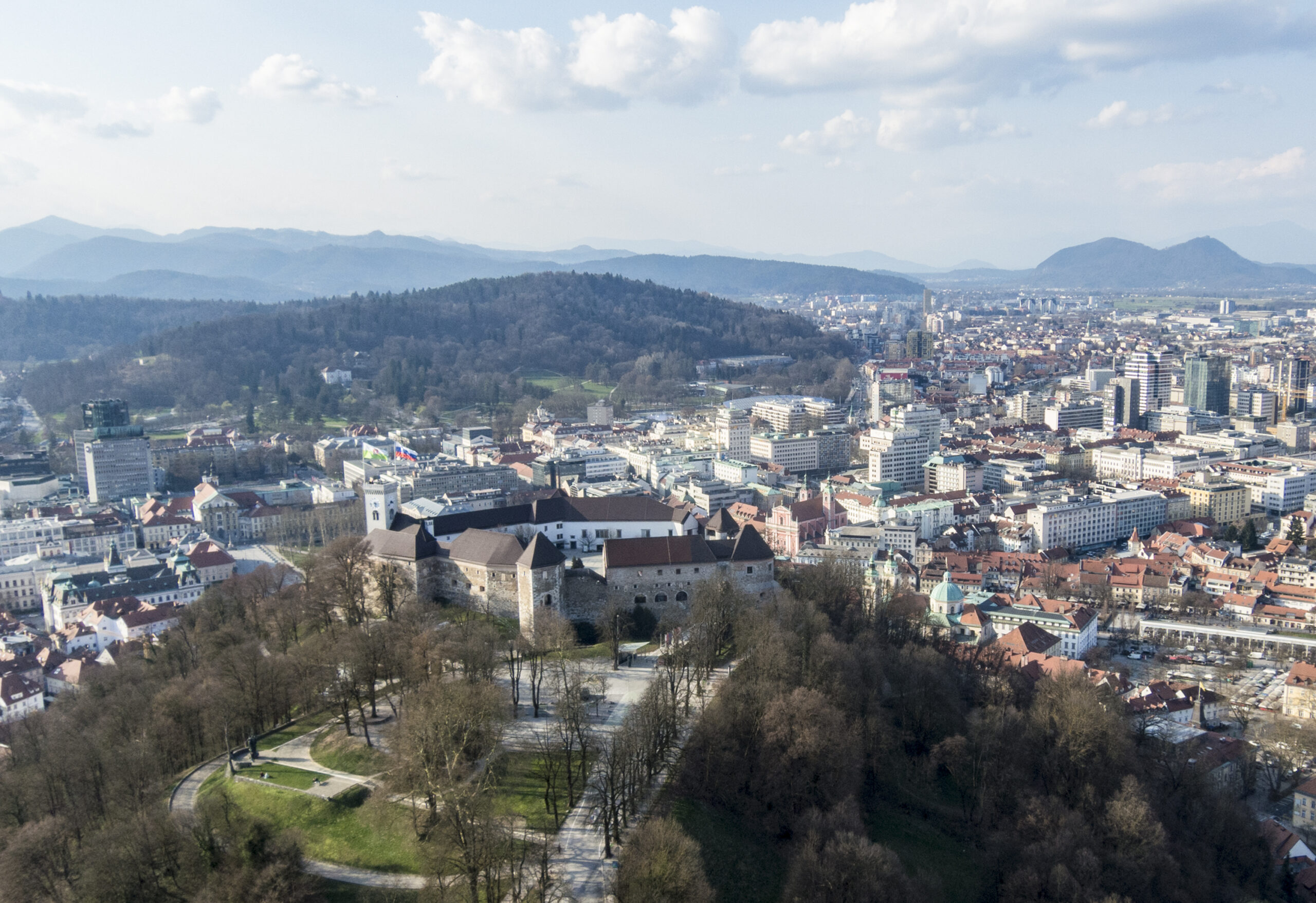
The Ljubljanica, emerging from the terrible Marshes, was a liminal divide for Iron Age people. The town under the hill was the place of the living; on the opposite bank lay the cemetery, the city of the dead. To die meant to cross into another realm, and the Ljubljanica, the local Styx, was the border.
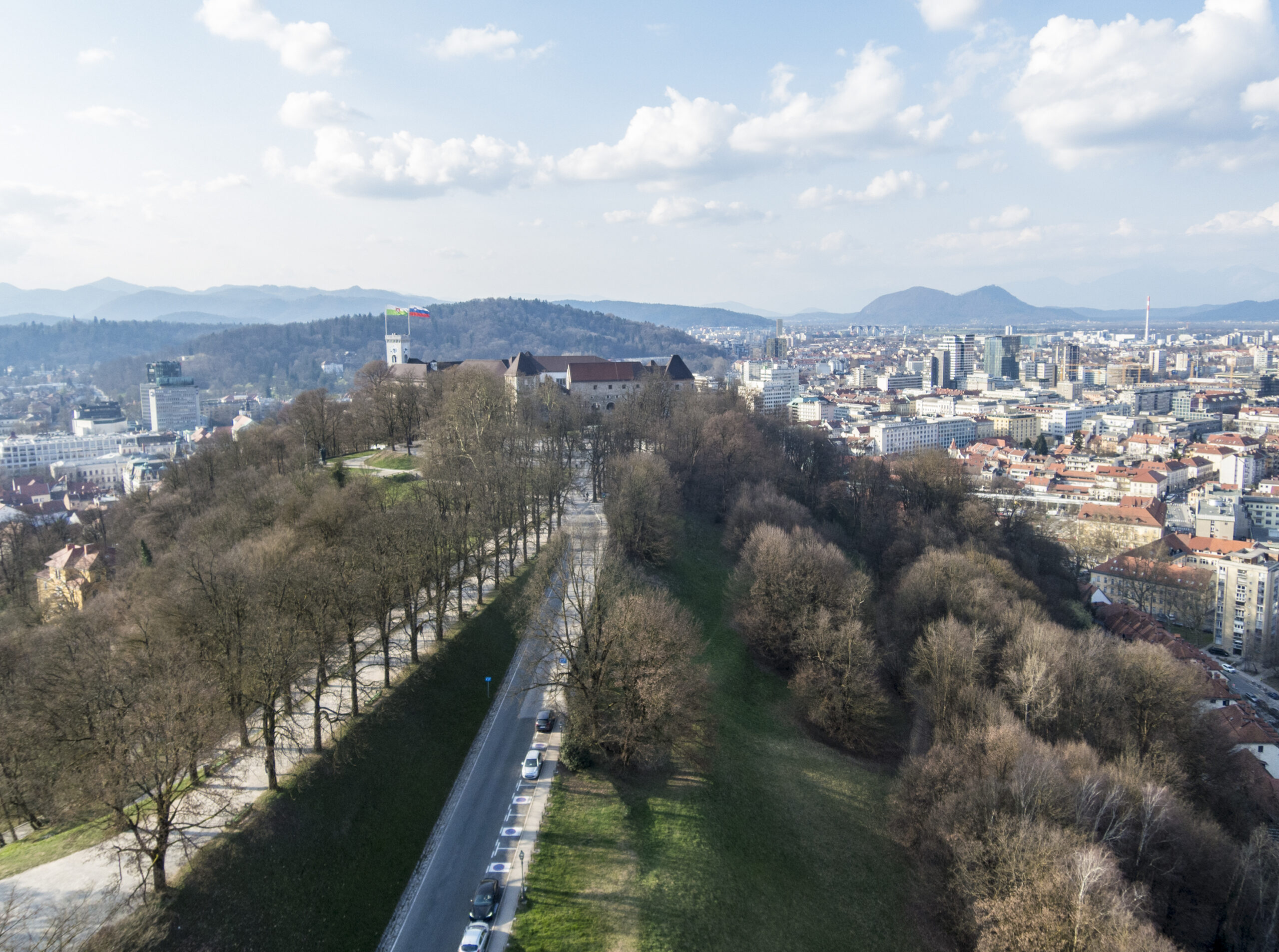
But the Romans, in their imperial wisdom, built a rectangular walled city right there, on the left bank of the Ljubljanica. Why? Who knows. Perhaps the space between hill and river felt too constrained; perhaps they saw the bigger strategic picture – the eastern road ran north of the river, and the northern frame of the Ljubljana Gate (Rožnik and Šiška Hill) seemed to matter more. The skeletons in the ground? Vae victis!
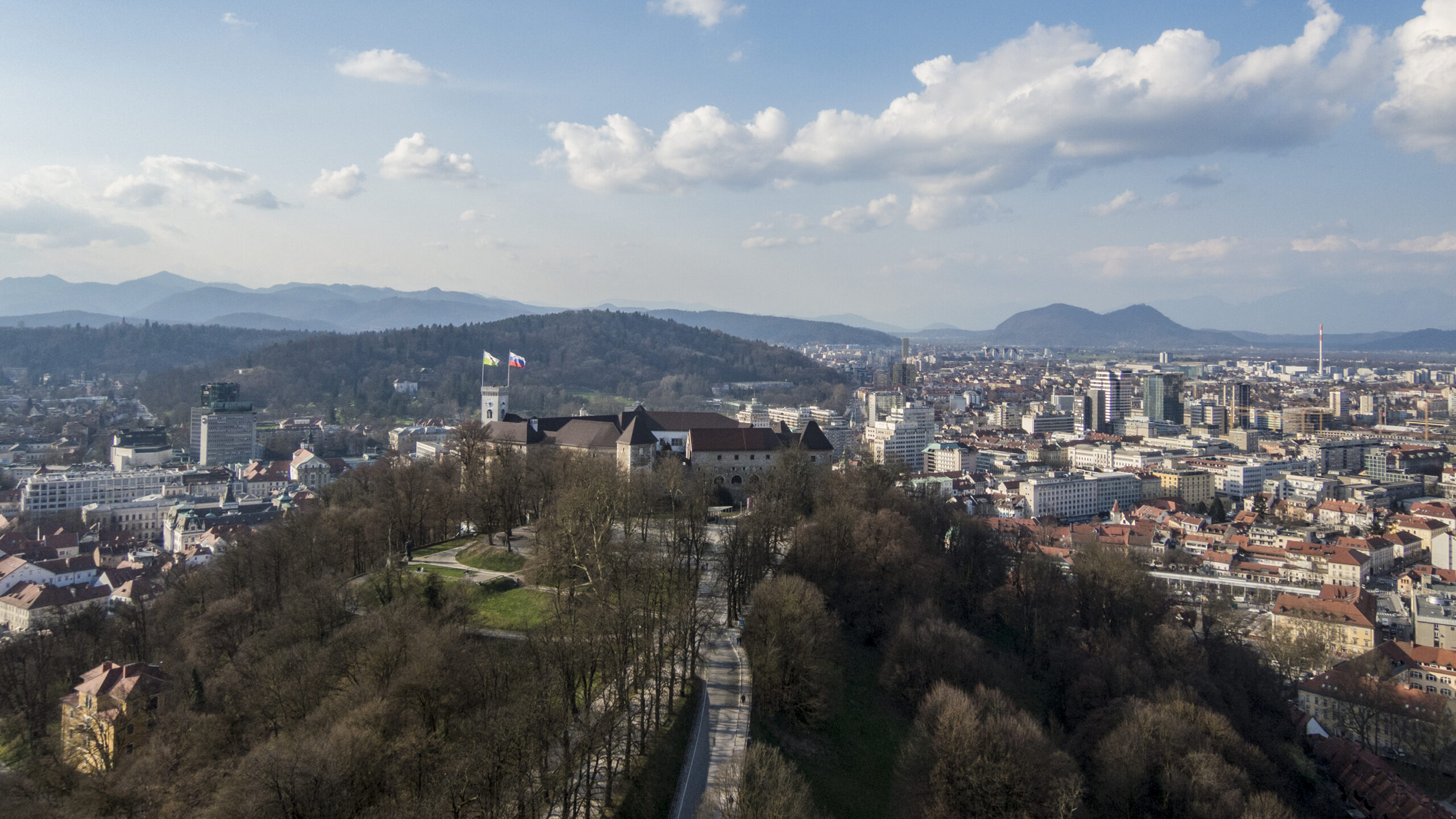
Colonia Claudia Iulia Aemona flourished from 14 CE until at least the third century. The tumultuous last years of the Western Roman Empire were not kind to the city. The Huns destroyed it in 452, though it limped on for a while afterwards. The Lombards, the Avars and Slavs delivered the final blow: the last Bishop of Emona, Johannes, fled with many inhabitants to Istria, to Novigrad – Cittanova.
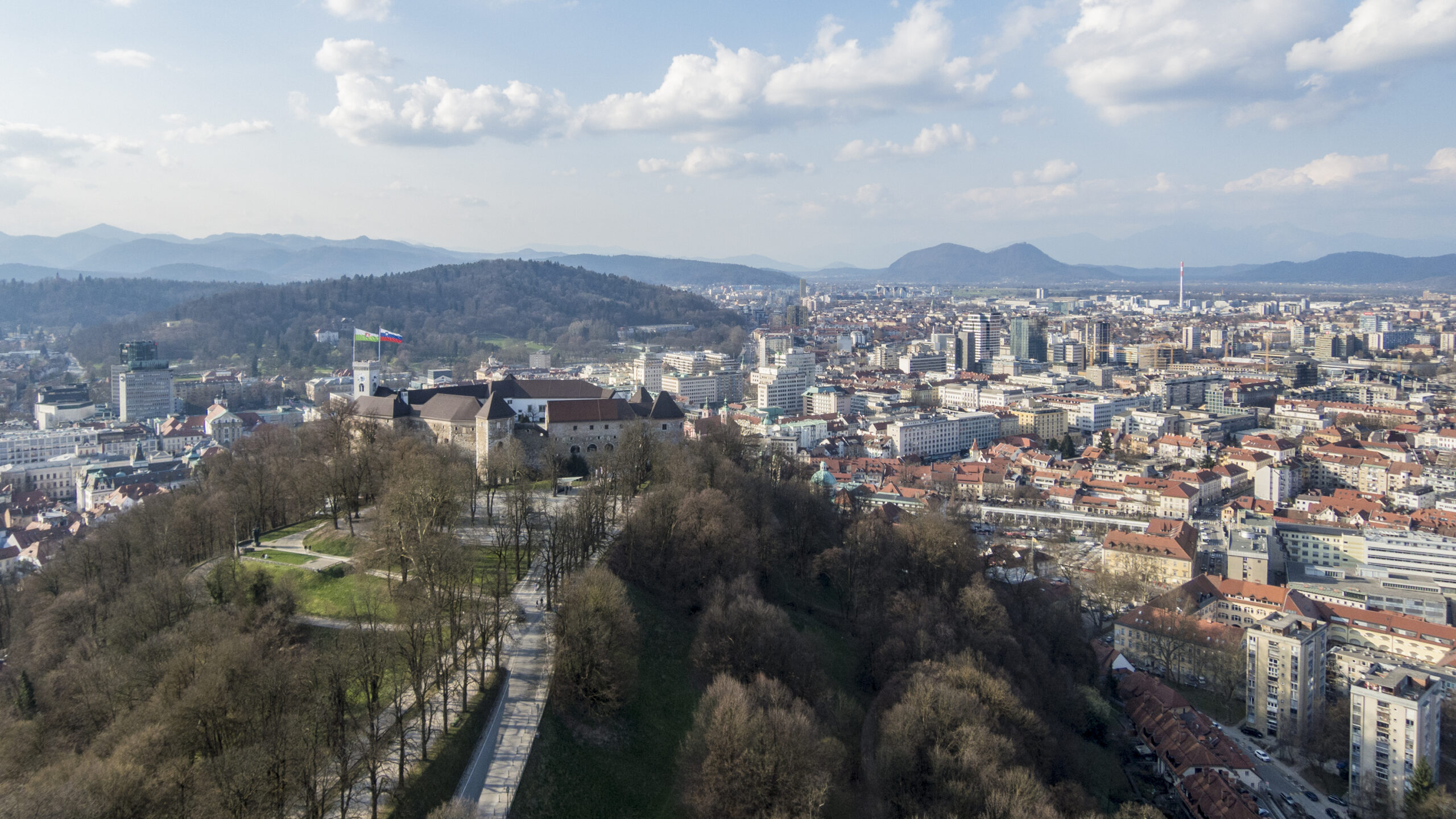
And here we come to another curious detail. Emona was a substantial and quite important city on a very important road from the East to the heart of the Empire. Emperors were welcomed here, bishops congregated, traders traded. Such towns and cities, especially those in strategically important places, usually retained their Roman names and carried them (corrupted and twisted) through the Dark Ages into modern times. Londinium became London. Colonia Claudia Ara Agrippinensium – Köln, Cologne. Vindobona – Wien, Vienna. Narbo Martius – Narbonne. Mediolanum – Milano. Celeia – Celje.
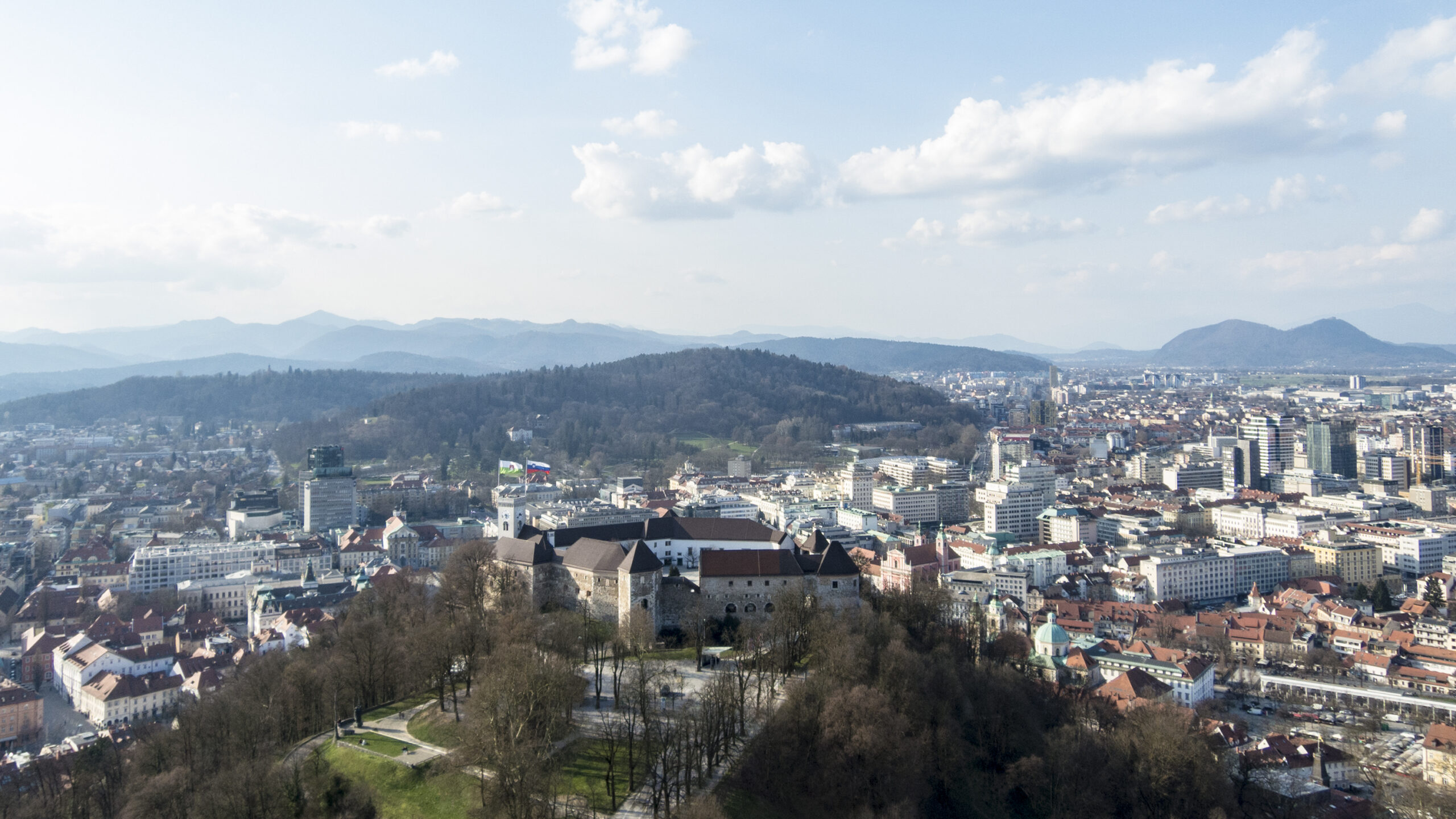
But Colonia Iulia Aemona, our Emona, became… Ljubljana. Or, more precisely, it did not – because there is absolutely no etymological connection between Emona and Ljubljana. Nor is there much physical continuity. During the later stages of the Völkerwanderung, people – Visigoths, Lombards, Avars – kept well clear of Emona’s ruins. Bad vibes, perhaps; only the Slavs eventually settled here permanently. The crumbling Roman walls and buildings still stood (a convenient quarry), yet the Early Medieval folk retreated under the safer embrace of Castle Hill.
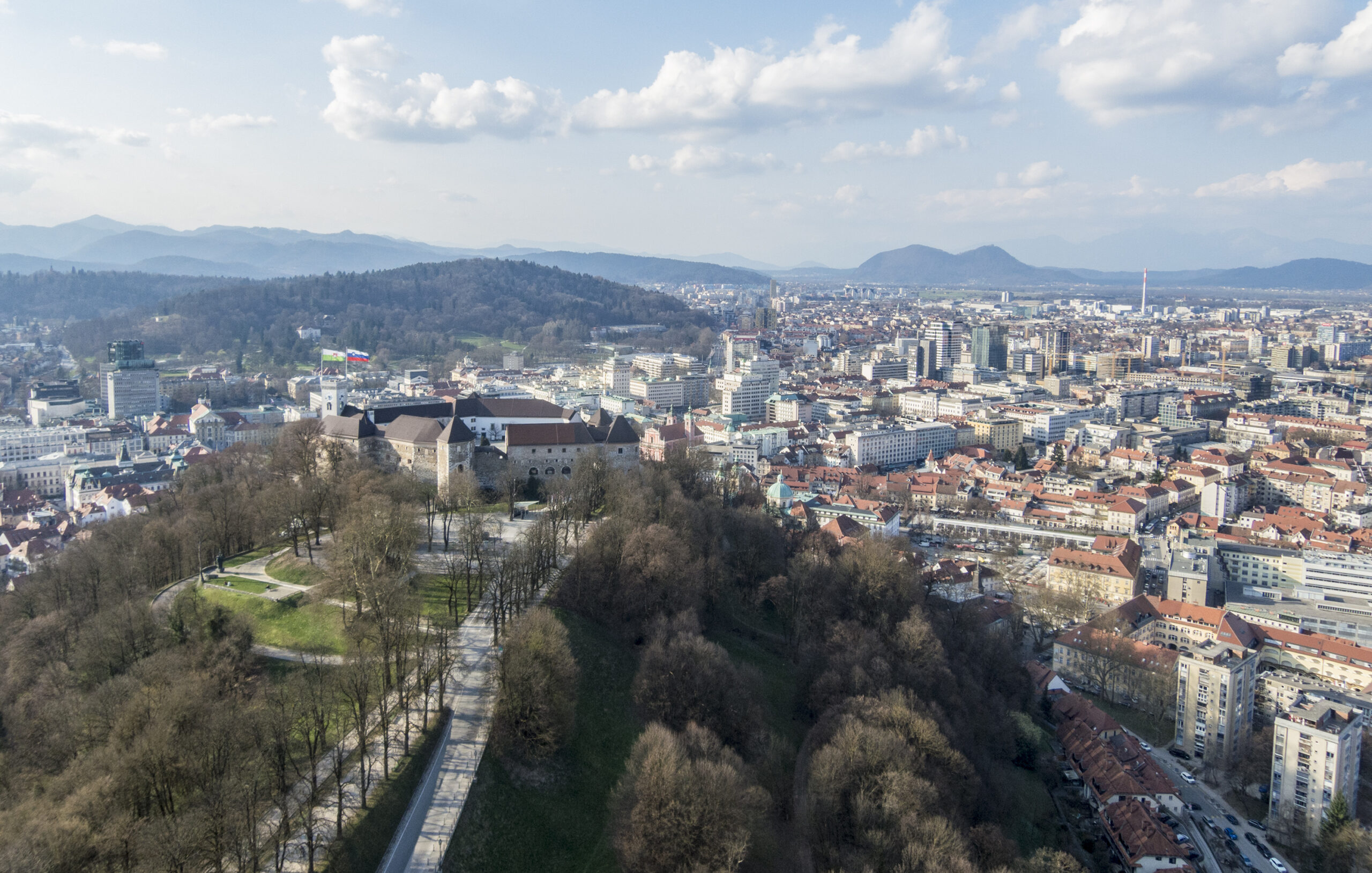
The last echo of Emona we can hear is from the eighth century, found in the Ravennatis Anonymi Cosmographia. The anonymous author used a curious name for the city: Atamine – a corrupted form of Ad Emonam. Emona thus almost made it into the Middle Ages: the ‘-ona’ ending often changes to ‘-in’ when place names are Slavicised (Salona becomes Solin, Aenona – Nin, Gemona – Humin, Flanona – Plomin, etc.), so the anonym of Ravenna probably received his Atamin through a Slavic intermediary … but alas, it was not to be. Atamin flickered briefly and vanished, and Ljubljana – a town by the Ljubija river, named after some Slavic strongman Ljubo – was born.
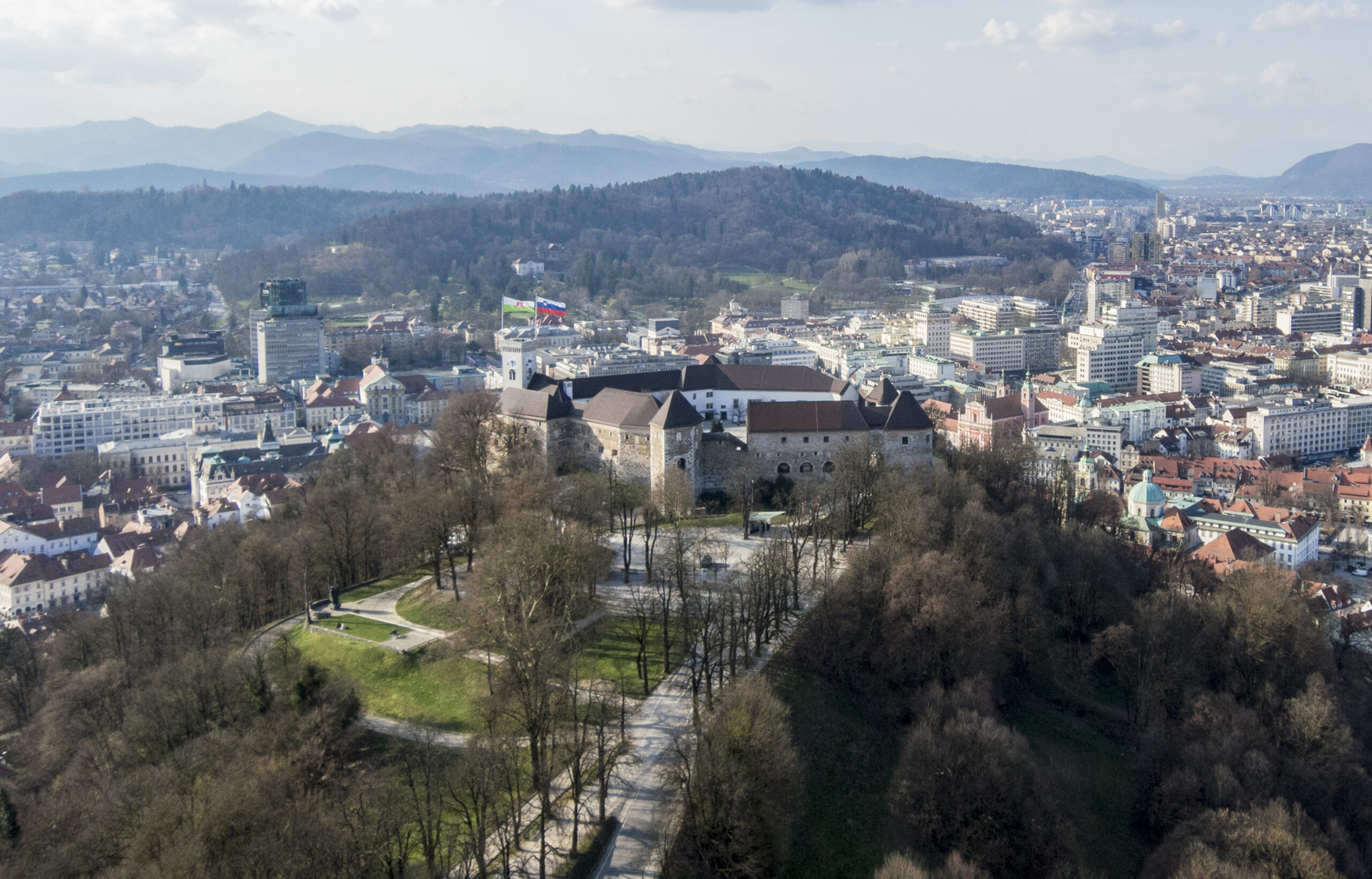
Still, it would have been rather nice if we had preserved the old (pre-Roman) name Emona and twisted it into Min (as Nin evolved from Aenona) – or, following the Ravennian, Atamin.
Flying a kite on Castle Hill is, well, vibrant and dynamic… There are few clear spaces to launch a kite, and many natural and human-made obstacles. The hill itself creates all sorts of turbulence: a giant rolling current right above it, and lee waves drifting downwind that simply love to toy with a kite. A valiant kite flyer thus swings between two noble fears: the kite plunging straight down into the hungry kite-eating trees, or overflying majestically and crashing into the giant antenna behind.
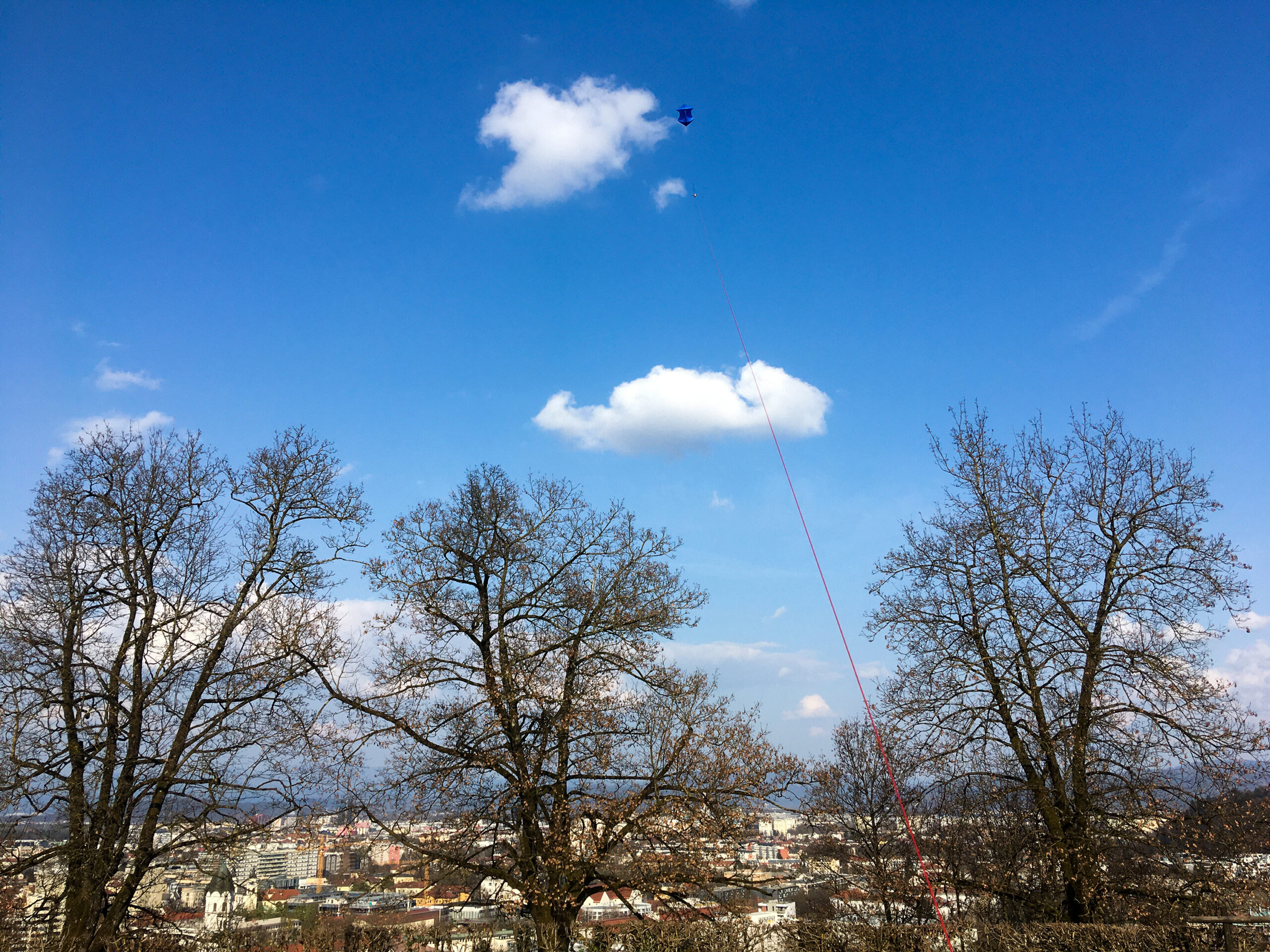
And as you can see from the taut line and the mangled Rokkaku, the wind was a bit too strong for this type of kite – and the fact that the gloves were left at home did not help. It was up quickly, reaching cruising height in a mere four minutes (not too high, as the prospect of hauling it down again was grim, and helicopters do buzz around). Reeling it back, however, was excruciatingly slow: half an hour and a pair of bloody hands (again) to land the camera and kite safely.
It is the year 1120, squarely in the High Middle Ages, and Rudolph the Lawyer has just donated twenty dwellings beneath Castle Hill to the Chapter of Aquileia. The “castle” itself is little more than a wooden palisade and a ditch.
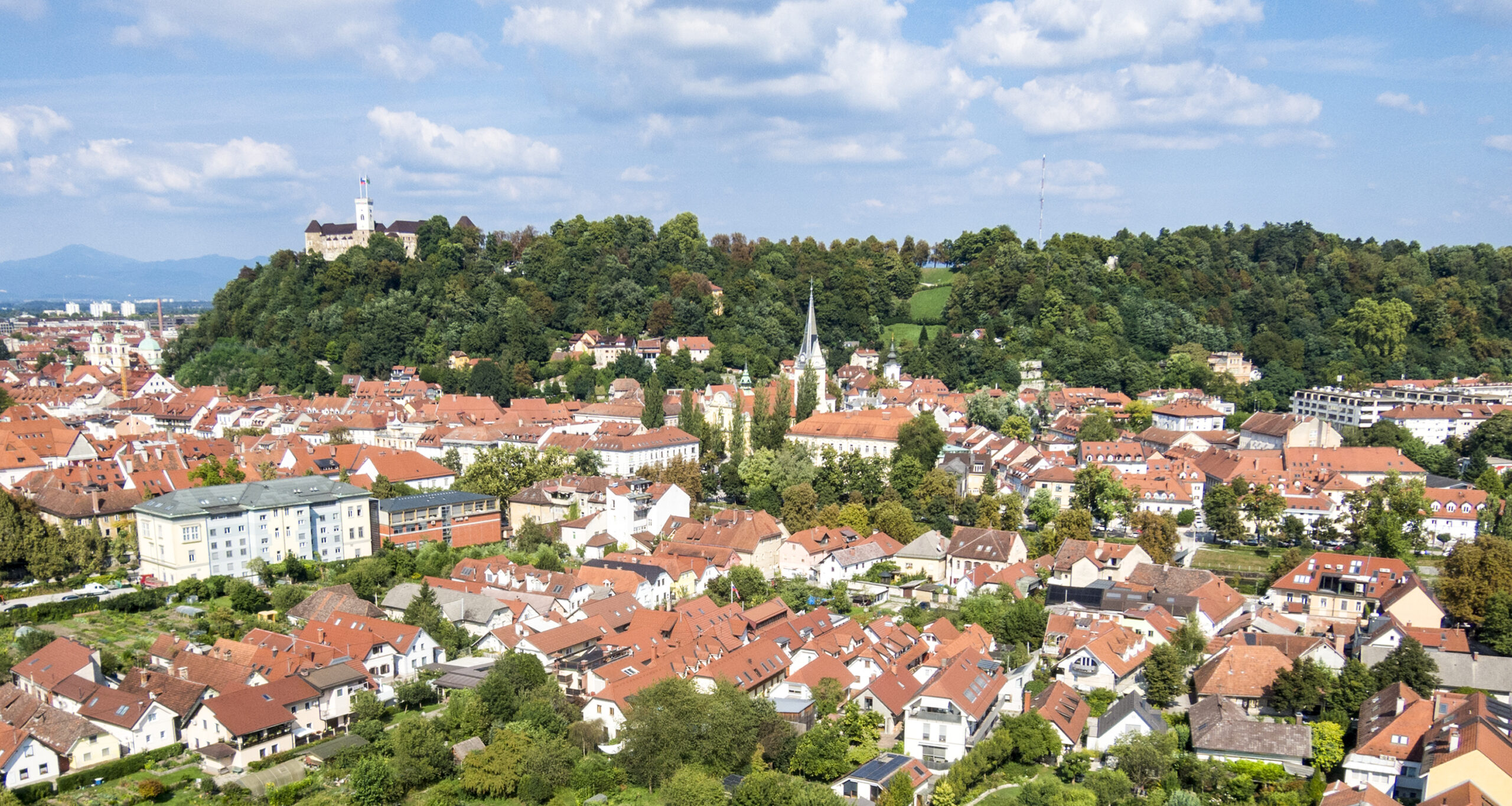
The strange ages are over. The Slavs had settled here in the late sixth century; the struggle with the Carolingians was lost, the Magyars were expelled. The lands of Carniola changed hands repeatedly until, in the first half of the twelfth century, the territory south of the Sava – where Ljubljana developed – became the property of the Carinthian dukes of the rich and powerful House of Sponheim.
A proto-urban settlement of fishermen, tanners, craftsmen, and traders beneath the hill – perhaps two settlements, perhaps one continuous stretch along the bend of the Ljubljanica – prospered and grew. Stari trg, the Old Market, had its trading rights confirmed around 1200, and Ljubljana gained town privileges sometime between 1220 and 1243.
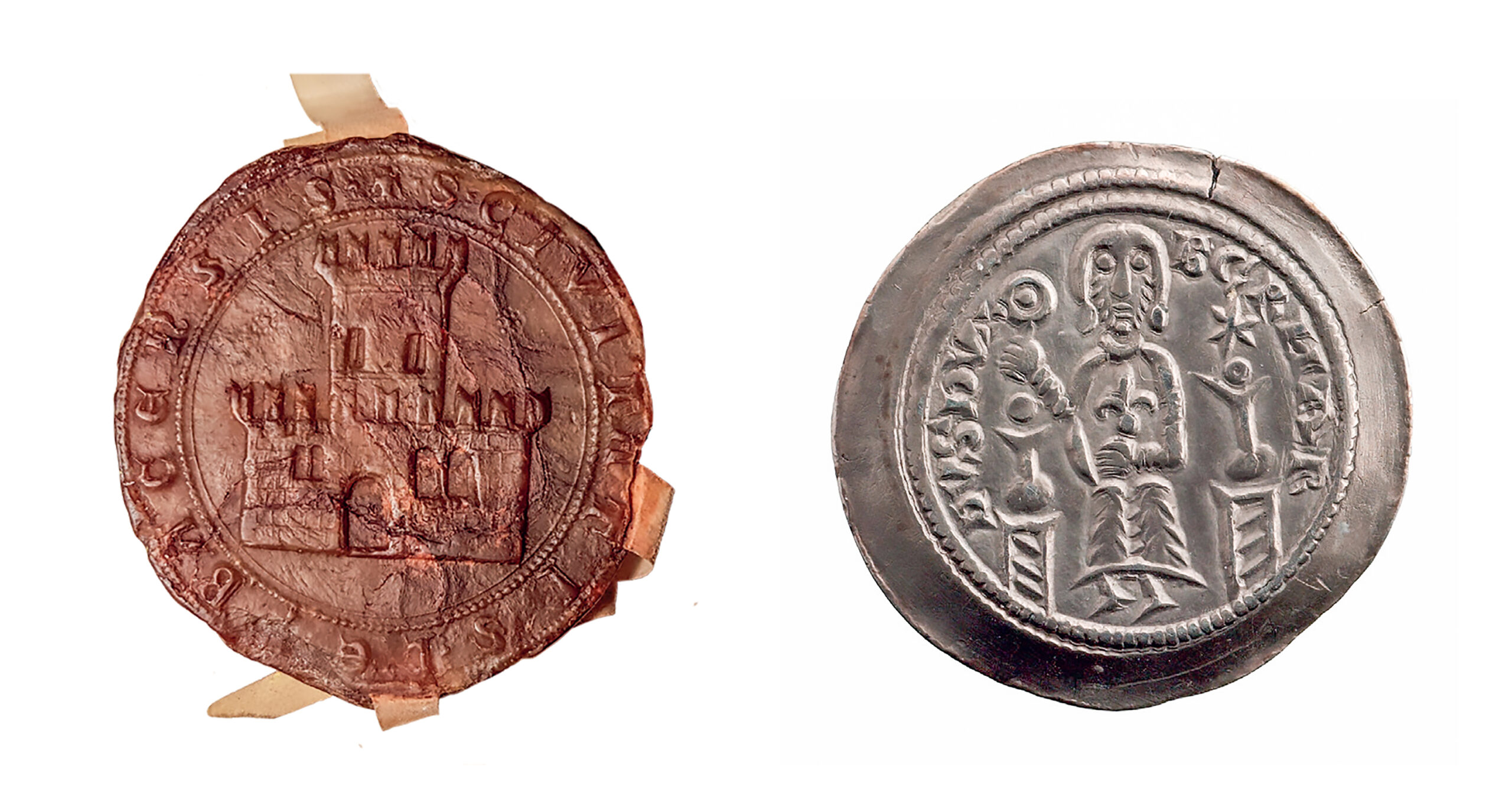
Up on the hill, the first fortifications were being replaced by a sturdier stone structure, becoming the residence of the ministerials of the Sponheims who ruled Carniola – proudly referred to as palacio nostro Leibach. At the same time defensive walls going down from the Castle enclosed the Mesto part of Ljubljana, while Stari trg, the old marketplace, and the newer Novi trg across the river had to wait a little longer for their own walls.
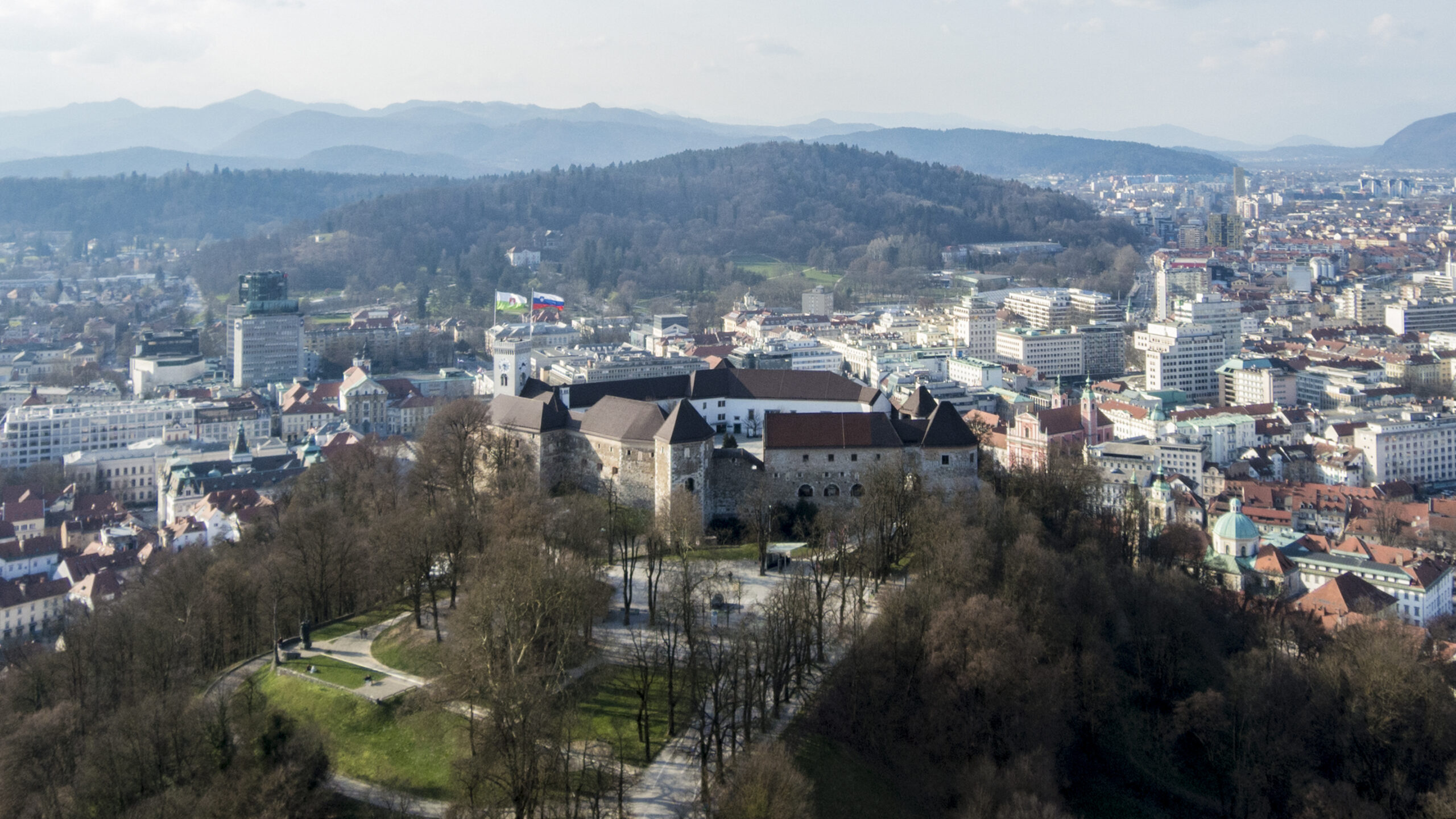
The triple town of Ljubljana soon faced its first real challenge – and lost. Otokar II Přemysl, the Iron and Golden King of Bohemia, invaded, besieged, and captured the emerging capital of Carniola. The last Sponheim ruler, Ulrich III, died childless in 1269, and by secret agreement Otokar inherited both the Duchy of Carinthia and the March of Carniola.
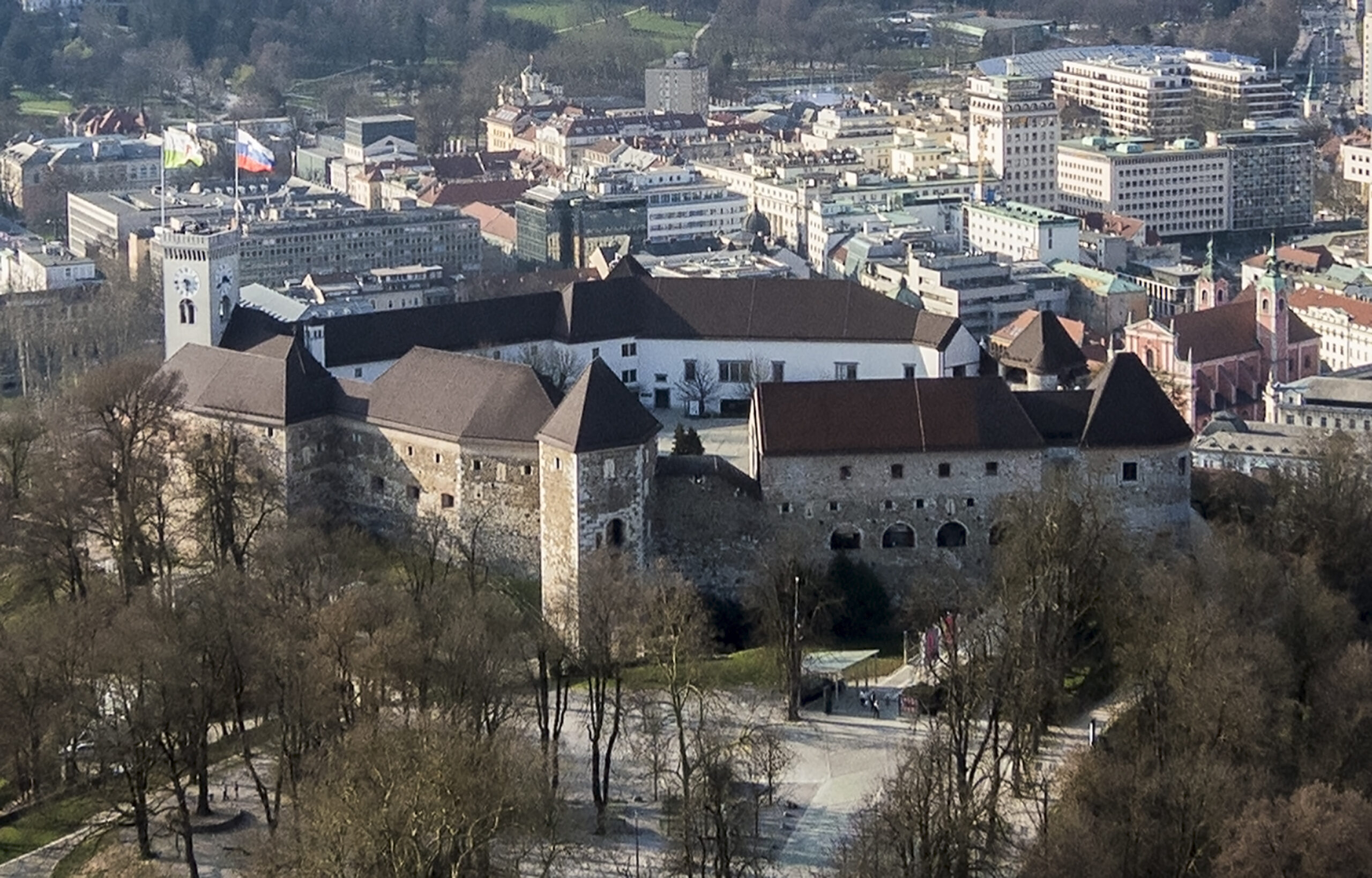
Yet Otokar did not enjoy Ljubljana for long. When Rudolph of Habsburg was elected Emperor, he challenged the powerful Bohemian king, seized his possessions, and defeated him decisively at the Battle of Marchfeld. For the next 642 years Ljubljana remained under Habsburg rule – right until the end of Austria-Hungary in 1918.
At the beginning of the fifteenth century Ljubljana (and Carniola, and indeed the whole Empire) faced a new danger: Ottoman incursions from the south. After the first attack in 1415, Emperor Frederick III realised that the old Sponheim castle was obsolete and far too small, and ordered the construction of a completely new, larger, and more formidable one.
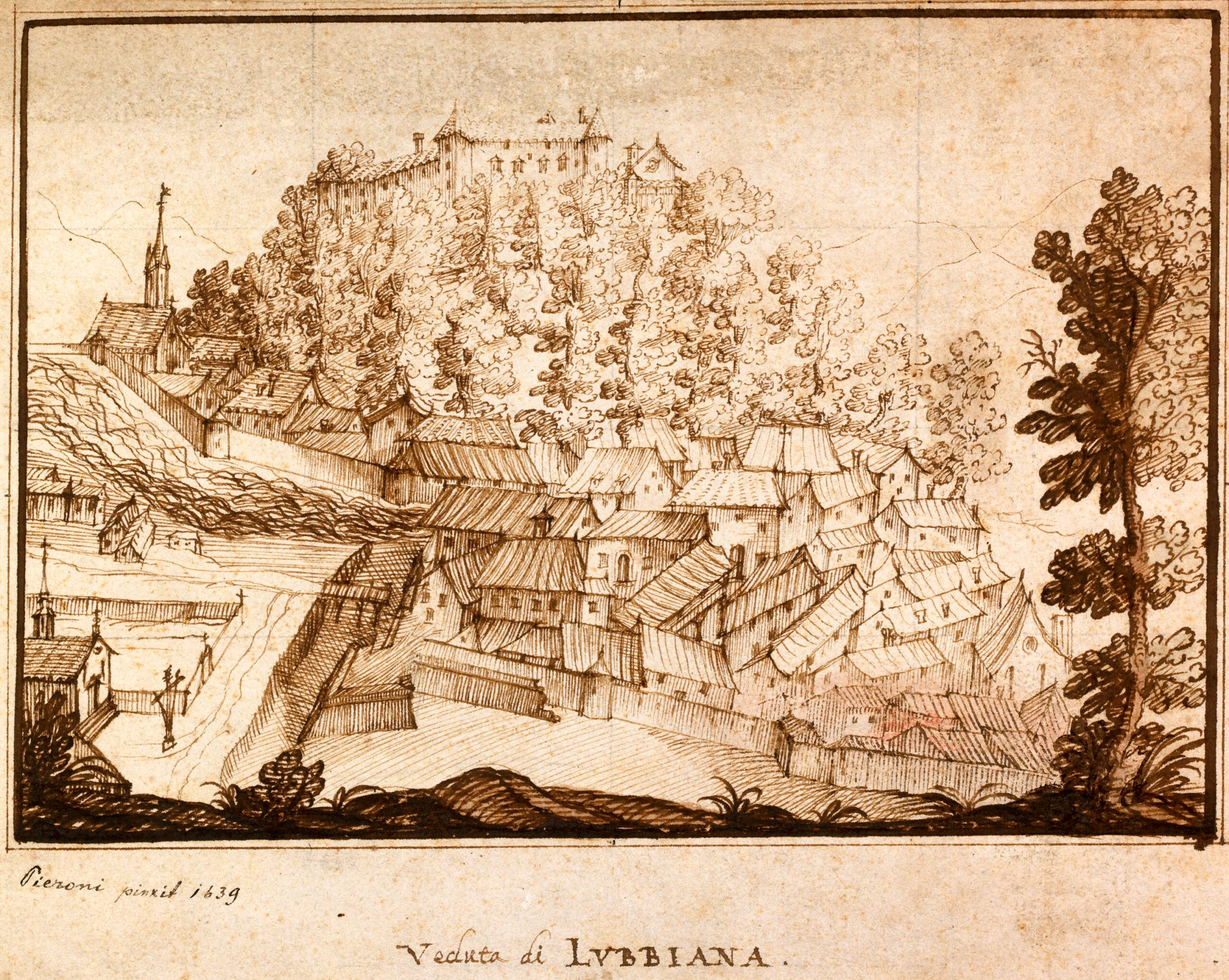
The old castle was razed and a new one built on a flattened plateau, still following the irregular plan typical of a late medieval fortress. High walls and towers surrounded scattered buildings: a great hall, a gunpowder and arms store, and a chapel dedicated to St George the Dragon Slayer. A curious pentagonal tower guarded a drawbridge across the defensive moat that was the only way in. This fifteenth-century castle is essentially the one we see today perched above Ljubljana, the only major later addition is the white observation tower that in 1848 replaced an older wooden one.
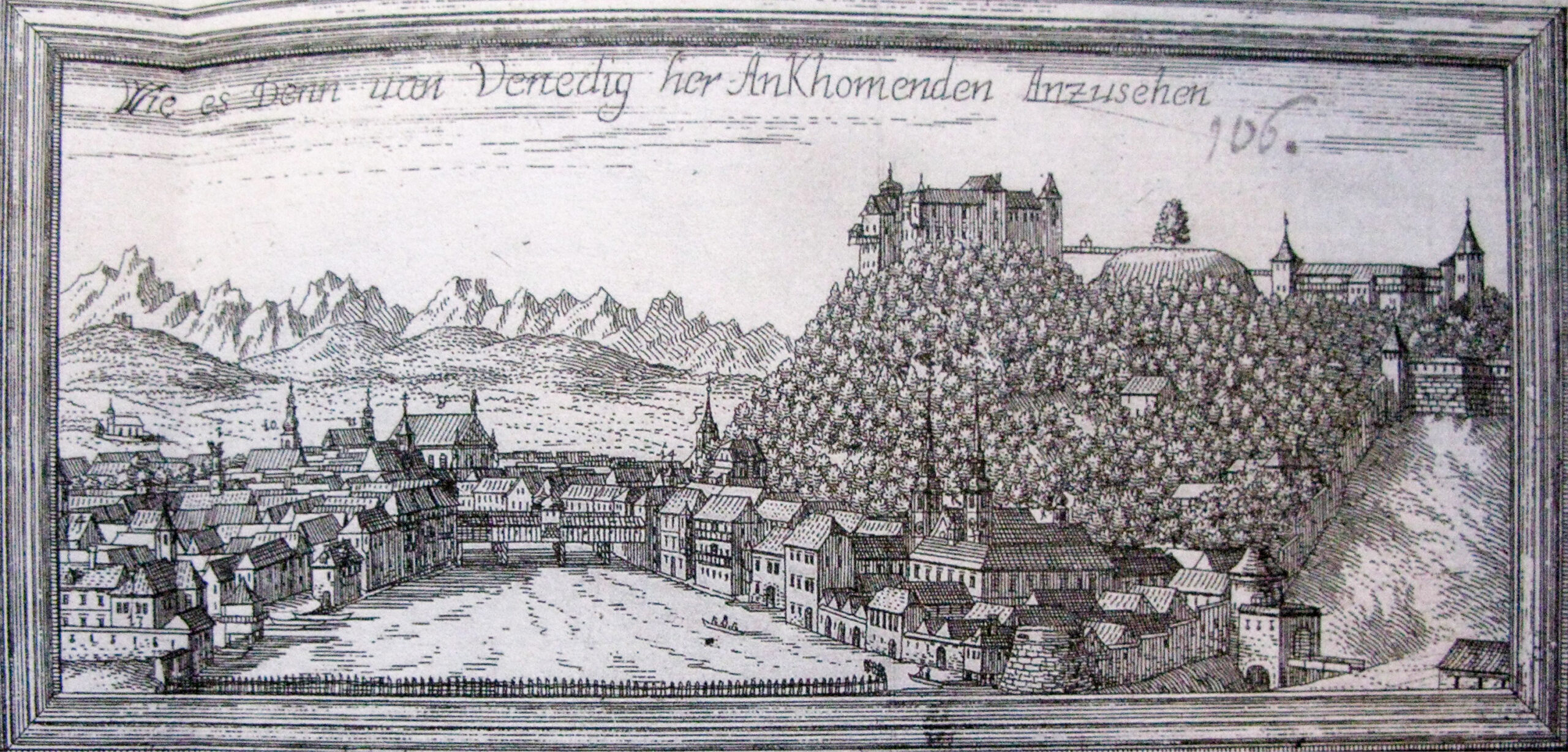
Ljubljana Castle was renovated extensively – and very, very slowly: the people of Ljubljana still remember a couple of huge cranes that seemingly became an integral part of the Castle. Now, after all the troubles and huge expenses, the Castle is a prime tourist spot, a major cultural venue – and still a key landmark, a true and eternal symbol of Ljubljana.
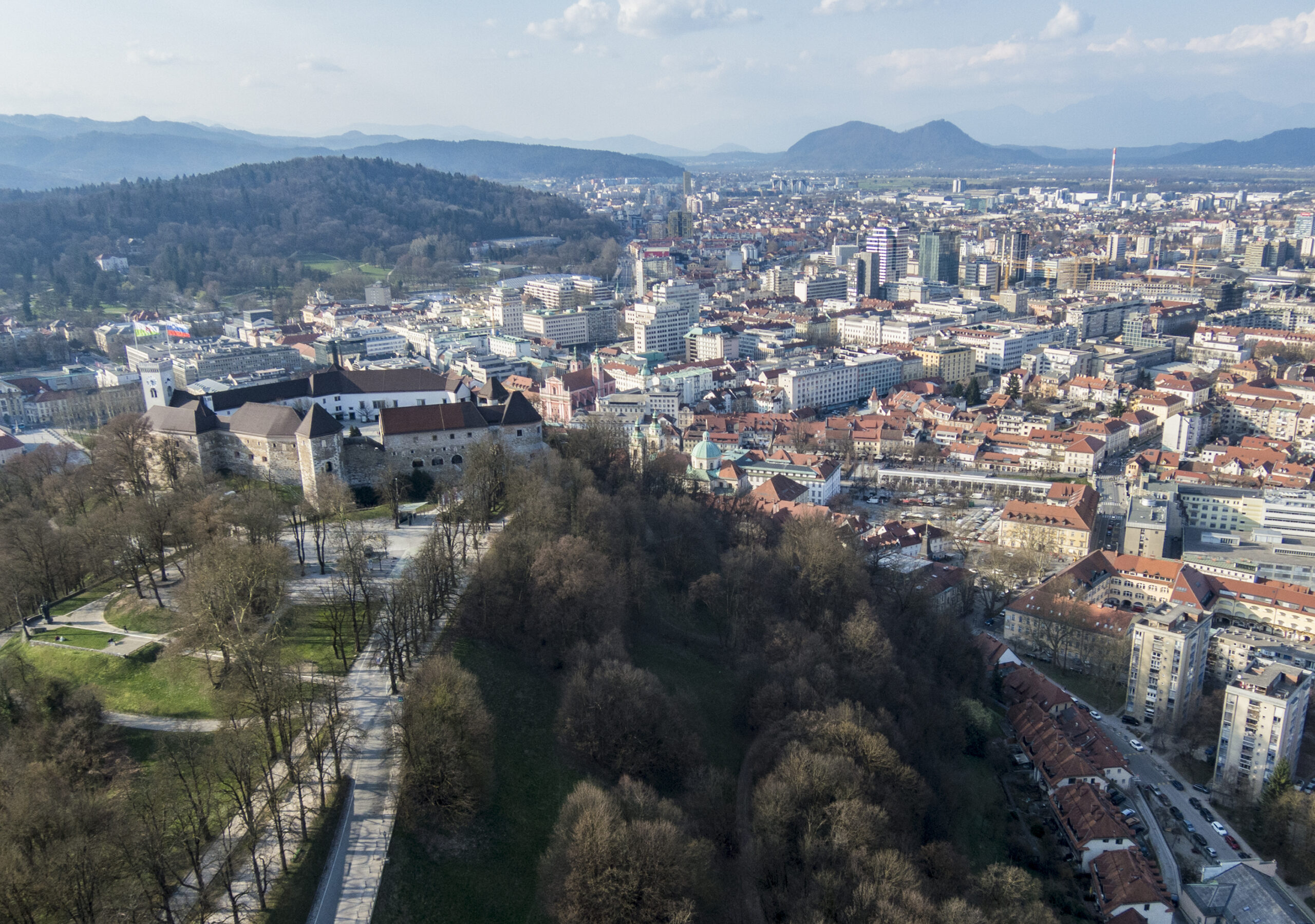
Footpaths criss-cross Castle Hill, leading to viewpoints over the city and to secluded corners; every Ljubljanian carries stories from there – of fun and of love, some beautiful, some sad, some outright bizarre.
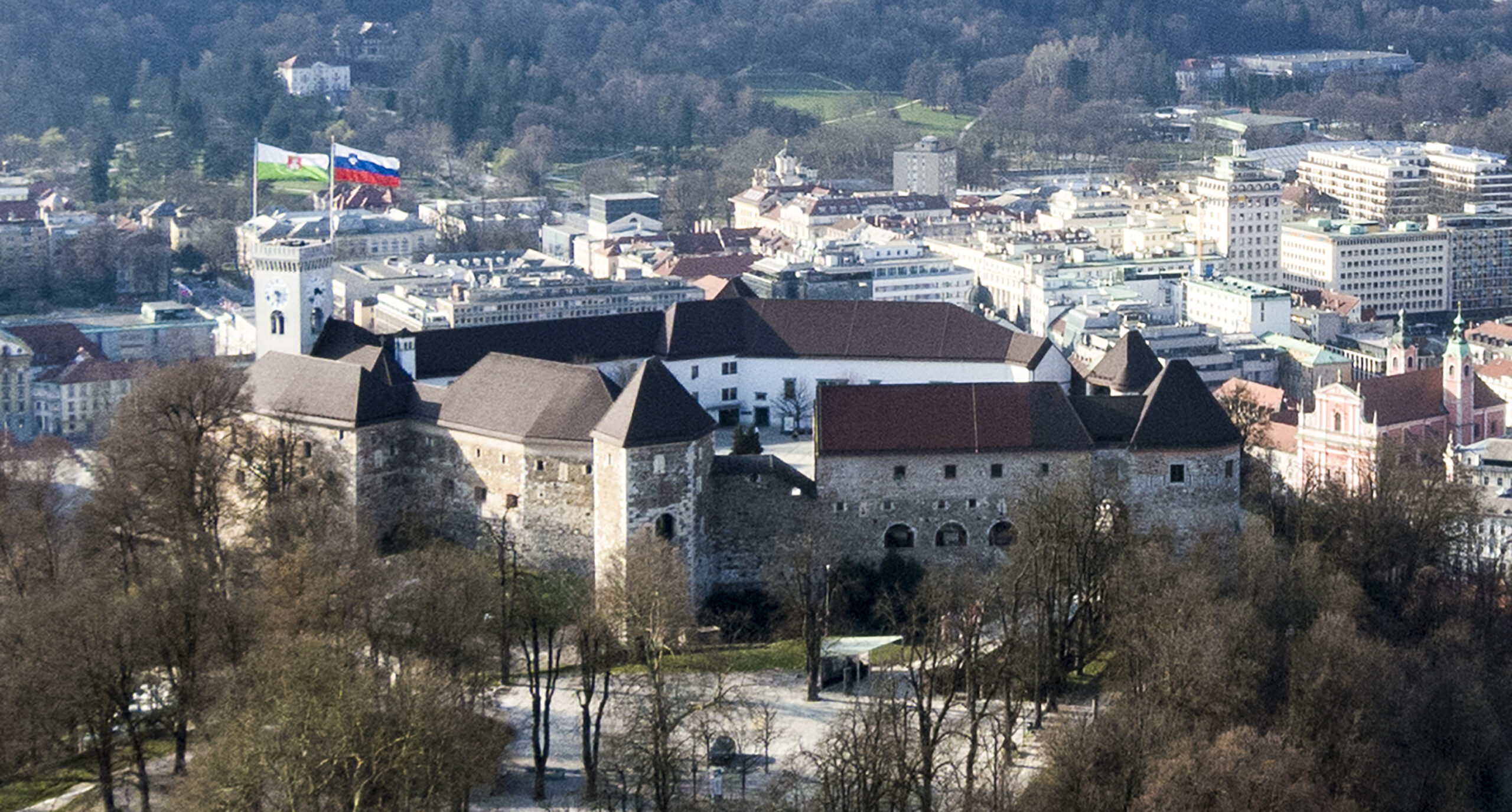
And the castle still watches over its city, as it has since the time of Rudolph the Lawyer, who donated property to the Chapter of Aquileia back in 1120, over nine hundred years ago: XX mansios iuxta castrum Leibach.
Kite aerial photos shot with Nikon P330 on The Original Blue rokkaku.
Ooo, great piece of history 👌👌✨
Congratulation, for the story and for the KAP session as well. Next time put your gloves on 🙂
Thank you, István … I will 🙂