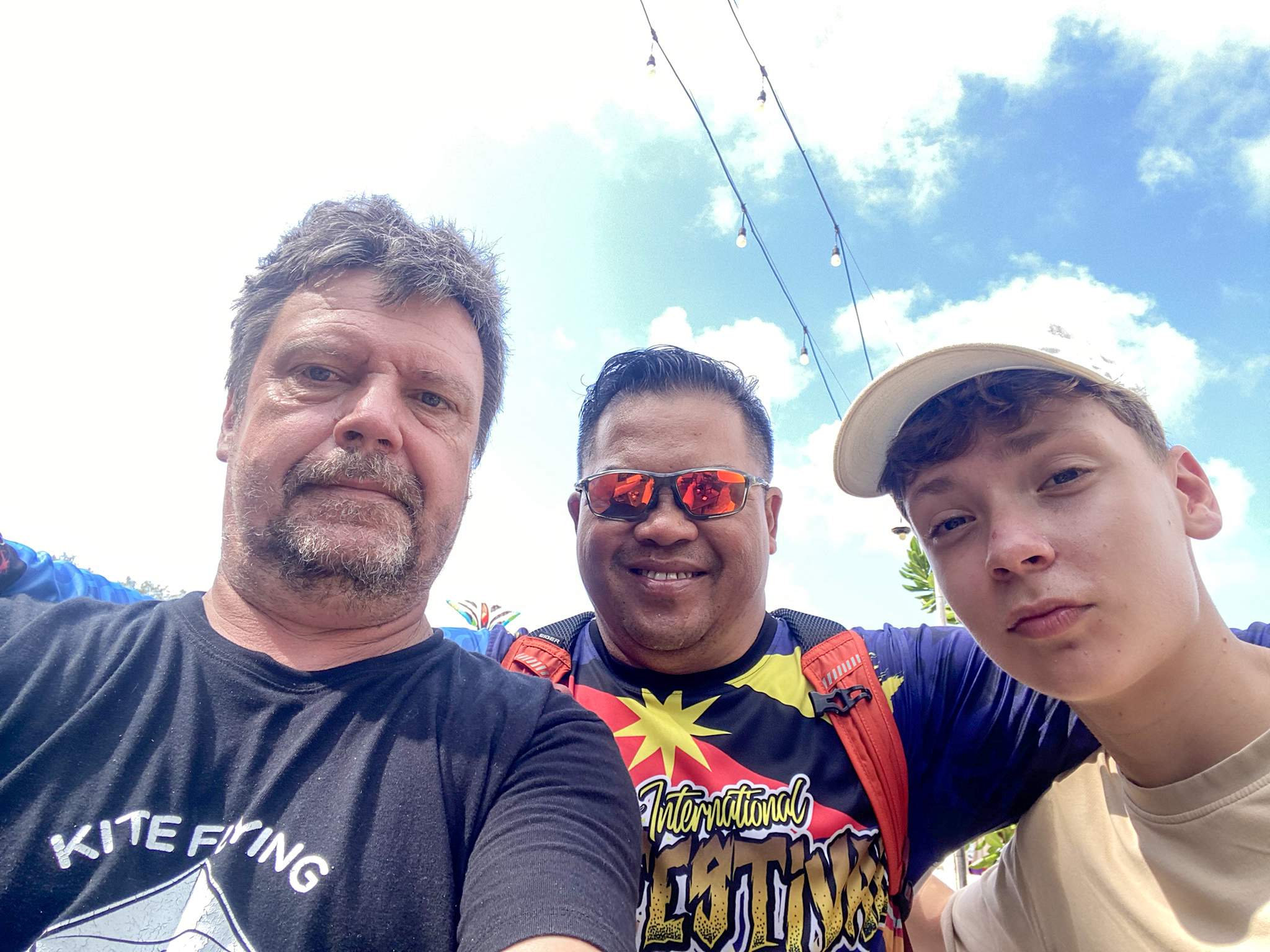
Duality, that’s the word.
The most vulgar tourism one can imagine (drunken stag parties of entitled overgrown children everywhere all the time) – and the most peaceful travelling through emerald rice terraces.
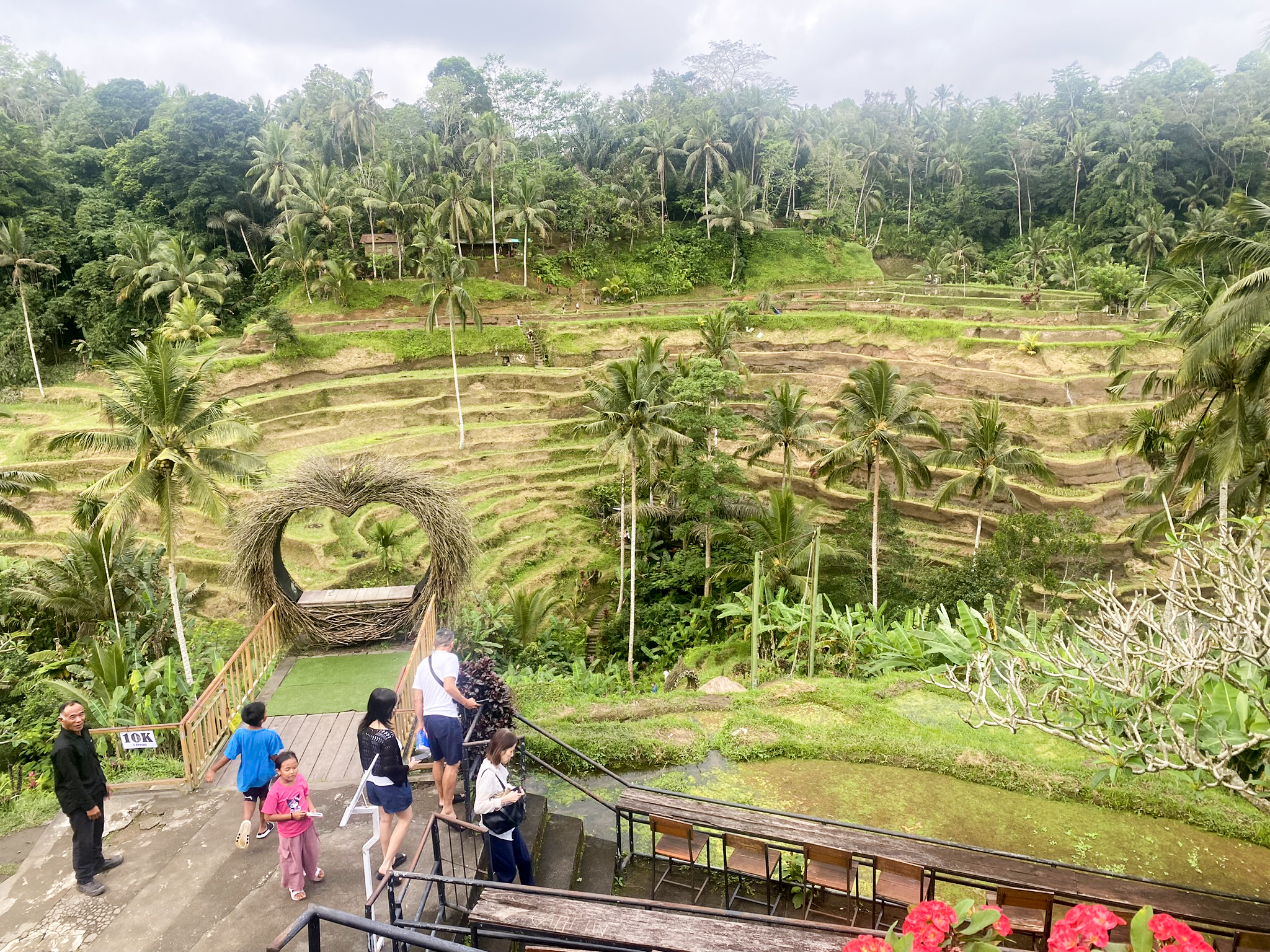
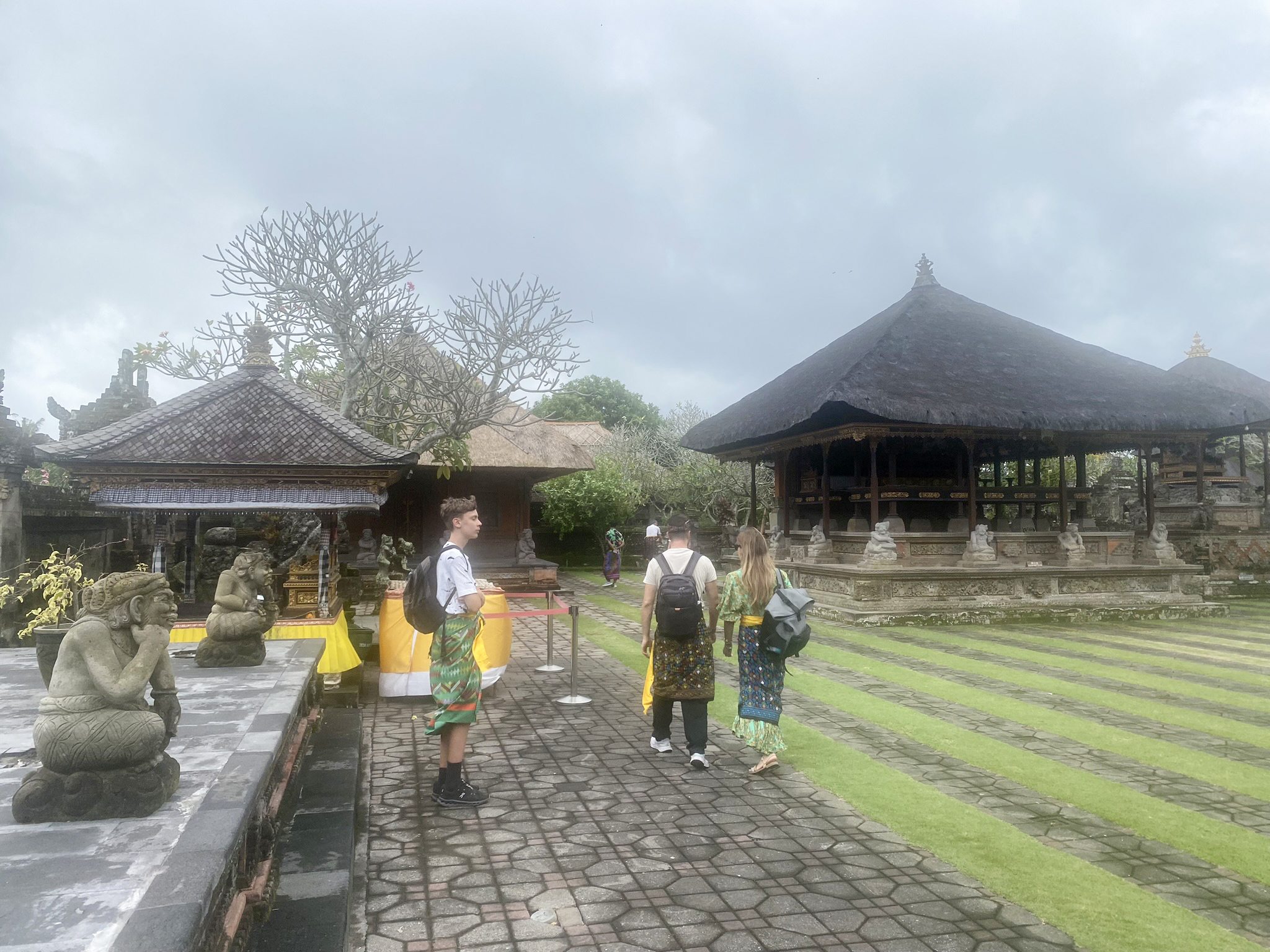
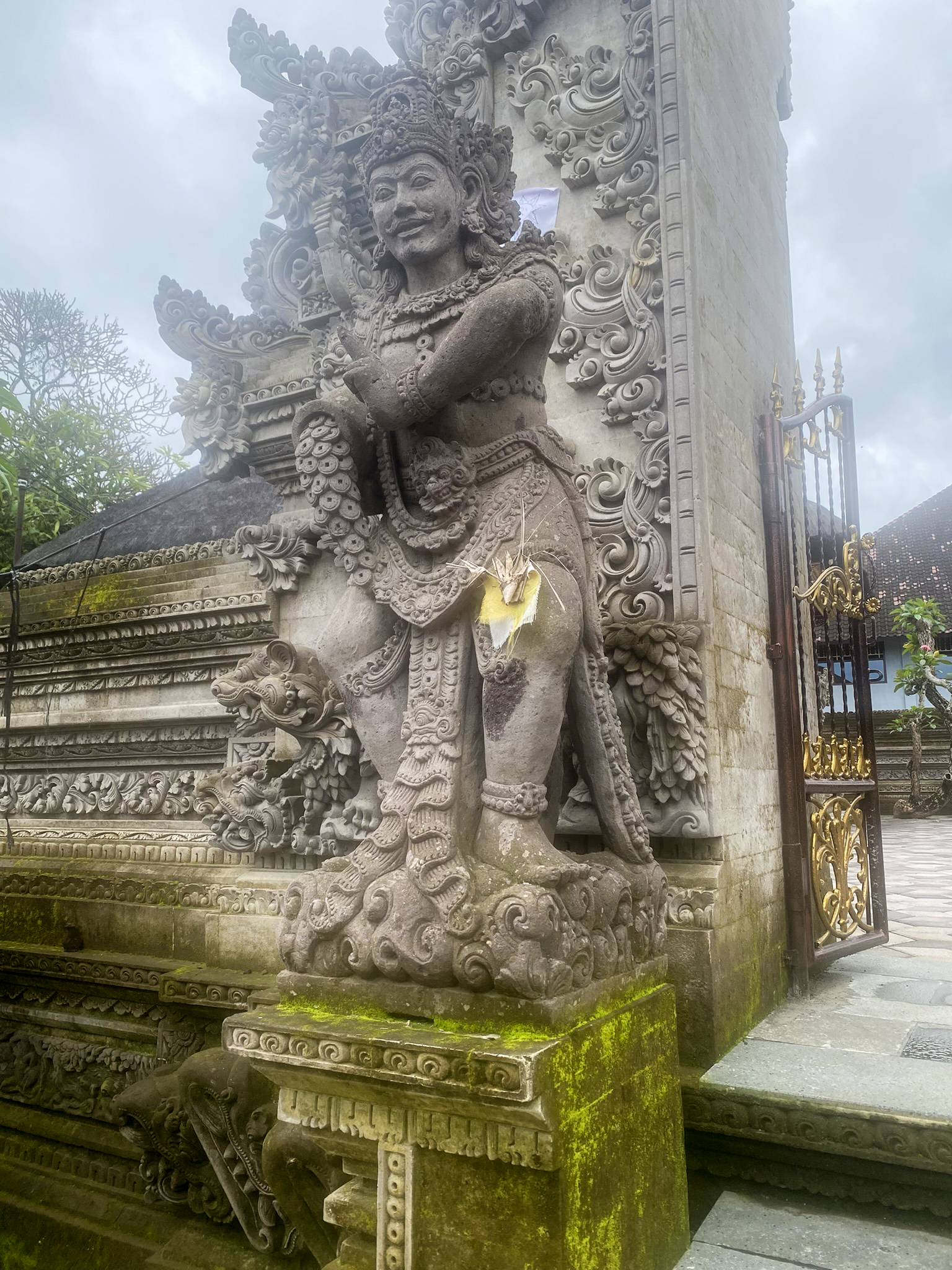
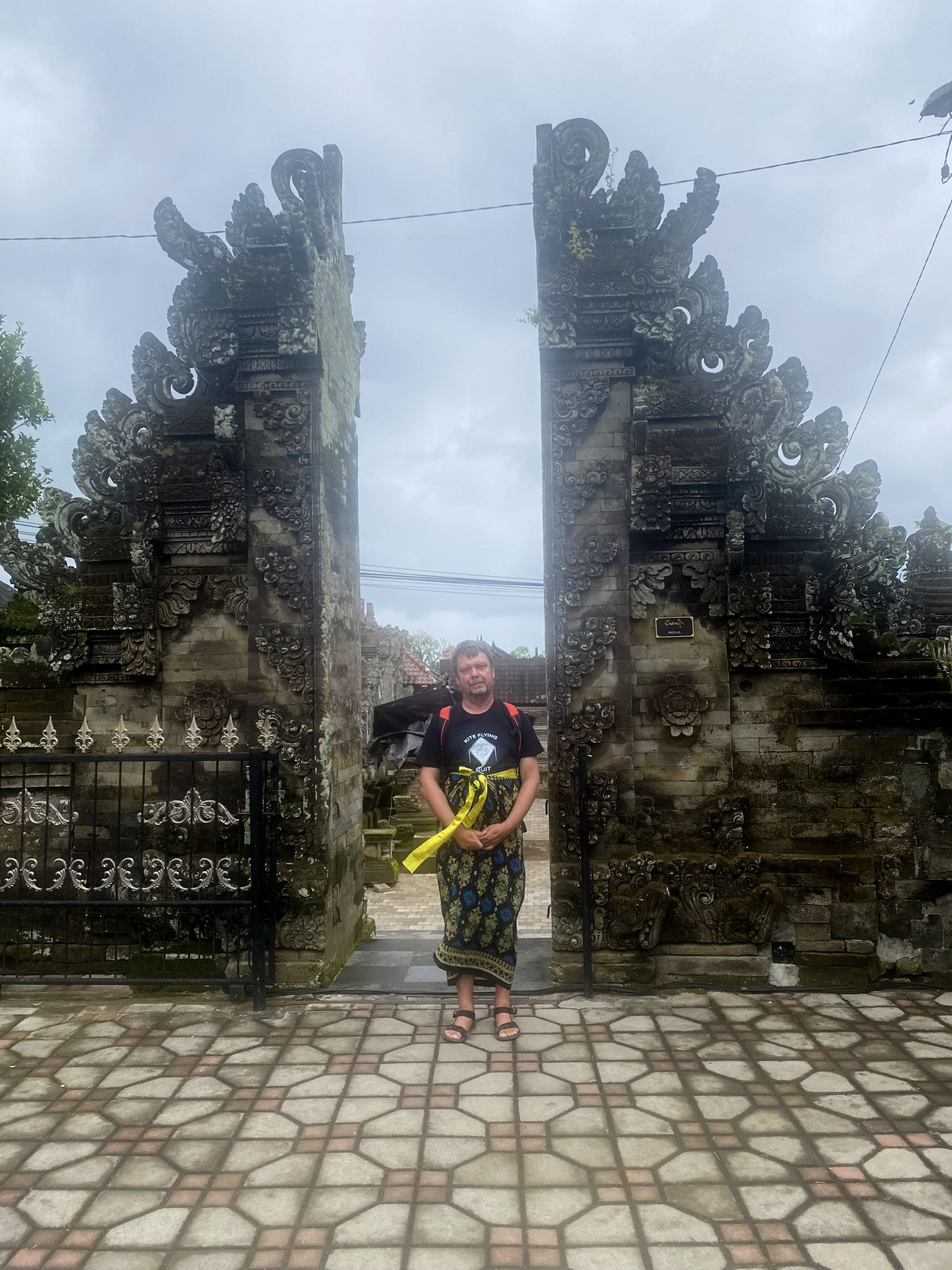
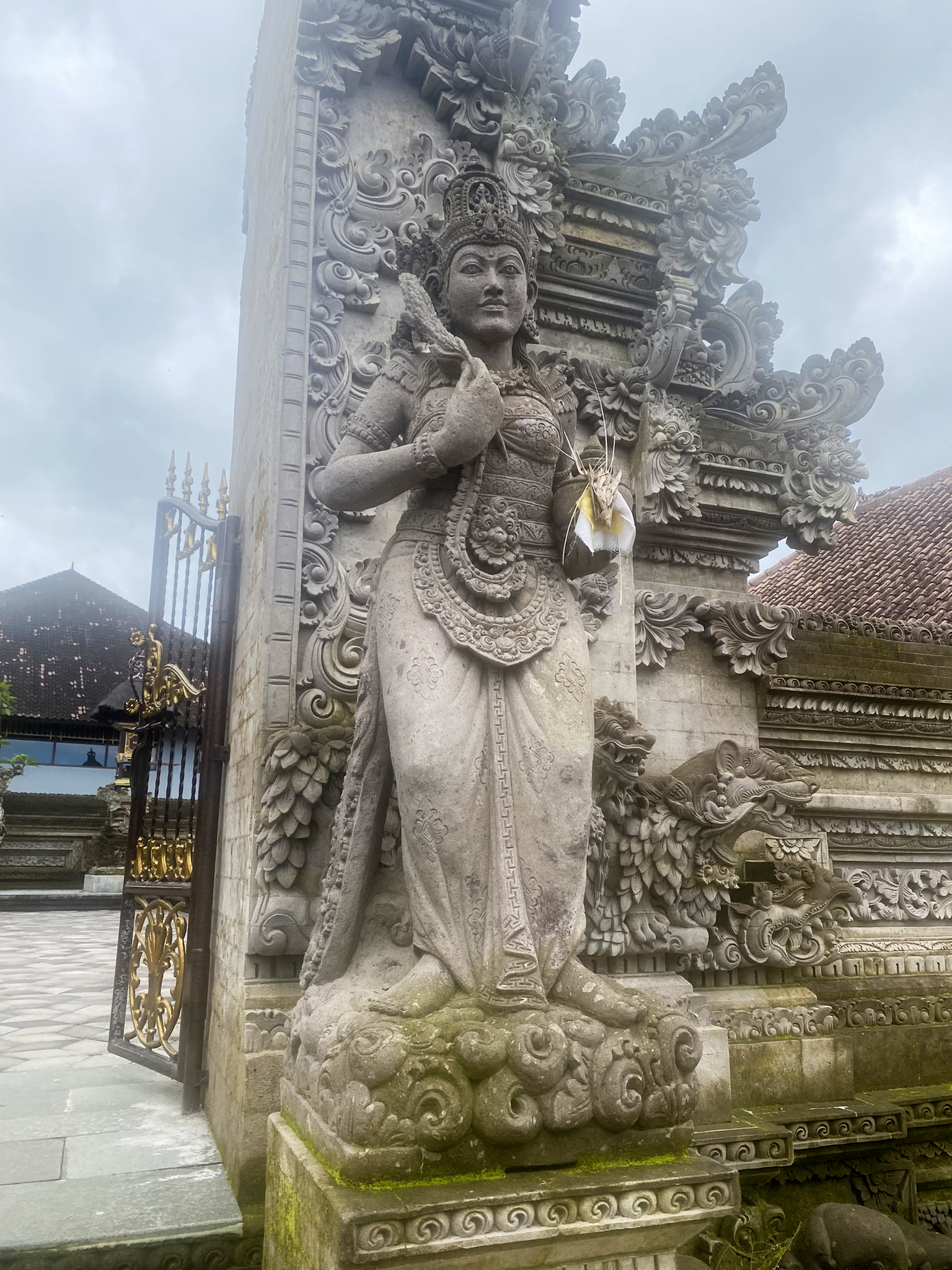
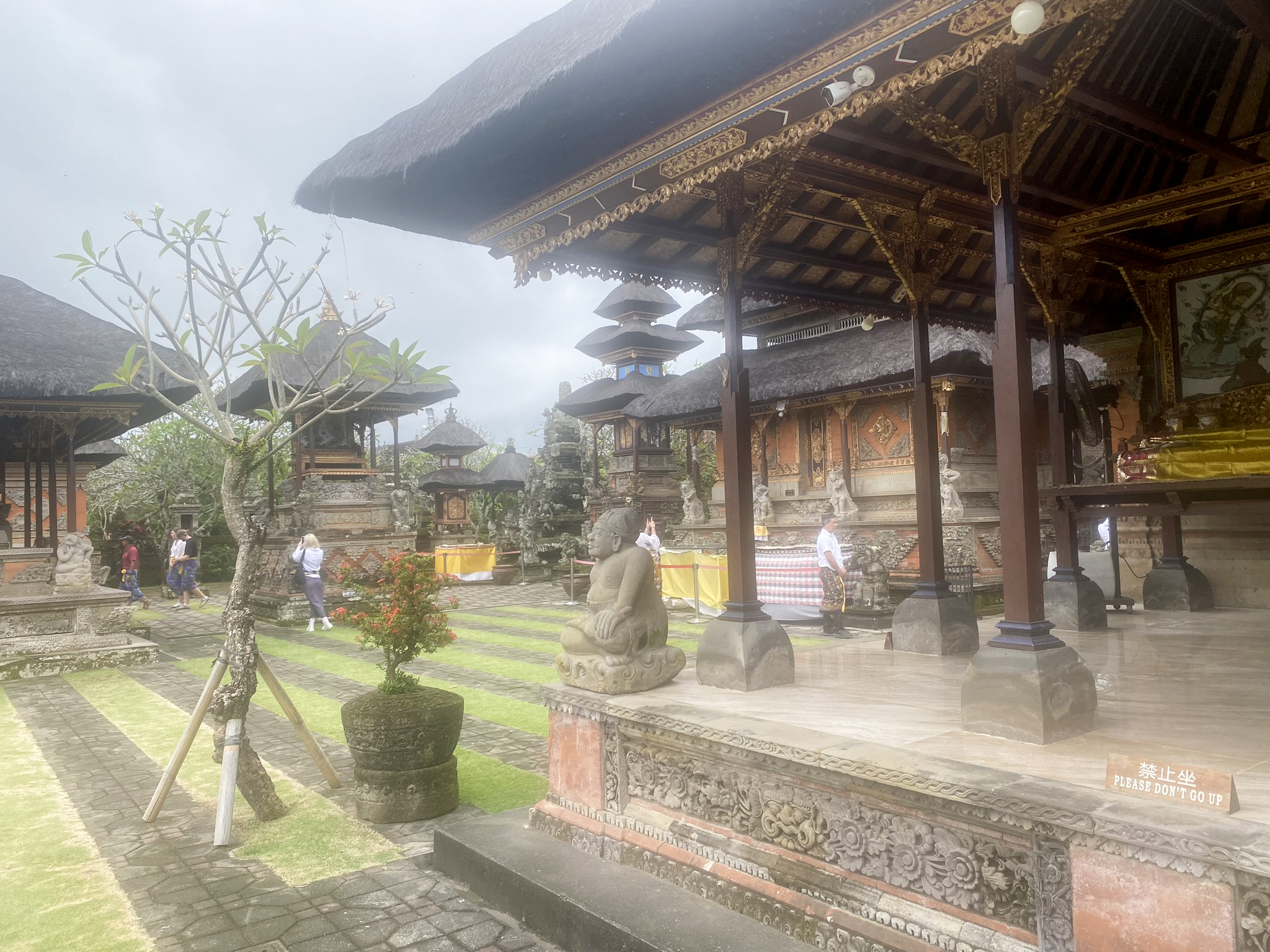
Out.of-place “sport pubs” and neon-polluted “night clubs” – and the most intricately built temples.
Four star concrete “all-inclusive” resorts with swimming pools and pizzas and cocktails – and old-school wooden homestays where the old lady of the house cooks the most divine food.
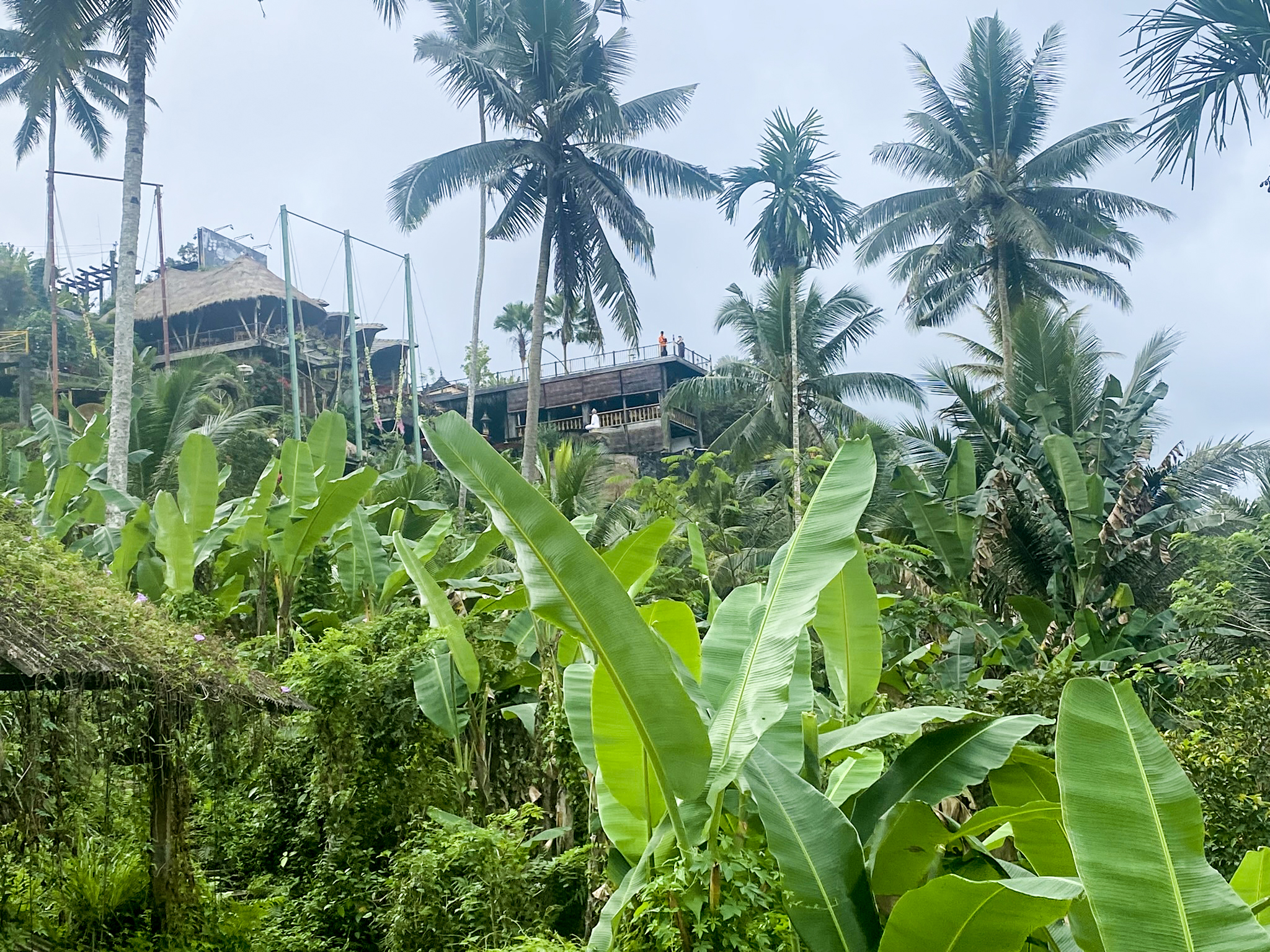
Welcome to Bali. Which part of its dual soul would you pick?
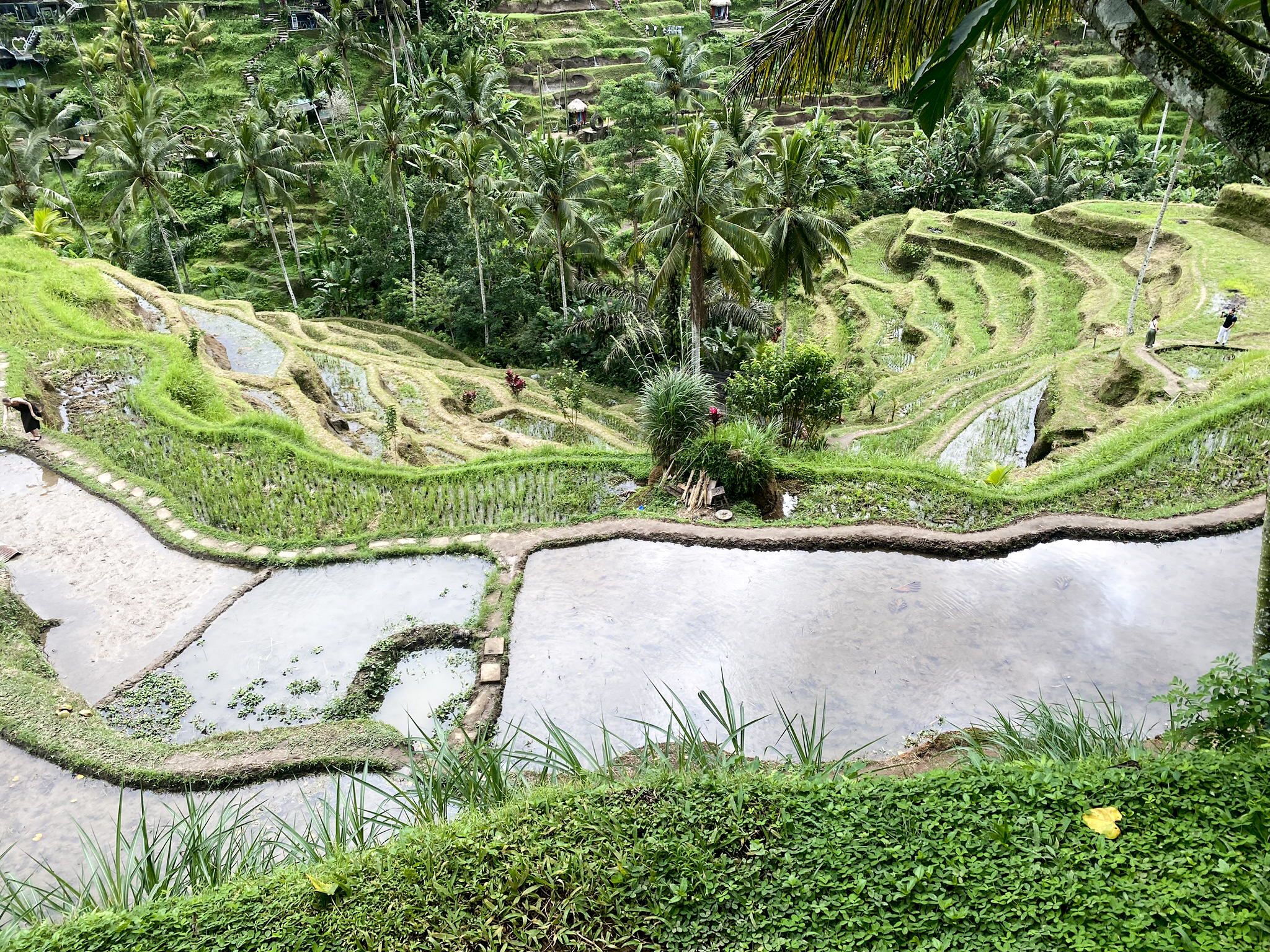
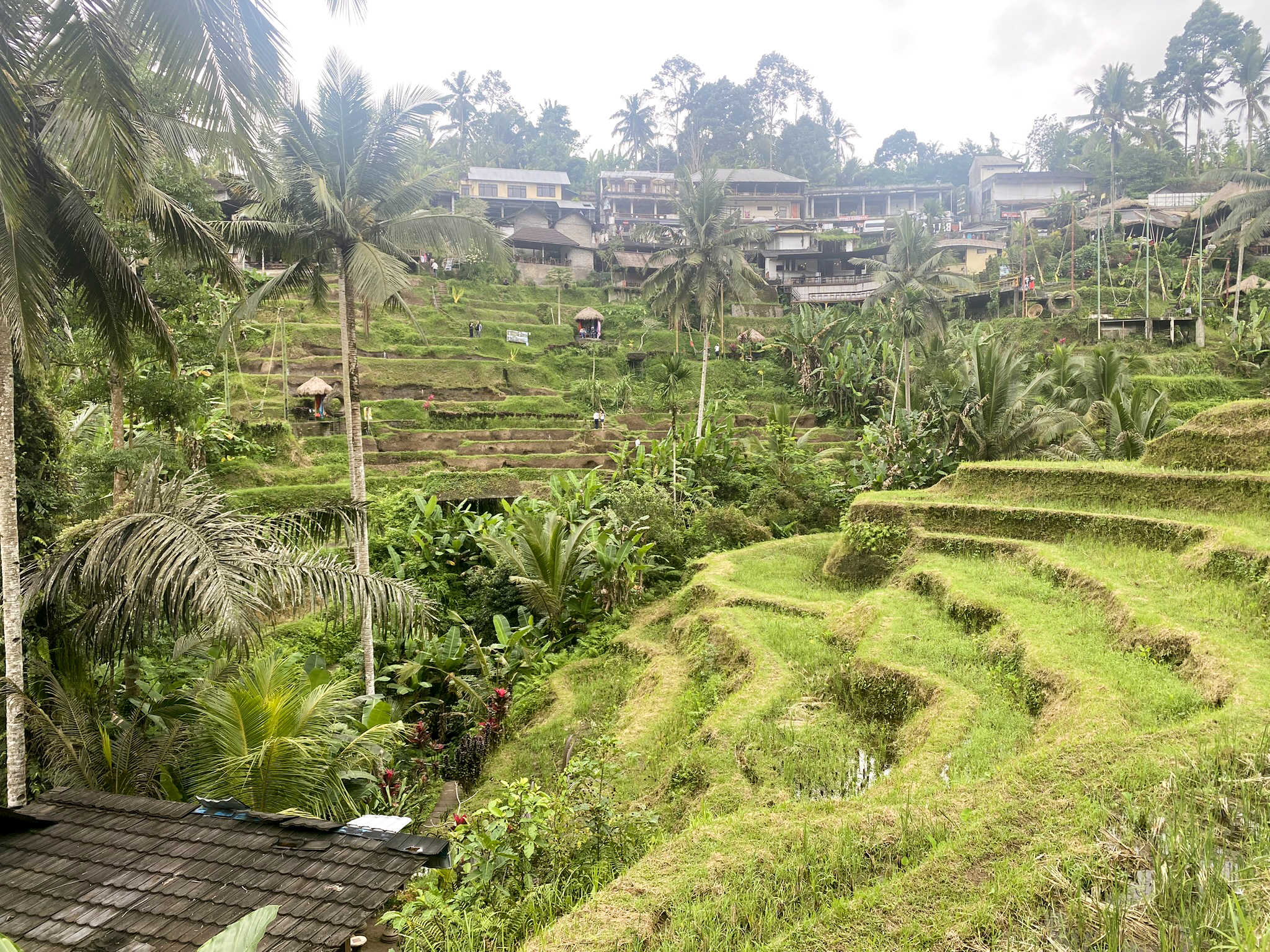
Yes. We know.
After Viktor and Gregor completed their Jogja unlimited adventure, they were invited by the great master Kadek Armika himself to continue their amazing kite journey in the very epicentre of kite culture of Indonesia. How could anyone say no to such a generous invitation – especially as it was time for the great Rare Angon kite festival on the beach of Sanur!
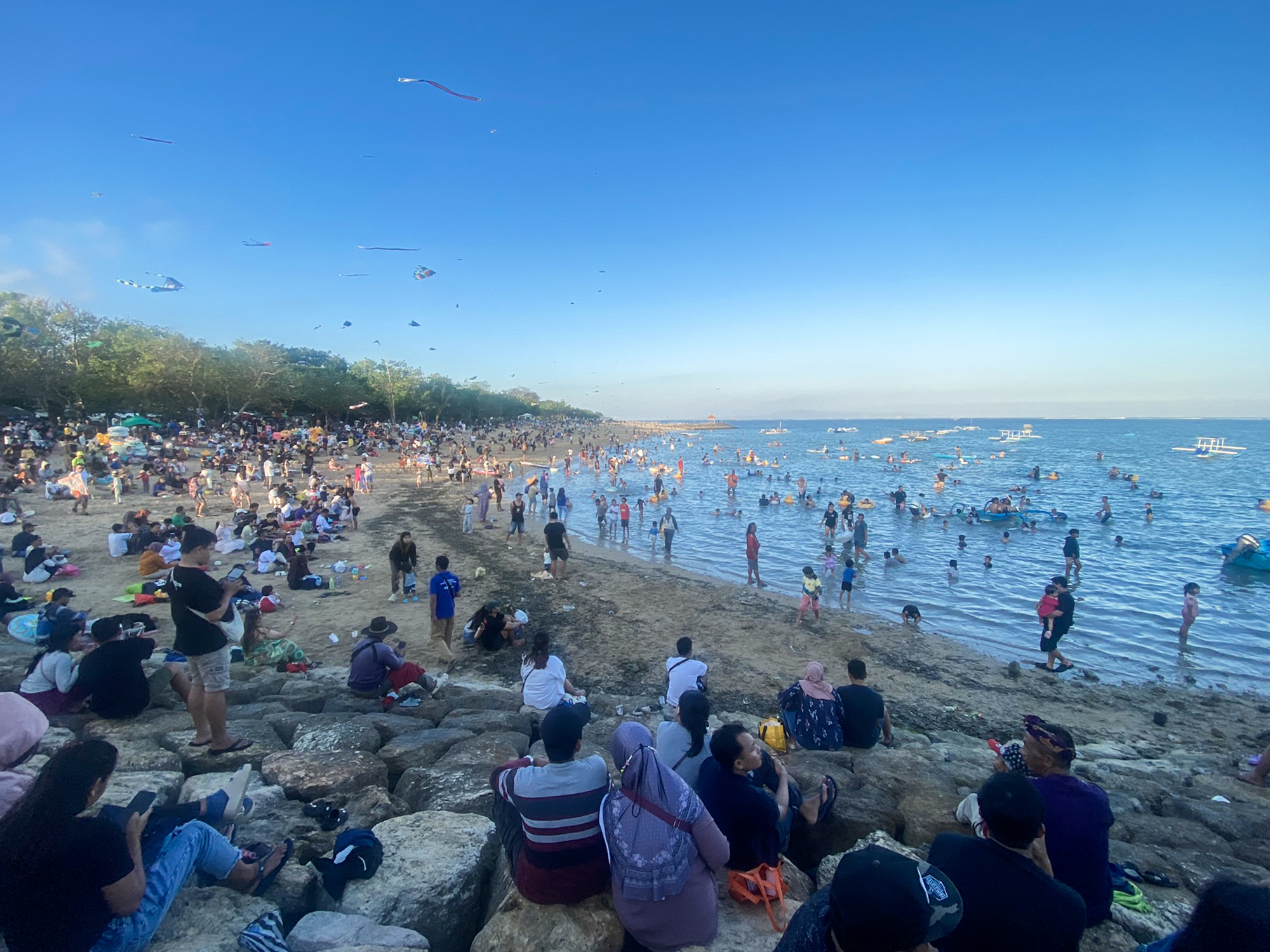
Unlike Jogja – a sweet, rough, true family and friends festival – Rare Angon is a famous, traditional, well oiled machine that brings together kite masters from Bali, from other Indonesian islands, and from all over the world.
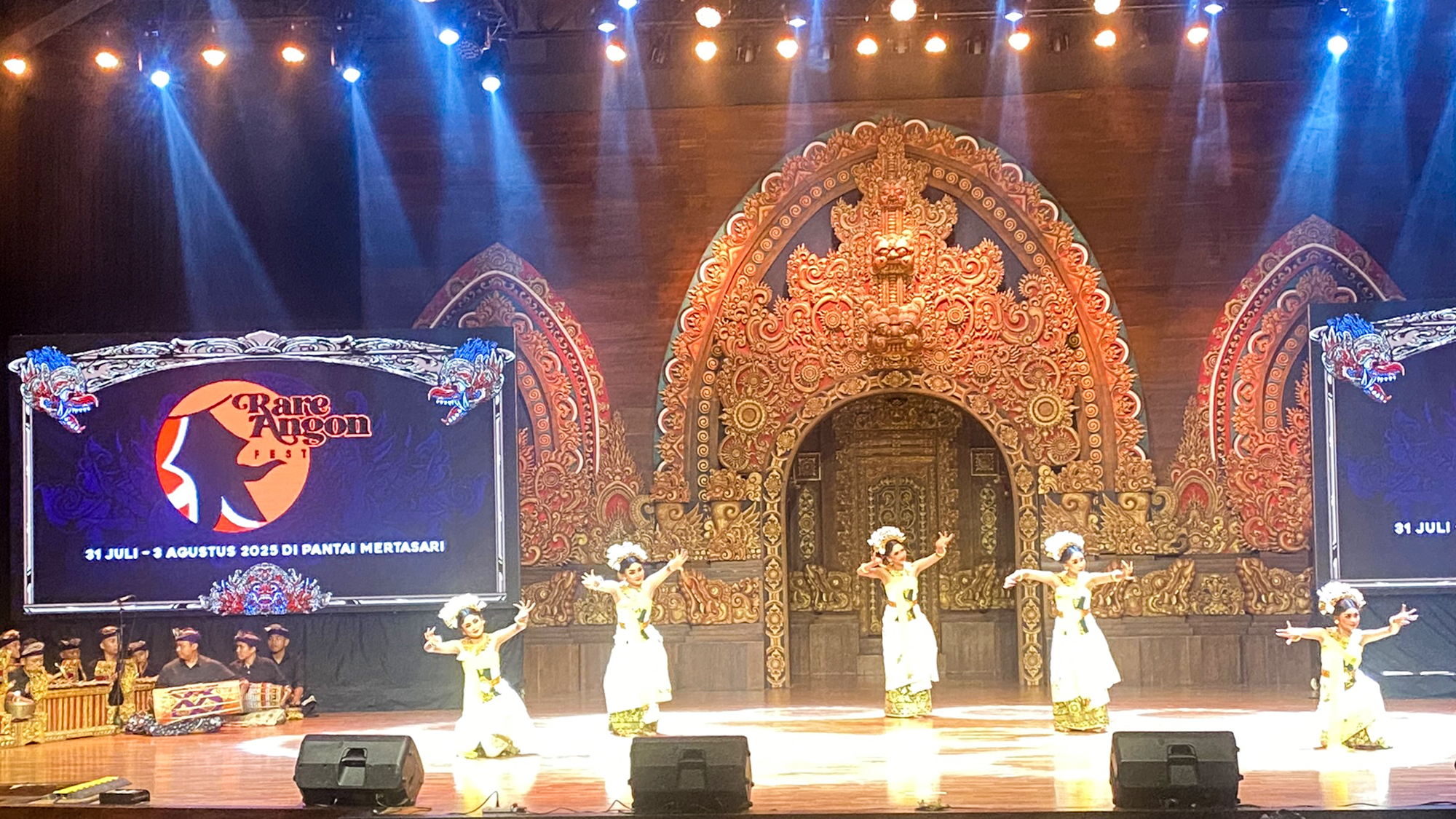
The ceremony was amazing ….
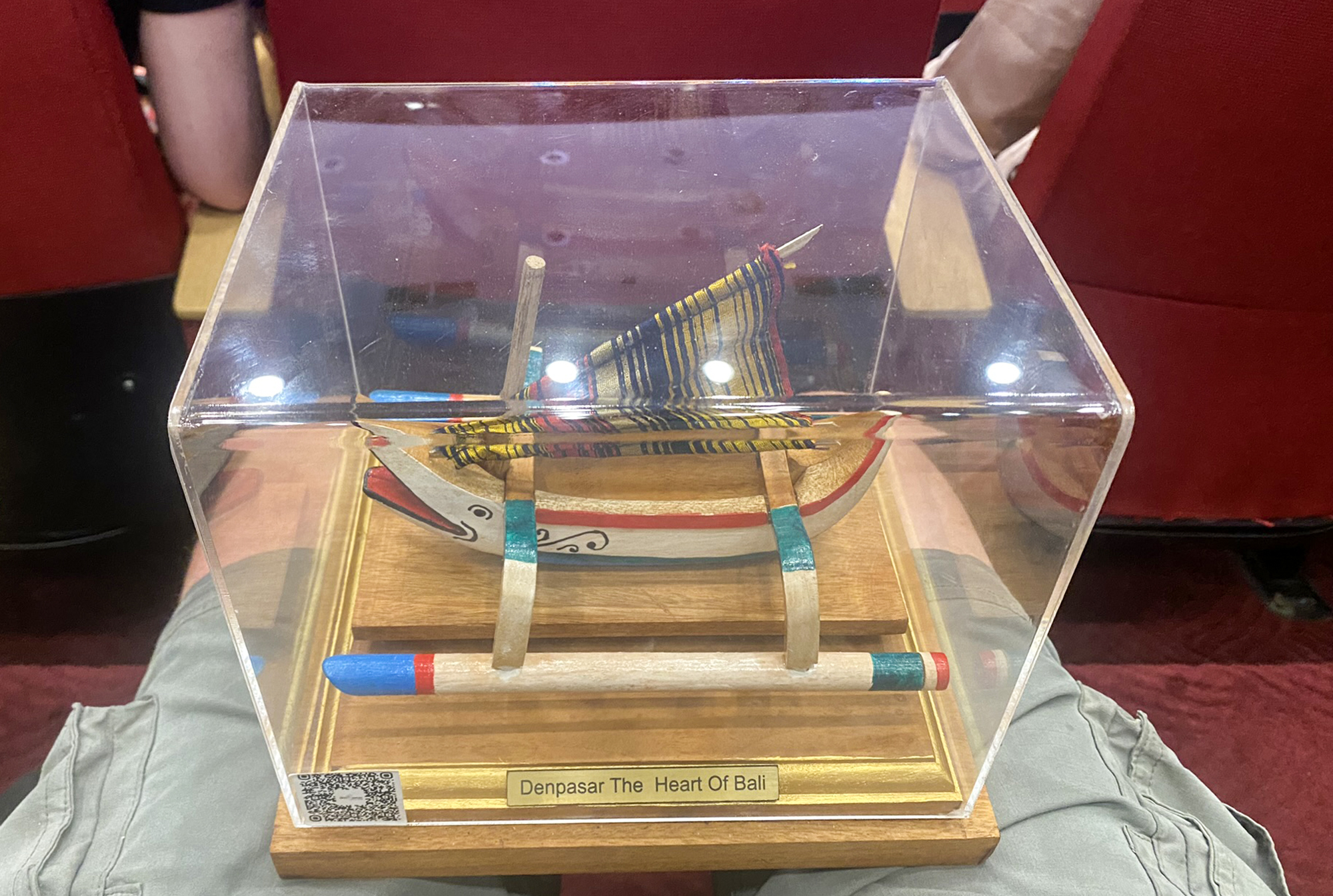
The gifts were amazing …
And already in those opening acts of Rare Angon festival the duality started to shine through … Like when Massimo was asked to perform a Bali dance …

“You mean – a belly dance?”
The duality was in the sky too.
First the international kite flyers were to show what they got.
(Apologies to all who were there – this song is a terrible earworm and now it’s alive again, going on and on and on in your head.)
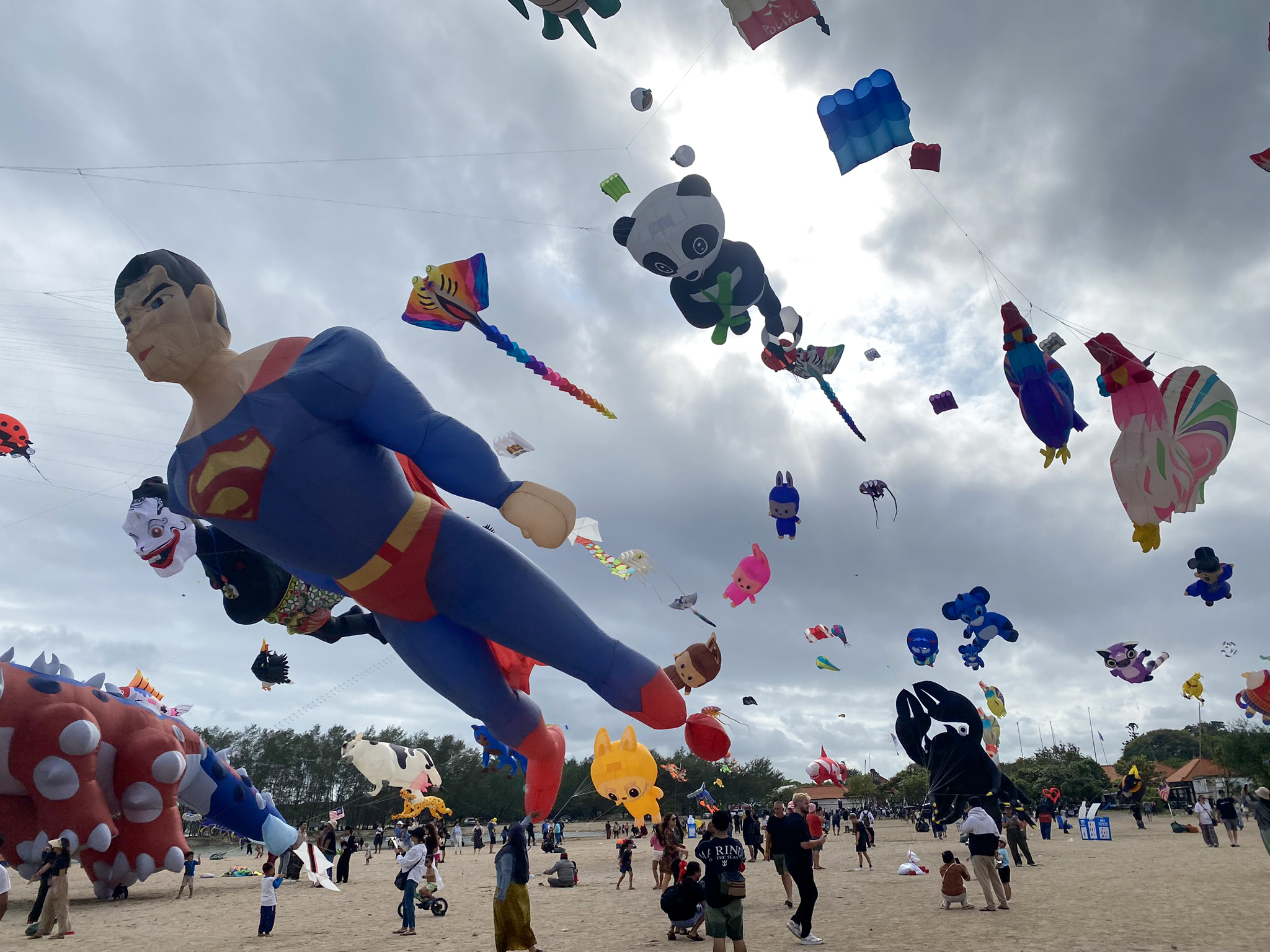
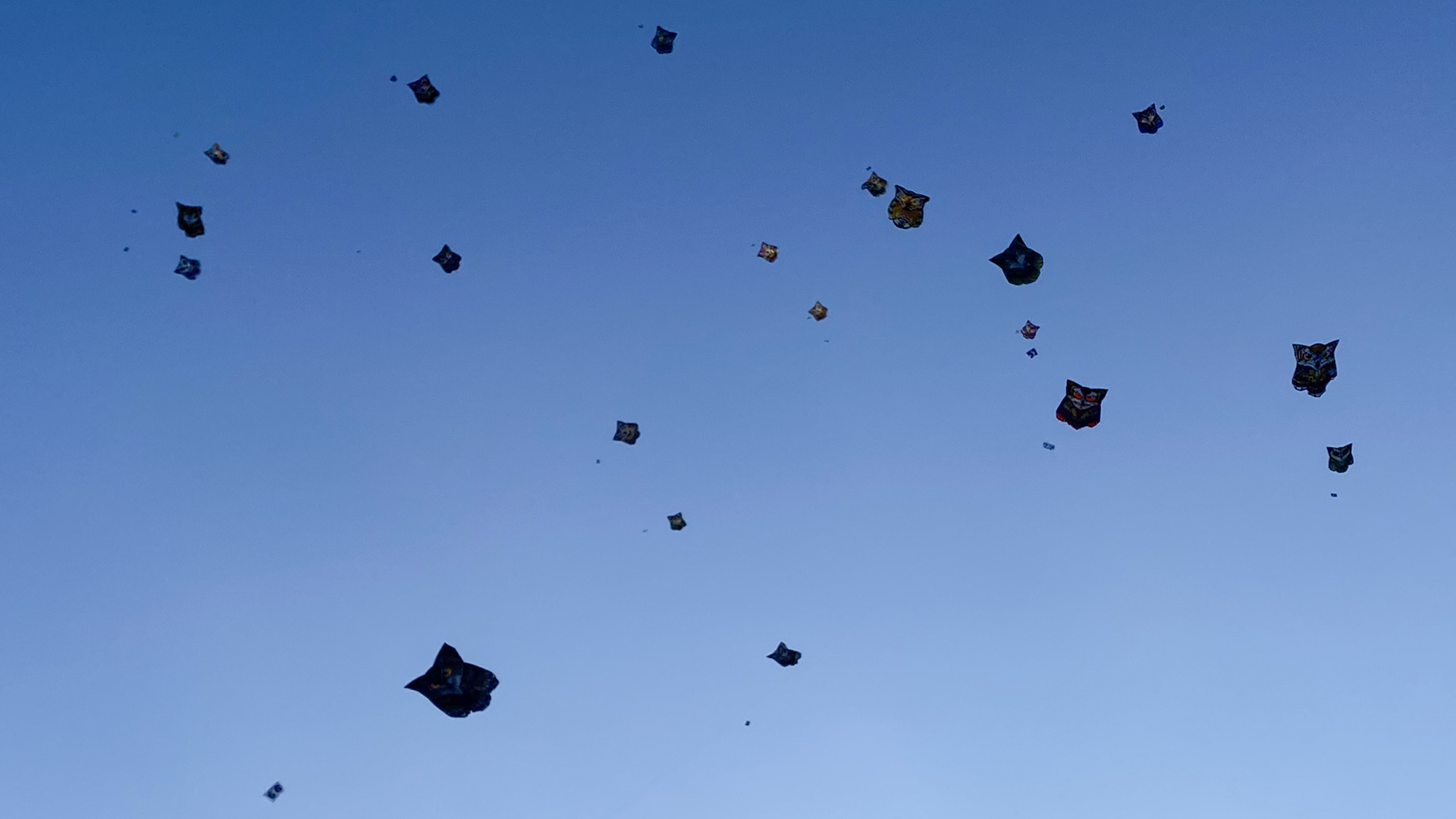
It was a strong performance of master kiters from all over the world … and Viktor and Gregor were children’s favourites because of the huge colourful spinners …
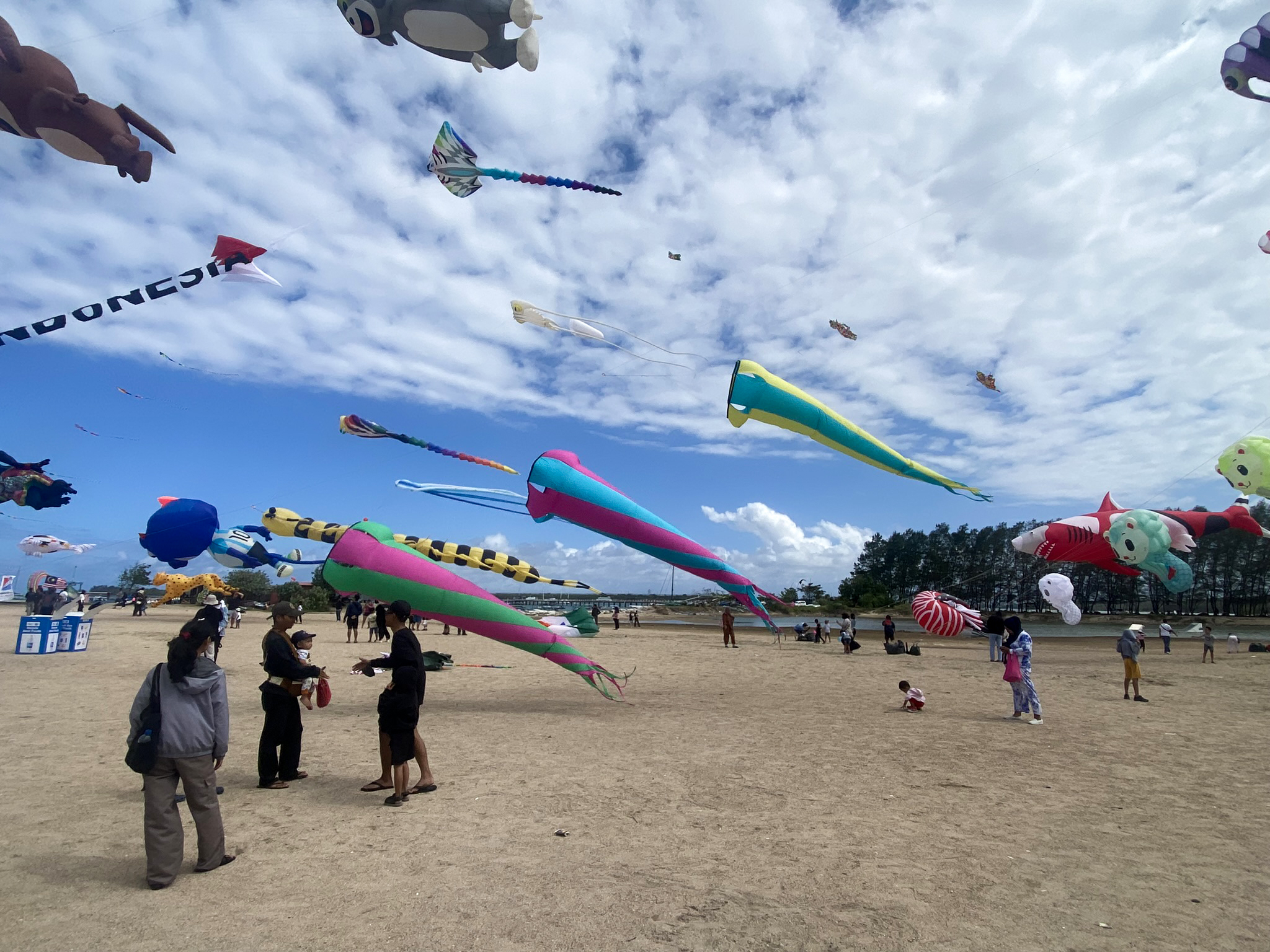
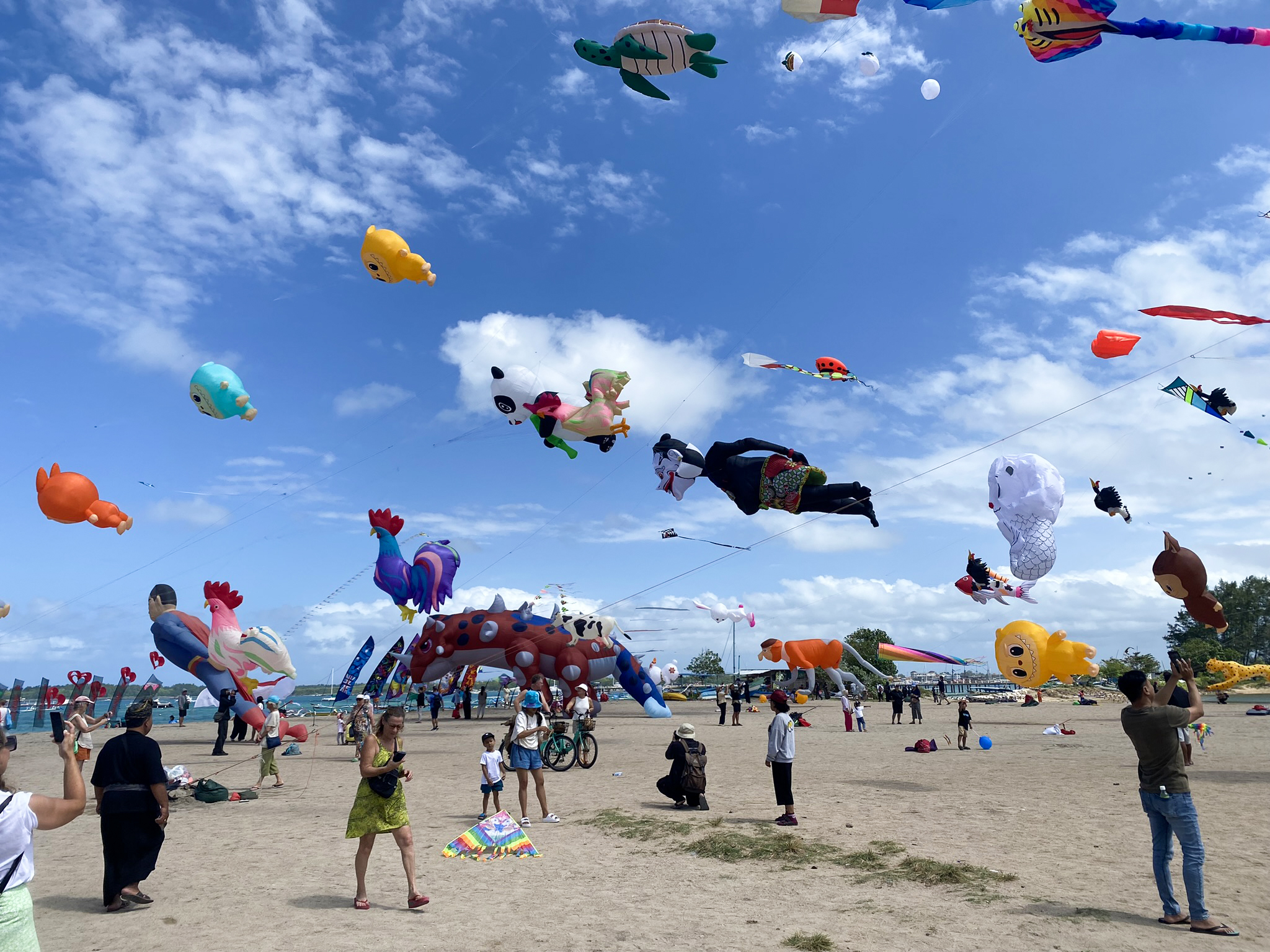
The sky was seriously crowded. The show was incredible and thousands of spectators were in awe.

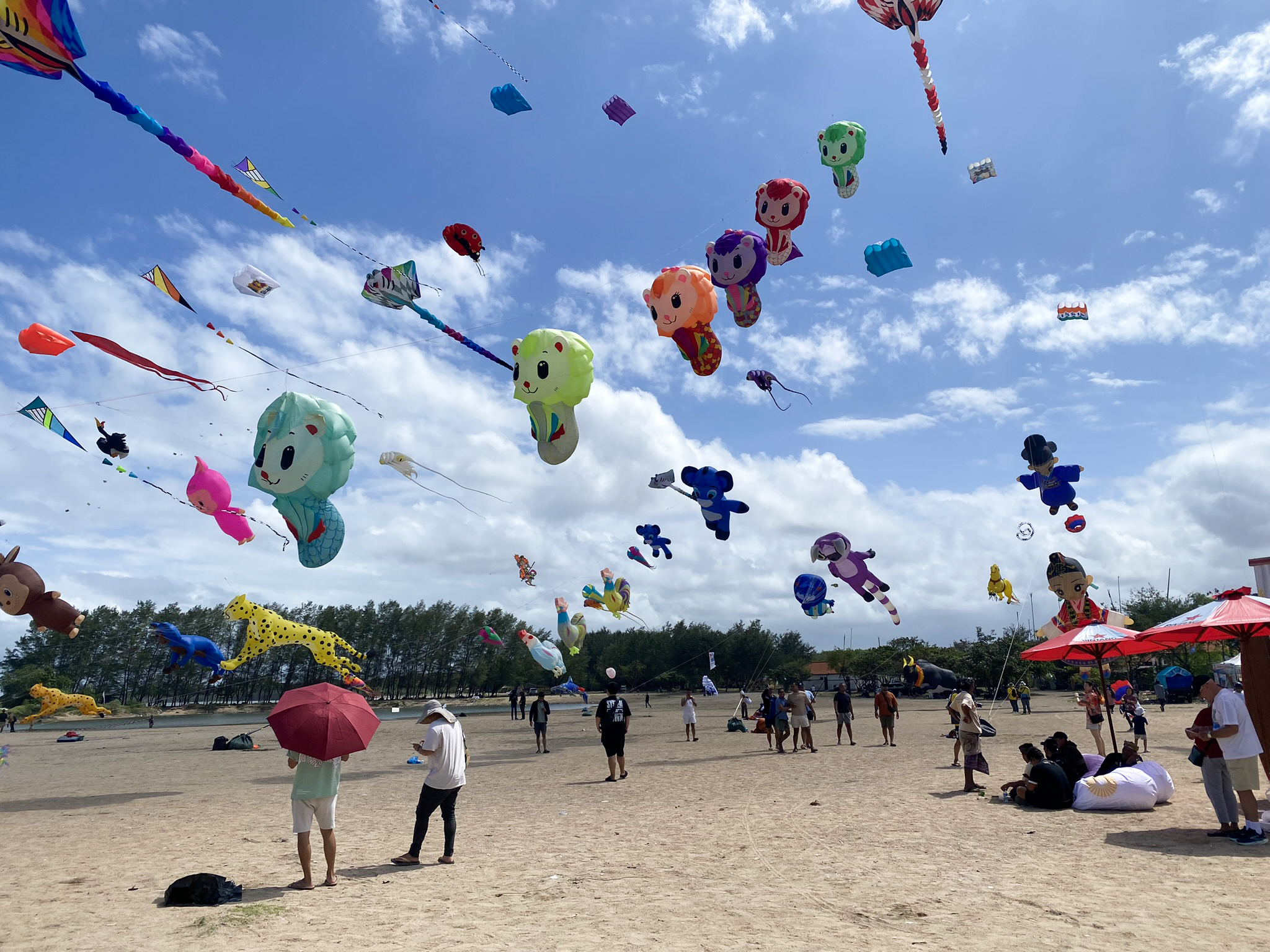
Some of the flying monsters were really …
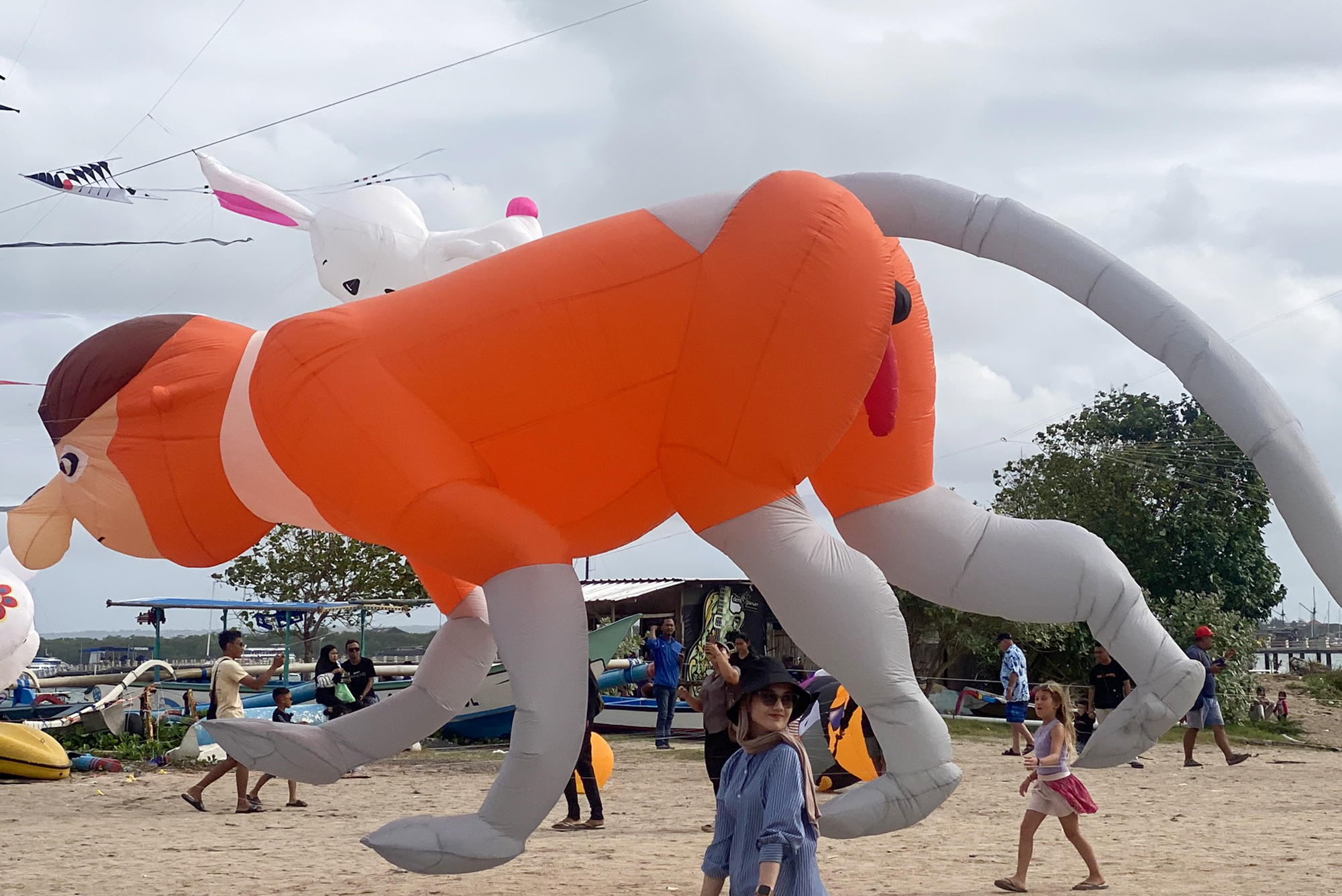
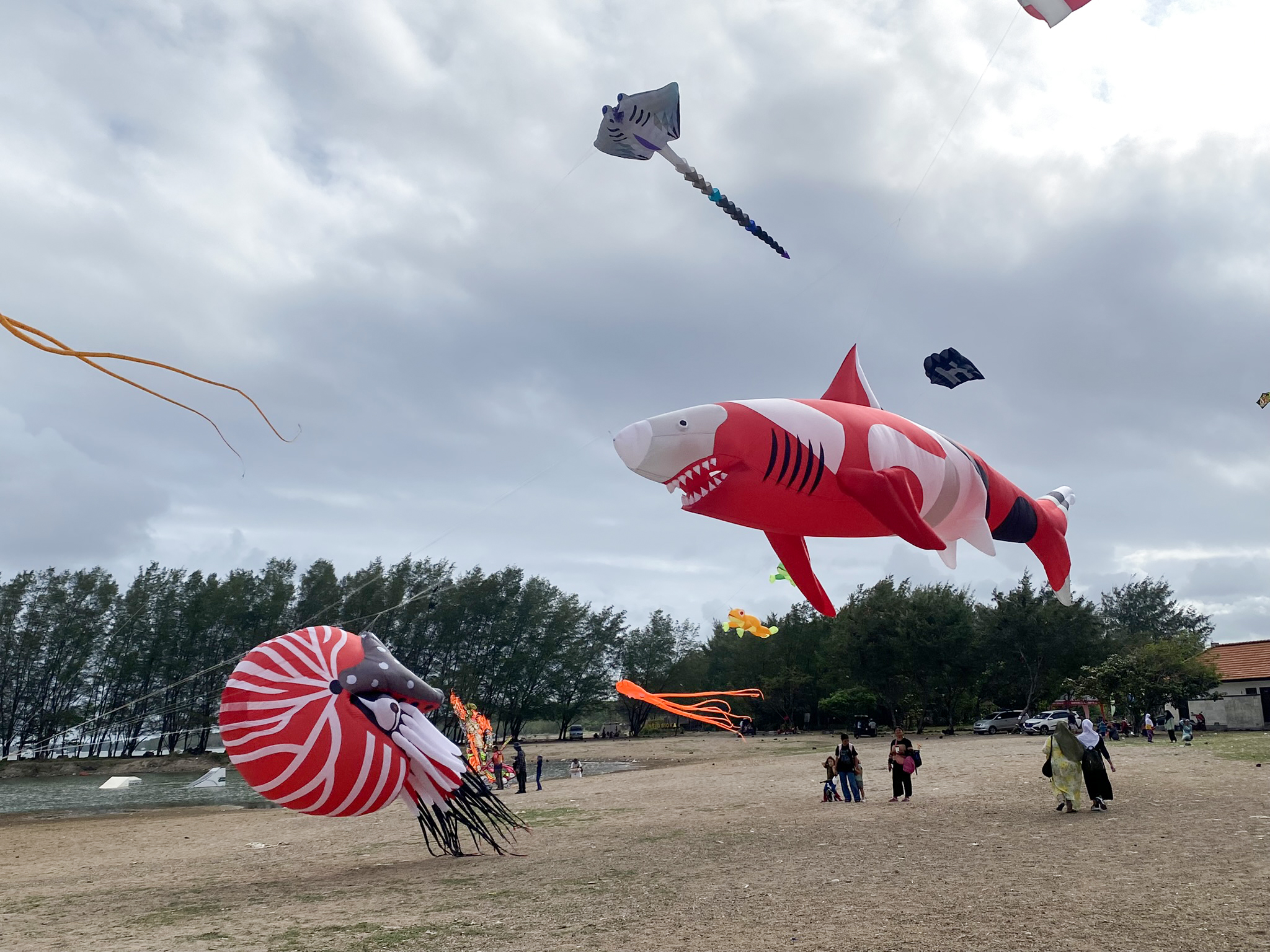
All in all, the international part of Rare Angon festival was a total success.
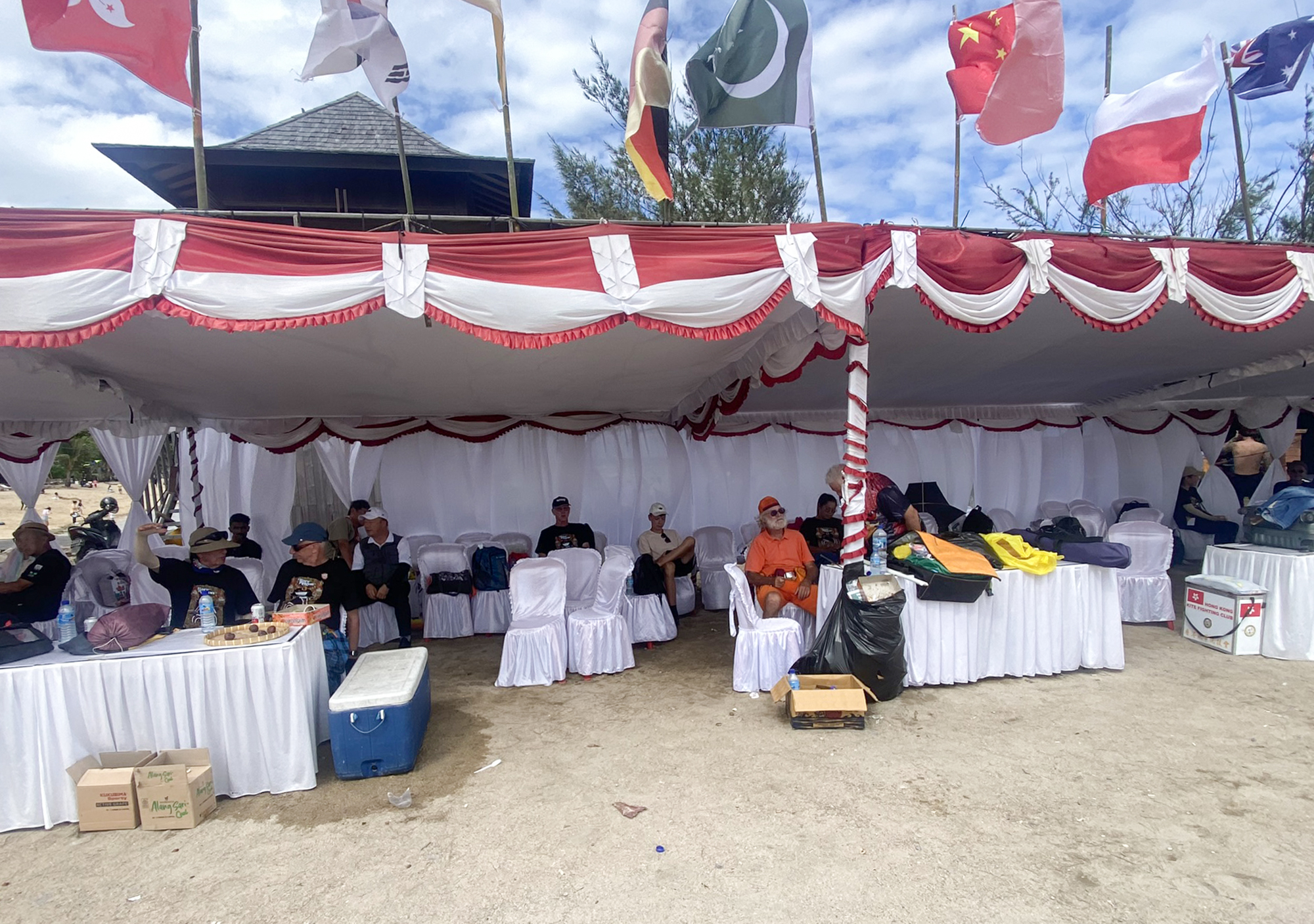
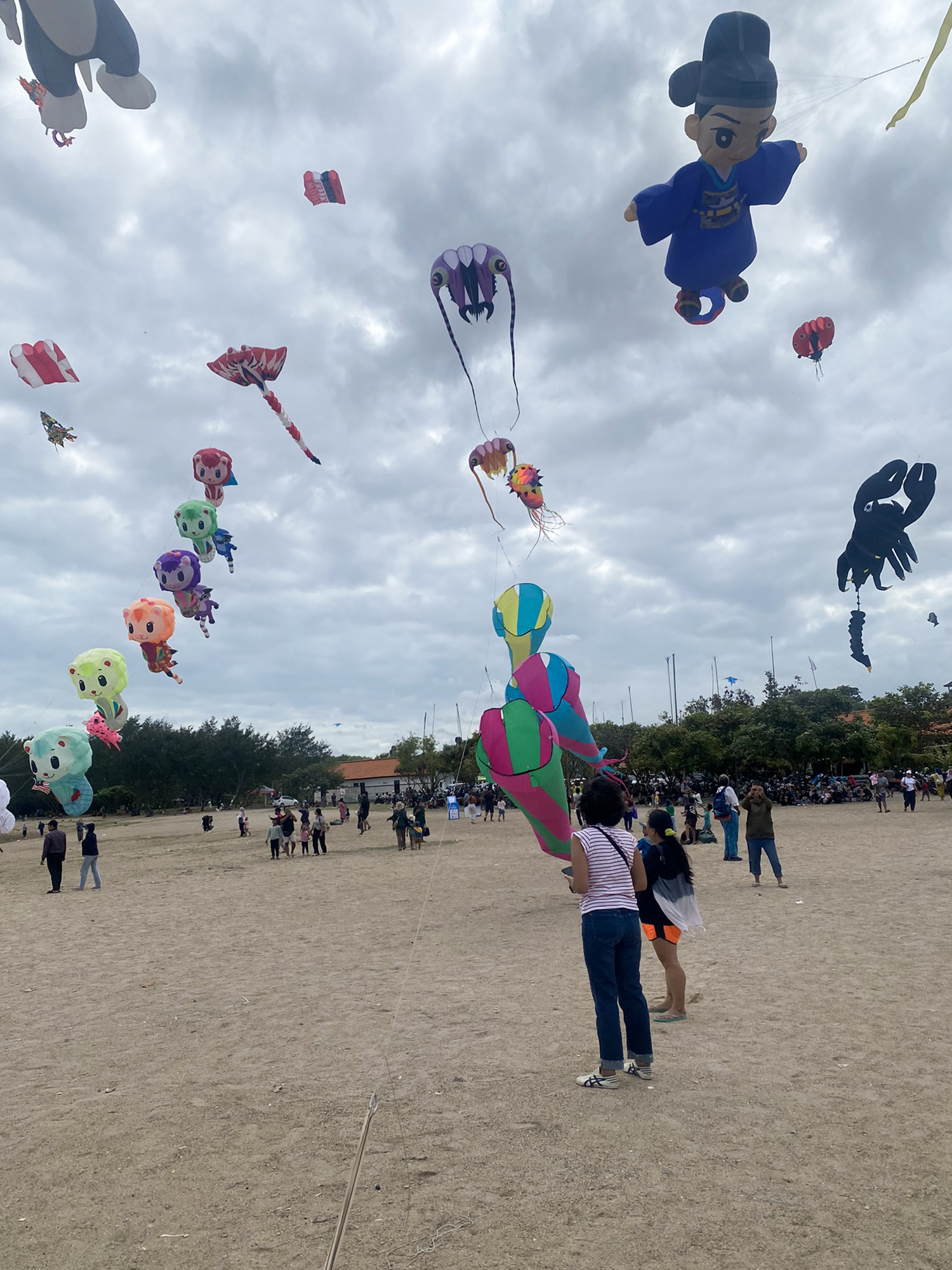

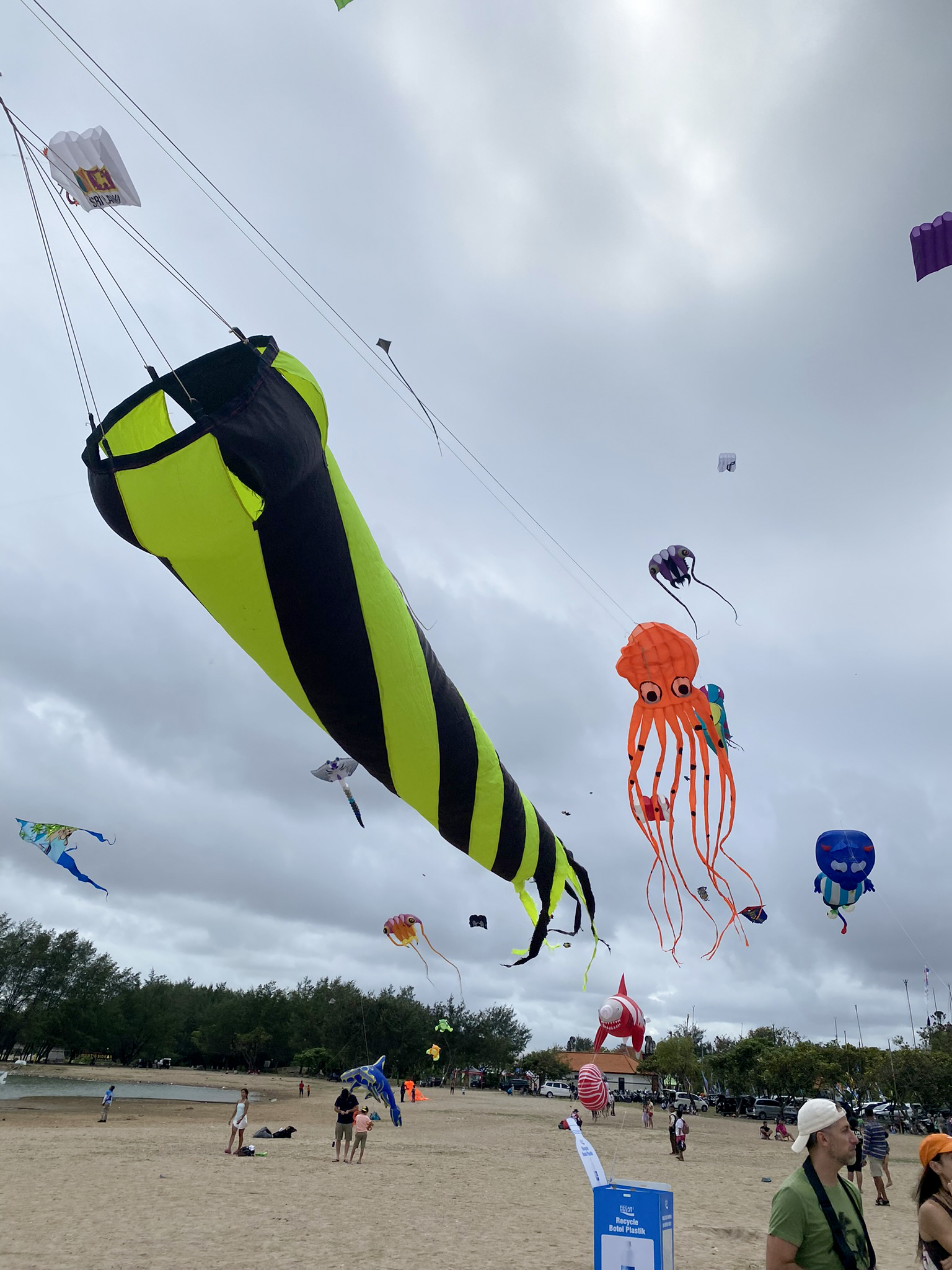
Rare Angon is a dual festival, so after the selection of the world’s best concluded their performance, it was time for the local masters to shine …
And shine they did.
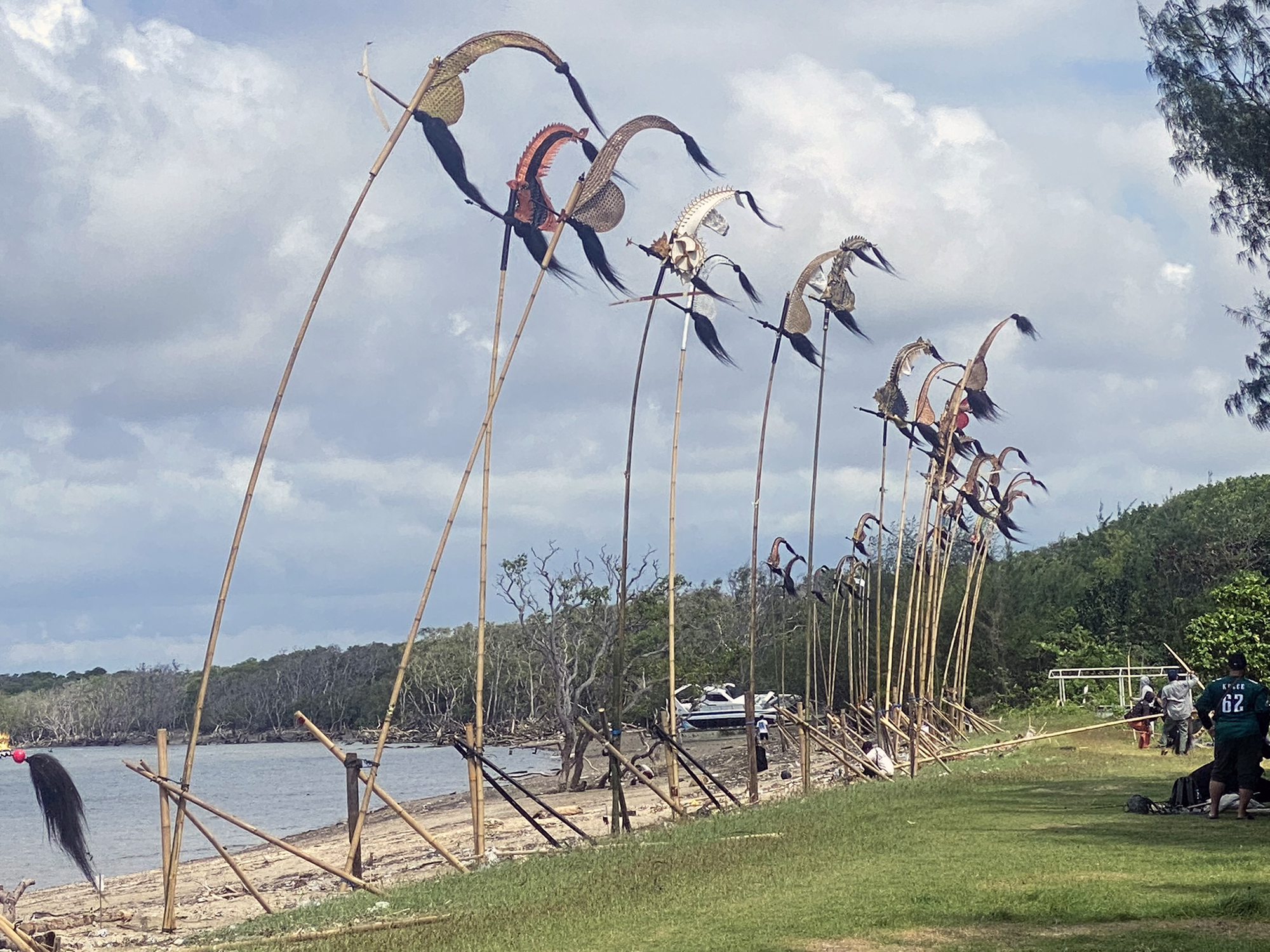
Bali as a Hindu island in a predominantly Muslim Indonesia, has arguably the most astonishing kite culture in the world. Here kite flying is not a simple pastime, a hobby – it’s a spiritual, religious act.
At the beginning of the season a god named Rare Angon (a boy riding a bull) descends from the heavens and calls the trade winds with his flute.
The winds respond to the enchanting sounds of Rare Angon’s flute – and the good people of Bali crowd the beaches and fly kites, right?
No.
Everything about the Balinese kite culture is though out, steeped in history and religion, and in the unique aesthetic touch that permeates the island and its people. Nothing is left to chance, nothing is a joke.
A Balinese kite possesses a spirit, a spirit of its maker. The materials – bamboo, string, fabric, colours – are all carefully selected, purified, infused with a message (the Balinese word for kite, layangan, can also mean a message) – a message for the gods.
A Balinese kite must be ritually cleansed, as it is to fly over sacred temples. The team – up to 50 people! – that makes and flies the kite must be pure too.
Balinese kites don’t just dance in the sky – they sing too:
And Balinese kites are huge. Really huge.

A Janggan – the dragon kite that is probably the most representative of the Balinese kite culture – has a tail that is 20 to 22 times as long as the wingspan of its head. So a Janggan that has a head six meters across has a tail a hundred and twenty meters long! The largest Janggan, the Nagaraja, has a head wingspan of 11 meters … and a 234 meters long tail.
Imagine dozens of these rising together in the blue sky … Or don’t imagine – click and see for yourself:
It’s beyond amazing. This is a show in the sky like no other, anywhere, ever, period.

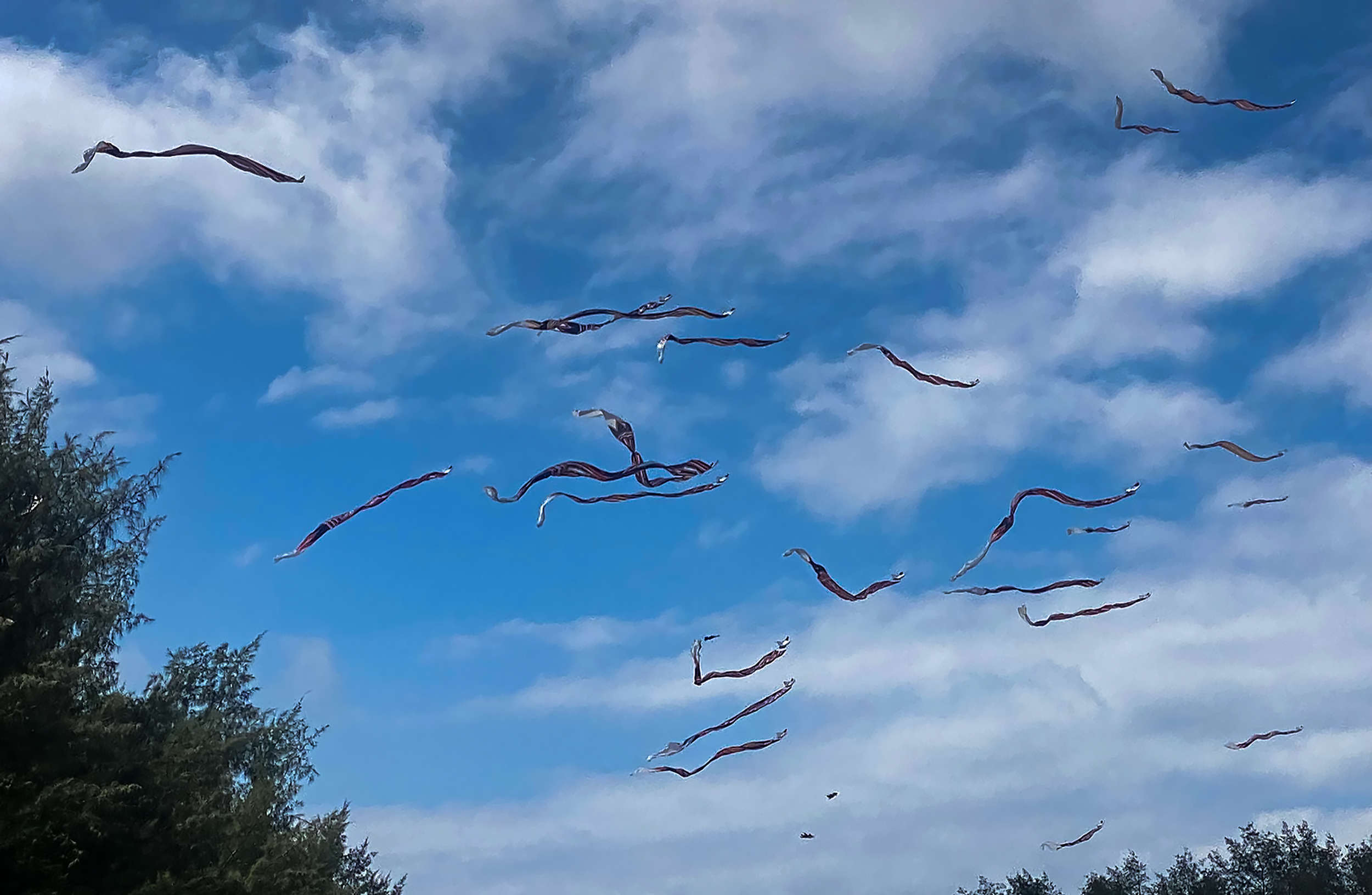
And if a Janggan crashes, it loses its spirit – so it must be purified again …
There are four basic categories of traditional Balinese kites: the Janggan (dragon), the Bebean (fish), the Pecuk (leaf), and the Kuwir (a shrunken Janggan, Janggan Buntut). Sometimes a new type or two are added, like Celupuk (owl) and Kedis Kandik (swallow), or a completely new (and very ingenious) flying thing, called kreasi baru, new stuff.
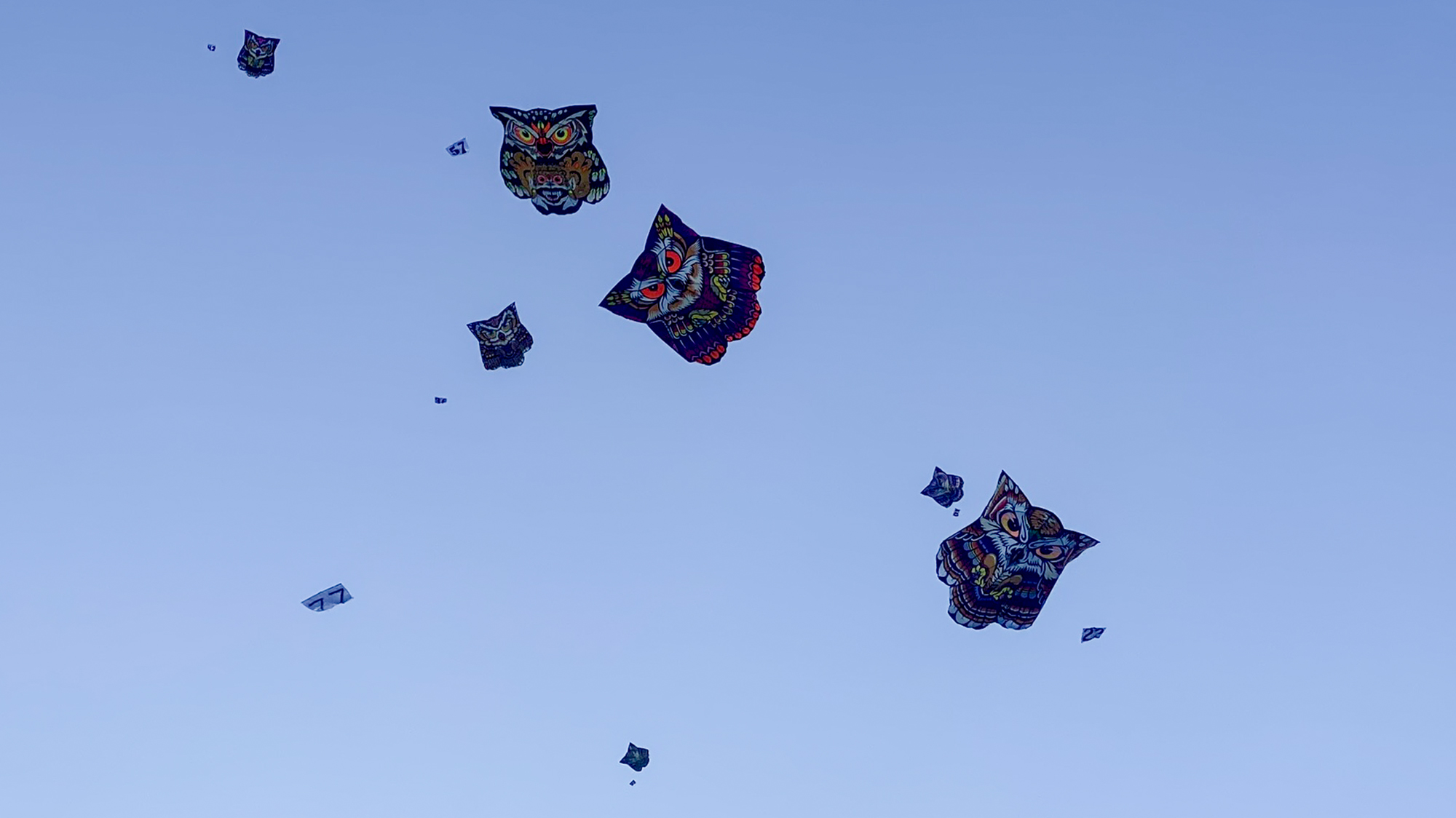

Notice how it’s categories of kites, right? That’s because a kite festival is a competition; a stiff, serious contest between kite teams. Stern judges judge everything: the make, the elegance, the colours, the materials …the take off, the flight, the handling, the landing … the sound and the music.
Yes, a kite team includes a whole band that performs during the flight!

There aer simply no words … What an experience, what a day …
Dazed and amazed visitors had just enough time and the energy left for some temple visits …

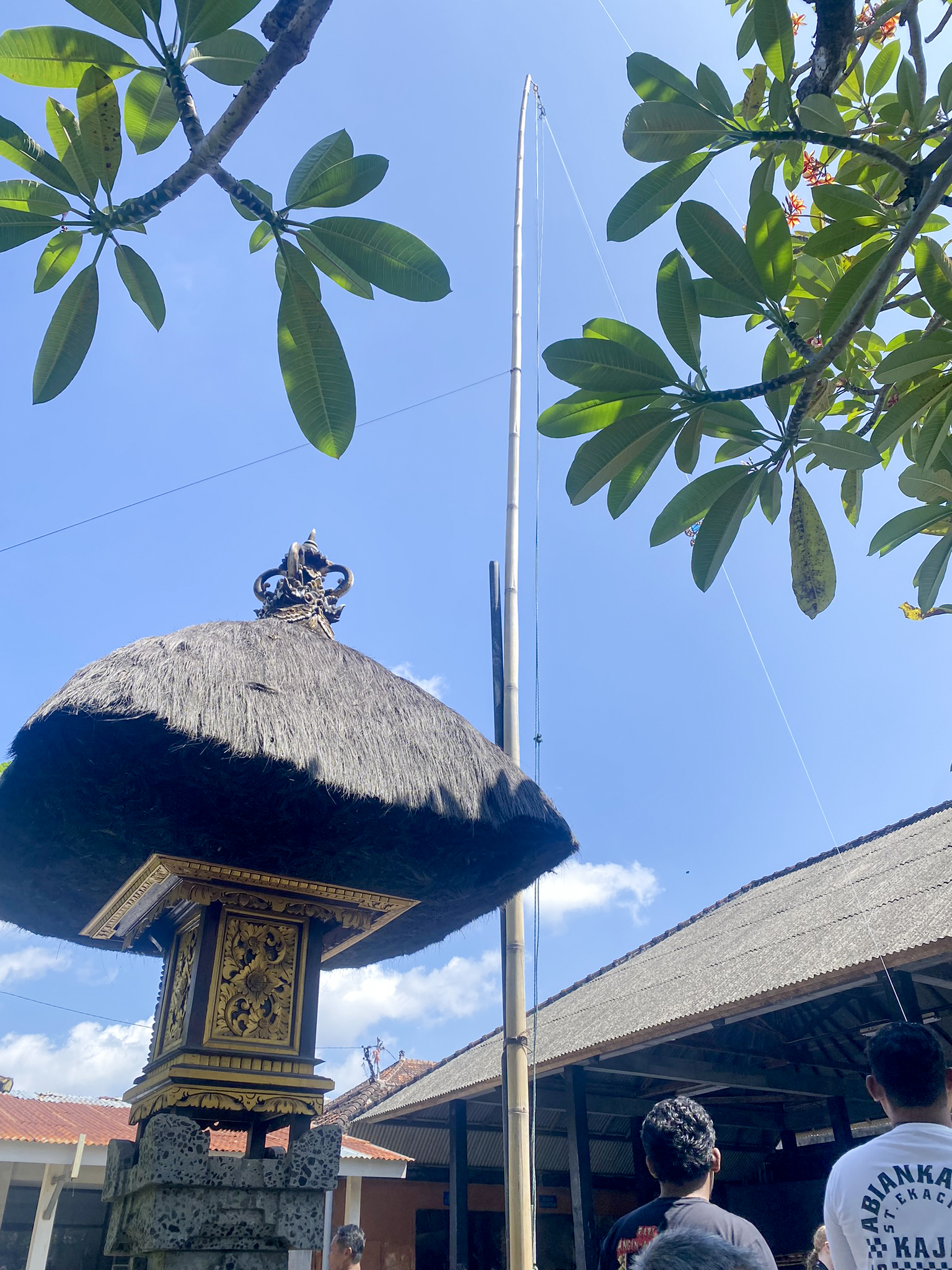
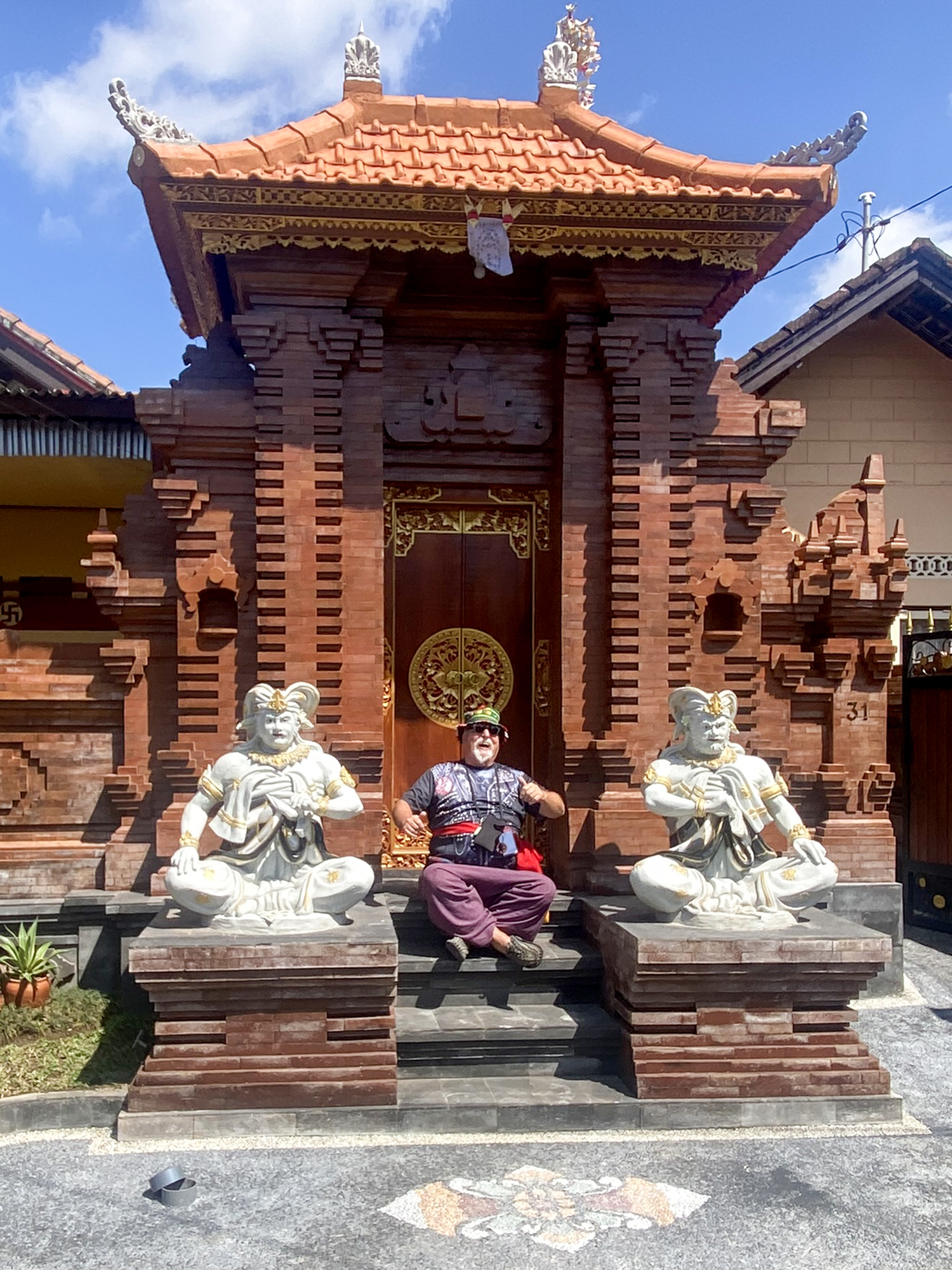
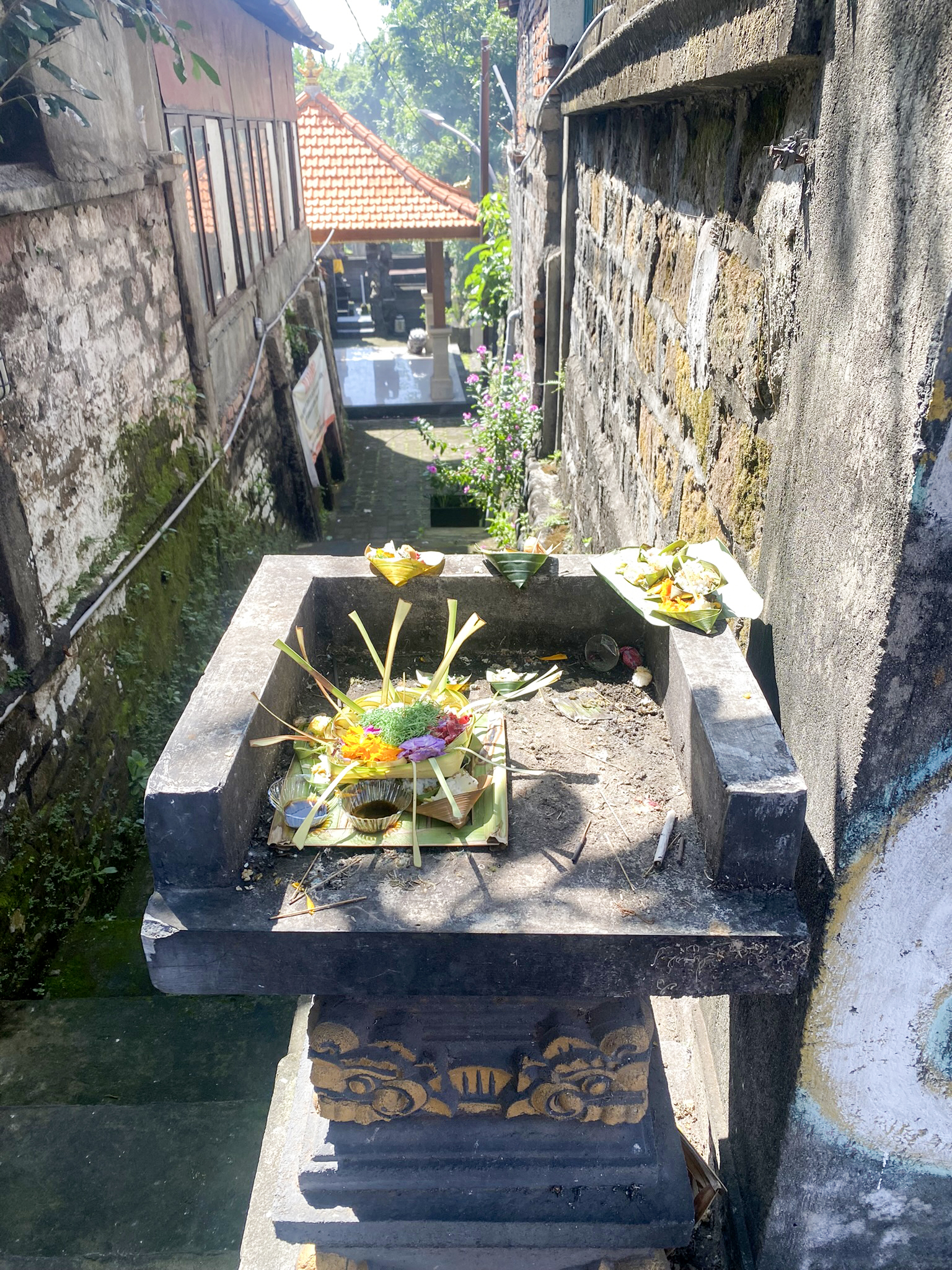
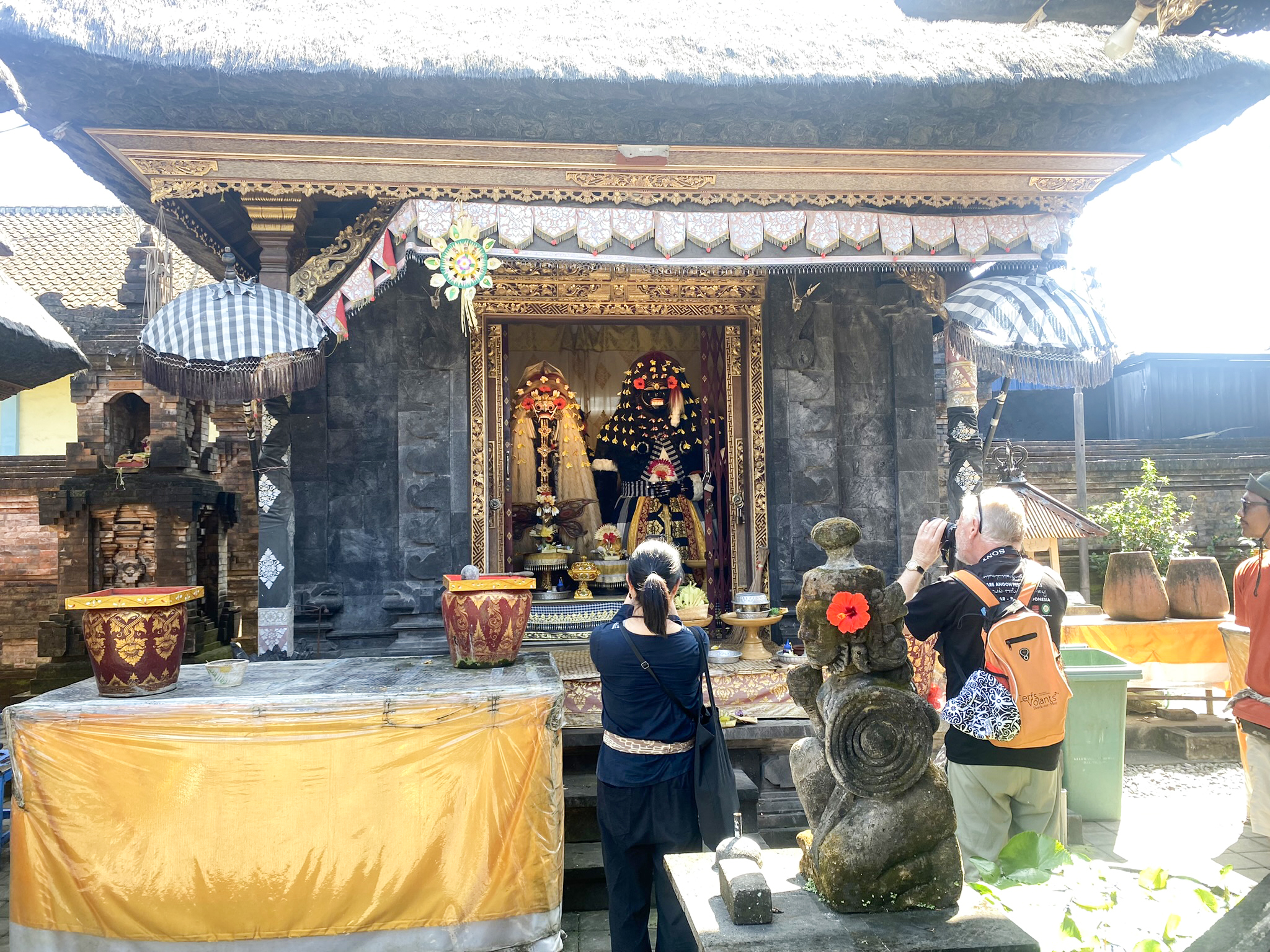
And it was time to go home.
A quick stop back in Jogja …
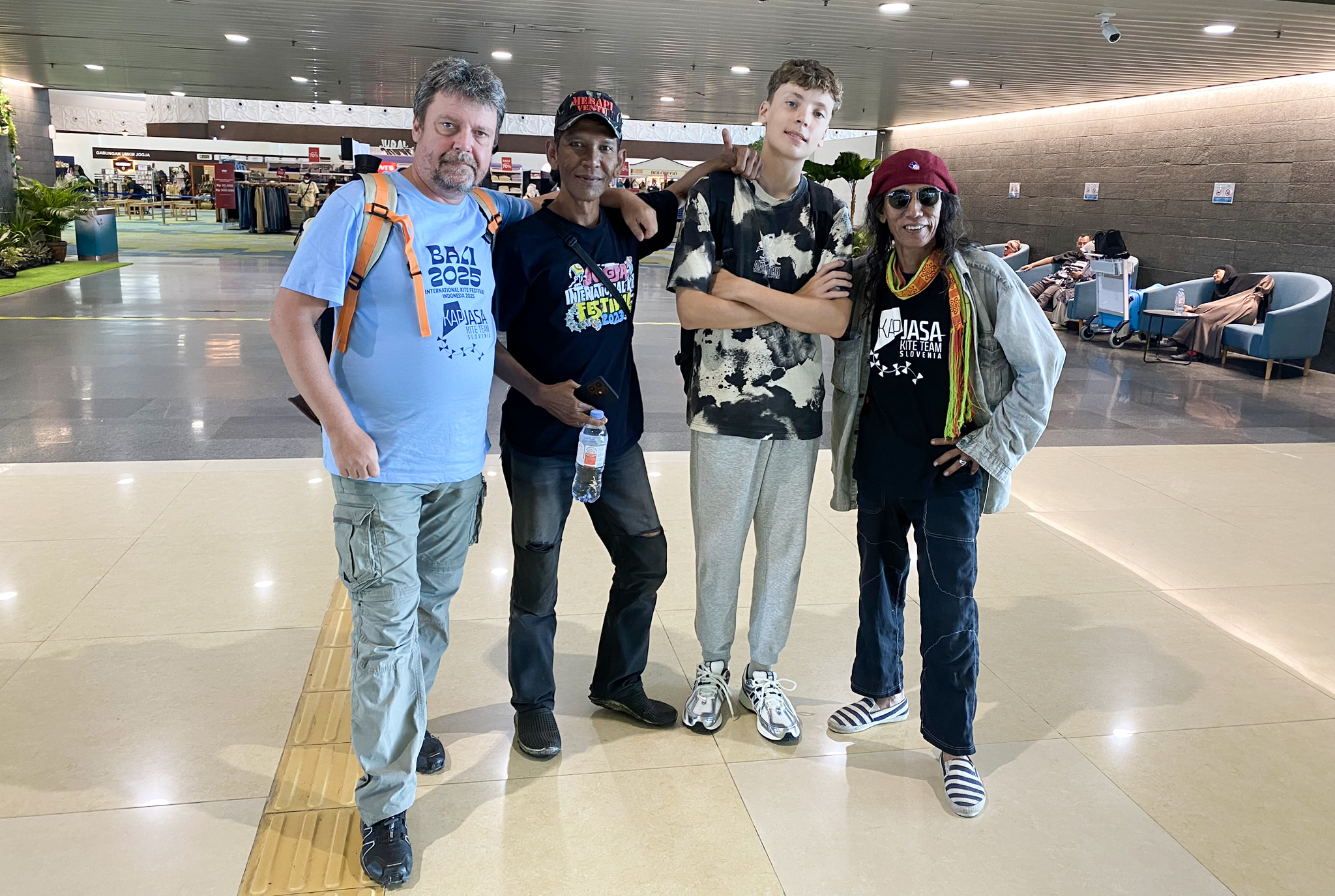
Visiting the kite club house …


Enjoying the best coffee in the town …
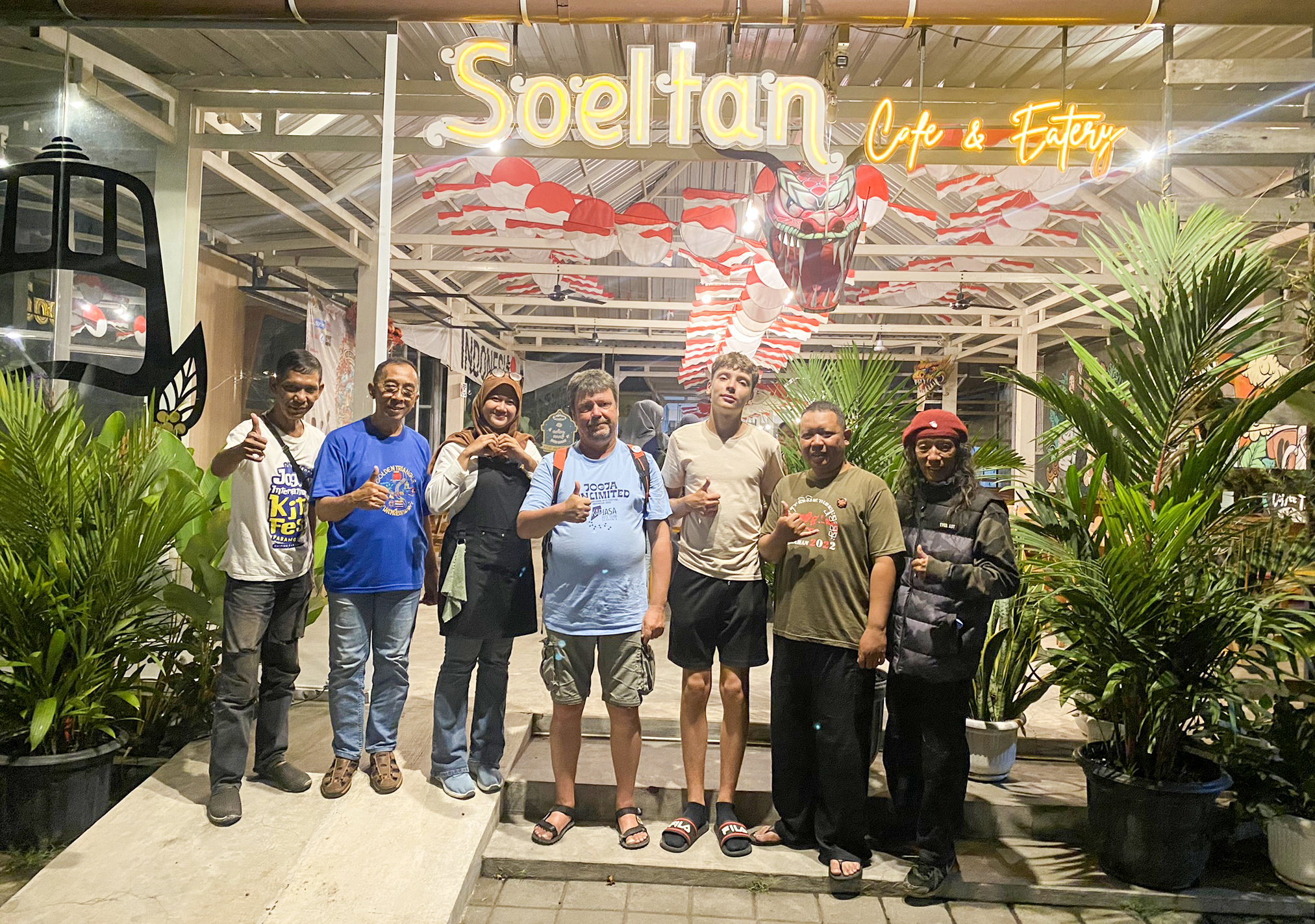
Checking out the Yogyakarta kraton, Sultan’s residence …
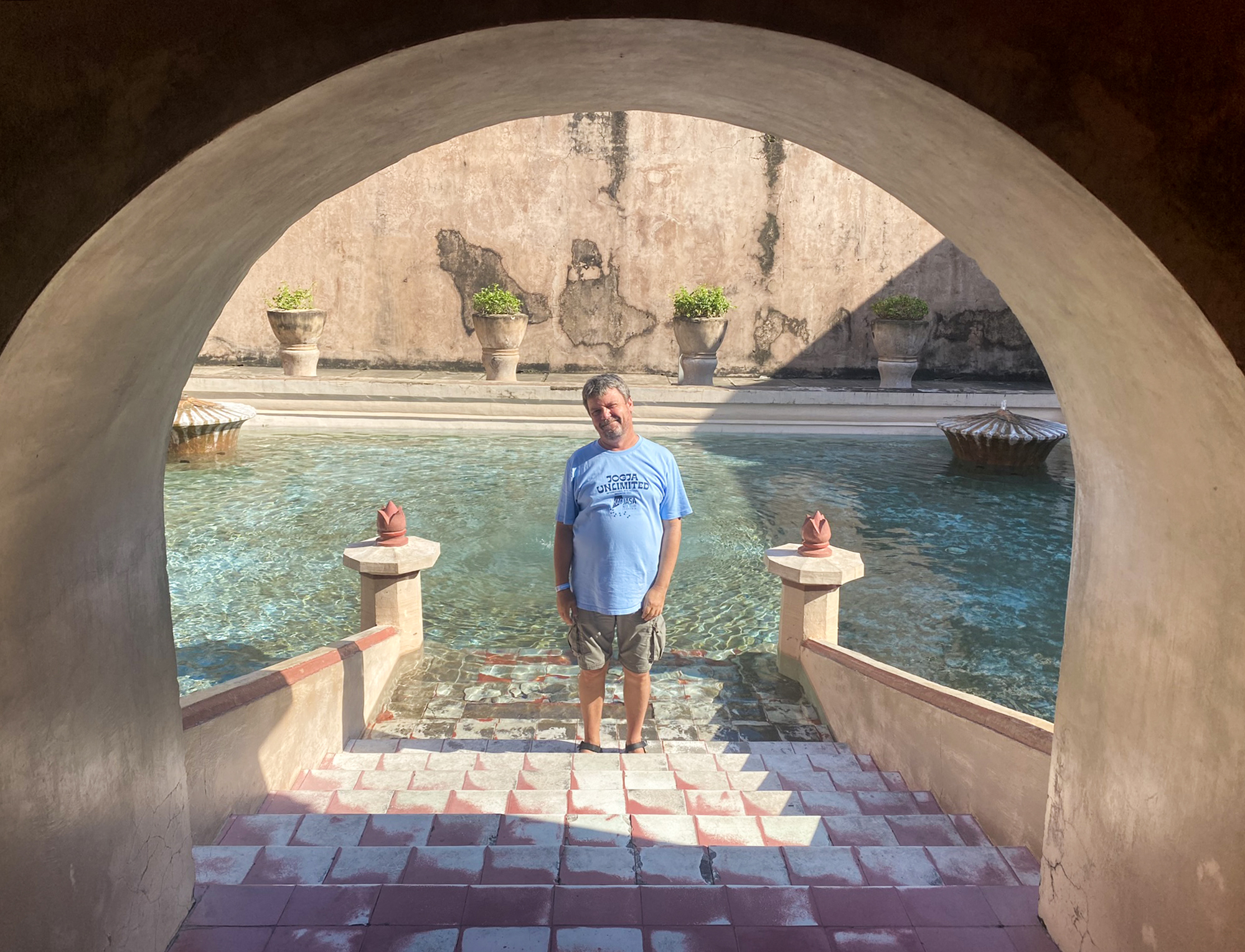

And it was enough.
The intrepid travelers were exhausted, full of memories, full of amazing experiences, of love and friendship.

An adventure of a lifetime.
Big big thanks to Kadek and the 2025 Rare Angon organizing team, to all the friends we met there, to our driver, to the kite masters of Bali, to the kids running after our spinners, to all the fantastic and loud visitors cheering us – and to the enchanting island itself. See you next year!
And special thanks to Žuža and Žare of Zmajoljupci – Croatian Kite Association for their generous lease of Buco and the Spinners!