There was nothing. There was no ‘there’ there. A hundred and fifty square kilometers of void.
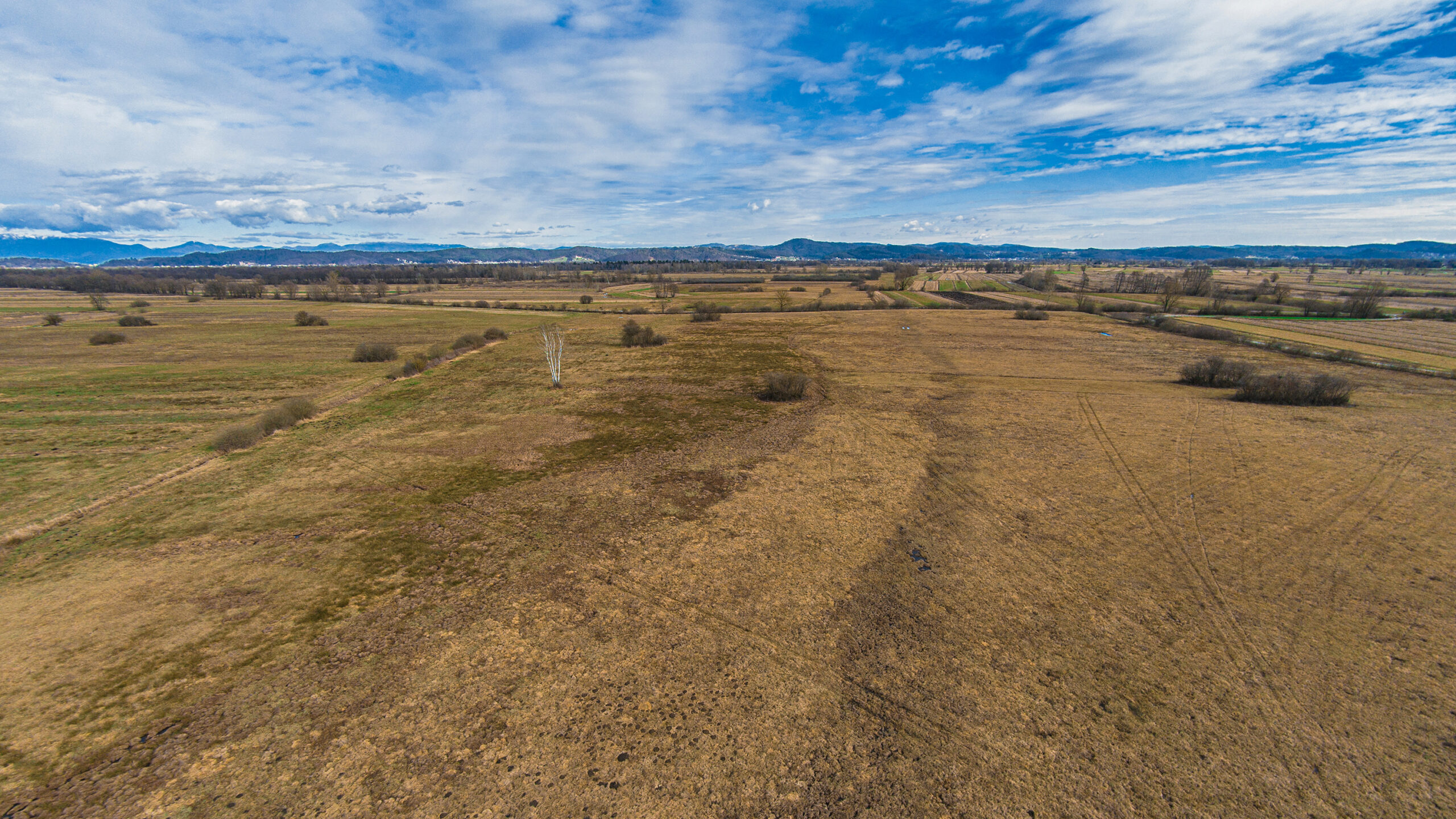
To be fair, only one species of animal thought that; millions of others were quite happily enjoying this purported “void,” thank you very much. And even the detractors once lived smack in the middle of it, back when it was a shallow, fragmented lake. They enjoyed its protection, gobbled up its resources, and promptly left when it dried up. The Celts and the Illyrians abhorred it. The Romans fought it for a while and then graciously accepted defeat. Those who came later simply ignored it.
Until they didn’t.
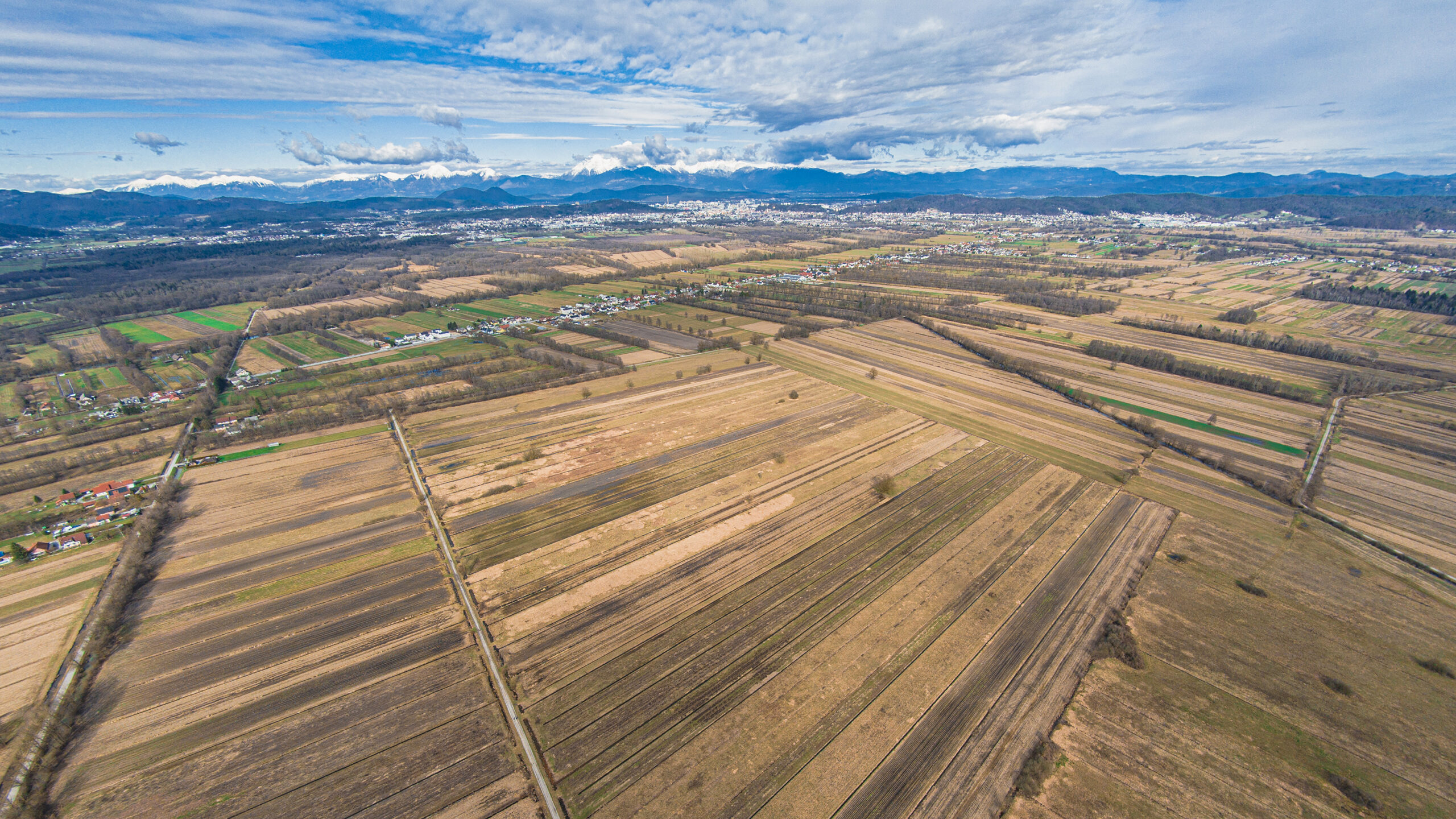
Ljubljana Marshes. A Pliocene tectonic depression, 20 km long, 10 km wide, and over 200 m deep, filled to the brim with riverine and lacustrine sediments. In less academic terms: a bloody big bog.
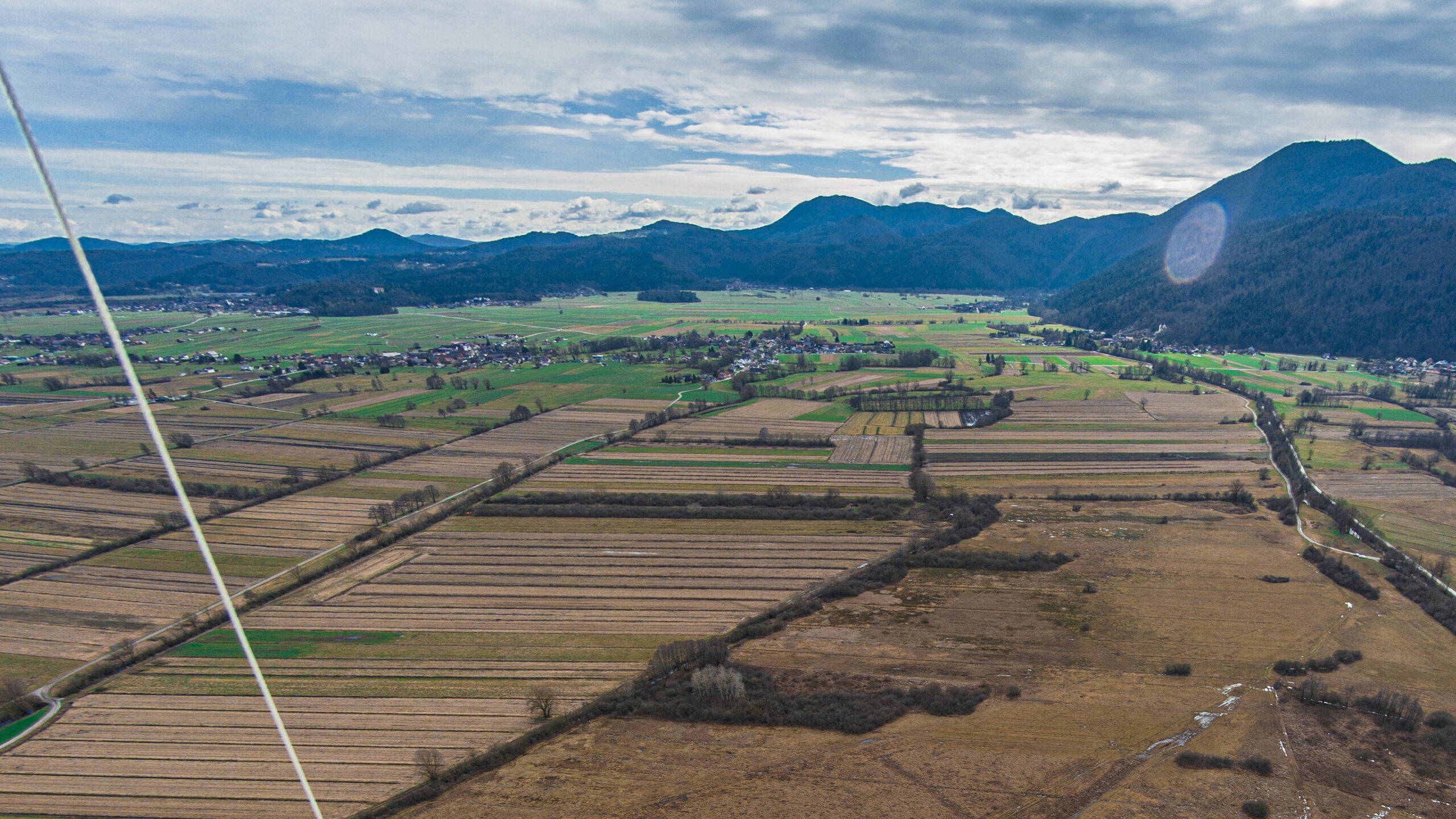
The Marshes were a scary place. There be dragons and stuff. People stayed at its edges, perching their dwellings on the dolomite hills and the alluvial fans – firmly on terra firma, where the ground had the decency not to wobble. The rivers – Ljubljanica, Ižica, Iška – were the only way to cross the Marshes; even the most experienced hunters were reluctant to venture too deep into the wet abomination, lest they become part of it.
But as the years – centuries, millennia – passed, this primal fear of the swamp got diluted. The Marshes were seen as less and less terrifying and more and more unproductive, as the walking ape got really cocky. Transform every corner of the Earth, harness every resource, enslave Nature and make Her work for us! We know what is good, we know how to make it better! Ameliorate everything! V A N I T A S ! What could possibly go wrong?
Well …
In 1762 Franz Zorn started digging a canal into the marshland north of the Ljubljanica River – the extant canal still bears his name, Cornovec – and within a couple of years he managed to dry his estate so thoroughly that it was possible to grow actual produce on it (prior to this, the wet soil could barely provide livestock bedding, and even that grudgingly). The court in Vienna got wind of this rather incredible success, and suddenly the transmogrification of the unproductive Marshes into a breadbasket seemed not only possible, but within reach.
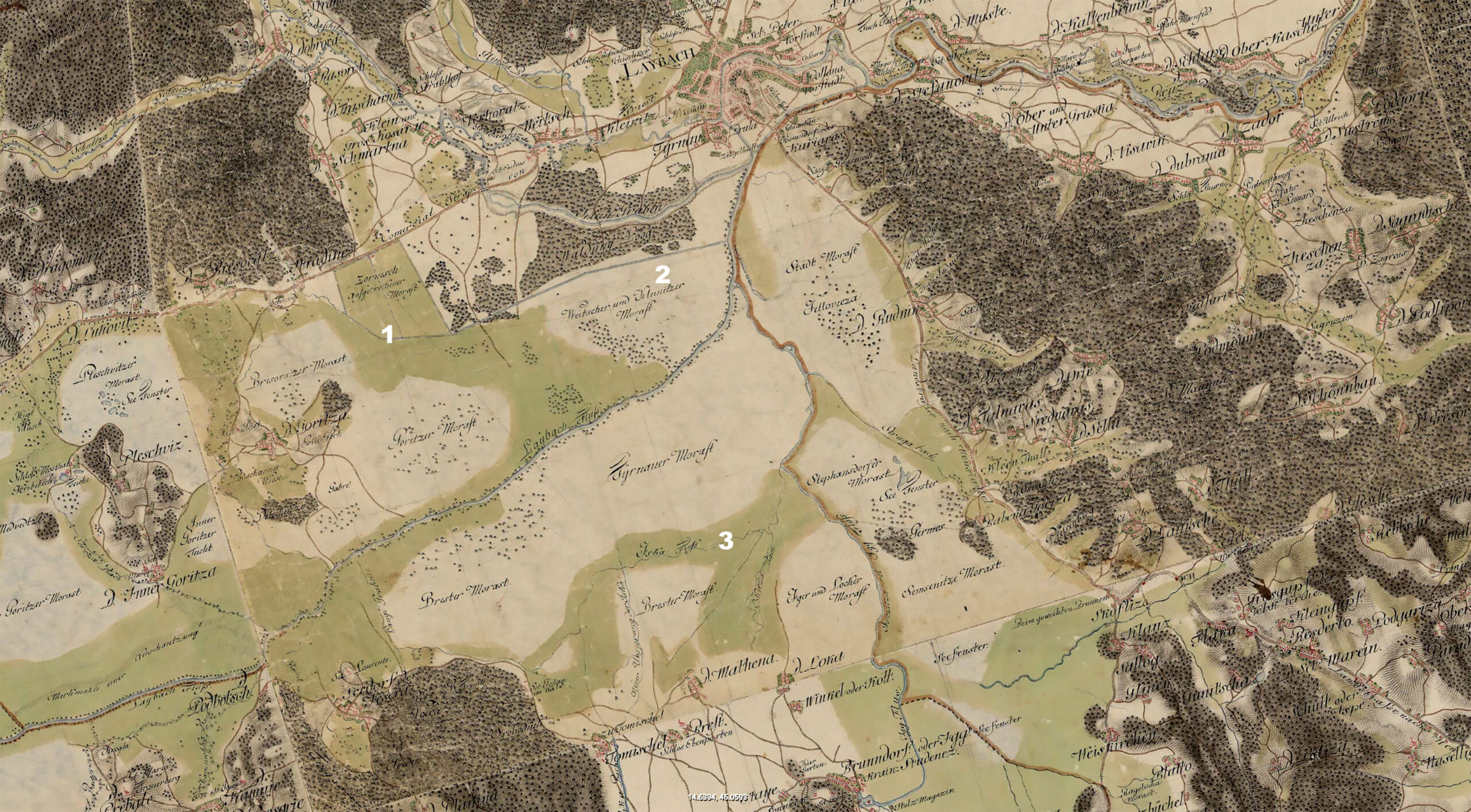
Things got moving with astonishing speed for an Empire famously bogged down in bureaucracy and conservatism; a plan for the complete drying of the Marshes was concocted, impressive funds were secured, and within a few decades the Marshes were criss-crossed by a growing network of canals; the cornerstone of which was the Gruber Canal, a relief channel carrying the waters of Ljubljanica behind the Castle hill, seriously enlarging the outflow and giving the waters of the Marshes a helpful nudge toward the exit.
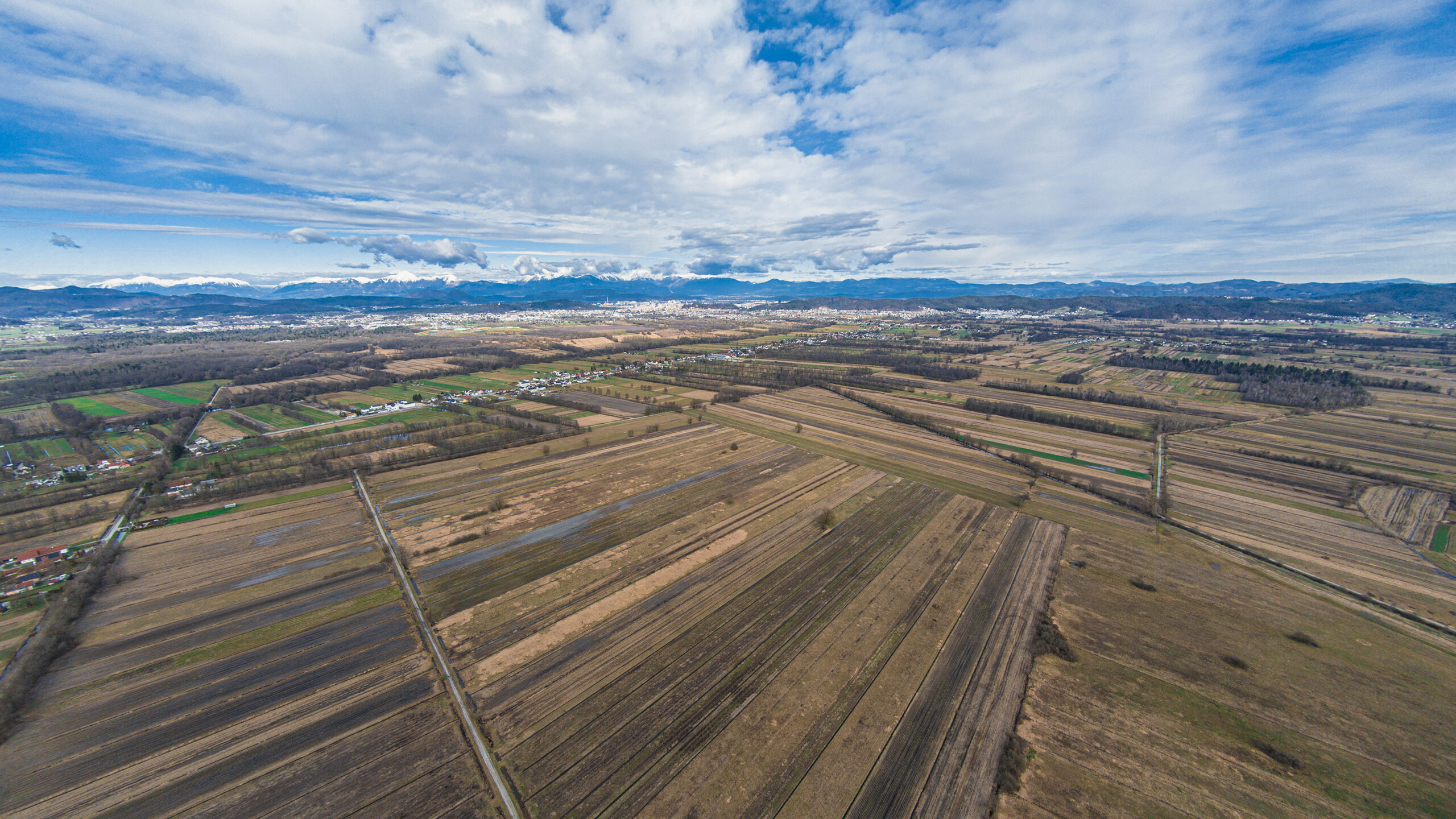
And it worked! The soil dried up! Come, you tired, you poor, you huddled masses yearning to breathe free – and plough! It’s still slightly damp, but promising: come, colonize, grow, enrich yourselves!
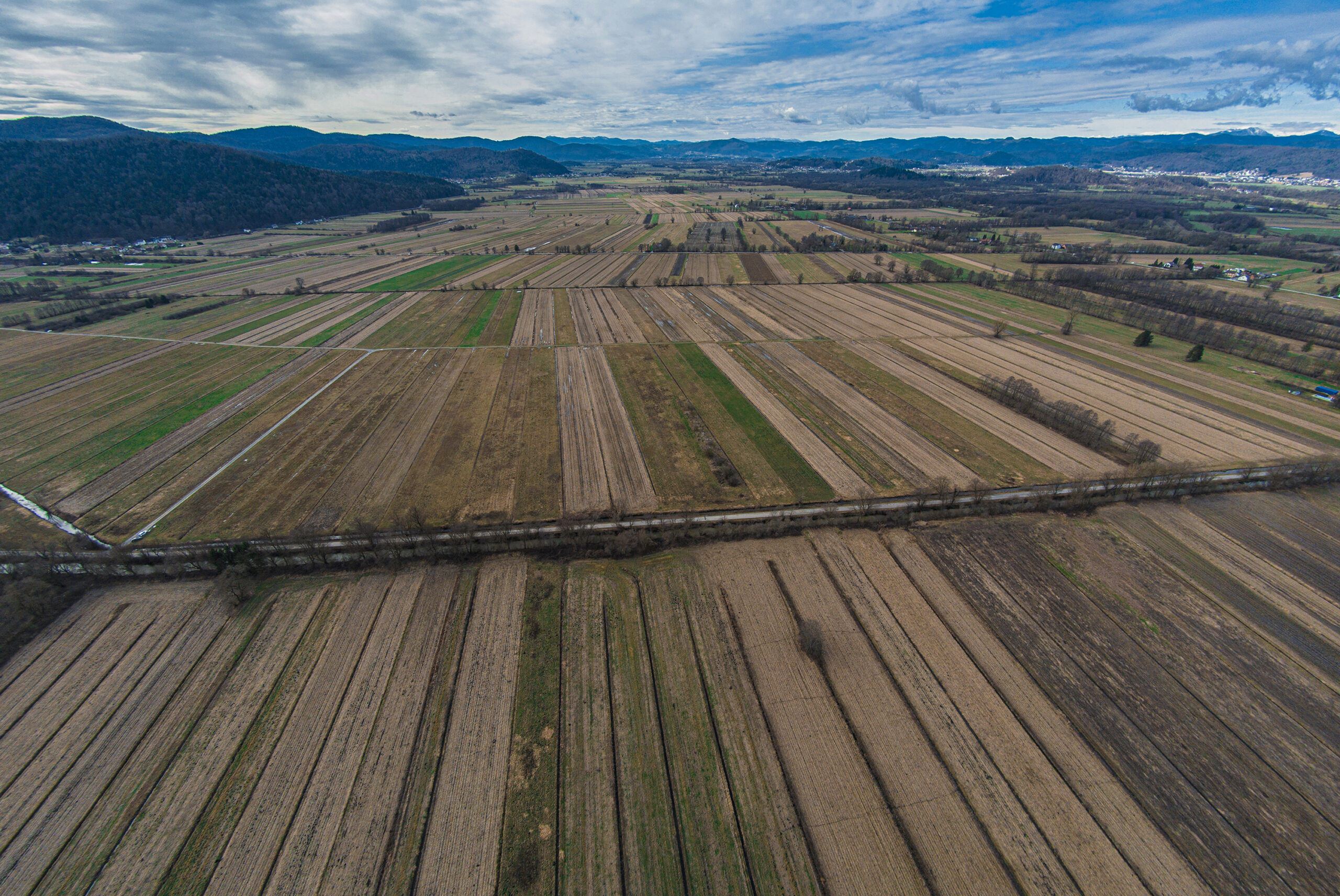
Finally it was possible to build a road straight across the Marshes (ok, the Romans did it almost 2,000 years earlier) from the southern suburbs of Ljubljana to Sonnegg Castle and the village of Ig. The stage was set for populating the last true wilderness of Carniola.
The Gruber Canal was completed in 1780. The deepening of riverbeds started in 1825, the road to Ig was built in 1828 – and the first lots were ready for colonization in an area called Volarje in 1830. The Emperor and Empress themselves came to bestow their blessings, and the marketing-savvy citizens of Ljubljana named these first acres of land freshly plucked from the swamps Karolinengrund, the Land of Empress Carolina Augusta – as any modern real-estate pusher would do.
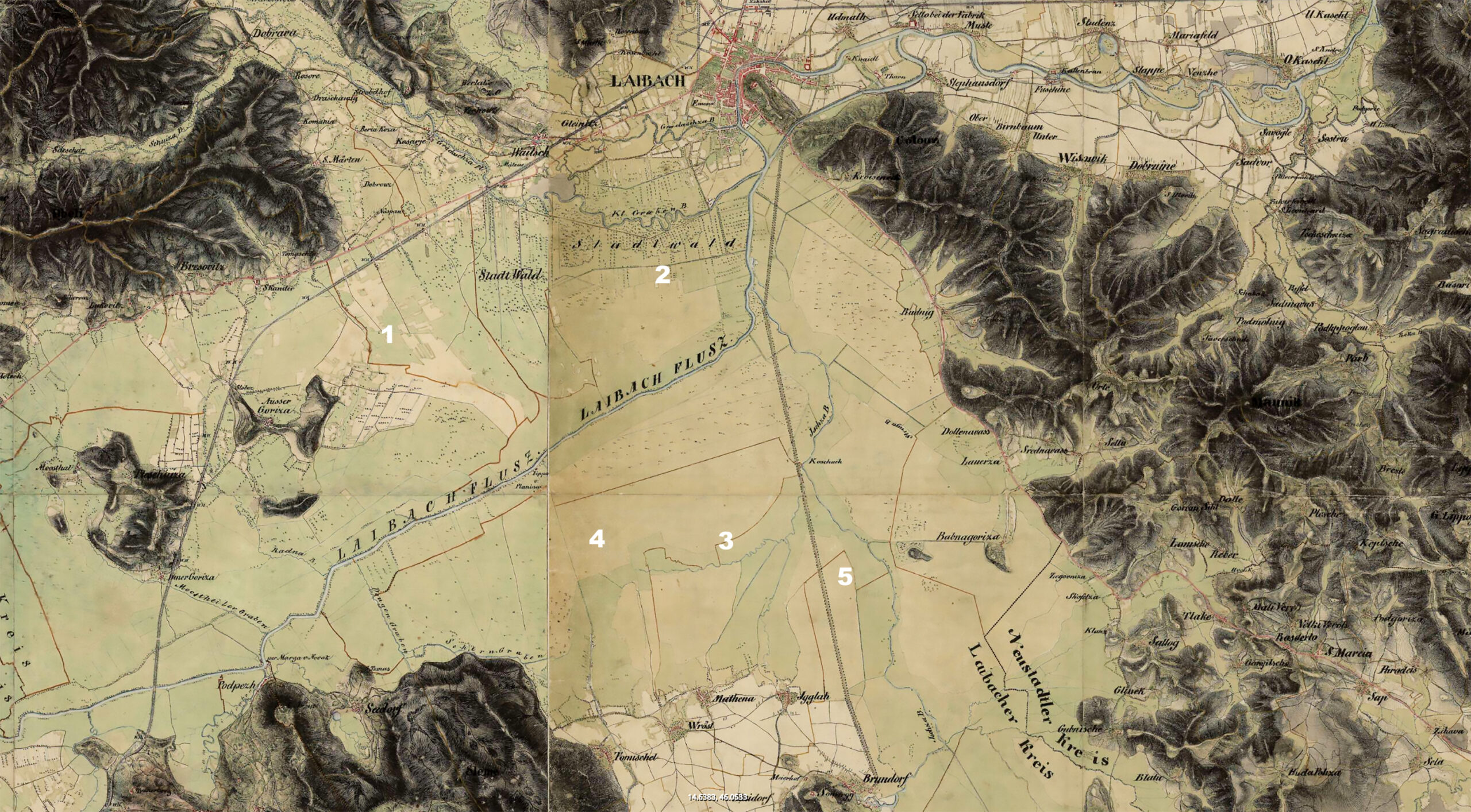
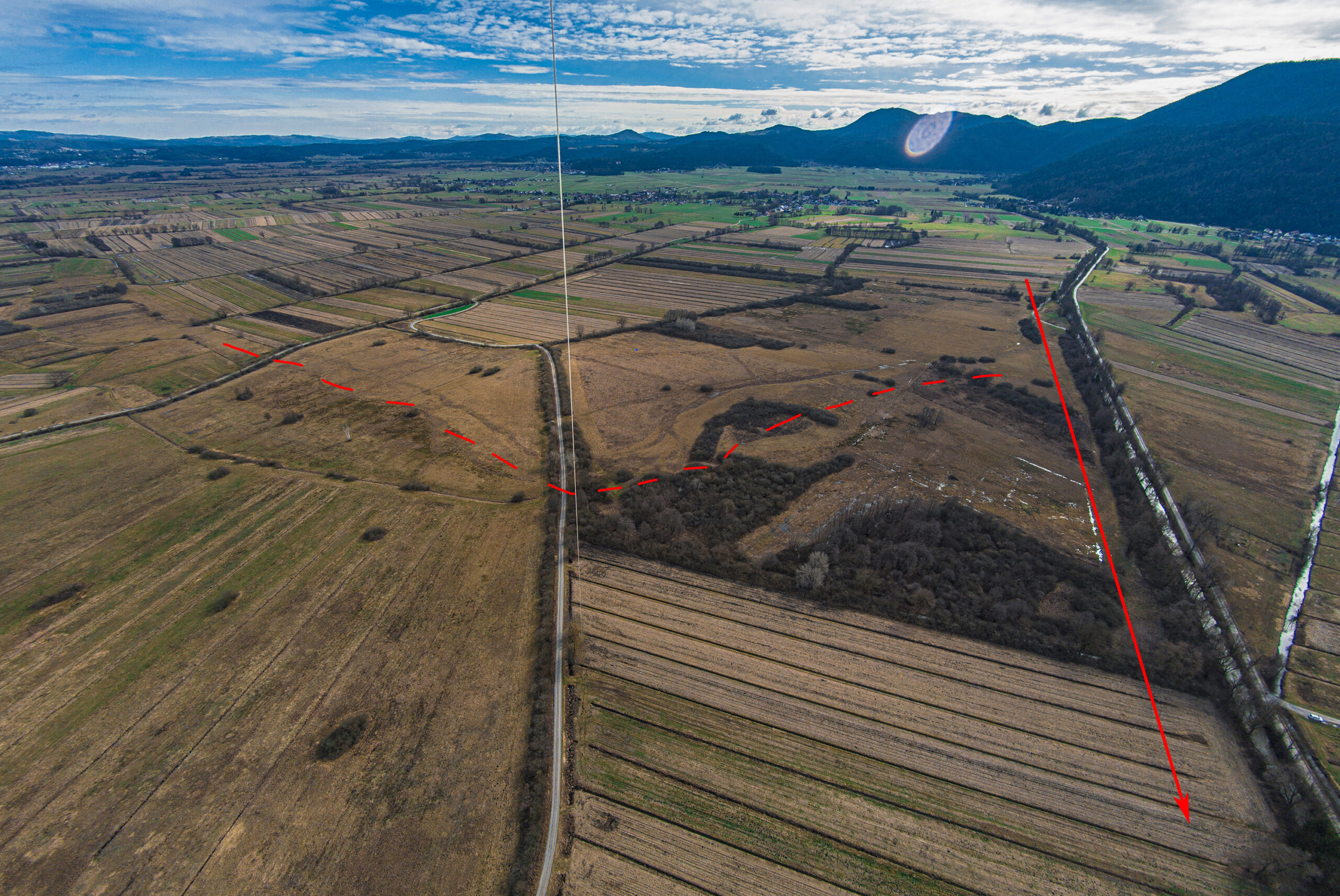
1 – Zorn estate; 2 – Cornovec canal; 3 – old Iška course; 4 – new Iška canal; 5 – new road to Ig.
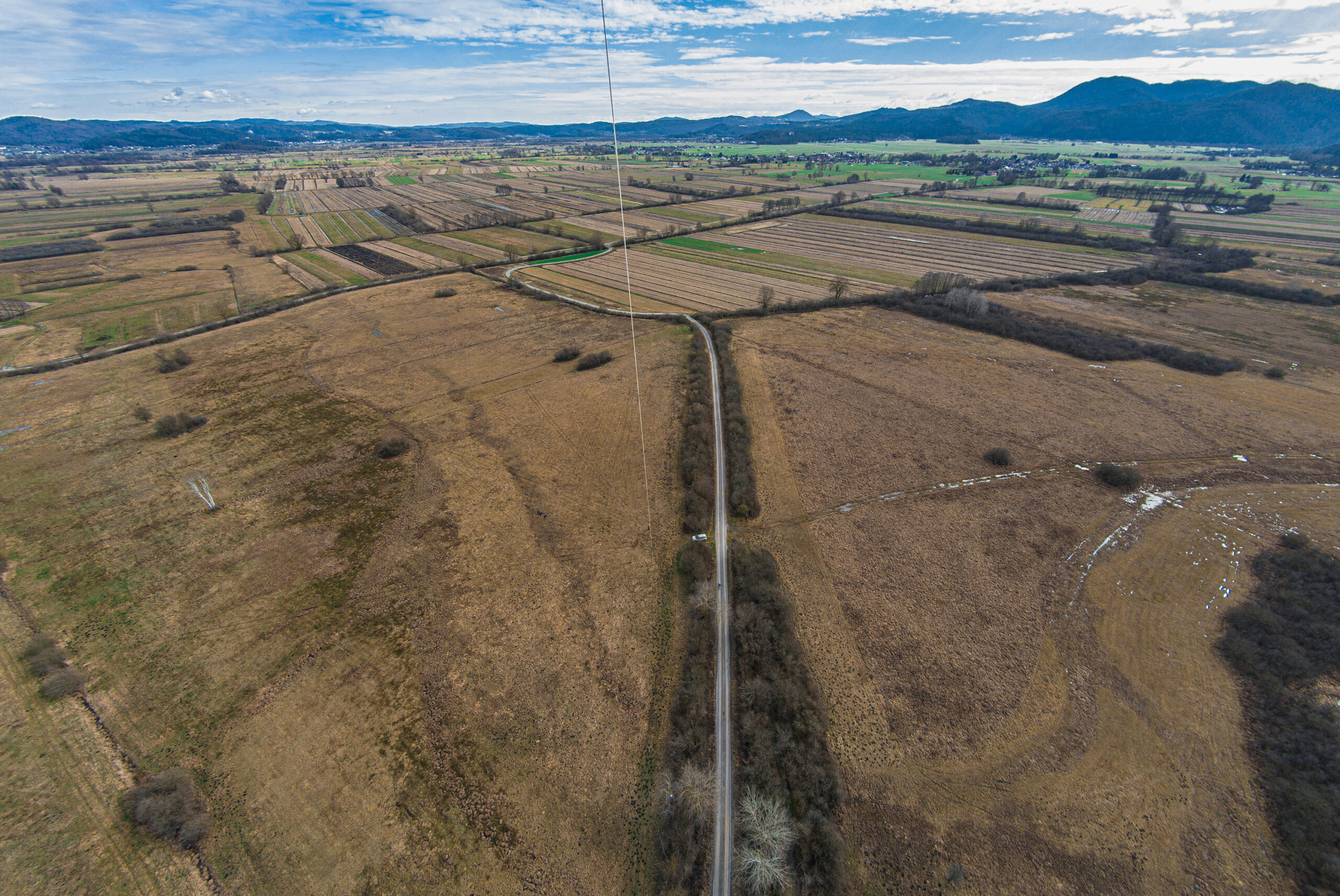
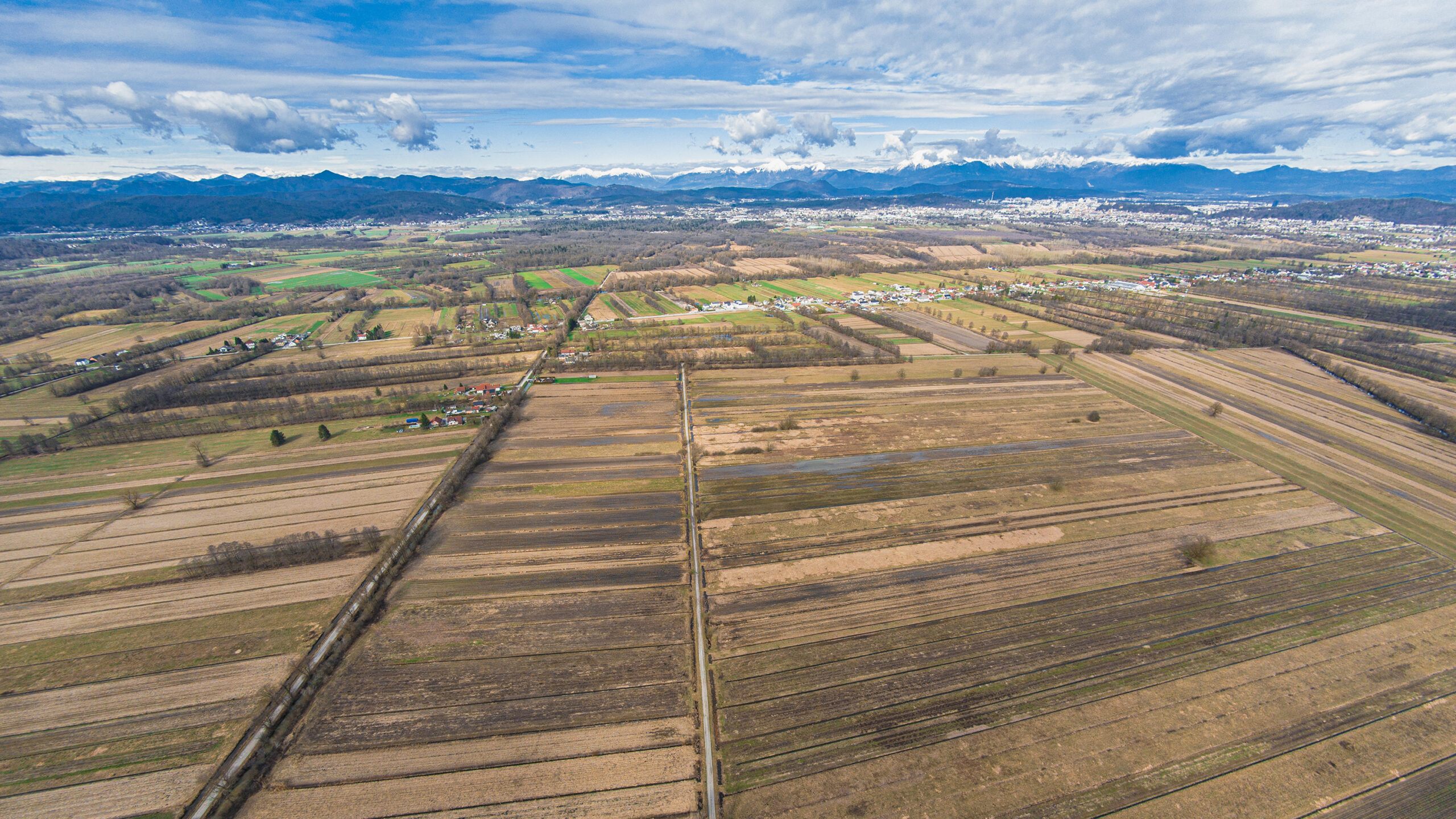
Plots of new land, measuring just over 10 hectares, were dirt cheap, but the real incentive was exemption from military service for the colonists. Before long, cottages sprang up: first on Karolinengrund, then on Ilovica, at Črna vas – the aptly named Black Village – and around Lipe; later still on Hauptmance deeper into the Marshes, and along the new road to Ig. People eagerly cleared their lots, cutting down shrubs and trees, removing stumps, digging channels to drain more water – and slowly reaping what they had sown: hay for livestock at first, legumes and maize later, when the soil improved enough to be considered mildly cooperative.
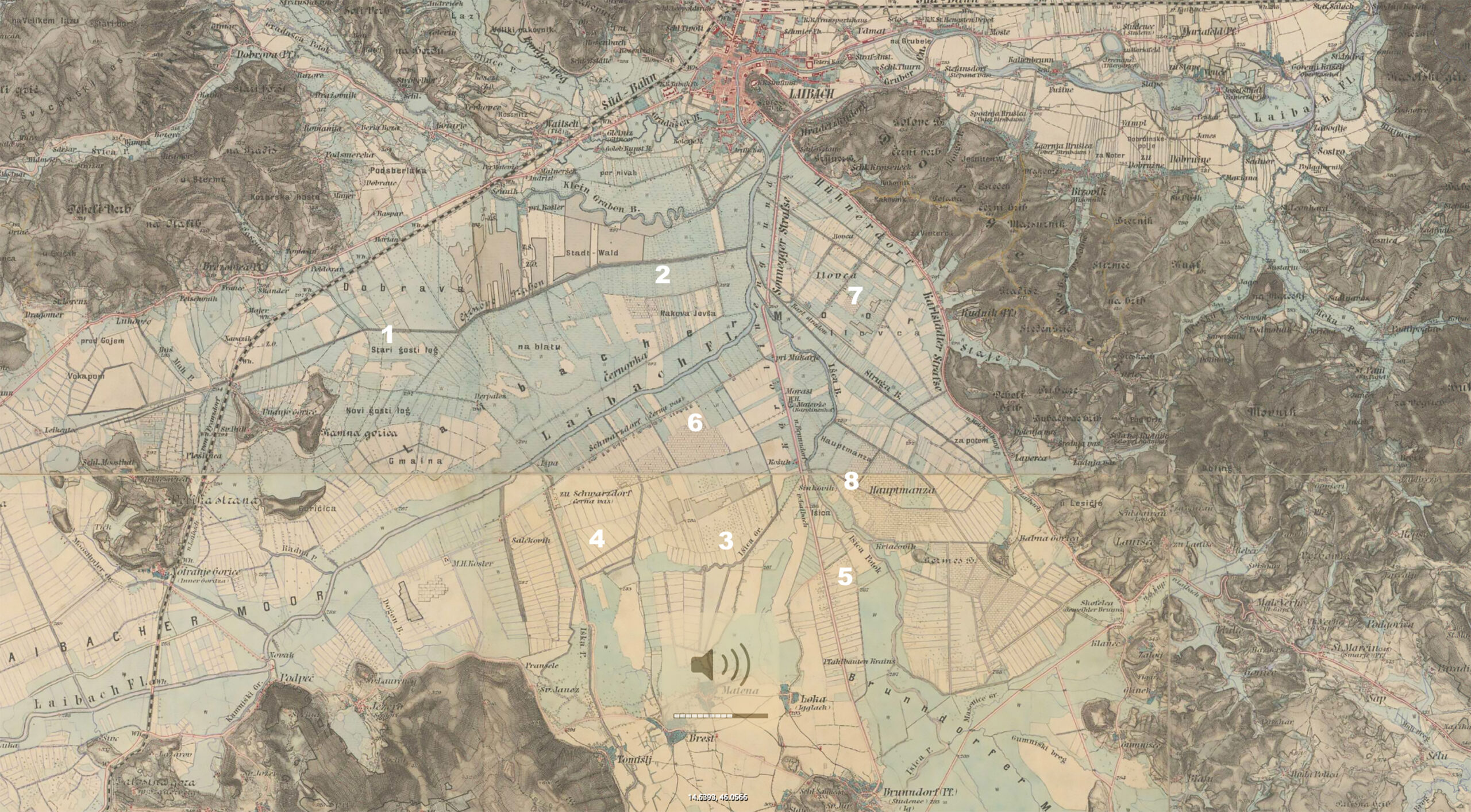
6 – Črna vas; 7 – Ilovica; 8 – Hauptmance. And the new Vienna – Trieste railroad crossing the Marshes on the left.
But.
Even if you dry up marshes and literally create soil, that soil still lacks nutrients. Fertilizing was expensive, so people resorted to burning peat and using the ashes to boost yields at least somewhat. It was a constant, exhausting fight against chemistry, gravity, and optimism, and most people were barely managing to subsist.
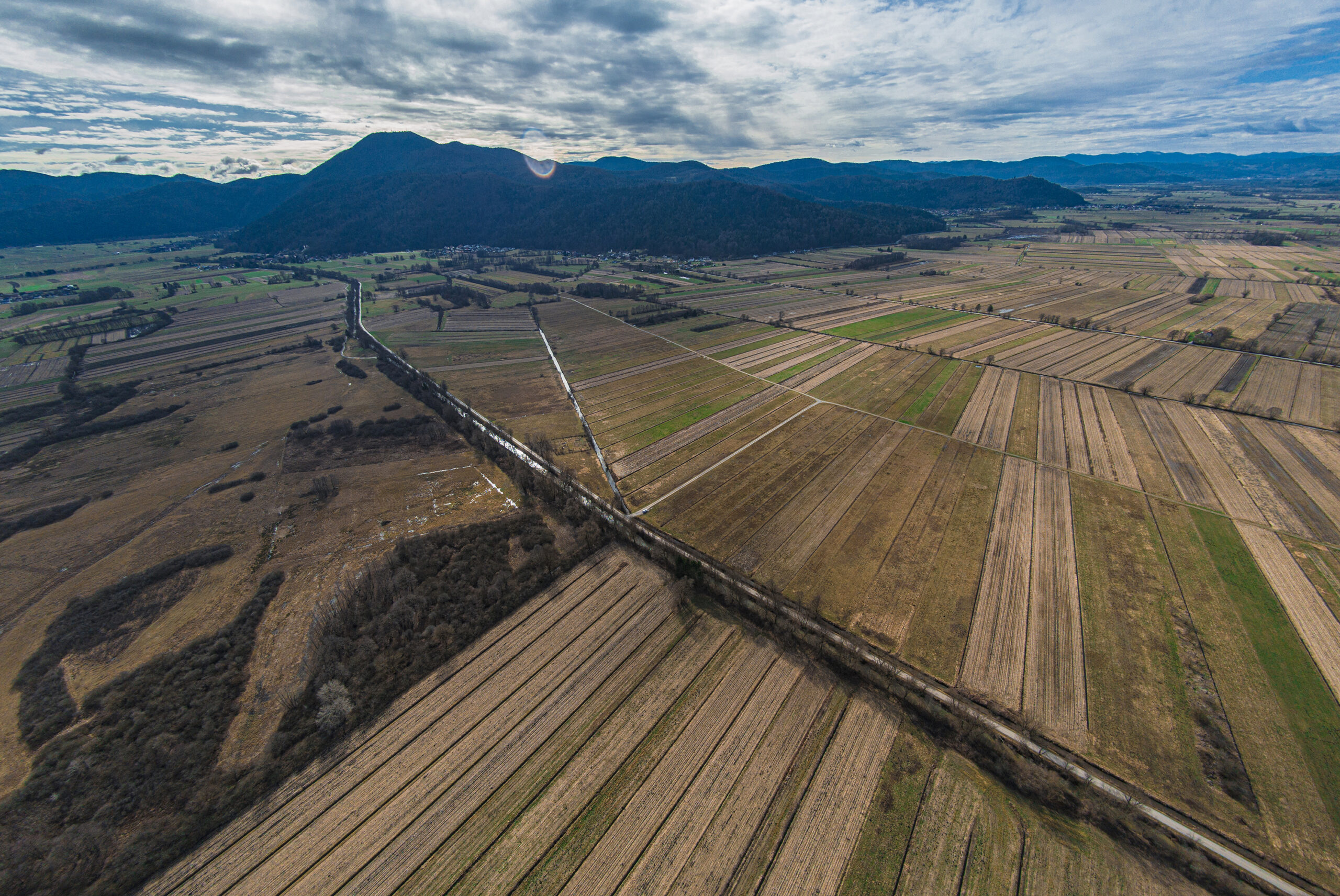
The real problem, however, was that the now dry land couldn’t support itself and began to subside at an alarming pace. Soon the floods returned with a vengeance: the vast network of channels, the Gruber Canal, and the deepened riverbeds did manage to lower the water level – but the drying land sank even faster. And the floods returned with a vengeance.
They removed every dam on the rivers downstream of the Marshes. They deepened the riverbeds again and again, they removed the sand spits, straightened the flow, and cut off most of the meanders of the Ljubljanica east of Ljubljana. Yet every time the water level dropped, the ground obligingly followed. It was a race to the bottom, and the bottom kept moving.
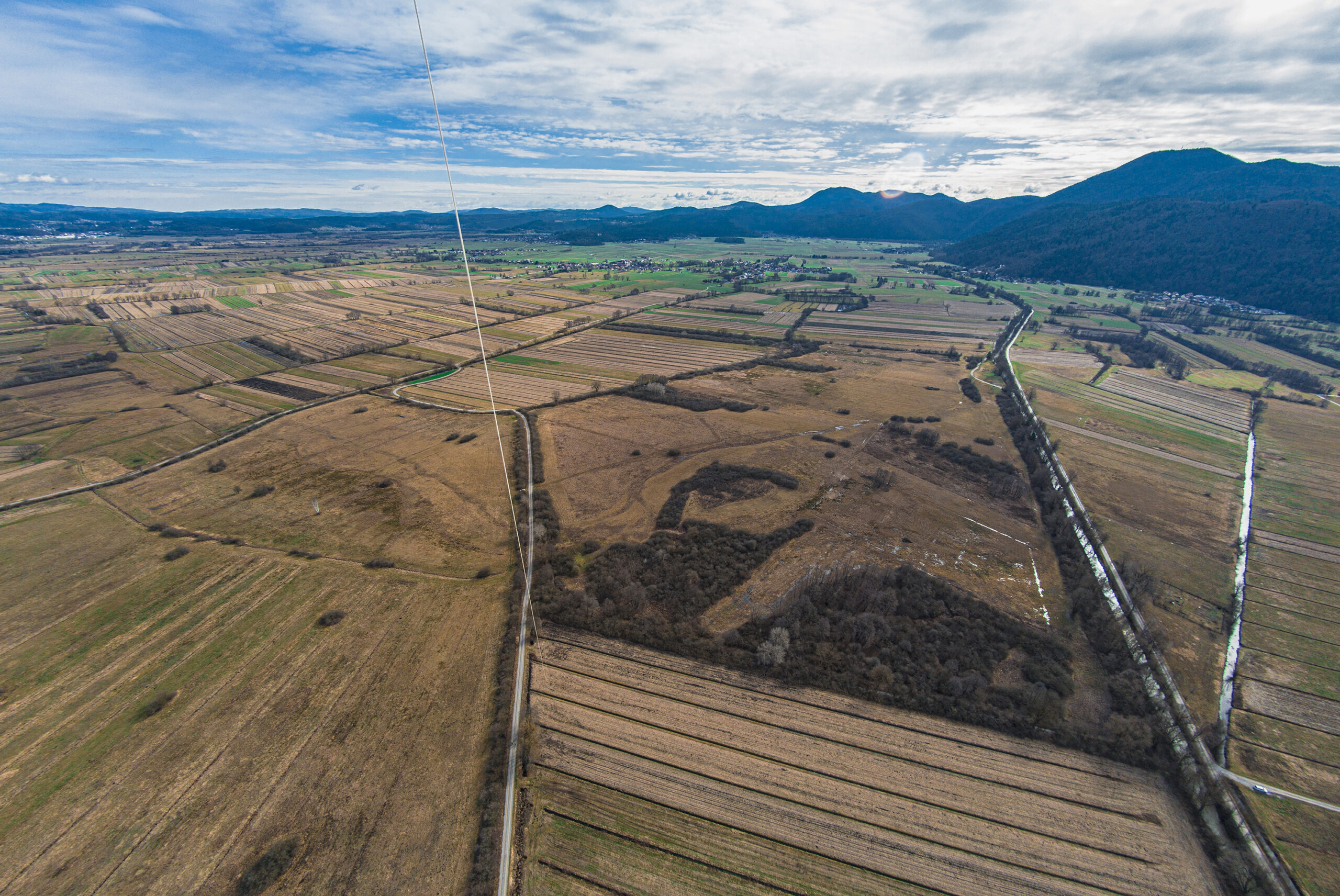
People were desperate, and the influx of new colonists to the Marshes nearly ceased – and even reversed! – when they discovered another resource that the inhospitable wilderness was reportedly full of.
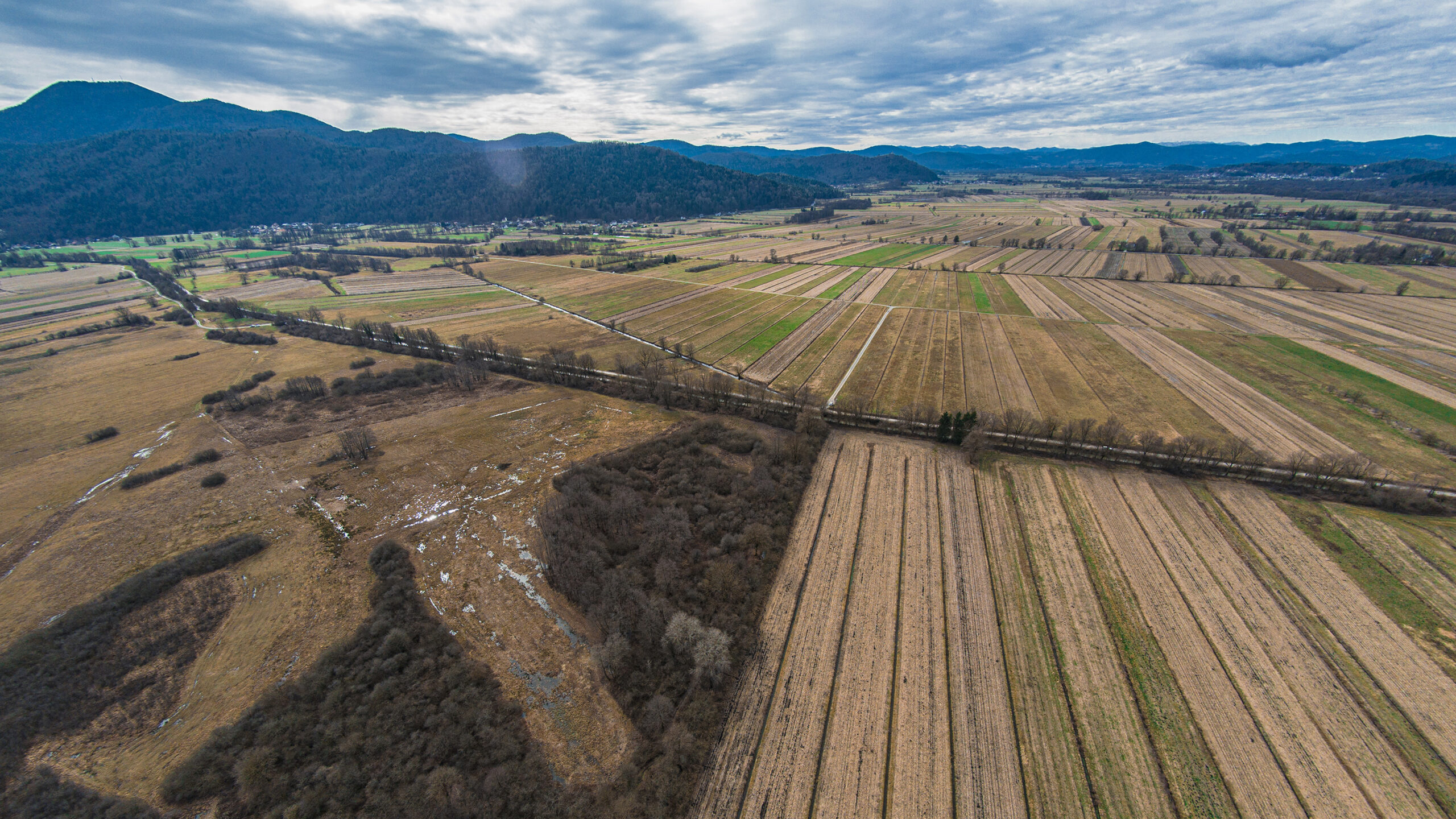
Peat.
As with the Eden-like visions of agricultural bliss, the promoters of the land (to be fair, most of the newly dried plots were communal and sold for next to nothing – but even bargains need buyers) resorted to heroic exaggerations. There are millions of tons of peat! Even if we quadruple production, it will last 300 years! No, 659 years! Peat grows, so it’s practically inexhaustible! Infinite swamp glitch unlocked!
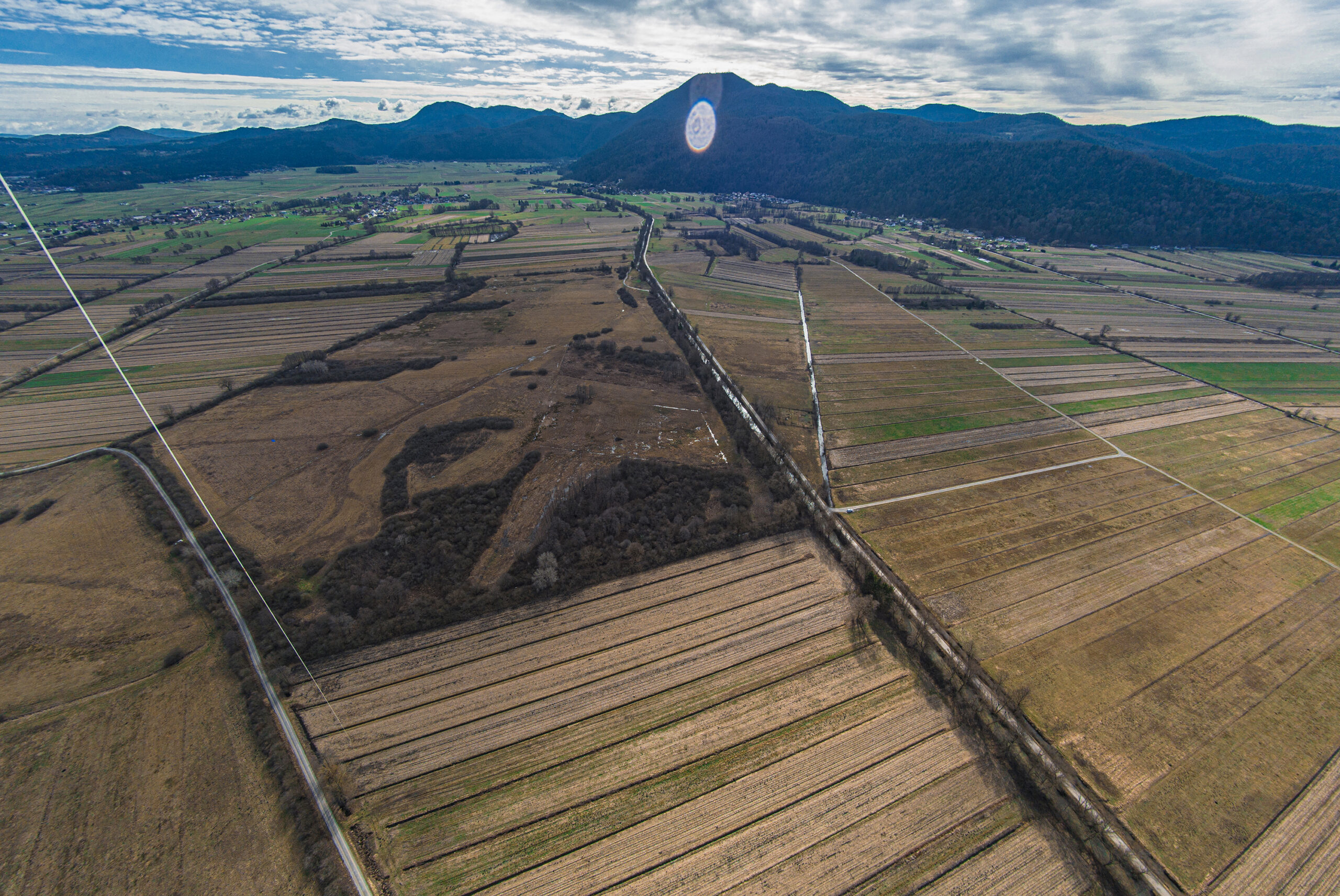
And they cut peat, and cut more, and then some more. Suddenly everyone and everything used peat as fuel. There were plans to power locomotives with it – so they could haul tons of it to the port of Trieste and power ships with it! Every industry running on steam switched to peat, and so many individual fireplaces burned this low-yield, pungent fuel that Ljubljana found itself permanently wrapped in thick, suffocating smog.
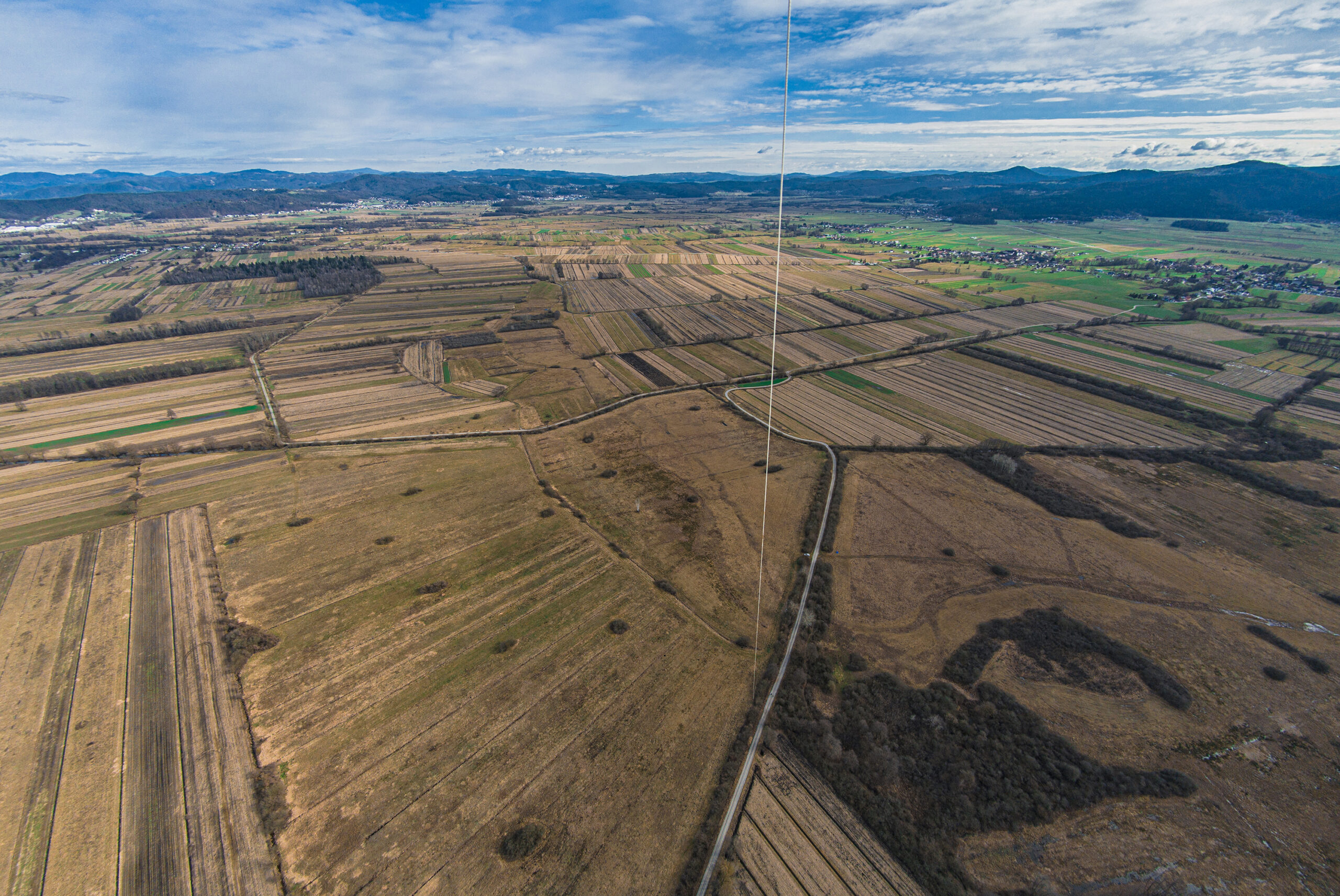
The peat business thrived; some people became wealthy, many more comfortably well off. Suddenly life on the Marshes wasn’t just a stubborn struggle for survival, but something approaching prosperity. Not quite paradise, but no longer punishment. And the number of colonists started to rise again.
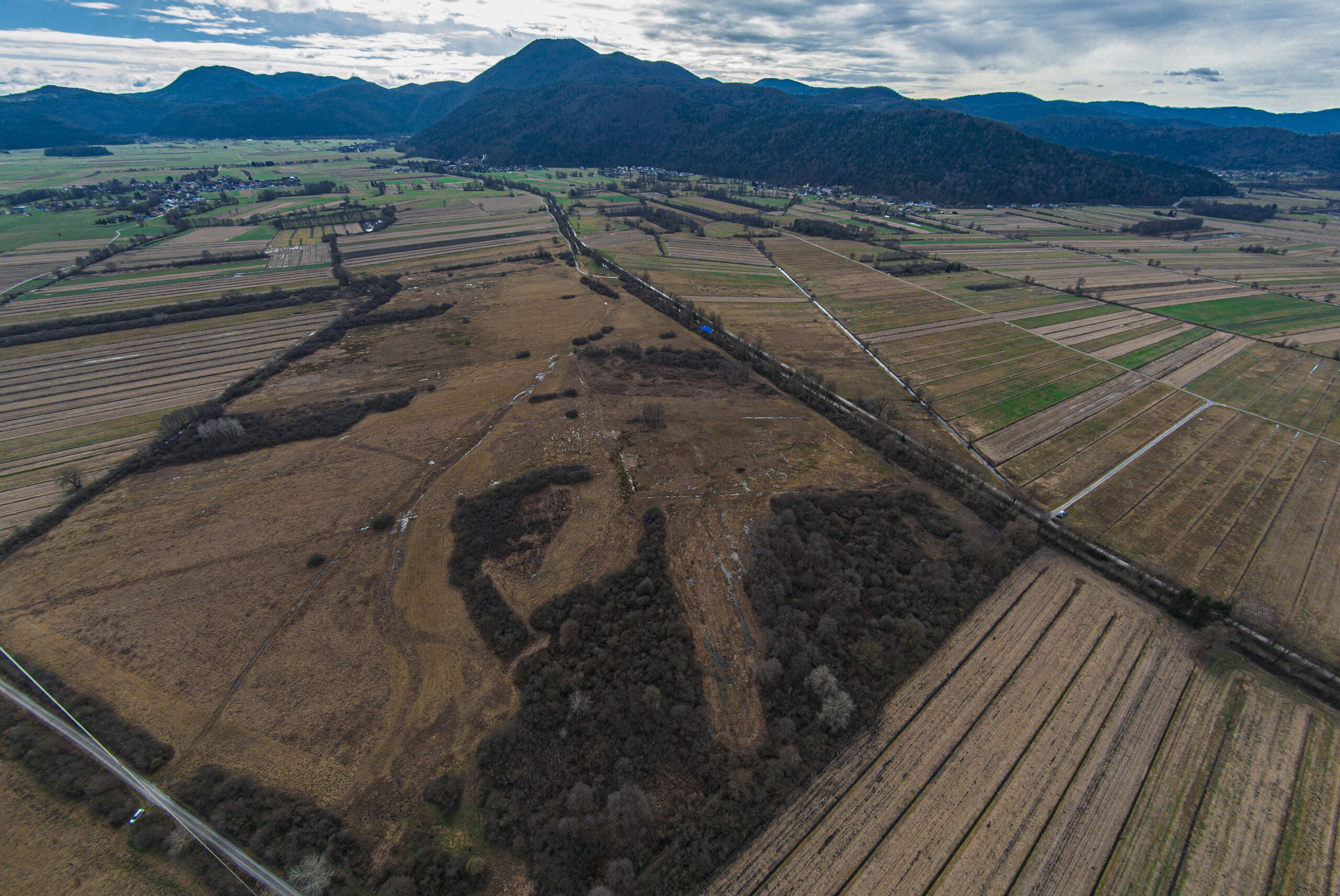
But.
The peat reserves, unsurprisingly, did not last seven centuries. Within a few decades most of the peat was cut and burned, and it never regenerated. The easy money era (easier, at least, than tilling dark, wet, nutrient-poor soil) was over, and only two options remained: return to hard, unrewarding labor, or leave the Marshes behind.
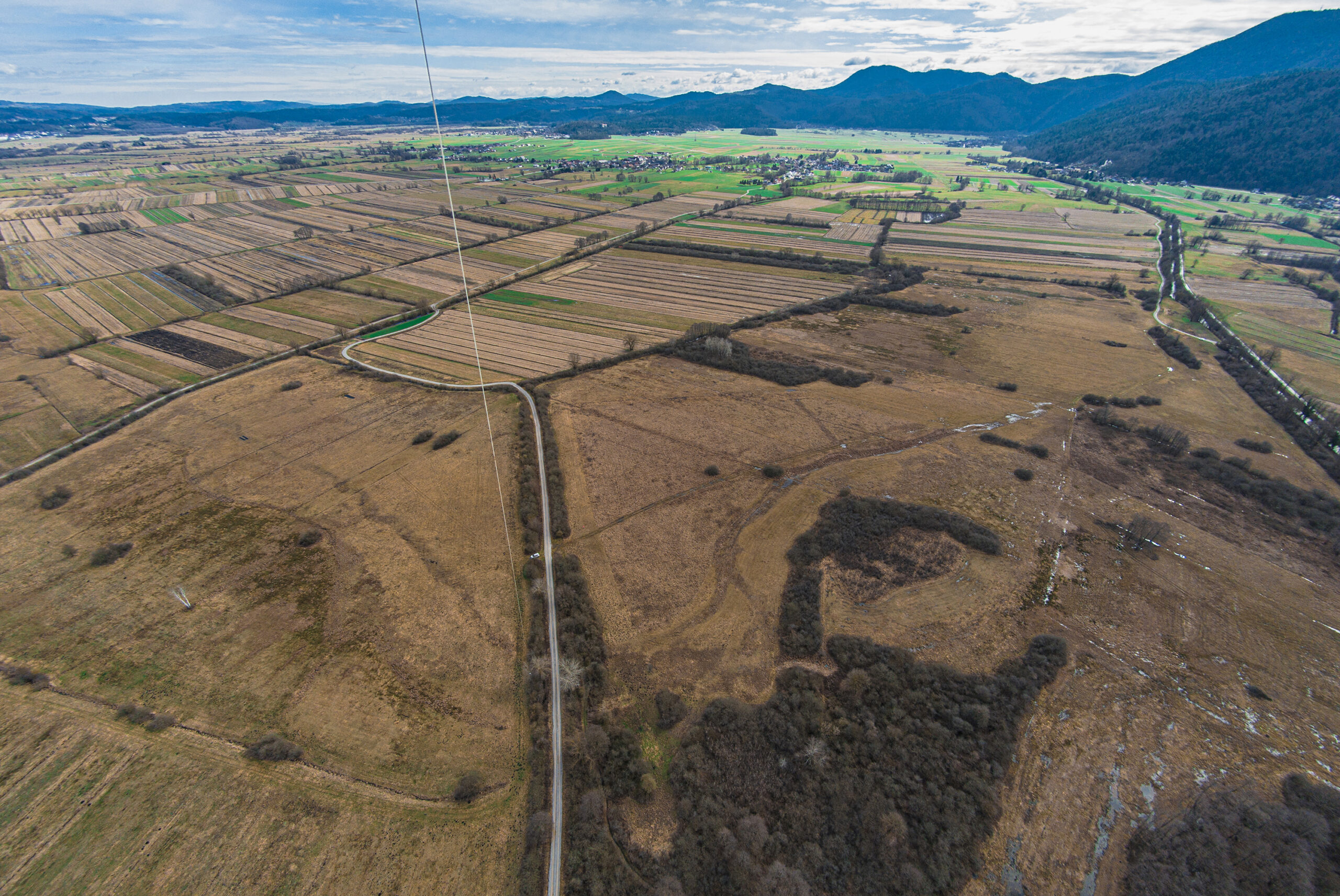
Many left. The ground across the drying marshes was still subsiding, and the relentless digging of new channels, the repeated deepening of riverbeds, the construction of berms and barriers barely kept pace (the hydroengineering plan from 1880 was completed only in 1955!). The soil remained poor; floods – covering more than half of the Marshes – returned with tedious regularity.
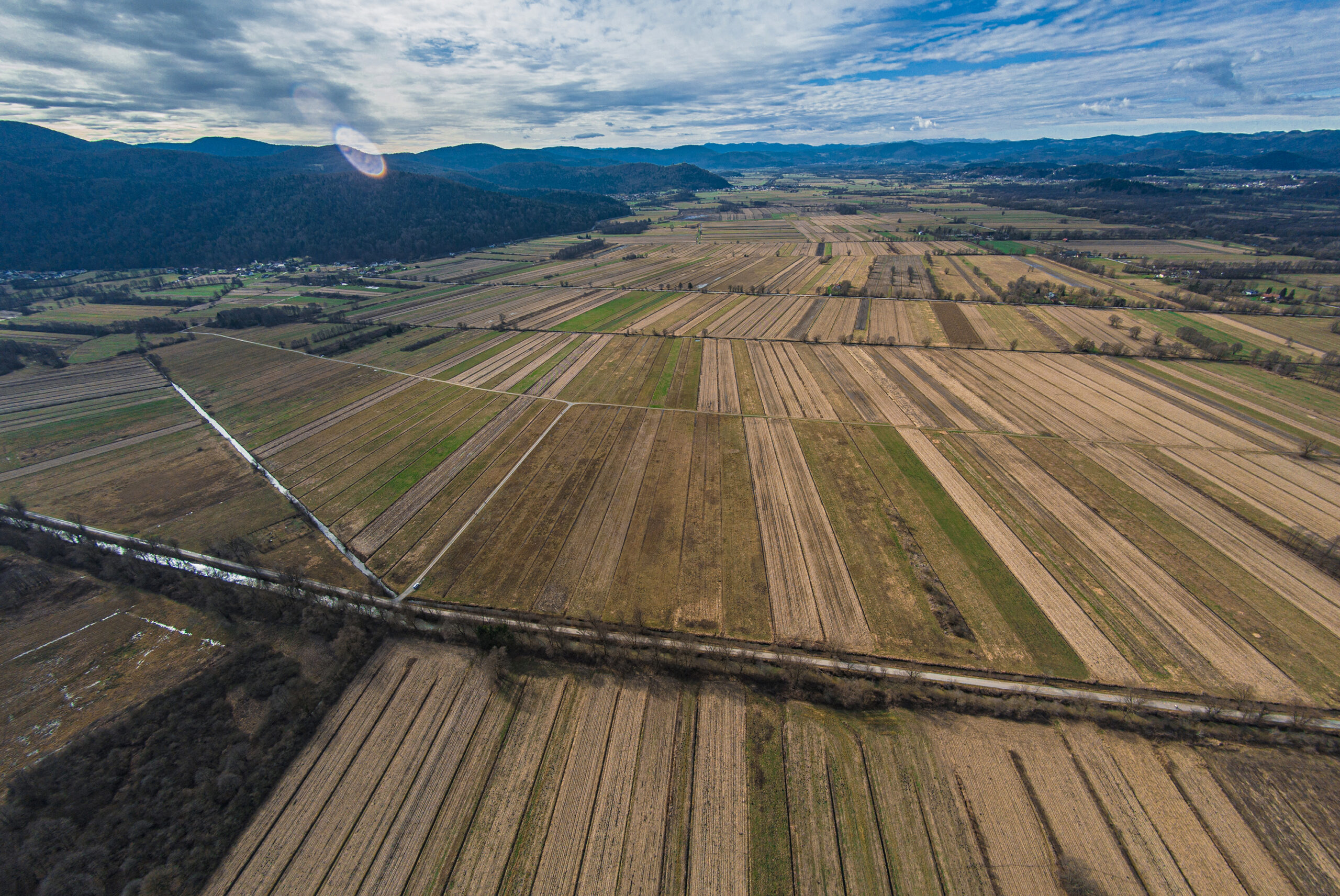
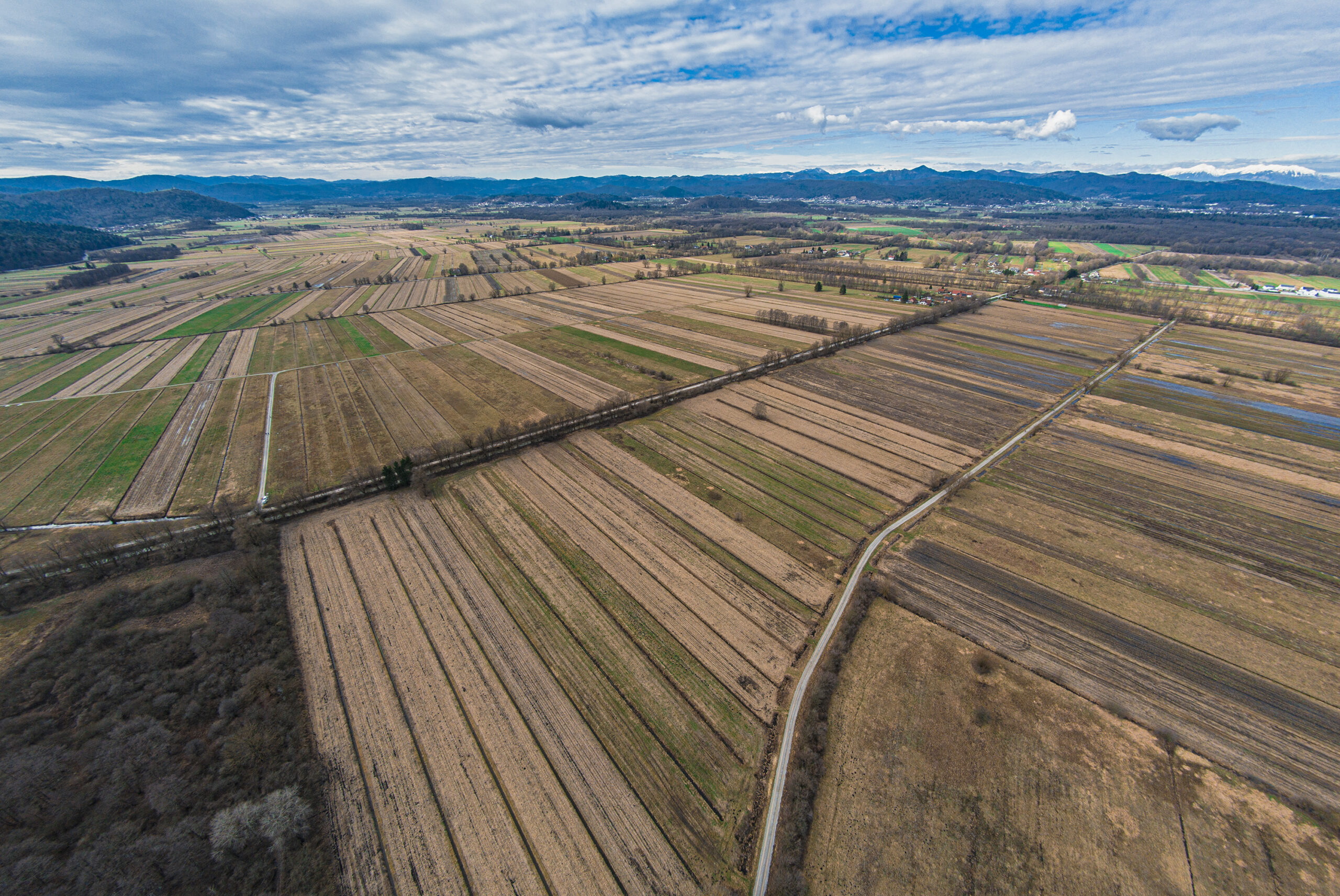
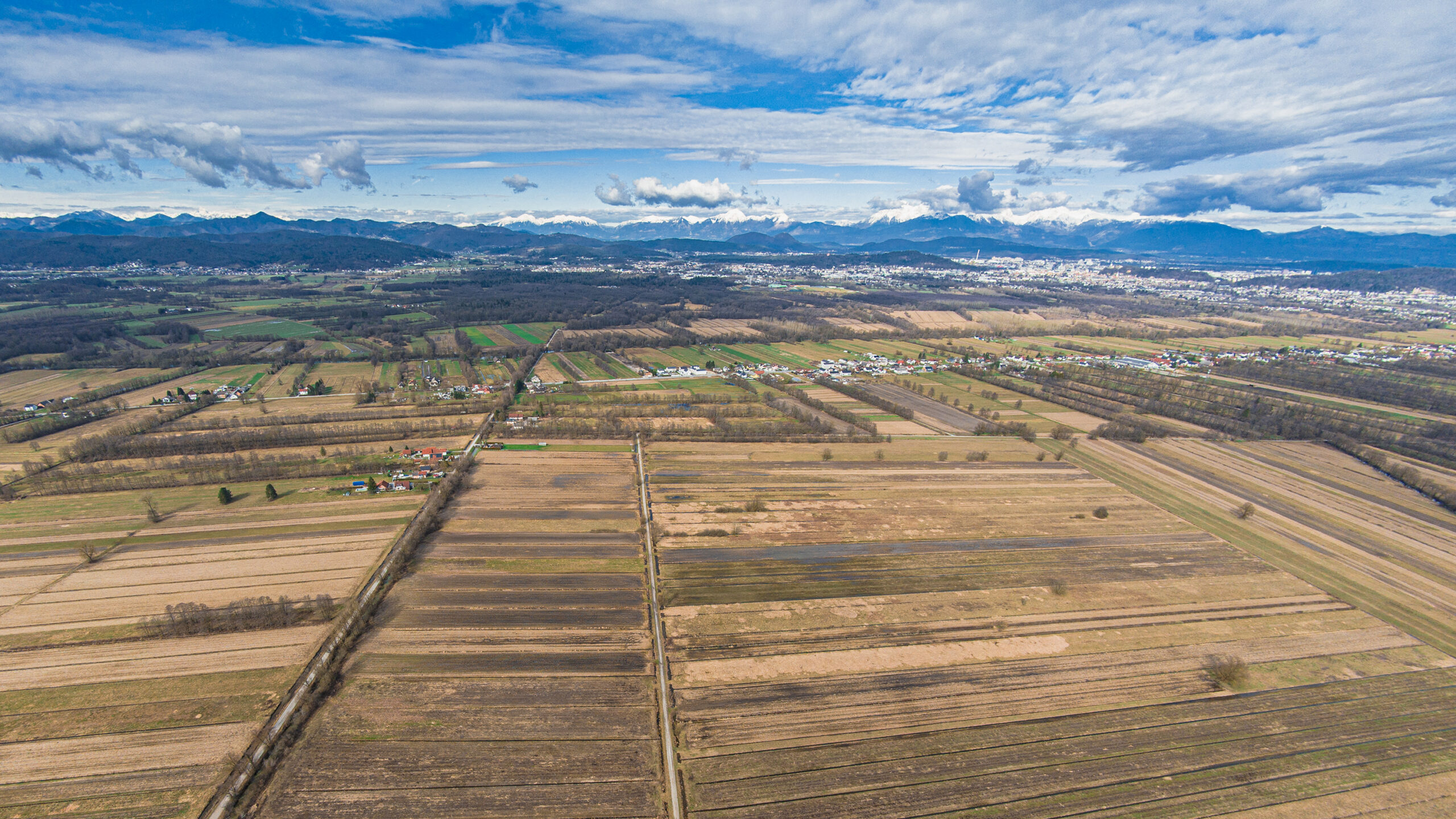
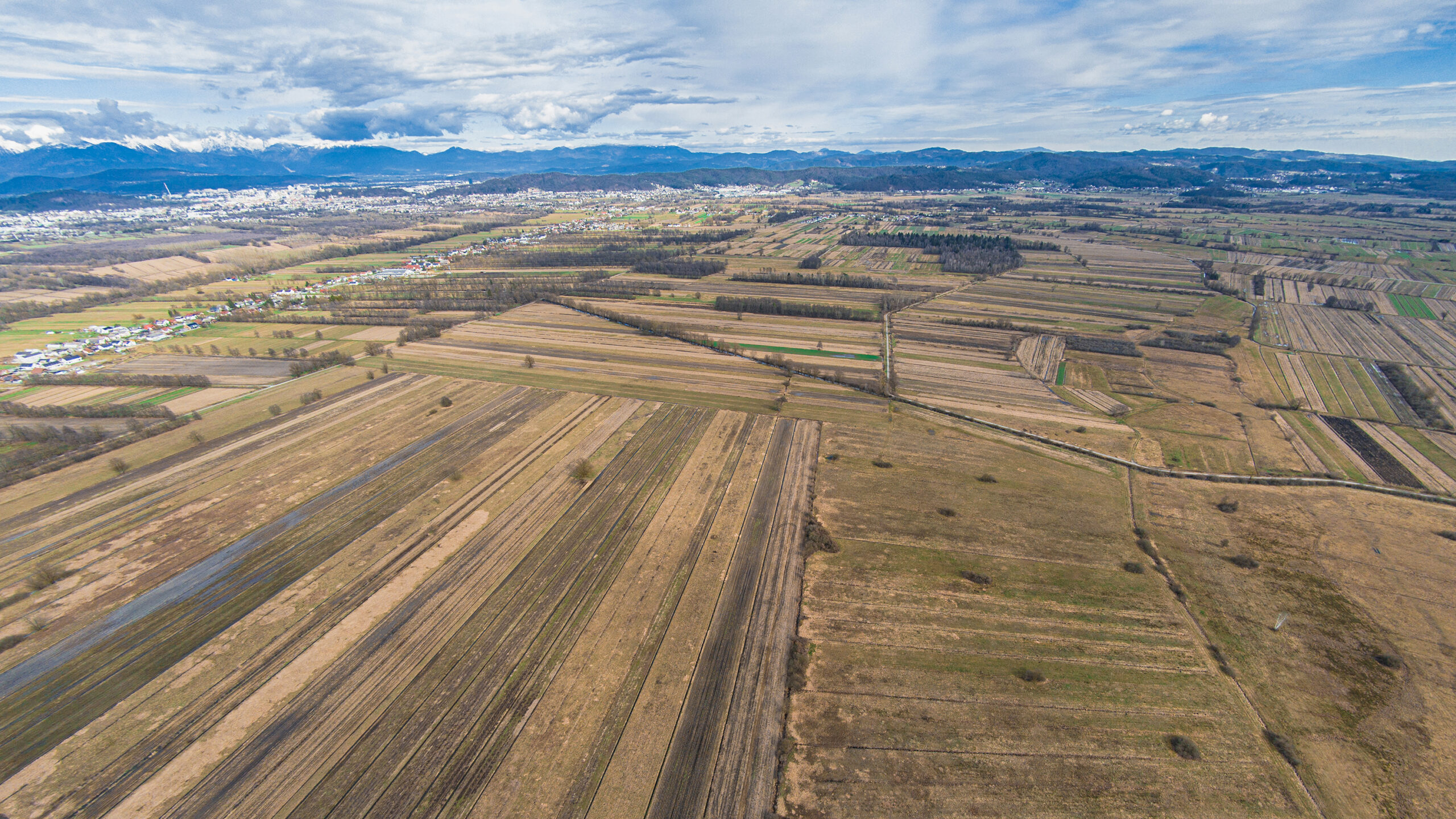
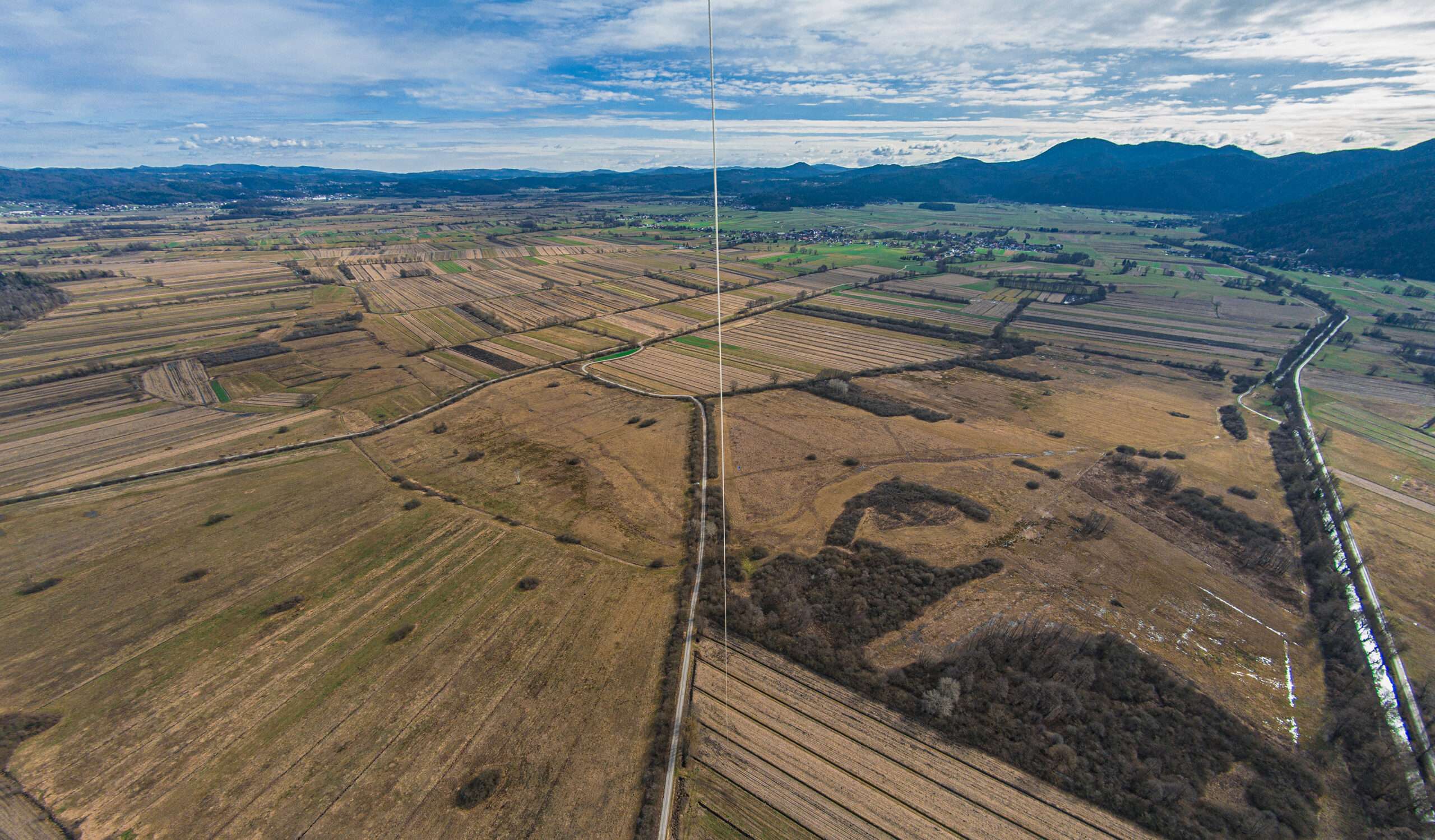
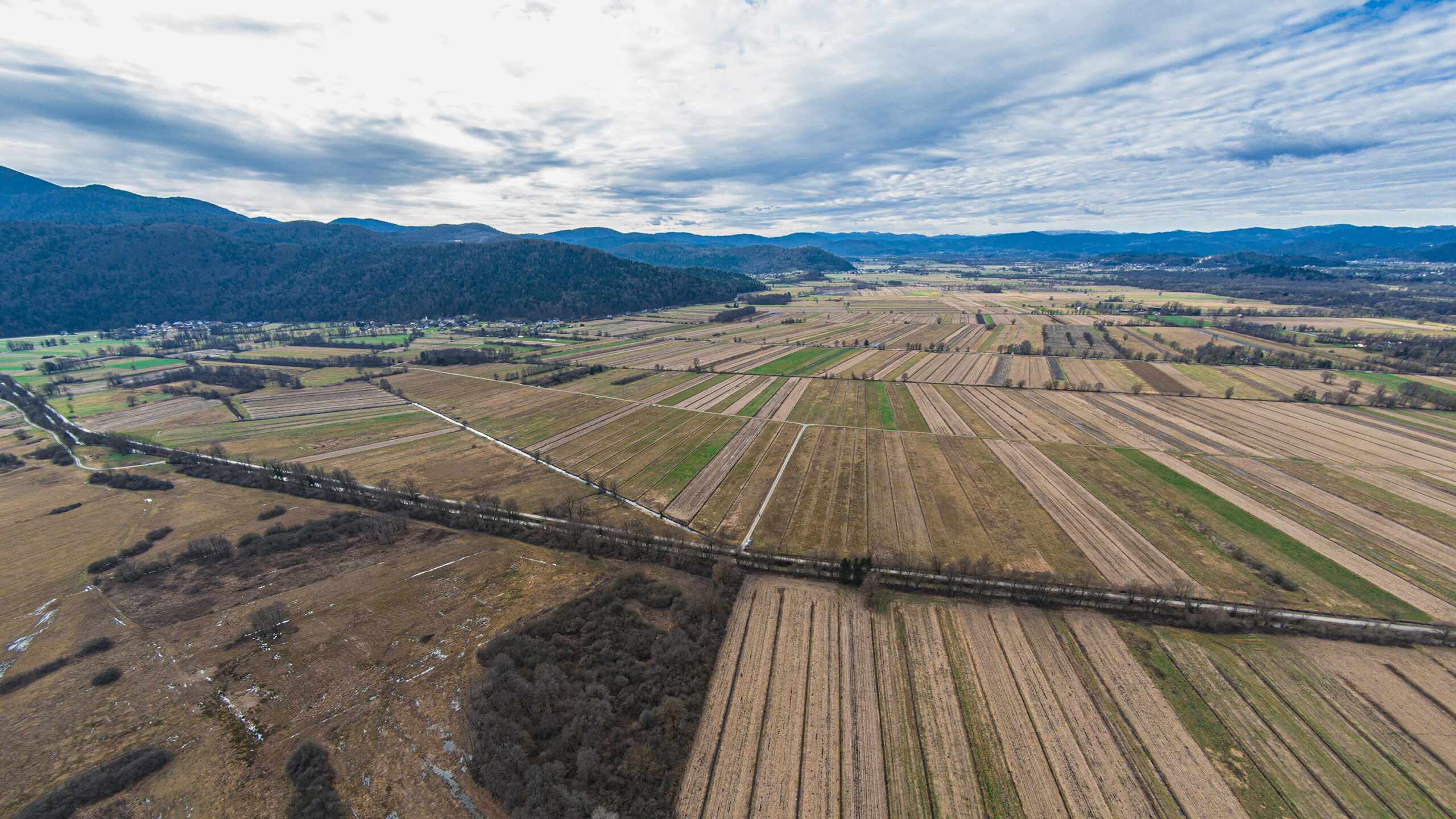
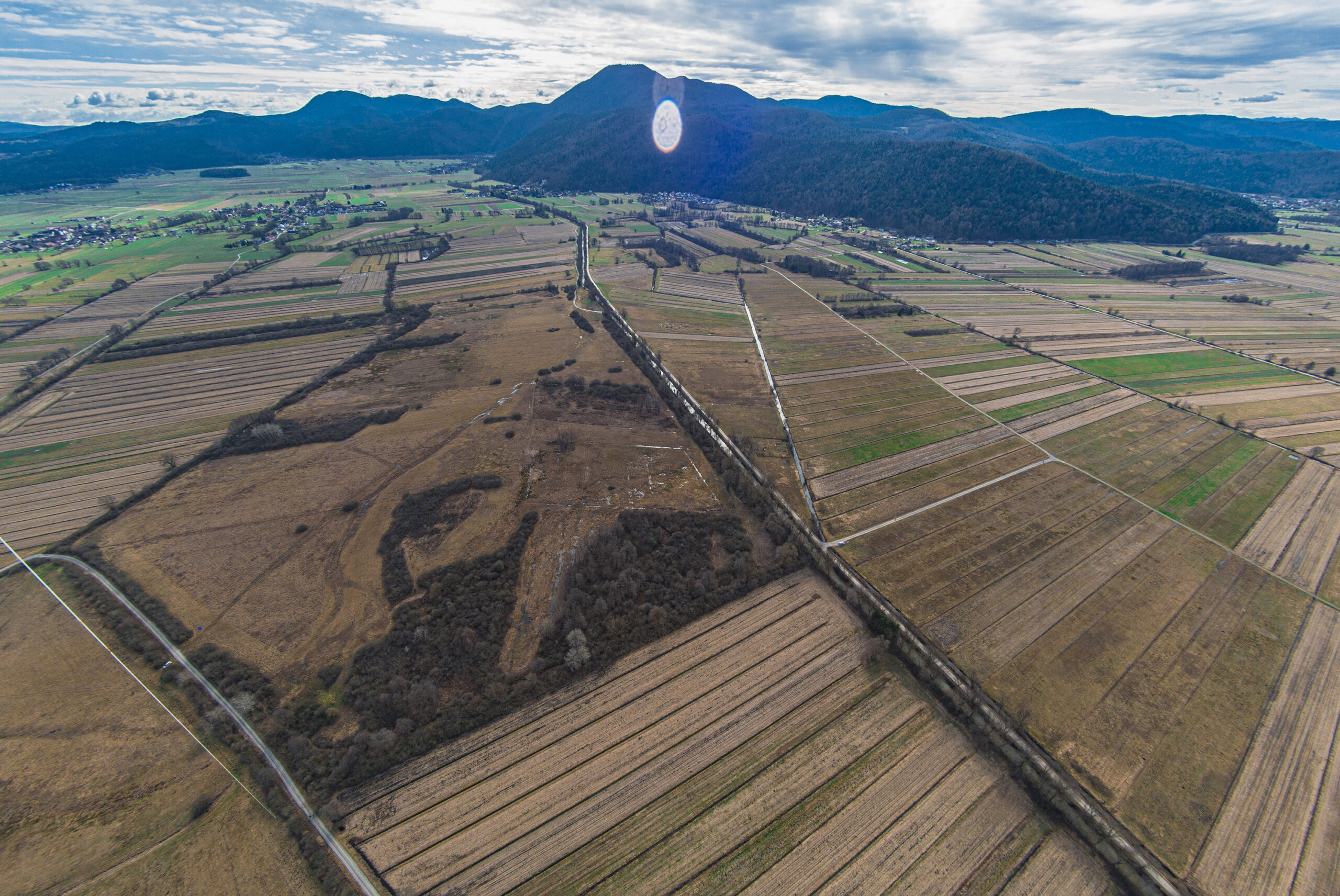
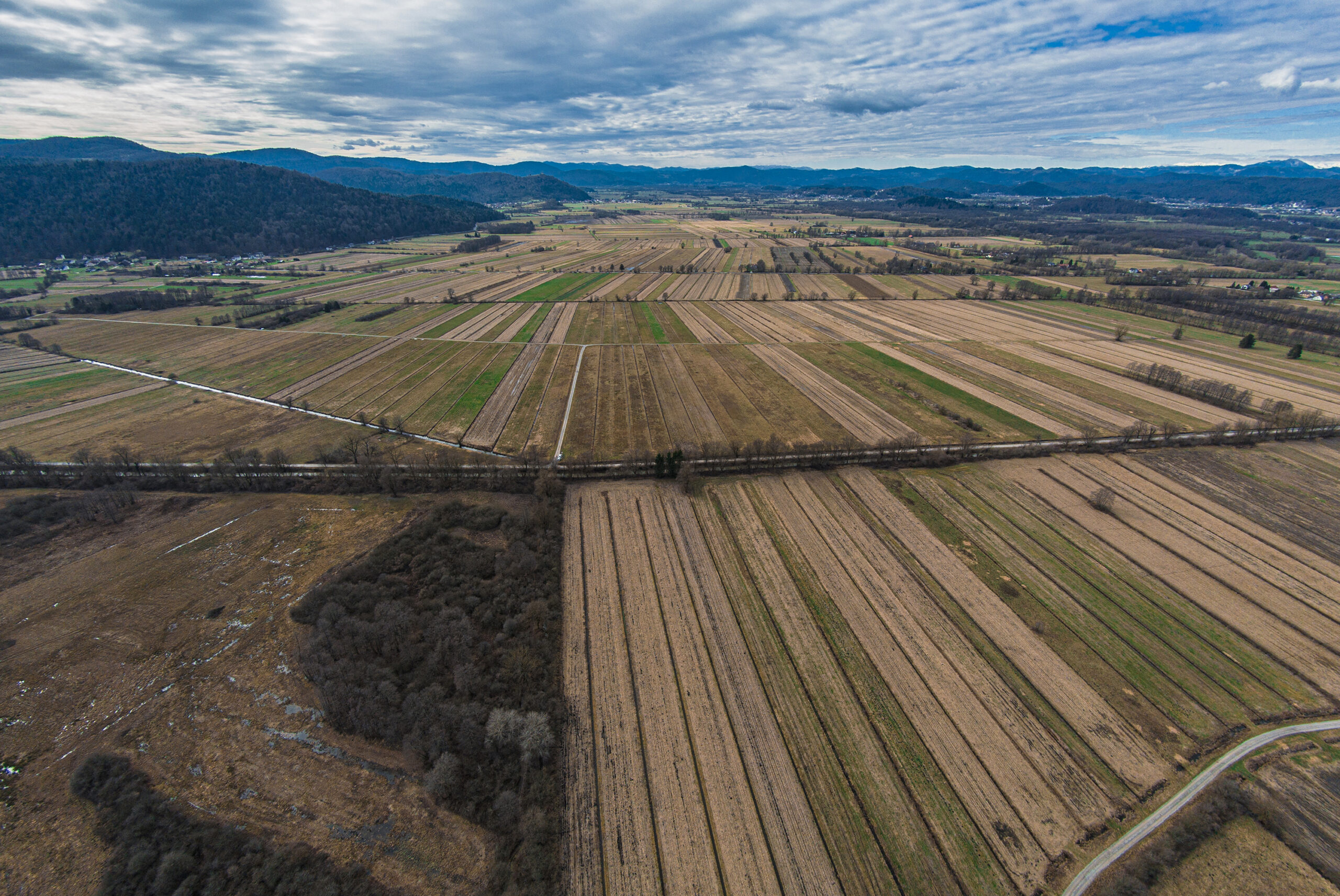
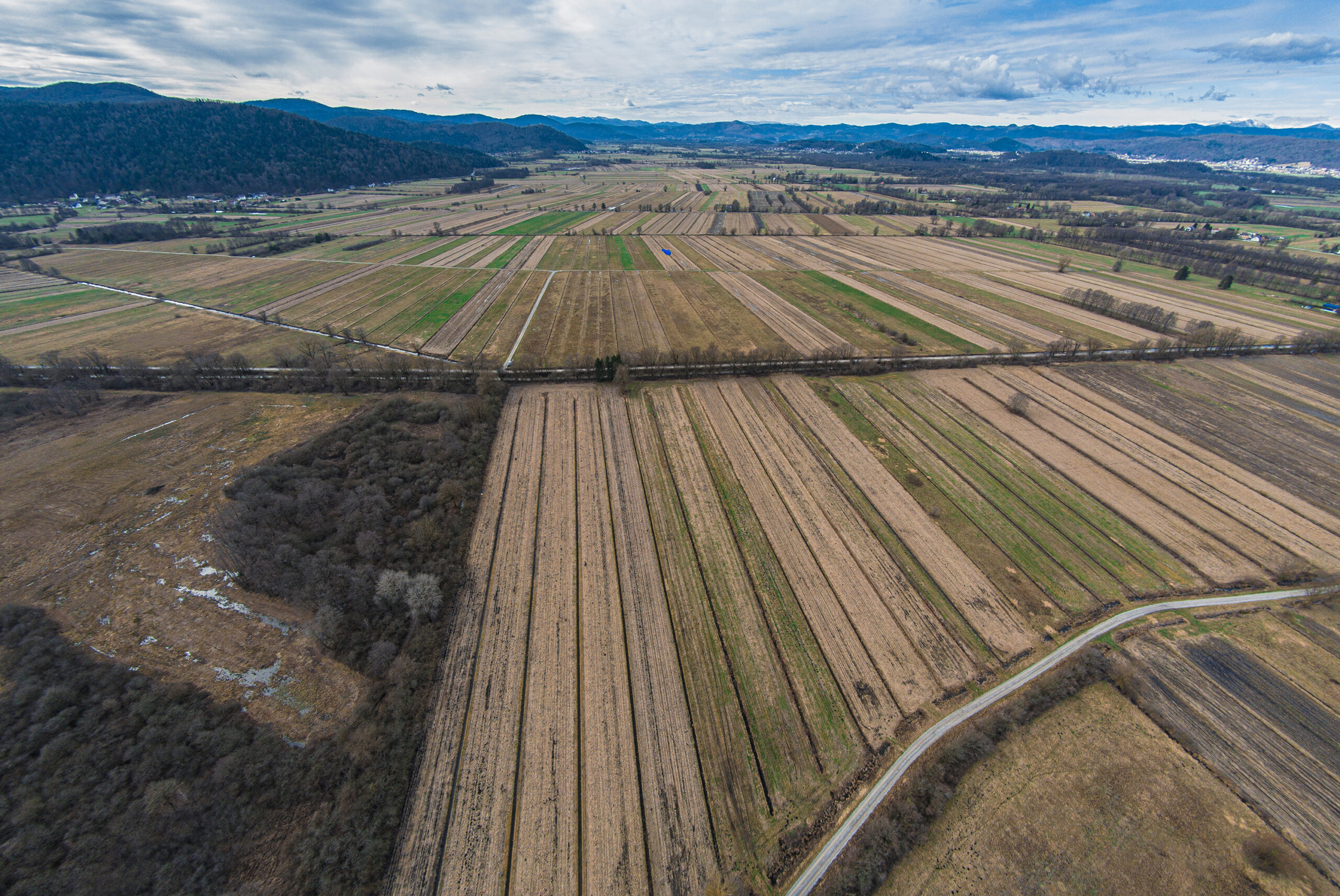
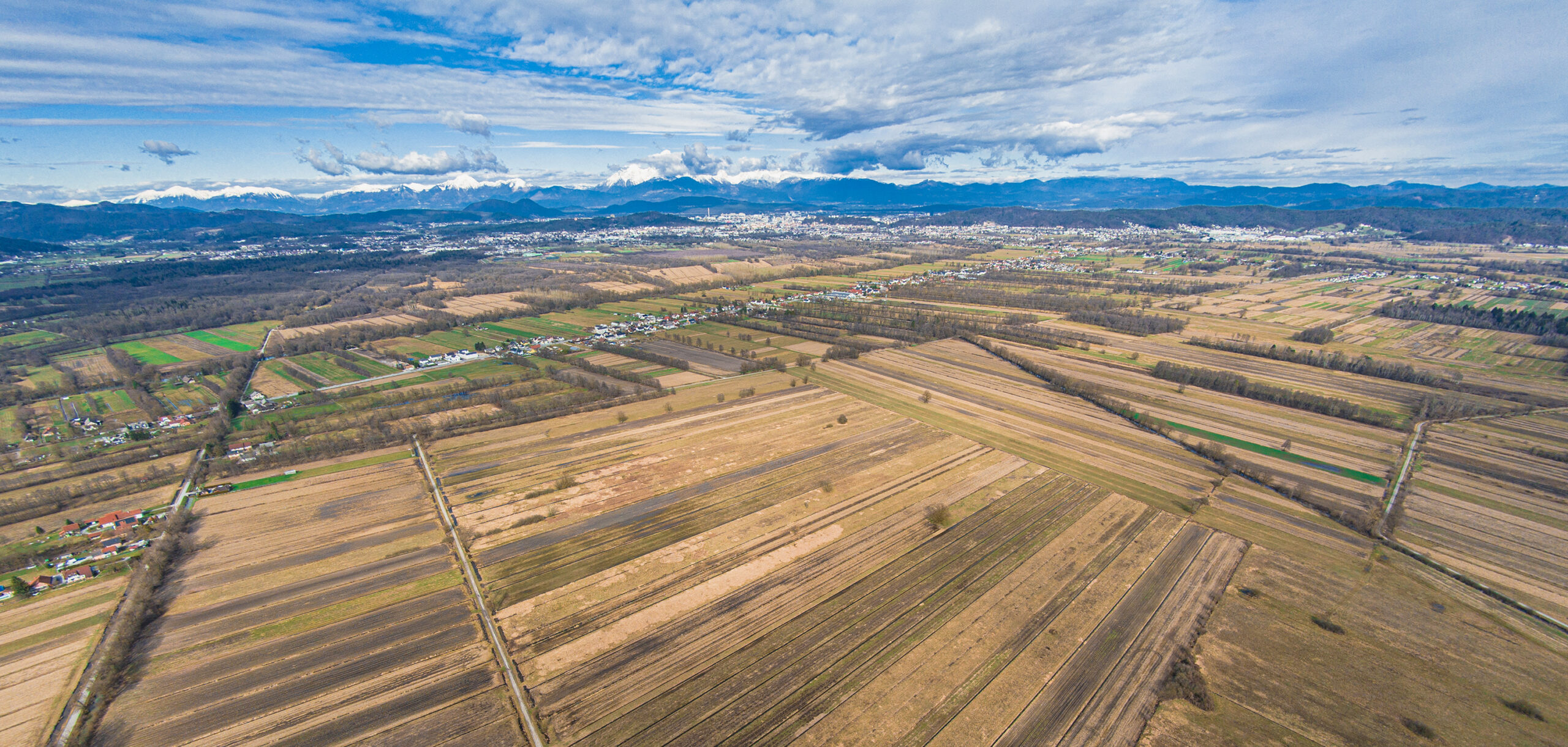
Yet the lofty, nebulous and, ahem, rather optimistic plans of turning the Marshes into an agricultural paradise never fully disappeared. Thousands of kilometers of canals and channels were dug and are still being dug. Almost the entire Ljubljana Marshes area is now divided into long, thin rectangles, slightly raised in the middle, with tertiary canals along the long sides draining into larger secondary canals along the short sides, these again carrying the evercoming water into primary canals, and finally into Ljubljanica.
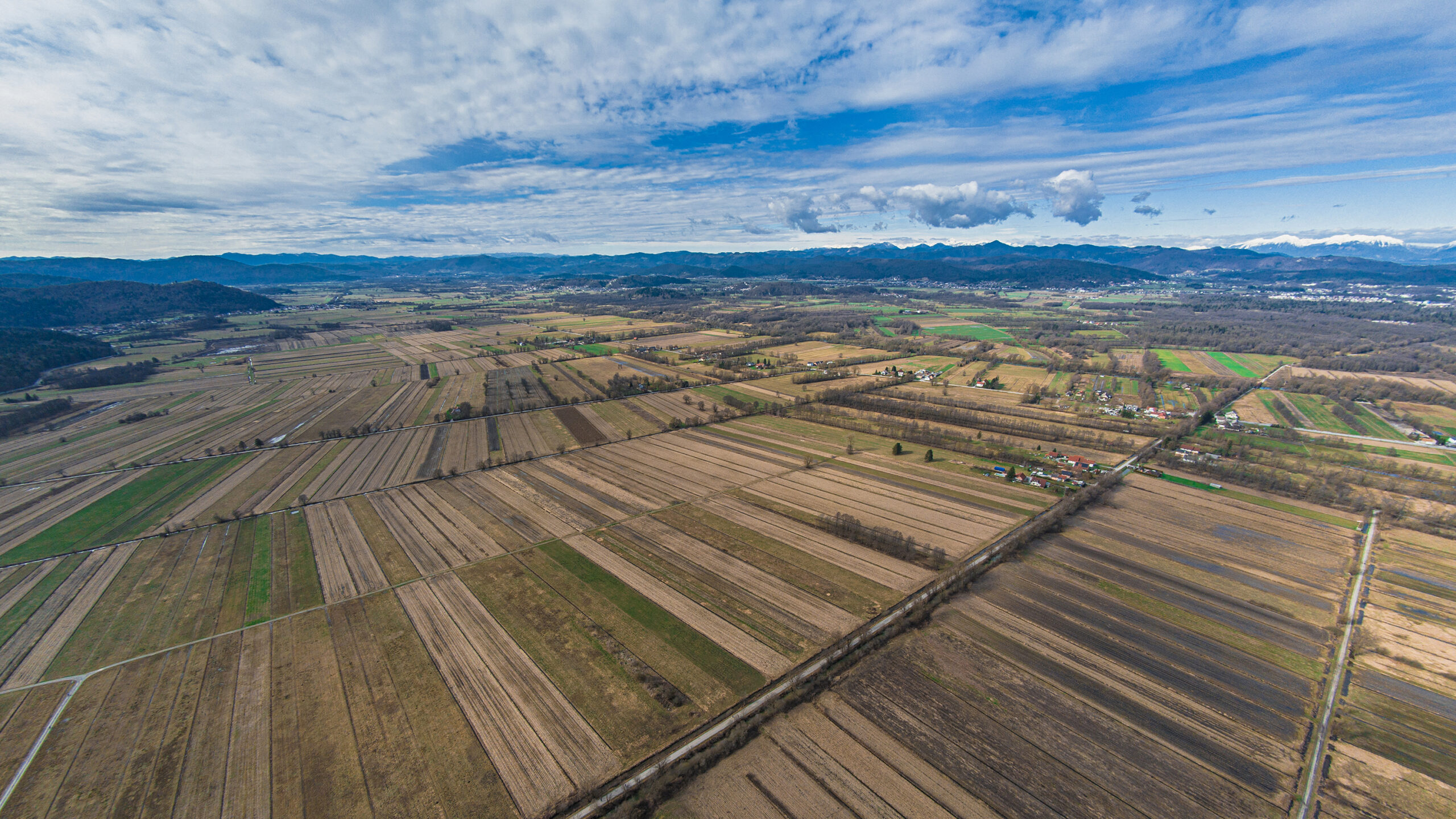
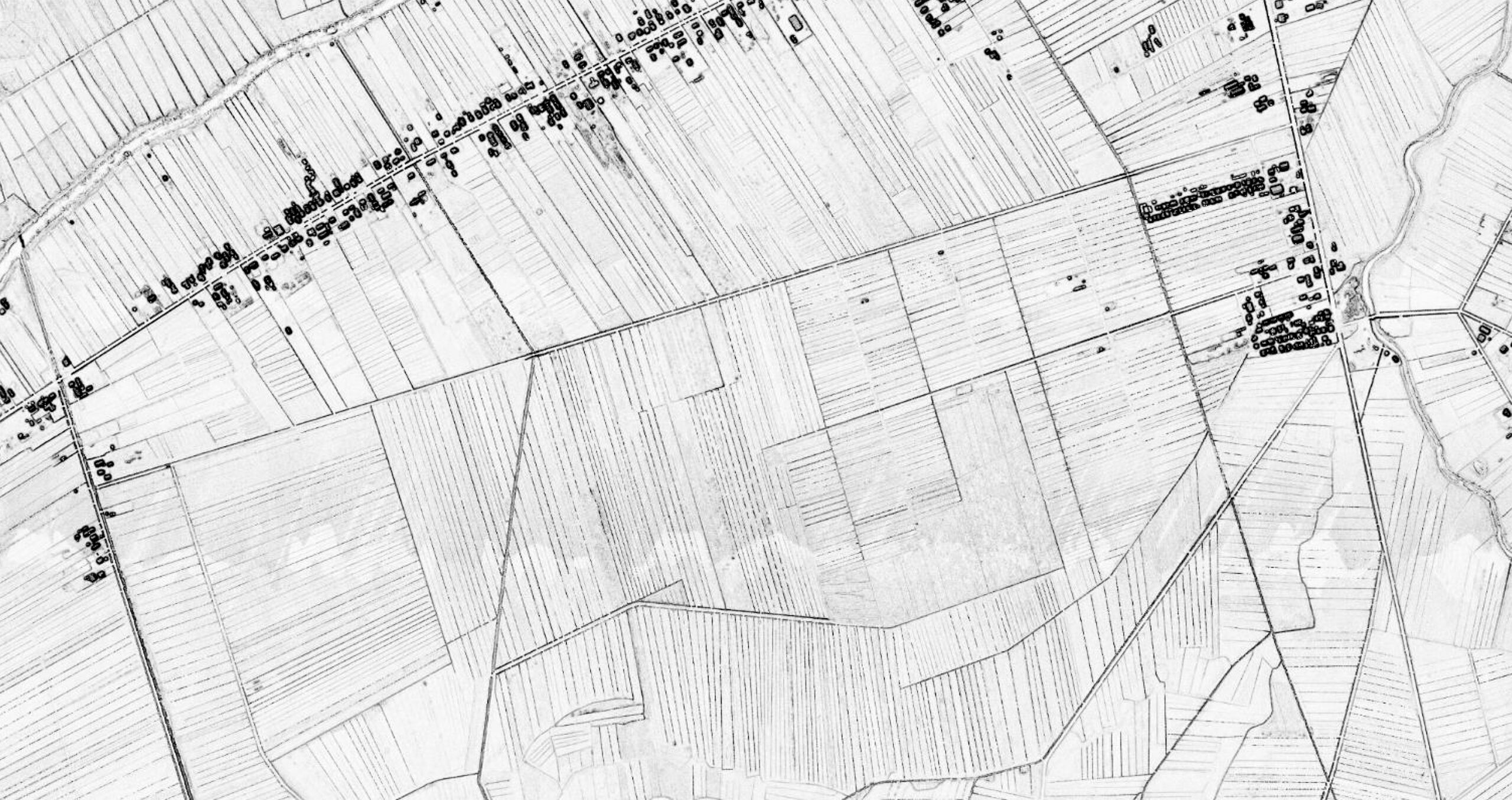
This image covers about 8 square kilometers – and the whole Marshes are about 150 square kilometers.
On these innumerable rectangles people grow maize – the only plant tall enough to withstand the floods – or use them as meadows for hay and livestock bedding. The Ljubljana Marshes, the scary wilderness of yore, became one of the most disturbed, transformed, human-influenced, and artificially engineered landscapes in Slovenia.
But.
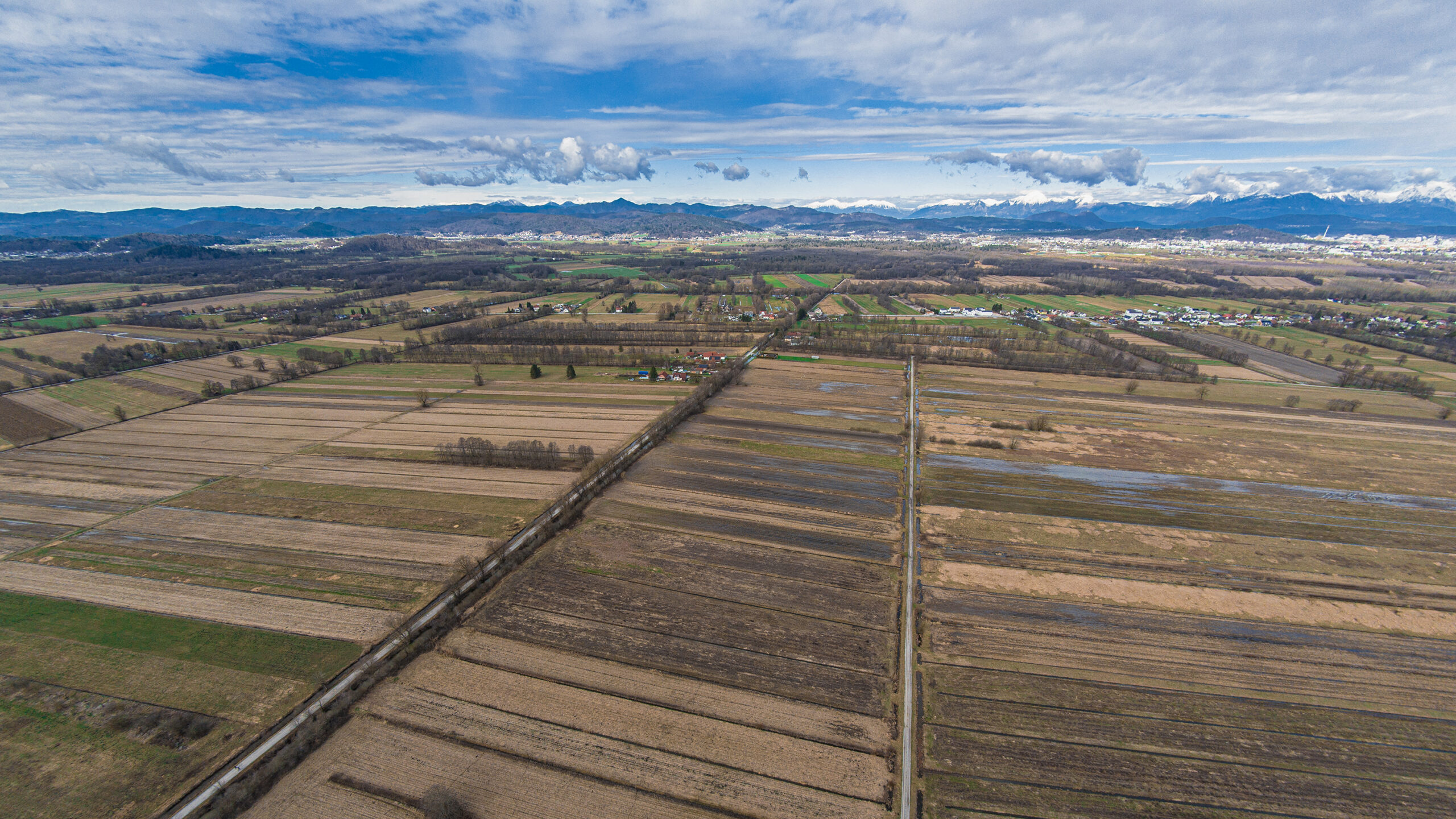
As the relentless urge to tame Nature – to impose human will upon Her, to see the world only in binary terms of productive/unproductive, valuable/worthless – kept pushing, a new generation began to push back.
Across the long arc of time since the Plutonian forces tore open a giant chasm and rivers patiently filled it; since pile-dwellers came and left, Romans tinkered, medieval folk feared, the overconfident decreed, and colonizers reshaped – the Ljubljana Marshes slowly morphed into something truly unique. Not pristine. Not untouched. But definitely exceptional.
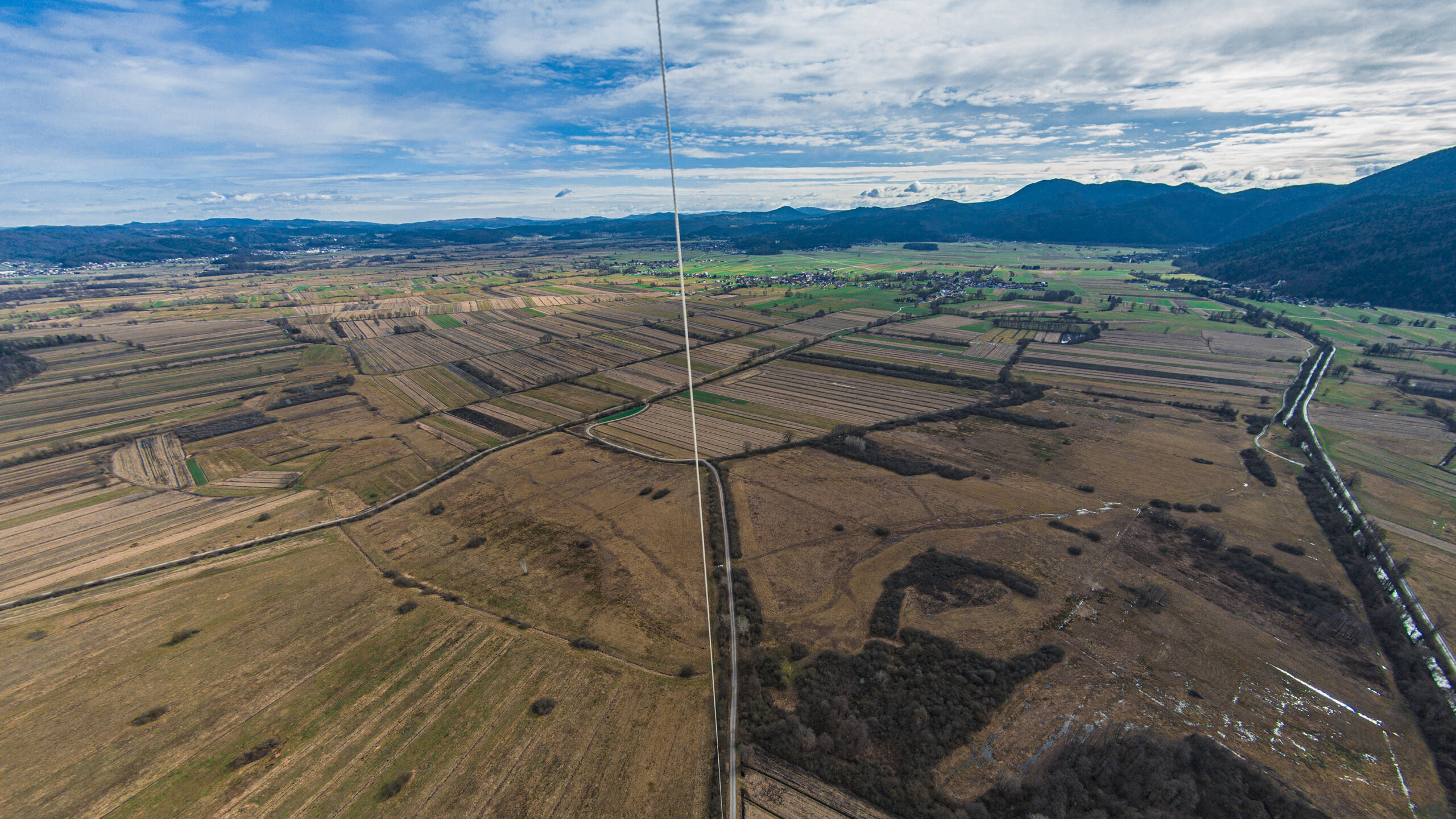
The Marshes finally got some valiant defenders on their side.
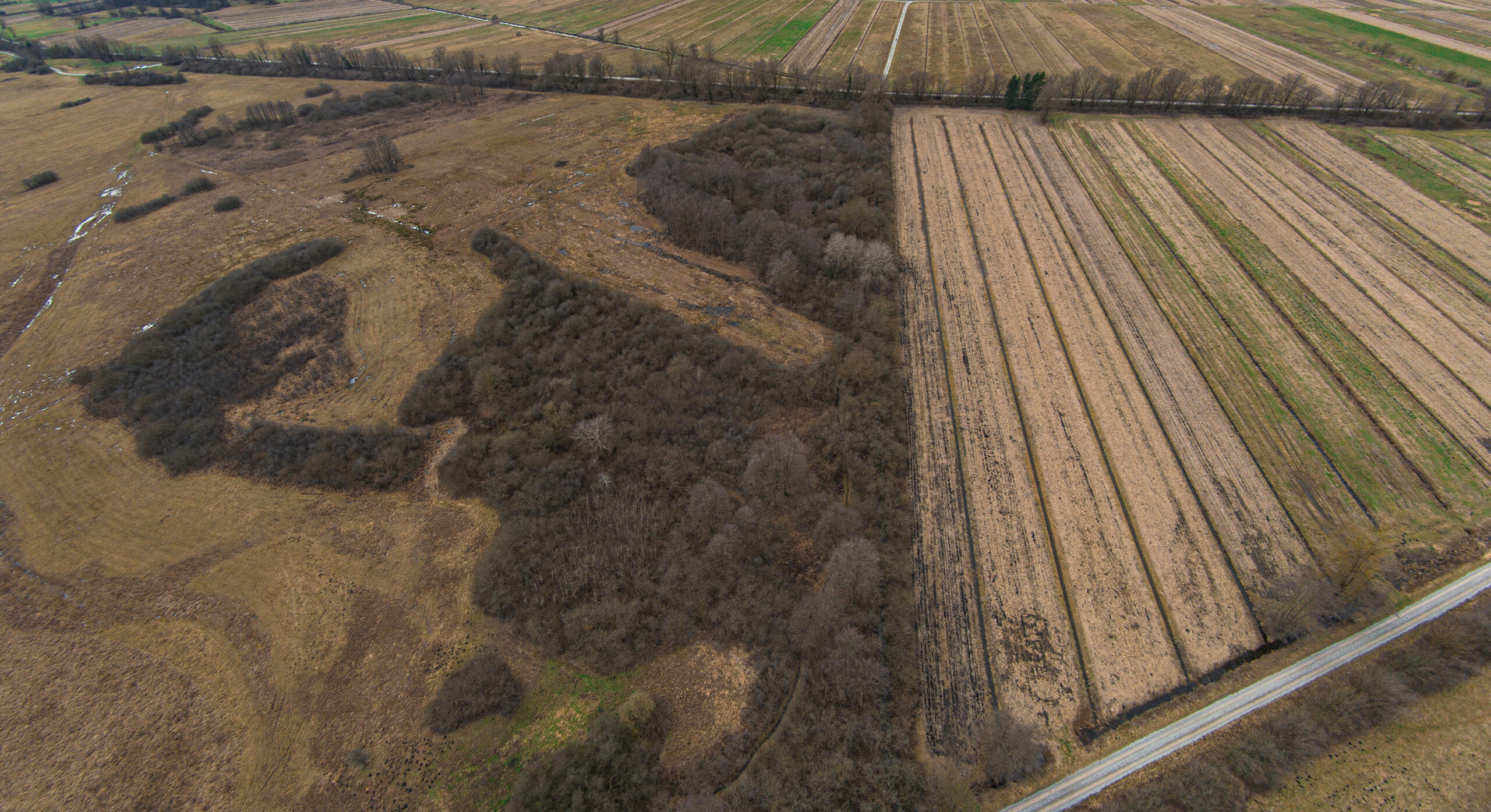
Almost nothing of the original wetlands remained when the idea of preservation was first floated – or at least of preserving the fragments that had survived. The last scraps of bog forest. The seefensters, watery “windows” at the edges of alluvial fans. A raised bog at Kostanjevica. A few pitiful remnants of once vast peat deposits. Ižica, the last untamed, unchannelled river crossing the Marshes.
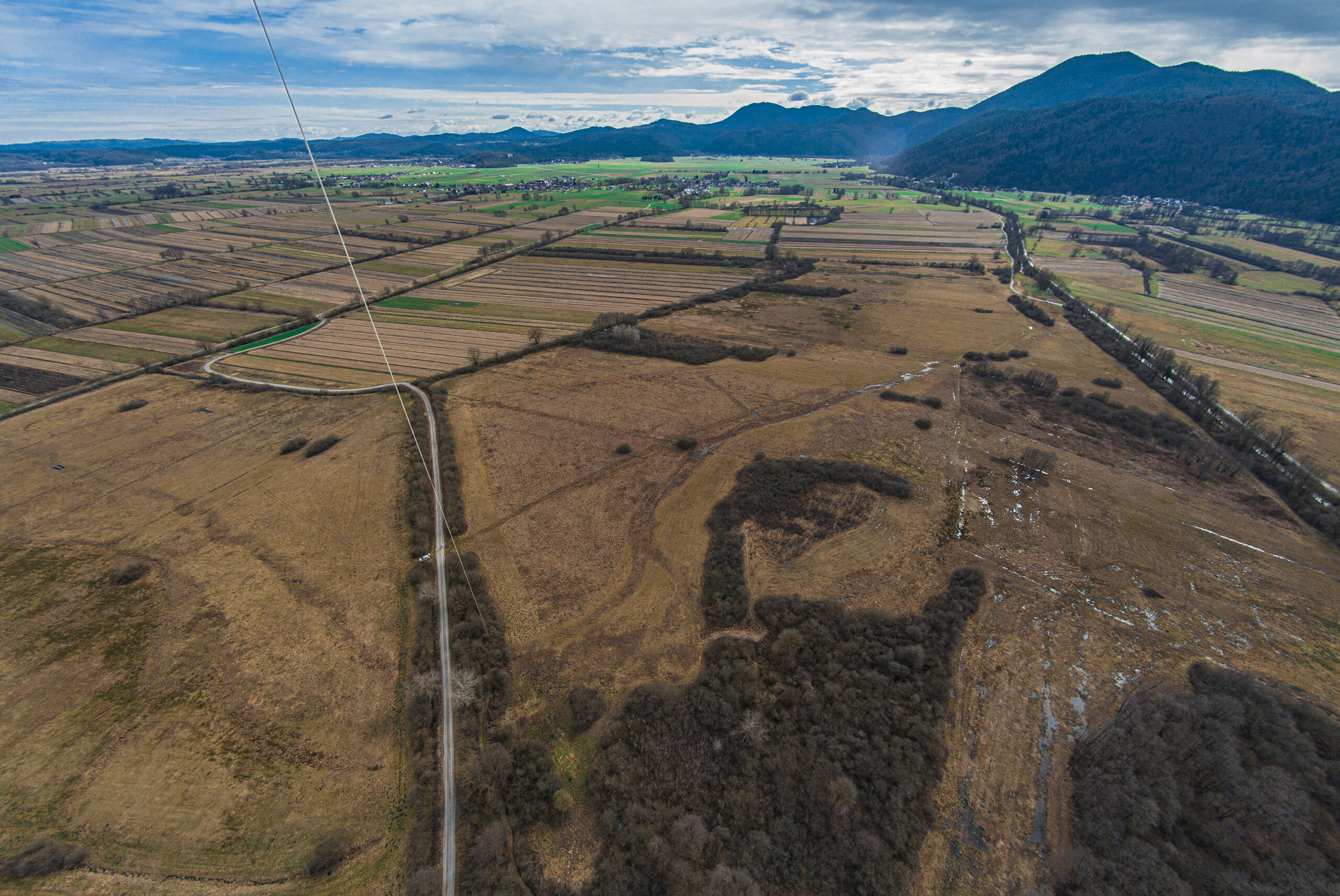
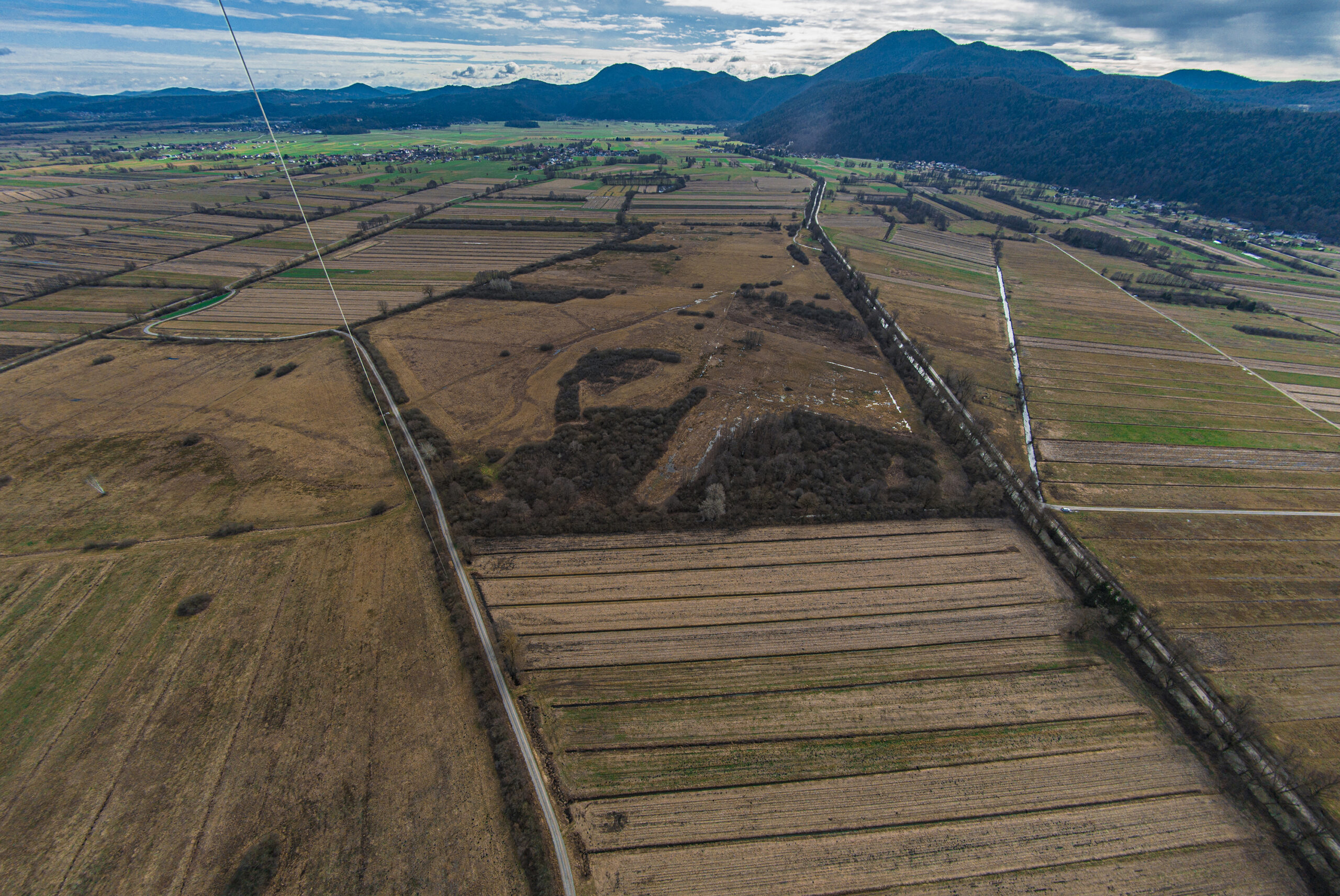
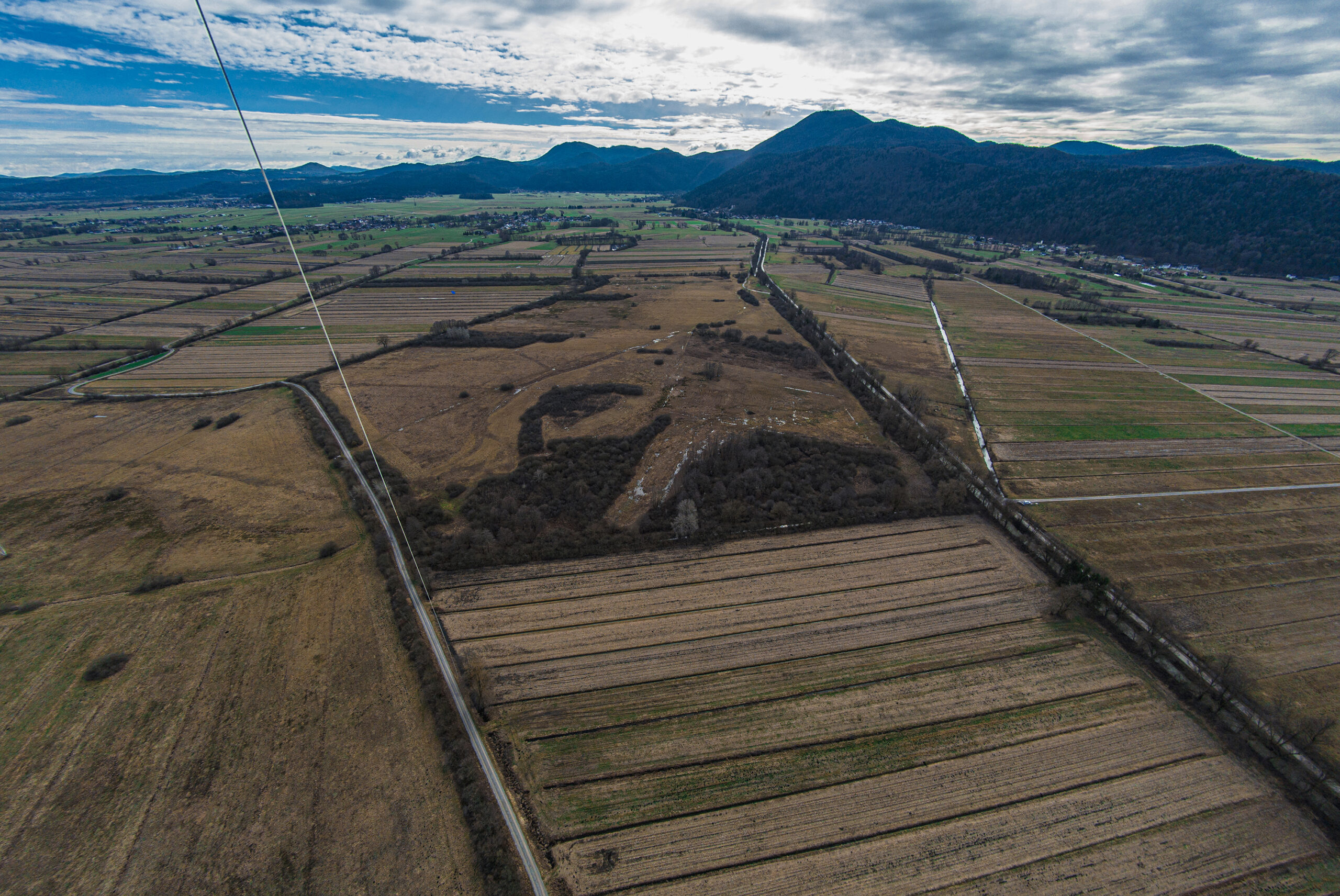
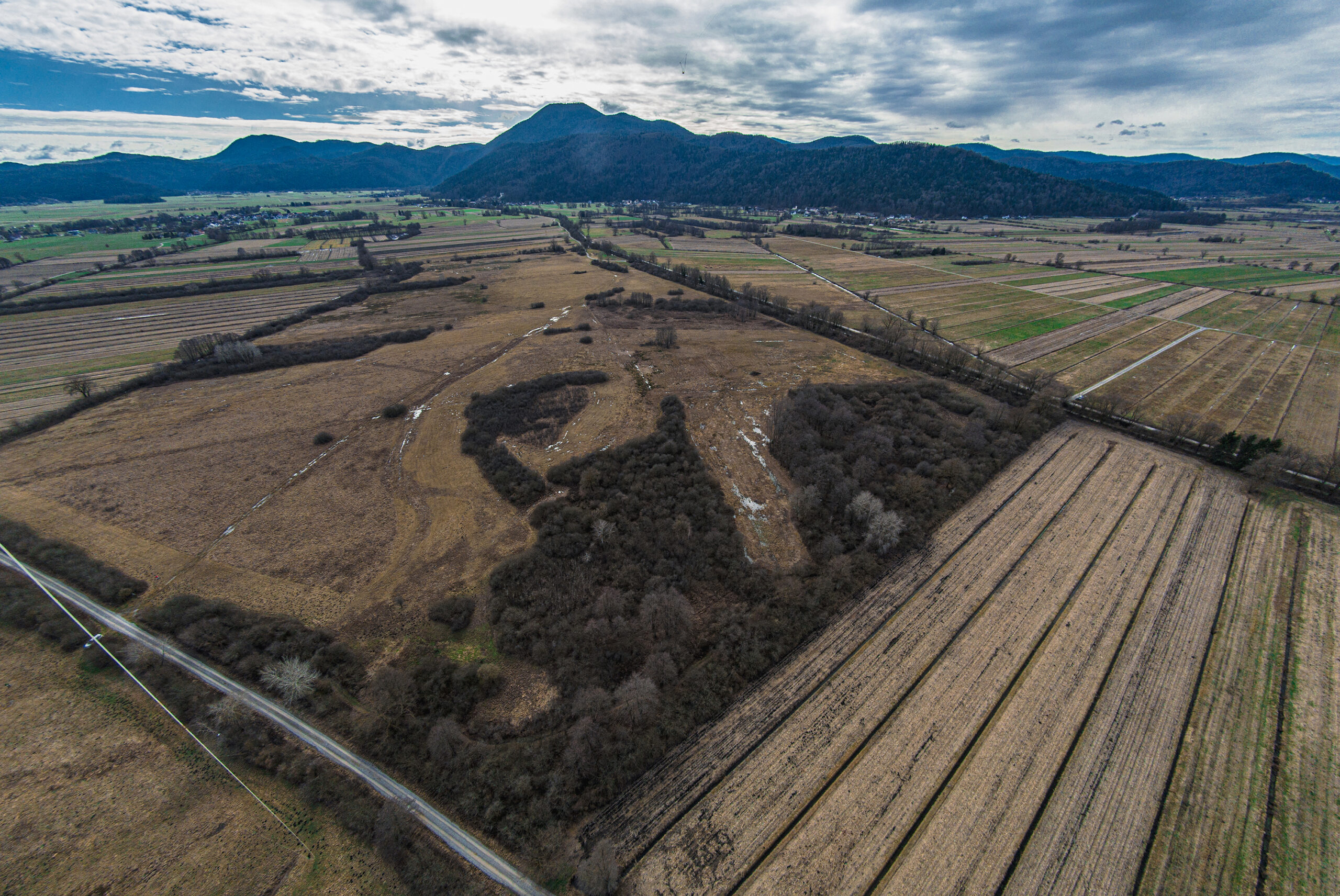
And Iška Moor, a recovering nature reserve, tending to wet meadows, hedgerows, stands of tall herbs, shrubs, floodplain forest, and the silted-up old course of the Iška River.
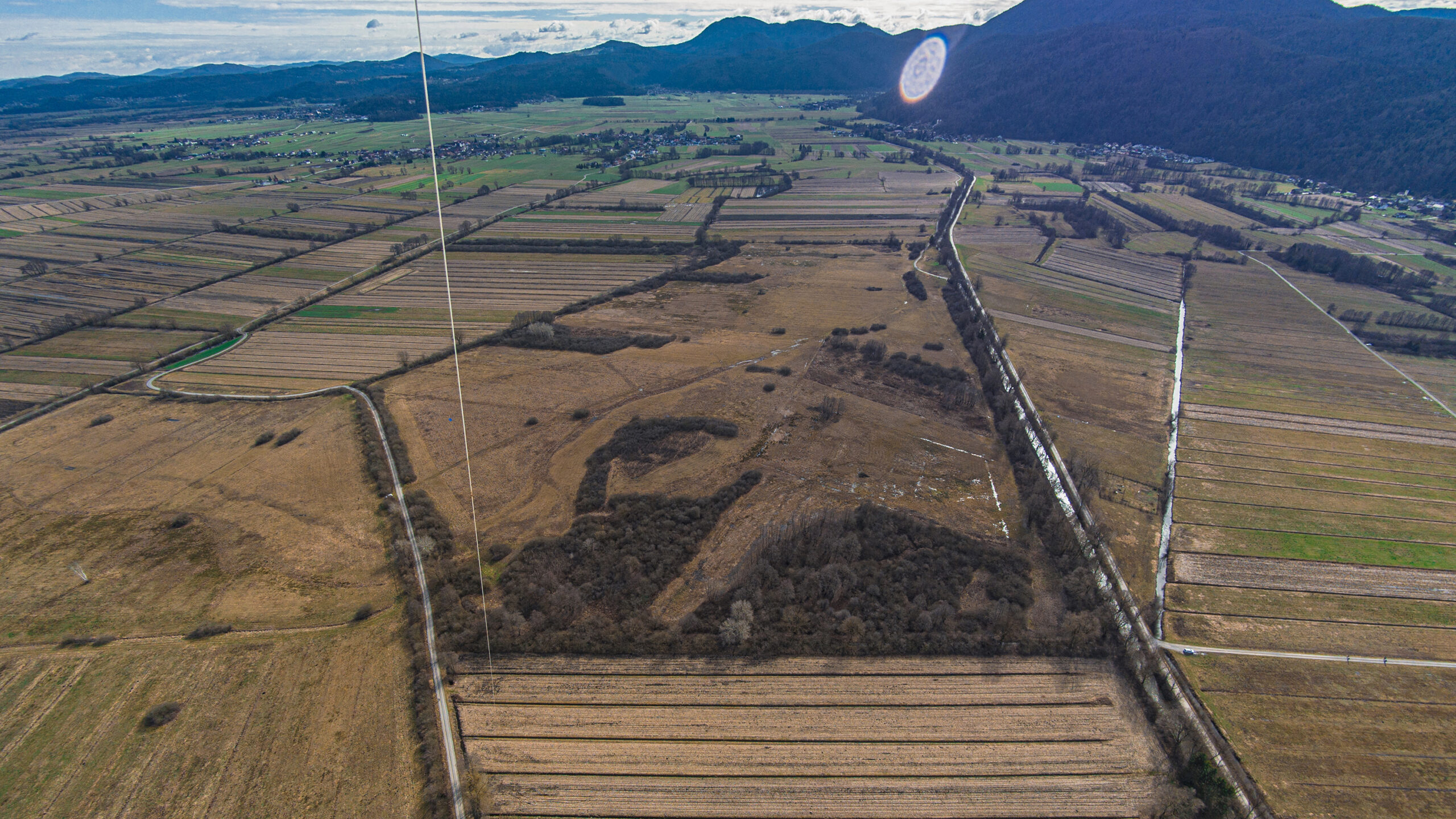
This is, in essence, a rewilding of a place that was wild, then tamed, then half-forgotten – a treasure long dismissed as unproductive and therefore worthless.
And the care for even the most degraded corners of the Marshes is steadily growing. Hay cutting is postponed until August, so marsh birds can raise their chicks undisturbed. Reserves protect rare butterflies, birds, plants, even turtles. Nature-friendly farming methods are being adopted (with effort and compromise, but still), and tourism is developing along more sustainable lines. The Marshes may never return to their primeval state of millennia past, but they are being cared for, cautiously restored, and protected.
Ljubljana Marshes are still licking their wounds – and our kites are keeping an eye on them, gently floating in the sky above them …
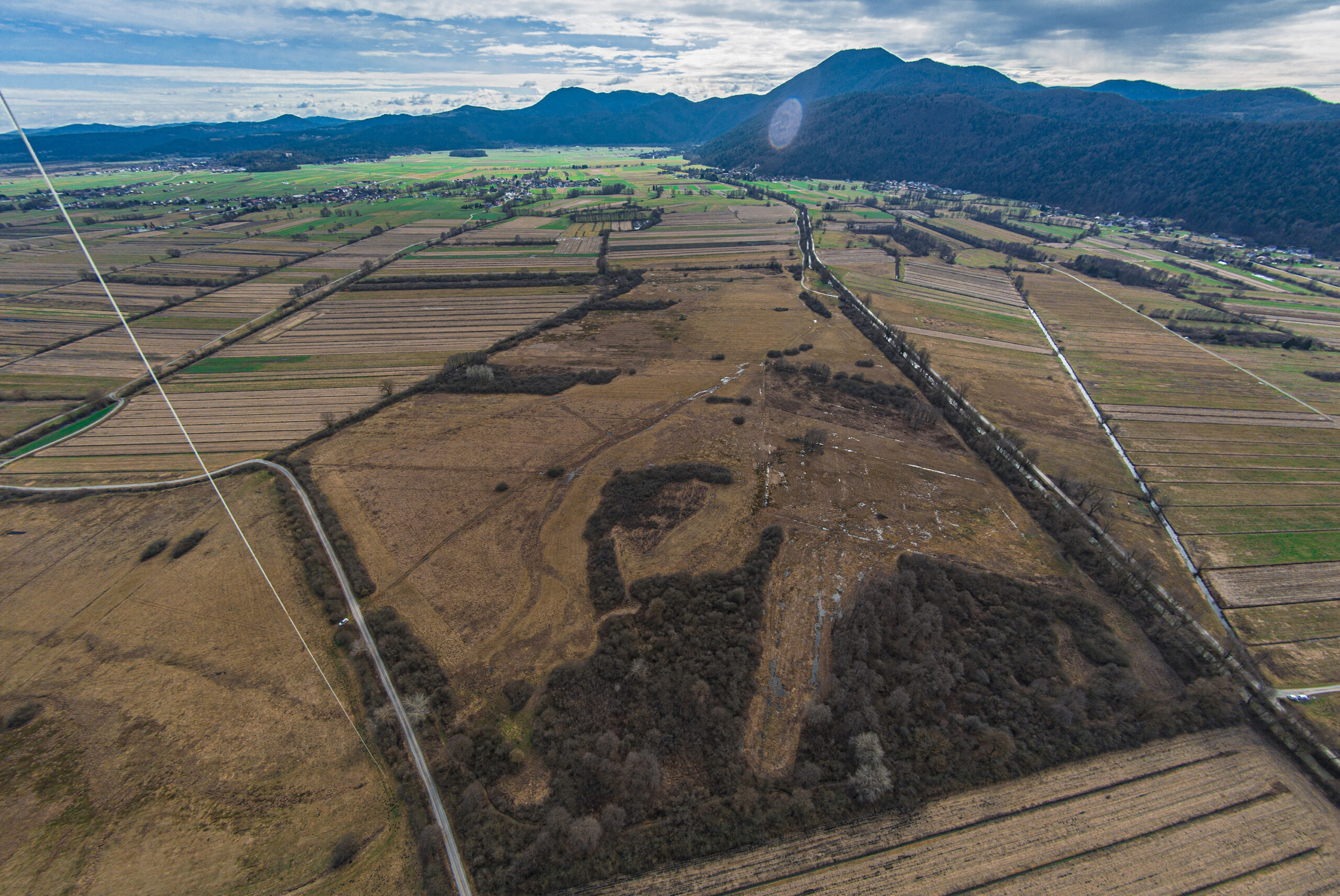
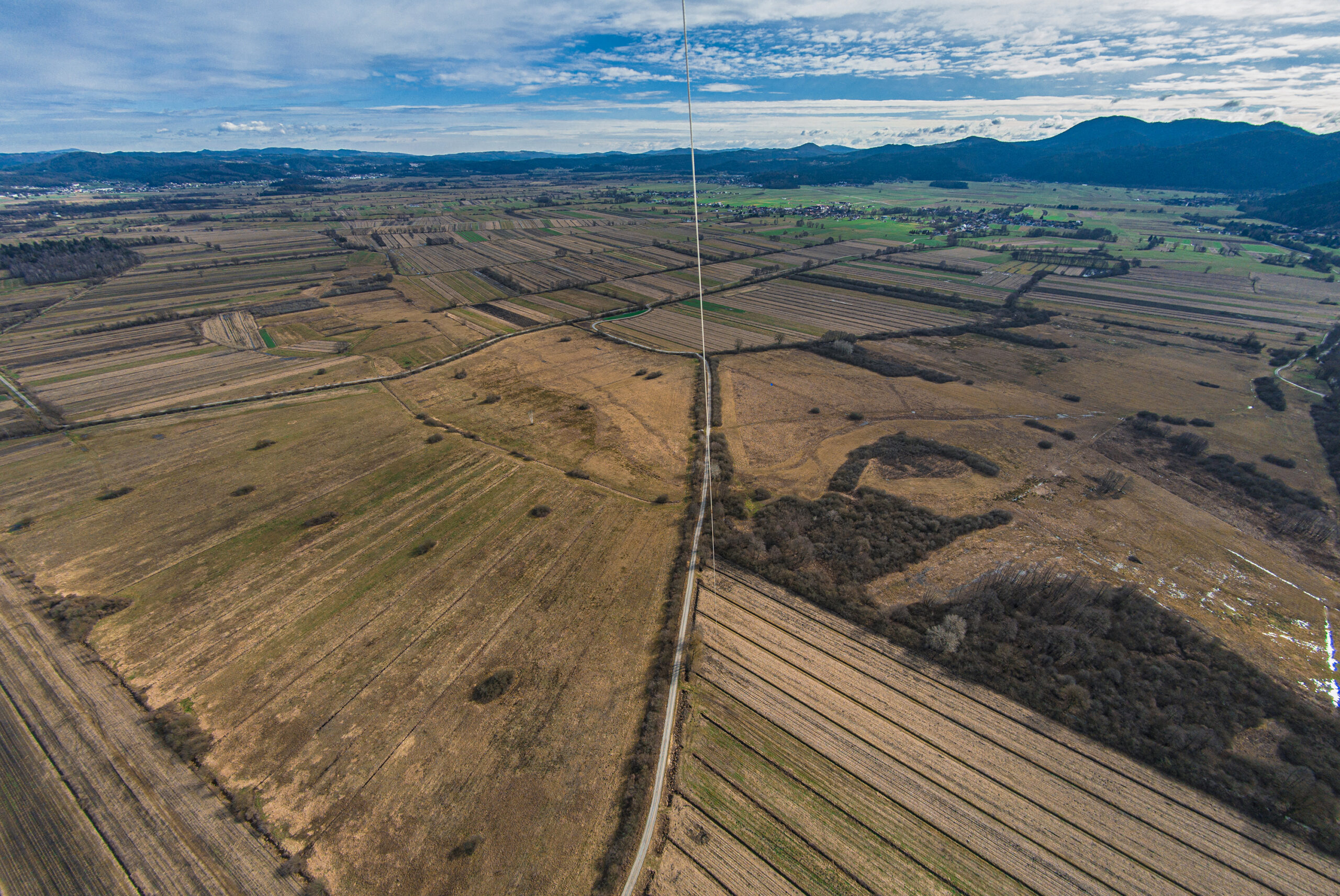
Kite aerial photos shot with Insta 360 on The Mini Millie. The Original Blue Rokkaku was also there carrying Nikon P330, but his photos didn’t make the cut.
Bravo, very well compressed and written history! Indeed, such a special place, just at the doorstep of the capital city.